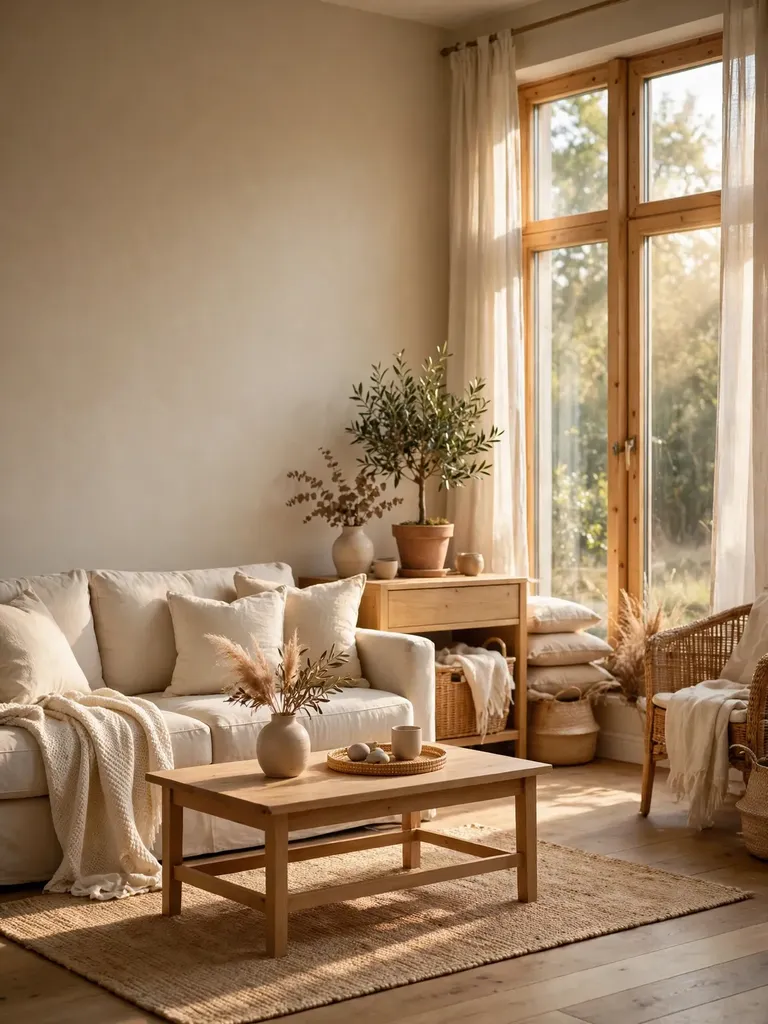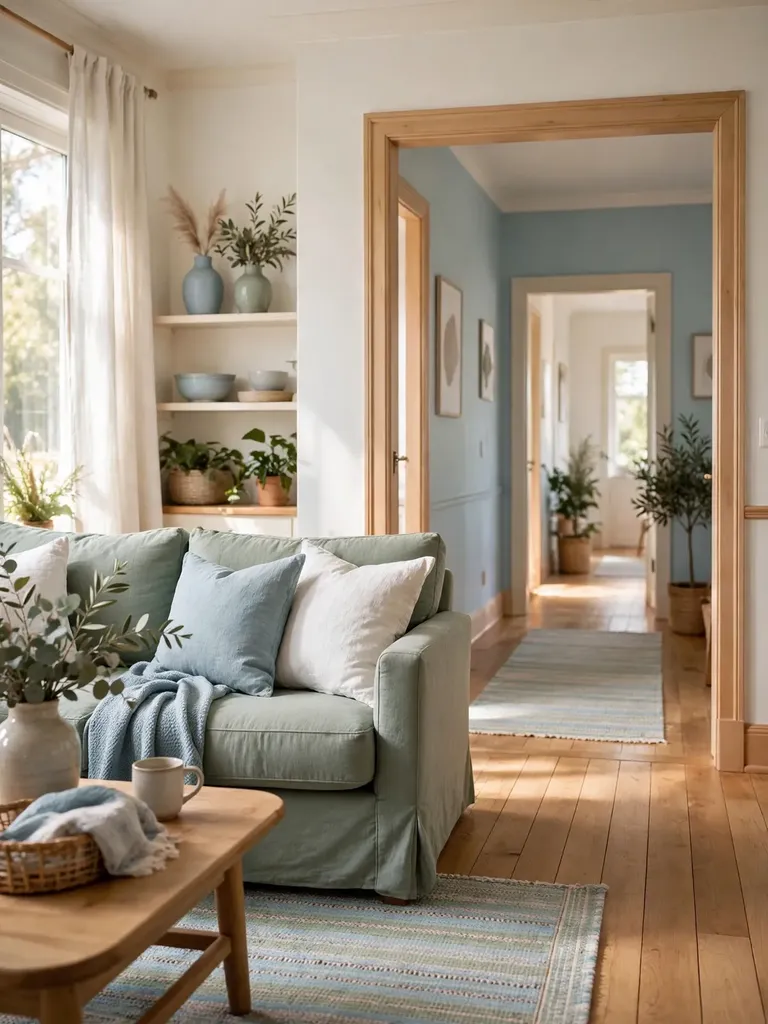
How to Mix Patterns Without Overwhelming a Room
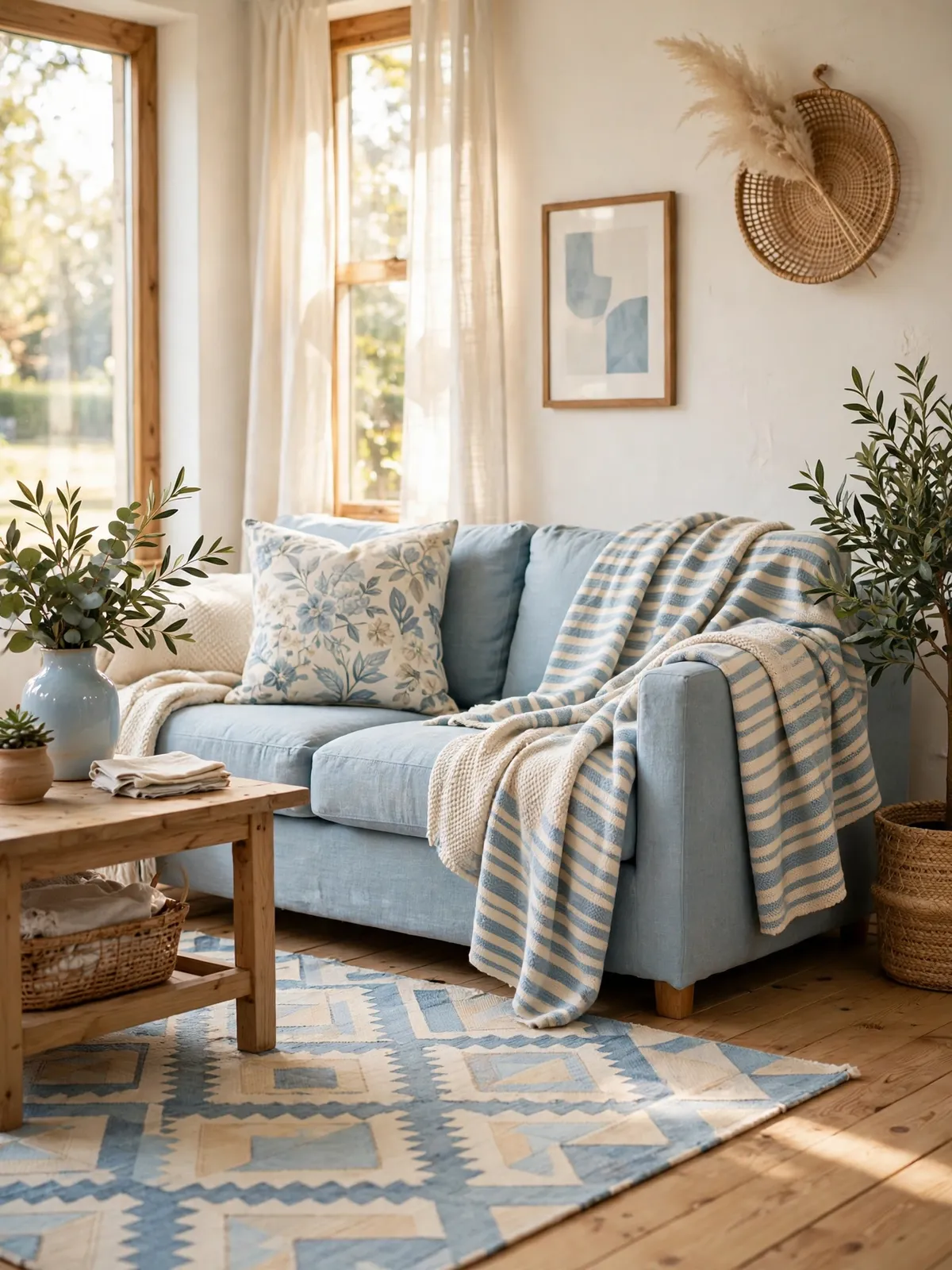
A room full of patterns can look amazing — or it can look like a mess. The difference is not luck, and it is not about having a designer's eye. It is about a few simple rules that keep patterns from fighting each other. Once you know them, mixing patterns stops feeling risky and starts feeling fun.
The secret is balance. One pattern leads, the others support it, and plain solids give your eyes a place to rest. This guide walks you through how to mix patterns step by step, so your room feels layered and lived-in instead of loud and chaotic.
1. Start with One Hero Pattern
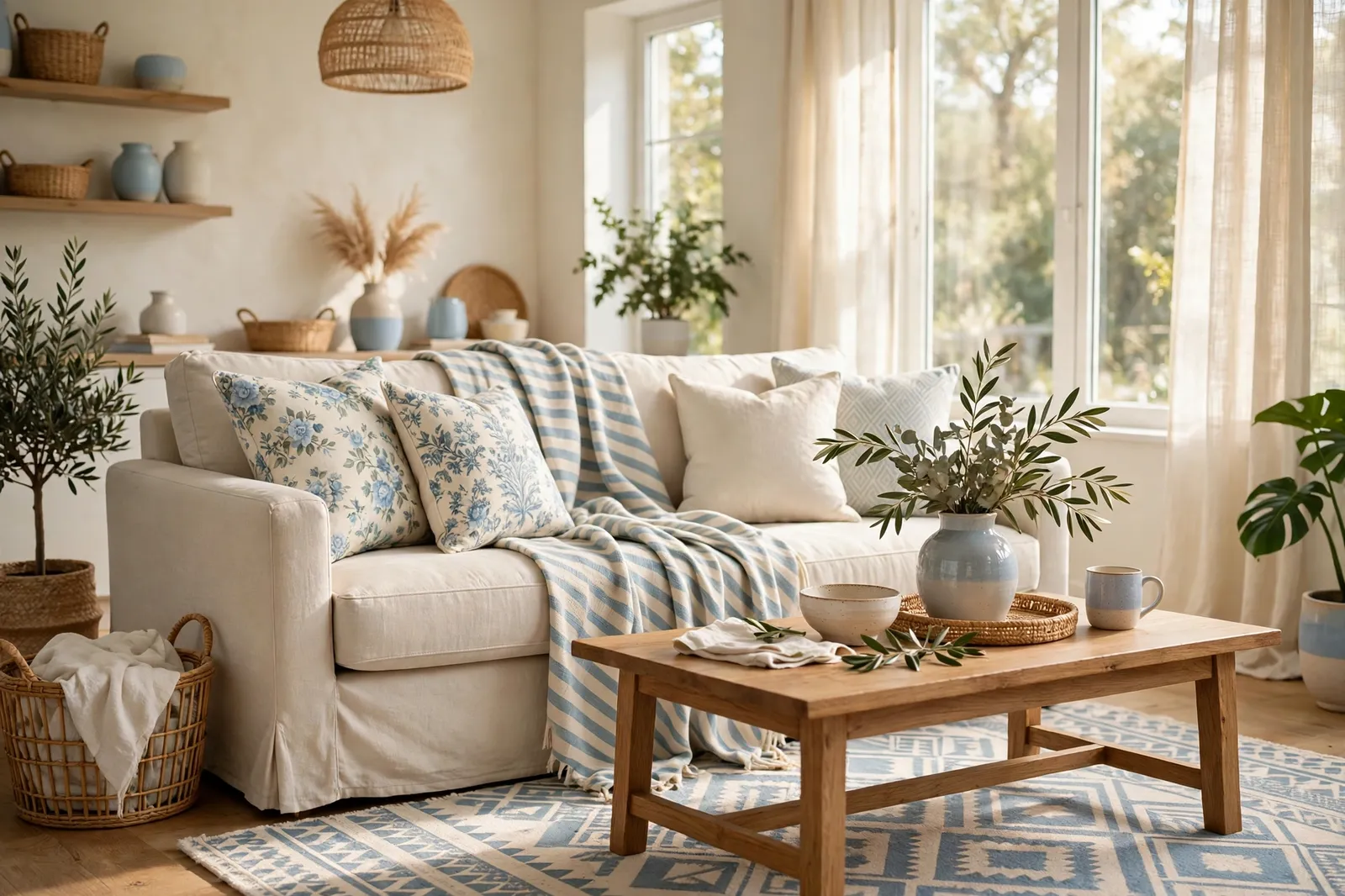
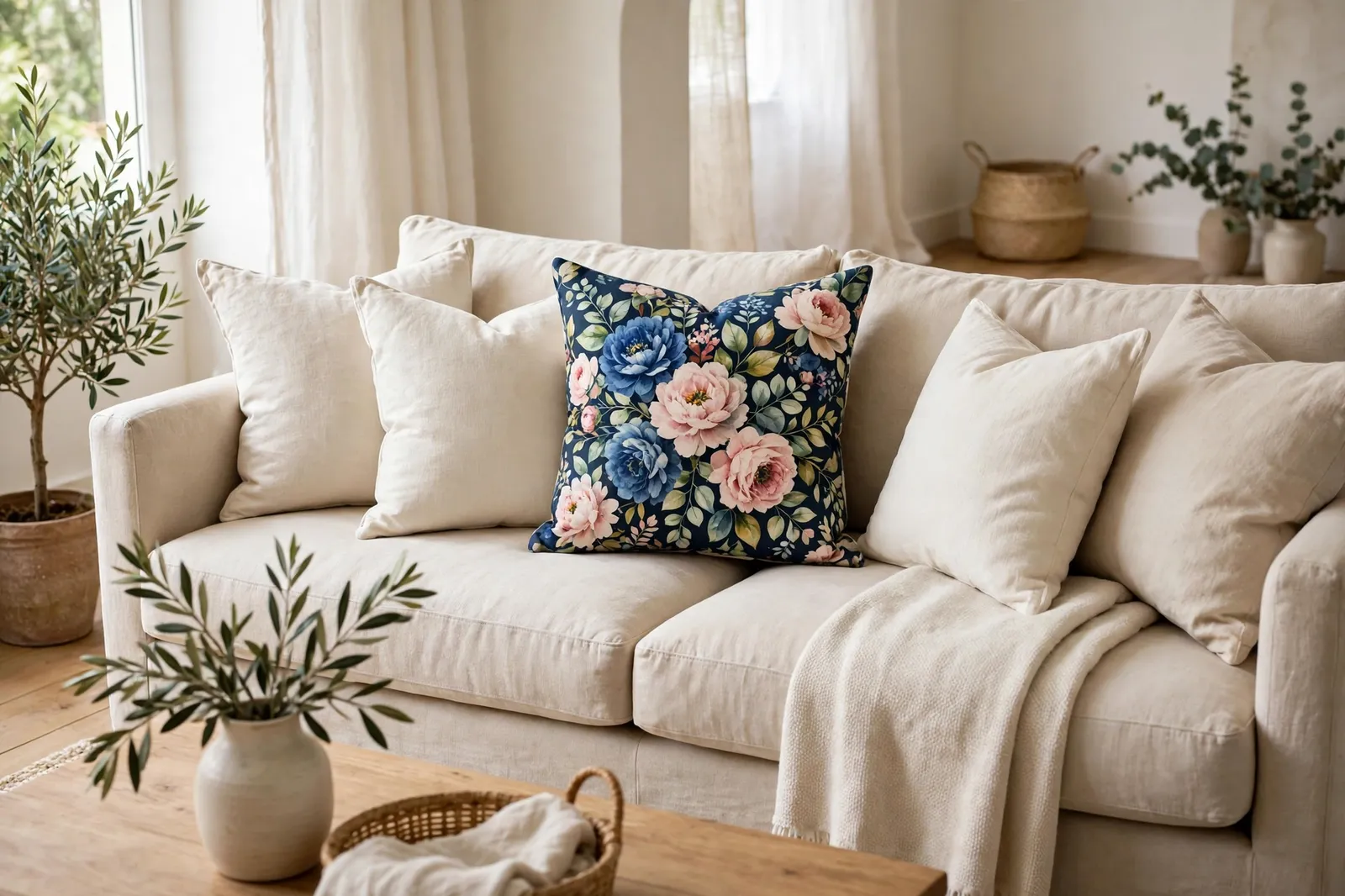
Every good pattern mix starts with one pattern that leads the room. This is your hero — maybe a floral cushion, a bold striped curtain, or a rug with a strong design. Pick the one you love most and let it set the tone. Everything else you add should support it, not compete with it.
Once you have your hero, give it room to shine. Put it somewhere easy to see, like on the sofa or the bed, and keep the pieces right next to it quieter. If the hero is a busy floral cushion, the throw beside it can be plain or have a very small, simple pattern. One star is enough — two stars start to argue.
2. How to Mix Patterns: Vary the Scale
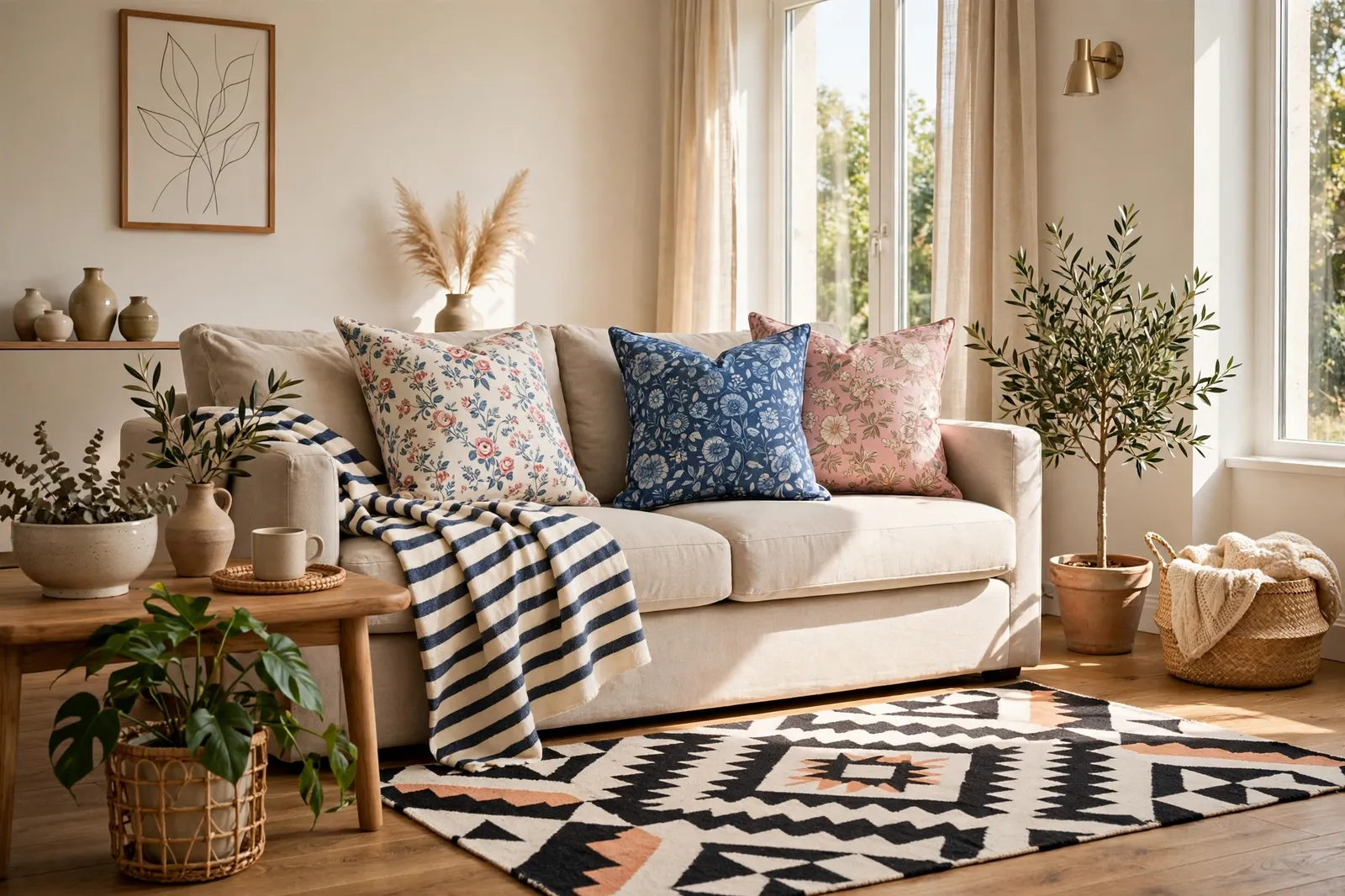
The golden rule for how to mix patterns is to vary the size. Pair a large pattern with a medium one and a small one, and they will get along. Three patterns that are all the same size will clash, because your eye does not know where to look first.
Try this combo: a big floral on the curtains, a medium stripe on a cushion, and a tiny dot or small check on a throw pillow. The big one reads from across the room, the medium one adds interest up close, and the small one almost reads as a texture. Different scales make the mix feel planned instead of random.
3. Keep One Color in Common
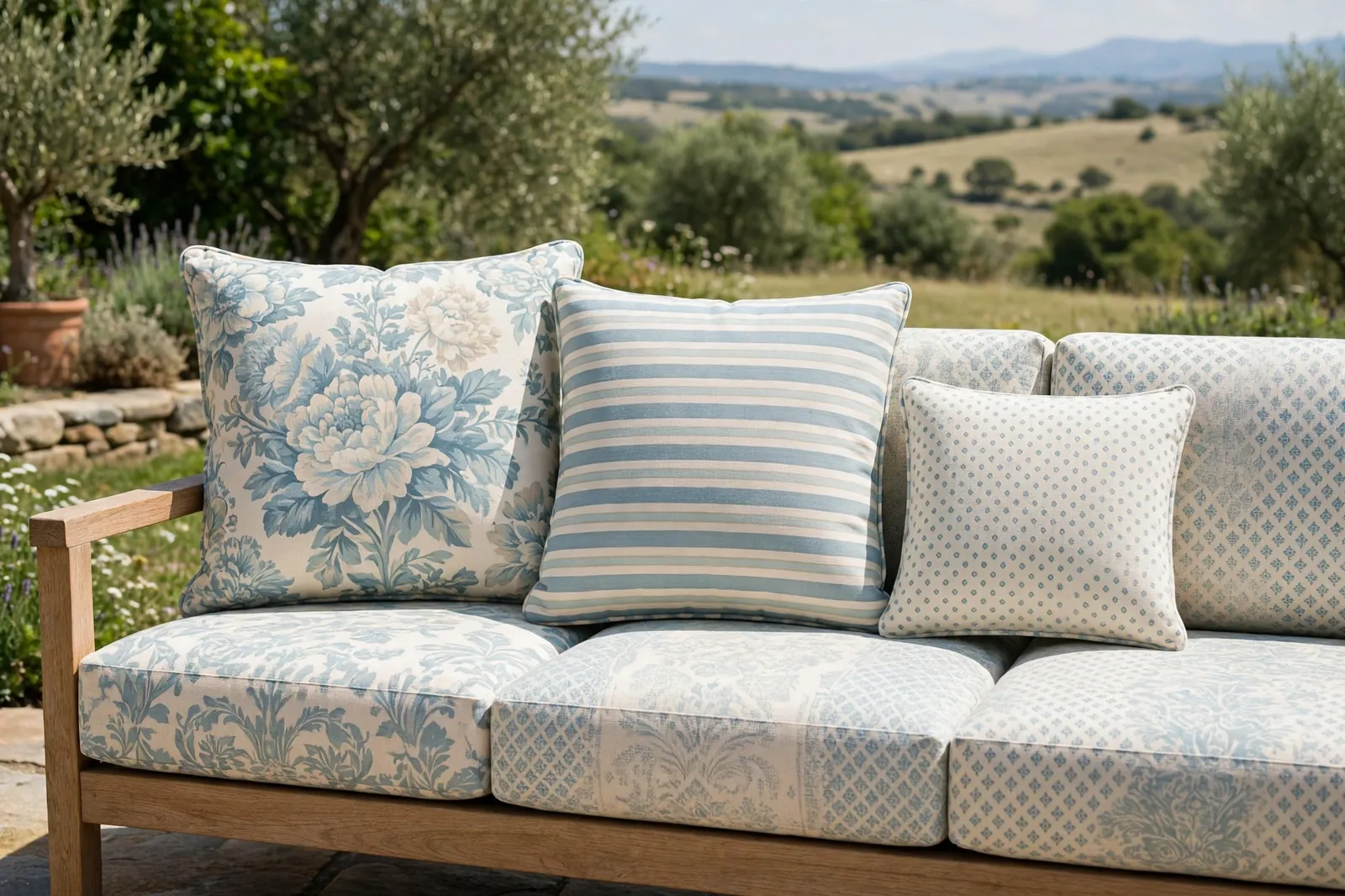
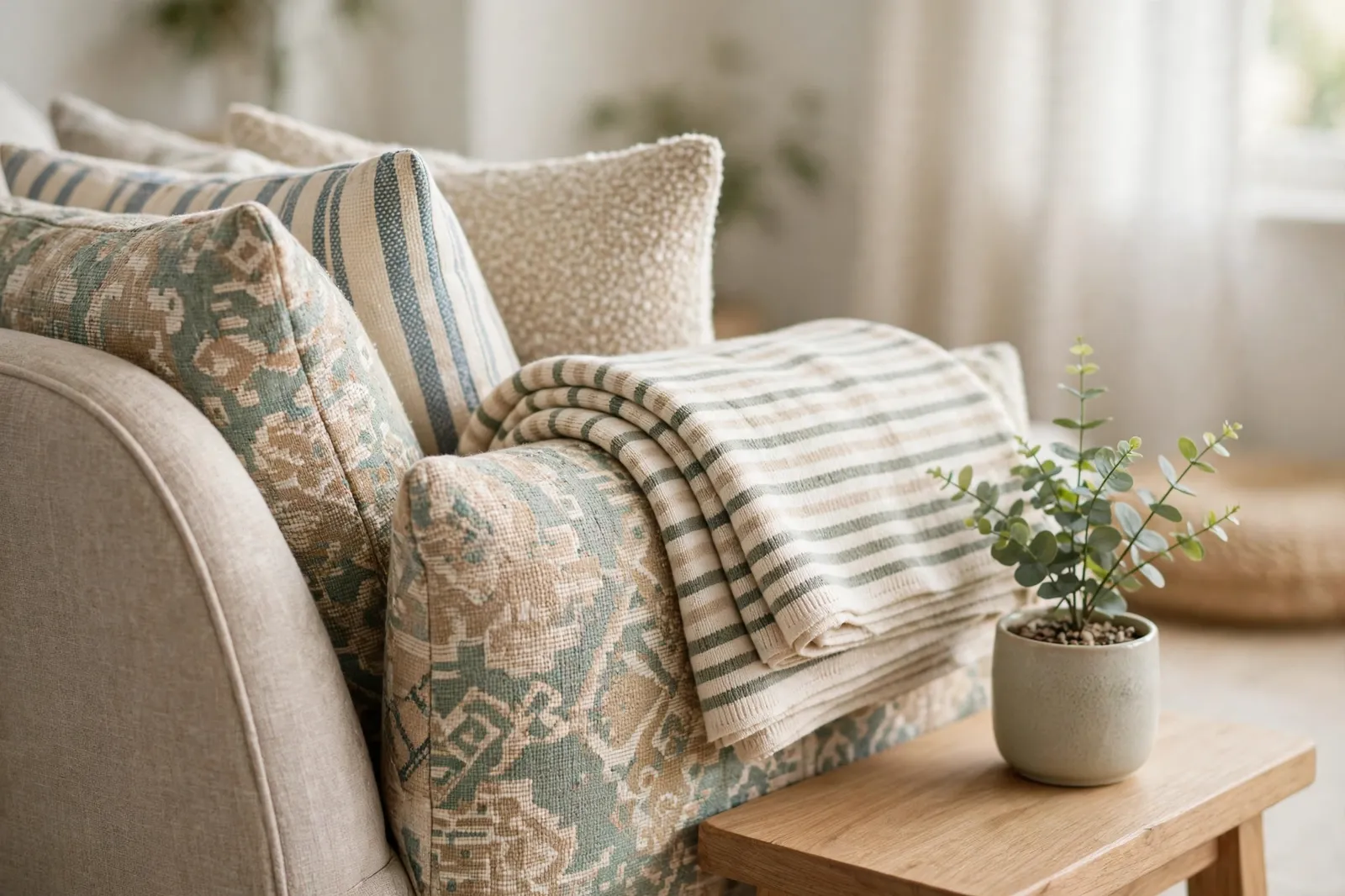
Patterns that share a color almost always work together, even if the designs are very different. A stripe and a floral can look perfect side by side if they both have the same soft blue running through them. That shared color is what ties the whole mix together.
Pick two or three colors from your hero pattern and repeat them in the other patterns. You do not need to match them exactly — close is fine. A warm cream in one pattern and a slightly deeper cream in another still counts. The shared color makes different patterns feel like they belong to the same family.
4. Balance Busy Patterns with Solids
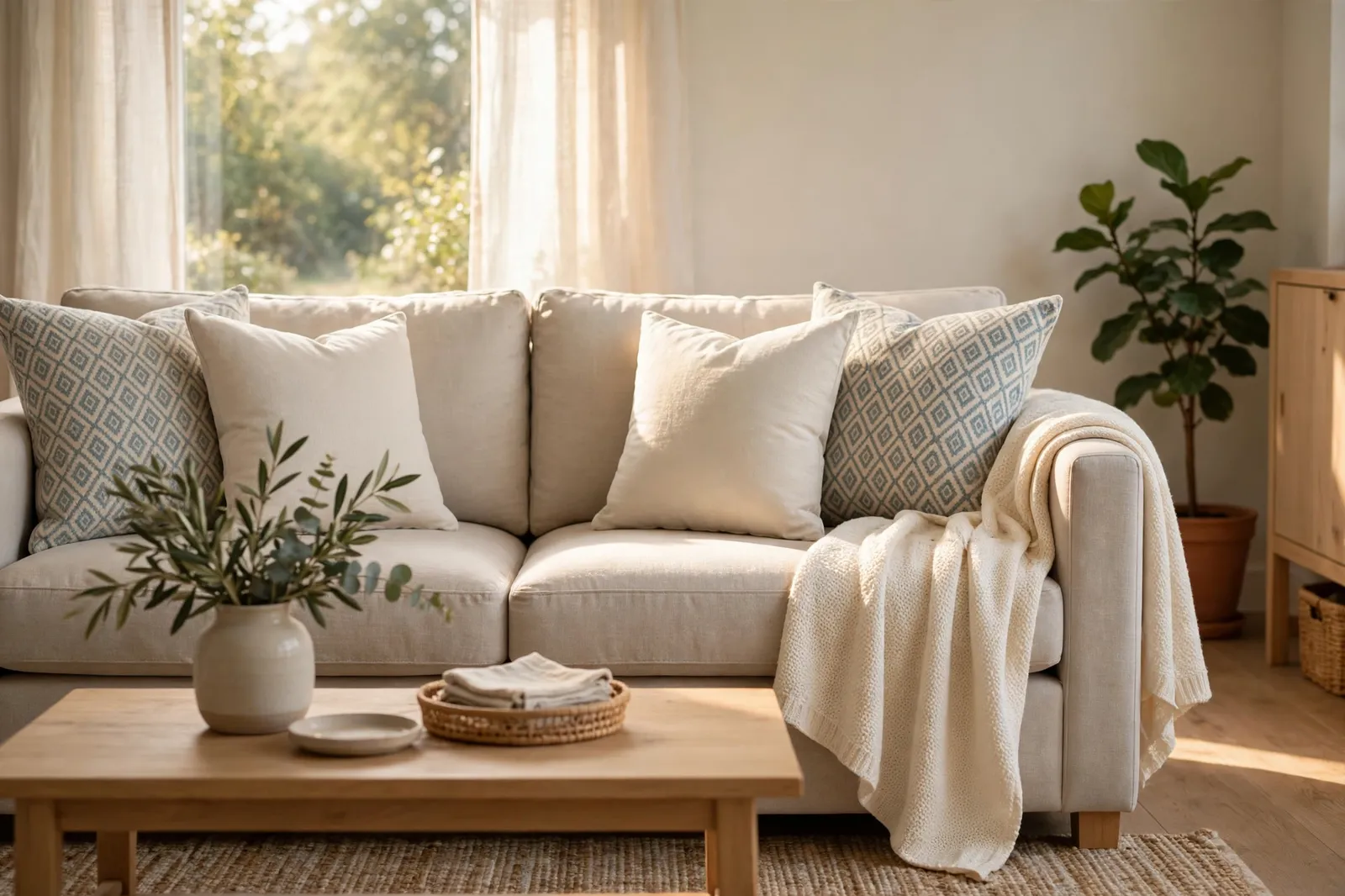
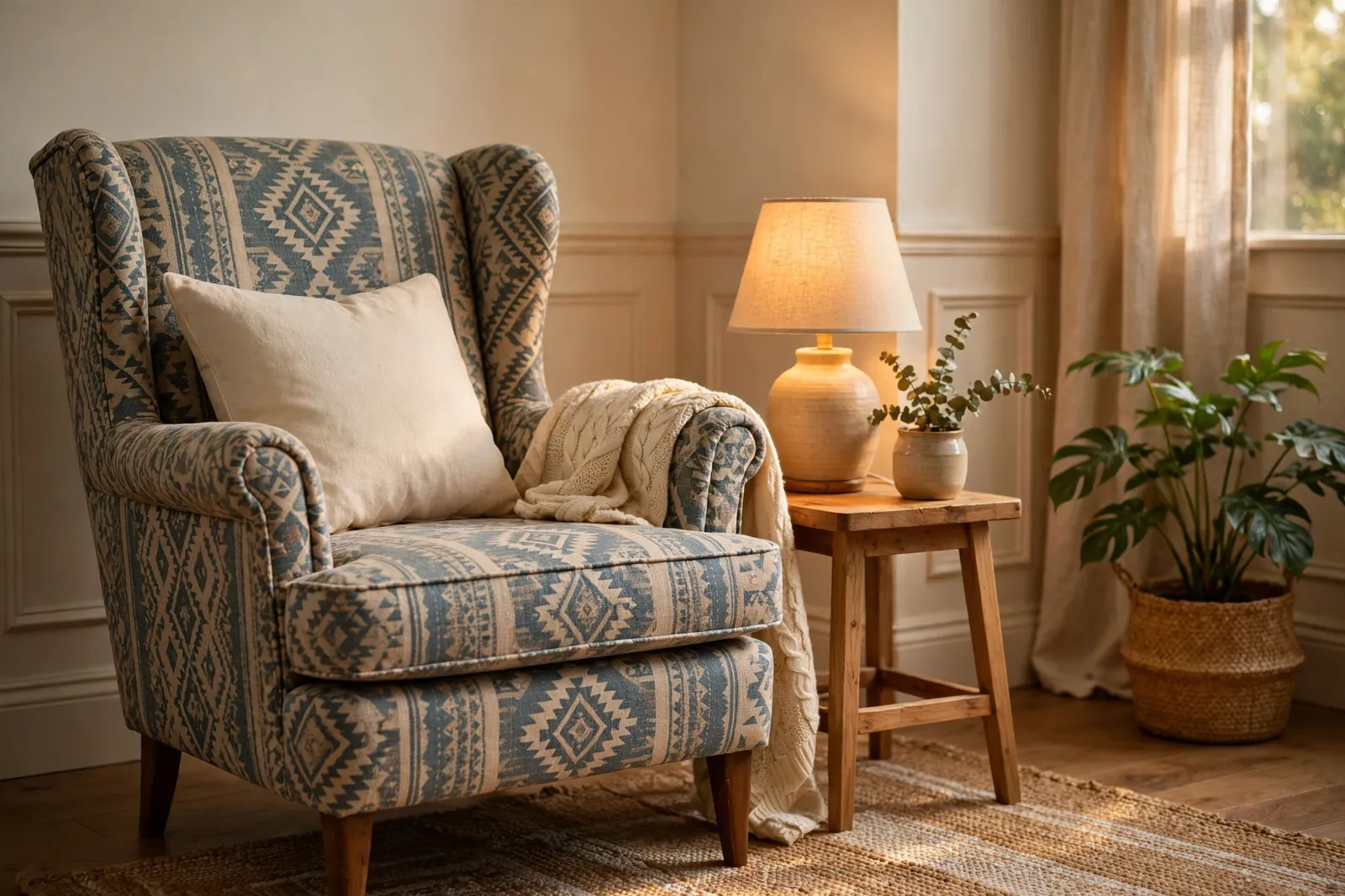
Solids are the quiet friend every pattern mix needs. A plain cushion, a solid throw, or a plain rug gives your eyes a break between patterns. Without solids, even a good pattern mix can start to feel noisy.
A simple rule is to use about half patterns and half solids in a room. If your sofa has two patterned cushions, add one plain one between them. If the curtains are patterned, keep the bedding or the sofa mostly solid. Solids are not boring — they are what make the patterns stand out.
5. Mix Pattern Types, Not Just Prints
Mixing works best when the patterns are different kinds. A floral next to a stripe looks better than two florals next to each other, because the shapes are different enough to feel interesting. Try pairing an organic pattern like a floral or a leaf print with a geometric one like stripes, checks, or a diamond design.
Animal prints, abstract shapes, and classic patterns like plaid all count too. The trick is to make sure no two patterns look like cousins. If they are too alike, they blur together and the mix feels muddy. Different pattern families keep the room lively without making it confusing.
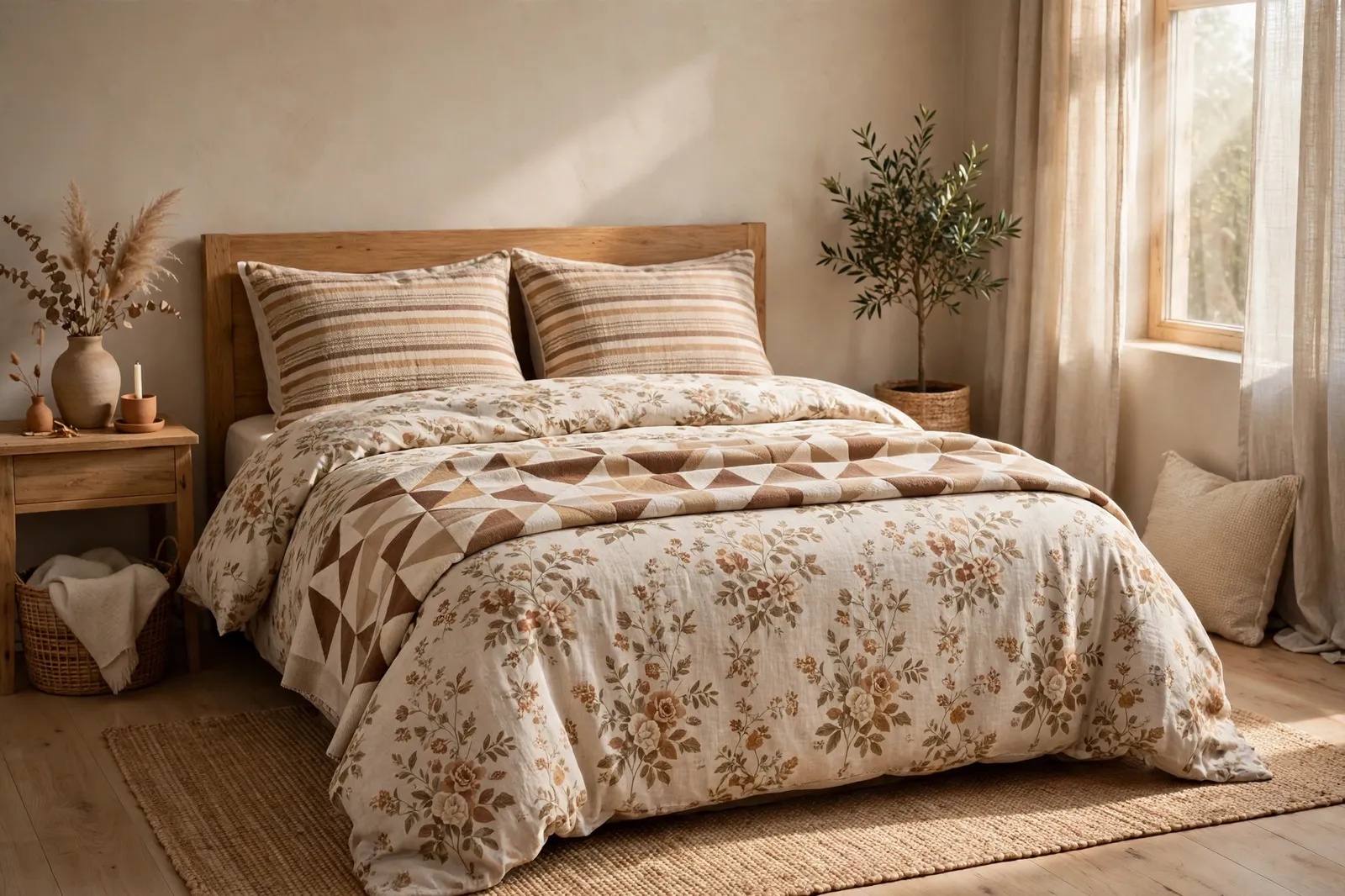
6. Test Patterns Together Before You Commit
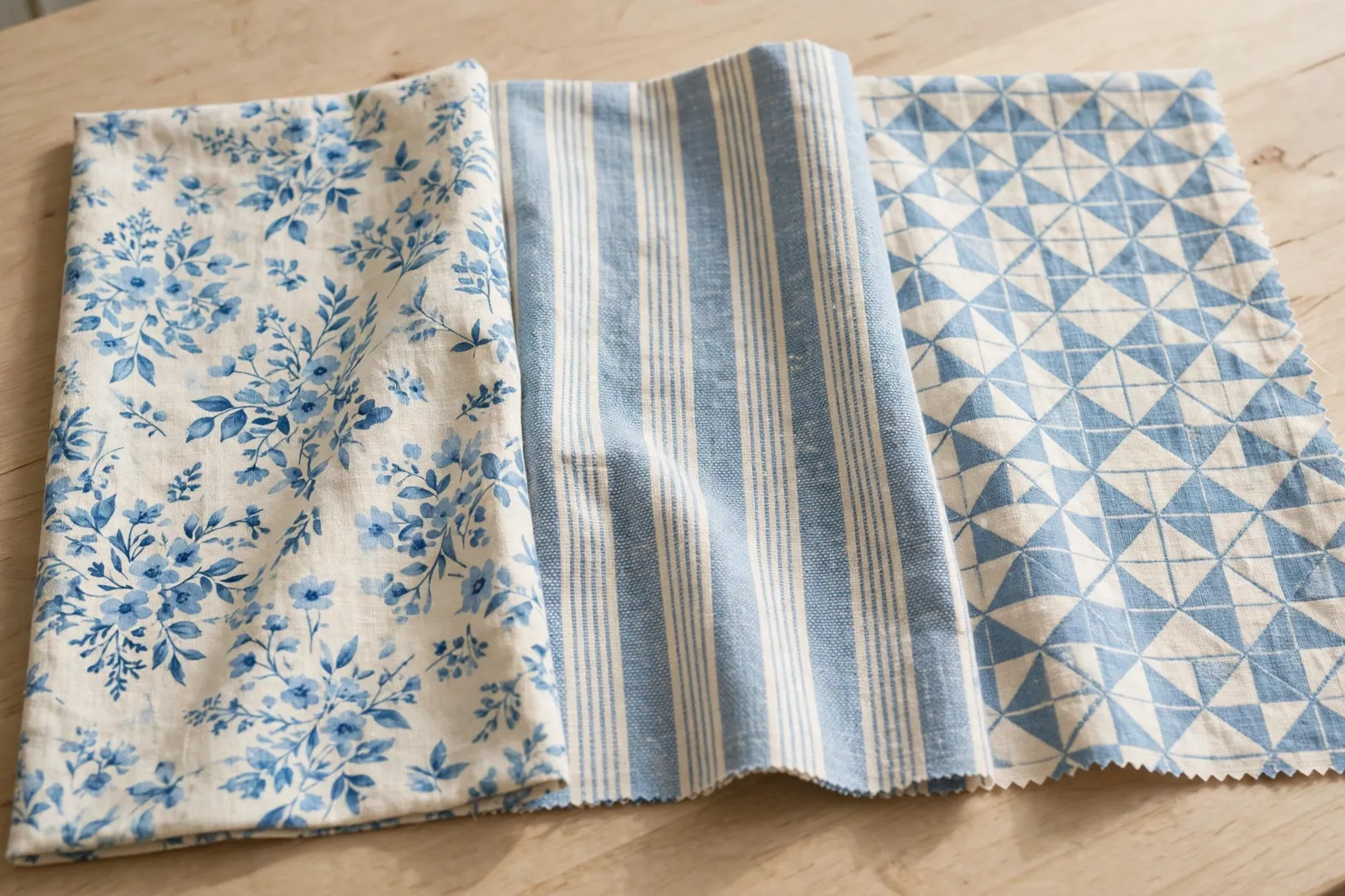
Never buy a full set of patterned pieces without testing them first. Lay fabric swatches, cushions, and throws on the bed or sofa together and step back. Look at them in daylight, because colors change under different light. What looks great in a shop can look very different at home.
Take a photo of the pieces together on your phone. A photo shows you the whole mix at a glance, and it is easier to spot a pattern that sticks out. If one piece fights the rest, swap it out for something quieter. It is much cheaper to test with swatches than to return a whole rug.
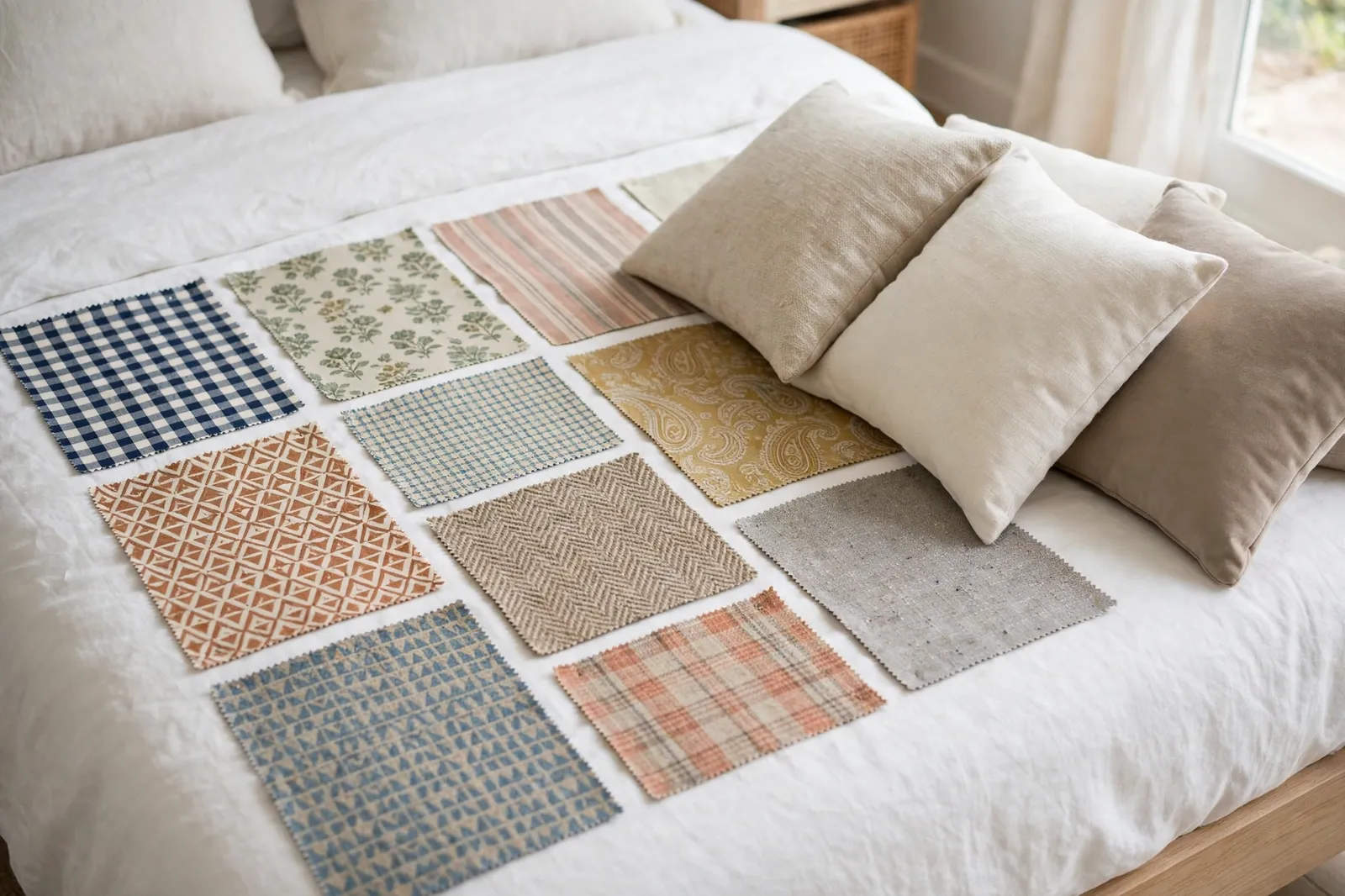
7. Spread Patterns Around the Room
Patterns look best when they are spread out, not piled in one spot. A patterned cushion on the sofa, a patterned rug under the coffee table, and a patterned lampshade across the room create a rhythm. Your eye moves around the room instead of getting stuck in one busy corner.
Repeat each pattern at least twice if you can. A stripe that shows up on a cushion and again on a throw feels intentional. A pattern that appears only once can look like an accident. Spreading and repeating makes the whole room feel connected.
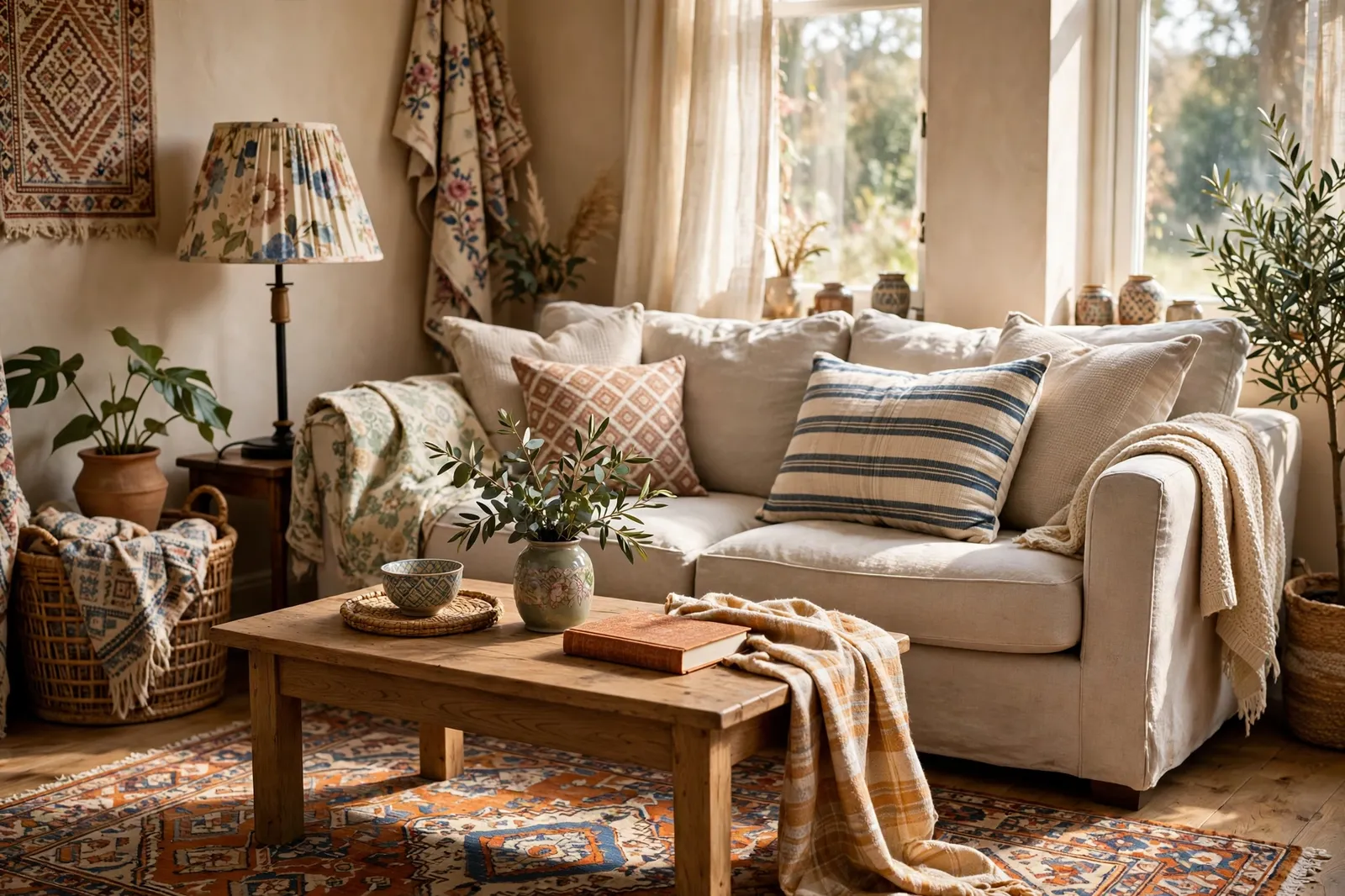
8. Keep the Rest of the Room Calm
When patterns are doing the talking, the rest of the room should stay quiet. Plain walls, a simple rug, and uncluttered shelves let the patterns be the star. If the walls are busy too, the patterns have nowhere to rest and the room feels crowded.
This does not mean the room has to be plain. It means the big surfaces — walls, floors, and large furniture — stay simple so the patterns on cushions, throws, and curtains can shine. A calm background is what makes a bold pattern mix look stylish instead of messy.
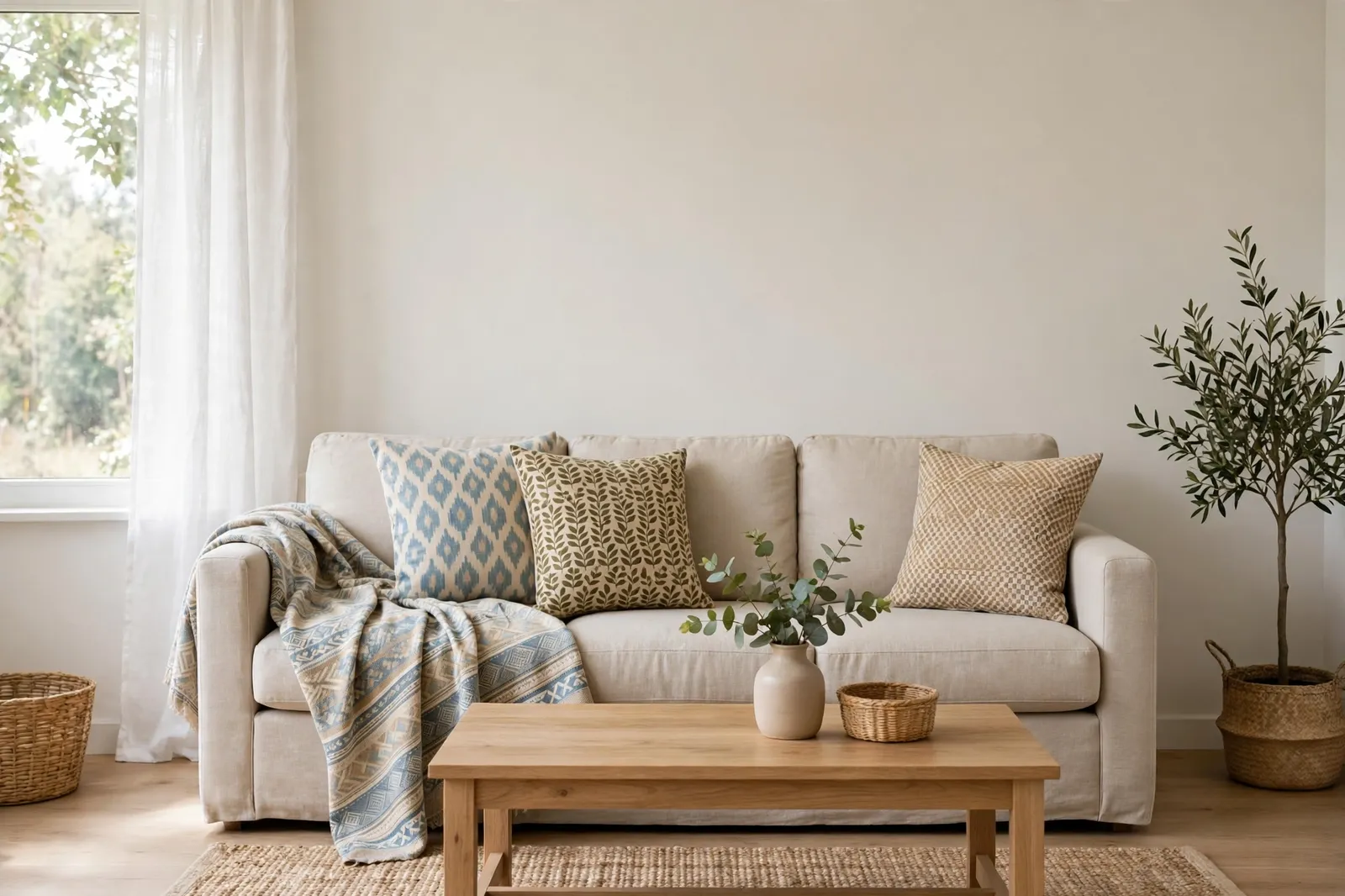
9. Trust Your Eye and Edit What Feels Off
At the end of the day, your eye is the best judge. If a pattern feels wrong in the room, it probably is — take it out and see if the room feels better. Sometimes removing just one piece is all it takes to fix a mix that felt too busy.
Start small if you are nervous. Add one patterned cushion, live with it for a week, then add another. Pattern mixing is a skill, and it gets easier every time you try. The rooms you love most are usually the ones where someone was brave enough to mix things up — and smart enough to edit.
Frequently Asked Questions
How many patterns can I mix in one room?
Three patterns is a safe number for most rooms, and four can work if you follow the rules — vary the scale, share a color, and add solids in between. More than four usually starts to feel busy unless the room is large and the patterns are very subtle. Start with three and add one more only if the room still feels calm.
Can I mix stripes and florals?
Yes, stripes and florals are one of the easiest pairs to mix. Stripes are structured and straight, while florals are soft and organic, so they balance each other nicely. Just make sure they share at least one color and are different in scale — a big floral with a medium or small stripe works better than two patterns fighting at the same size.
What if my patterns clash?
If your patterns clash, check three things: do they share a color, are they different sizes, and is there enough solid space between them? Fixing one of these usually solves the problem. If it still looks wrong, remove the loudest pattern and replace it with a solid. You can always try that pattern again in a different room.
Do I need to match pattern colors exactly?
No, you do not need an exact match. Colors in the same family work fine — a soft blue in one pattern and a slightly deeper blue in another still ties the mix together. What matters is that the colors feel like they belong in the same palette. If one color looks completely out of place, that is the piece to swap.
Related ideas
If you liked learning how to mix patterns, How to Mix Wood Tones in Home Decor is a great next read, since mixing wood tones follows the same idea of balance and one shared thread. How to Hang Wall Art at the Right Height will help you finish the room once the patterns are sorted, and Gallery Wall Layout Ideas and How to Plan One shows how to arrange a whole wall of frames without it looking cluttered. You might also like How to Mix Wood Tones in Home Decor and Home Decor Color Schemes and Wall Styling Ideas.