Accent Wall Ideas for Living Rooms and Bedrooms
One wall can change a whole room. You do not need new furniture or a full makeover — just pick the right wall, give it a little attention, and the room suddenly has a focal point. It is one of the easiest and cheapest ways to make a living room or bedroom feel fresh.
The trick is to keep it simple. Pick one wall, pick one idea, and let the rest of the room stay calm. This guide walks through accent wall ideas that work in real homes, from bold paint to wood slats to peel-and-stick options, plus how to style around the wall once it is done.
1. Pick the Right Wall First
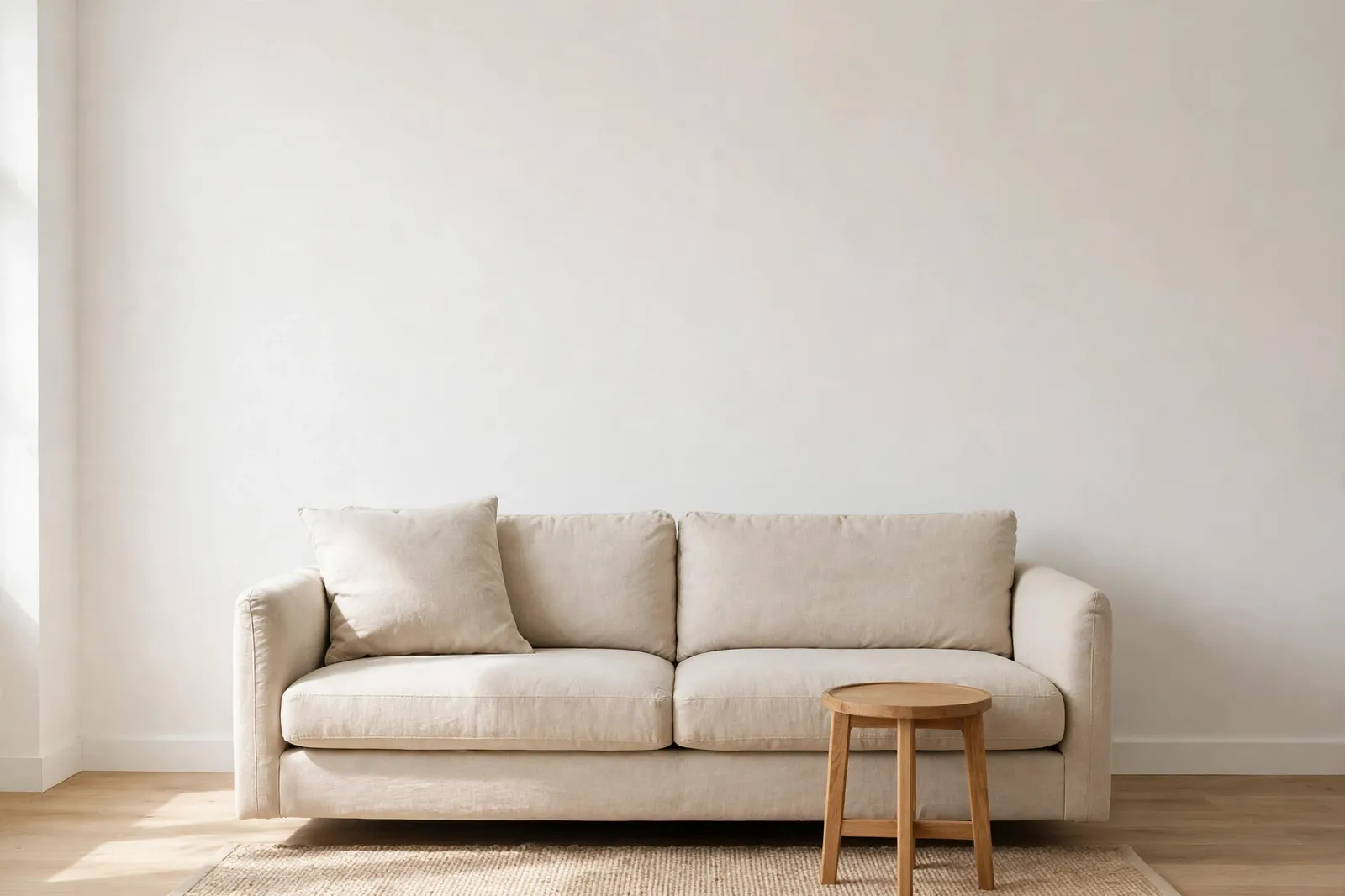
Before you buy paint or wallpaper, pick the wall. The best accent wall is usually the one you see first when you walk into the room. In a living room, that is often the wall behind the sofa or the TV. In a bedroom, it is almost always the wall behind the bed.
Skip walls with lots of doors, windows, or clutter. A wall that is broken up by openings will not give you a clean look, and your accent will get lost. A plain, solid wall is the best canvas. Stand in the doorway, look around, and pick the wall your eye lands on naturally. That is the one.
2. Bold Paint Colors That Work
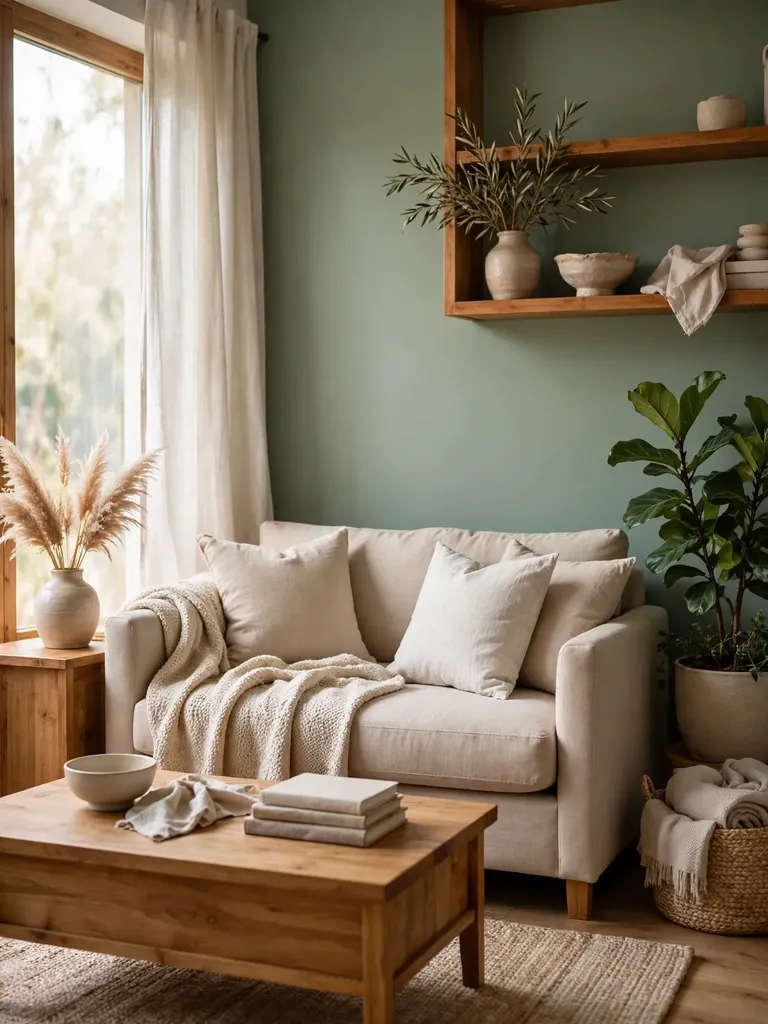
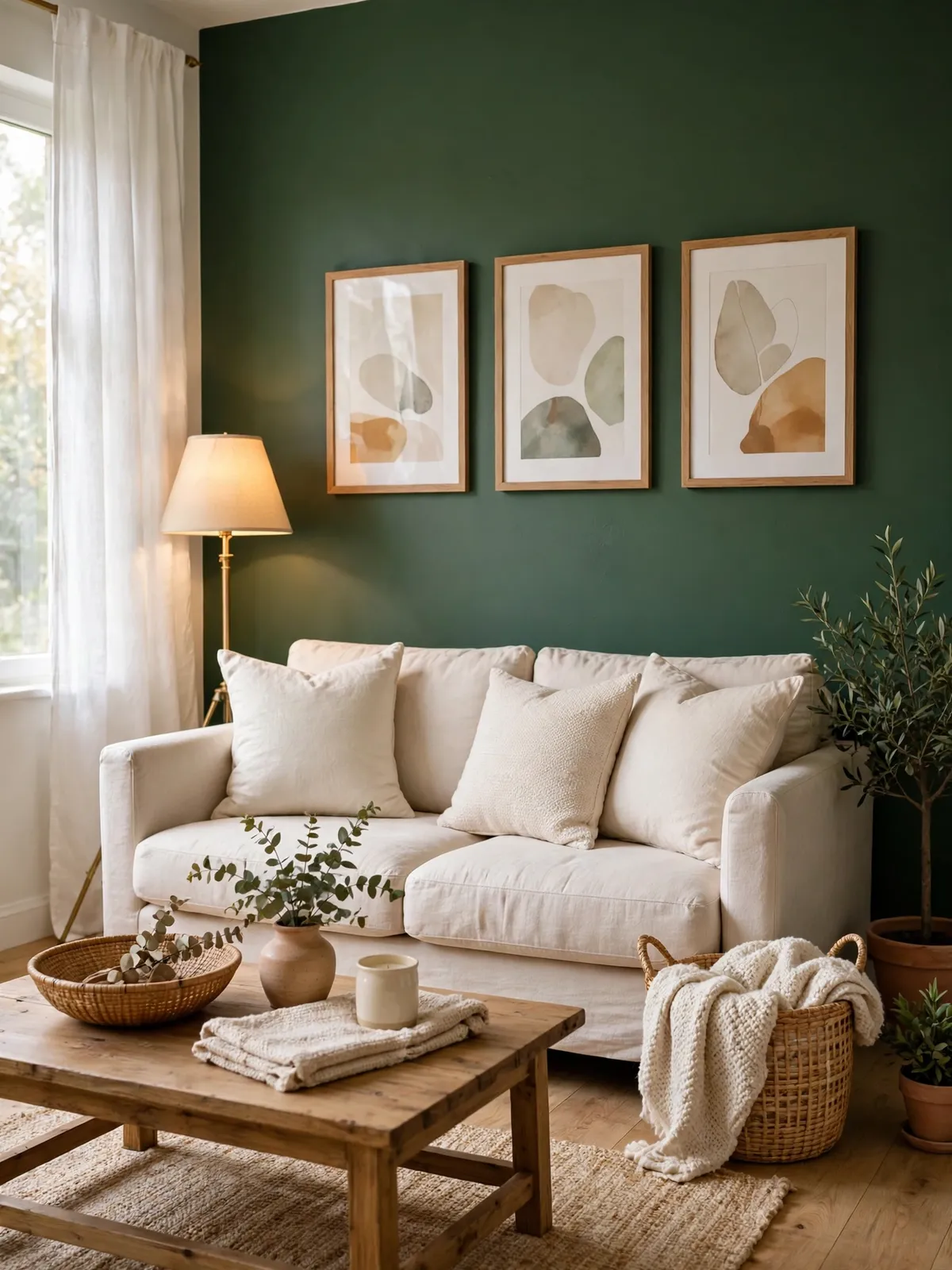
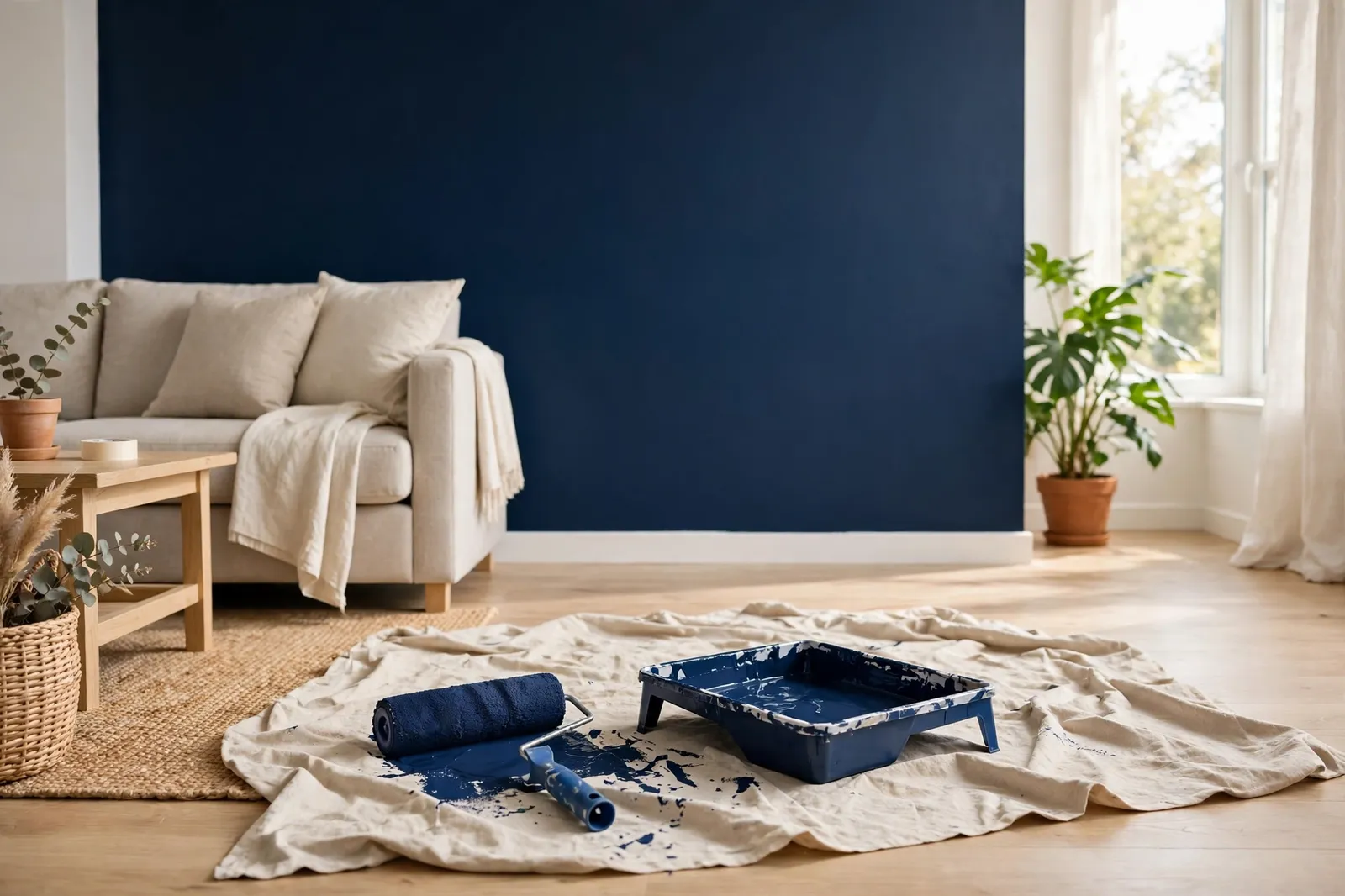
Paint is the cheapest and fastest way to make an accent wall, and one wall takes just an afternoon. Deep green, navy blue, warm charcoal, or a rich terracotta can make a room feel cozy and pulled together. If you like things lighter, try a soft sage or a dusty blue for a gentle change.
Pick a color that gets along with what you already own. Look at your sofa, your bedding, and your rug, and choose a shade that sits well with them. Test a small patch first and look at it in morning light and evening light before you commit. One wall of paint is a small job, but it is worth getting the color right.
3. Wood Slats and Panels
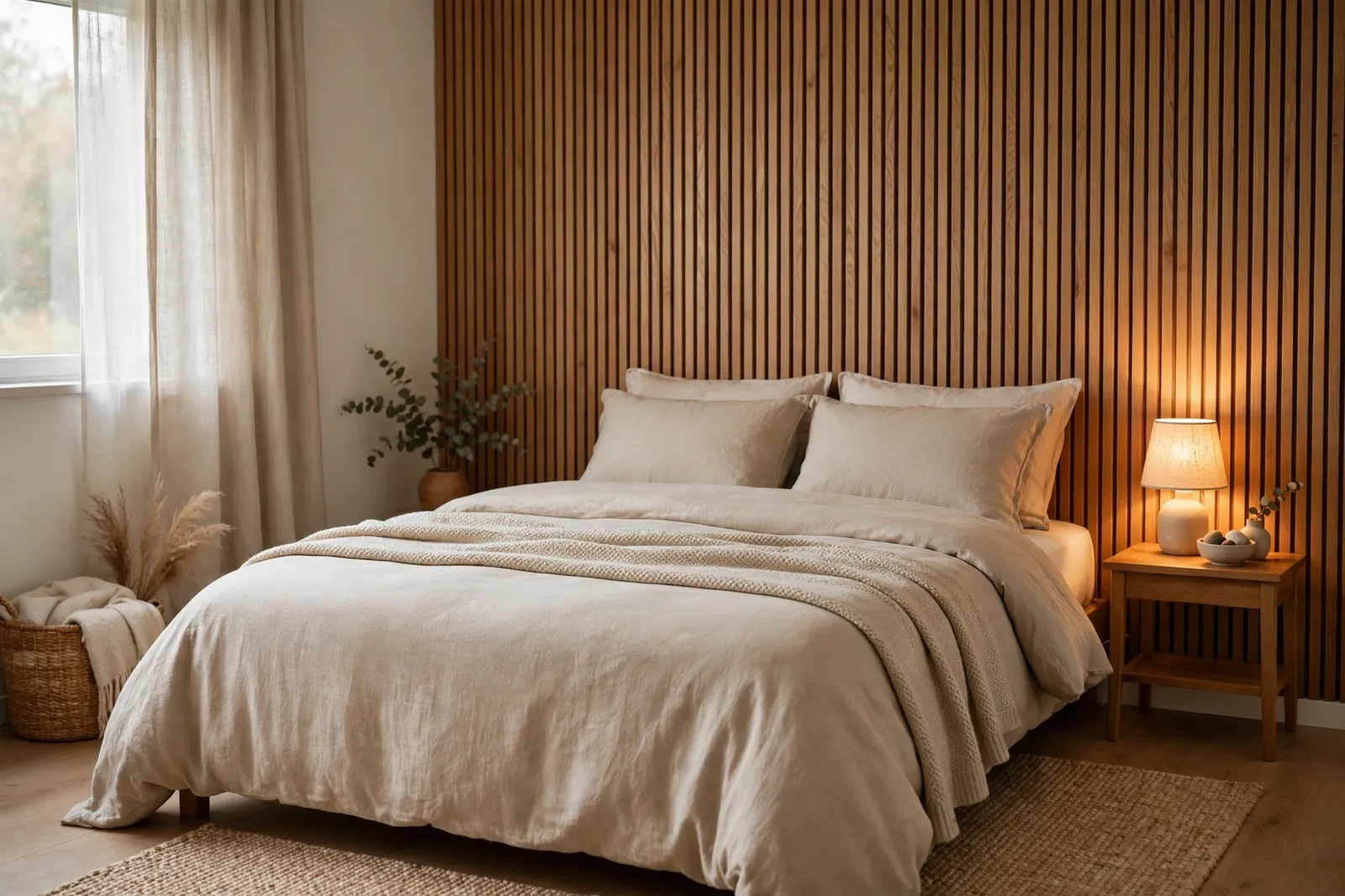
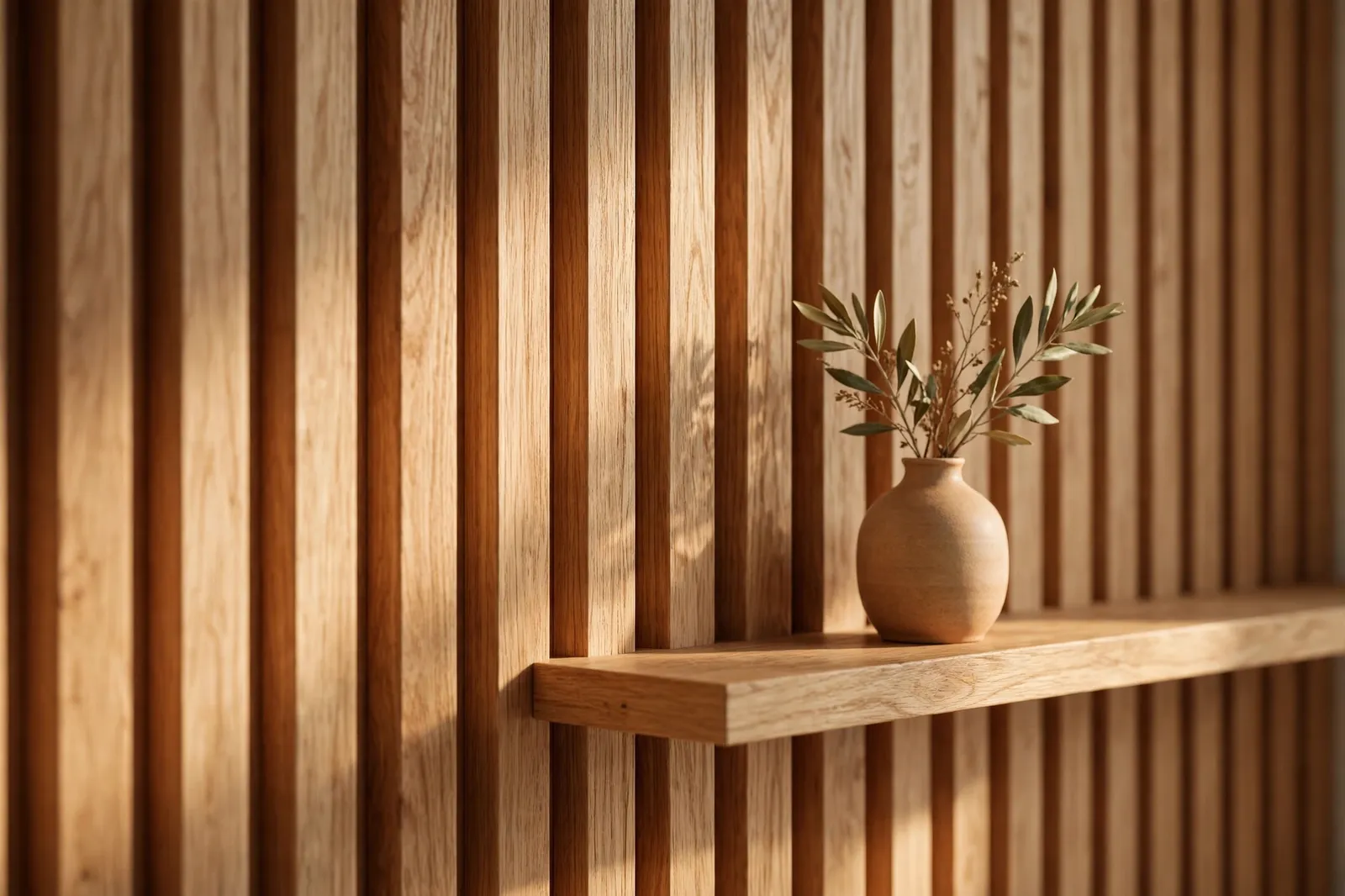
Wood slats are one of the most popular accent wall ideas right now, and for good reason. Thin vertical slats in a warm wood tone add texture and warmth without feeling busy. They work just as well behind a bed as they do behind a sofa, and they look good in both modern and rustic rooms.
You can buy ready-made slat panels or build your own with thin wood strips and a bit of patience. Either way, measure twice and start from the center so the pattern stays even. A light wood keeps things airy, while a dark walnut stain feels rich and cozy. Keep the rest of the wall decor simple so the slats can do the talking.
4. Wallpaper Accent Walls
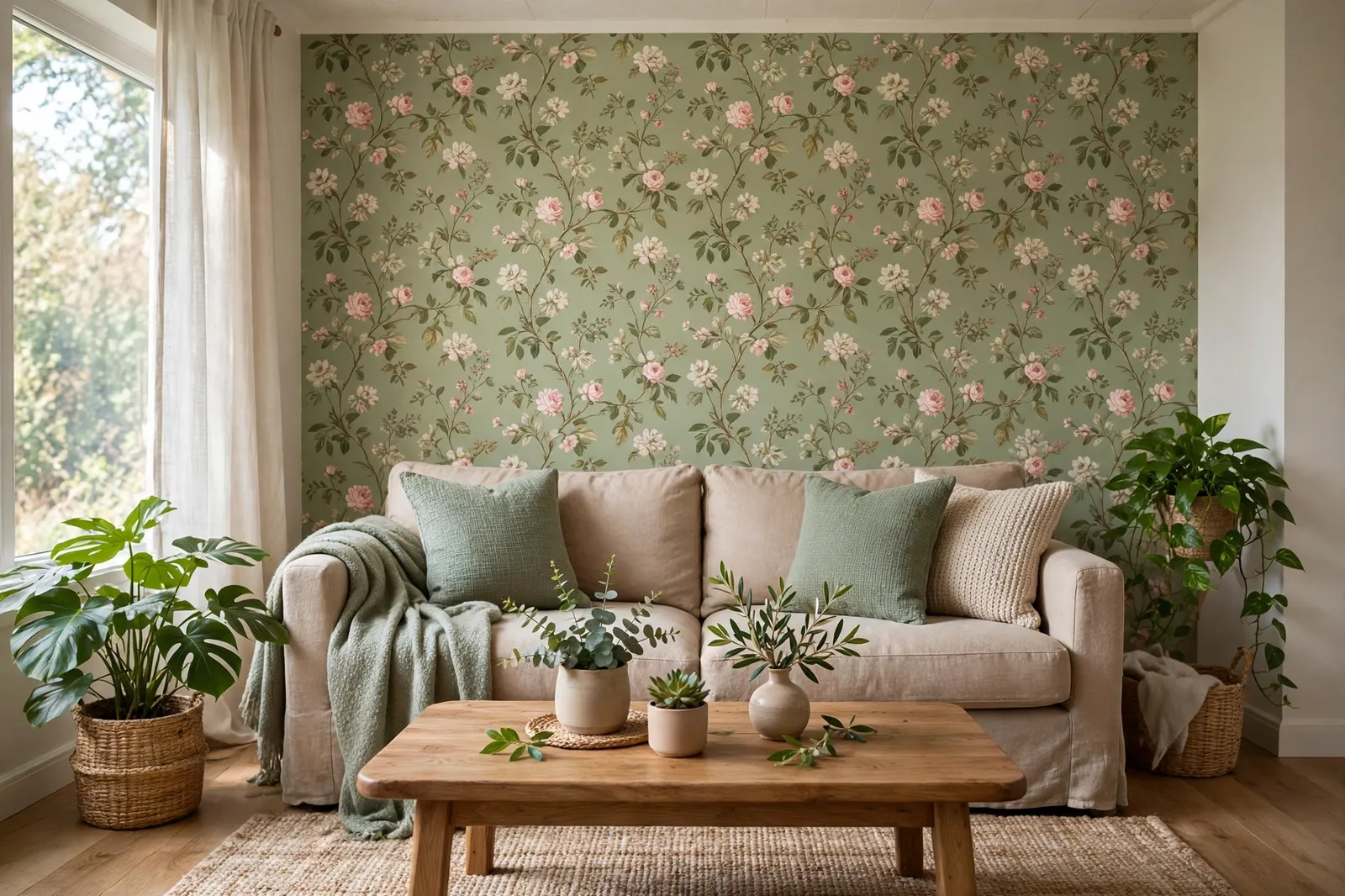
Wallpaper makes a big statement with very little effort. A bold floral, a soft geometric print, or a subtle grasscloth texture can turn a plain wall into the best part of the room. One wall of wallpaper costs far less than a whole room, and it is much easier to install too.
Peel-and-stick wallpaper is a great pick if you rent or if you like to change things up. It goes on fast, comes off clean, and you can try a bold pattern without the fear of being stuck with it. For a bedroom, pick something calm that you will not get tired of seeing every morning. For a living room, you can go a little bolder.
5. Accent Wall Ideas Without Paint
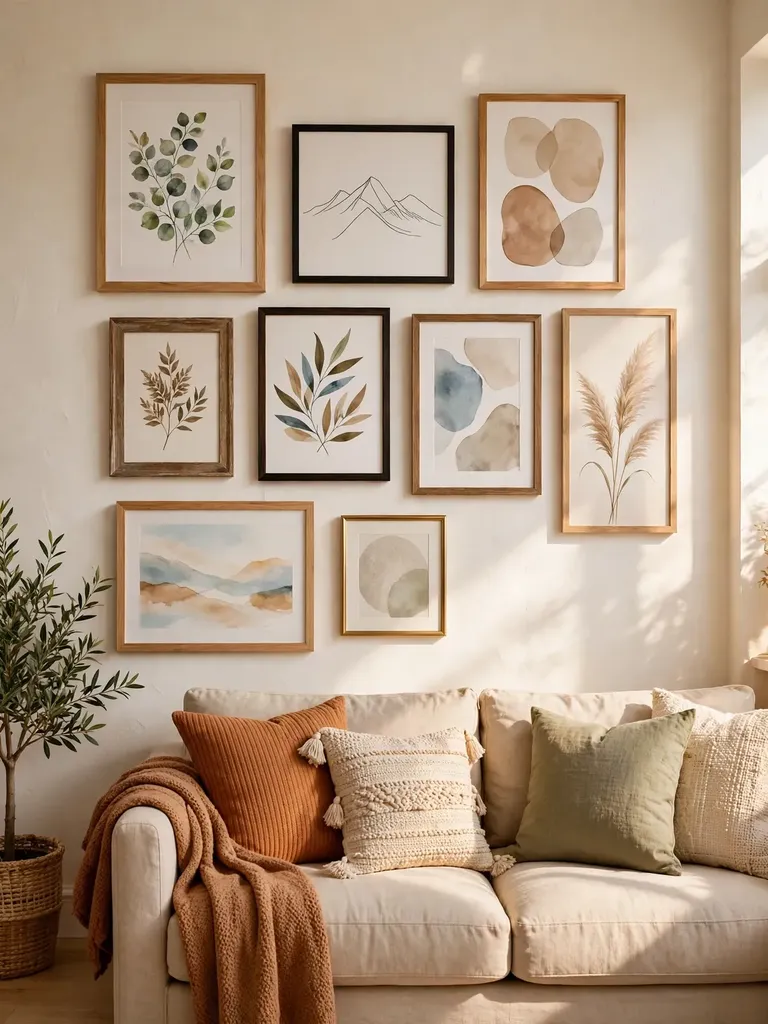
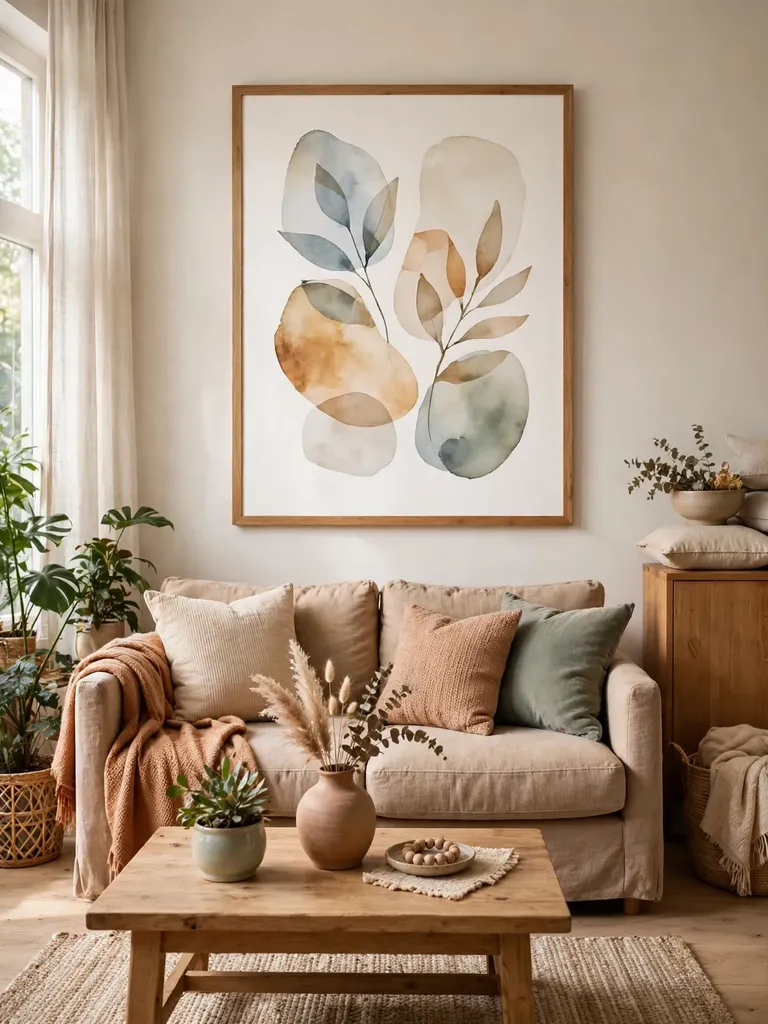
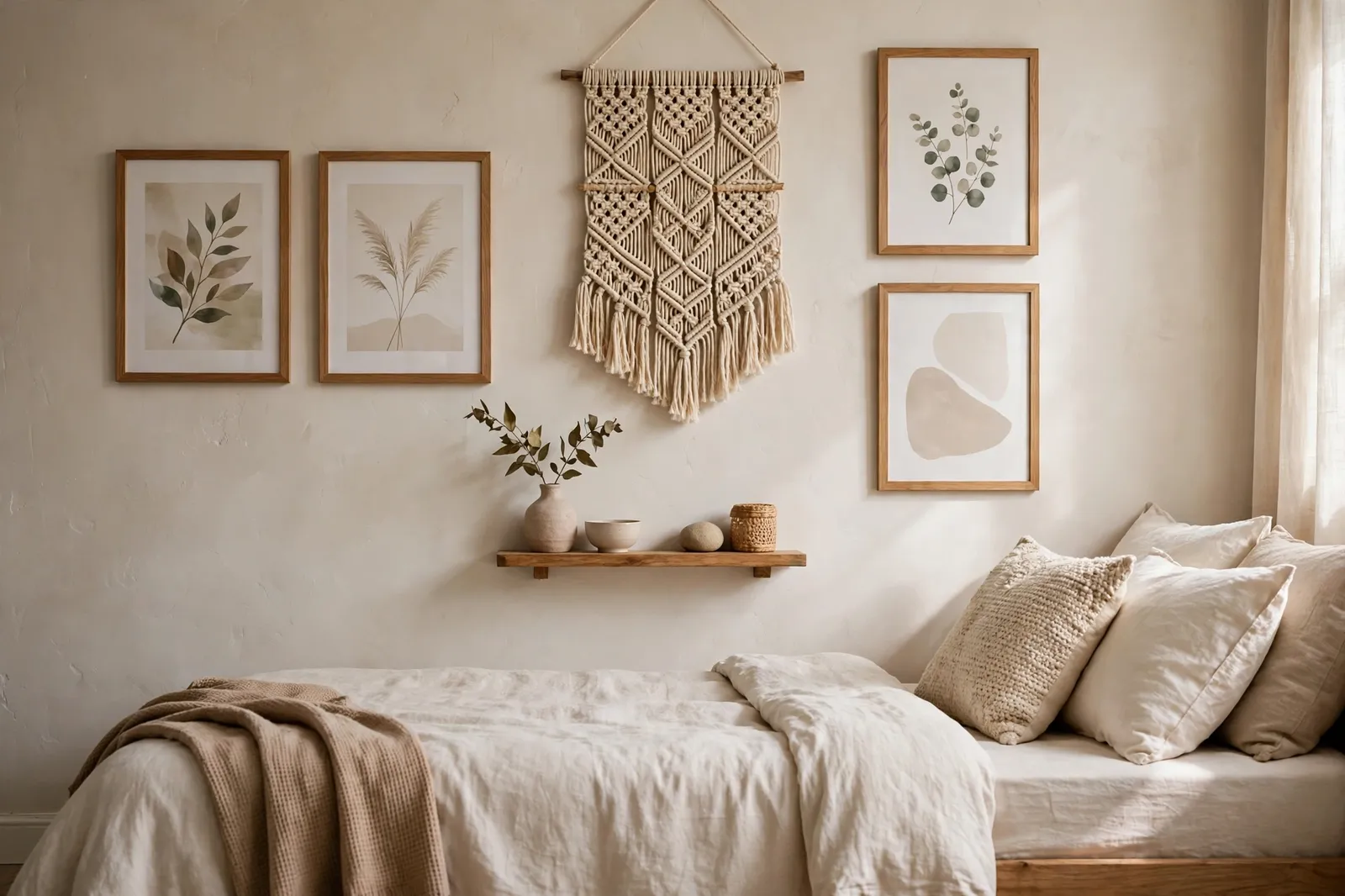
You do not need paint or wallpaper to make an accent wall. A big mirror, a gallery of framed prints, or a row of floating shelves can do the same job with zero mess. Hang a large piece of art or a cluster of frames on one wall, and the eye goes straight there.
Fabric is another easy option. A woven wall hanging, a tapestry, or even a large piece of linen stretched over a frame adds softness and color to a bedroom wall. The best part is that you can take it down and swap it out whenever you want. These no-paint ideas are perfect for renters or for anyone who likes to change things often.
6. Accent Walls in Bedrooms
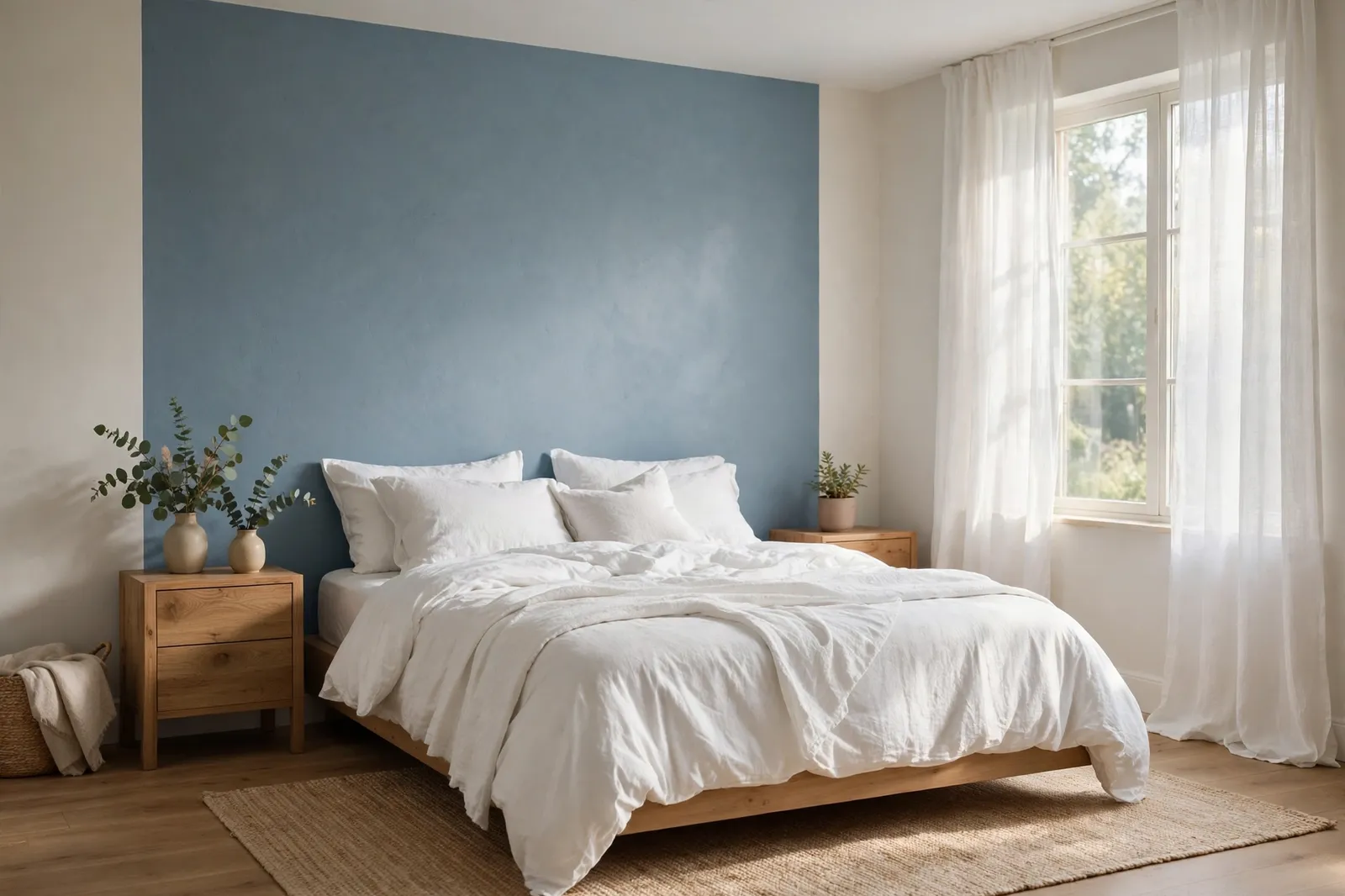
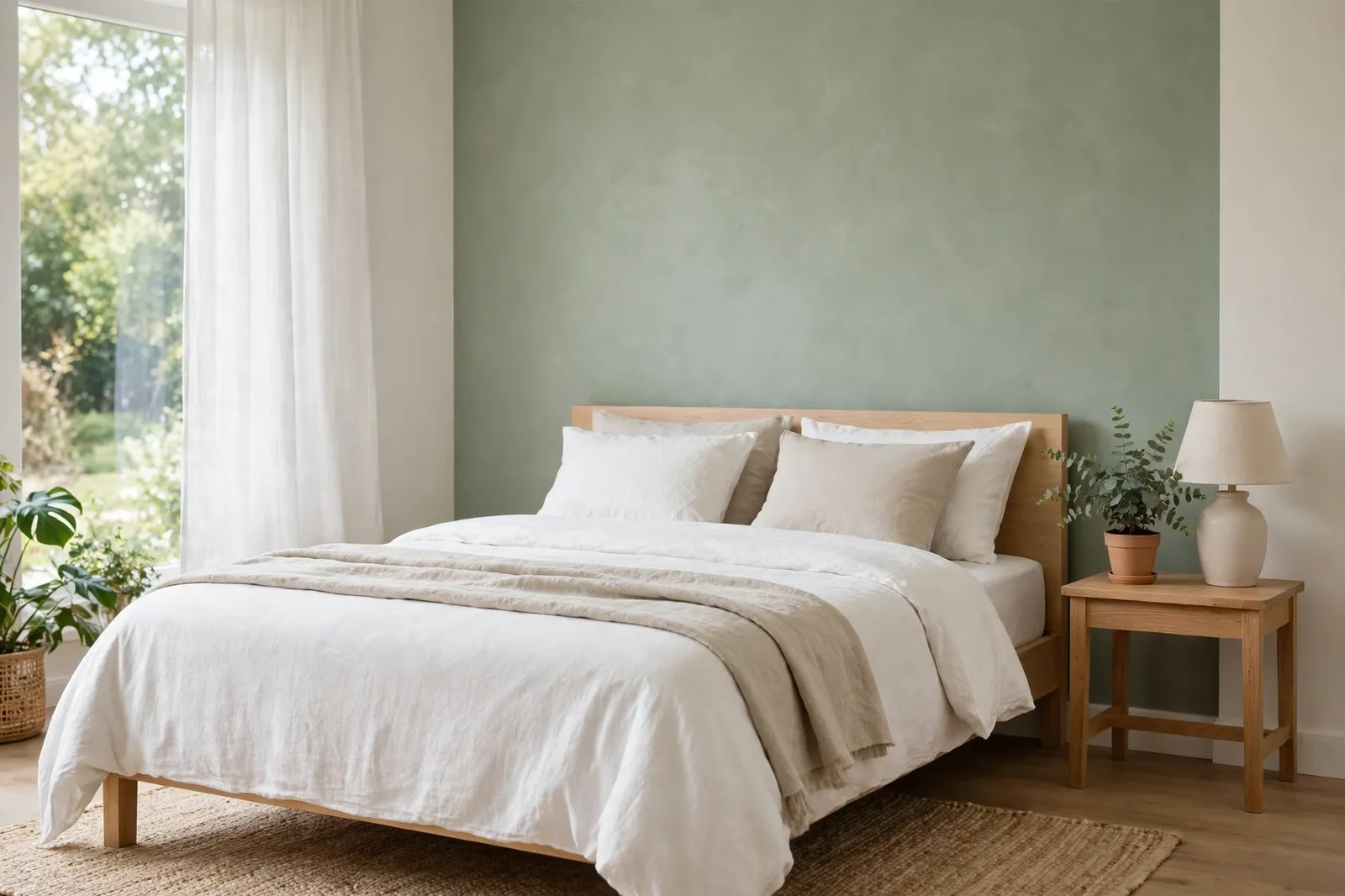
In a bedroom, the wall behind the bed is the natural accent wall. It frames the bed and makes the whole room feel finished. A soft, deep color works well here — think warm green, dusty blue, or a muted plum — because you want the room to feel calm at night, not loud.
Keep the bedding simple so it does not fight with the wall. Solid or lightly patterned bedding in a color pulled from the wall ties everything together. Add one or two cushions in a matching shade, and keep the bedside tables clear. The wall is the star here, so let it shine and keep the rest quiet.
7. Accent Walls in Living Rooms
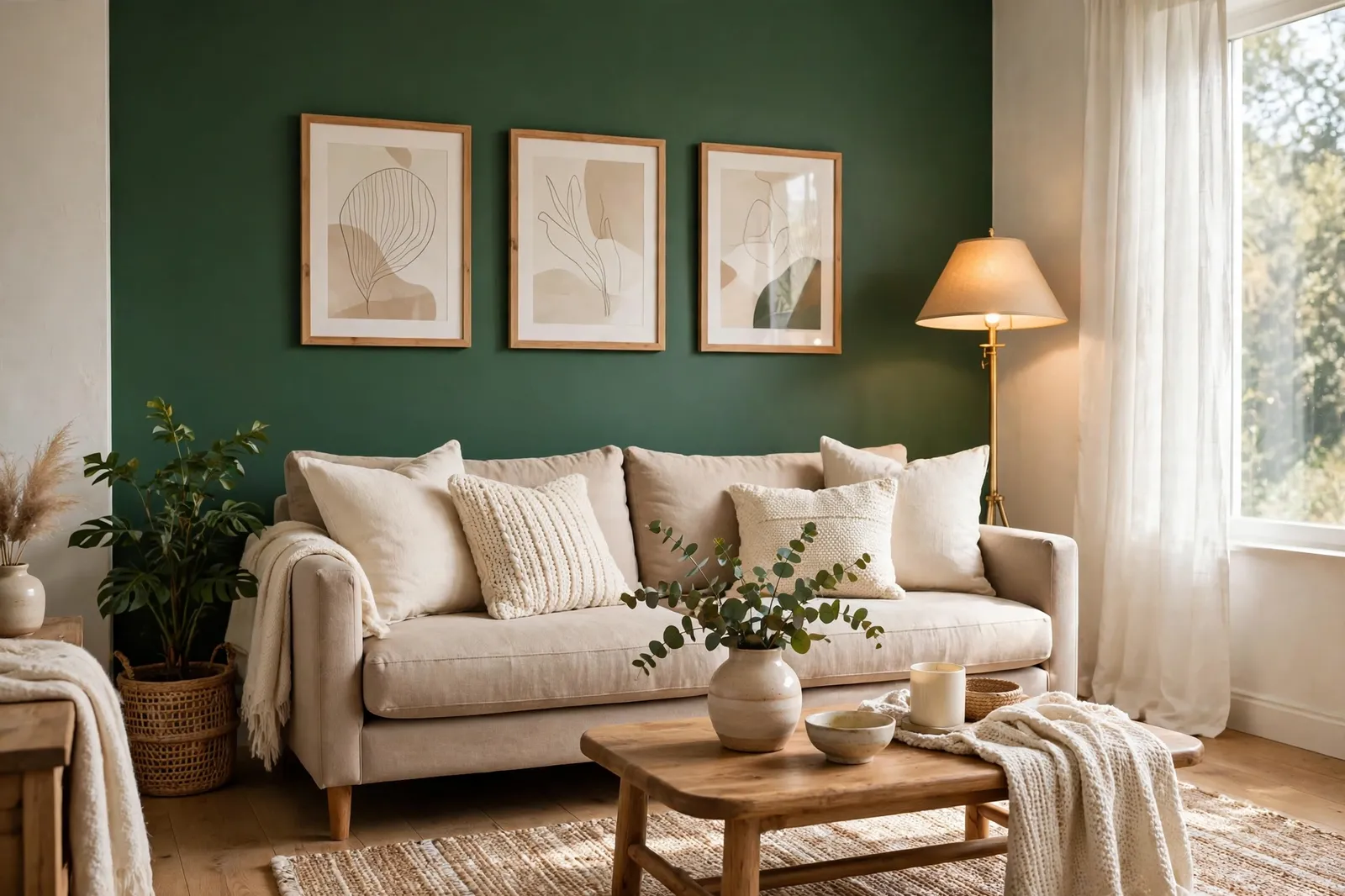
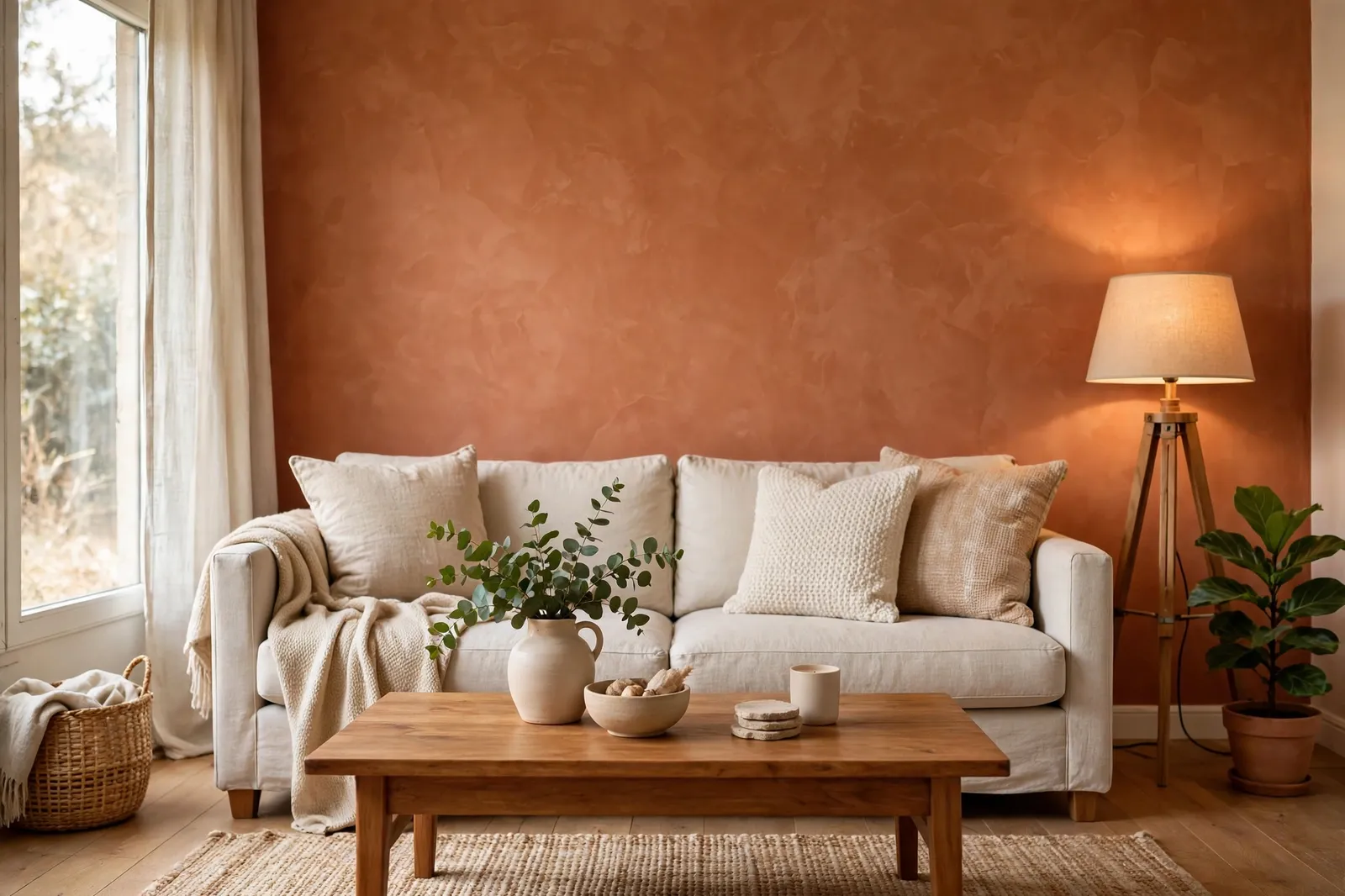
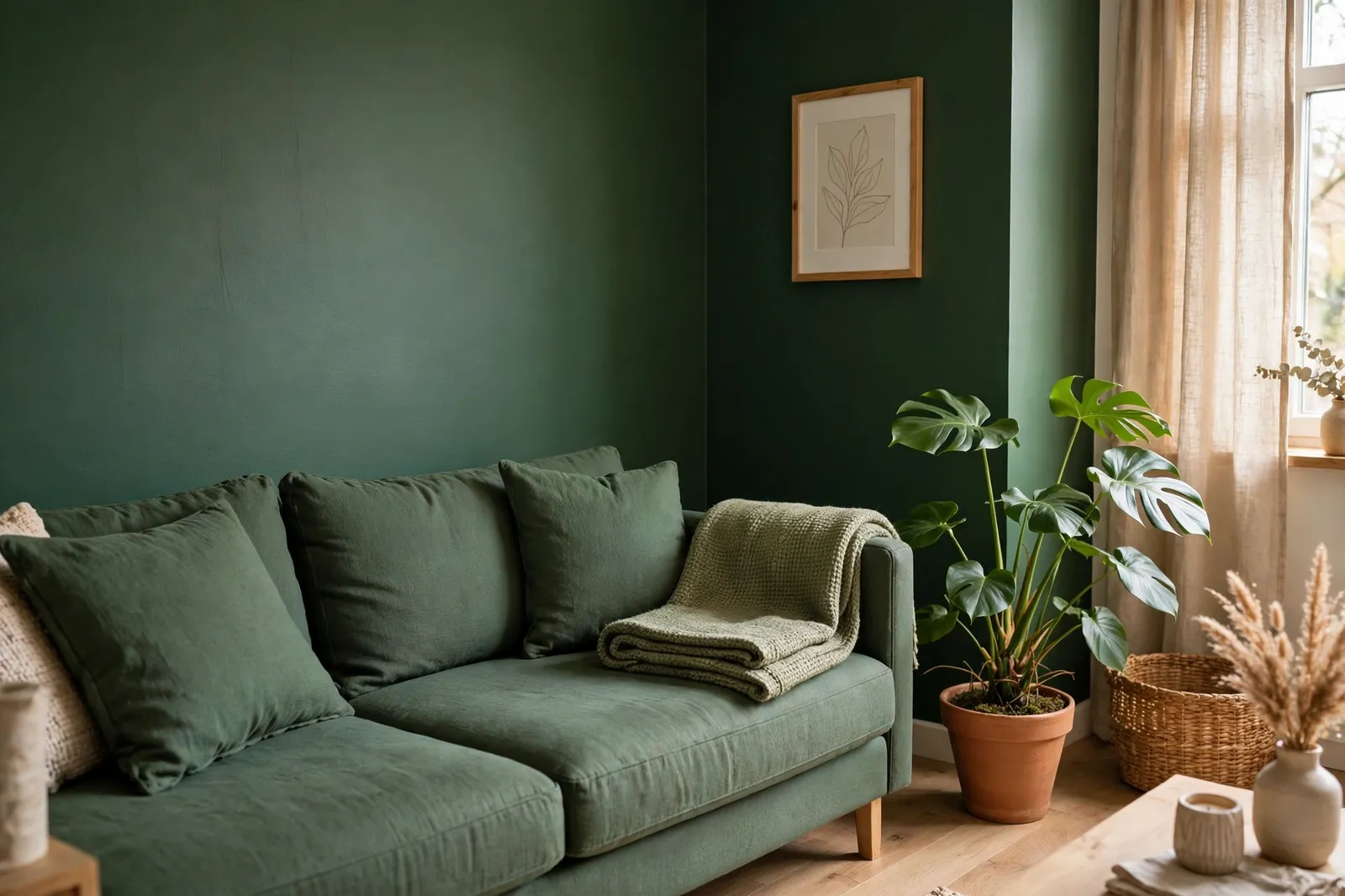
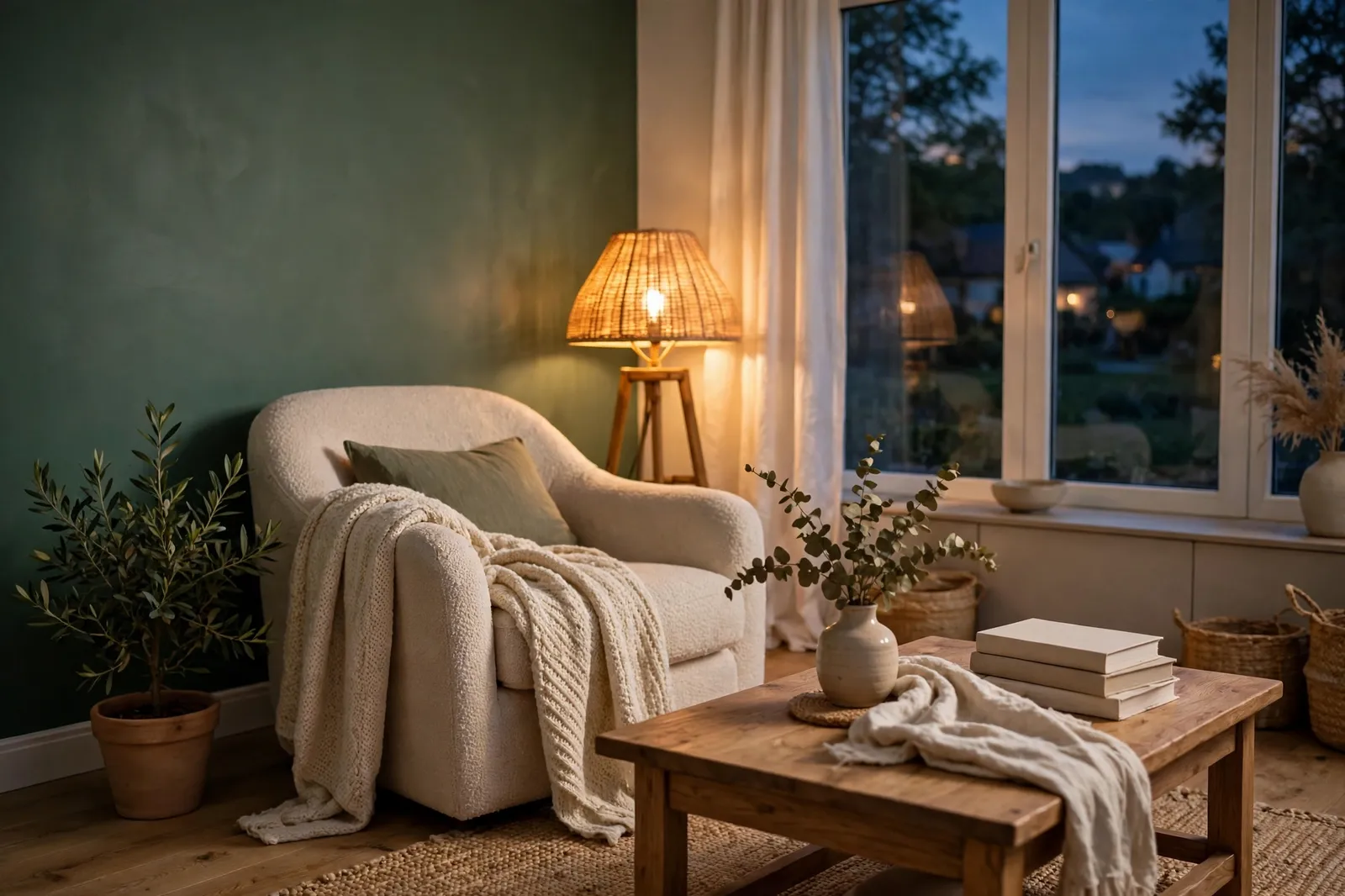
A living room accent wall has to work a bit harder because the room does so much. It holds the sofa, the TV, and often the main seating, so the wall needs to feel welcoming, not busy. A warm neutral like a deep beige or a soft clay works well, or go bold with a dark green behind a light-colored sofa for a nice contrast.
If your TV hangs on the accent wall, keep the color darker so the screen blends in instead of standing out. Add a console table or a low shelf under the TV to ground the wall. A couple of framed prints or a mirror can finish it off, but do not overdo it — the color or texture should be the main event.
8. Style Around the Wall
Once the wall is done, the rest of the room needs to play along. Pull one color from the accent wall into the room with cushions, a throw, or a rug. It does not have to match exactly — just something in the same family so the room feels connected.
Keep the other walls plain and light so the accent wall stands out. Too many bold things in one room will fight each other, and the wall will lose its effect. A few simple pieces — a plant, a lamp, a framed print — are all you need. Step back, look at the whole room, and take away anything that feels like too much.
9. Mistakes to Avoid
The most common mistake is picking the wrong wall. A wall with a big window, a door, or a built-in shelf will chop up your accent and make it look messy. Another mistake is going too dark in a small, dim room — a very dark wall can make a tiny bedroom feel like a cave.
Also, do not try to do too much at once. An accent wall plus a bold rug plus bright curtains plus patterned cushions is too much for one room. Pick the wall as your one bold move and let everything else stay simple. If you are not sure about a color, test it first. A small sample pot is cheap, and repainting one wall is a quick fix if you change your mind.
Frequently Asked Questions
What is the best wall for an accent wall?
The best wall is usually the one you see first when you walk into the room. In a living room, that is often the wall behind the sofa or the TV. In a bedroom, it is the wall behind the bed. Pick a solid wall with few doors or windows so the accent looks clean and unbroken.
What color should an accent wall be?
Pick a color that works with the furniture and bedding you already have. Deep green, navy, charcoal, and terracotta are popular picks that feel cozy without being too loud. If you want something softer, try sage green or dusty blue. Always test a small patch in daylight and evening light before you paint the whole wall.
Can I do an accent wall in a small bedroom?
Yes, and it can actually help a small bedroom feel more finished. A soft or mid-tone color on the wall behind the bed adds depth without closing the room in. Avoid very dark colors in a tiny, dim room, and keep the other walls light so the space still feels open.
Do accent walls make a room look smaller?
A very dark accent wall in a small, poorly lit room can make it feel tighter. But in most rooms, an accent wall adds depth and makes the room feel more pulled together, not smaller. Stick to mid-tones or soft colors in small rooms, and keep the rest of the room light and simple.
Related ideas
Neutral Paint Colors for a Warm and Timeless Home is a great next read if you want to pick the right shade for your accent wall, since it covers warm neutrals that work in any room. How to Choose a Whole-Home Color Palette helps you make sure your accent wall color fits with the rest of your house, and Home Decor Color Schemes and Wall Styling Ideas has more ways to style the wall once it is done. You might also like Neutral Paint Colors for a Warm and Timeless Home and Gallery Wall Layout Ideas and How to Plan One.