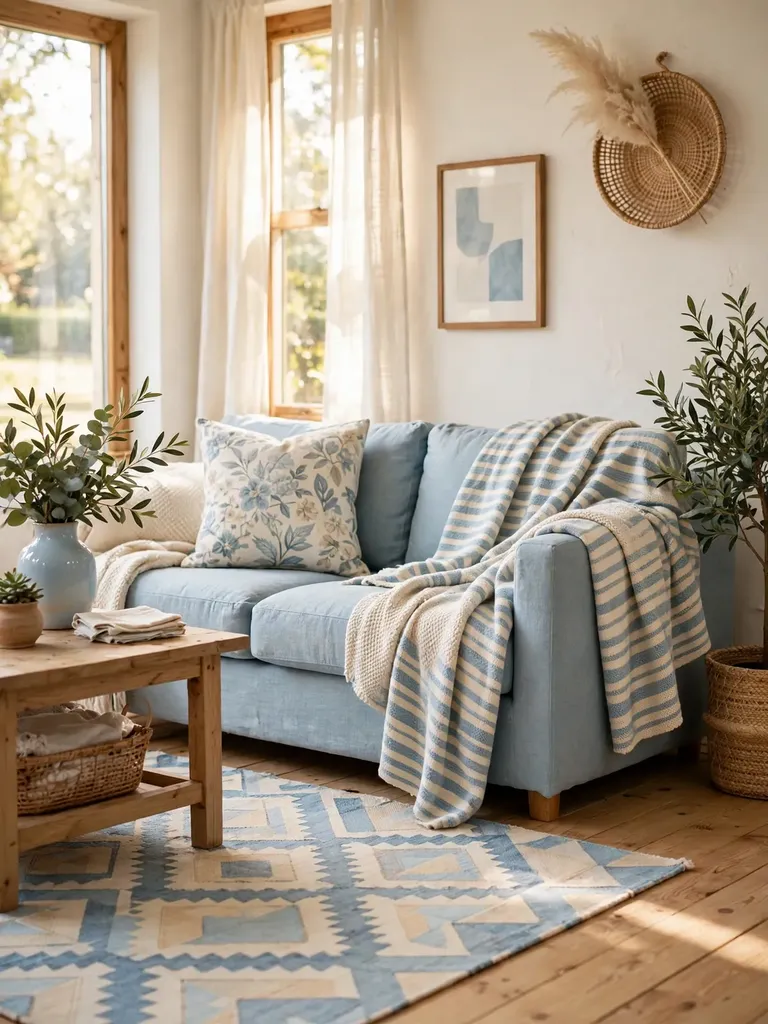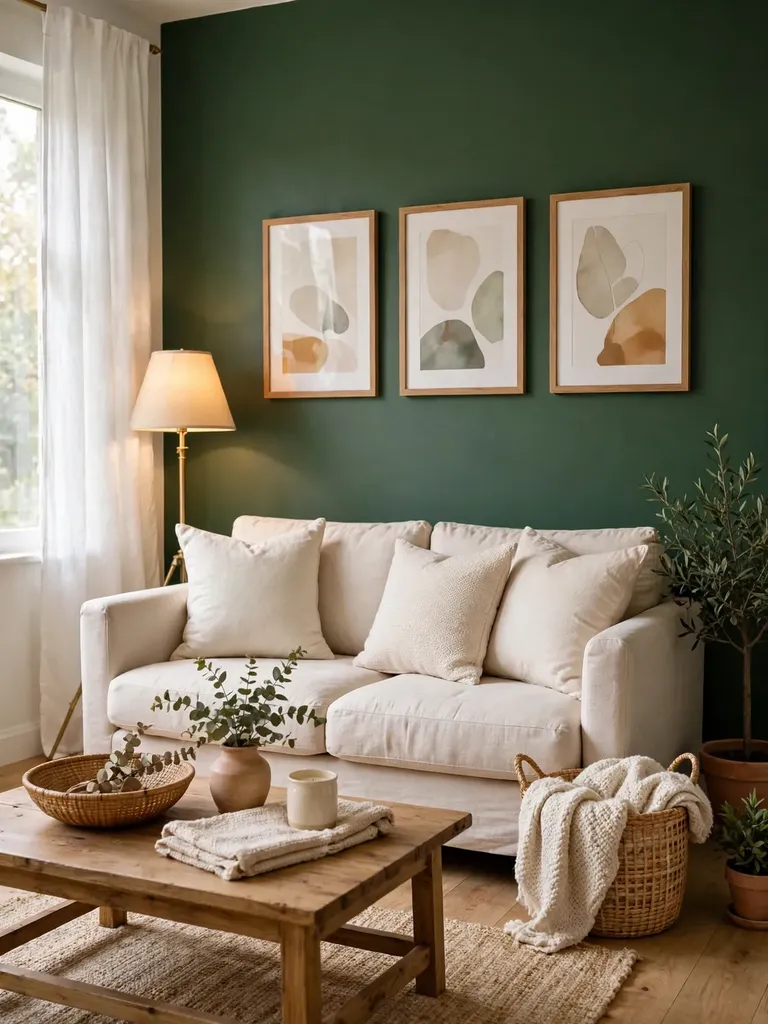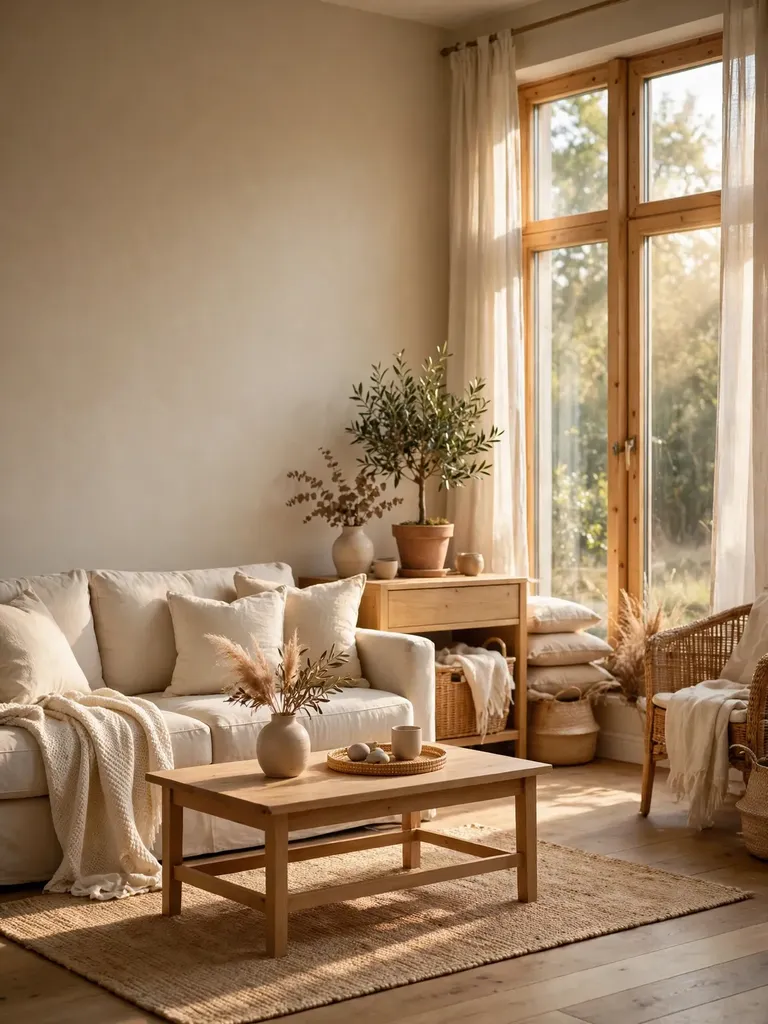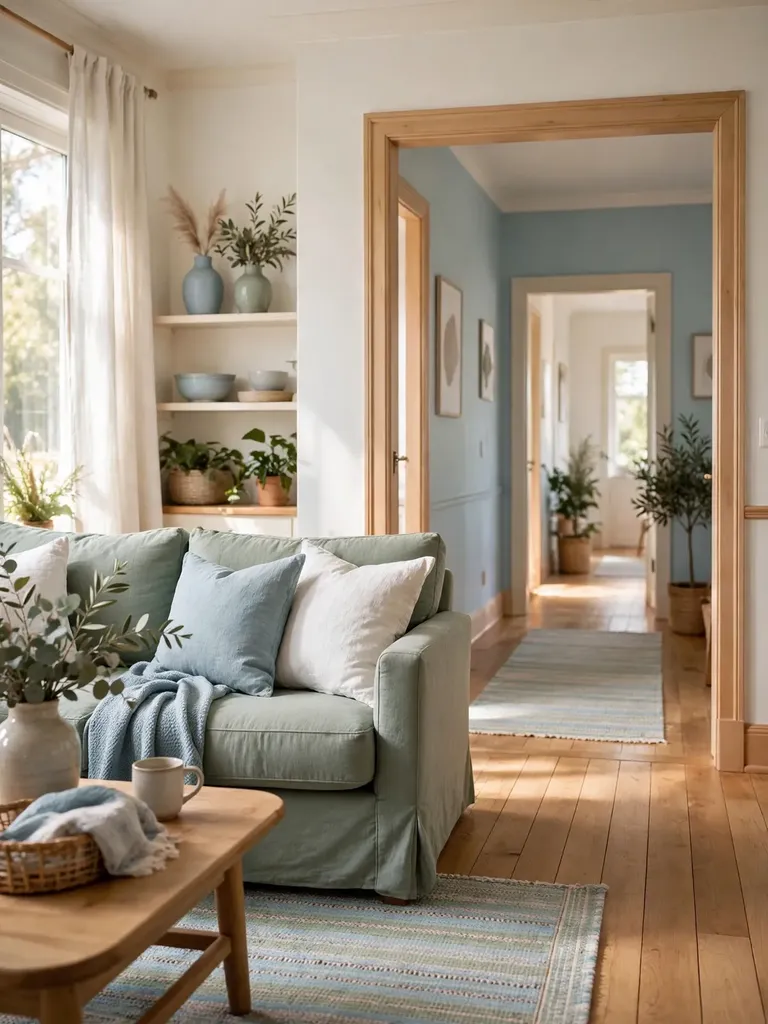
How to Mix Wood Tones in Home Decor
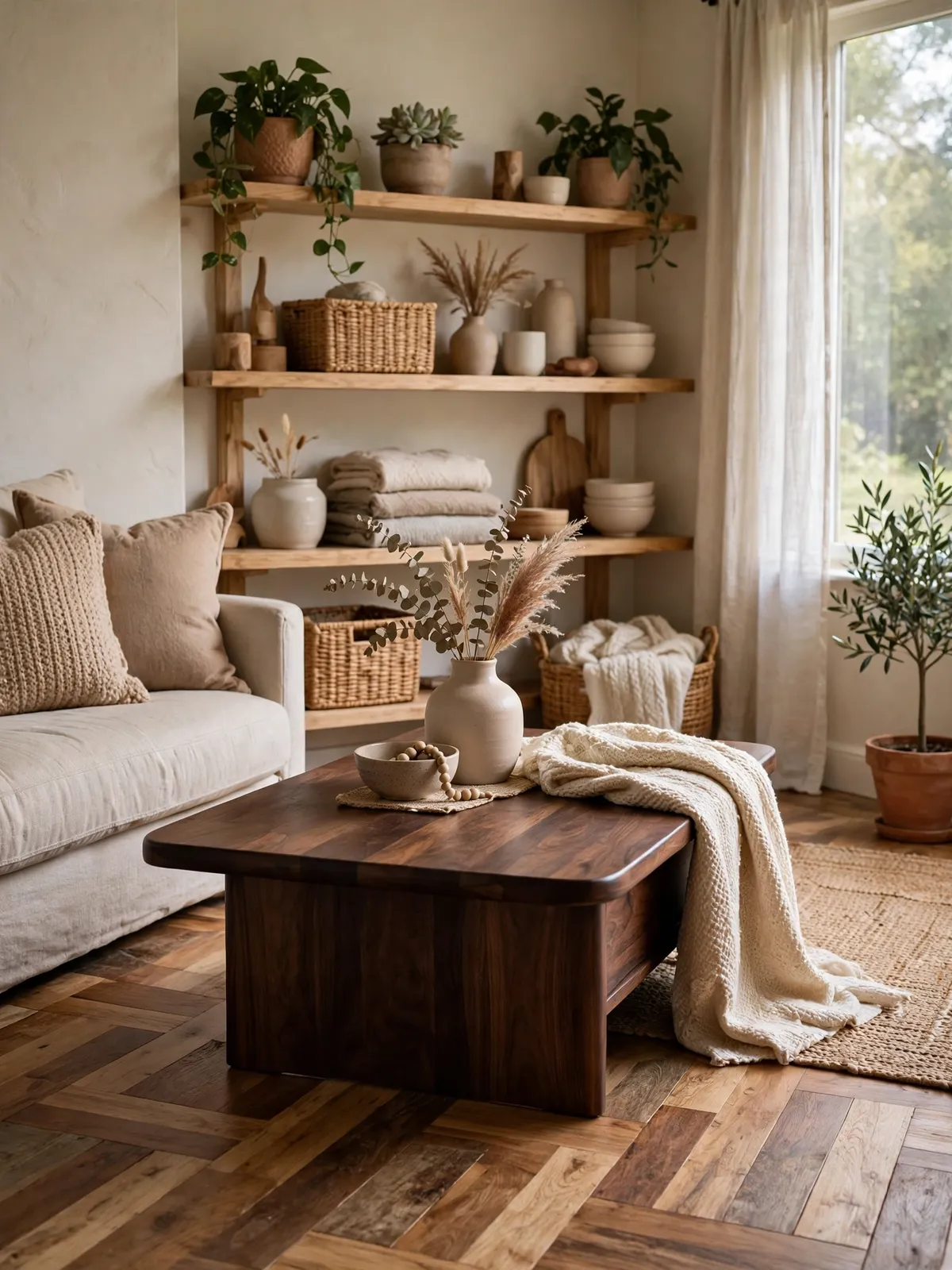
Most homes end up with more than one kind of wood, and that is completely normal. Your floor might be light oak, your dining table dark walnut, and your shelves something in between. When it all comes together, though, the room can feel messy — or it can feel warm and full of character. The difference is usually just a few simple choices.
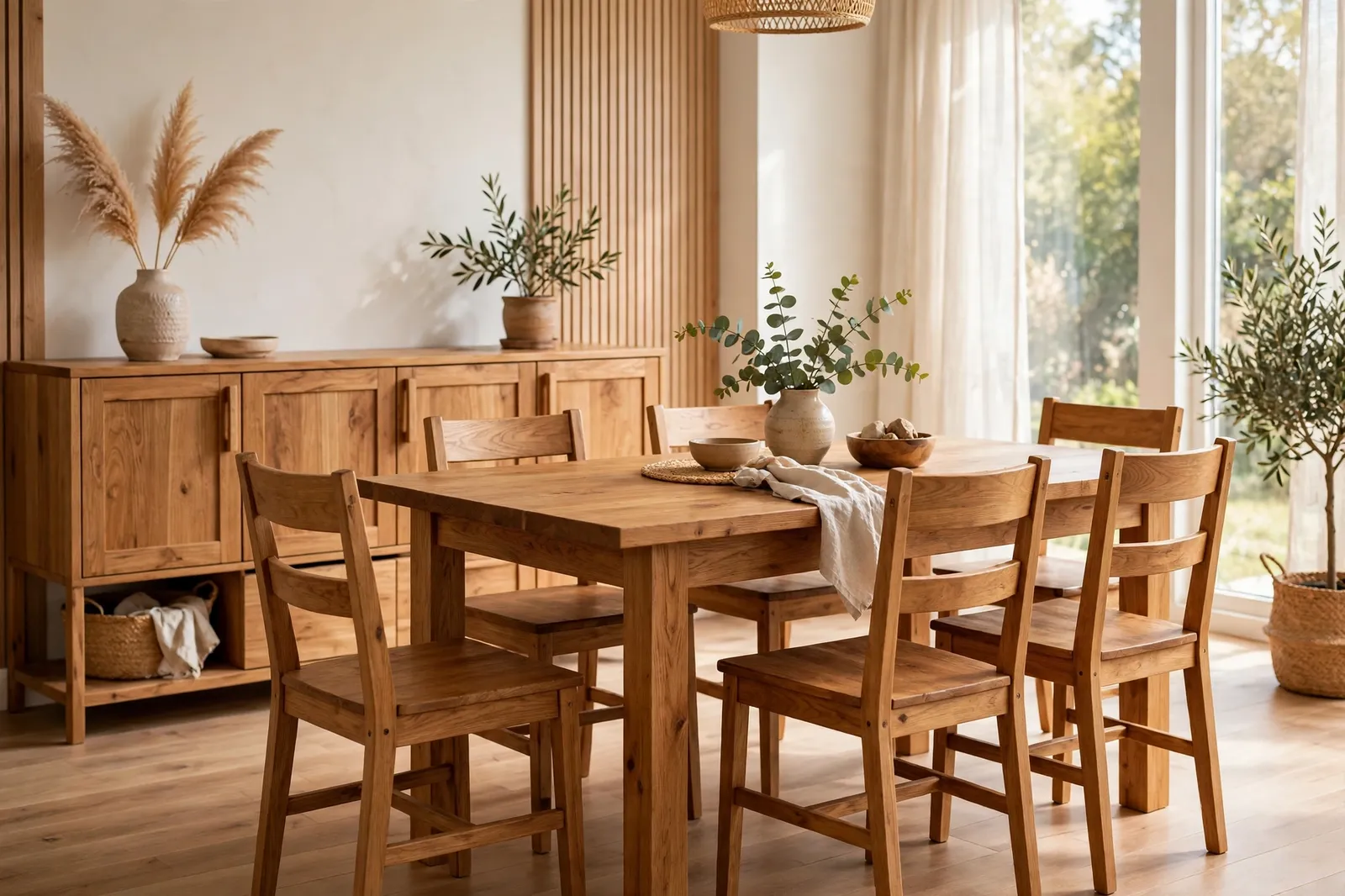
The good news is that you do not need to match everything, and you do not need to replace anything. Learning how to mix wood tones is mostly about balance: one main tone, a bit of contrast, and a few repeats so nothing looks like a mistake. Once you know the basics, mixing woods feels easy, and your room looks like it was put together on purpose.
1. Start with One Dominant Wood Tone
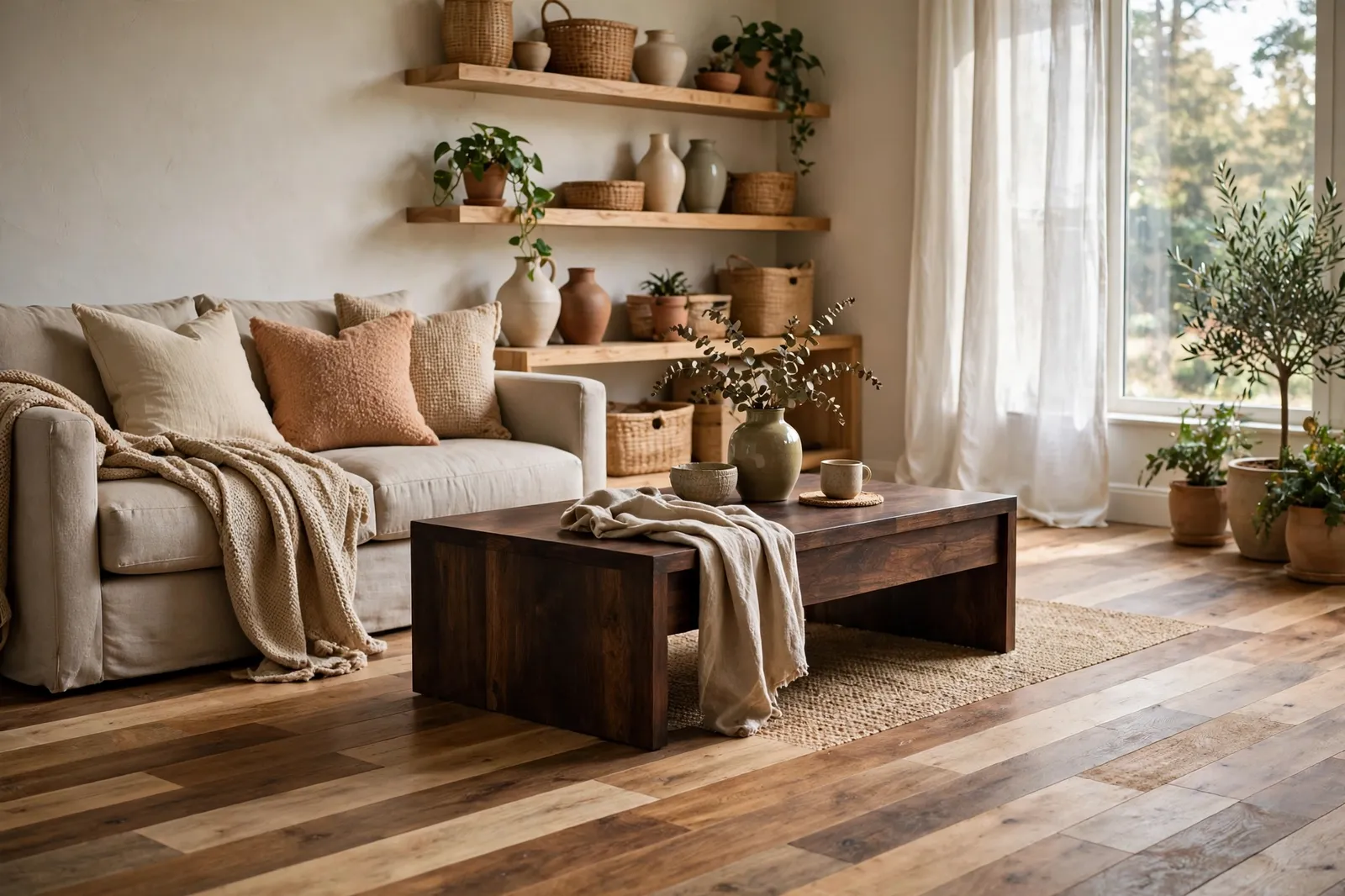
Every room needs one wood tone that leads. Look around and find the wood that covers the most space — usually the floor, or a big piece like a dining table or a bed frame. That is your dominant tone, and everything else plays a smaller part next to it.
Once you know your main tone, the rest gets much simpler. Pick one or two other wood tones to go with it, and keep them in smaller amounts: a coffee table, a picture frame, a tray. When one tone clearly leads and the others support it, the room feels calm instead of busy.
2. Match Warm with Warm and Cool with Cool
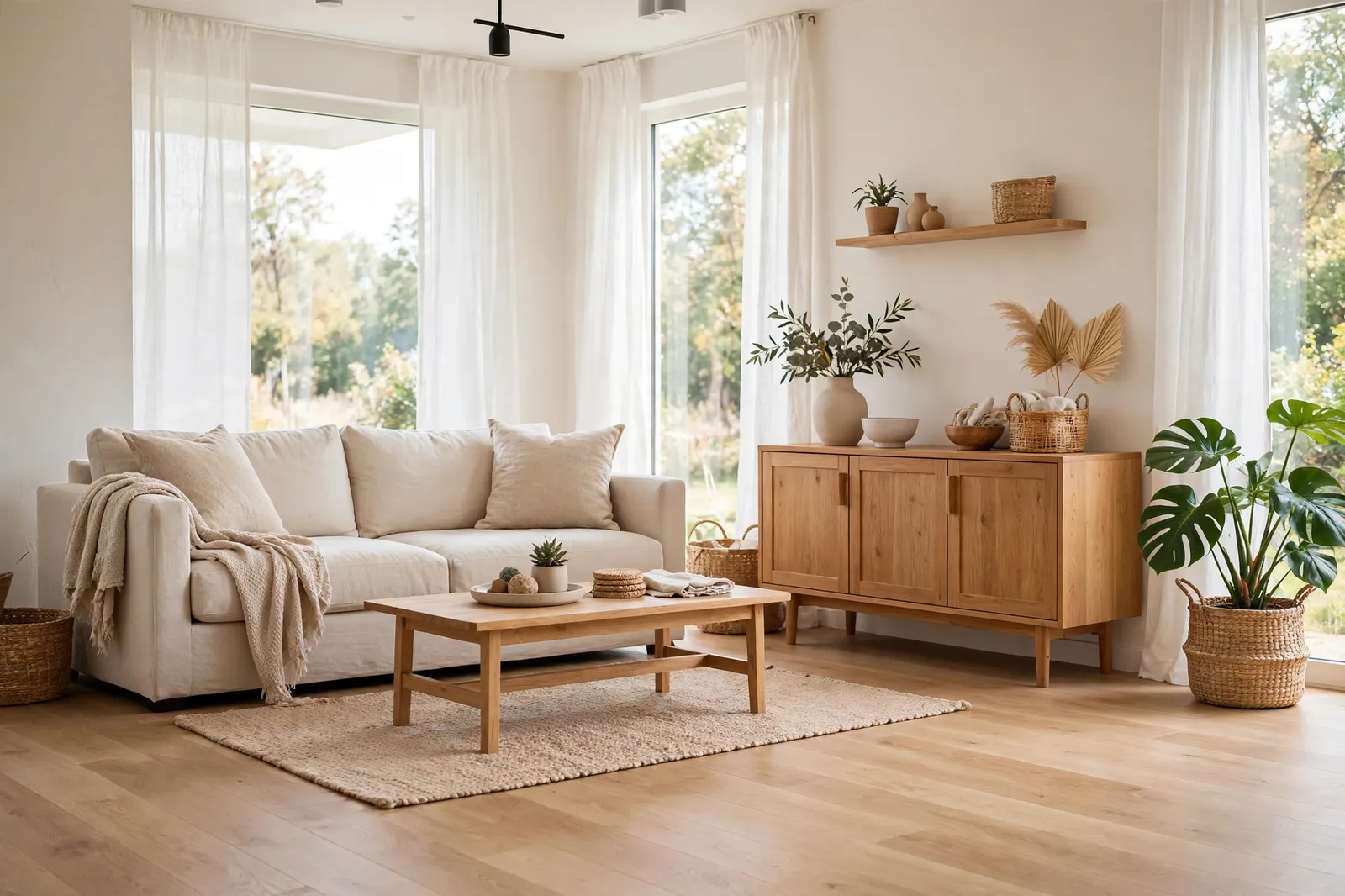
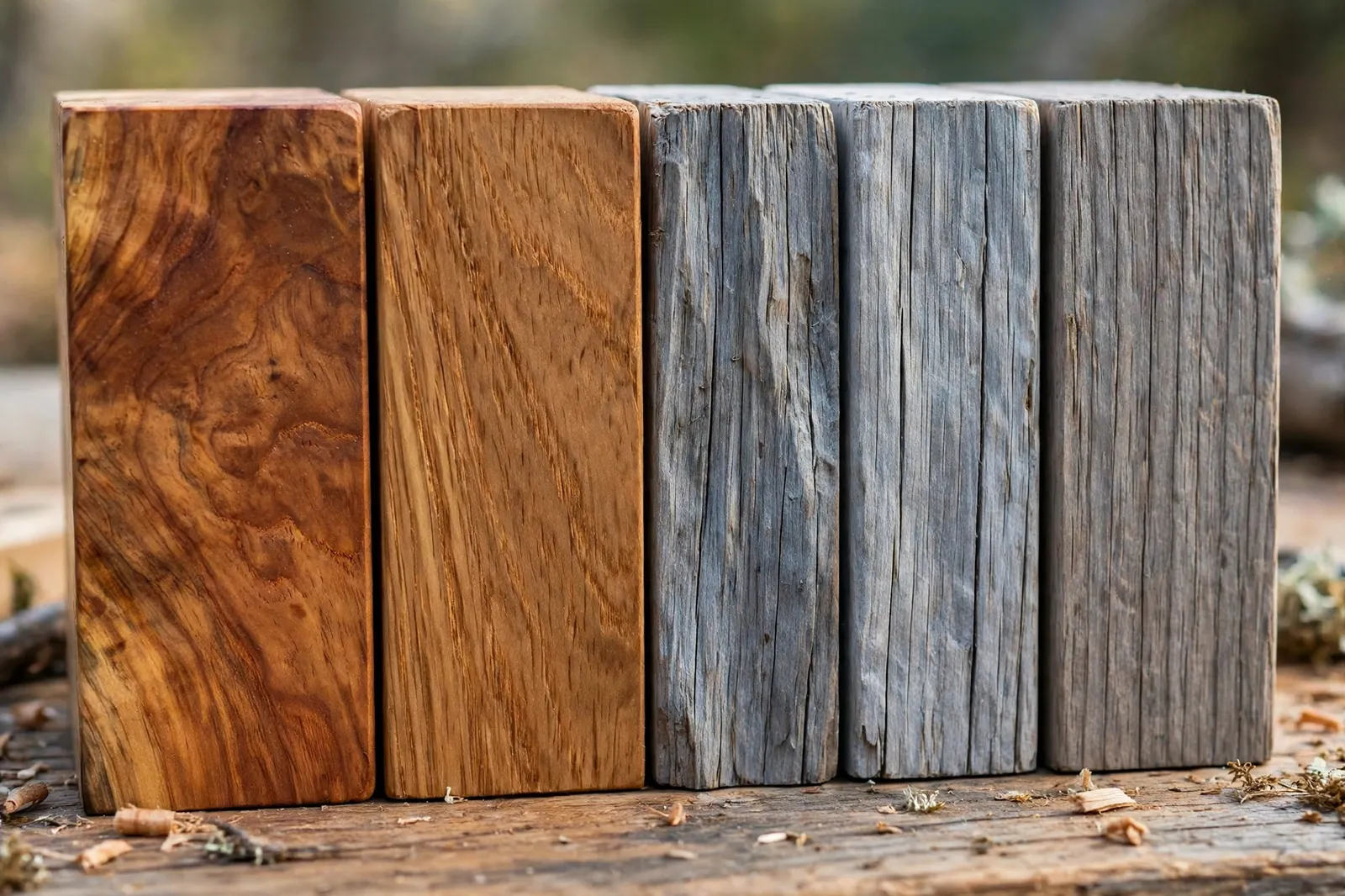
Wood tones lean warm or cool, just like paint colors. Warm woods have golden, red, or honey tones — think cherry, walnut, and warm oak. Cool woods look grayer or ashier, like gray-washed oak or weathered pine. Woods in the same family sit together happily.
If your floor is a warm honey oak, warm furniture will feel natural with it. If your floor is a cool gray wood, cooler pieces will blend in better. You can still mix across the two families, but it takes more care, so start with the easy wins and stick to one temperature family while you learn.
3. Mix Wood Tones with Contrast, Not Close Matches
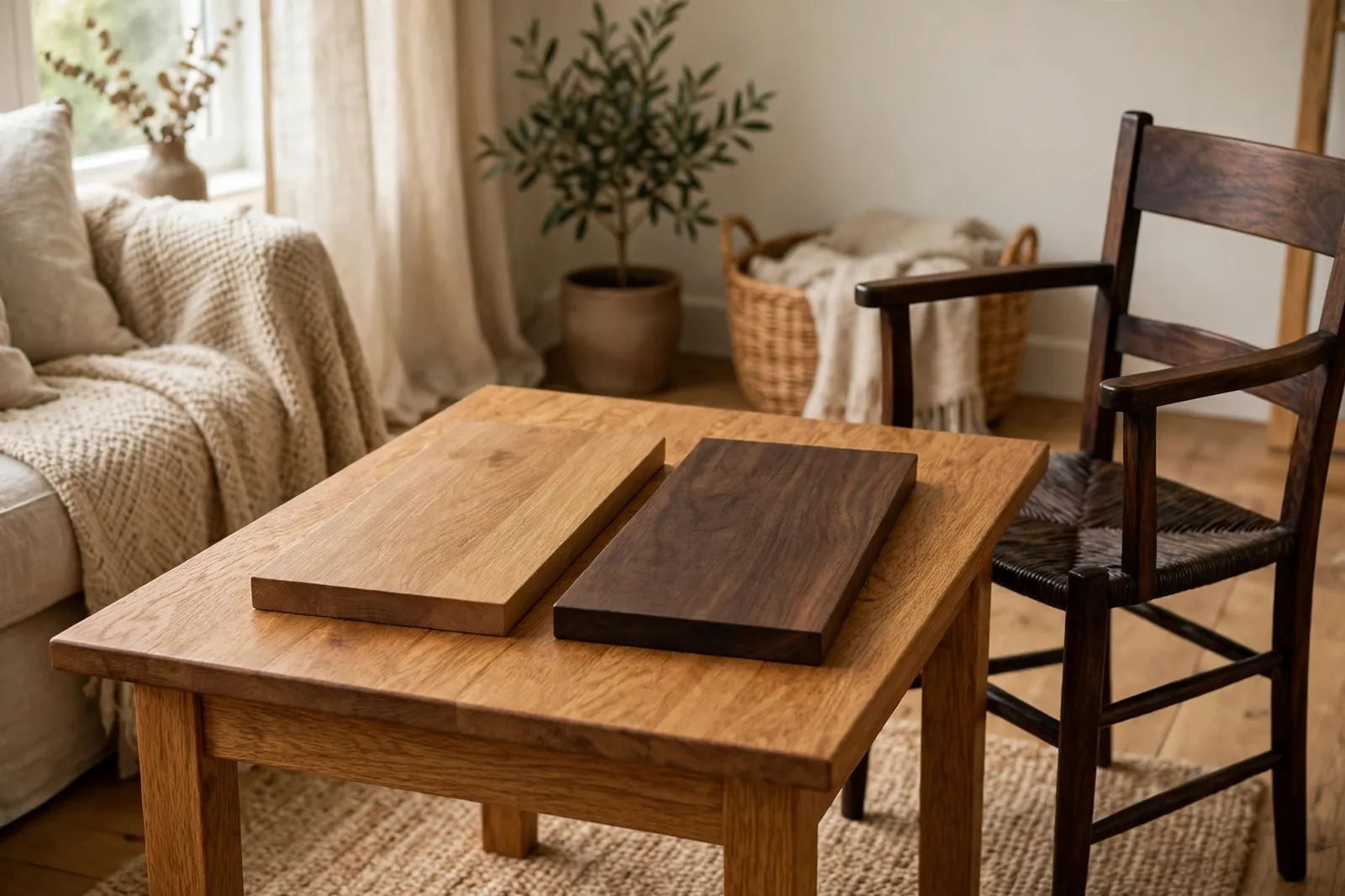
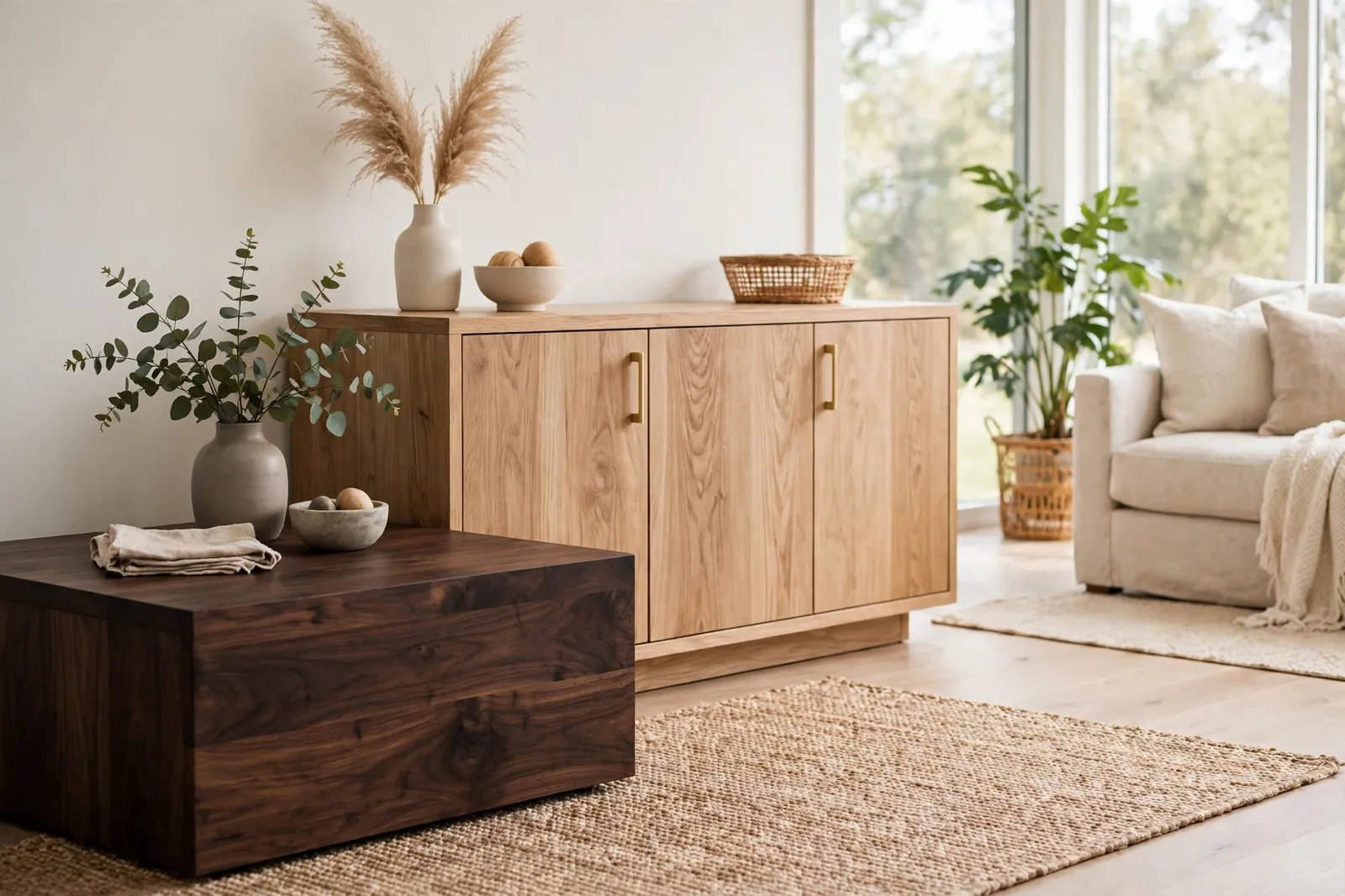
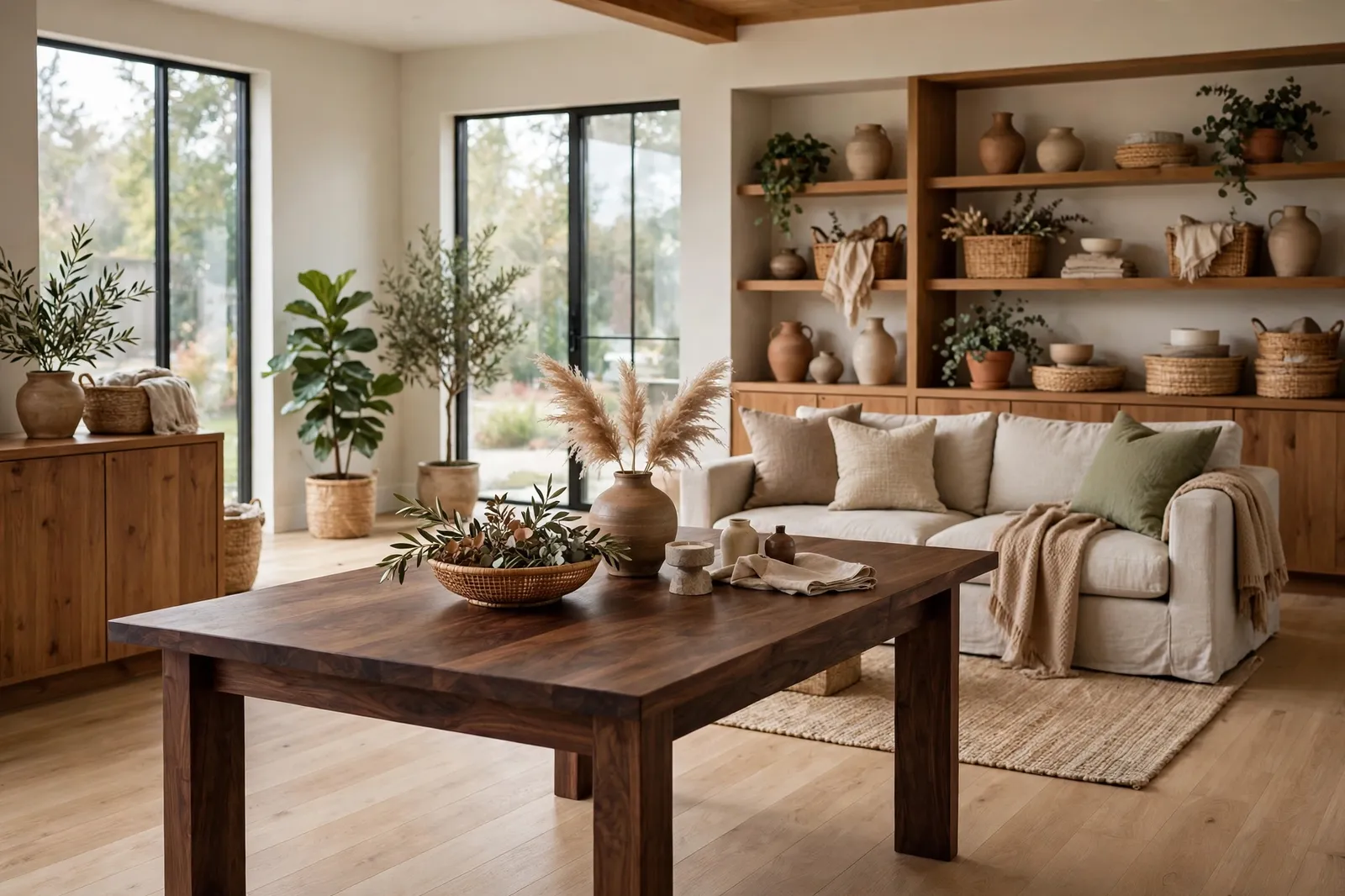
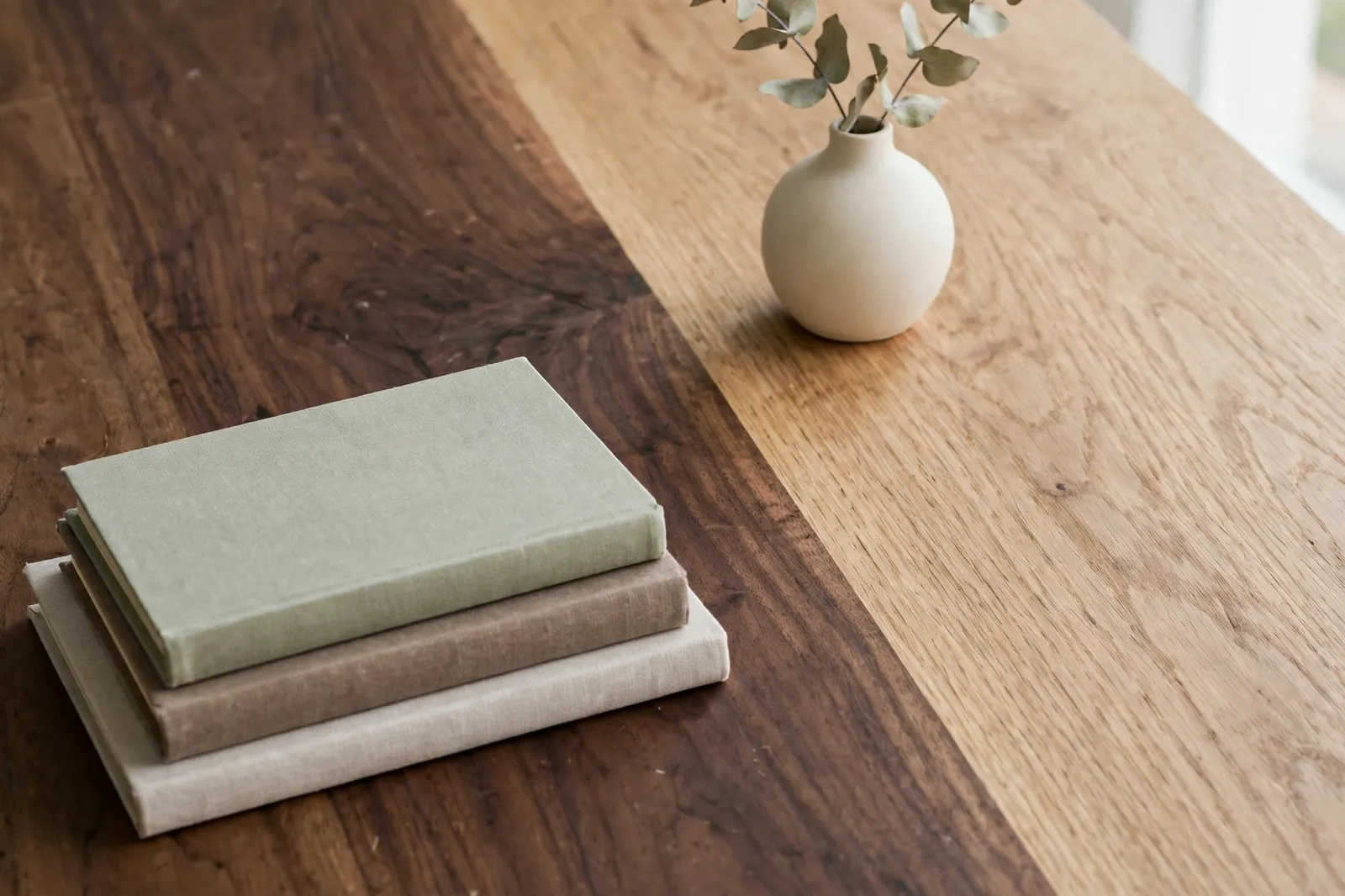
Here is the trick most people miss: wood tones that are almost the same but not quite will clash, while tones that are clearly different look planned. A light oak table next to a medium oak chair can look like a mistake. A light oak table next to a dark walnut bench looks like a choice.
So go for real contrast. Pair light with dark, or medium with very light. When the difference is clear, your eye reads it as variety, not as a mismatch. If two pieces are close in tone, try separating them with something else — a rug, a cushion, or a bit of space between them.
4. Use a Neutral Bridge to Tie Them Together
When two wood tones feel too far apart, a neutral piece can bridge the gap. A cream rug, a white wall, a black metal lamp, or a soft gray sofa gives your eye a rest between the woods. The neutral does not fight with anything, so the woods stop fighting with each other too.
This works in every room. A black frame on the wall, a woven basket, or a linen cushion can connect a dark table to a light floor without any extra effort. You probably already own a few of these pieces — just move them into the spots where the woods meet.
5. Repeat Each Tone at Least Twice
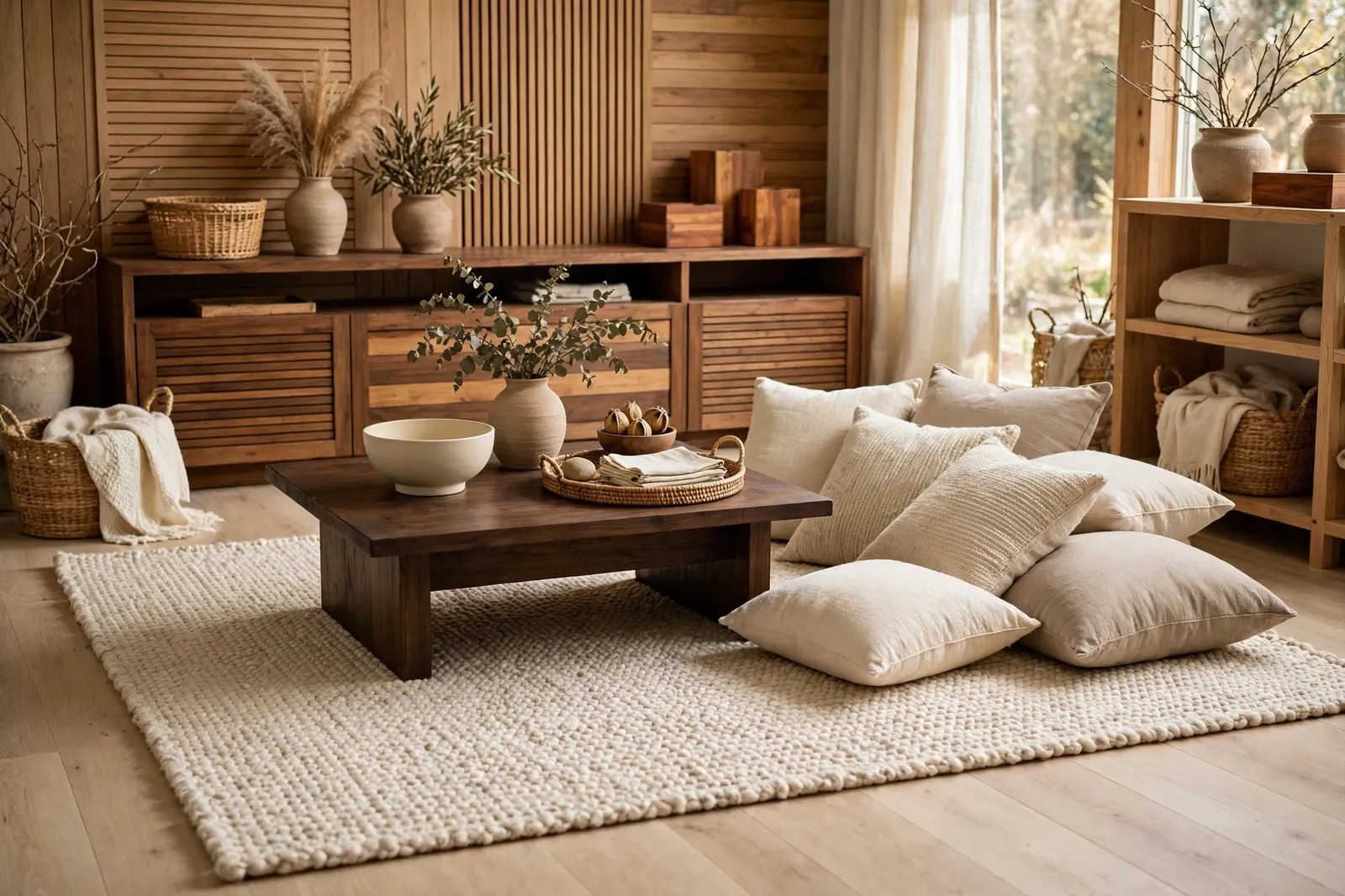
A single wood tone that shows up only once can look like it wandered in by accident. When a tone appears twice or more, it looks like part of the plan. So if you bring in a dark walnut coffee table, echo that same dark tone somewhere else — a frame, a tray, or a small side table.
You do not need big matching pieces. A walnut lamp base, a dark wood mirror frame, or a set of walnut shelves can all do the job. Two or three small repeats are enough to make each tone feel at home in the room.
6. Mind the Undertones, Not Just the Color
Two woods can look the same shade but still clash, because of their undertones. One might lean red, the other yellow, and side by side they feel off even though both are medium brown. The undertone is the quiet color hiding inside the wood, and it matters more than the shade.
Hold pieces next to each other in daylight and look for the undertone. If your floor has a red undertone, furniture with a red or warm undertone will sit well with it. A yellow-undertone piece next to a red-undertone floor will feel wrong, even if the darkness matches. Trust your eyes — if it looks off, the undertone is usually why.
7. Balance Wood with Soft Textures
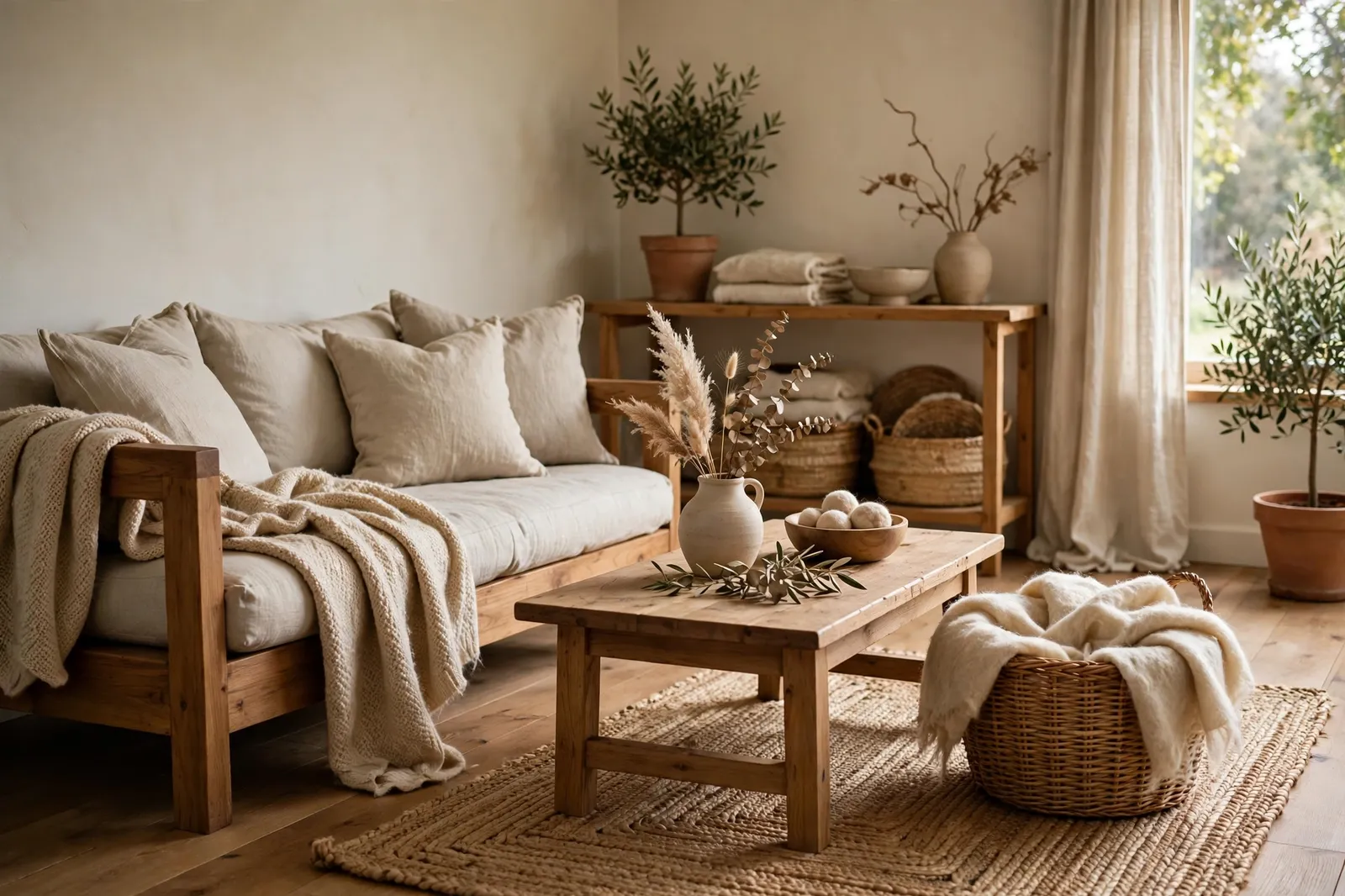
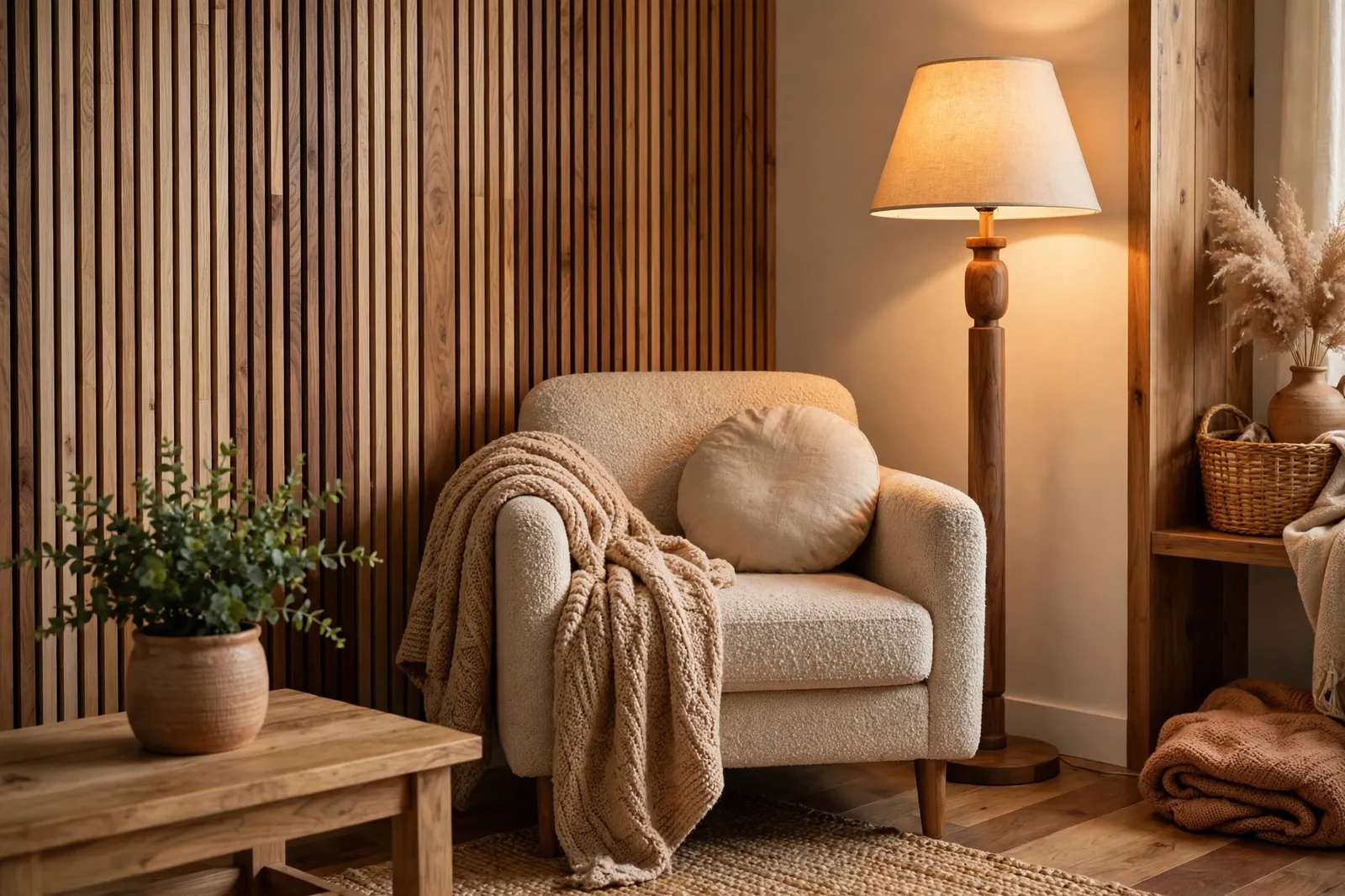
A room full of wood can feel hard and heavy, especially when the tones are mixed. Soft textures fix that fast. Linen cushions, a wool throw, a woven rug, or a cotton curtain soften the edges and give the woods room to breathe.
Texture also helps mixed woods feel like they belong together. A soft cream throw draped over a dark wood chair, or a jute rug under a light wood table, ties the pieces into one look. It is a cheap trick, and it works in every room of the house.
8. Test Samples Before You Commit
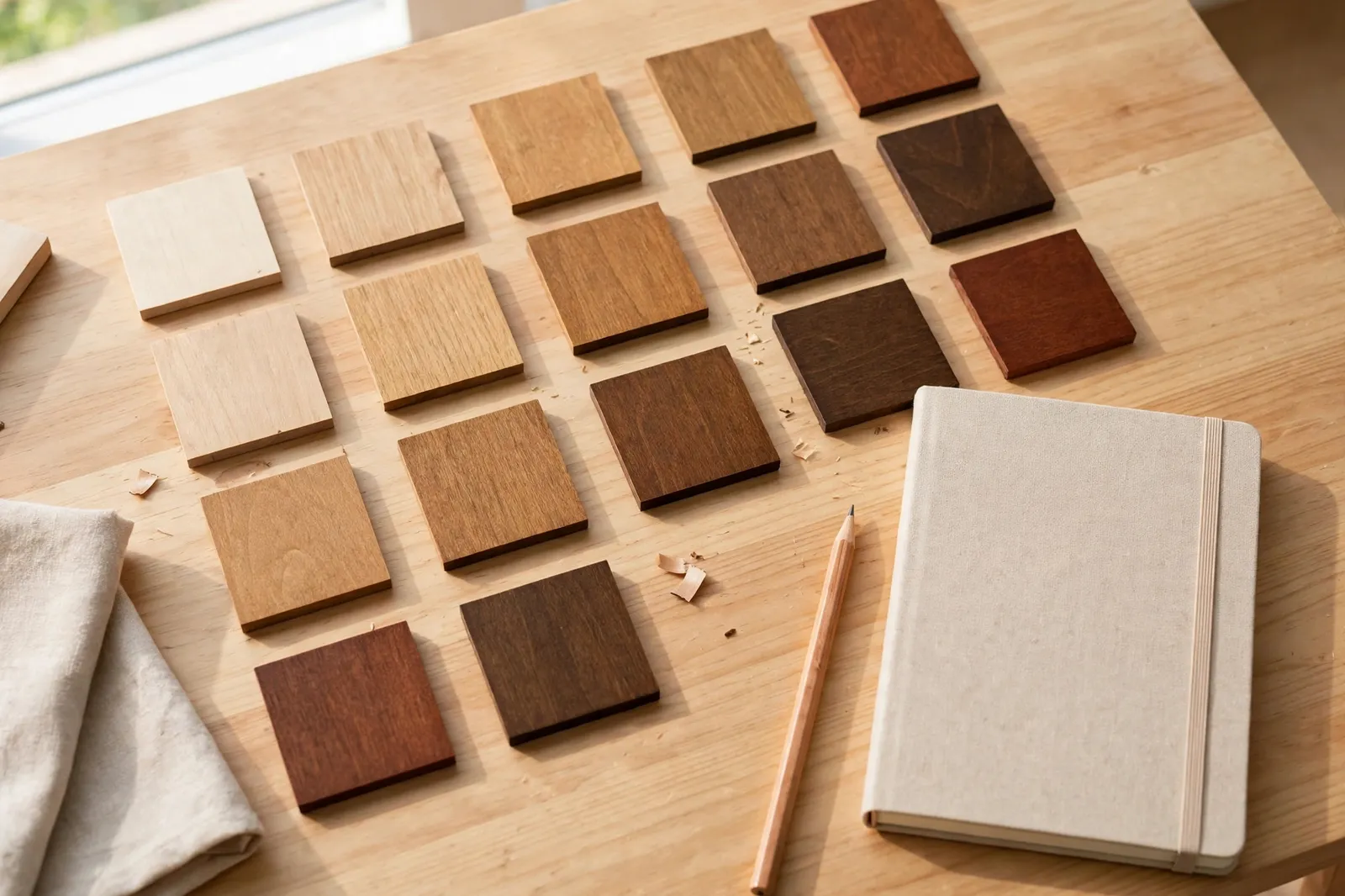
Before you buy a big piece, test it against the wood you already have. Most stores will let you take a small sample home, or you can hold up a photo of the piece next to your floor in daylight. A few minutes of checking can save you from a costly mistake.
Lay the sample on the floor, next to the table, and under the light the room actually gets. Wood looks different in a bright store and in a dim corner, so check it where it will live. If the sample feels right in the room, the real piece will too.
9. Step Back and Check the Whole Room
Once everything is in place, step back and look at the whole room, not just one corner. Stand in the doorway and take it in. Does one tone jump out too much? Does a piece look lonely? A quick look from across the room shows what you cannot see up close.
Small fixes are usually enough. Move a dark piece to the other side of the room, add a repeat of a tone that feels lost, or pull in a neutral cushion to calm things down. Mixed woods are meant to feel relaxed and lived in, so do not chase perfection — just make sure nothing feels like a mistake.
Frequently Asked Questions
Can you mix different wood tones in one room?
Yes, you can. Most rooms already have more than one wood tone, and it looks great when one tone leads and the others support it. Pick a dominant tone, add one or two more with real contrast between them, and repeat each tone at least twice so it looks planned.
How many wood tones can you mix in one room?
Two or three wood tones is the sweet spot for most rooms. More than three can start to feel busy, unless the room is large and the tones are spread out. If you are new to mixing woods, start with two and add a third only when the first two feel settled.
Should wood floors and furniture match?
No, they do not have to match, and most of the time they look better when they do not. A clear contrast between the floor and the furniture looks planned, while a near match often looks like a mistake. Just make sure the undertones are in the same warm or cool family.
What is the easiest way to mix wood tones?
Pick one dominant wood tone, then add a second tone that is clearly lighter or darker. Repeat each tone at least twice, and use a neutral rug or cushion to tie them together. That simple formula works in almost any room.
Related ideas
How to Hang Wall Art at the Right Height is a great next read once your wood tones feel settled, because the right art height makes the whole wall feel balanced. Gallery Wall Layout Ideas and How to Plan One shows you how to fill a bare wall without clashing with your furniture, and Accent Wall Ideas for Living Rooms and Bedrooms can help you add one bold wall that ties your mixed woods together. You might also like How to Hang Wall Art at the Right Height and How to Mix Patterns Without Overwhelming a Room.