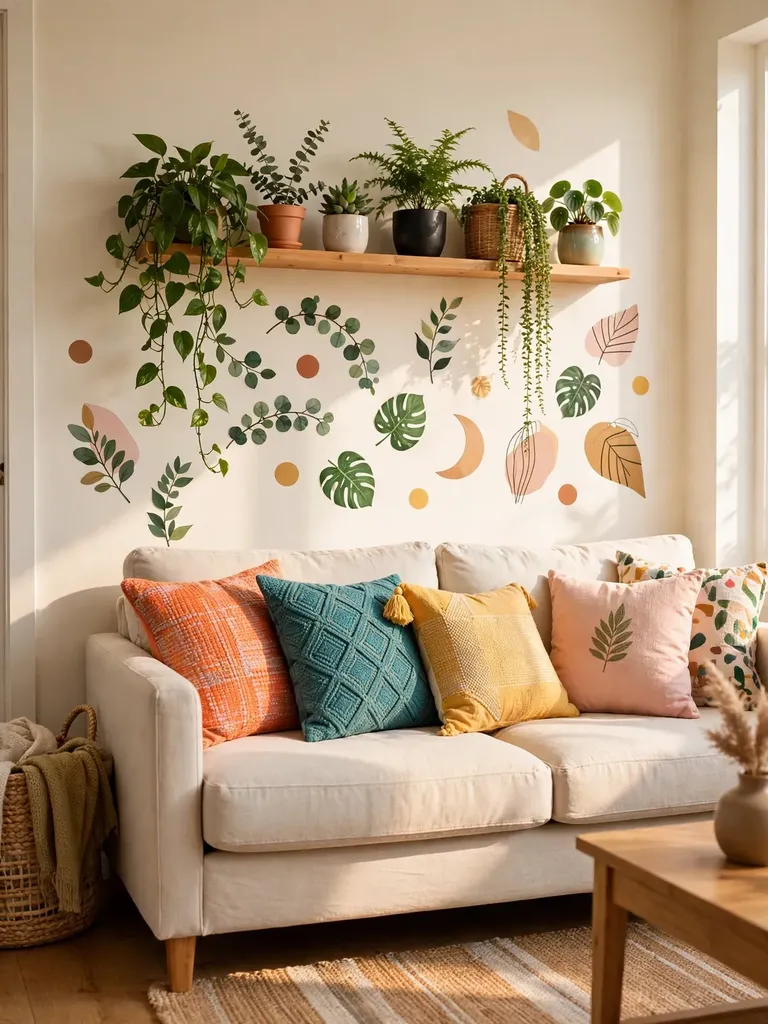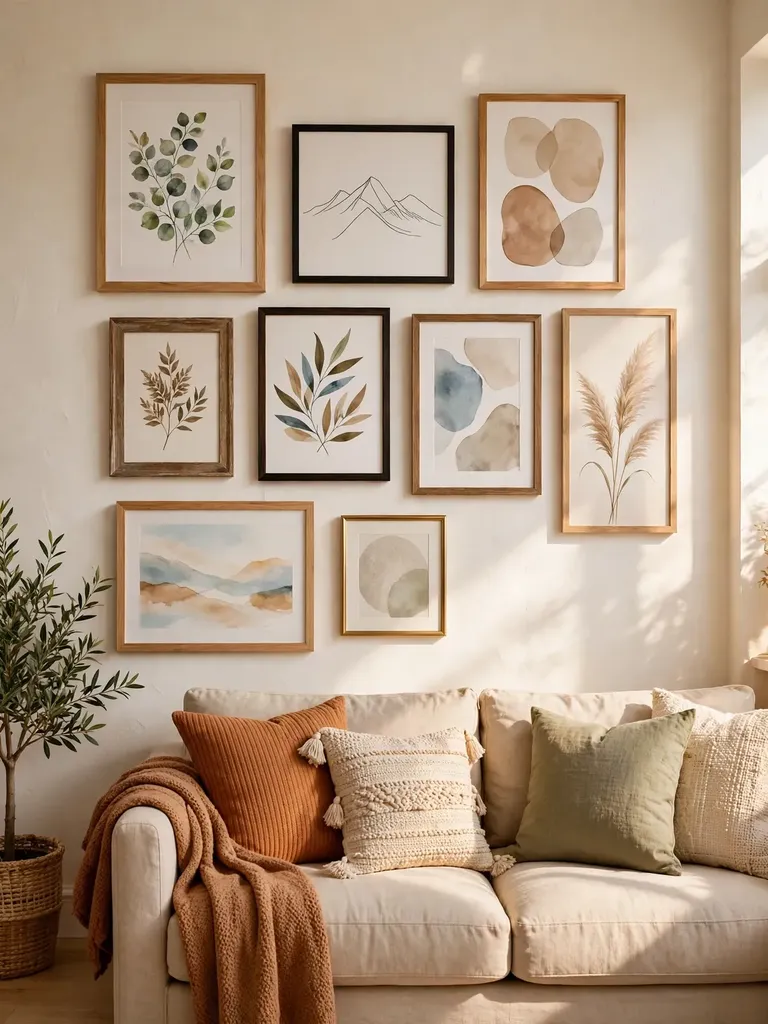
How to Choose a Whole-Home Color Palette
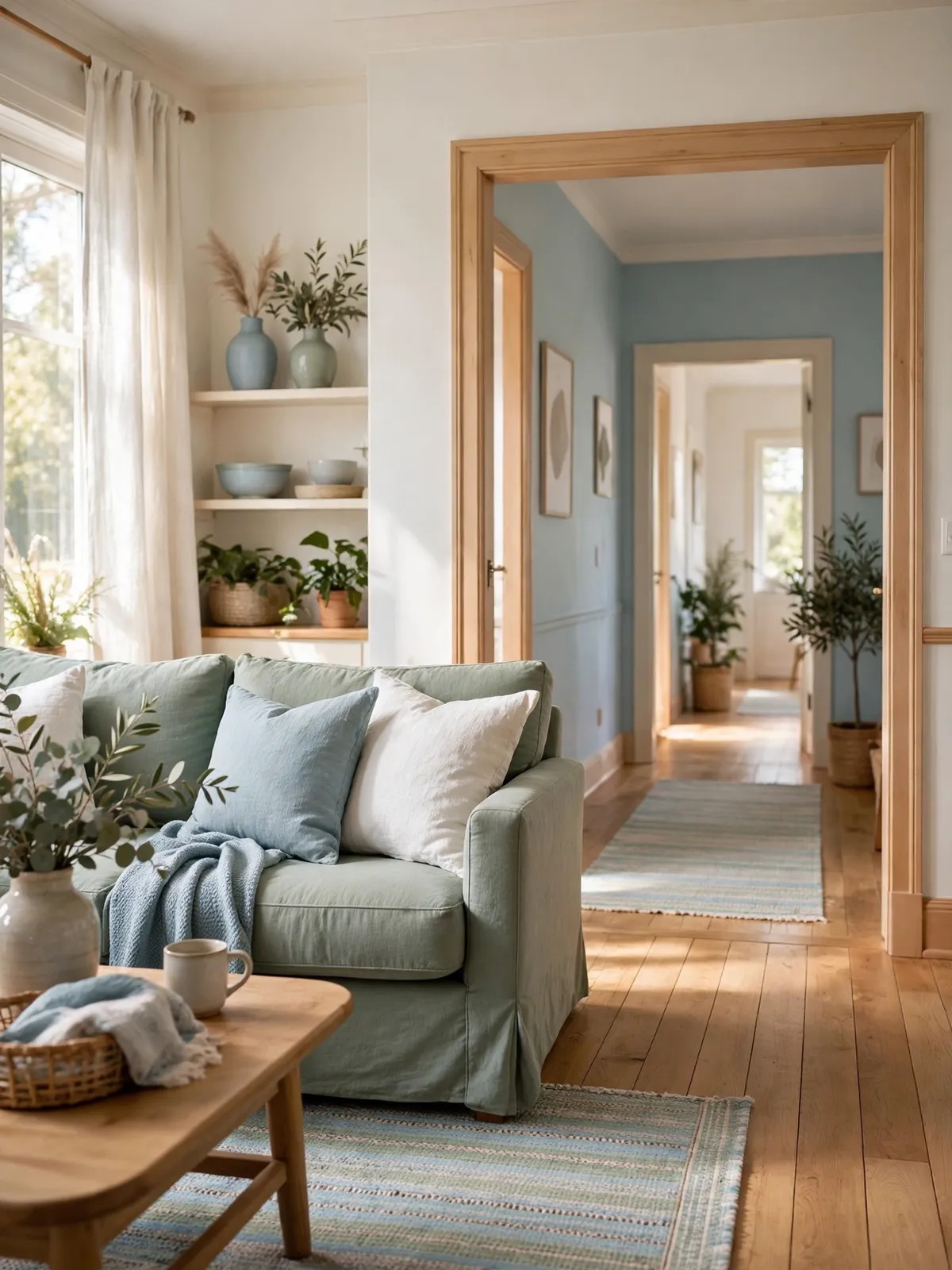
Picking colors for one room is easy enough. Picking colors for a whole home feels harder, because every room has to get along with the next one. You walk from the hallway into the living room, then into the kitchen, and if the colors clash, the whole house can feel jumpy and off.
A whole-home color palette fixes that. It is just a small set of colors you repeat through the house, so every room feels like it belongs to the same home. You do not need to be a designer to do it. With a few simple steps, you can build a palette you will love living with.
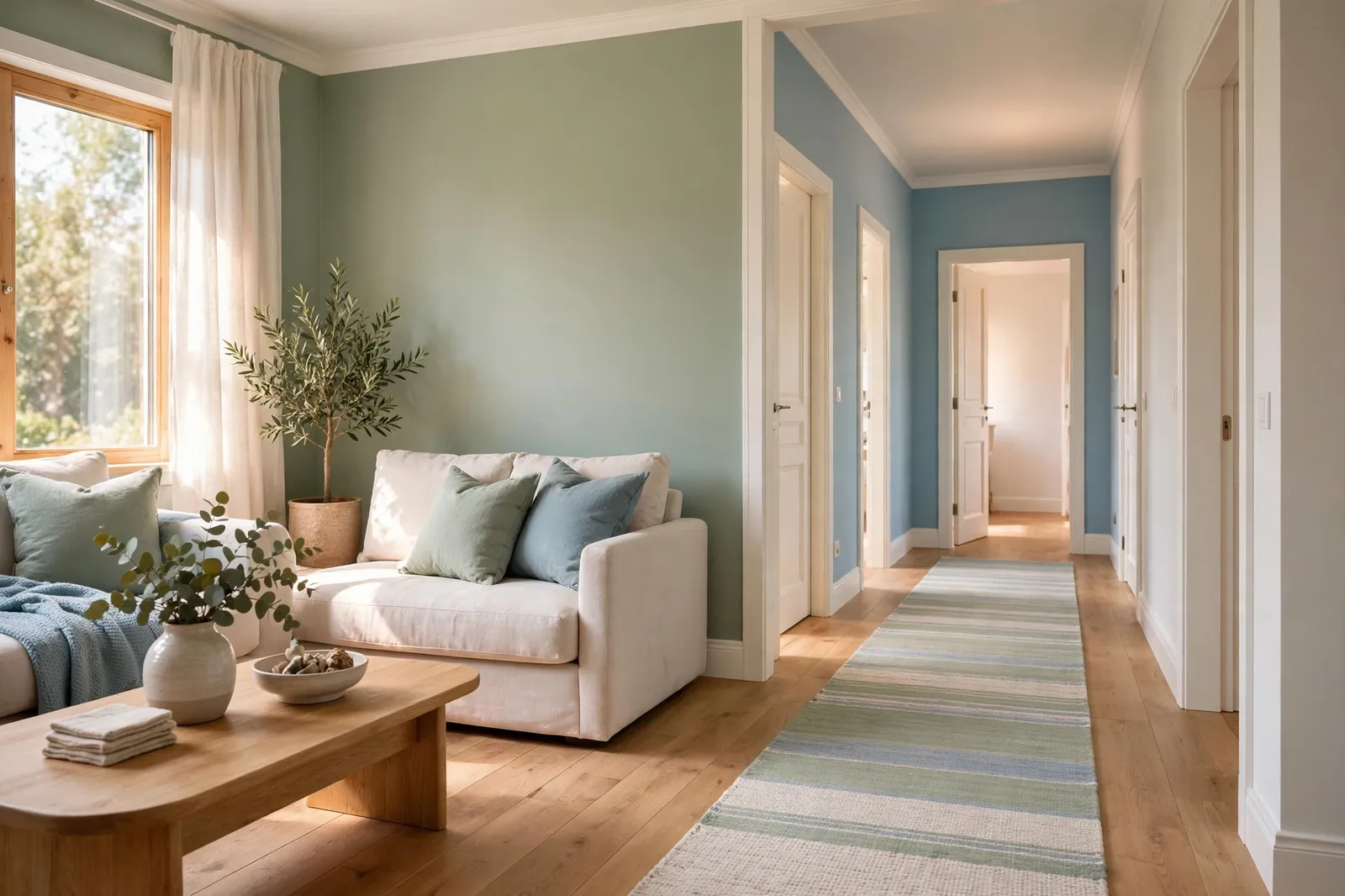
1. Start with How Your Home Feels Now
Before you pick a single color, take a slow walk through your home. Notice which rooms feel good and which ones feel off. Maybe the bedroom feels calm but the living room feels cold. Maybe the kitchen is too dark in the morning. These little notes tell you a lot about what to fix.
Also think about how you want the house to feel overall. Cozy and warm? Light and airy? Calm and quiet? One or two words are enough. That feeling becomes your guide, and it stops you from picking a color just because it looked nice in the store.
2. Pick a Base Color You Love
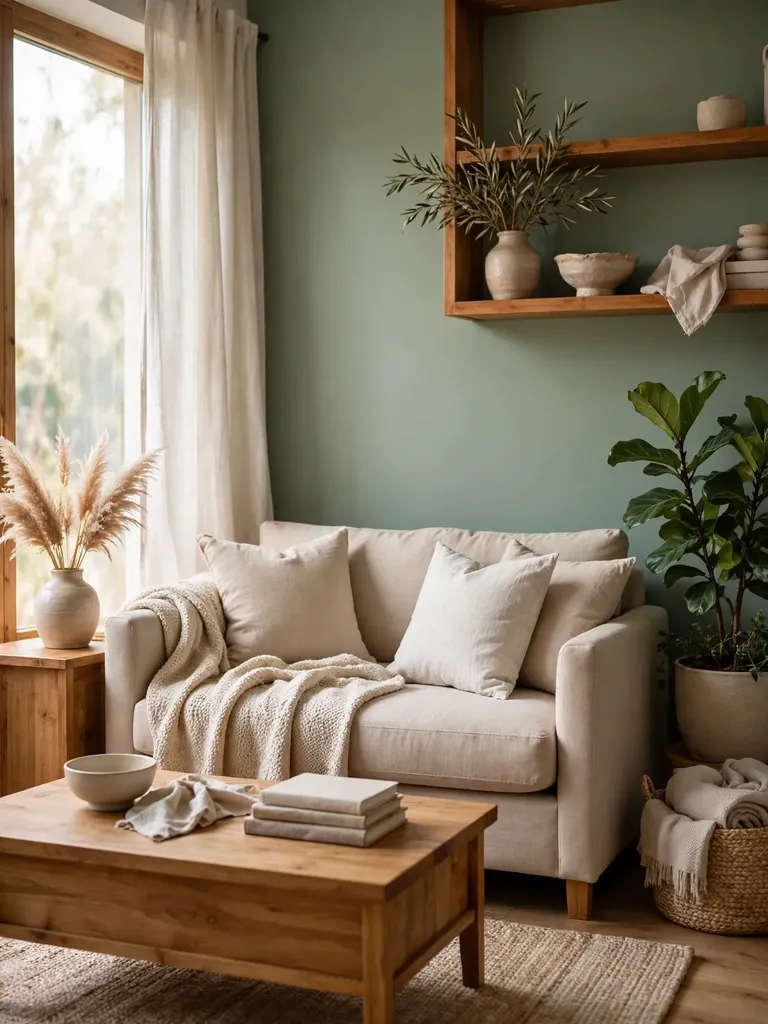
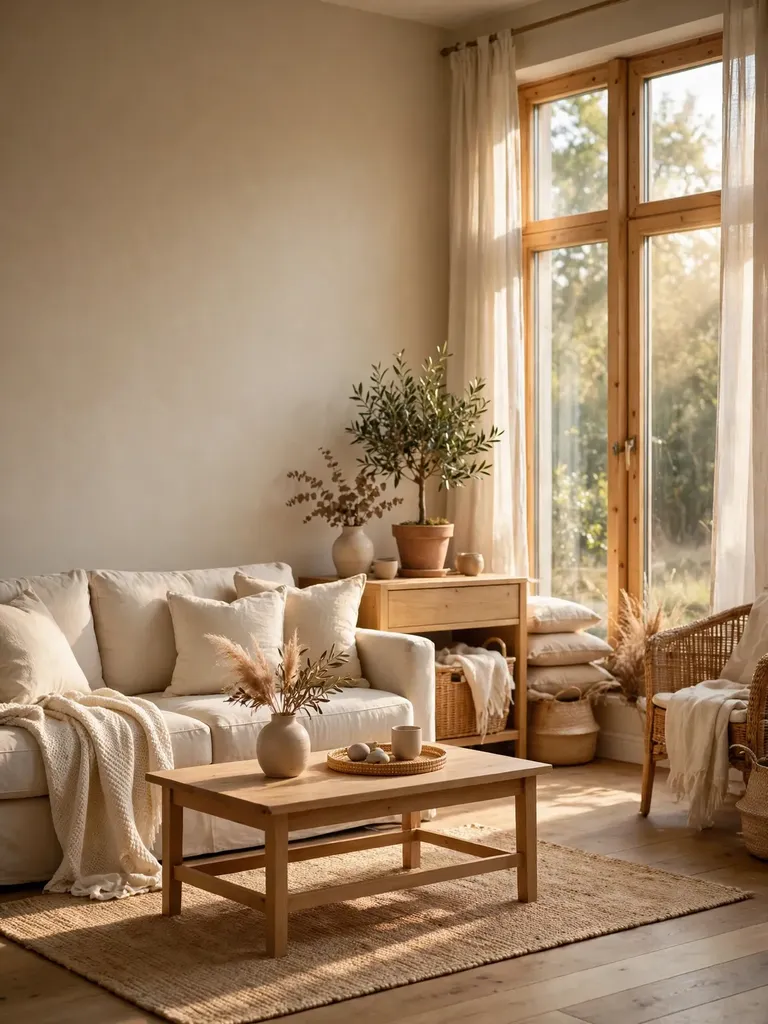
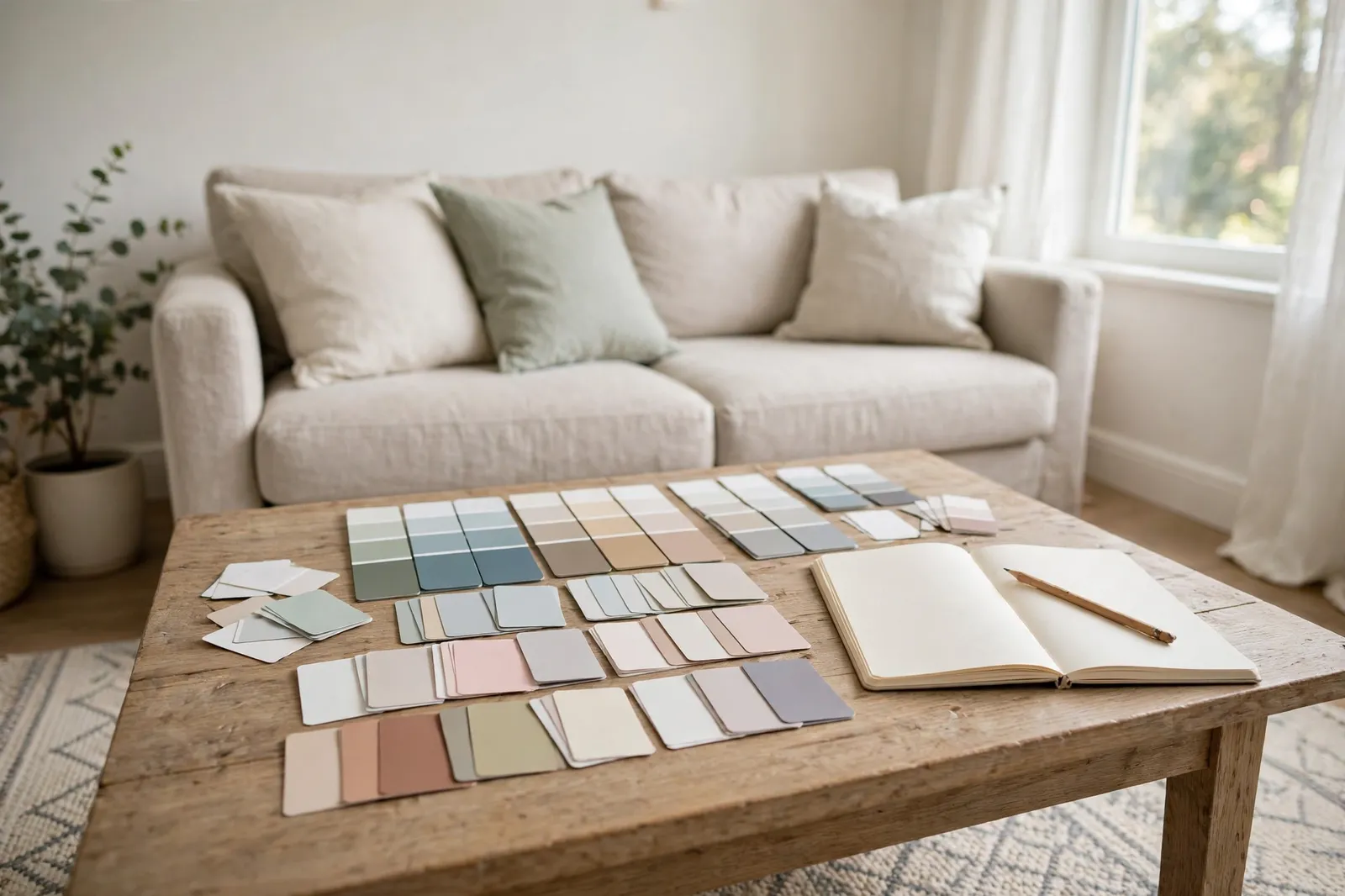
Every palette needs a base color — the one that shows up the most. In most homes, that is a soft neutral on the walls, like warm white, light greige, or pale sage. It should be a color you are happy to see in room after room, because you will see a lot of it.
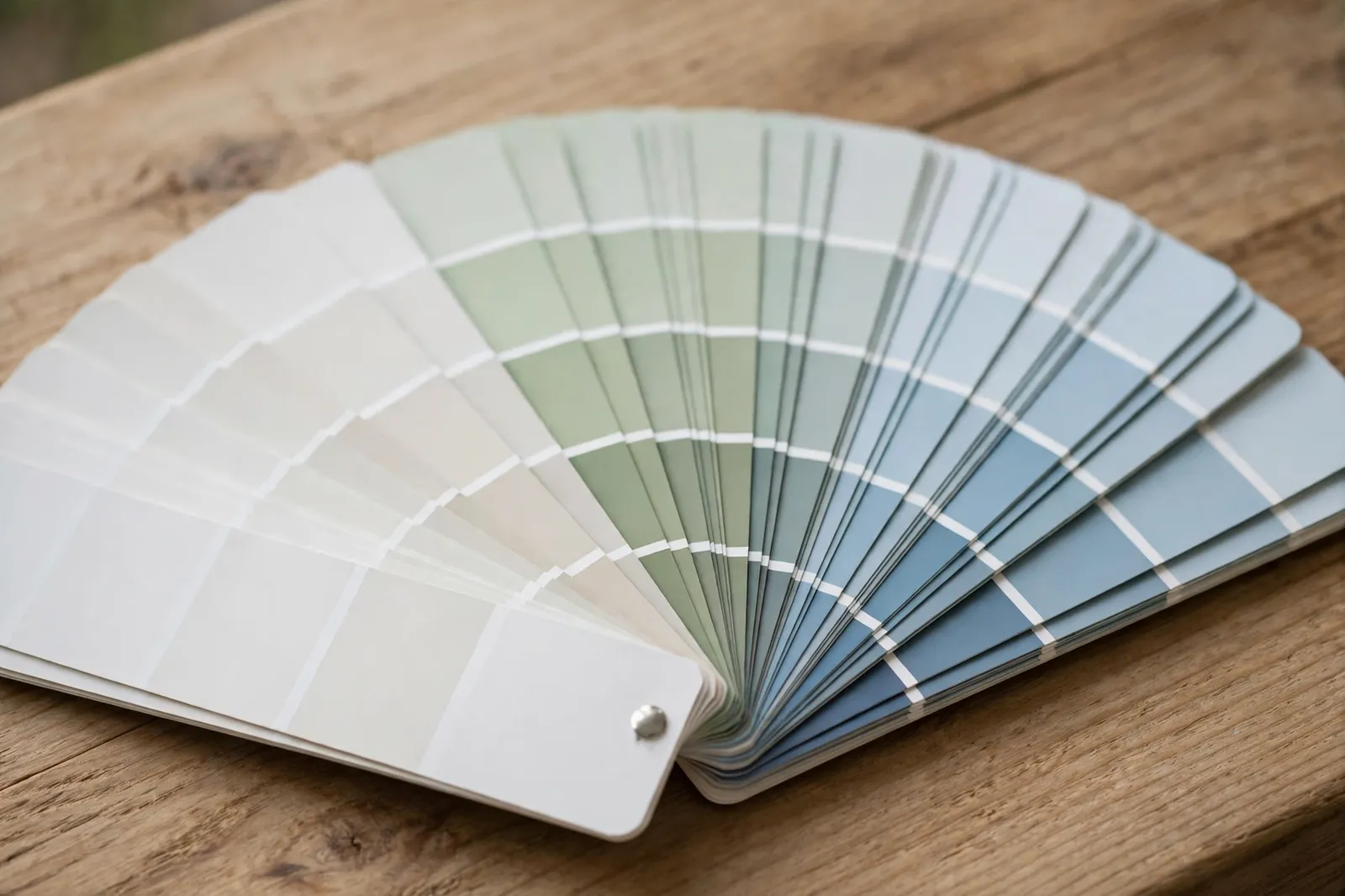
Choose your base by how it looks in your own light, not on a paint chip. Tape a few large swatches to the wall and watch them through the day. Morning light, evening light, and lamplight all change a color. The one that looks good in all three is your base.
3. Build Your Whole-Home Color Palette
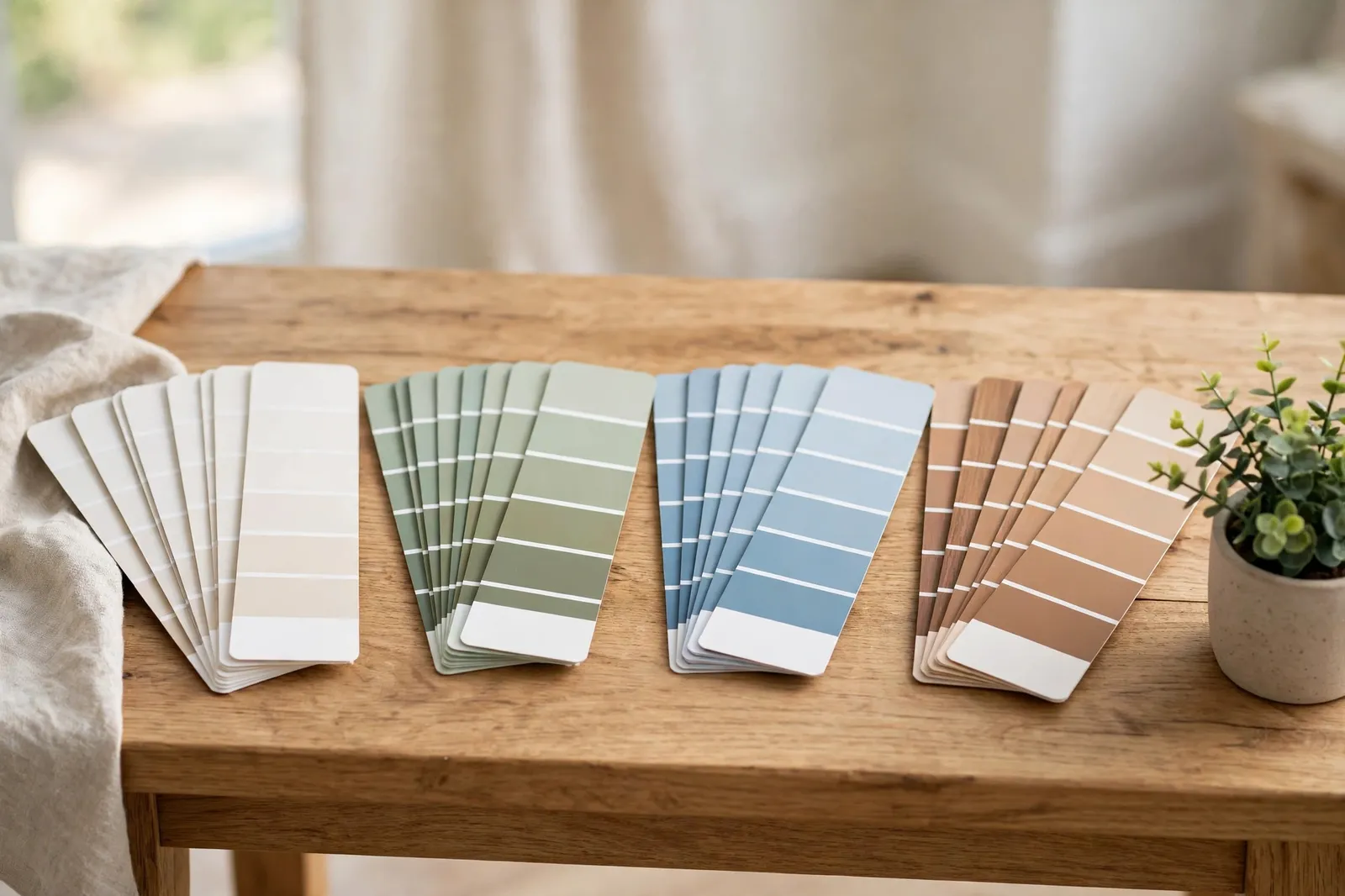
A good whole-home color palette has three to five colors. That is enough to keep things interesting without turning the house into a patchwork. Start with your base color, then add one main accent color and one or two supporting colors.
A simple way to do it is to pick colors that sit near each other on the color wheel, or colors that share the same warmth. Warm whites go with warm greens and soft terracotta. Cool whites go with soft blues and pale grays. If two colors look good side by side on the swatch card, they will probably look good side by side in your home too.
4. Use the 60-30-10 Rule
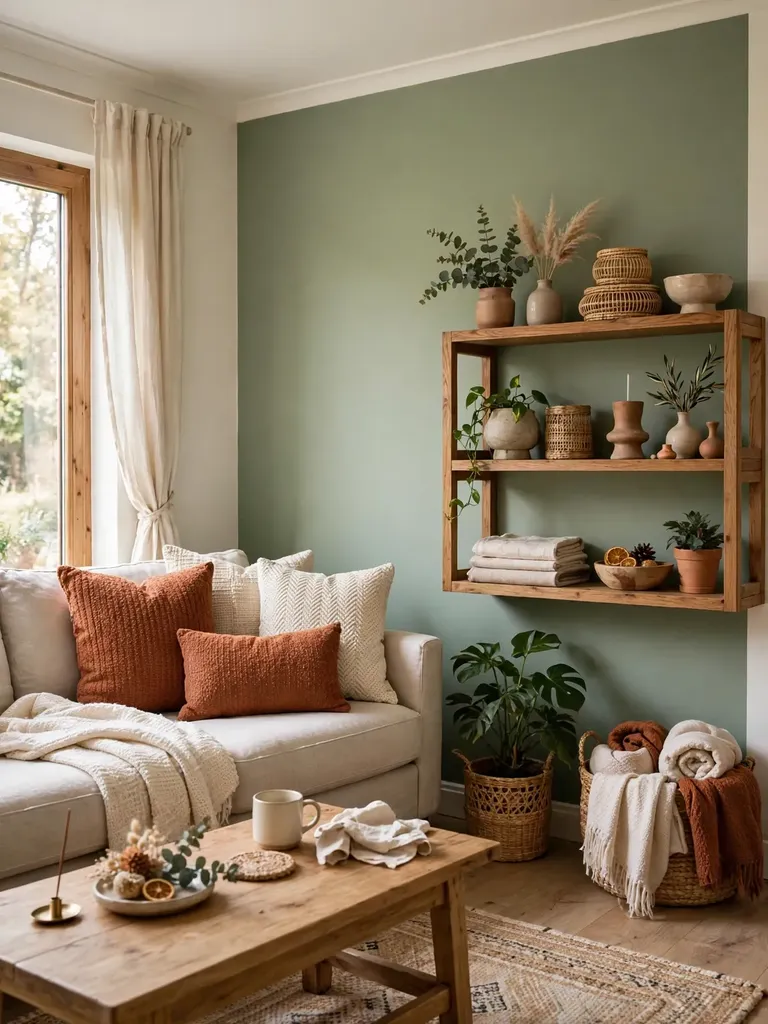
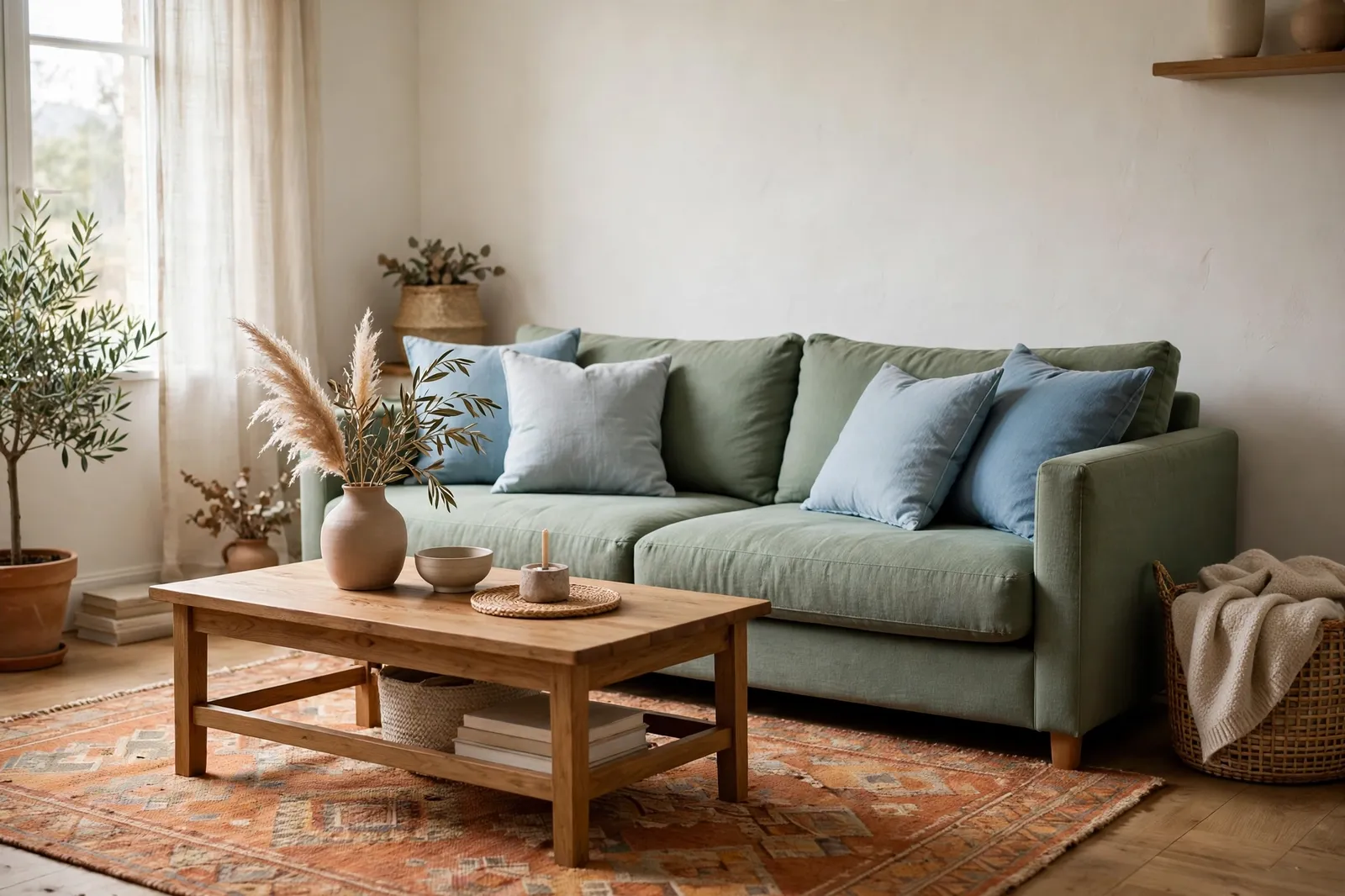
The 60-30-10 rule is an easy way to balance your palette. About sixty percent of a room is your base color, usually the walls and big pieces. Thirty percent is your second color, like the sofa, curtains, or a rug. Ten percent is your accent color, in cushions, art, and small decor pieces.
You do not have to measure anything. Just look around the room and check that one color is doing most of the work, one color supports it, and one color pops up here and there. When the balance is right, a room feels calm and put together instead of busy.
5. Test Paint Before You Commit
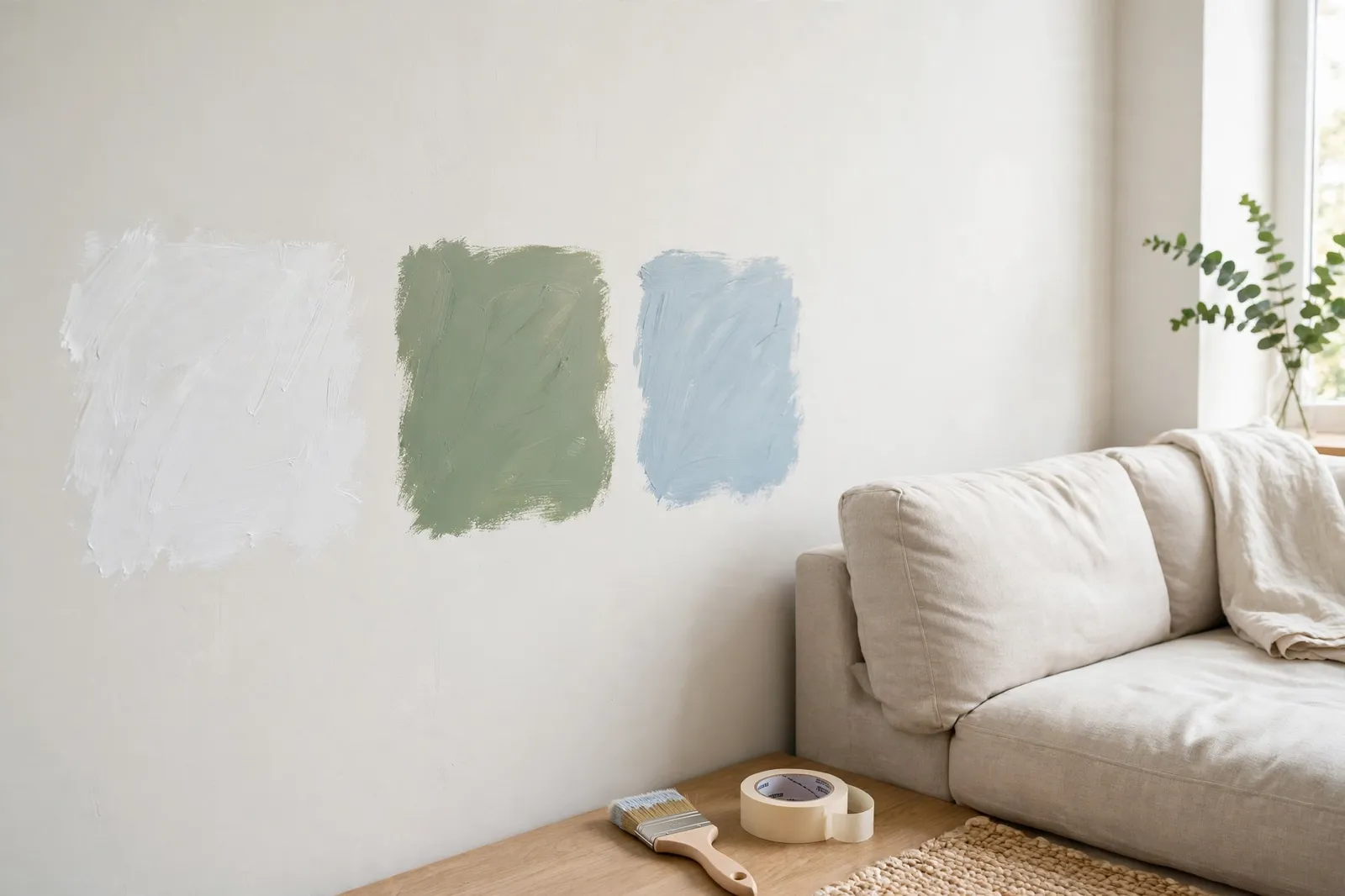
Paint never looks the same on your wall as it does on the chip. Always test it first. Buy small sample pots of your top two or three colors and brush big squares on the wall, at least a foot across. Small patches lie to you — a big patch tells the truth.
Leave the samples up for two or three days and look at them in different light. Check them in the morning, in the afternoon, and at night with the lamps on. If a color still looks good after three days, it is a keeper. If it starts to bug you, cross it off and move on.
6. Carry Colors from Room to Room
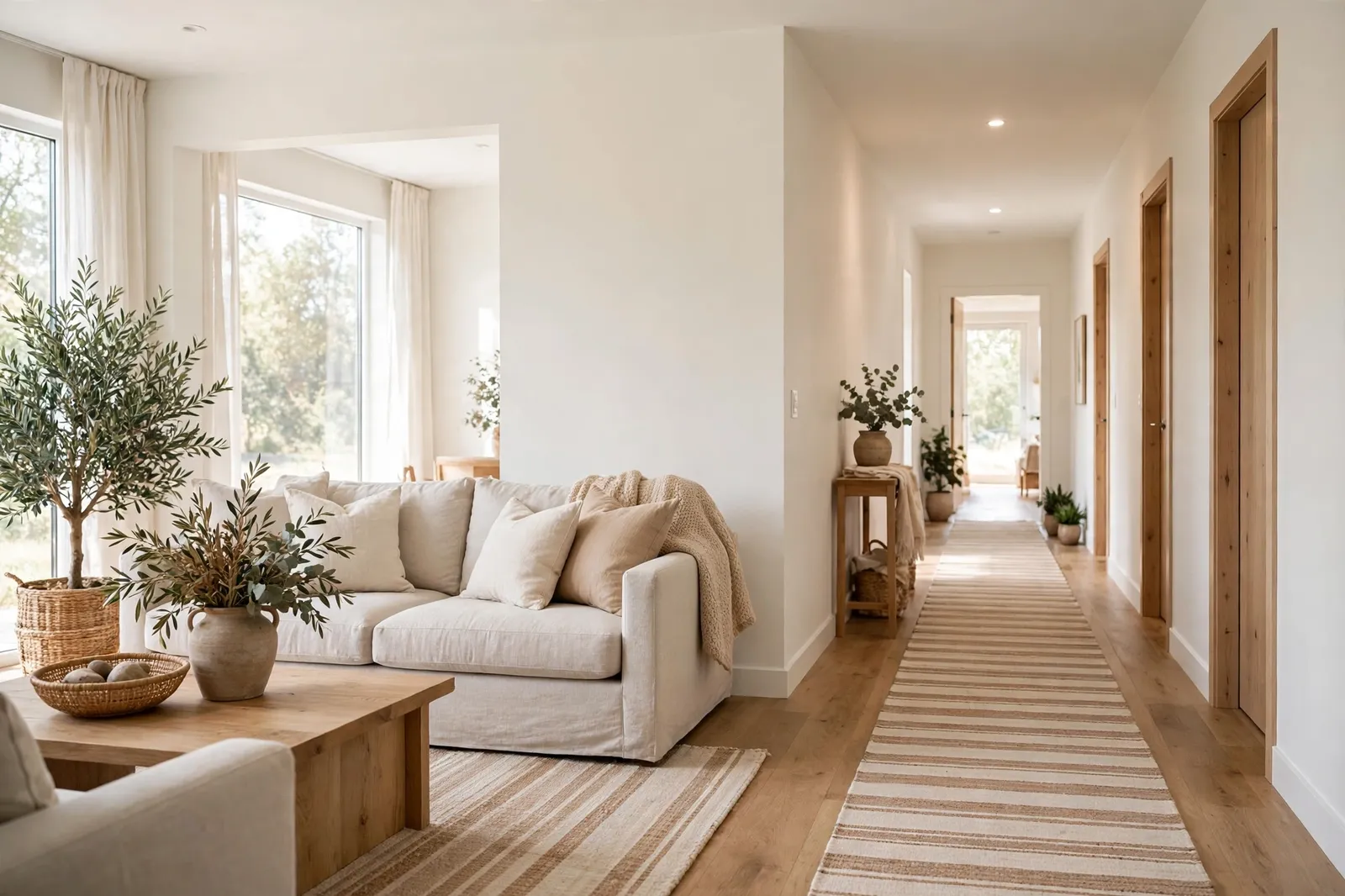
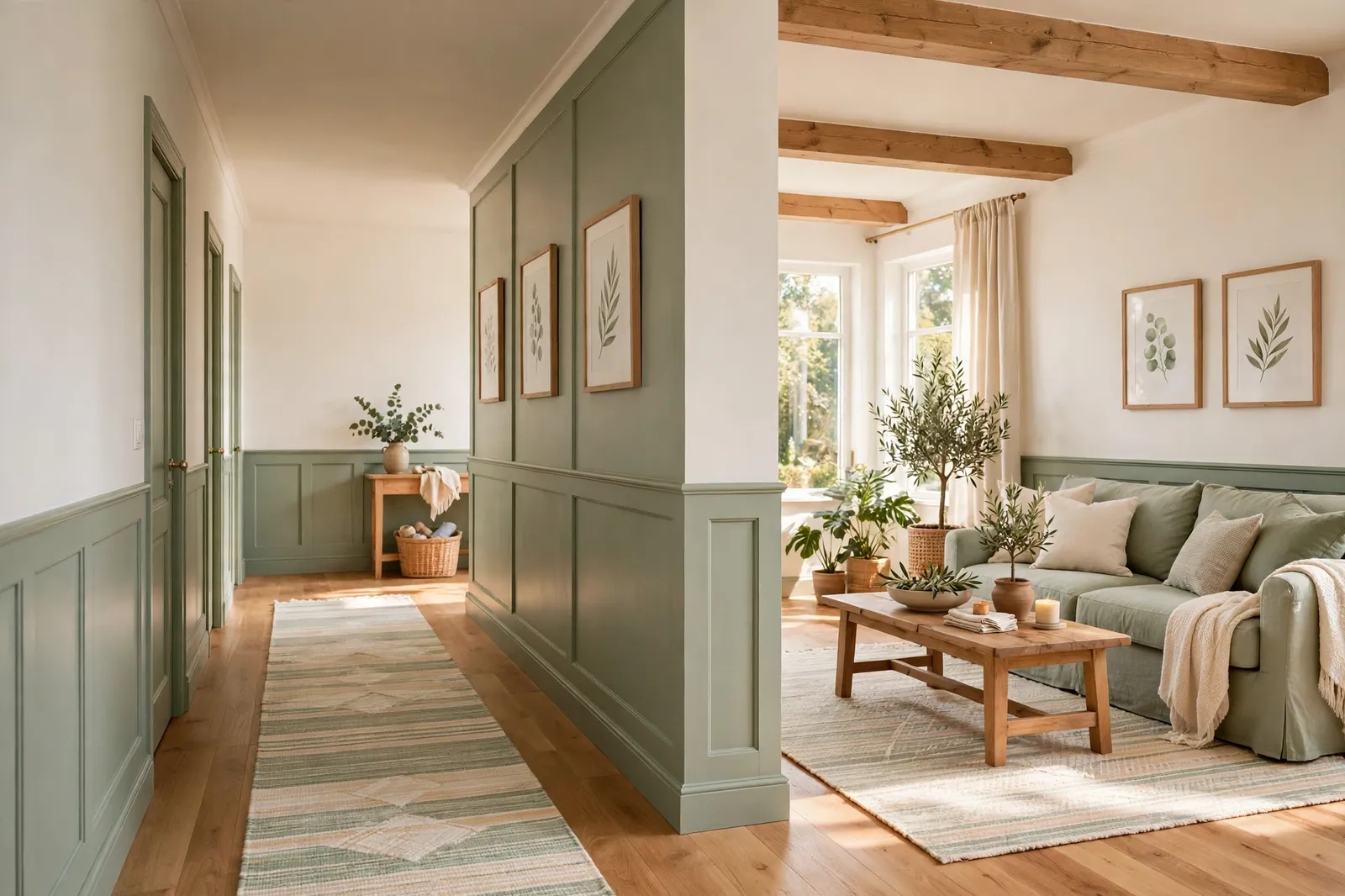
The trick to a palette that flows is repetition. Use the same base color on the walls through the main rooms, then repeat your accent colors in different places. The sage green that is on the living room cushions can show up as towels in the bathroom and a runner in the hallway.
You do not have to repeat every color in every room. Two repeated colors are enough to tie rooms together. Hallways and open doorways help too — when you can see one room from another, matching colors make the whole space feel bigger and calmer.
7. Let Your Fixed Pieces Guide You
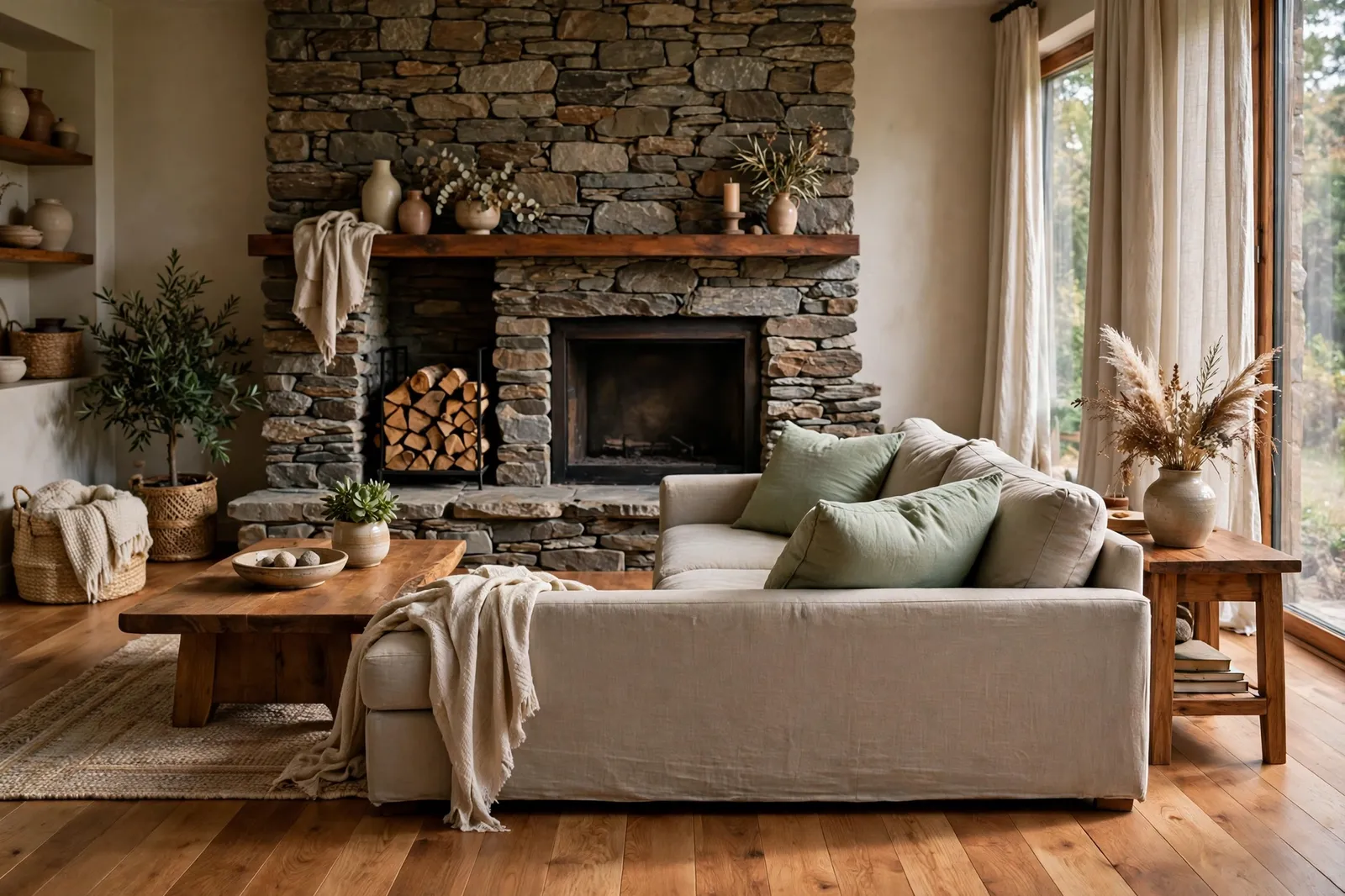
Some things in your home cannot change easily: the wood floor, the kitchen counters, the fireplace stone, a tile floor. These fixed pieces already have colors in them, and your palette needs to work with them, not fight them.
Look at the undertones in those fixed pieces. A wood floor might lean warm and golden, or cool and gray. A stone fireplace might have hints of beige or blue-gray. Pick wall and fabric colors with the same undertone, and the whole room will suddenly feel like it was planned that way.
8. Add Contrast Without Clashing
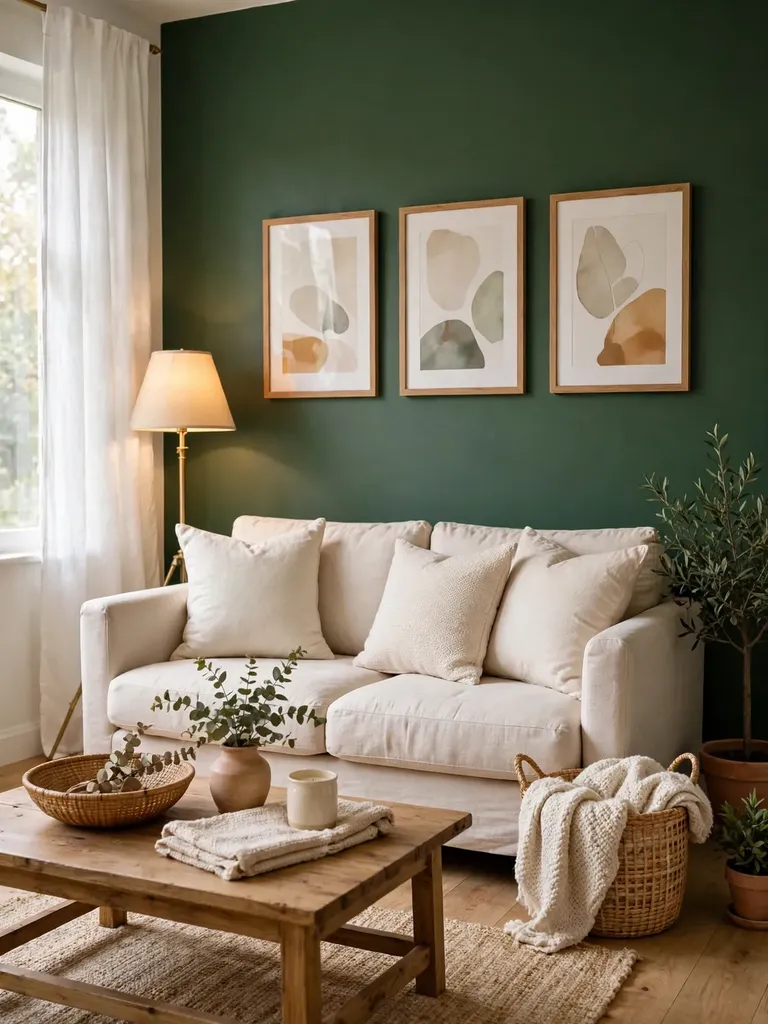
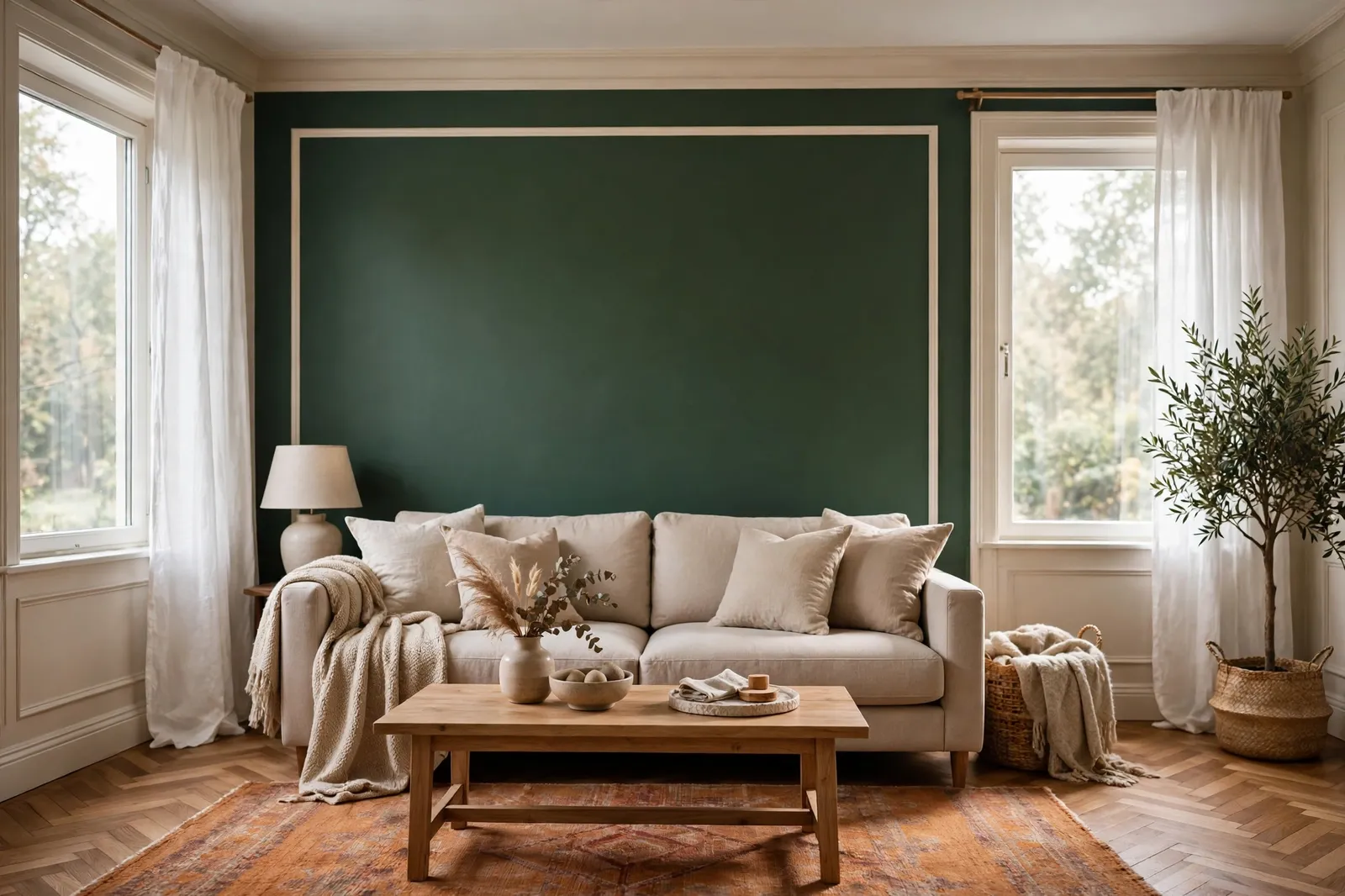
A palette made only of soft neutrals can end up feeling flat. Contrast is what gives a room life. One deeper color — a dark green wall, a navy sofa, a black-framed mirror — makes the lighter colors around it look brighter and cleaner.
Keep the contrast to one or two strong moments per room. A dark accent wall in the living room, or dark dining chairs against a pale table. If everything is bold, nothing stands out. One strong piece, surrounded by your softer palette colors, is all it takes.
9. Live With It Before You Change It
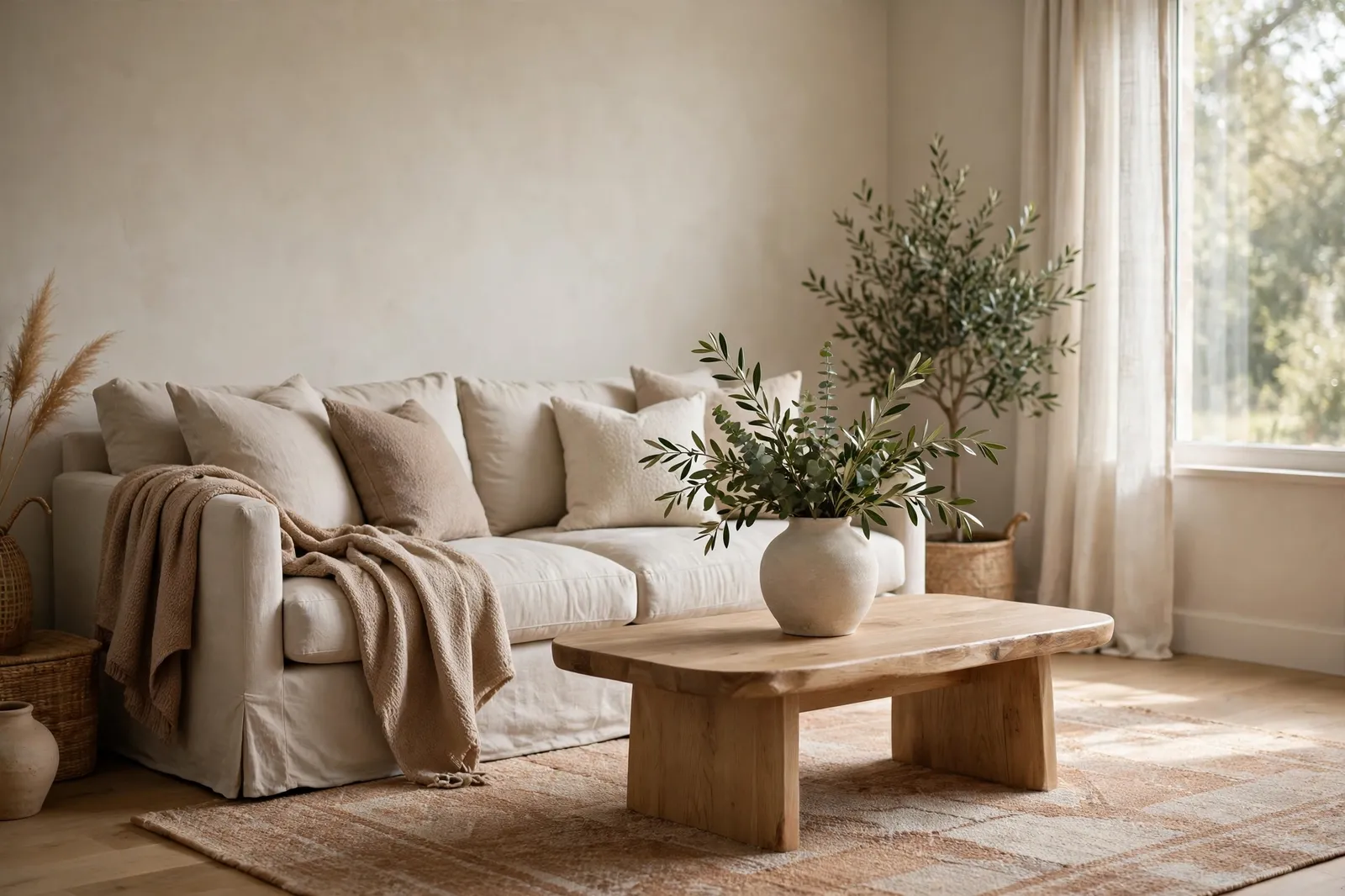
Once you have picked your palette, give it time before you change anything else. Paint one room, add the cushions and curtains, then live with it for a week or two. Colors feel different when you are actually living in them than they do on a swatch.
If something feels off after a week, change the smallest thing first — swap a cushion color, move a piece of art, try a different throw. Small tweaks are often all a palette needs. And if you still love it after a month, you know you picked well, and you can carry it through the rest of the house.
Frequently Asked Questions
How many colors should a whole-home color palette have?
Three to five colors is a good range. One base color for walls and big surfaces, one or two main colors for furniture and fabrics, and one accent color for small touches. Fewer than three can feel flat, and more than five gets hard to keep balanced across rooms.
Should every room be the same color?
No, every room does not have to be the same color, but the rooms should share colors. Keep the same base color on the walls through the main living areas, then change the accent colors from room to room. That way each room has its own feel while the whole house still hangs together.
How do I pick colors that go with my furniture?
Start with the biggest fixed pieces you already own, like the sofa, the bed, or the wood floor. Look at the undertones in those pieces — warm or cool — and pick wall colors with the same undertone. Then bring in cushions, throws, and art in your accent colors to tie it all together.
Can I change my color palette later?
Yes, and it is easier than you think. Because a palette is mostly about small things like cushions, throws, and art, you can swap the accent color in an afternoon. Repainting one accent wall is a weekend job. You do not have to start from scratch — just change one color at a time and see how it feels.
Related ideas
Home Decor Color Schemes and Wall Styling Ideas is a great next read if you want more color combinations to try, since it shows how different schemes look on real walls. Weekend Home Decor Projects That Refresh a Room is perfect when you are ready to put your new palette to work with a few easy weekend projects. And if you are renting, Renter-Friendly DIY Decor Ideas That Avoid Permanent Changes shows how to bring your palette into a home without painting a single wall. You might also like Home Decor Color Schemes and Wall Styling Ideas and Neutral Paint Colors for a Warm and Timeless Home.