Home Decor Color Schemes and Wall Styling Ideas
Color is the first thing you notice when you walk into a room, even before the furniture. The wall color, the cushions, the art — they all work together to set the mood. Get the colors right, and the room feels calm and pulled together. Get them wrong, and even nice furniture can feel off.
The good news is that you do not need a designer's eye to pick a color scheme that works. A few simple rules, a little patience, and some paint swatches are all it takes. This guide walks you through choosing home decor color schemes that suit your space, then styling your walls to match — step by step, in plain words.
1. Start with a Simple Home Decor Color Scheme
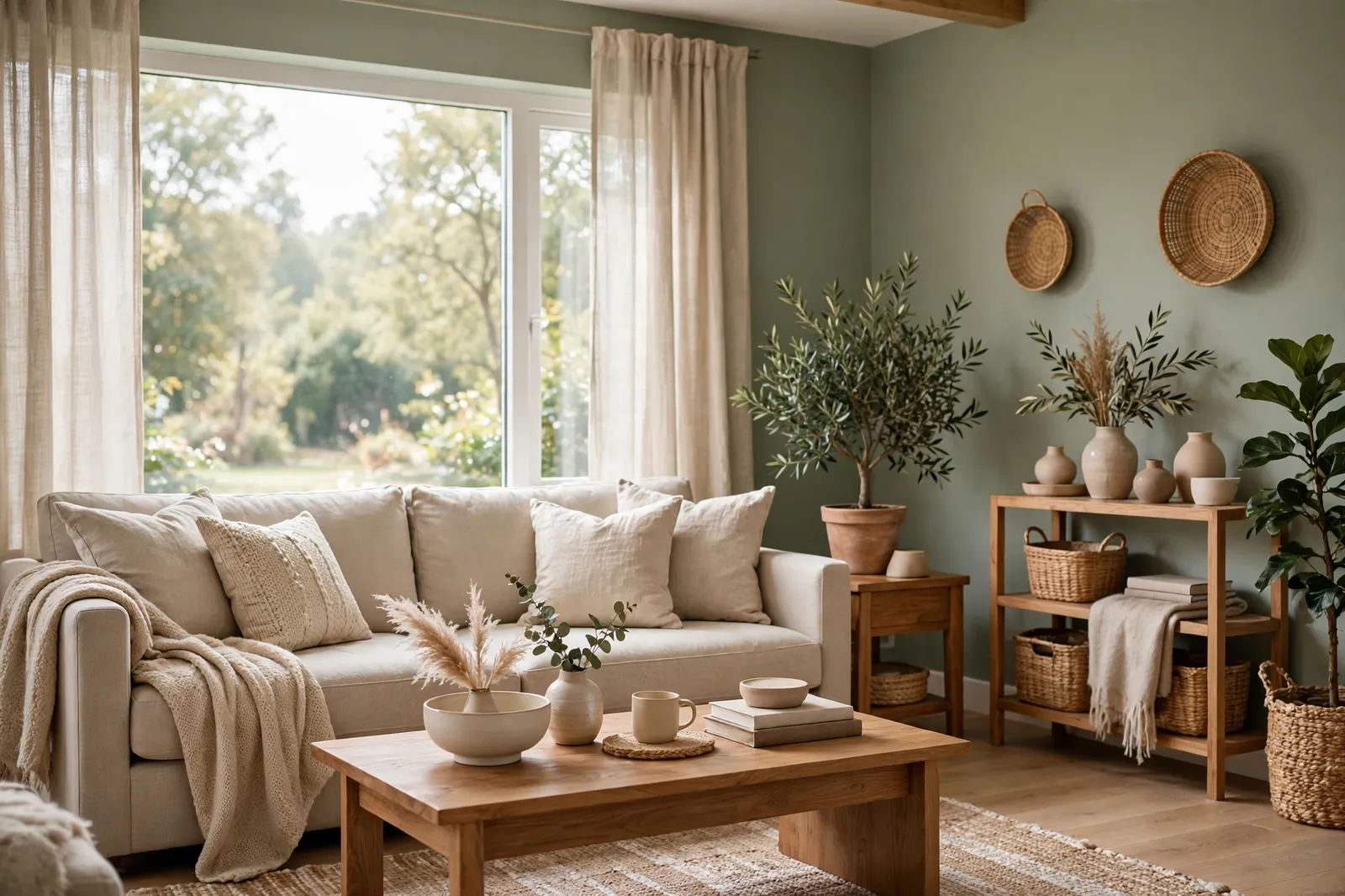
The easiest way to pick a color scheme is to start with three colors: one main color, one second color, and one accent. The main color covers most of the room — usually the walls. The second color shows up in the sofa, curtains, or rug. The accent is the fun one — cushions, art, a vase — and you only need a little of it.
Try the 60-30-10 rule as a guide. About sixty percent of the room is your main color, thirty percent is your second color, and ten percent is your accent. It sounds fussy, but it really just means: do not use every color in equal amounts. One color should lead, and the others should support it.
2. Pick a Neutral Base You Can Live With
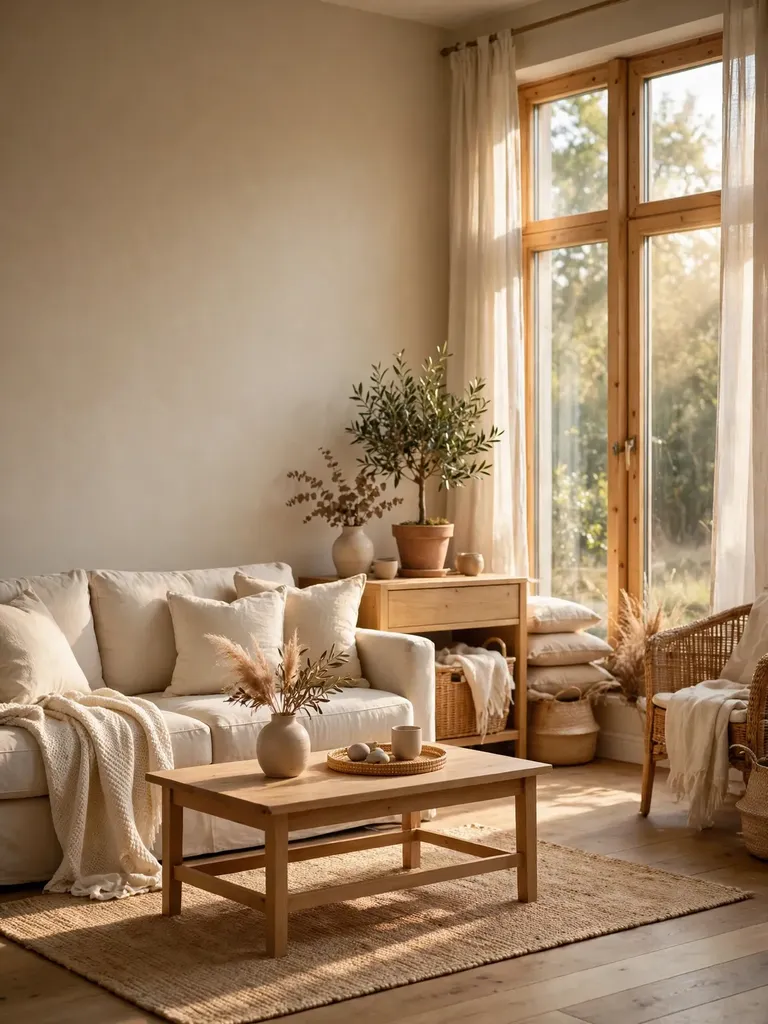
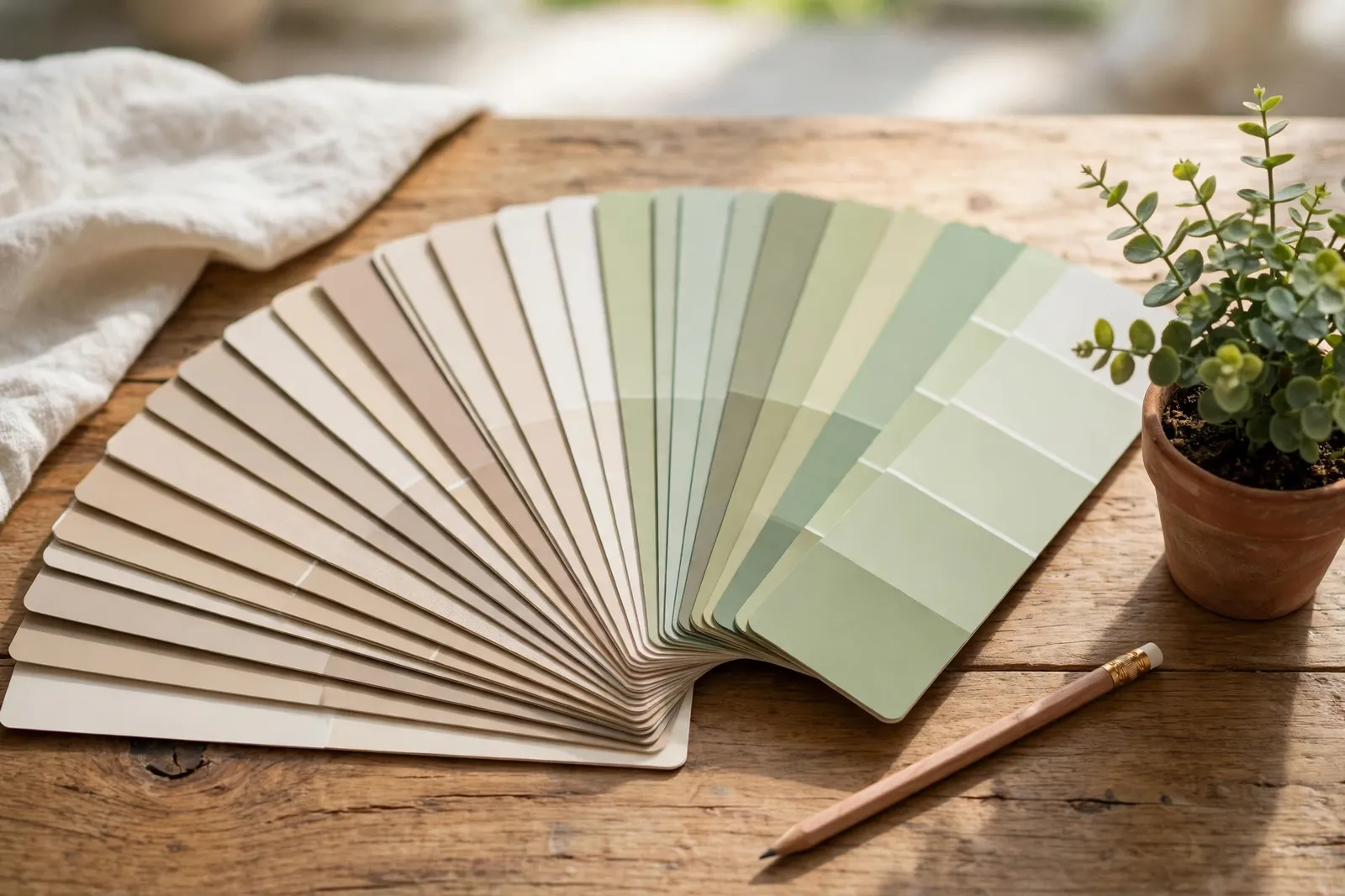
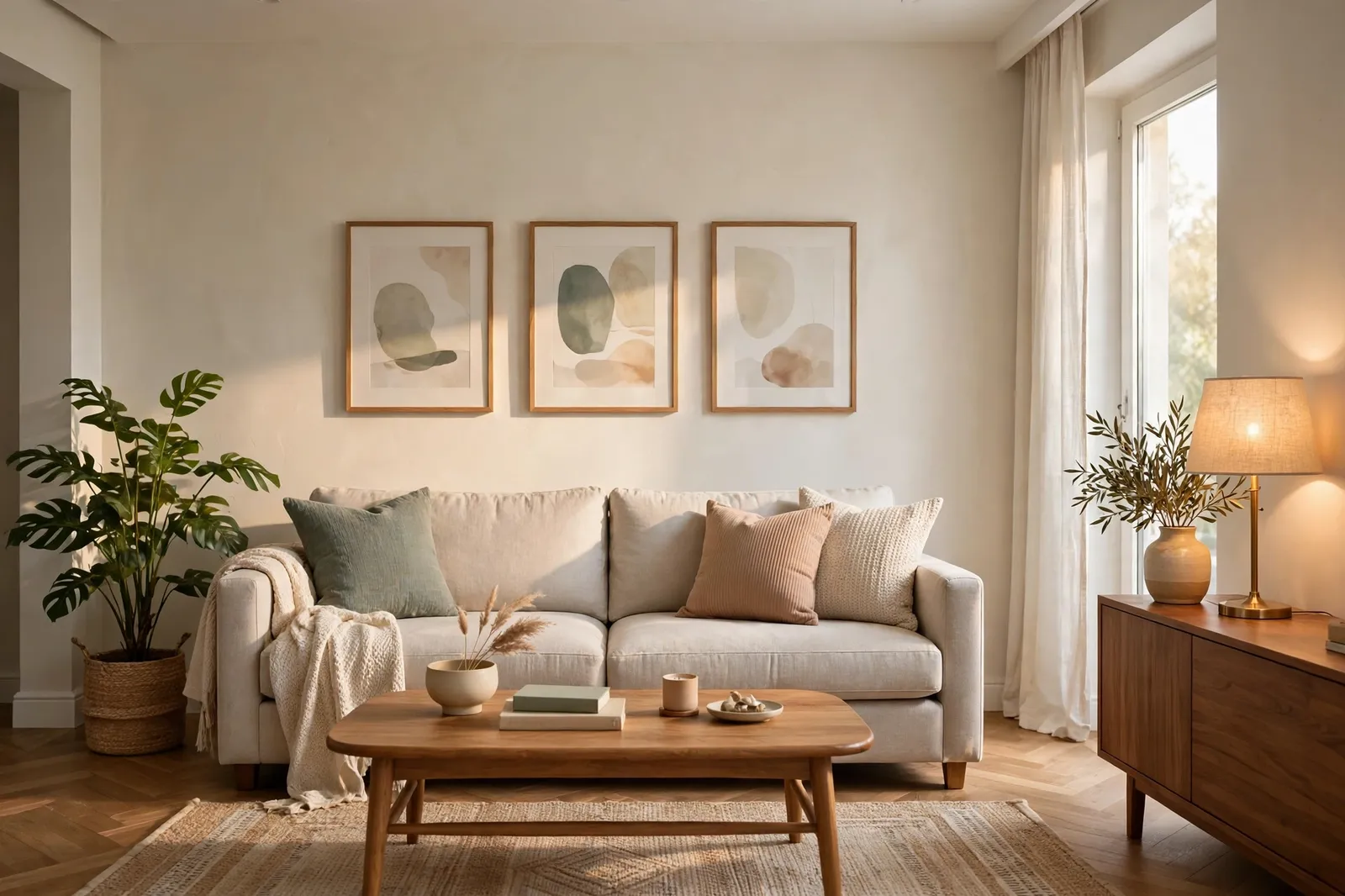
Neutrals are the safe ground your whole scheme stands on. Warm white, soft beige, light gray, and greige all work well, and they go with almost anything. Pick a neutral you actually like looking at, because it will be on the biggest surfaces in the room.
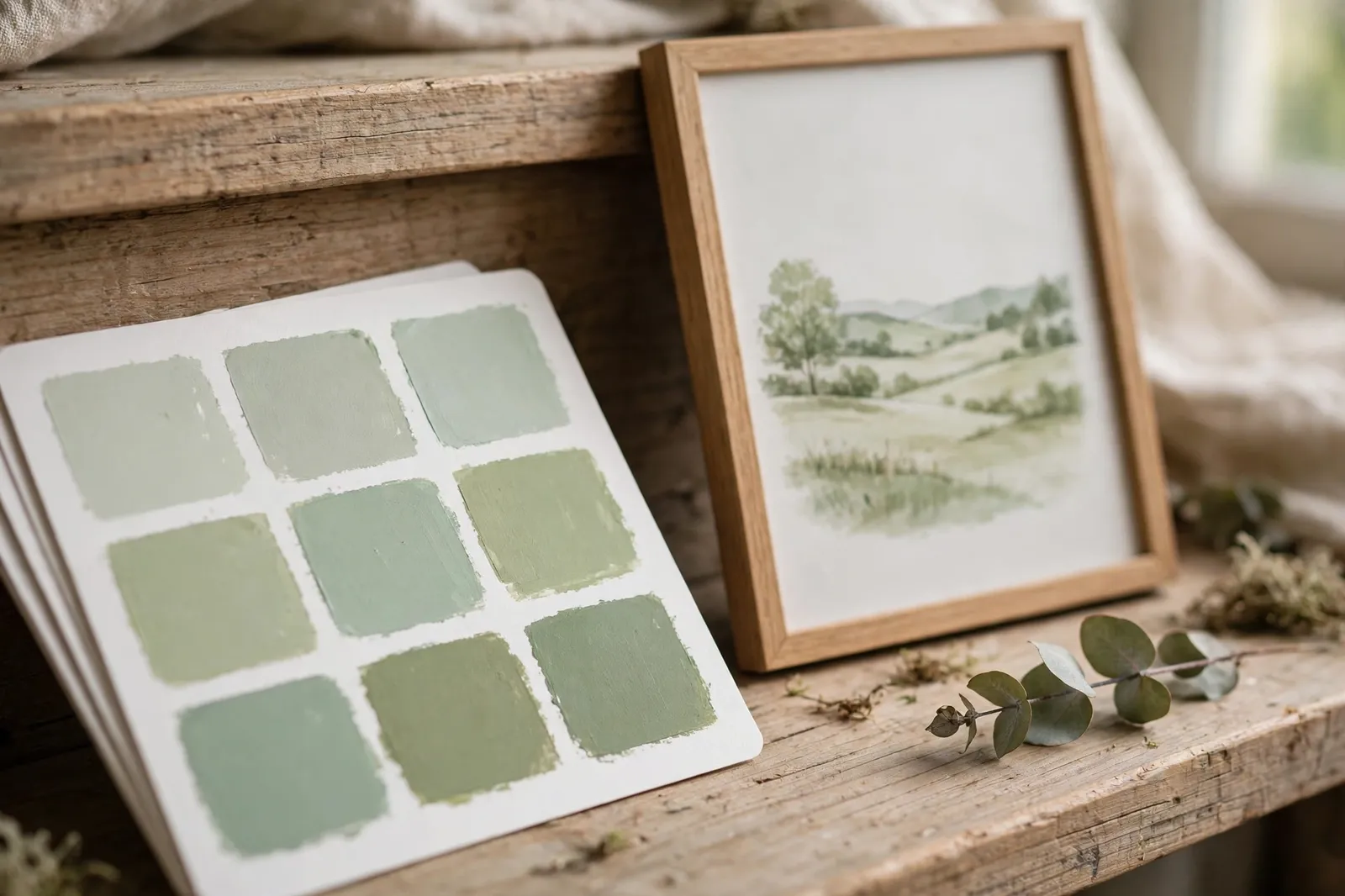
Warm neutrals feel cozy and welcoming, which suits living rooms and bedrooms. Cool neutrals feel fresh and clean, which suits kitchens and bathrooms. Hold a paint swatch against your sofa and your floor before you decide — a neutral that looks great in the store can look pink or yellow next to your furniture at home.
3. Add One Bold Color for a Pop
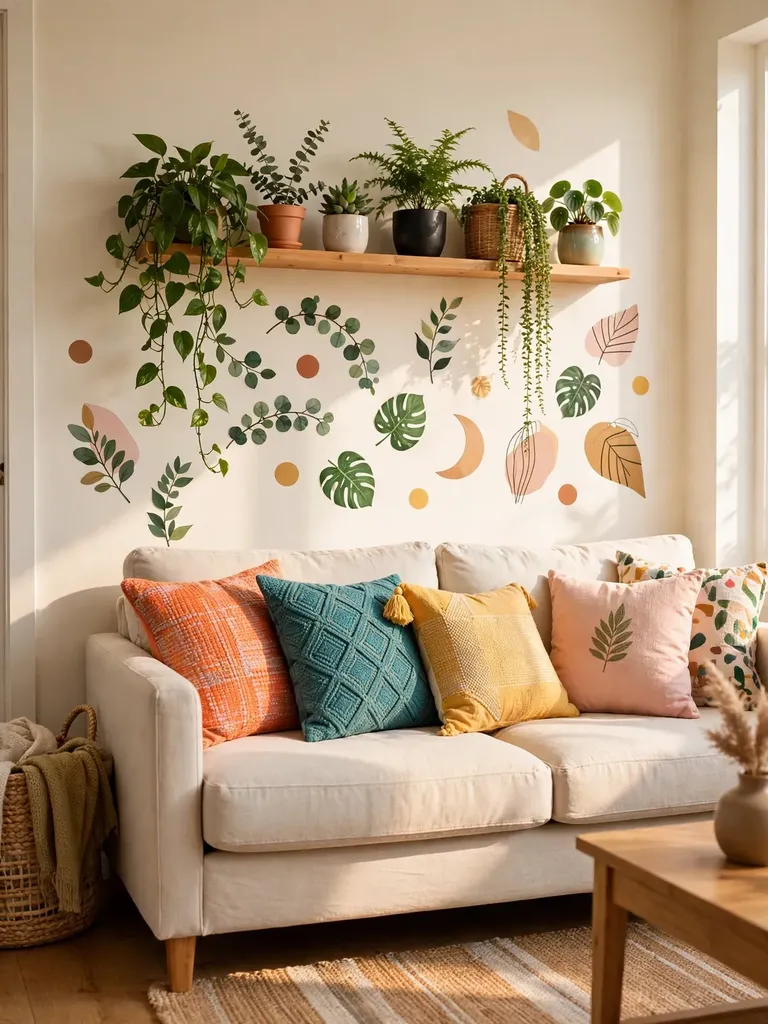
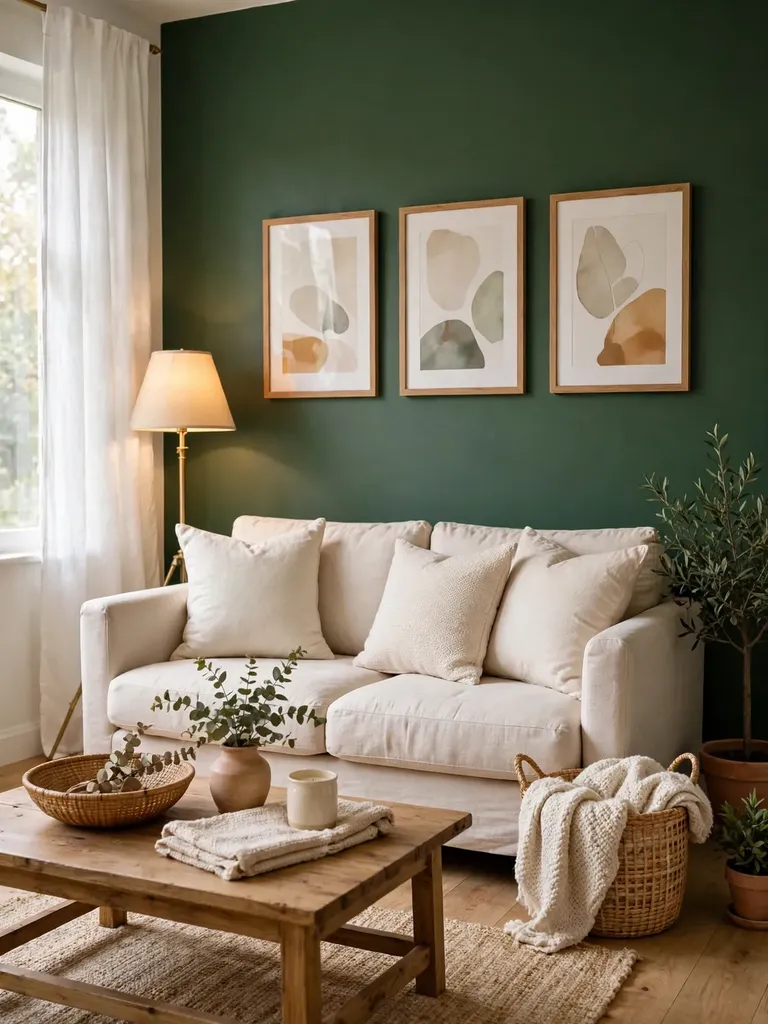
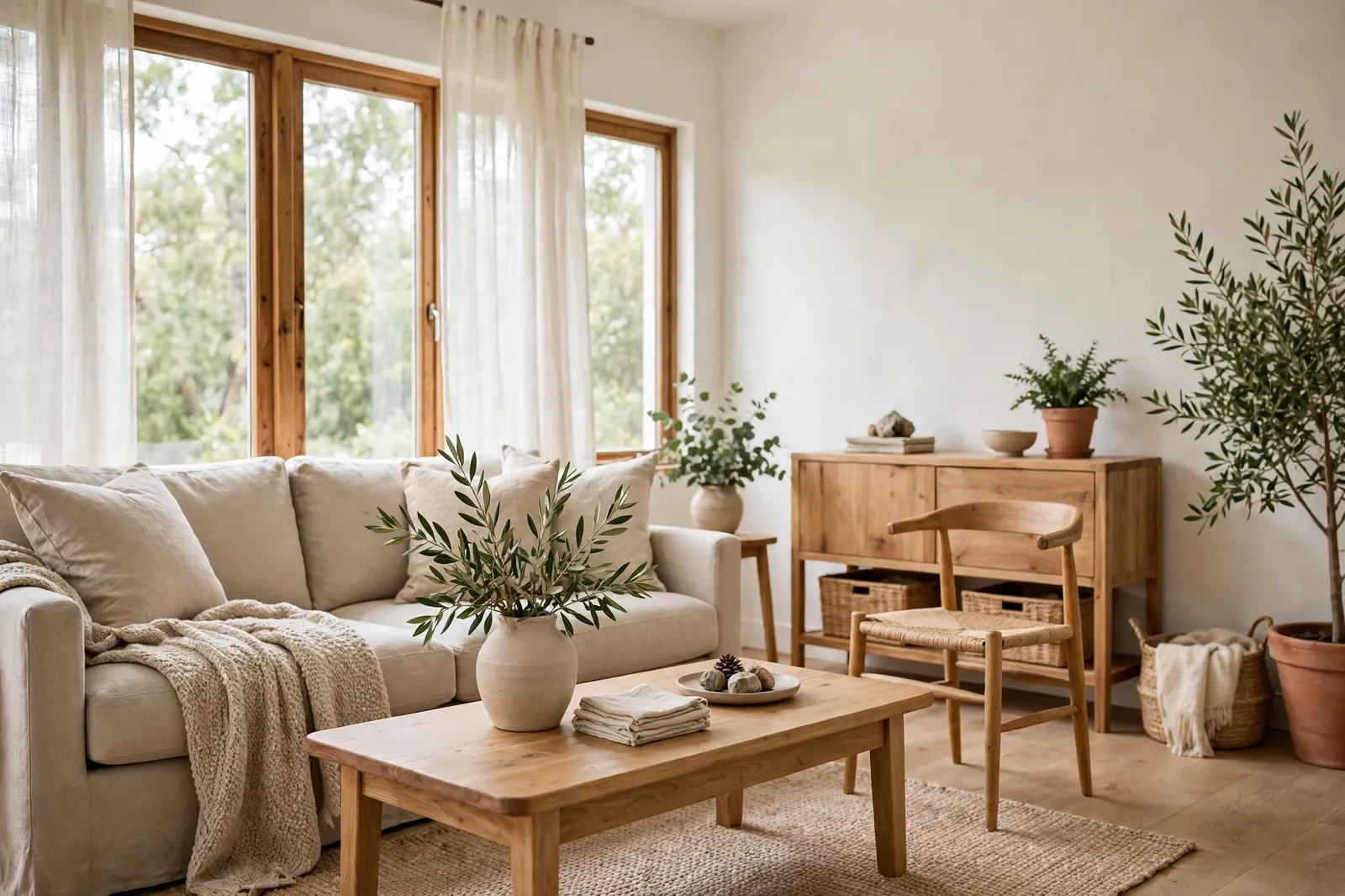
Once your neutral base is set, one bold color brings the room to life. Deep navy, forest green, rust, mustard, or a rich teal all work well as accents. You do not need much — a few cushions, a throw, a piece of art — and the room suddenly has personality.
If you are nervous about bold color, start small. Try it on one cushion and a candle, live with it for a week, and see how it feels. You can always add more. An accent wall is the next step up, and it works best on the wall you see first when you walk into the room.
4. Match Colors to the Room's Light
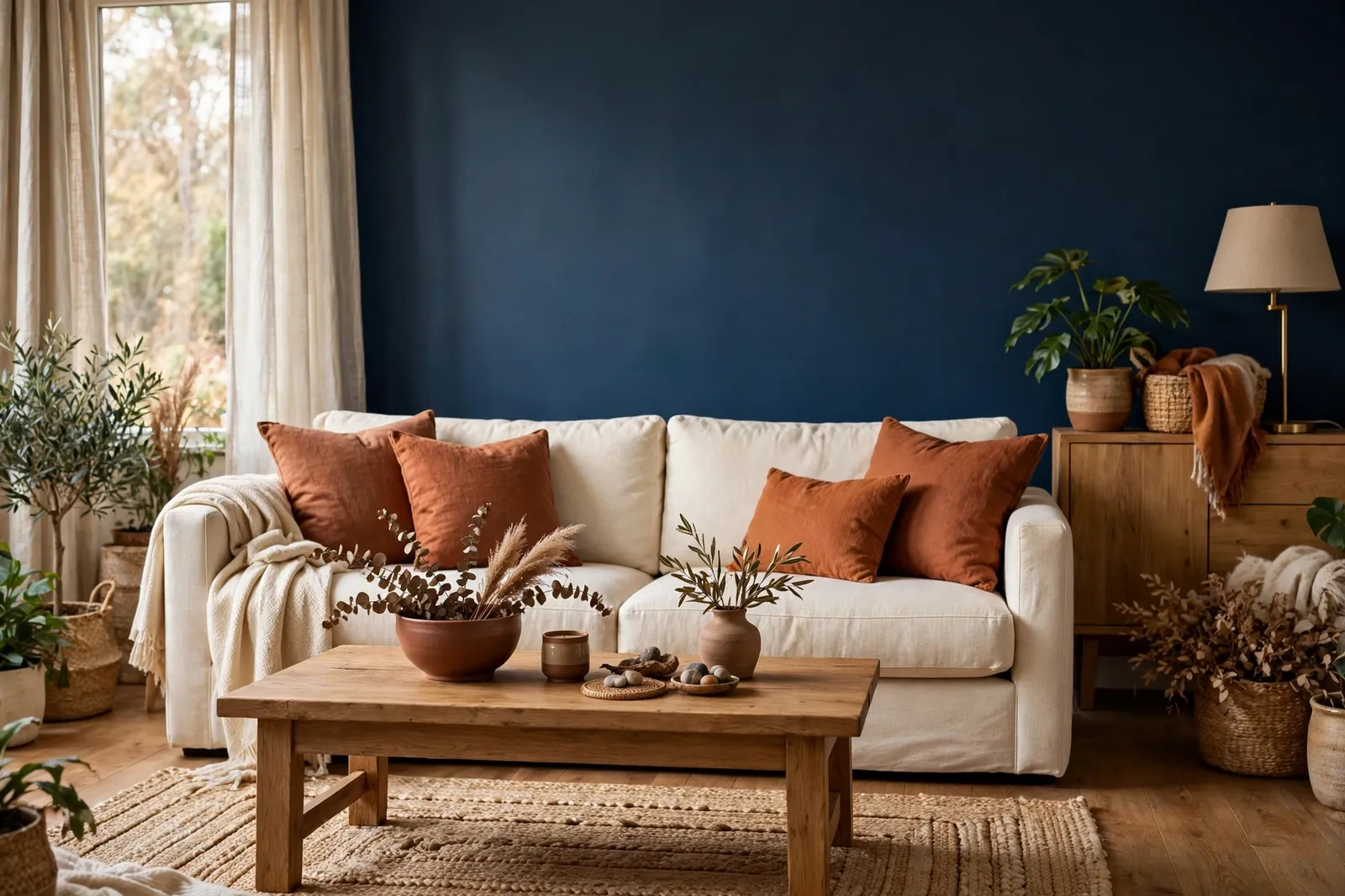
Light changes color more than people expect. A paint color that looks soft and warm in a sunny room can look dull and gray in a room that faces north. Before you commit, paint a big swatch on the wall and watch it through the day — morning, noon, and evening.
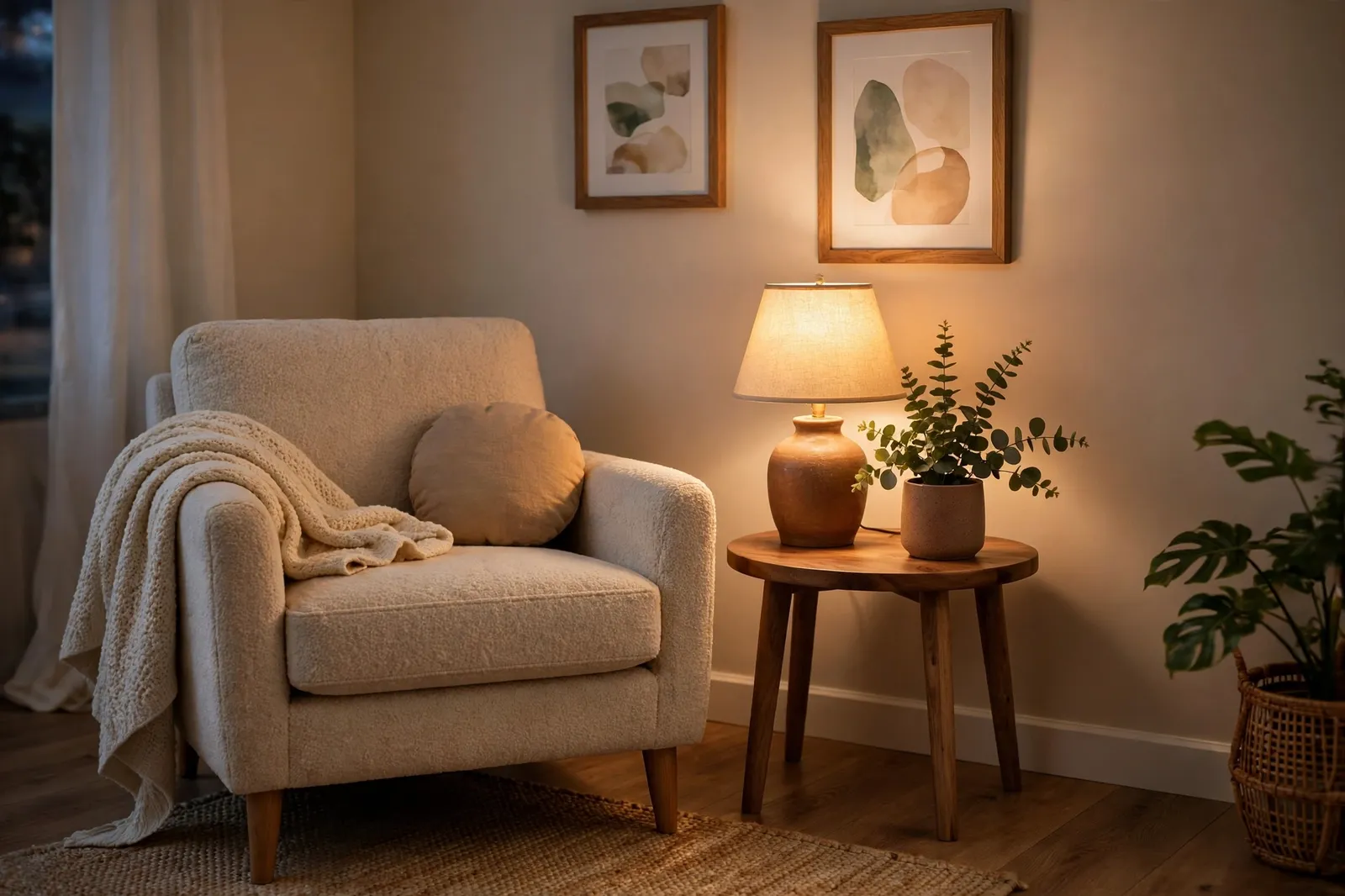
Sunny rooms can handle cooler colors because the warm sunlight balances them out. Dark rooms do better with warm colors, which keep the space from feeling cold. If a room gets very little light, a pale warm white on the walls will do more than any lamp to make it feel brighter.
5. Style a Gallery Wall That Looks Planned
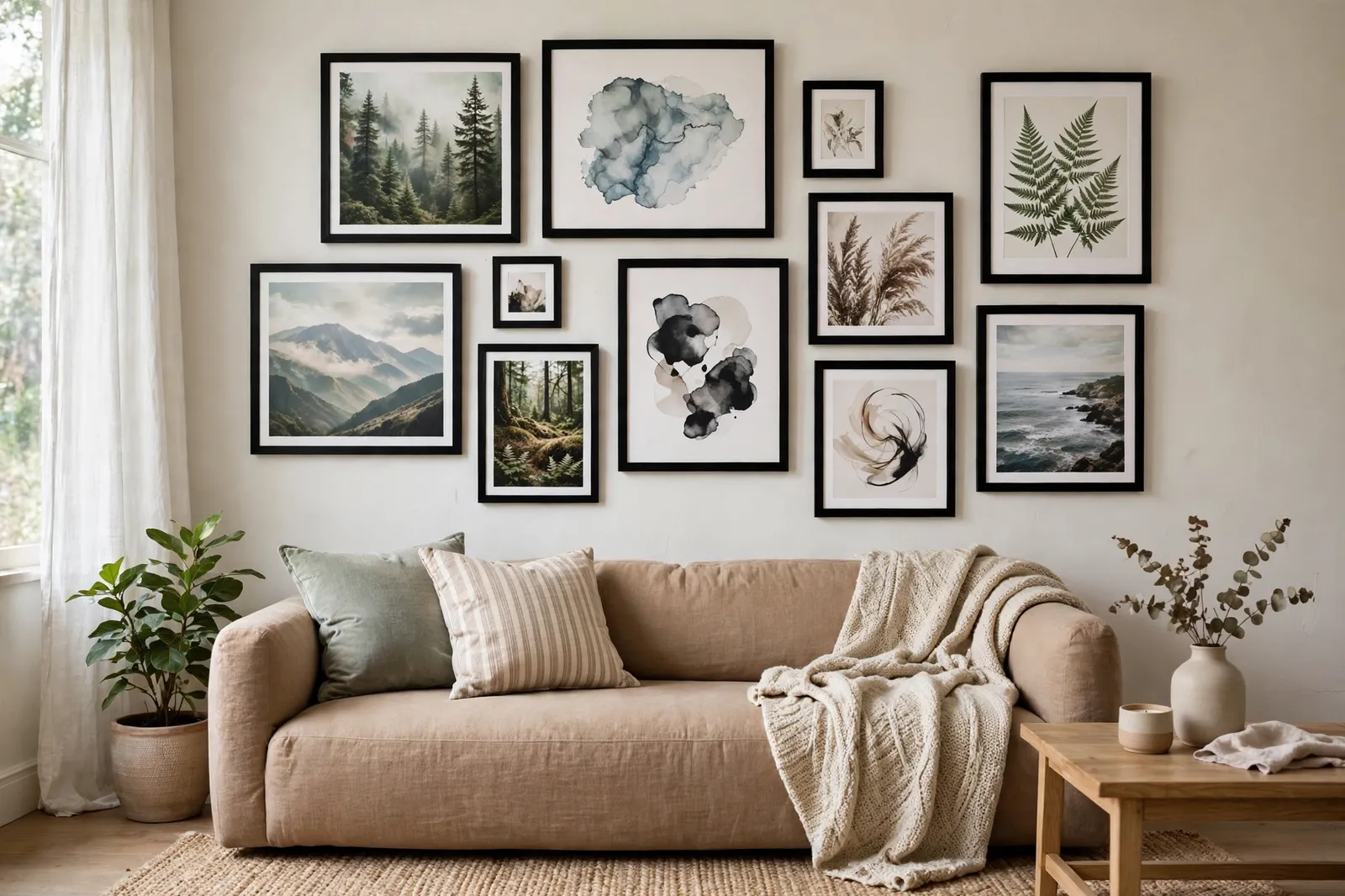
A gallery wall is a great way to fill a big empty wall, and it does not have to look random. Start by laying your frames on the floor and moving them around until the grouping feels balanced. Mix sizes — one or two larger pieces, a few medium ones, and some small ones — and keep the spacing even, about two or three inches apart.
Stick to a loose theme so the wall feels planned, not cluttered. It could be all black-and-white photos, all nature prints, or all frames in the same color. Leave a little breathing room around the group so it reads as one display instead of a bunch of separate pictures.
6. Use Mirrors to Open Up the Room
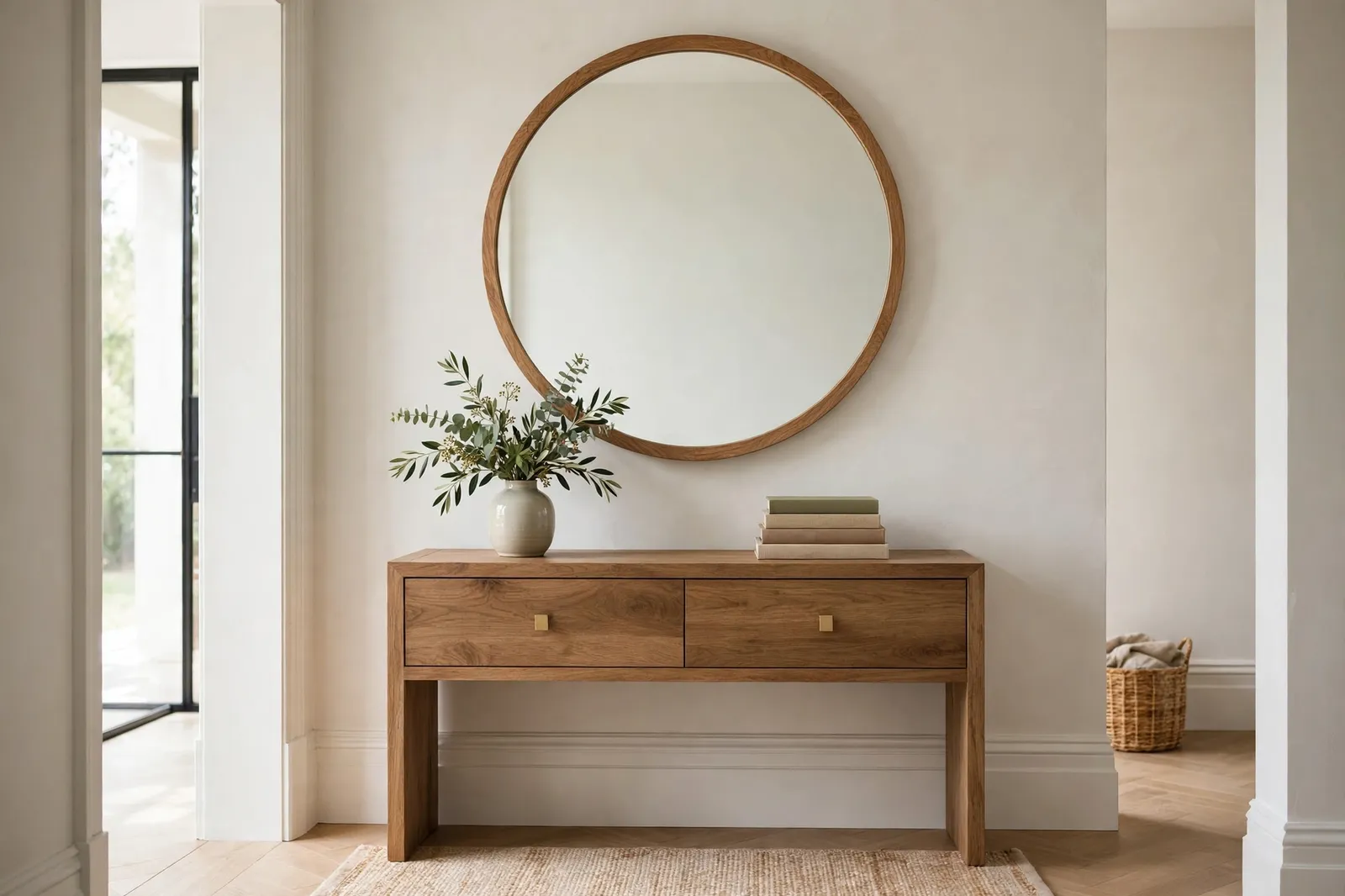
Mirrors are one of the cheapest tricks in decorating. A large mirror above a sofa or console makes a room feel bigger, and it bounces light into dark corners. Hang it where it reflects something nice — a window, a plant, a piece of art — not a blank wall or a pile of clutter.
One big mirror usually looks better than a bunch of small ones. A round mirror softens a room full of straight lines, while a tall rectangular mirror works well in a hallway or entryway. Make sure it hangs straight and at eye level, and keep the frame in step with the rest of the room.
7. Add Shelves and Small Wall Decor
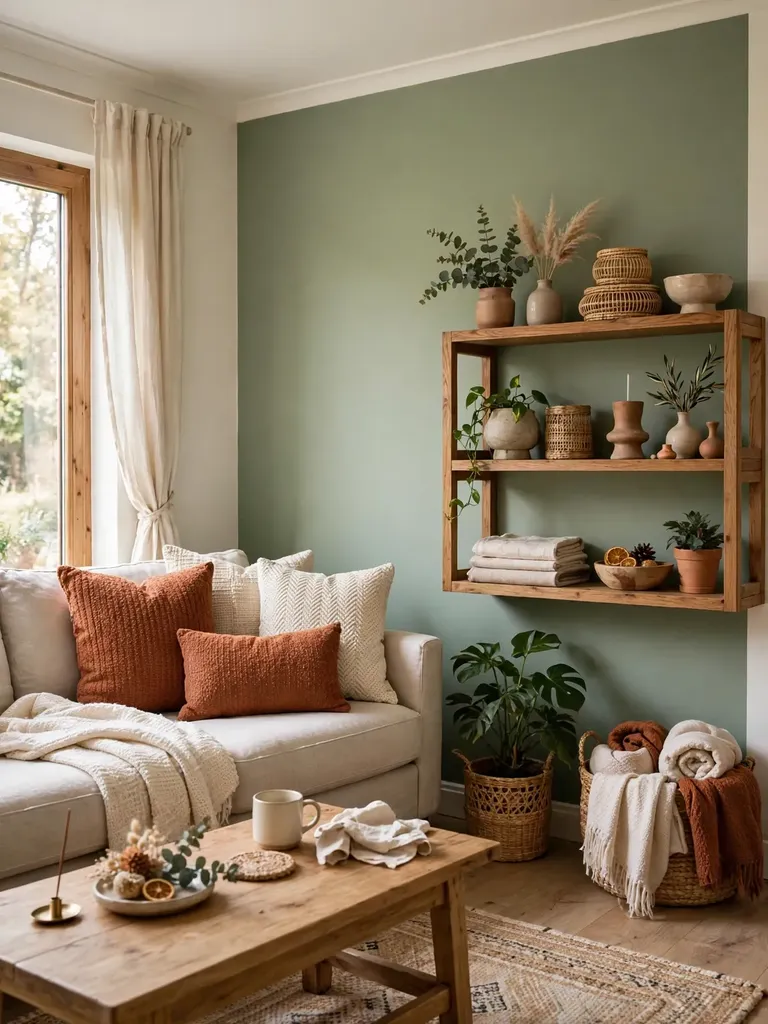
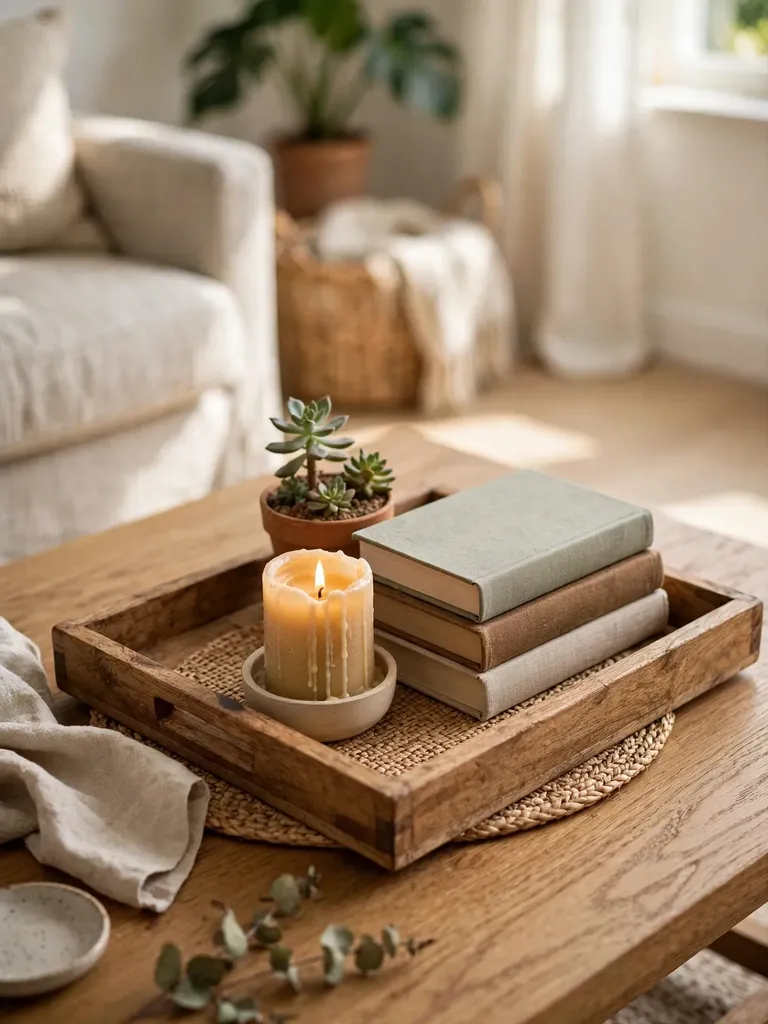
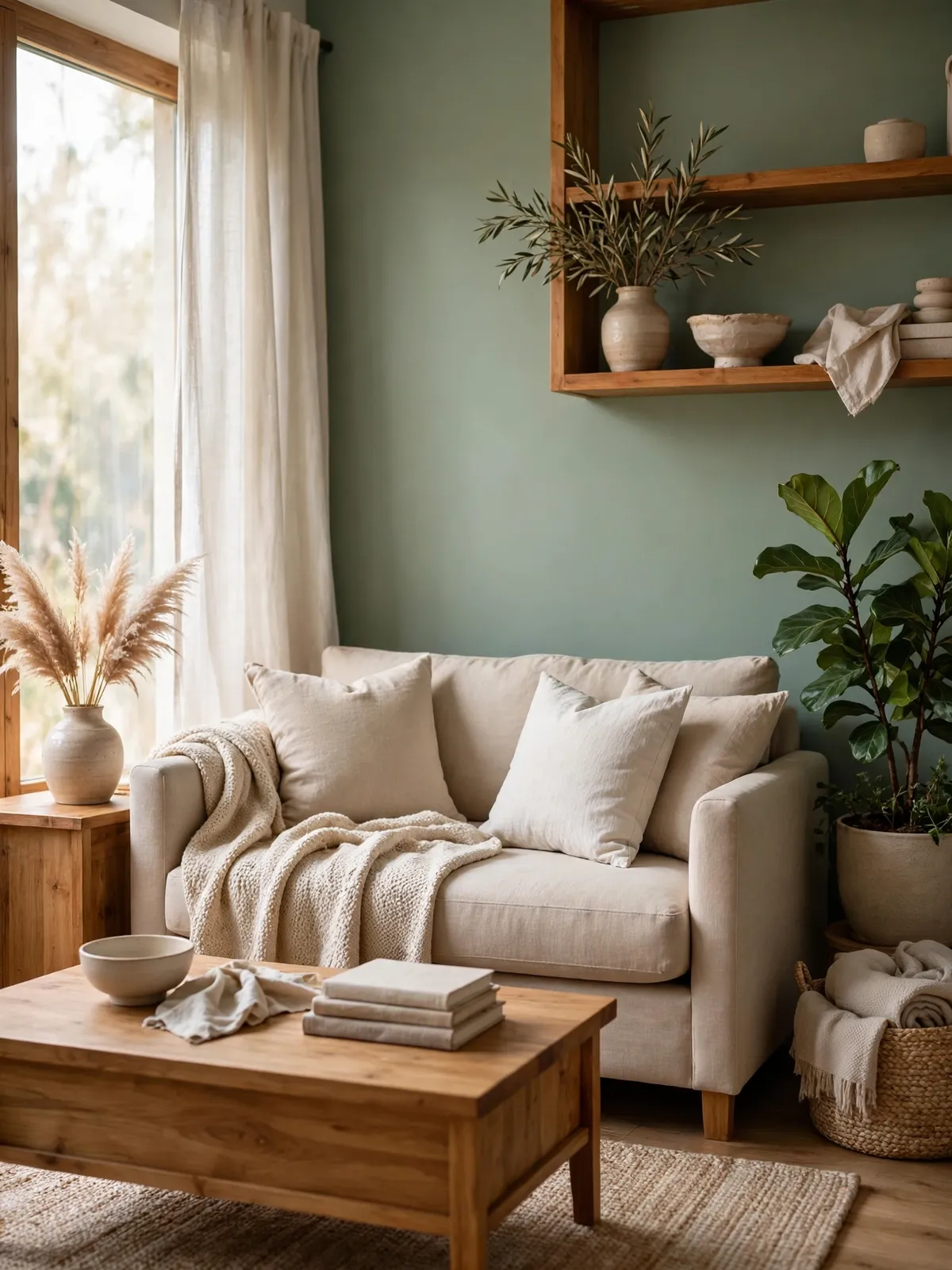
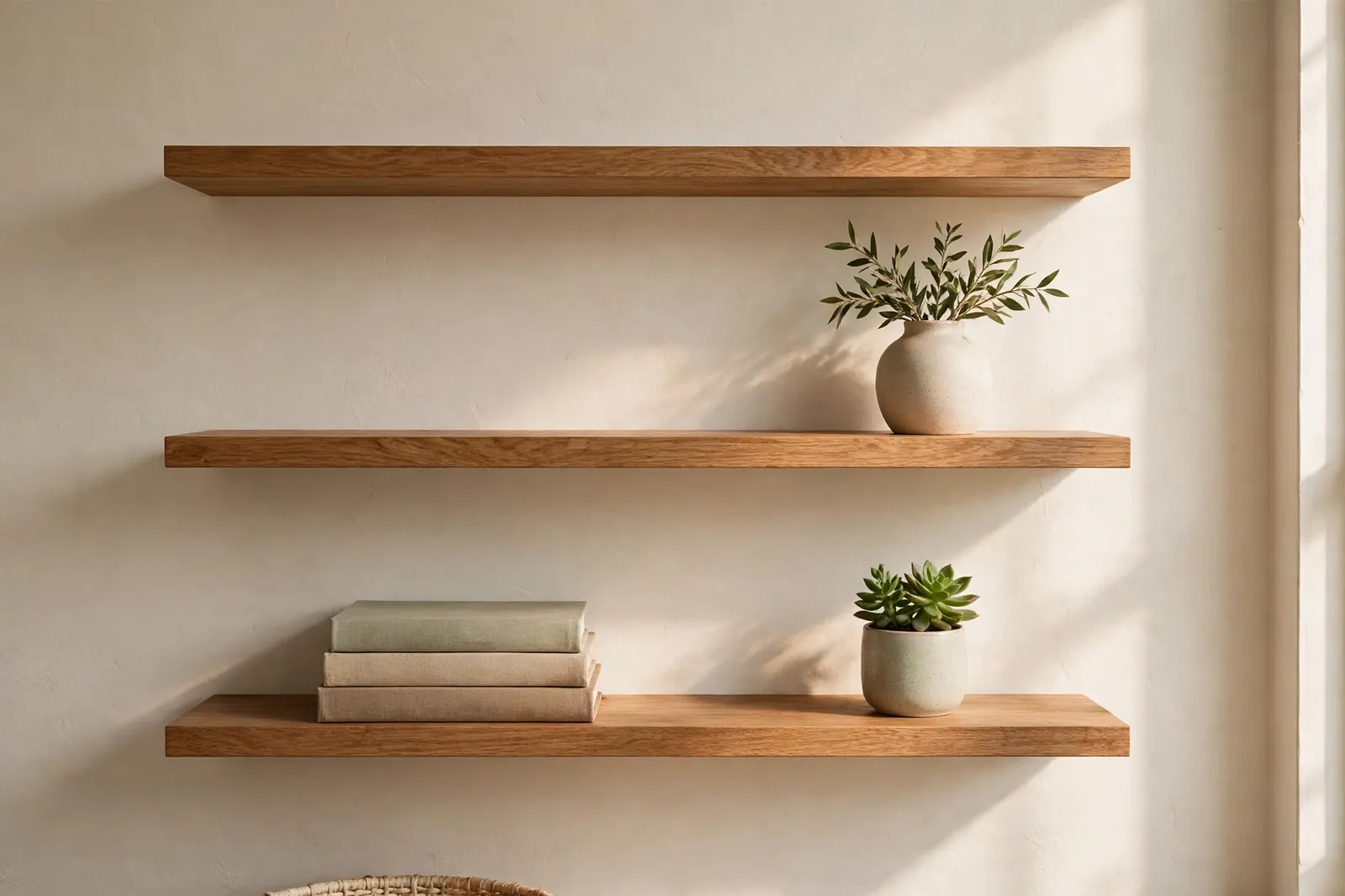
Floating shelves are a simple way to add color and life to a wall without a big commitment. A pair of wooden shelves with a small plant, a stack of books, and a vase in your accent color can tie the whole room together. You can swap the pieces around whenever you fancy a change.
Do not fill every inch of wall. Empty space is part of the design — it lets your eyes rest and makes the pieces you do hang stand out more. One styled shelf or a single framed print on a small wall often looks better than a wall packed edge to edge.
8. Tie Walls and Furniture Together
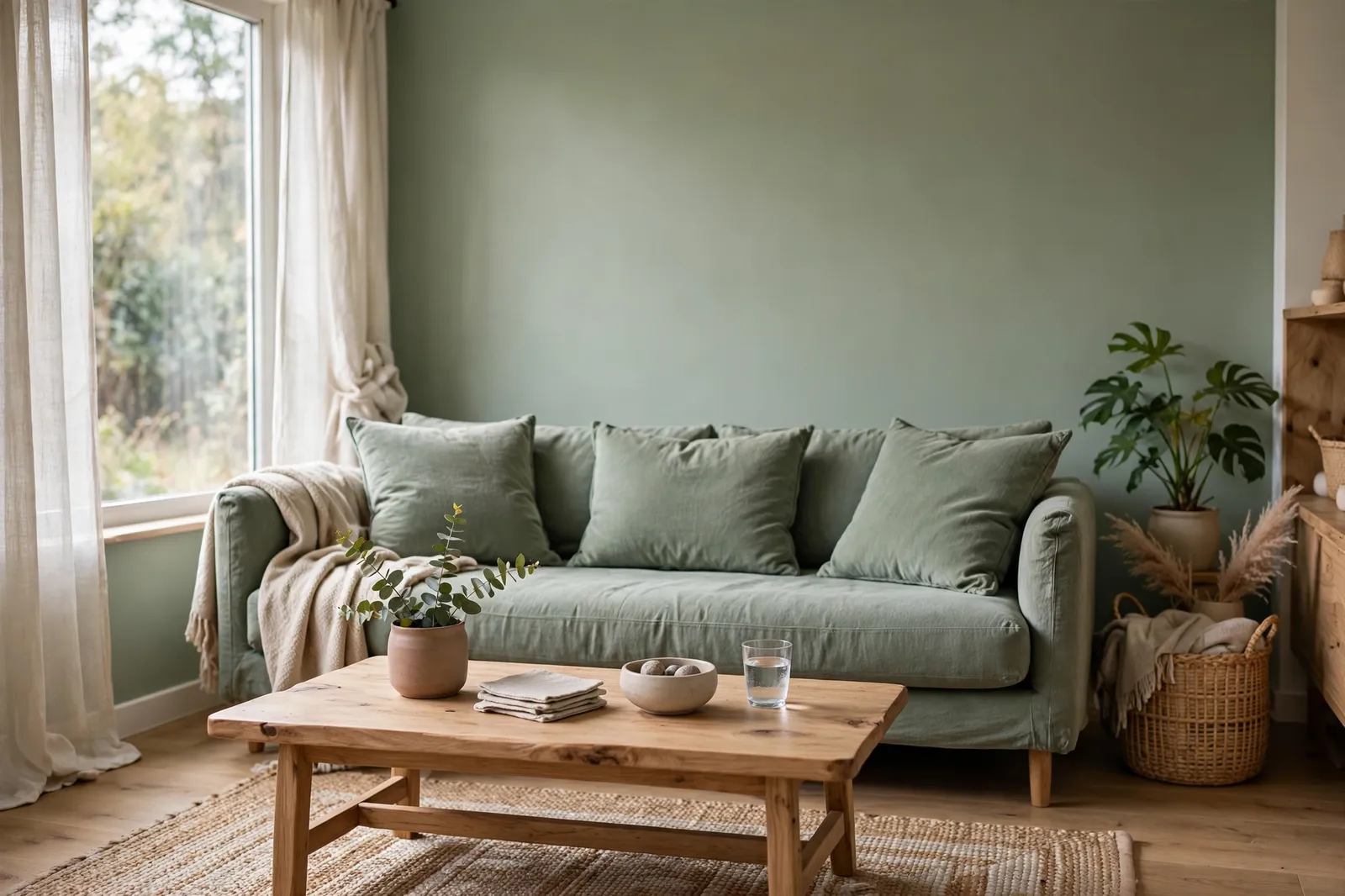
A room feels finished when the walls and the furniture talk to each other. The easiest way to do that is to repeat your colors. If your accent wall is sage green, pick up that green in a cushion or a throw. If your art has warm rust tones, add a rust vase or a book with a rust cover.
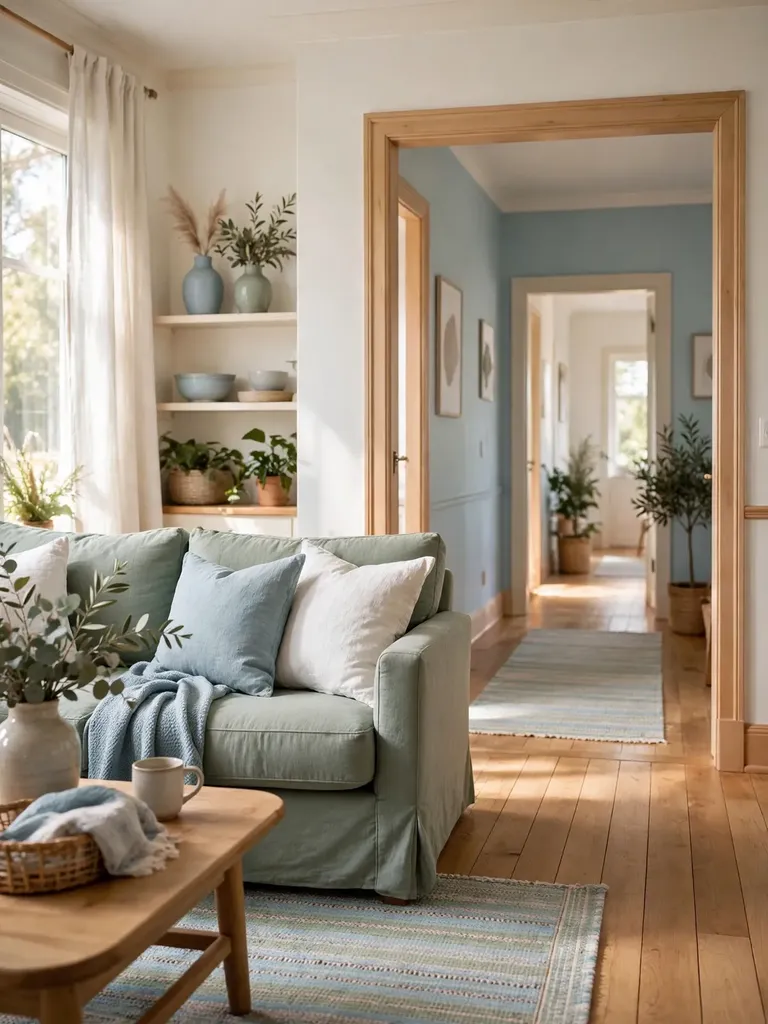
You do not need everything to match exactly — in fact, it looks better when it does not. Similar tones are enough. A navy wall, a blue-gray rug, and a denim cushion all sit in the same family, and together they make the room feel calm and connected instead of thrown together.
9. Step Back and Adjust Until It Feels Right
When everything is up, step back and look at the room as a whole. Stand in the doorway and take it in. Does one color shout too loud? Is one wall too empty? Small fixes — moving a frame, swapping a cushion, taking one thing down — often make the biggest difference.
Give yourself a day or two before you change anything big. Live with the room, use it, and notice what catches your eye. Decorating is not a race, and a room that grows a little at a time usually ends up feeling more like home than one done in a single rushed afternoon.
Frequently Asked Questions
What is the best color scheme for a small living room?
Light neutrals with one soft accent work best in a small living room. Warm white or pale gray walls, a beige or light gray sofa, and an accent like sage green or dusty blue keep the room feeling open. Dark colors can work too, but only on one wall — too much dark color makes a small room feel smaller.
How many colors should a room have?
Three is a good number for most rooms: a main color, a second color, and one accent. You can add a fourth if it is a close cousin of one of the three, like a lighter or darker version of the same color. More than four colors usually starts to feel busy, unless they are all soft neutrals.
Can I mix warm and cool colors in the same room?
Yes, and most rooms look better when you do. A cool gray wall with warm wood furniture, or a warm beige sofa with cool blue cushions, feels more balanced than all-warm or all-cool. The trick is to keep one side in charge — mostly warm with a touch of cool, or mostly cool with a touch of warm — so the room does not feel split in two.
How do I choose wall art that goes with my color scheme?
Pick art that has at least one color from your scheme in it. It does not need to match perfectly — one shared color is enough to tie the art to the room. If your scheme is mostly neutral, art is a great place to bring in your accent color. And if the art you love does not match at all, a frame in a color from your scheme can still pull it together.
Related ideas
Weekend Home Decor Projects That Refresh a Room is a great next read if you want to put your new color scheme into action in just one weekend. Renter-Friendly DIY Decor Ideas That Avoid Permanent Changes shows how to try out colors and wall styling without damaging the walls, and DIY Decorative Trays for Coffee Tables and Dressers is perfect for adding a small touch of your accent color to a table once the walls are done. You might also like How to Choose a Whole-Home Color Palette and How to Mix Patterns Without Overwhelming a Room.