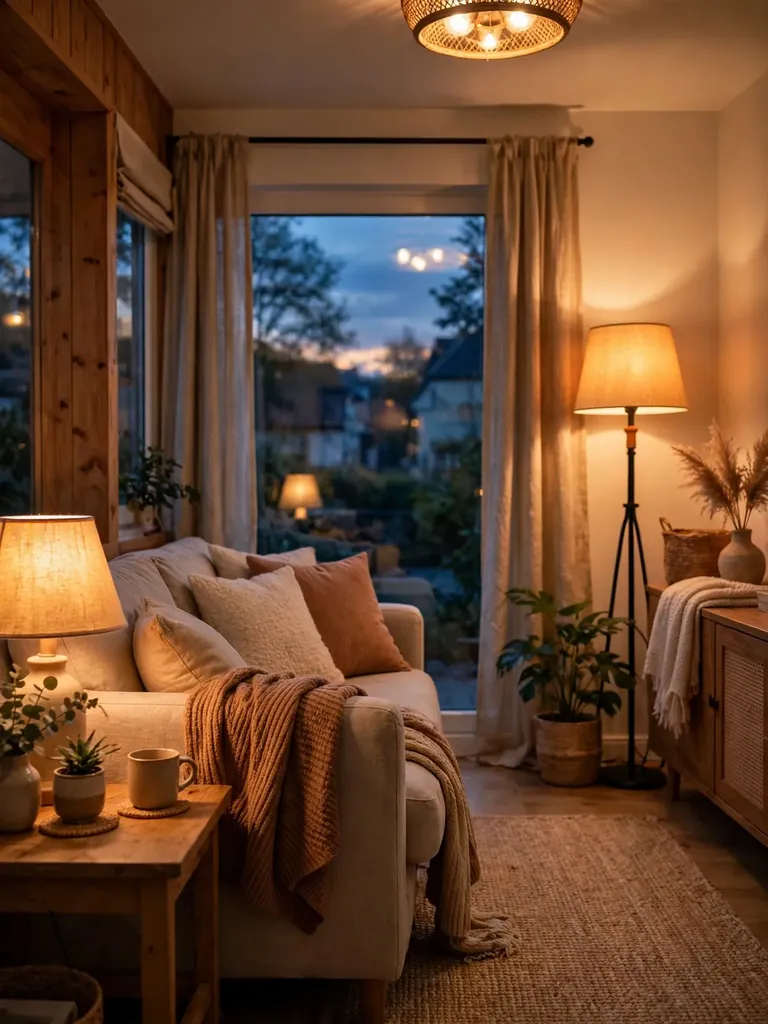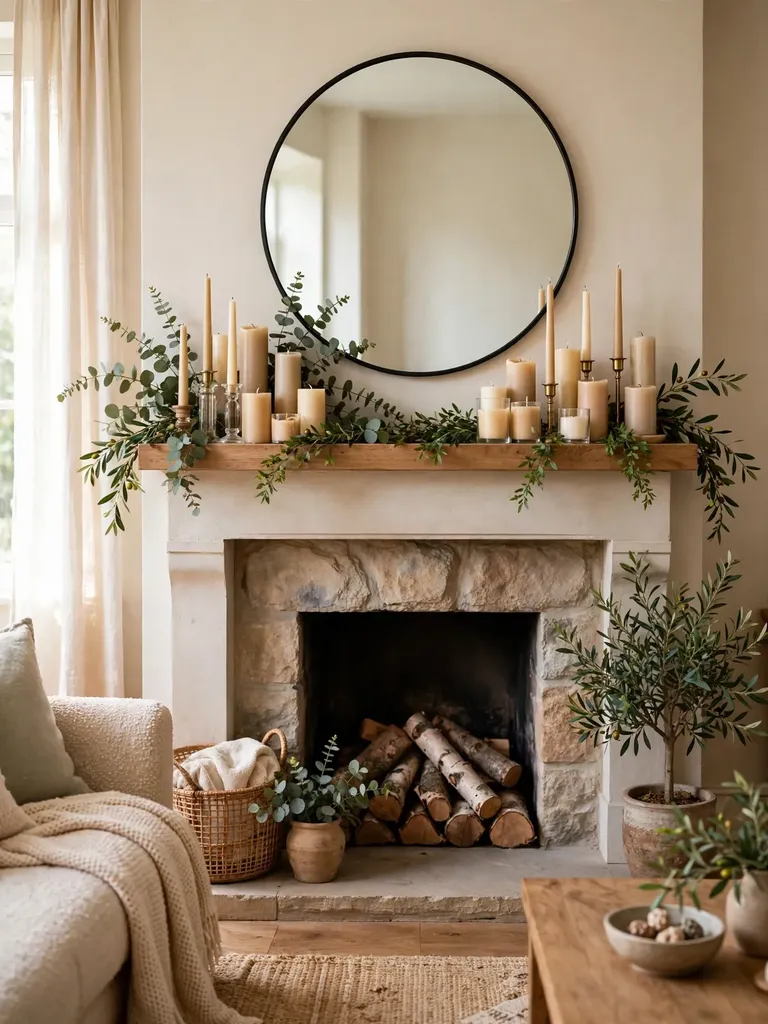
Living Room Decor Mistakes That Make the Room Look Smaller
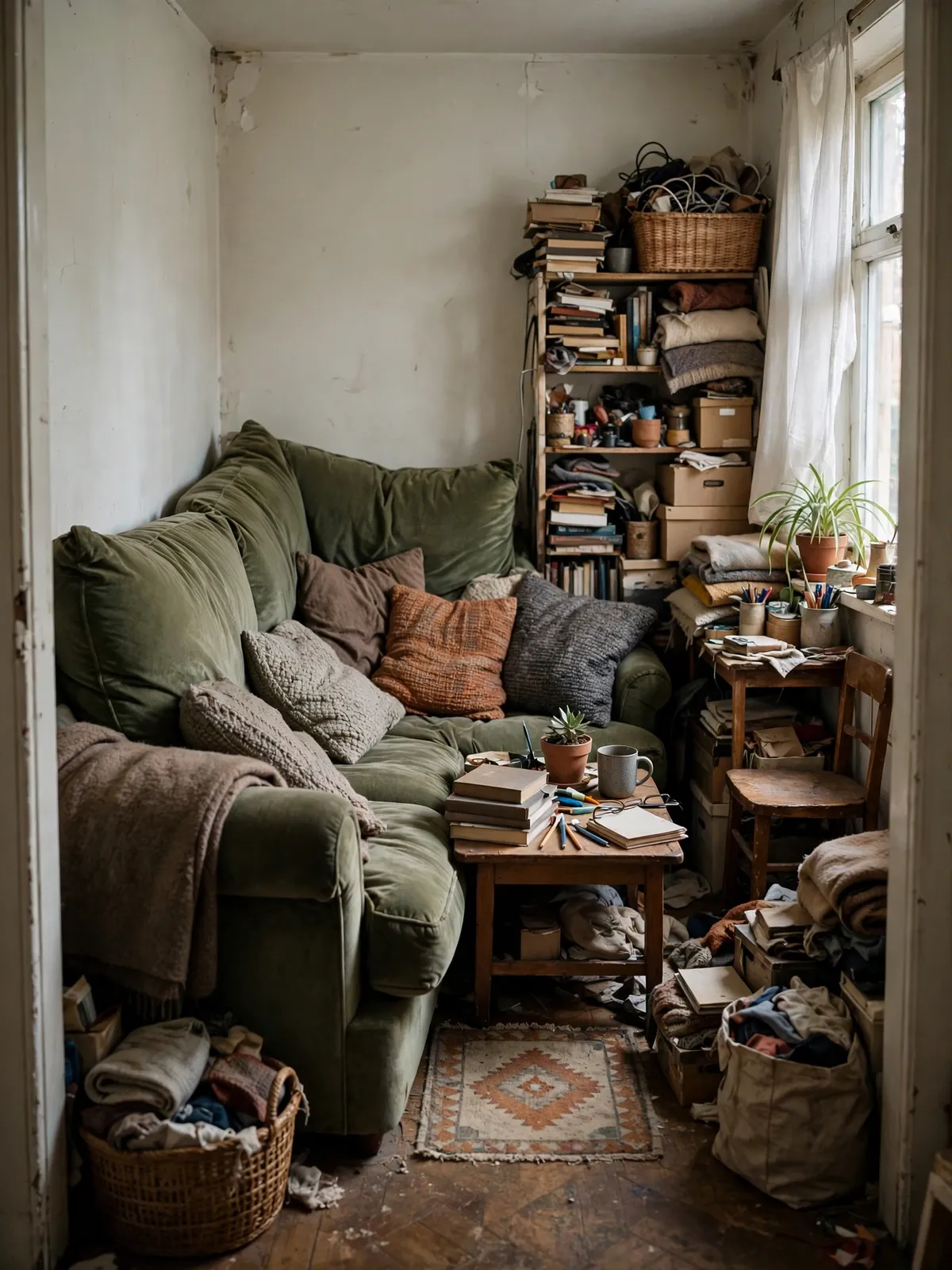
Most living rooms do not look small because they actually are small. They look small because of a few everyday decor choices that eat up space, block the light, and make the room feel crowded. The good news is that these are easy mistakes to fix, and most of them cost nothing at all.
If your living room feels tight no matter how much you tidy it, one of these habits is probably the reason. A big leather sofa that swallows the whole wall, a rug that is too small, or curtains hung in the wrong place can shrink a room fast. This guide walks through the nine most common mistakes and shows you the simple fix for each one, so your room looks bigger, brighter, and easier to live in.
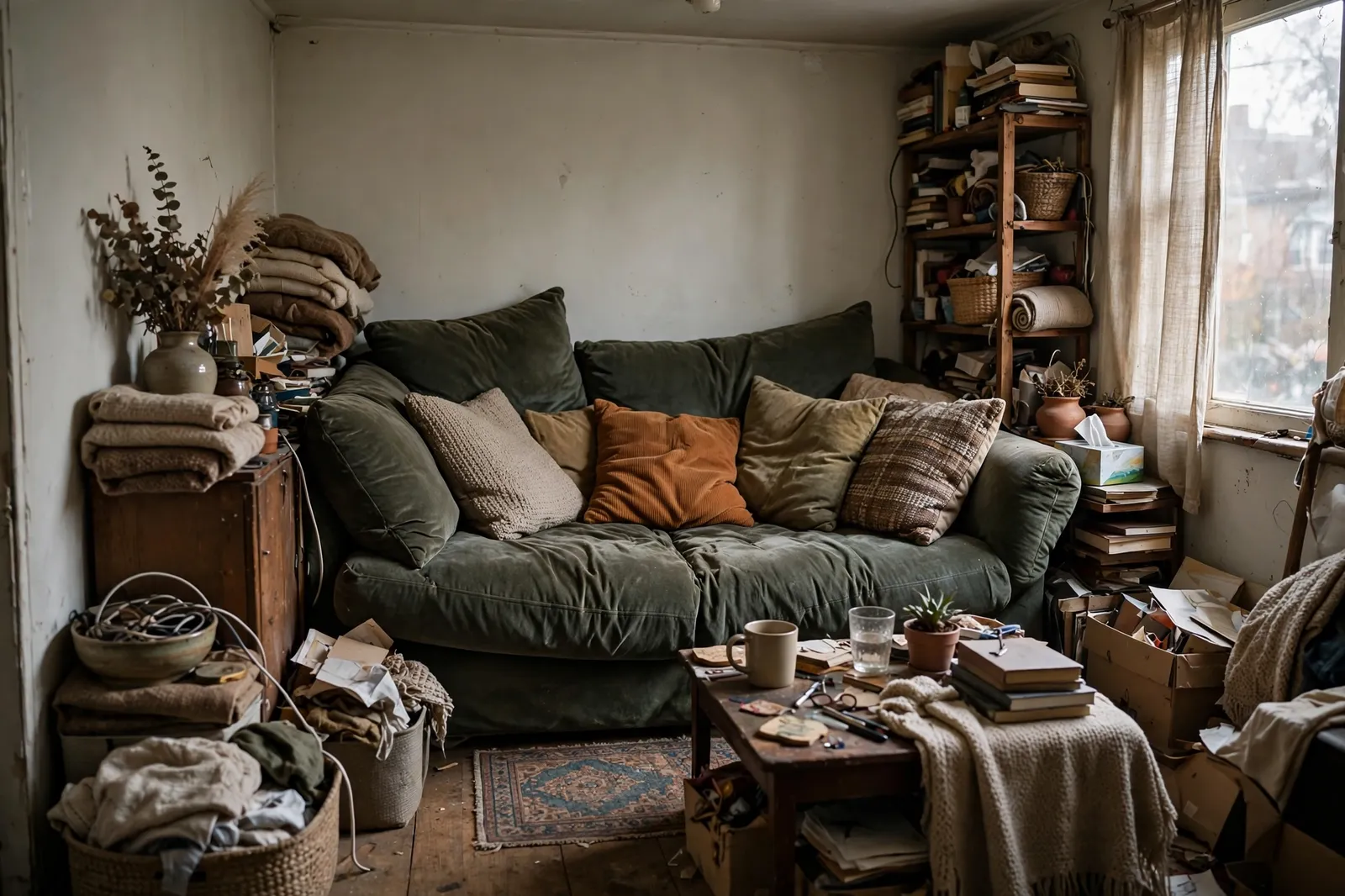
1. Buying Furniture That Is Too Big for the Room
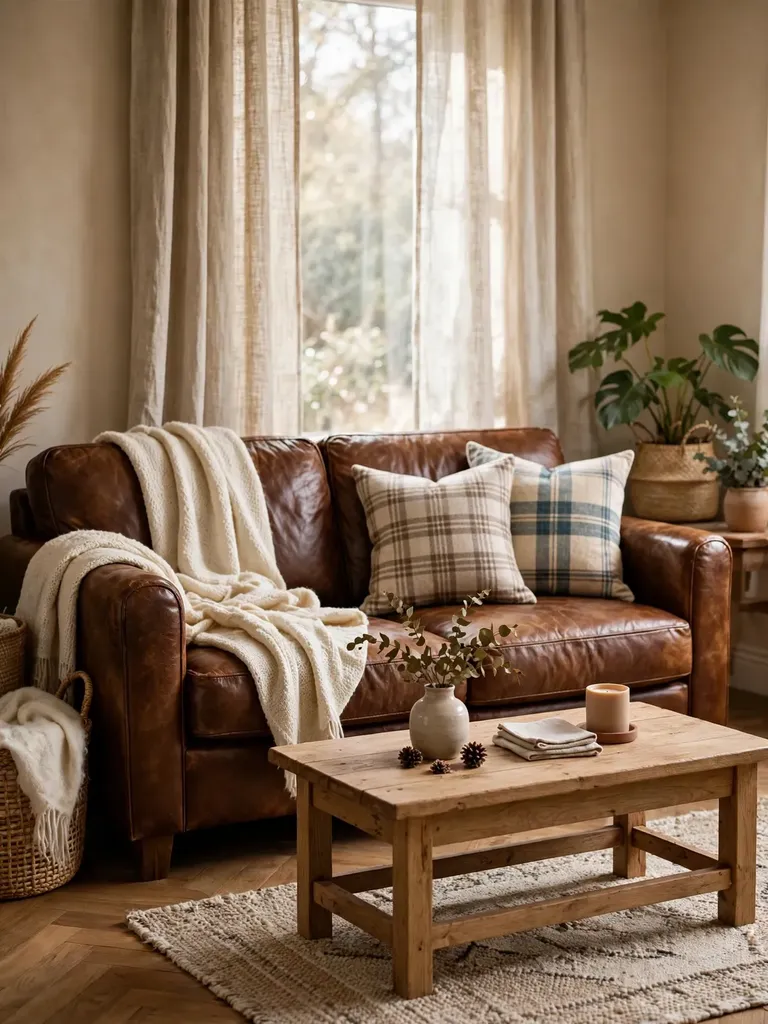
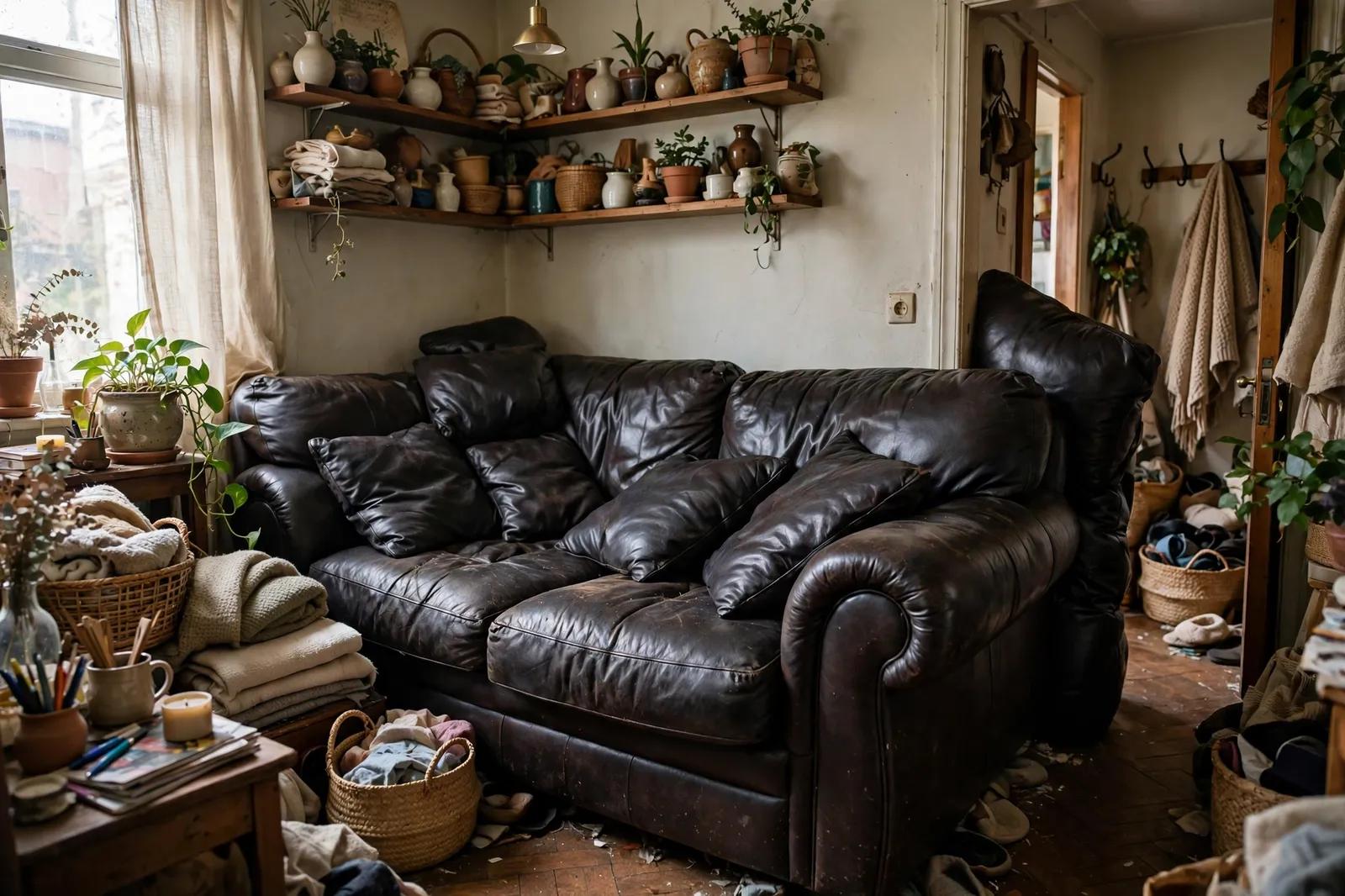
The biggest mistake is buying furniture that is too big for the room. A deep leather sofa might look great in the store, but in a small living room it takes over the whole space and leaves no room to walk around it. Measure your room before you shop, and leave at least a couple of feet of walking space around the main pieces.
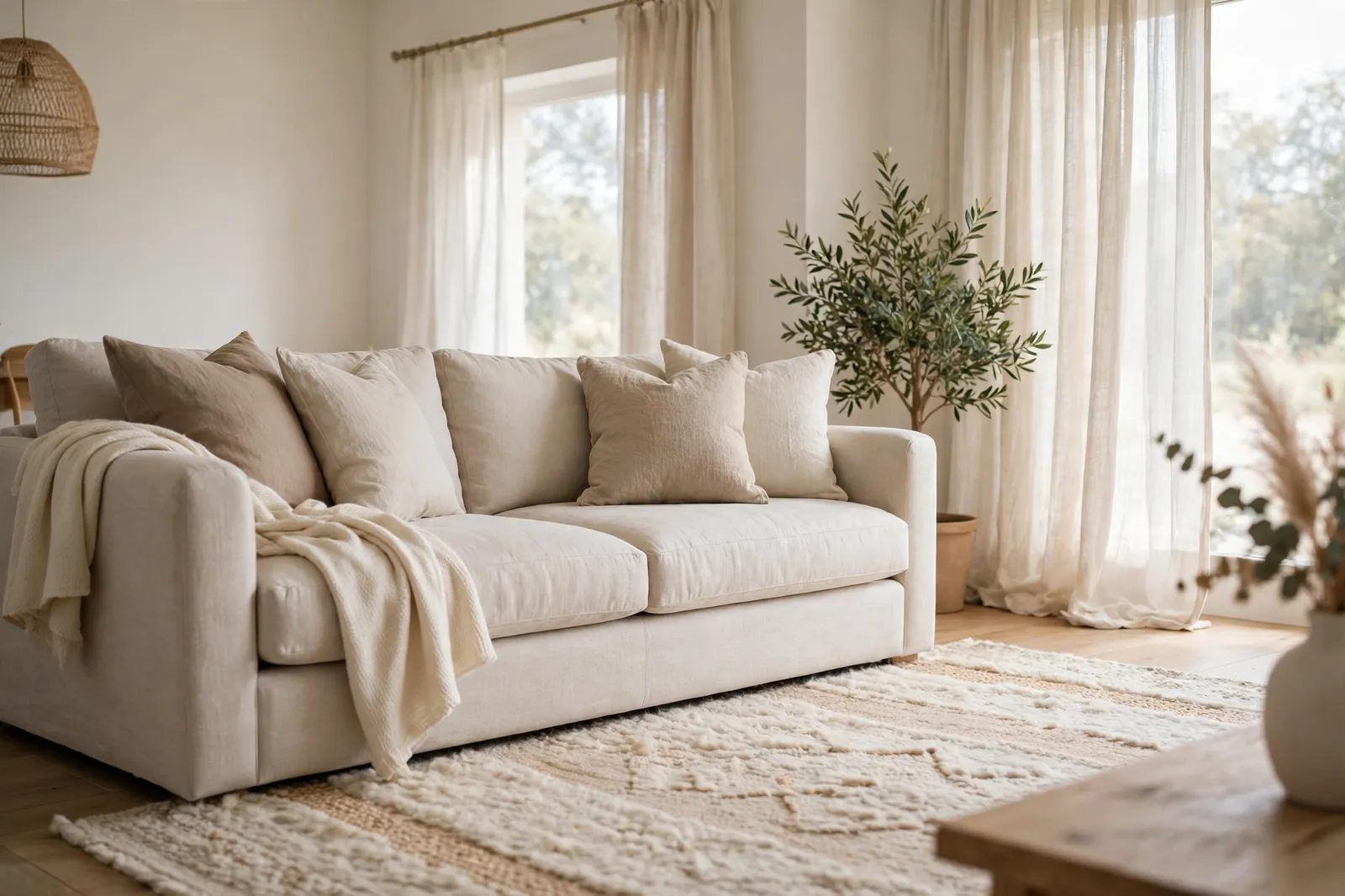
A smaller sofa with clean lines and raised legs lets you see more of the floor, and that alone makes the room feel bigger. If you already have a big piece you love, keep it and skip the extra chairs and side tables around it. One large piece can work, but a room full of large pieces never does.
2. Pushing Every Piece of Furniture Against the Walls
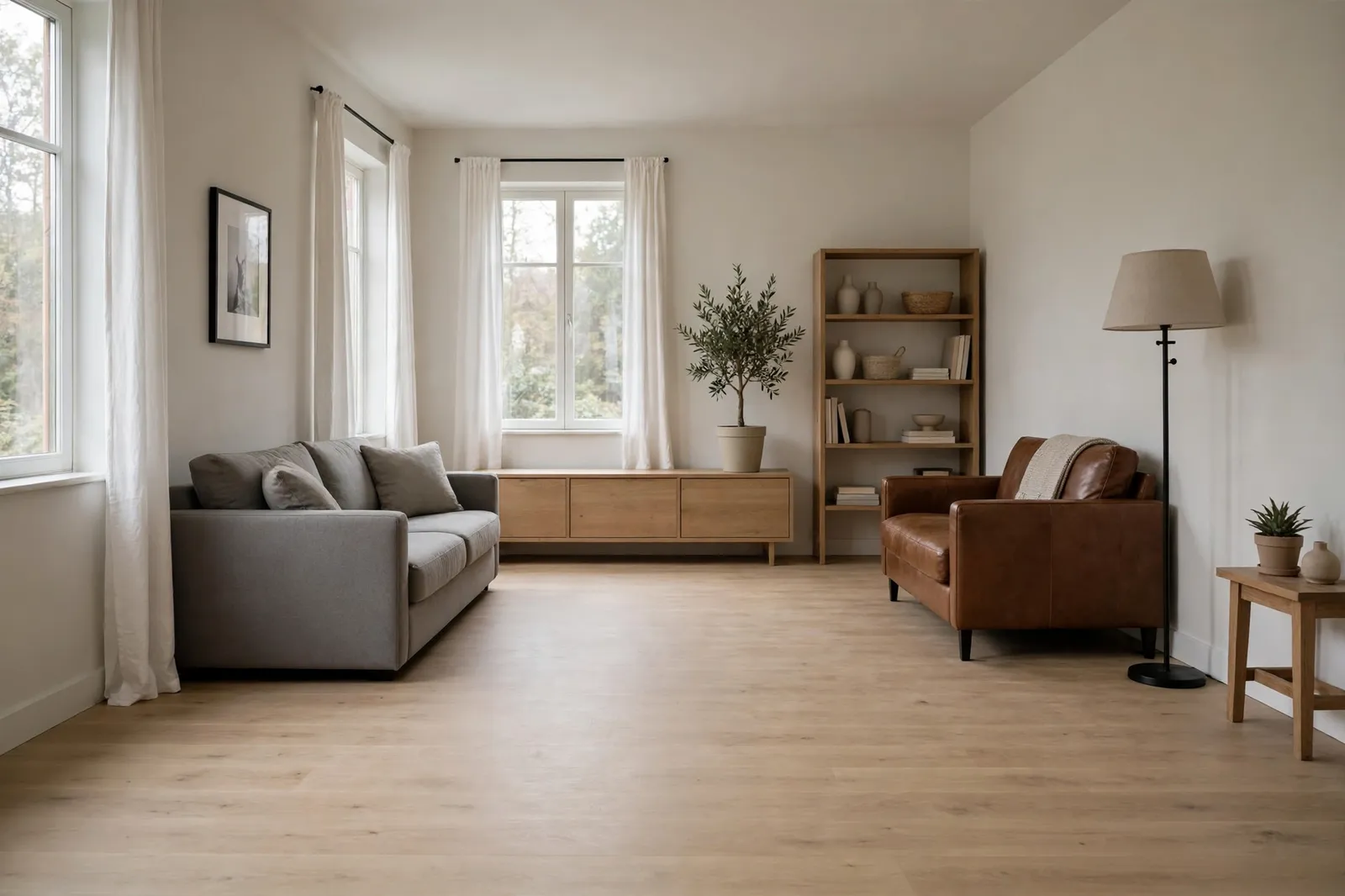
It seems like common sense to push everything against the walls to free up the middle of the room, but it usually does the opposite. When every chair and sofa hugs the wall, you end up with a big empty patch in the center and a room that feels like a waiting area. Pulling the sofa even a few inches off the wall creates a sense of depth behind it.
Try floating the seating a little instead. A sofa set a foot out from the wall, with a narrow console or a plant behind it, makes the room feel layered and lived in. It is a small change, and it is one of the fastest ways to make a warm living room feel open instead of boxed in.
3. Choosing a Rug That Is Too Small
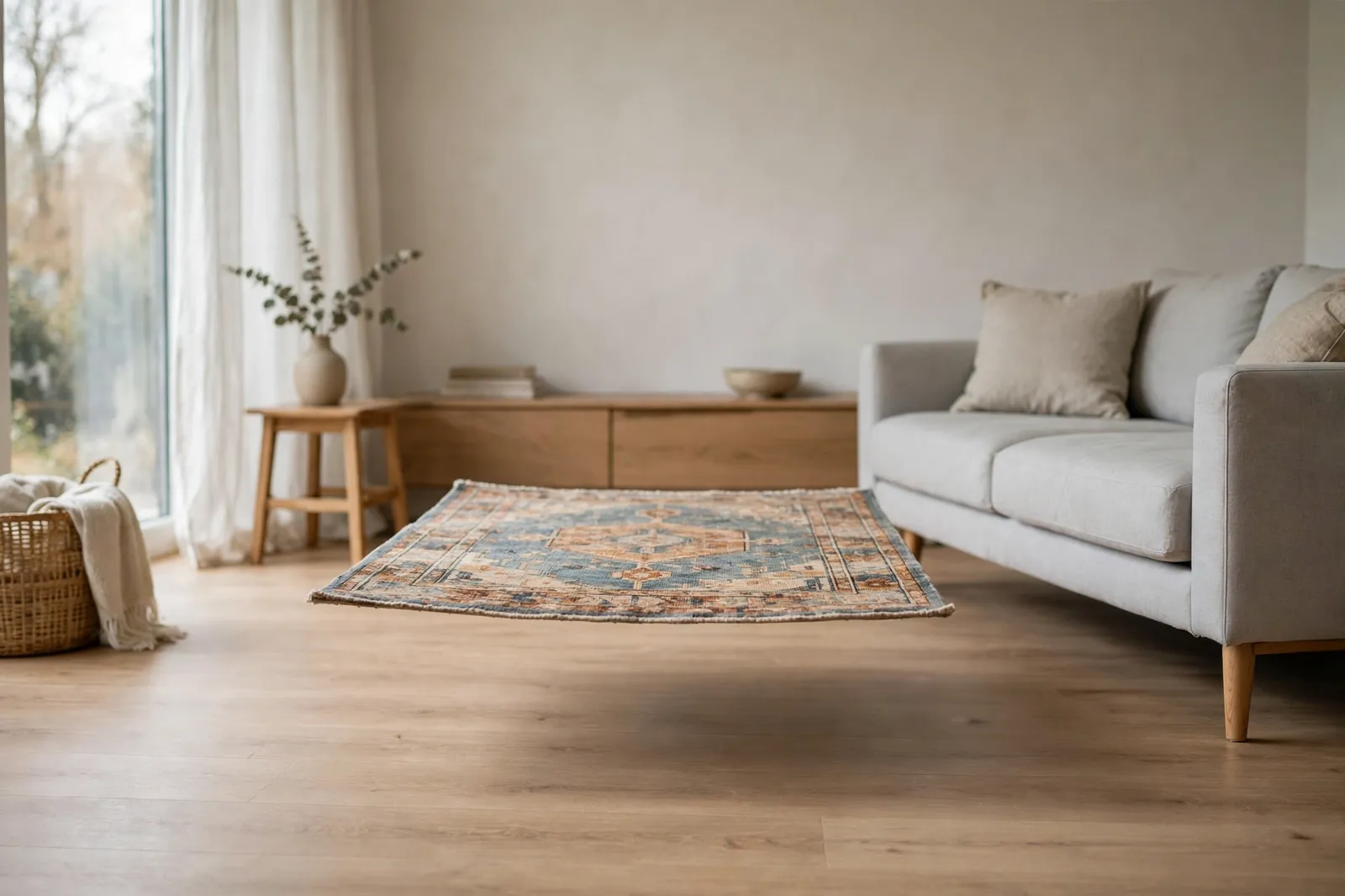
A rug that is too small is one of the most common living room decorating mistakes, and it is easy to spot. When a tiny rug floats alone in the middle of the floor with all the furniture sitting outside it, the room looks chopped up and smaller than it is. A rug should be big enough to anchor the seating area, not just decorate the center.
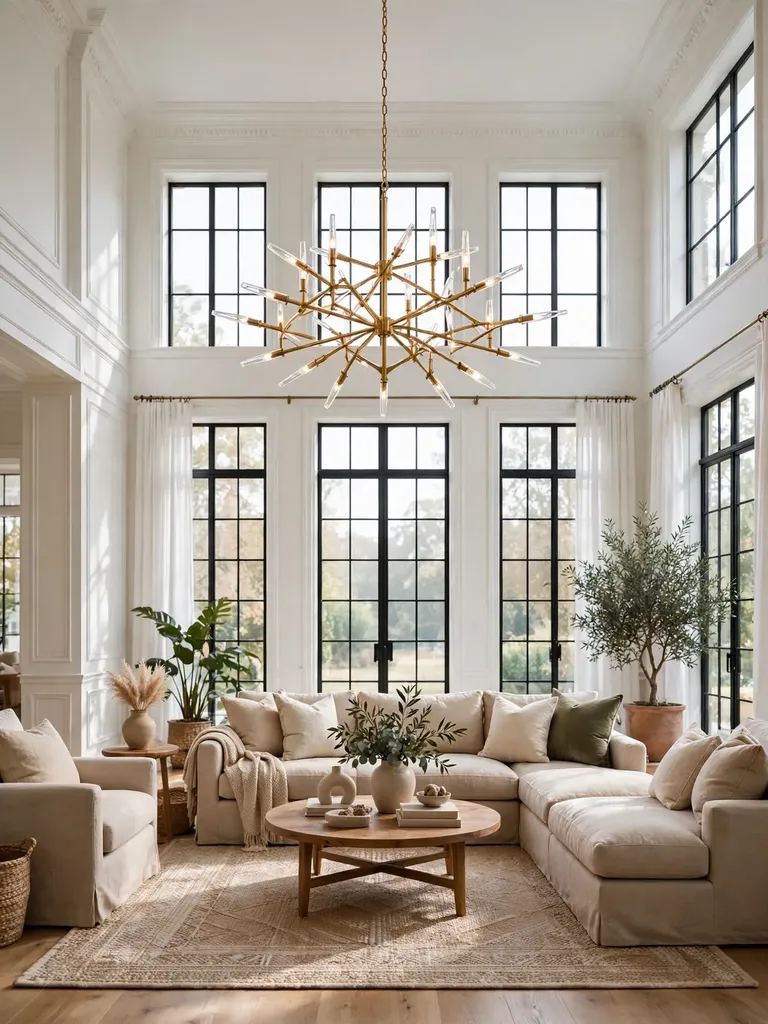
Pick a rug that the front legs of your sofa and chairs can sit on, and leave a few inches of bare floor around the edges. In most living rooms that means going bigger than you think, often an 8 by 10 or a 9 by 12. The larger rug pulls the furniture together and makes the floor look like one open space.
4. Hanging Curtains Too Low and Too Short
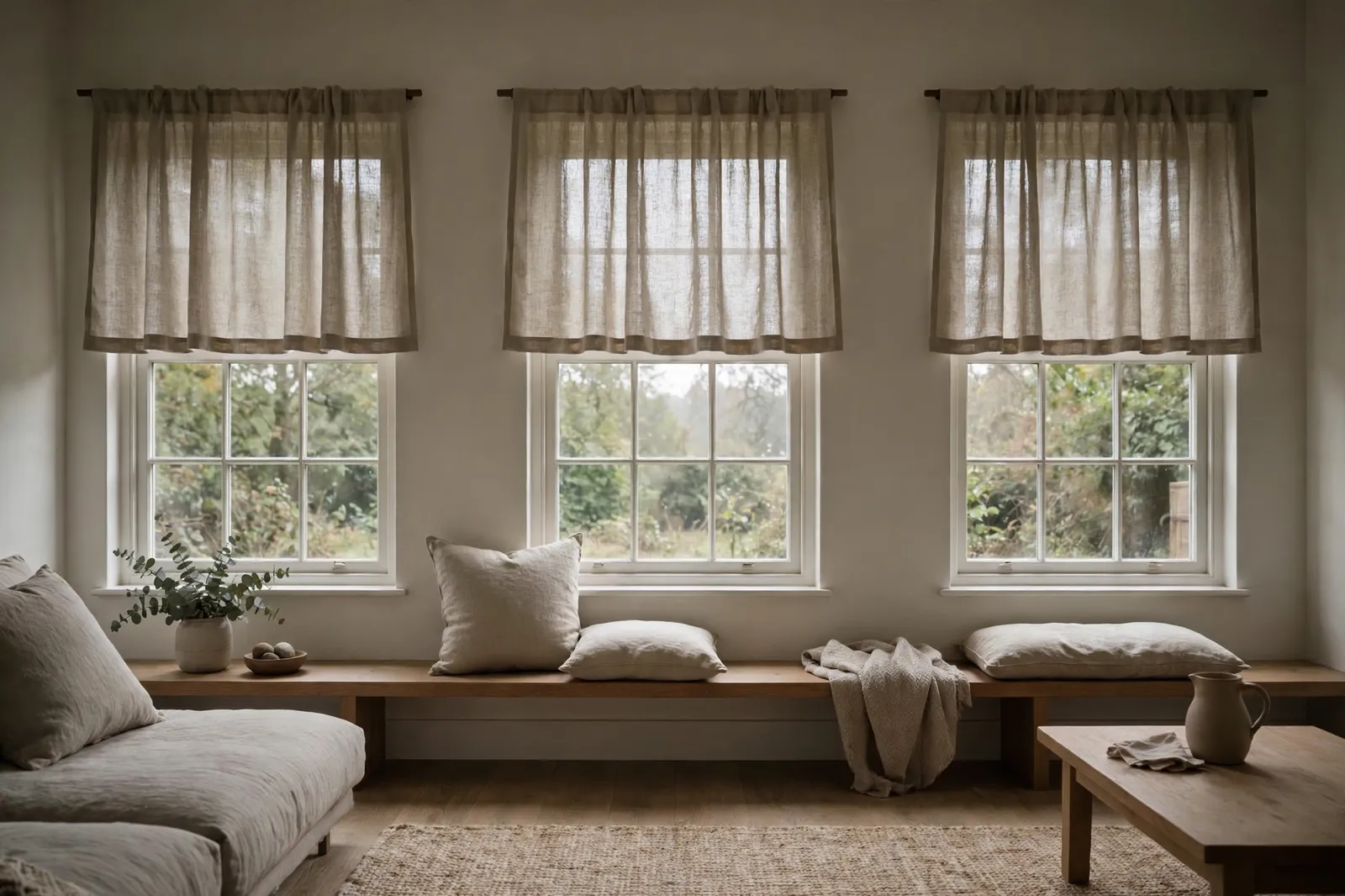
Curtains hung right at the top of the window frame cut the wall short and make the ceiling look lower than it is. The same goes for curtains that stop at the windowsill or float above the floor. Both mistakes chop the wall into pieces and make the whole room feel squat.
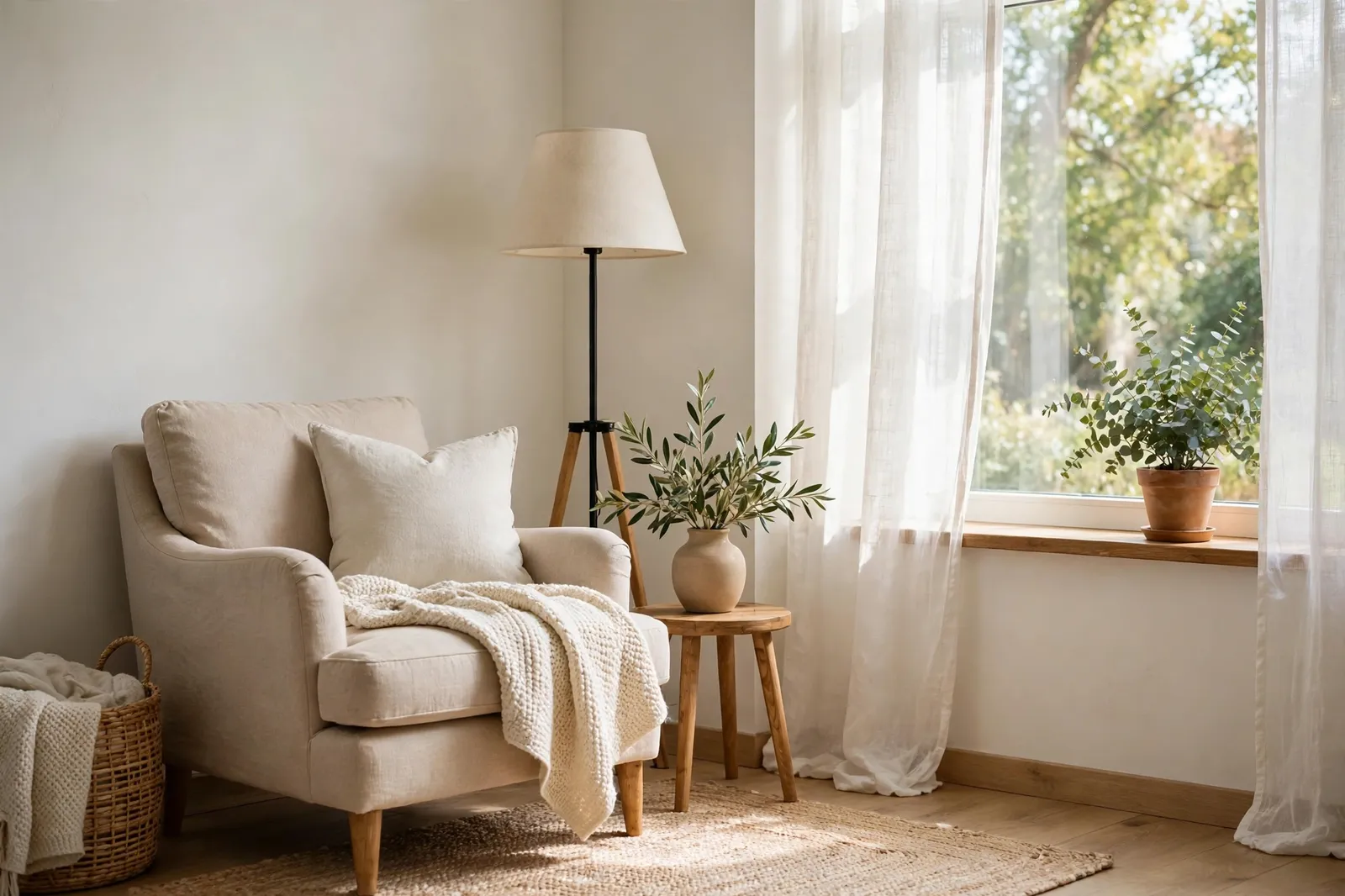
Hang the curtain rod close to the ceiling instead, and let the panels fall all the way to the floor. Longer, higher curtains draw the eye up and make the window look taller, which makes the room feel taller too. Light fabrics in a color close to the wall keep the effect soft and open.
5. Using Only One Overhead Light
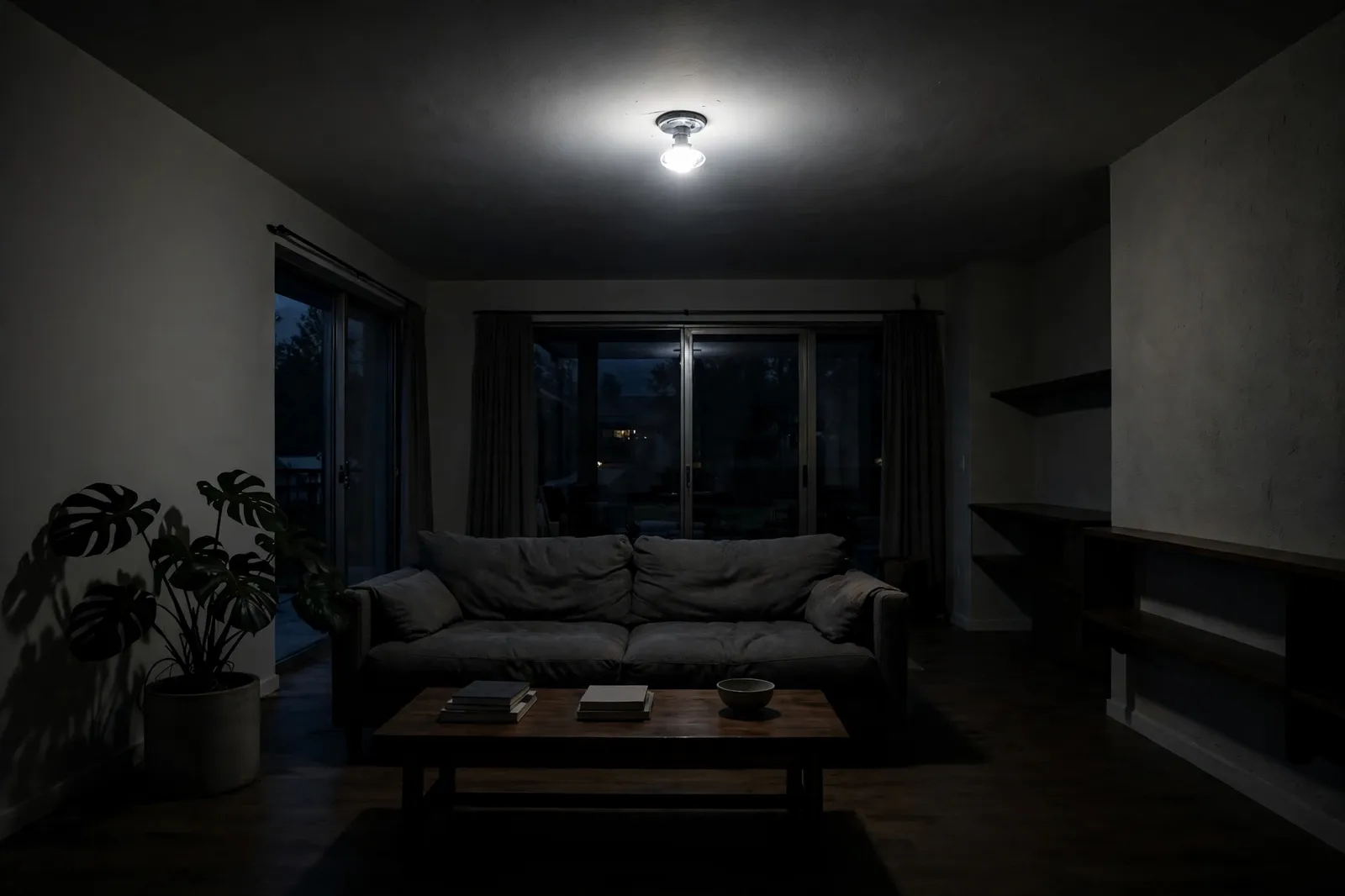
A single ceiling light is the fastest way to make a living room feel flat and small. One bright light from above leaves dark corners, throws harsh shadows, and gives the room no warmth at all. Layered lighting is the fix: a mix of light at different heights so every corner gets some glow.
Add a floor lamp beside the sofa, a table lamp on a side table, and keep the overhead light on a dimmer if you can. Lamps at eye level make the room feel taller and wider, and the soft pools of light they create make the space feel cozy instead of cramped. Good ambient lighting costs very little and changes the room more than almost anything else.
6. Painting Small Rooms Dark and Blocking the Light
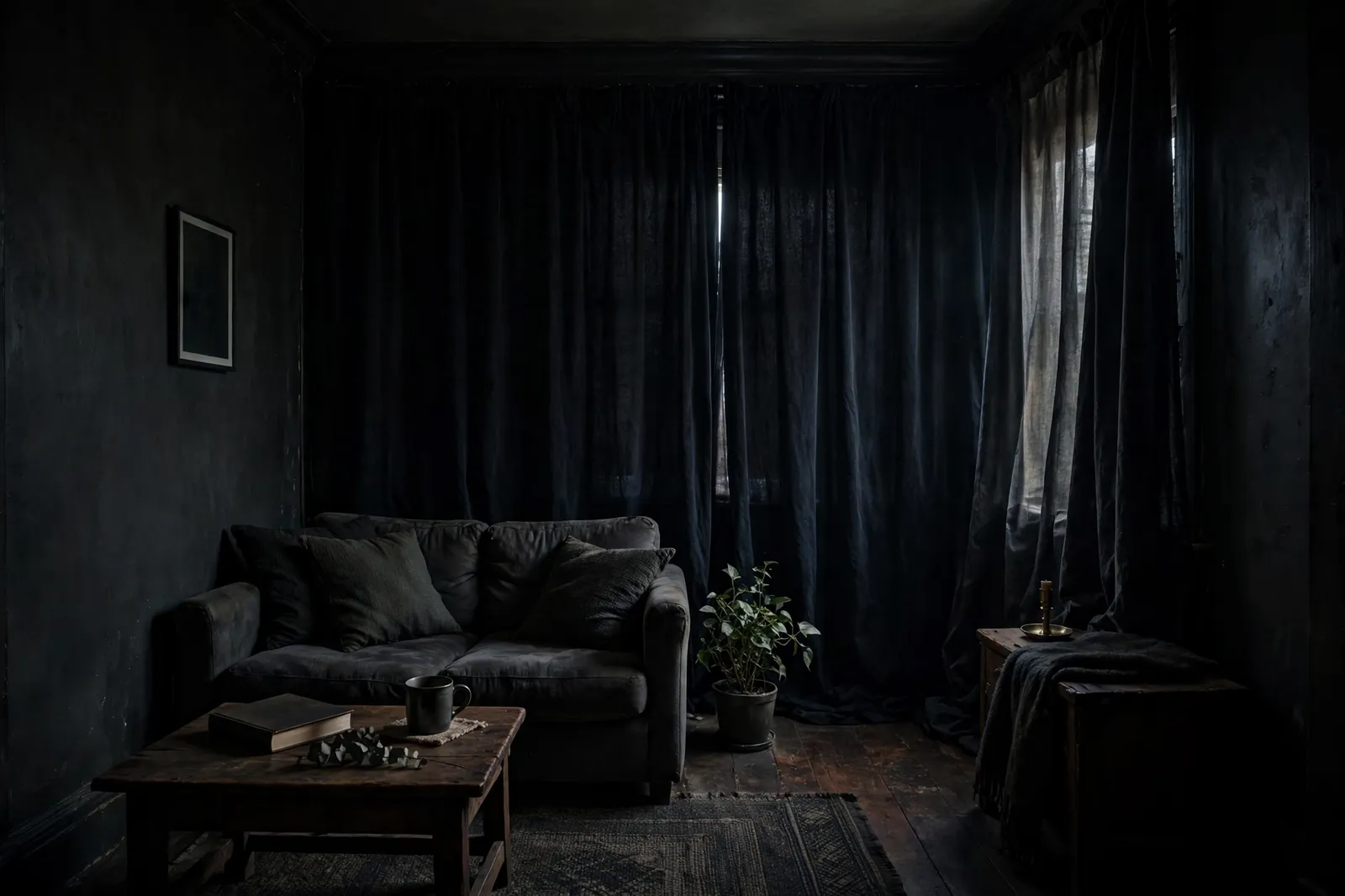
Dark paint can look great in a big room, but in a small living room it swallows the light and pulls the walls in. The same thing happens when heavy curtains stay closed or big furniture blocks the windows. The room ends up dark in the middle of the day, and dark rooms always feel smaller.
You do not have to paint everything white, but keep the walls on the lighter side and let the daylight in. Sheer curtains, a mirror across from the window, and a lighter rug all bounce light around the room. If you love a dark color, use it on one small accent wall or in the pillows and art, not on every wall.
7. Letting Clutter Pile Up on Every Surface
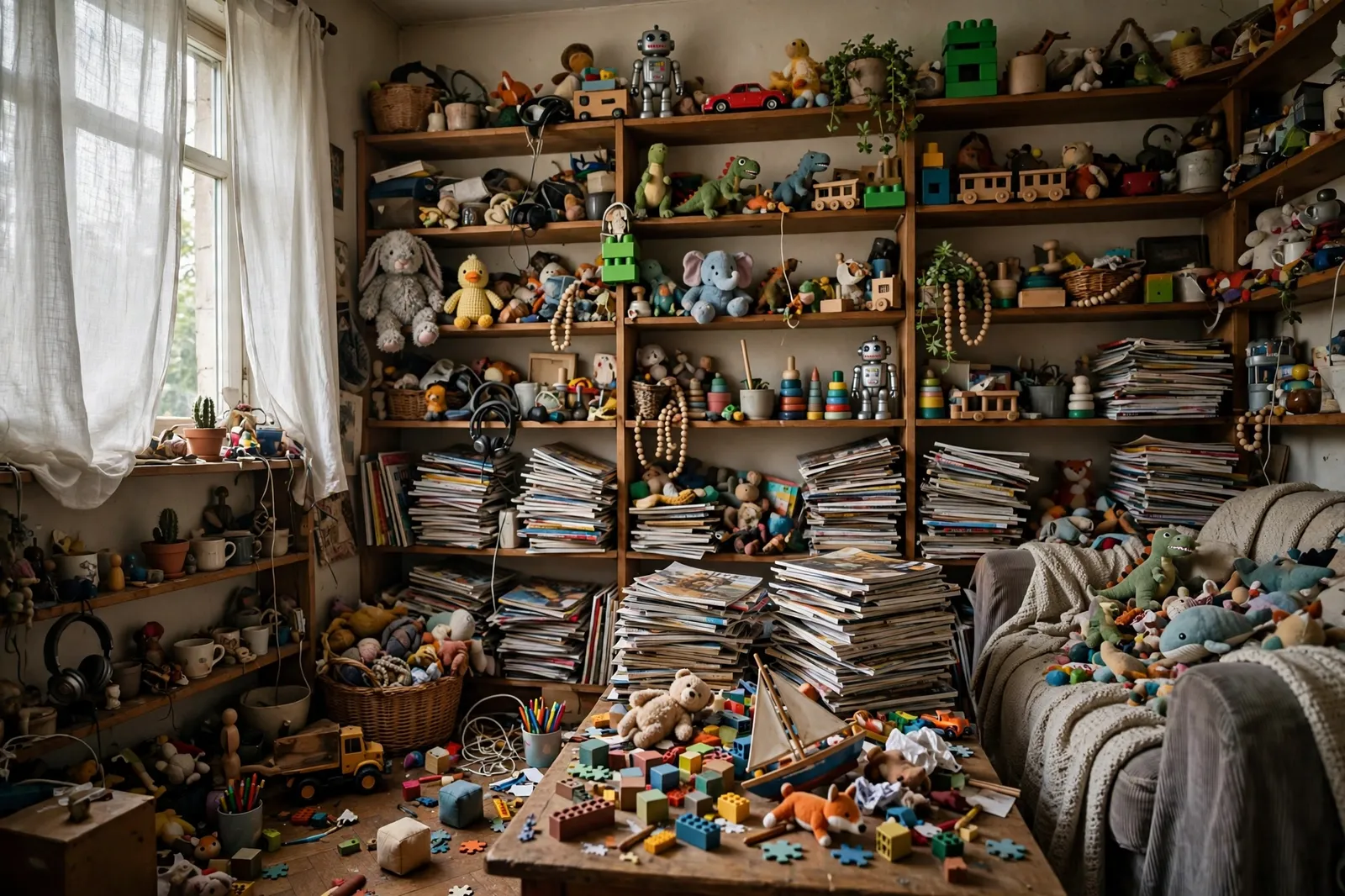
Clutter is the most honest reason a living room looks small. Piles of magazines, toys, remotes, and random decor on every table and shelf eat up the surfaces your eyes use to judge how big a room is. When every flat spot is full, the room feels full too, even if the floor is clear.
Clear one surface at a time and give everything a home. A basket by the sofa for remotes and books, a tray on the coffee table to hold the small stuff, and a rule that the shelves hold a few favorite things instead of everything you own. Empty space on a shelf is not wasted space, it is what makes the room feel calm and open.
8. Putting the TV on the Wrong Wall
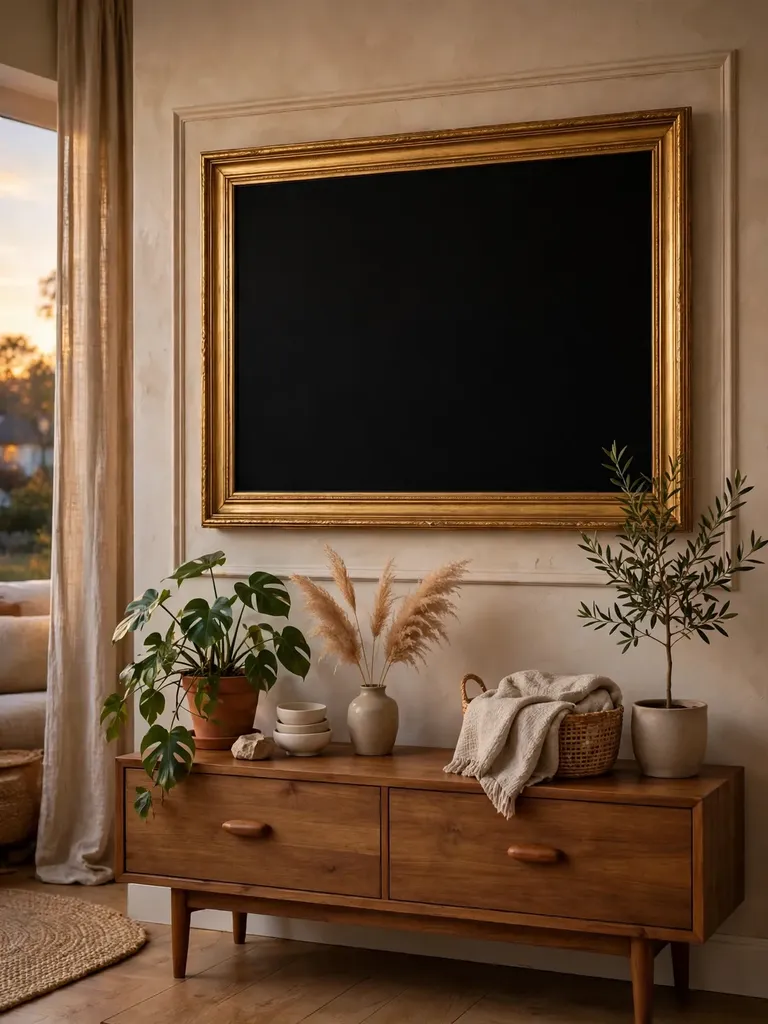
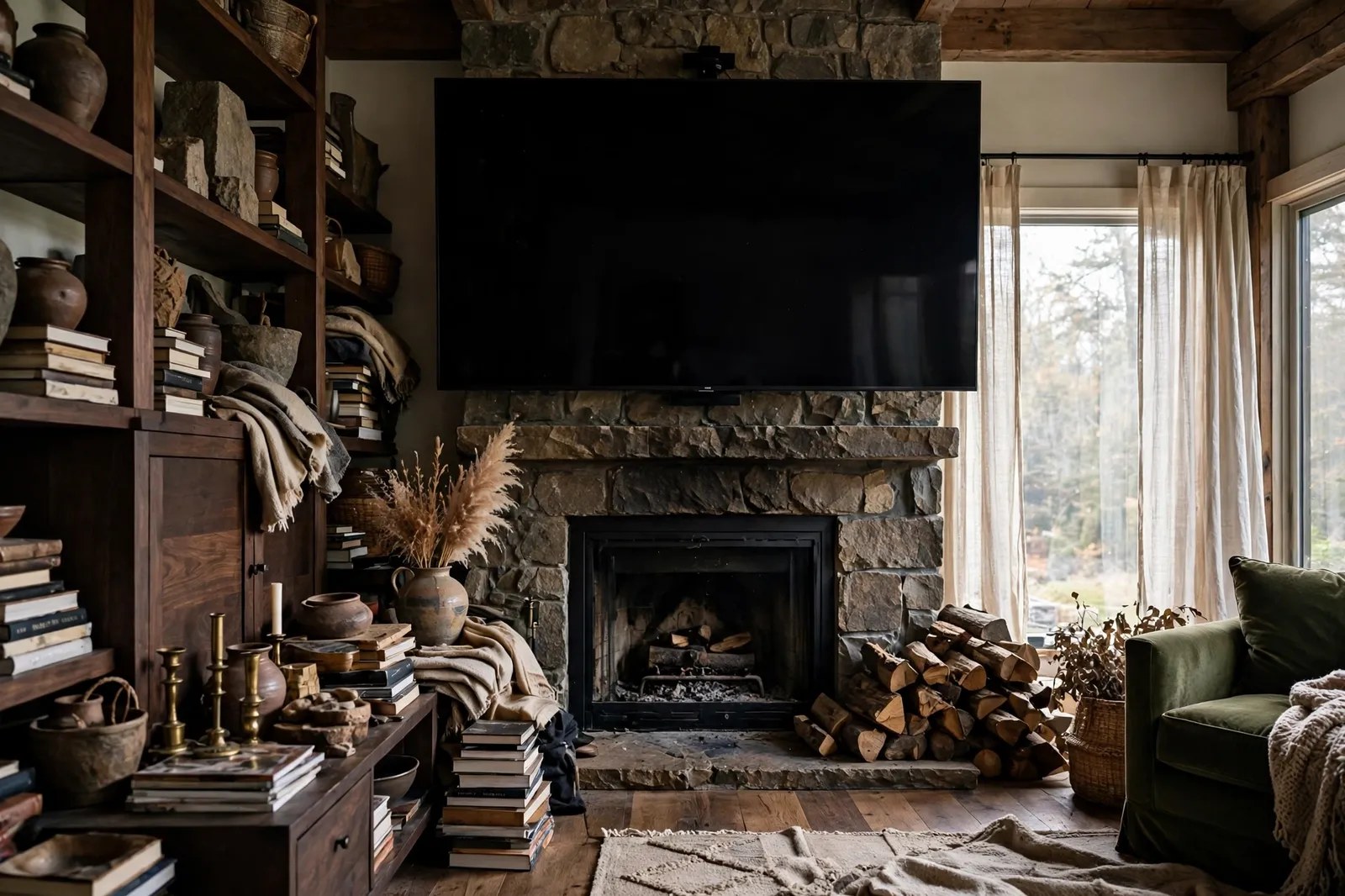
The television wall can make or break a living room. A big screen mounted high above the fireplace or on the longest wall becomes the thing your eyes land on first, and a huge black rectangle makes the wall feel heavy and the room feel smaller. A tv wall that fights with the seating layout also forces the furniture into awkward spots.
Pick the wall where the screen sits at eye level from the sofa, and keep the area around it simple so the screen does not dominate. A low media console, a few books or a plant beside it, and no extra decor crowded around the frame help a lot. If you can hide the tv behind cabinet doors or art when it is off, even better — the room reads as a living room again, not a screen.
9. Matching Everything Too Perfectly
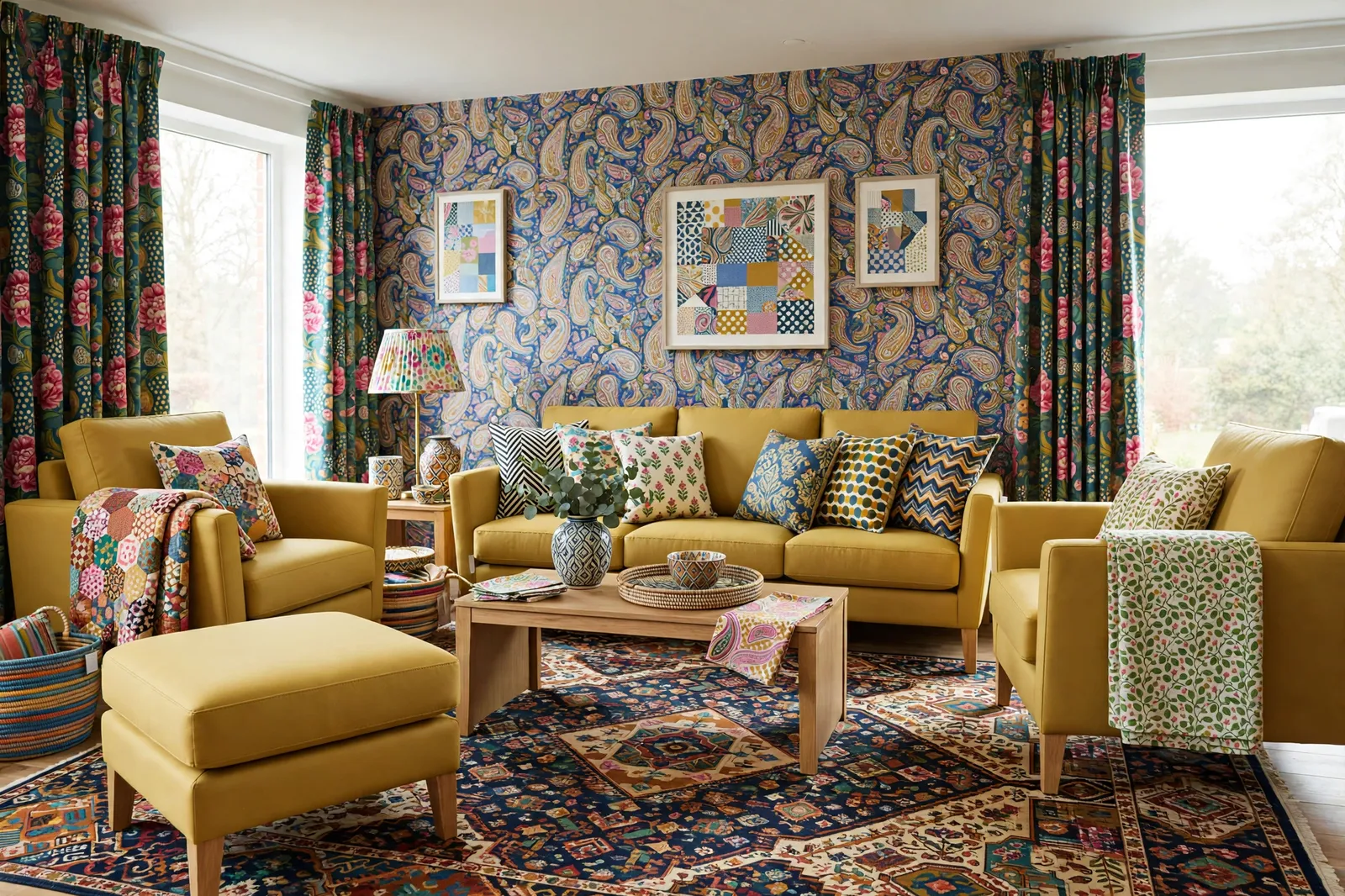
A full matching furniture set in one color with the same pattern on every pillow and curtain looks like a showroom, and it makes a small room feel boxed in. When everything matches, your eye has nowhere to rest, and the room feels flat and smaller than it is. Too many busy patterns competing with each other do the same thing.
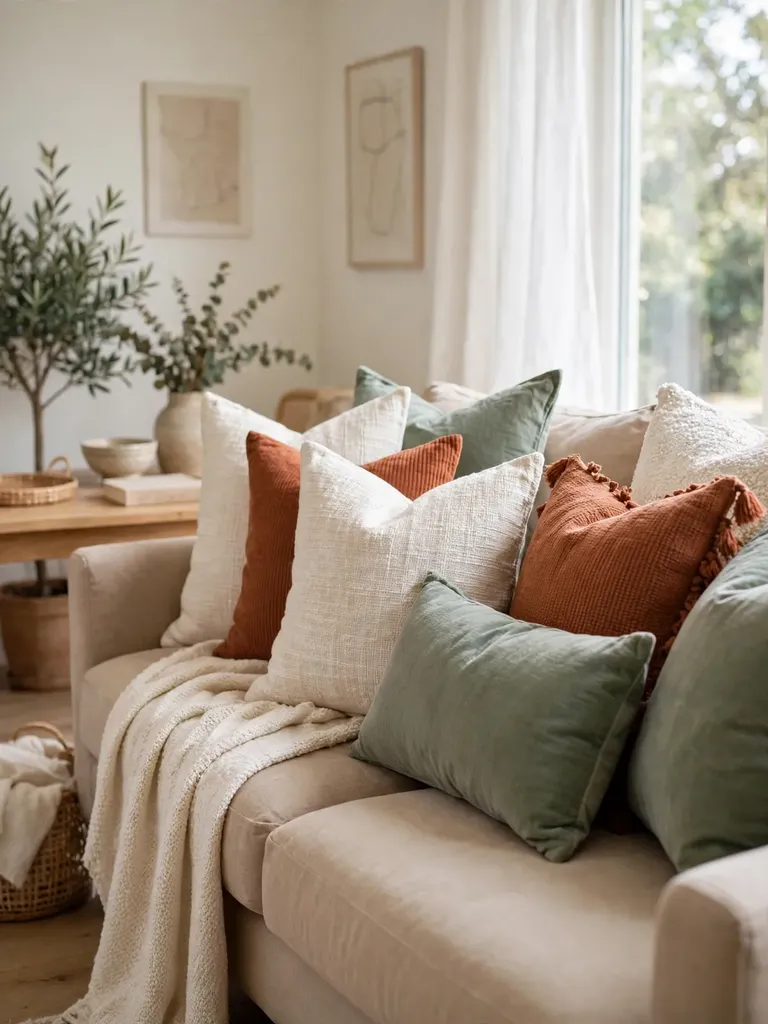
Mix things up a little instead. Keep one or two main colors, then add a different texture or a plain pillow to break up the pattern. A plain sofa with one patterned pillow, or a leather couch softened with a light throw, gives the room some breathing space. A room with a little contrast feels bigger because your eye moves around it instead of getting stuck on one big block.
Frequently Asked Questions
What is the biggest mistake that makes a living room look smaller?
Buying furniture that is too big for the room is usually the biggest one. An oversized sofa or a bulky entertainment center takes up the floor and the sightlines, so the room feels crowded before you add anything else. Measure first, choose pieces that fit with walking space to spare, and the room will feel bigger right away.
Should I push my sofa against the wall in a small living room?
Not always. Pushing everything against the walls leaves a bare patch in the middle and makes the room feel like a waiting area. Pull the sofa a few inches off the wall instead, or float it slightly into the room, and the space behind it adds depth that makes the room feel larger.
What size rug should I use in a small living room?
Go bigger than you think. The rug should be large enough for the front legs of the sofa and chairs to sit on it, which usually means an 8 by 10 or a 9 by 12 in most living rooms. A small rug floating in the middle chops the floor up and makes the room look smaller.
How can I make my living room look bigger without spending a lot?
Start with the free fixes: pull furniture a few inches off the walls, clear the clutter off every surface, open the curtains fully, and move a lamp into the dark corners. Then, if you can spend a little, a larger rug and longer curtains hung near the ceiling make the biggest difference for the money.
Related ideas
If you want to put these fixes into practice, Small Living Room Decorating Ideas That Maximize Space is a great place to start, since it shows how to use every inch of a small room well. Neutral Living Room Ideas That Never Go Out of Style will help you pick light, timeless colors that keep the room feeling open, and Cozy Living Room Ideas for a Warm and Inviting Space shows how to add warmth without crowding the room again. You might also like Leather Sofa Decorating Ideas for a Warm Living Room and How to Decorate a Living Room With High Ceilings.