Living Room Throw Pillow Ideas That Actually Look Good Together
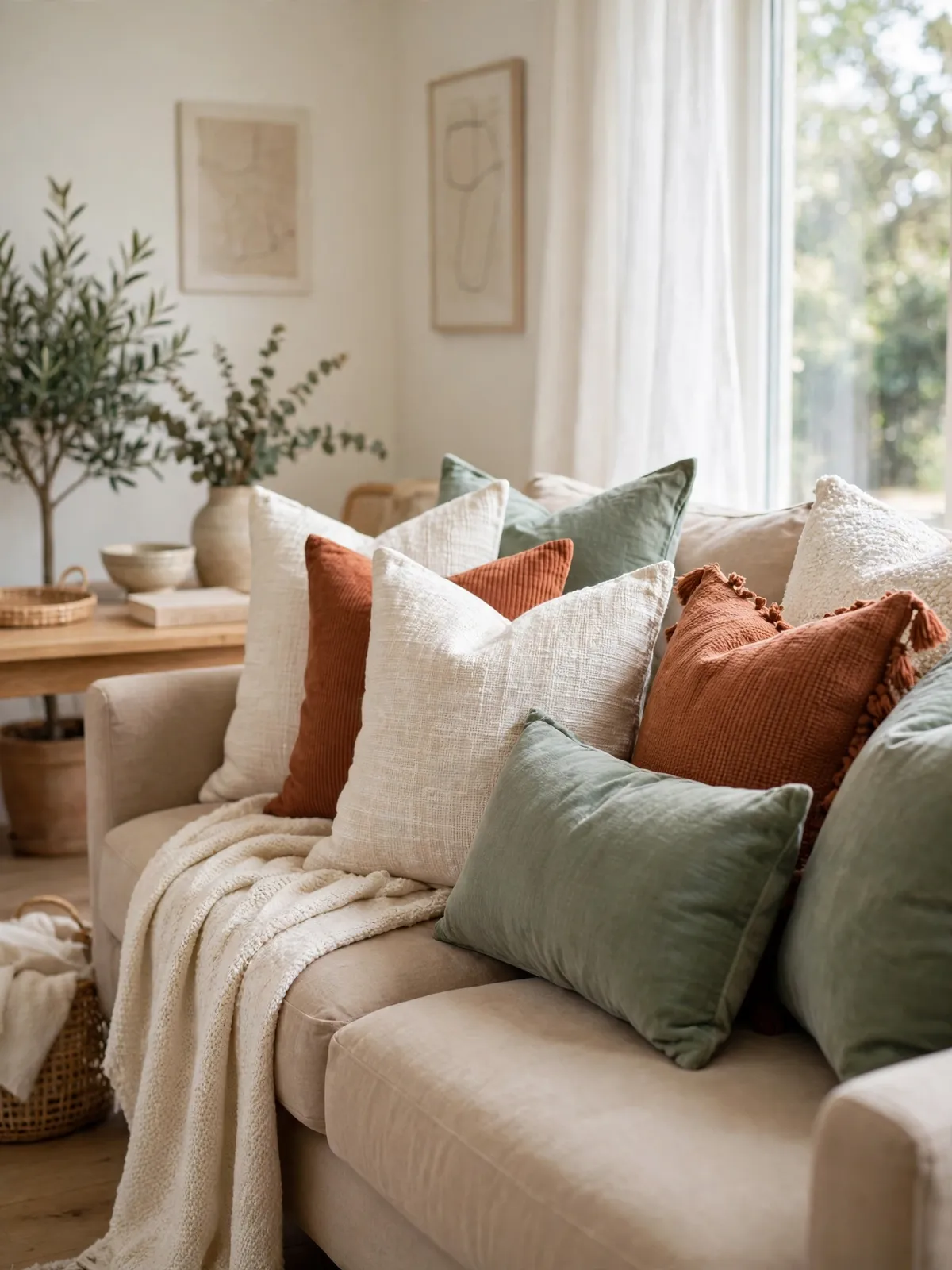
Throw pillows are the cheapest way to change how a living room feels. You do not need a new sofa or a new rug — a few well-chosen pillows can add color, pattern, and warmth in about ten minutes. The trick is knowing which ones to pick, because a random pile of pillows just looks messy.
The good news is that mixing pillows is not hard once you know a few simple rules. Start with a color palette, mix your sizes and textures, and use odd numbers so the arrangement looks relaxed instead of stiff. This guide walks through nine easy ideas, from picking your first pillow to swapping them out with the seasons, so your sofa looks like someone styled it on purpose.
1. Start With One Pillow You Love
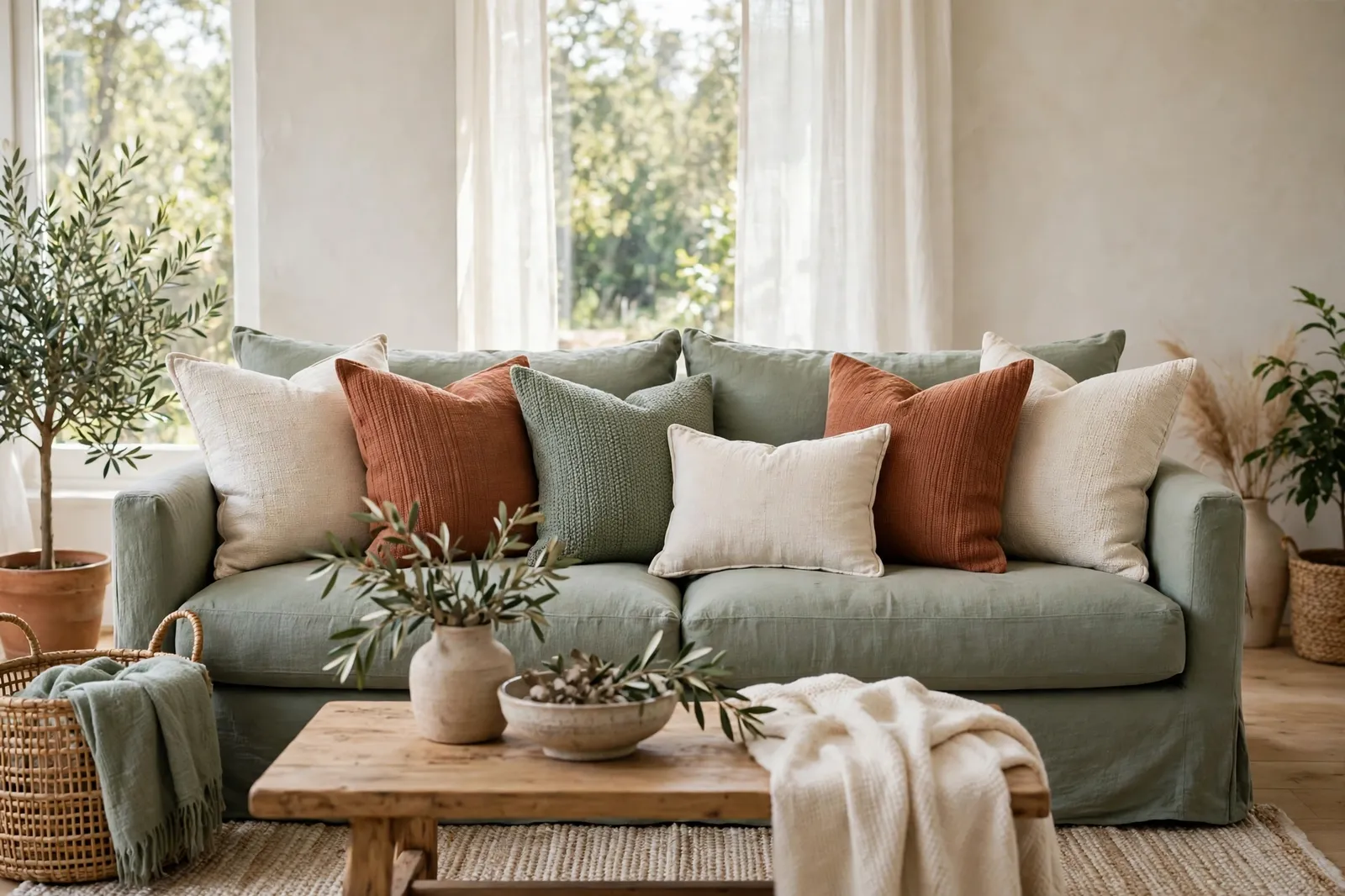
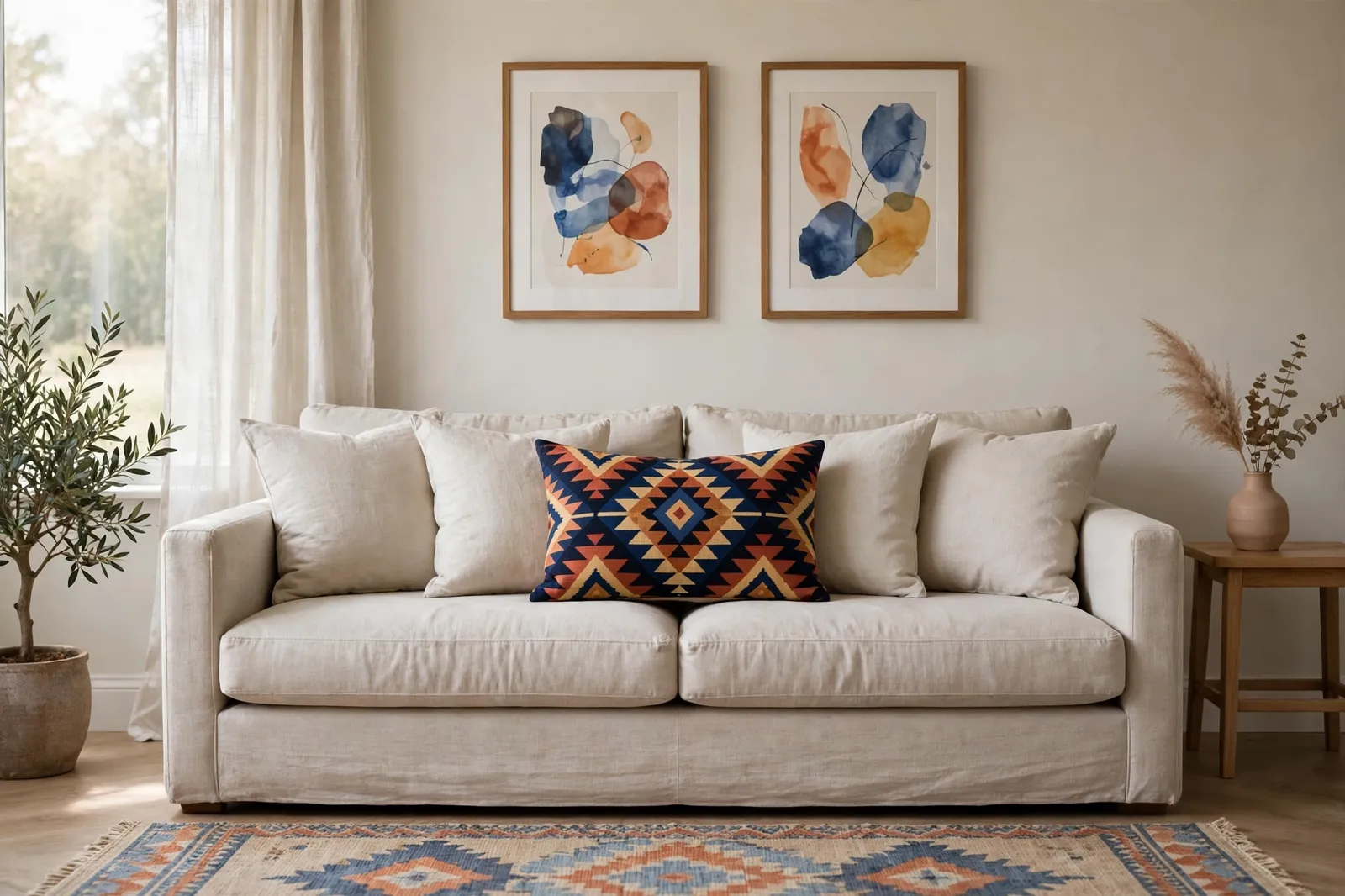
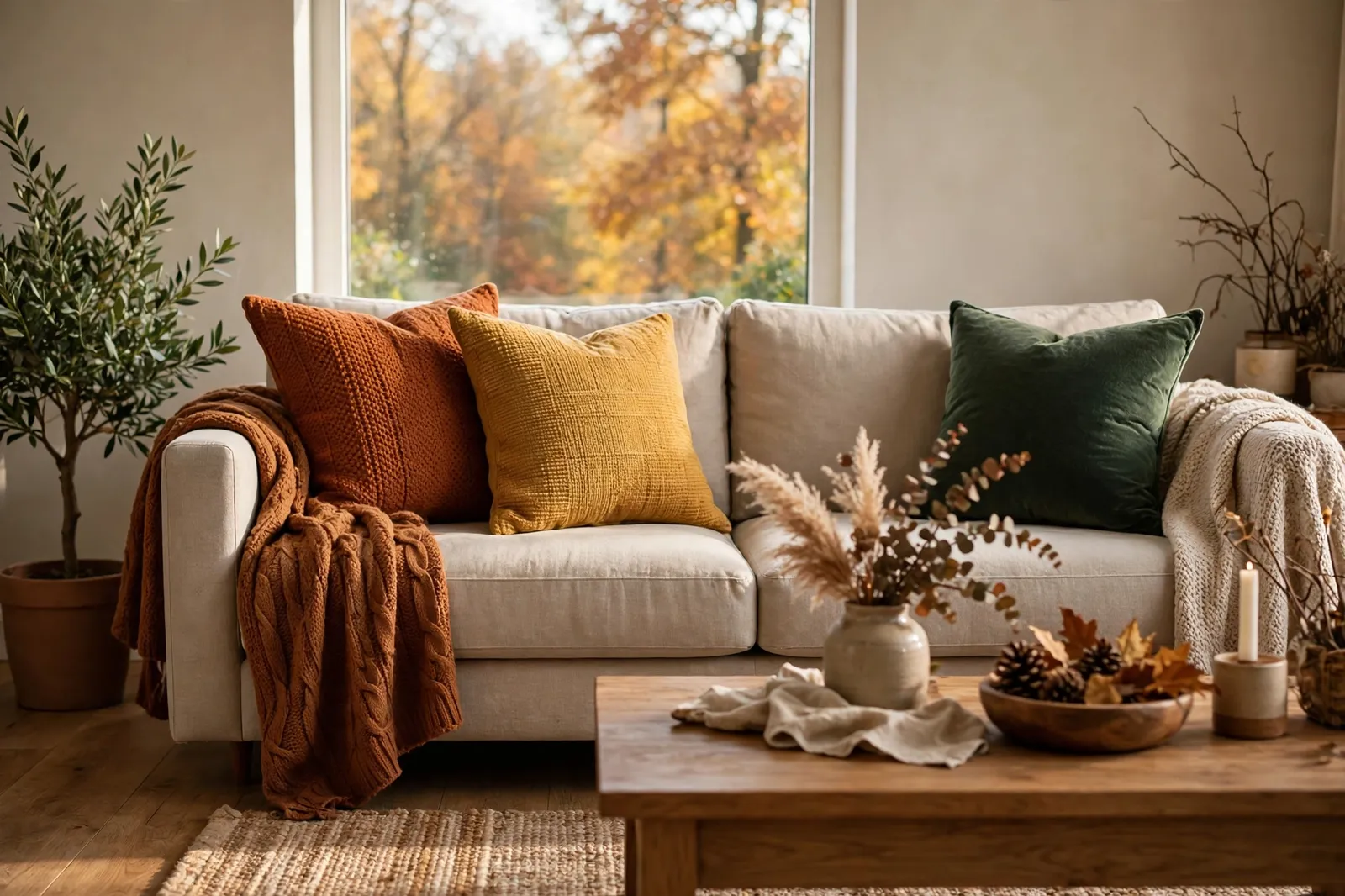
Pick one pillow first and let it set the tone for the rest. This is your anchor pillow — it might have a bold pattern, a bright color, or a texture you love. Once you have it, pull two or three colors from it for the other pillows, and the whole group will look like it belongs together.
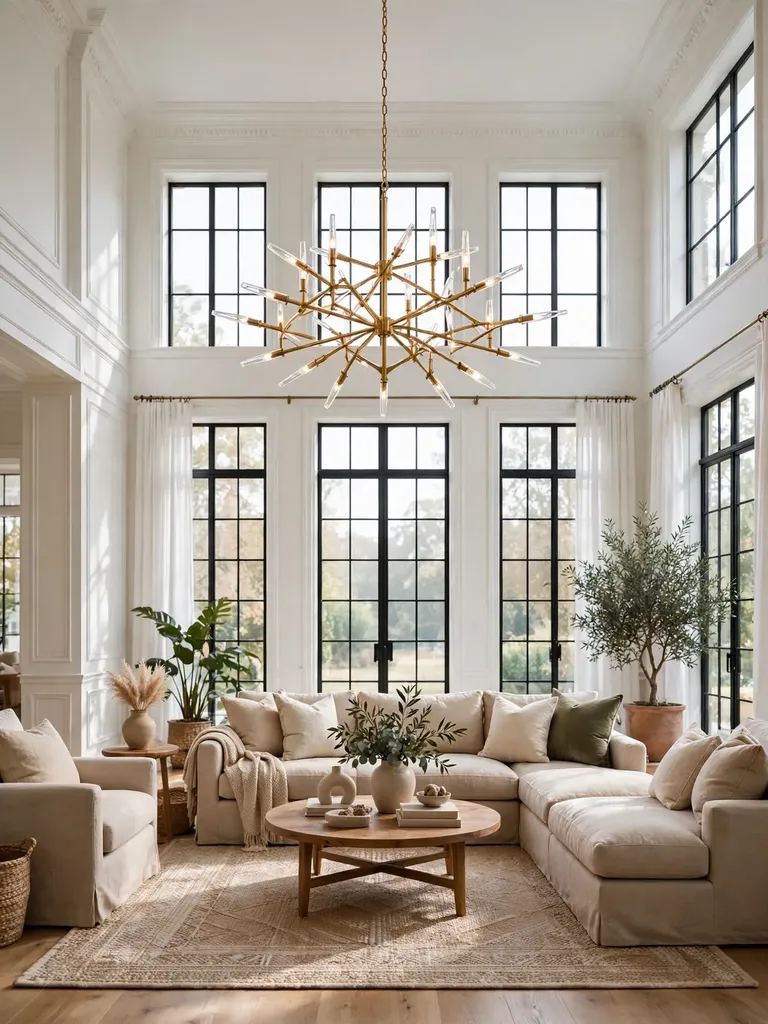
If you cannot decide, look at what is already in the room. A rug, a piece of art, or the curtains usually have a color worth repeating. A pillow that echoes something else in the room ties everything together, even in a room with a vaulted ceiling where the eye has a lot of vertical space to take in.
2. Mix Pillow Sizes — Don't Use All the Same Size
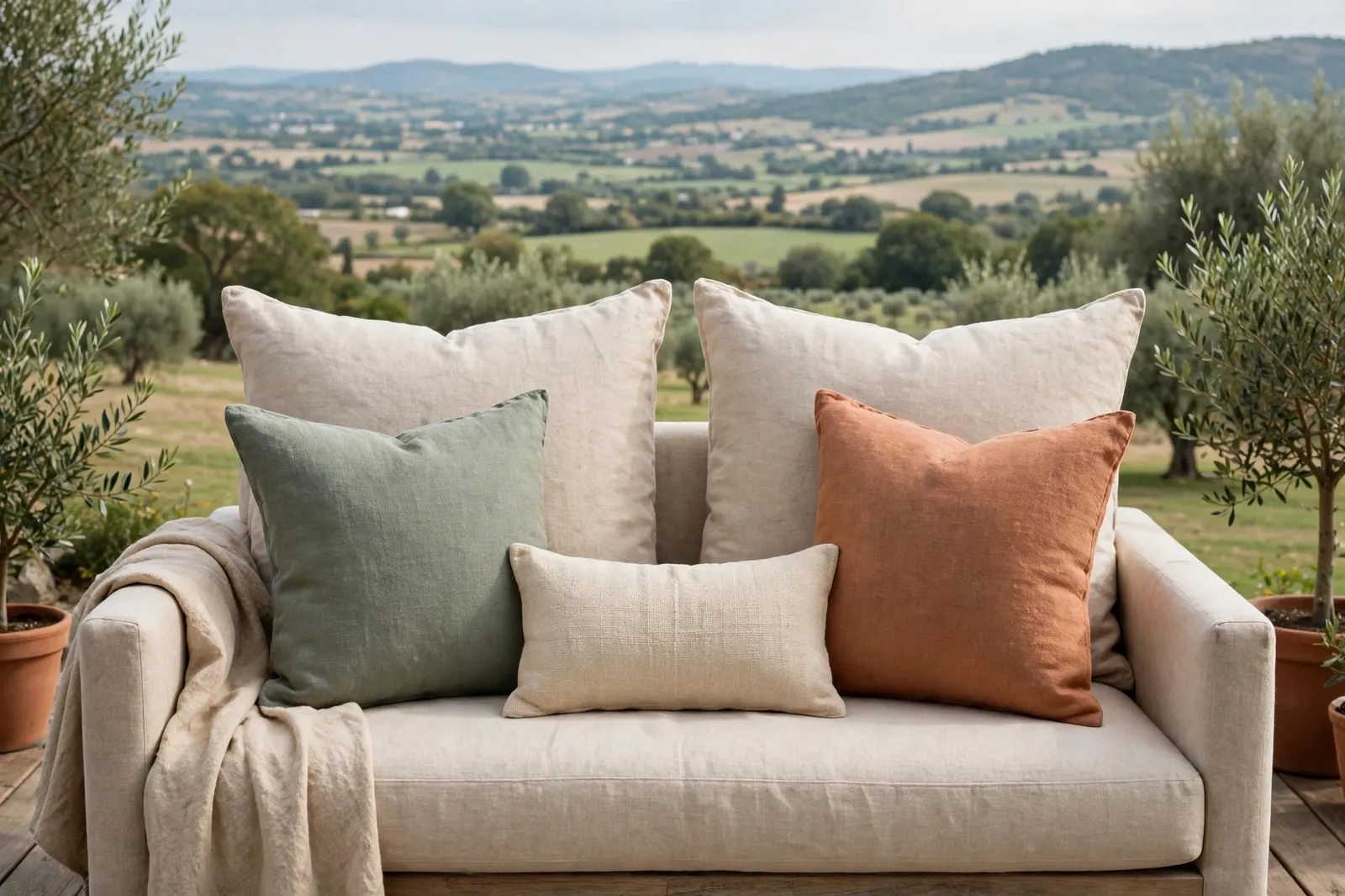
Pillows that are all the same size look flat and a bit boring, like a row of matching boxes. Mix it up instead: put two large 20- or 22-inch pillows at the back, add 18-inch pillows in front of them, and finish with a small lumbar pillow or a round one in the center. The layers give the sofa depth and make it look styled, not stacked.
Scale matters too. Big, deep sofas can handle big pillows, while a small loveseat looks better with smaller ones. In a room with high ceilings and tall walls, larger pillows hold their own better than tiny ones that get lost in the space. When in doubt, go one size up — a full, plump pillow always looks better than a flat one.
3. Mix Patterns the Easy Way
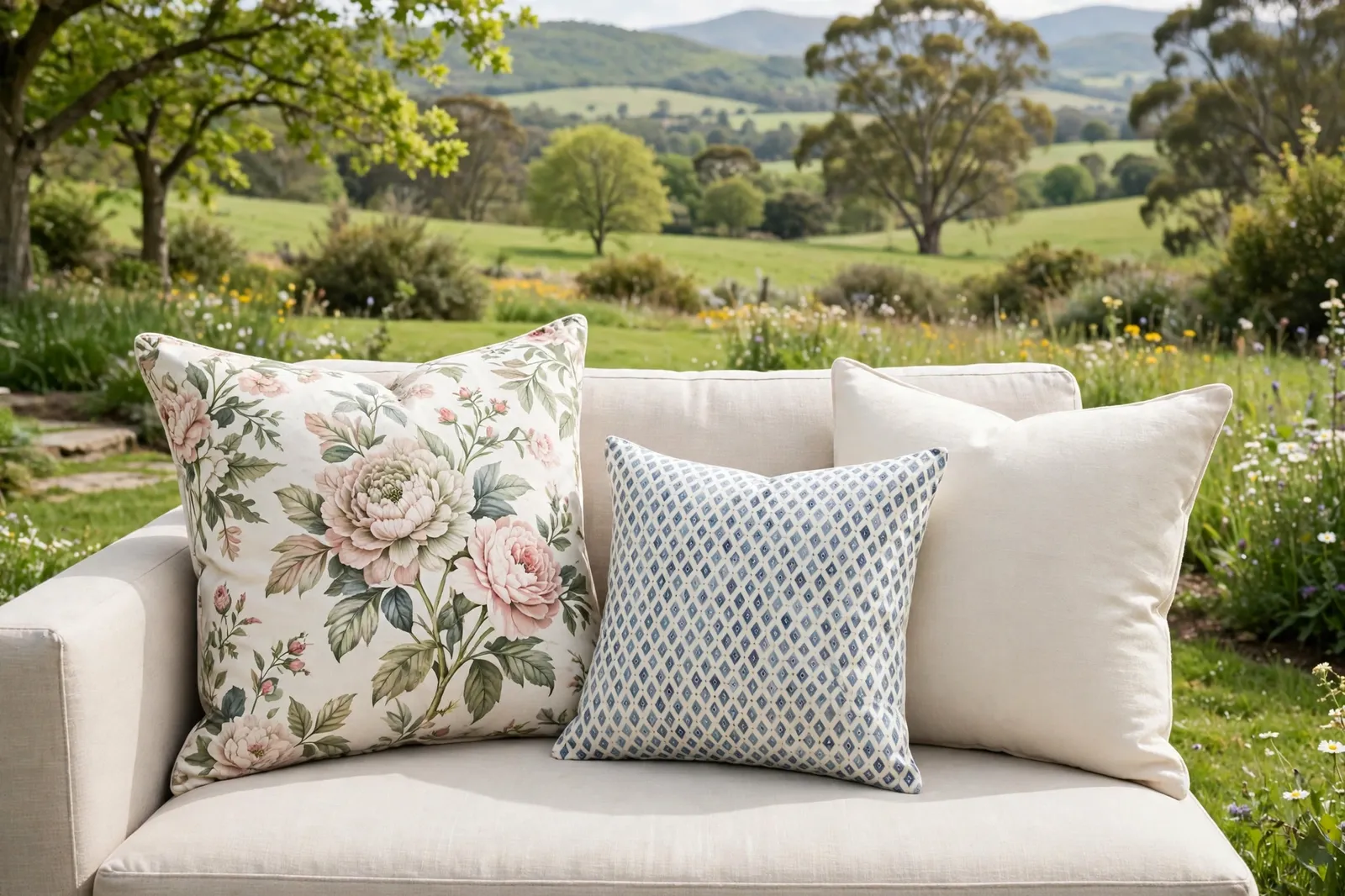
Mixing patterns is where most people get nervous, but there is a simple formula: one large pattern, one small pattern, and one solid. The large pattern might be a bold floral or a wide stripe, the small one could be a tiny geometric or a dot, and the solid gives your eye a place to rest. As long as the patterns share one or two colors, they will work together.
Keep the scale of the patterns different, too. Two big, busy patterns will fight each other, while a big pattern next to a small one feels balanced. If you are not sure, hold the pillows up together at the store before you buy — if they look good side by side there, they will look good on your sofa at home.
4. Stick to Three Colors
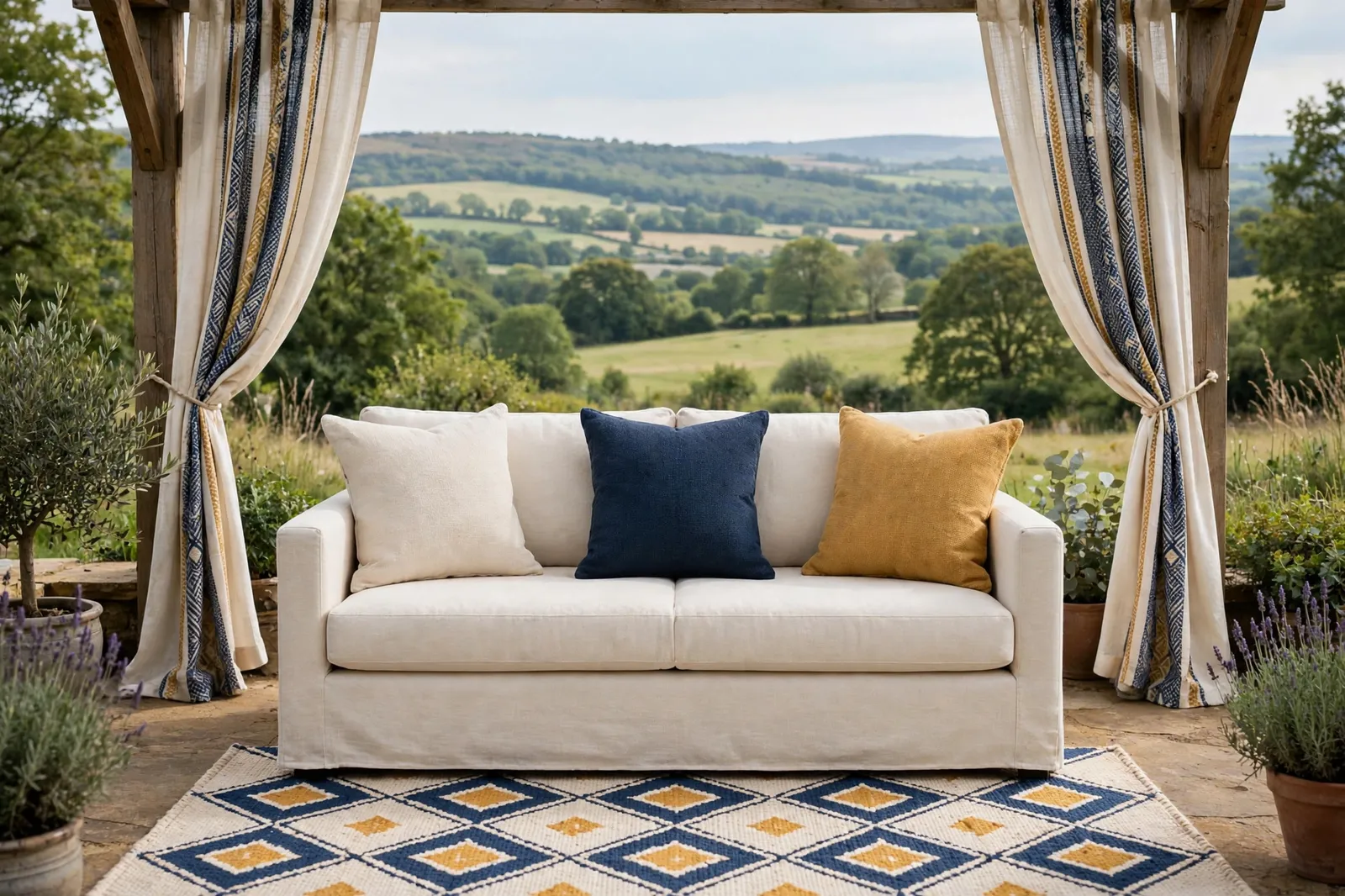
A simple color rule keeps a pillow mix from turning into a mess: pick three colors and stick to them. One should be neutral, like cream, gray, or beige. One should be your main color, pulled from the rug or the art. The third can be a fun accent, like mustard, teal, or rust, used on just one or two pillows.
The easiest way to pick your three colors is to look at the biggest thing in the room. The rug usually holds the answer — pull two colors from it and add one neutral. This keeps the pillows connected to the rest of the room instead of looking like they came from a different house.
5. Mix Textures to Make It Feel Cozy
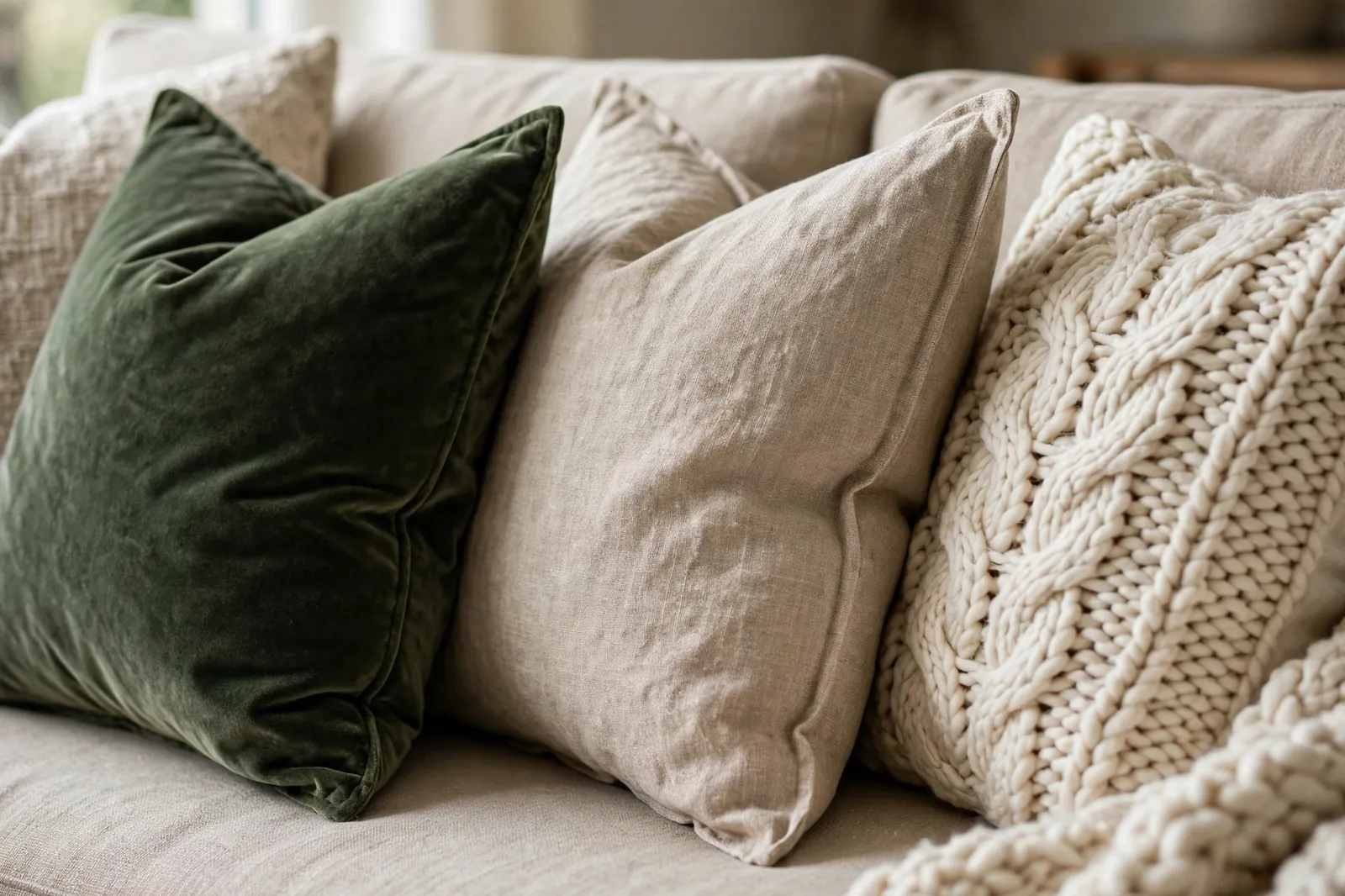
Color and pattern get all the attention, but texture is what makes a pillow arrangement feel rich. Mix smooth with soft and rough with shiny: velvet next to linen, a knit pillow next to a cotton one, or a leather-trimmed pillow next to a soft wool one. The mix of textures adds interest even when the colors stay calm.
Texture also changes how a room feels through the year. Light linen and cotton feel fresh in spring and summer, while velvet, faux fur, and chunky knits feel warm in fall and winter. You do not need new pillows every season — just swap a couple of covers and the whole sofa feels different.
6. Use Odd Numbers
Odd numbers just look better. Three pillows on one side of a sofa and two on the other feels relaxed and natural, while two on each side looks stiff and formal, like a hotel lobby. For a standard three-seat sofa, five pillows is the sweet spot — three on one end, two on the other, with the biggest ones at the corners.
One of the most common decorating mistakes is piling on too many pillows. A sofa buried under eight or ten pillows looks crowded, and nobody wants to move a mountain of cushions just to sit down. Too many pillows can also make a small room look smaller and feel cramped, so leave room for people, not just pillows.
7. The Karate Chop and How to Fluff Pillows
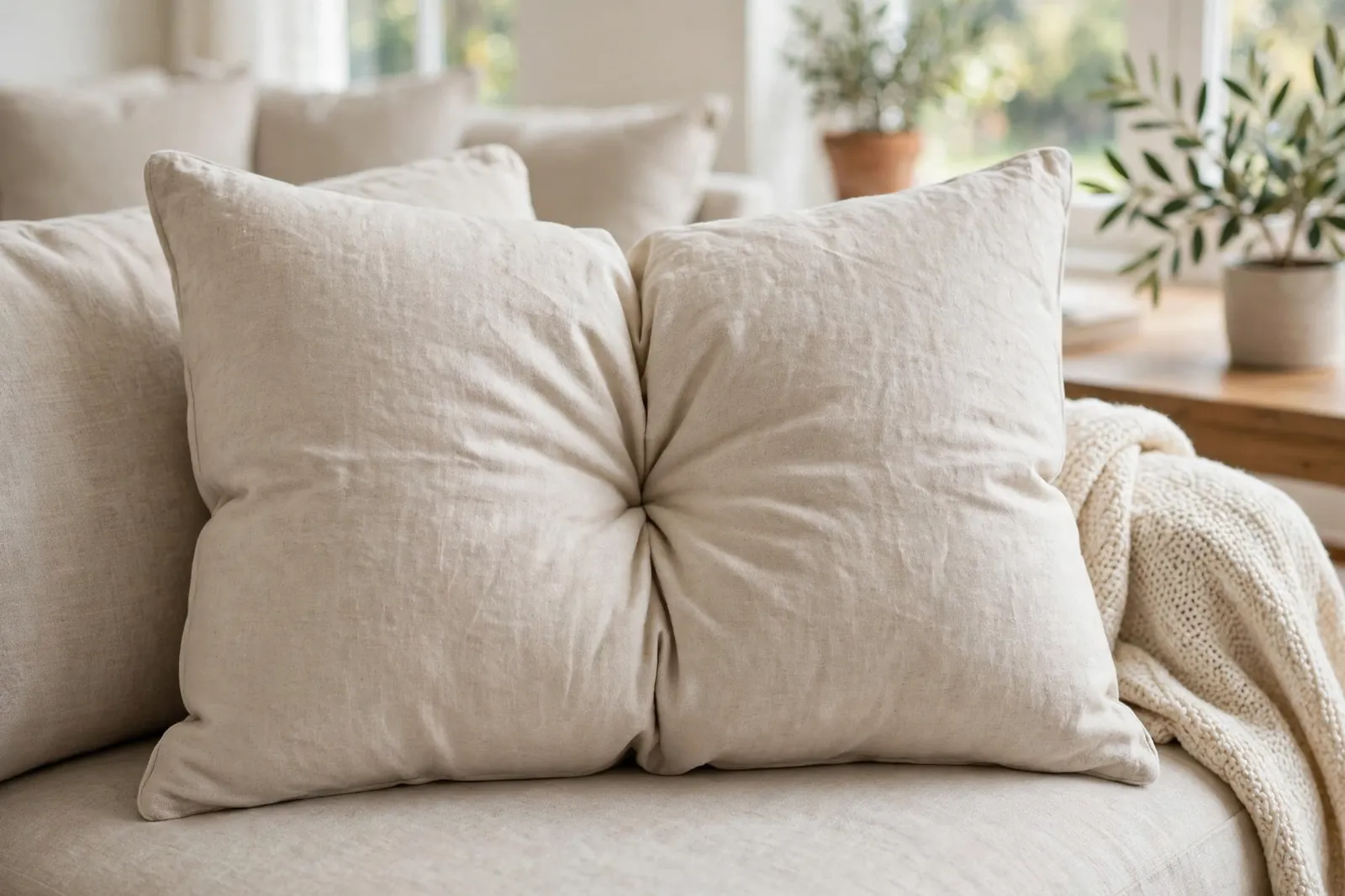
The karate chop is that little dent you see on styled pillows in photos — you just press the top center of the pillow down with the edge of your hand. It works best on soft, down-filled pillows, and it makes the pillow look plump and relaxed instead of flat and square. It takes two seconds and it really does make a difference.
Fluffing matters just as much. Give each pillow a good shake and a punch in the middle before you put it back, and turn the insert around every week or so so it wears evenly. If a pillow has gone flat, try a bigger insert — a 22-inch insert in a 20-inch cover fills it out nicely and gives it that full, store-bought look.
8. Match Your Pillows to Your Sofa
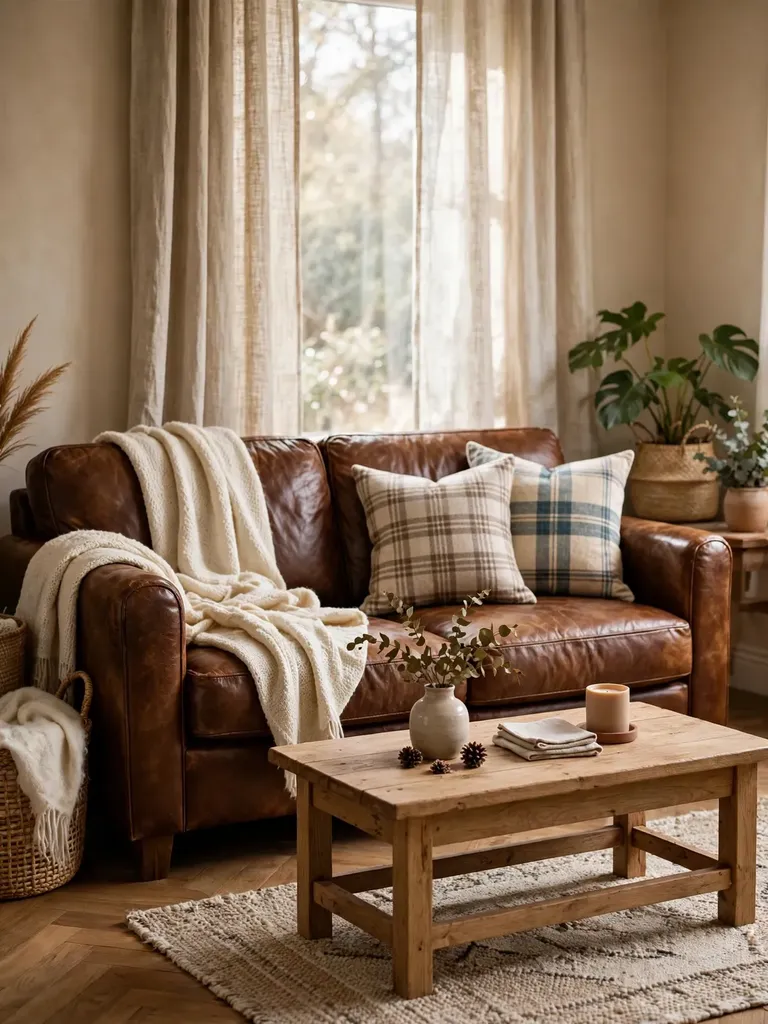
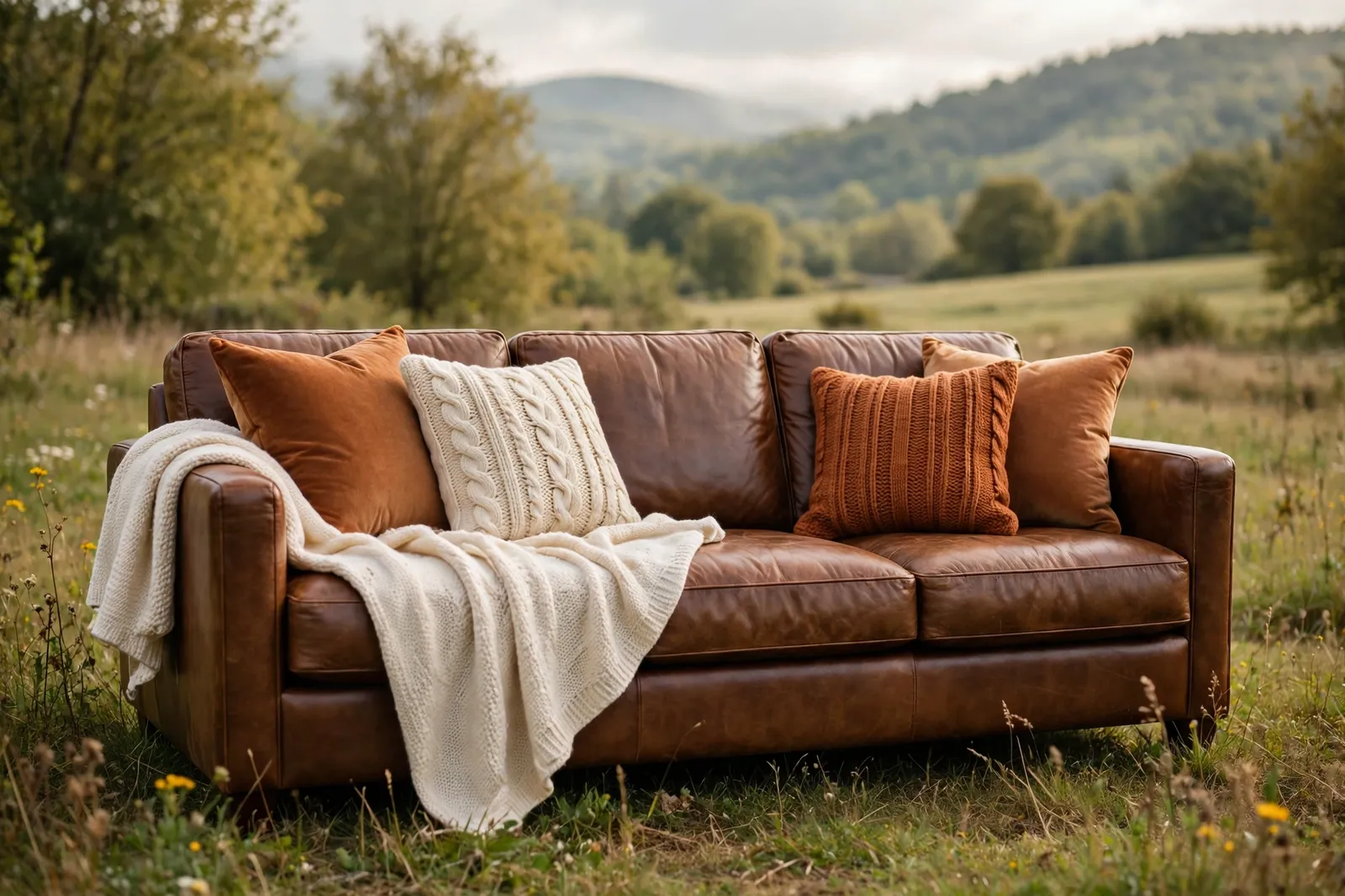
The sofa sets the rules. A light linen sofa looks great with soft, pale pillows, while a dark sofa needs lighter pillows to keep it from looking heavy. A leather sofa is a good example — the smooth, cool surface pairs well with soft, textured pillows like velvet, wool, or chunky knit, which warm it up and make it feel inviting.
If you have a leather couch, skip anything too shiny or slippery, since it will slide around and never stay put. Matte fabrics with a bit of grip work best, and a couple of warm colors help balance the cool leather. The goal is a warm living room that feels lived in, not a showroom — so pick pillows you actually want to lean on.
9. Swap Pillows With the Seasons
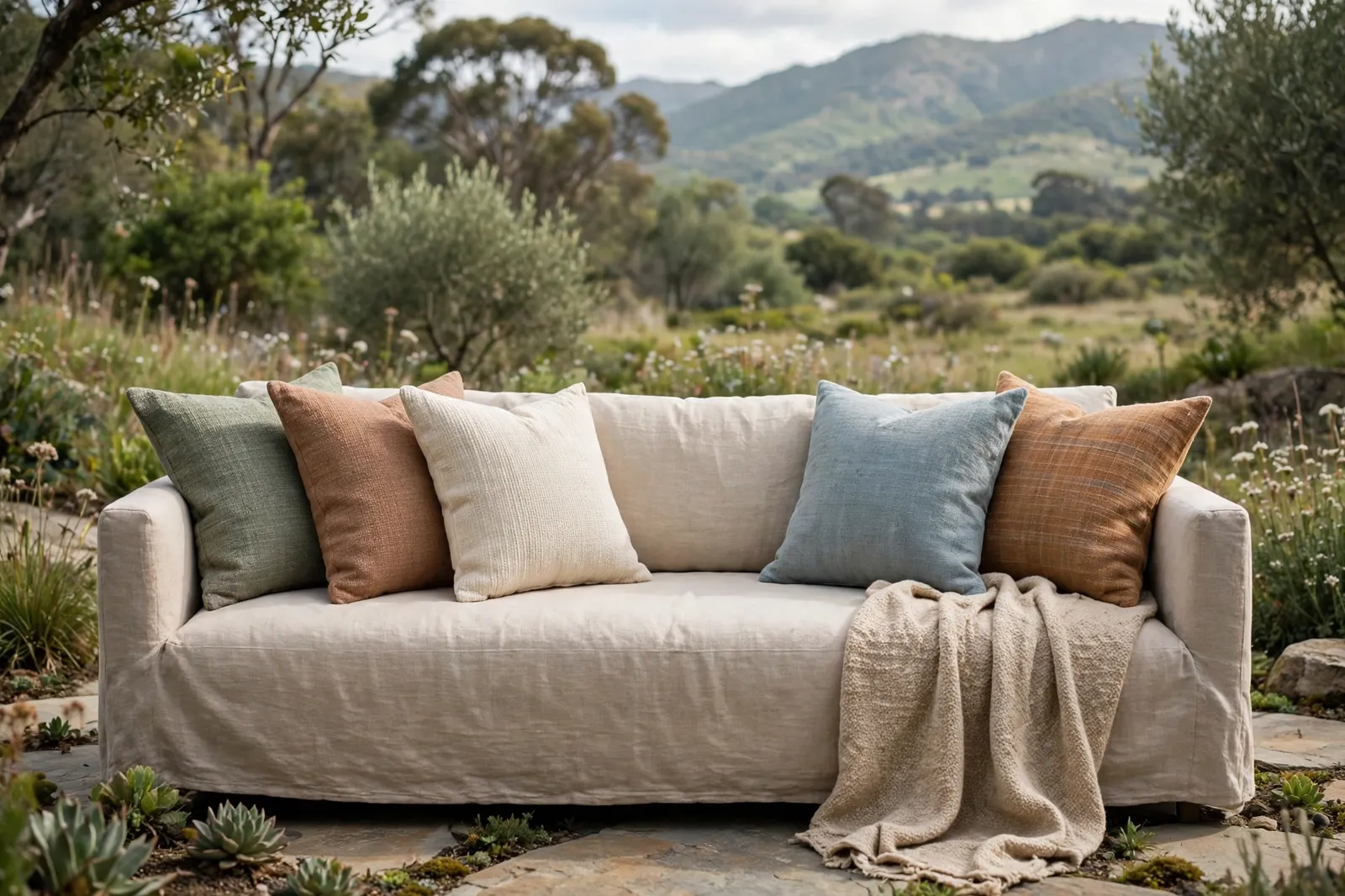
You do not need a new set of pillows for every season — just keep a small stash of covers and swap them out. Light, bright covers in spring and summer, warm and deep colors in fall and winter. A couple of covers take up no space in a closet, and the swap takes five minutes.
Seasonal swaps are also the cheapest way to try a new trend without committing to it. Want to try sage green or terracotta? Buy one cover, not a whole set. If you love it, keep it; if not, it goes back in the closet and you are only out a few dollars. Your sofa stays fresh all year without a big spend.
Frequently Asked Questions
How many throw pillows should I put on a sofa?
For a standard three-seat sofa, five is a good number — three on one side and two on the other. A loveseat looks best with three, and a sectional can handle six or seven. The real rule is to leave enough room to sit comfortably without moving pillows out of the way first.
What size throw pillows look best on a sofa?
Start with 20- or 22-inch pillows at the back of the sofa and layer smaller ones in front, finishing with a lumbar pillow in the center. Bigger sofas can handle bigger pillows, and a good trick is to use an insert one size larger than the cover so the pillow stays plump and full.
Can I mix patterns on throw pillows?
Yes, and it is easier than it looks. Use one large pattern, one small pattern, and one solid, and make sure they share one or two colors. Keeping the pattern scales different is the key — two big, busy patterns will fight each other, while a big one next to a small one looks balanced.
How do I keep throw pillows looking fresh?
Fluff them every day with a quick shake and a punch in the middle, and turn the inserts around once a week so they wear evenly. Most covers can be spot-cleaned or machine-washed on a gentle cycle — just check the label first, and air-dry them so they keep their shape.
Related ideas
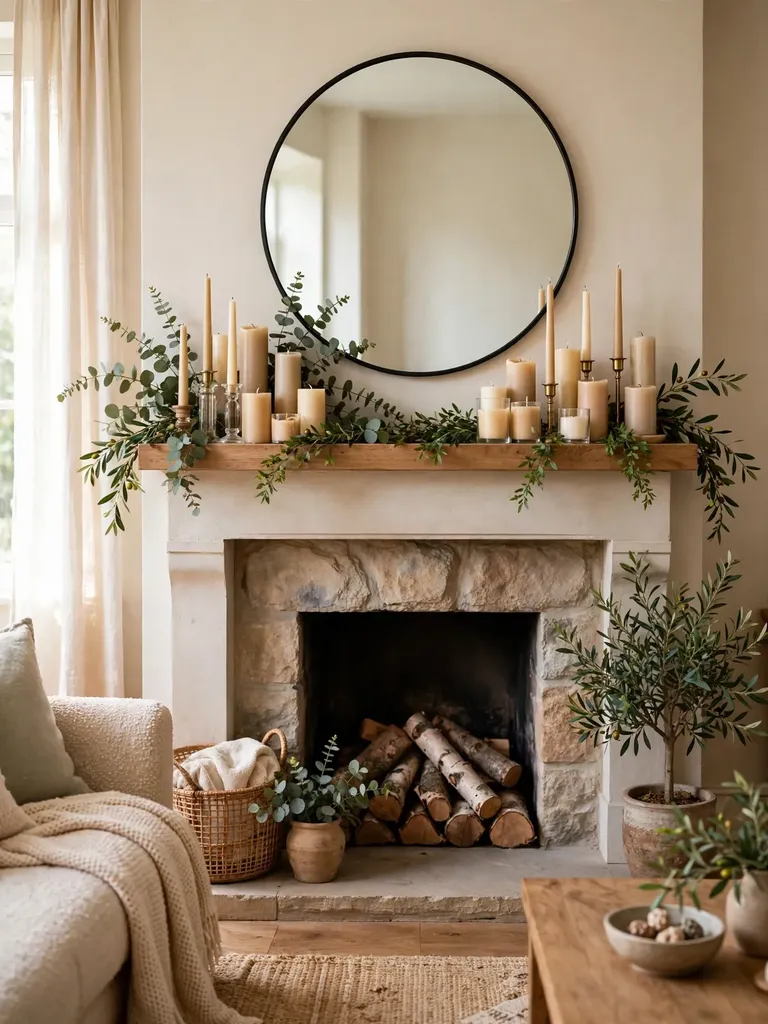
If you liked these pillow ideas, Coffee Table Styling Ideas That Look Designer-Approved will help you finish the rest of the seating area, since a styled coffee table and a well-dressed sofa go hand in hand. Neutral Living Room Ideas That Never Go Out of Style is a good next read if you want a calm base to build your pillow colors on, and Cozy Living Room Ideas for a Warm and Inviting Space shows how pillows, throws, and lighting work together to make the whole room feel warmer. You might also like How to Decorate a Living Room With High Ceilings and How to Style a Fireplace Mantel for Every Season.