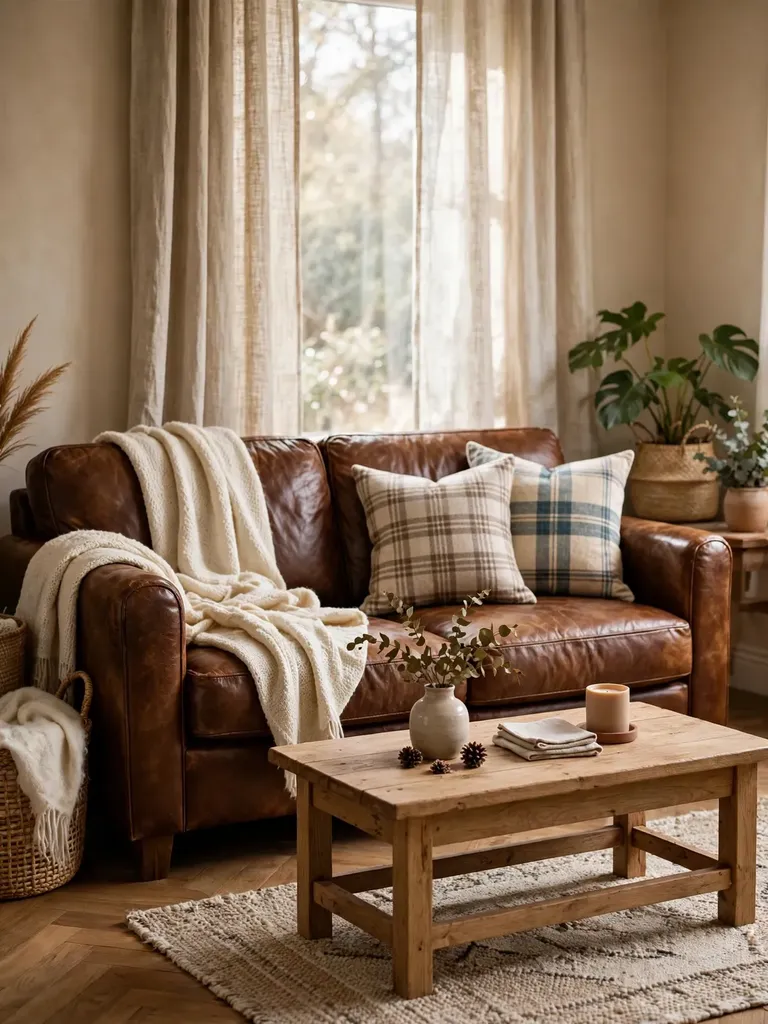
How to Style a Fireplace Mantel for Every Season
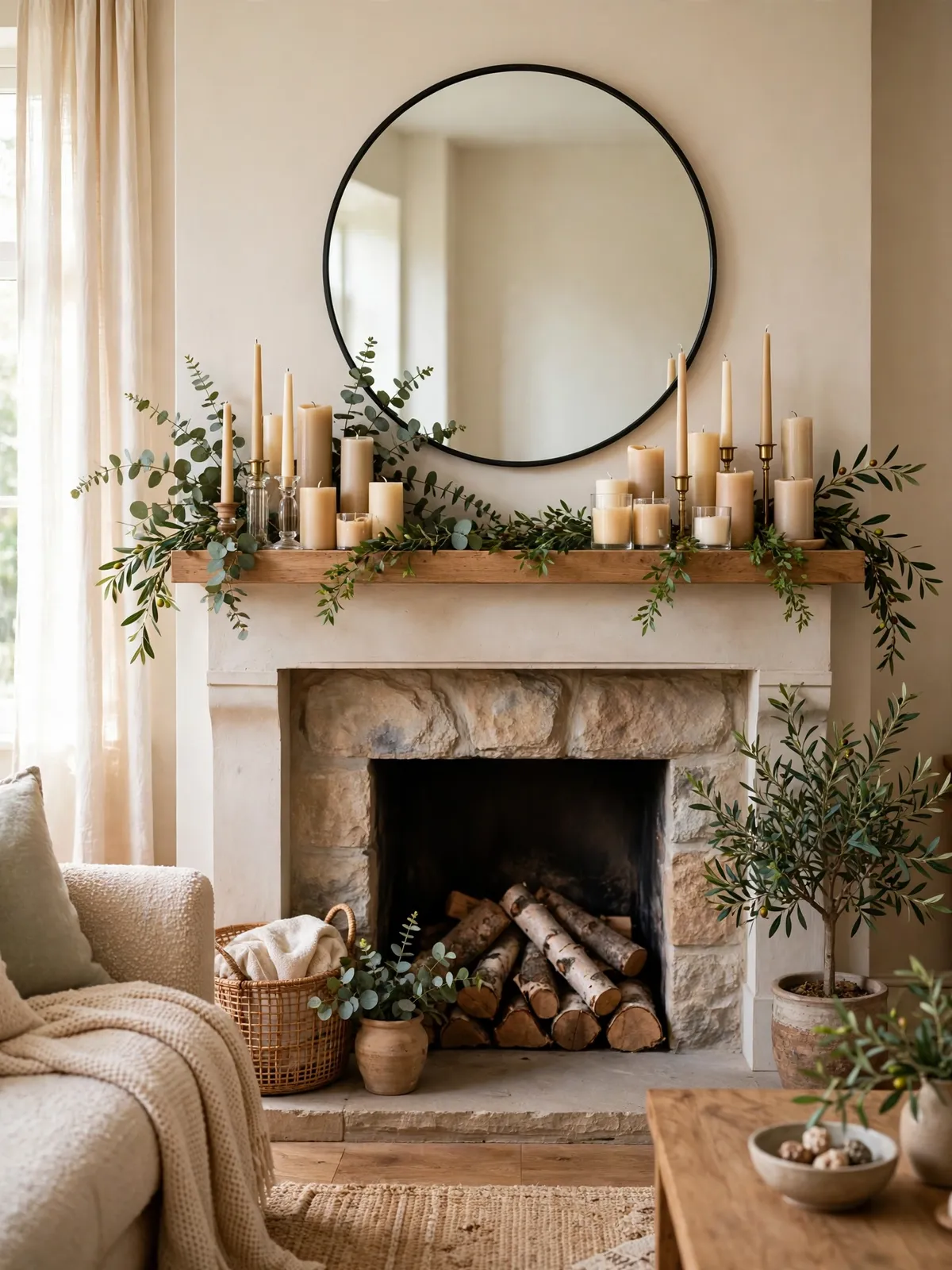
A fireplace mantel is the first thing most people notice when they walk into a living room. It sits at eye level, it frames the fire, and it sets the tone for everything around it — the sofa, the throw pillows, and the art on the walls. In a room with high ceilings, the mantel matters even more, because it is the piece that ties the lower half of the room to all that tall, empty wall above it.
The good news is that styling a mantel is not hard, and you do not need to buy new decor every few months. One of the most common decorating mistakes is filling the mantel with too many small things at once, which only makes the whole wall look busy and cluttered. This guide shows you how to pick one strong anchor piece, layer in a few things you love, and swap small pieces with the seasons — so your mantel looks fresh all year without a big budget or a full redo.
1. Start With One Anchor Piece
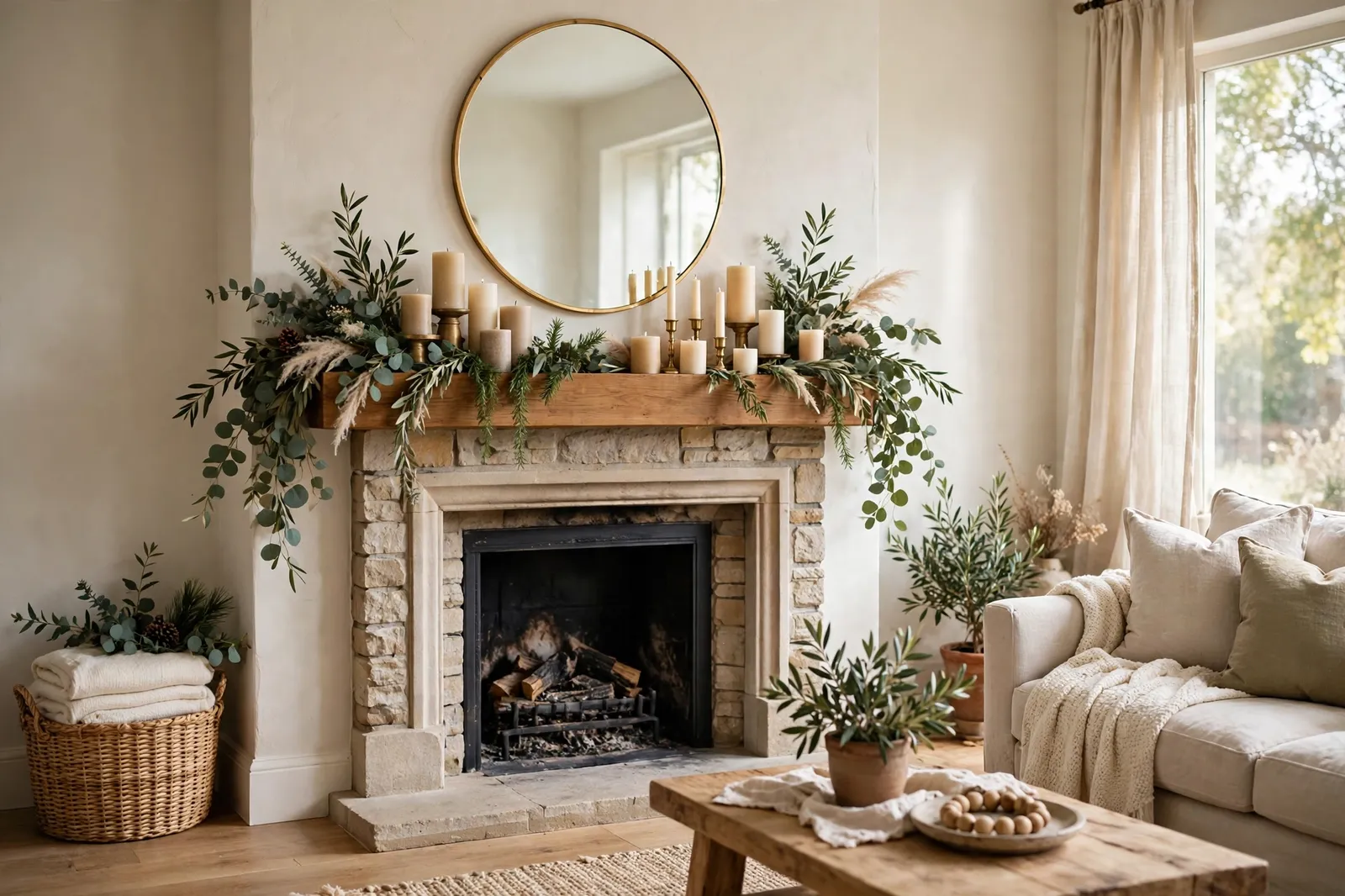
Every good mantel starts with one piece that anchors the whole display. That is usually a mirror, a large framed print, or a clock that is big enough to hold its own against the wall above it. Hang it or lean it in the center, and let it be the tallest thing on the mantel — everything else you add should sit lower than it, so the eye has one clear place to land first.
Pick an anchor that fits the width of your fireplace. A good rule is to choose a piece about two-thirds as wide as the mantel itself — wide enough to feel steady, but with a little breathing room on each side. If the anchor is too small, the mantel looks empty no matter what else you add; if it is too big, it crowds the wall and takes over the room.
2. Layer in Heights and Depths
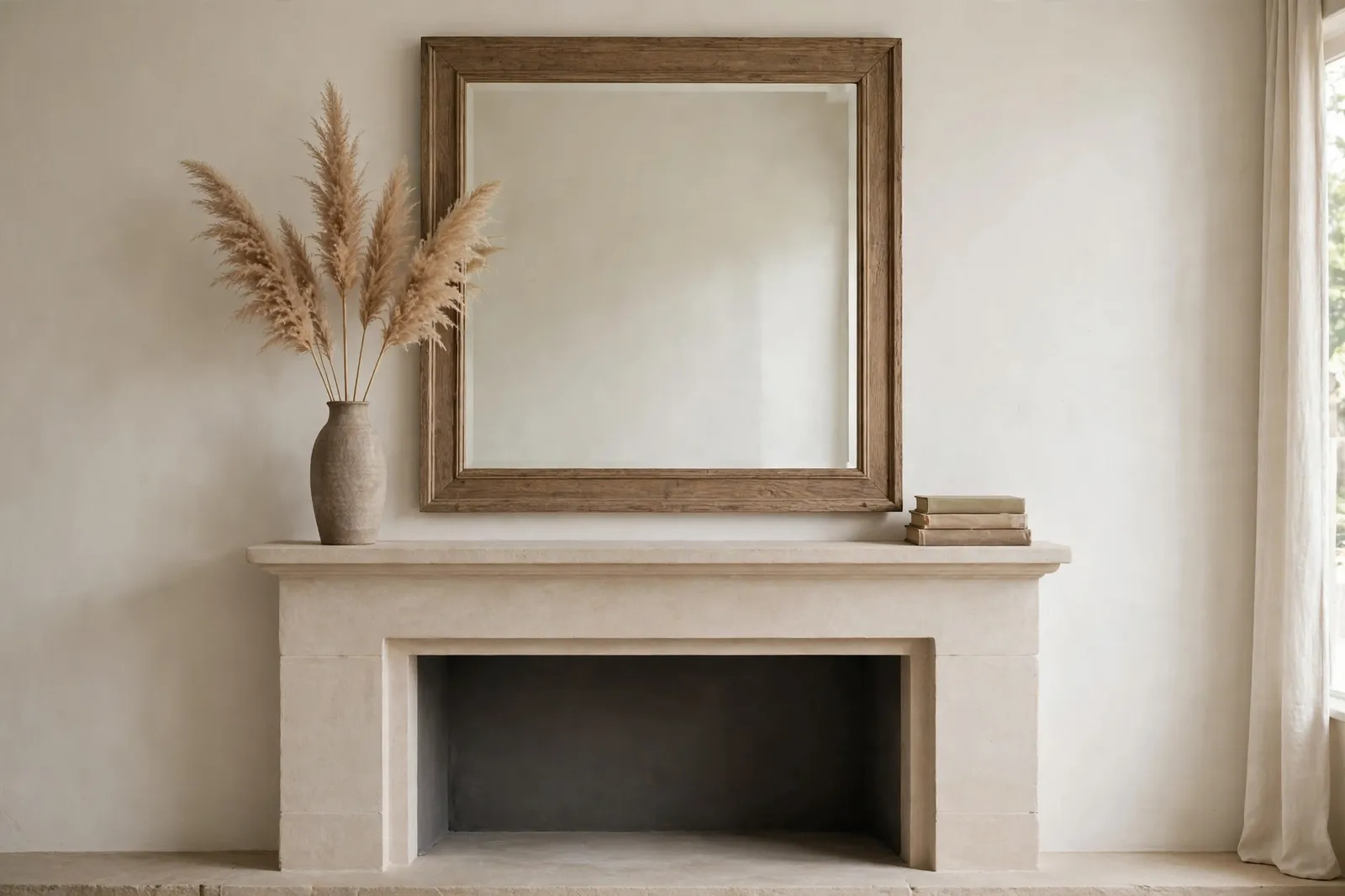
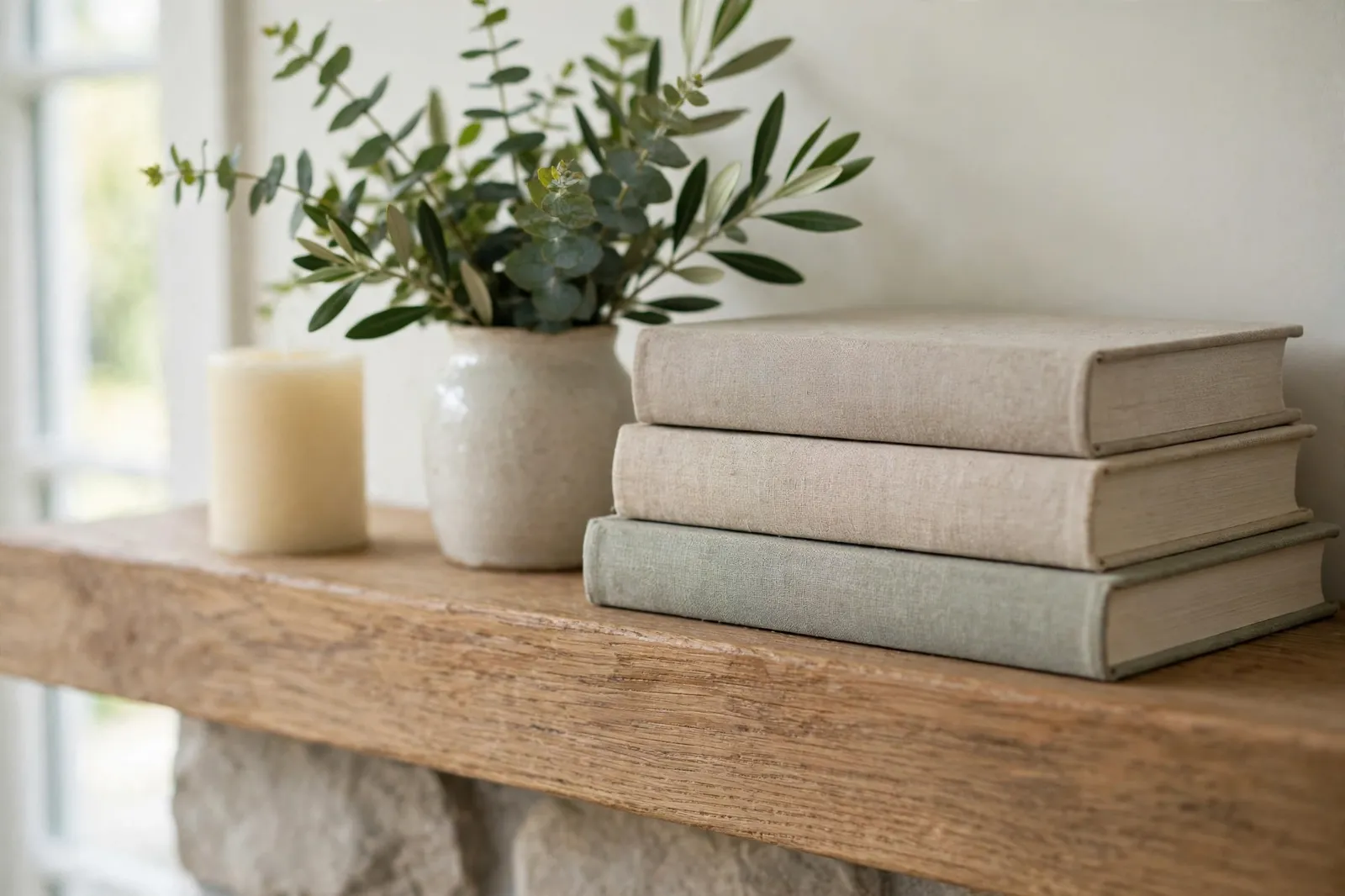
Once the anchor is in place, add pieces in front of it and beside it at different heights. A tall vase on one side, a short stack of books on the other, and a small framed photo in front of the mirror — that mix of tall, medium, and low is what makes a mantel look styled instead of lined up like a shelf. Think in layers, with taller pieces at the back and shorter pieces toward the front, so you can see a bit of everything.
Odd numbers help here. Three candlesticks grouped together look better than two, and five small pieces spread across the mantel look calmer than six lined up in a row. Leave a little empty space between groups, too. A mantel with room to breathe looks calm and finished, while one packed edge to edge just looks crowded.
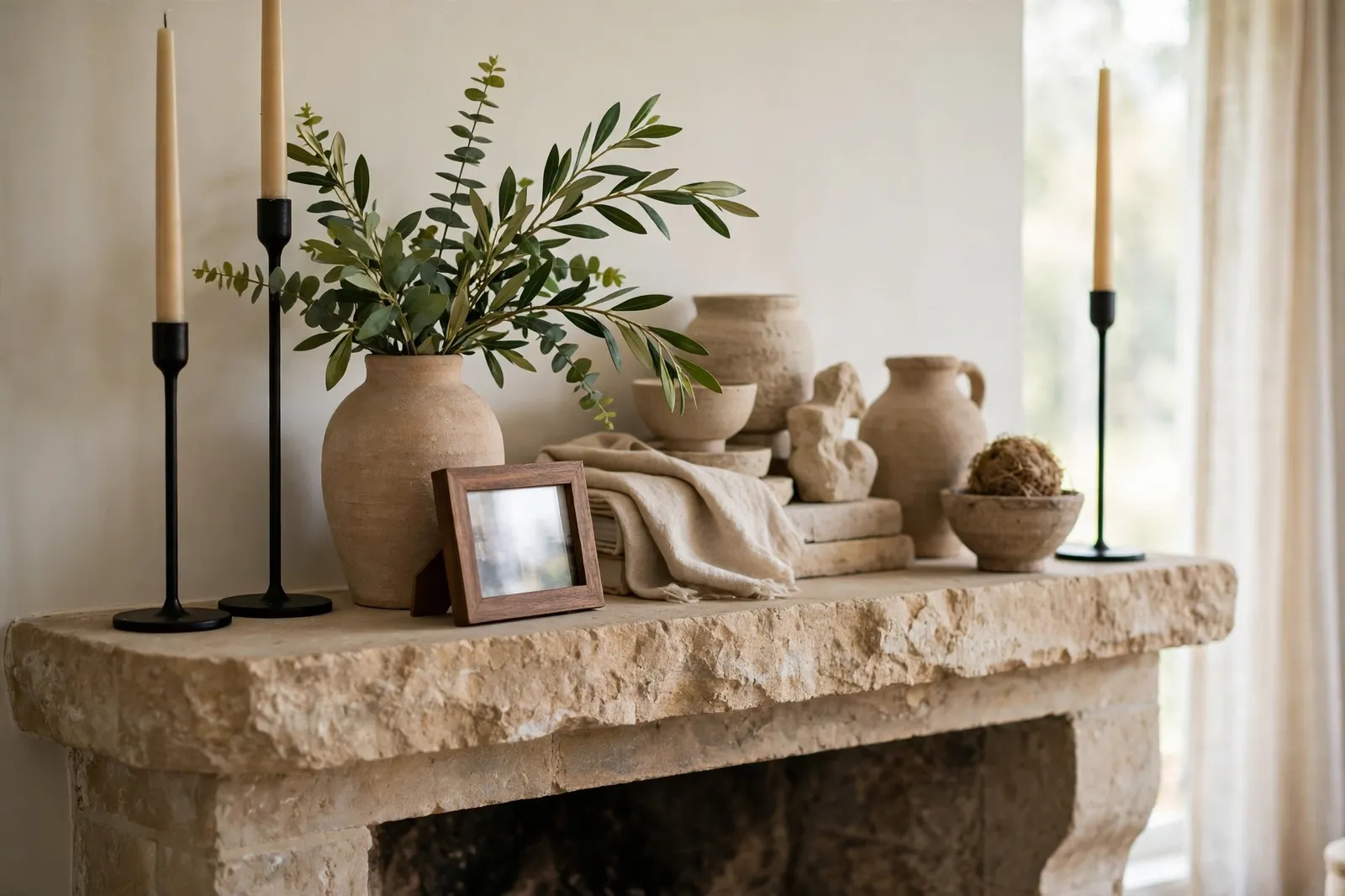
3. Keep It Balanced, Not Perfectly Matched
A mantel does not need to be a mirror image of itself. You can put a tall vase on the left and a stack of books with a small plant on the right, and as long as the two sides feel about the same weight, the mantel looks balanced. This loose kind of balance feels relaxed and lived-in, which suits most living rooms better than perfect symmetry.
If your room is more formal, or the fireplace sits in the middle of a long wall, a matched pair can work well — two matching candlesticks, one on each end, with the anchor in the middle. Just do not match everything. When every piece has a twin, the mantel starts to look like a store display instead of a real home.
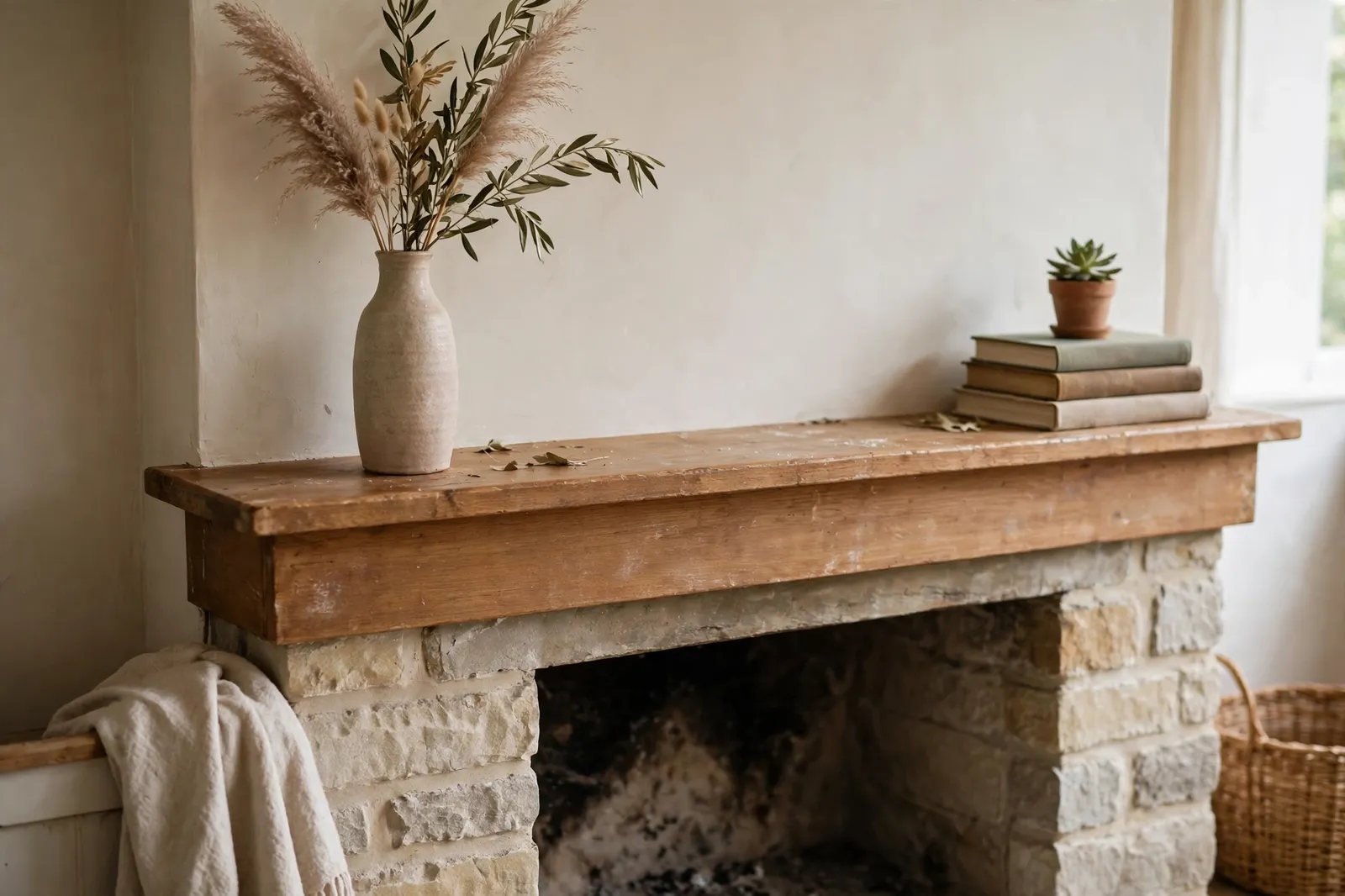
4. Pick a Color Palette That Works With the Room
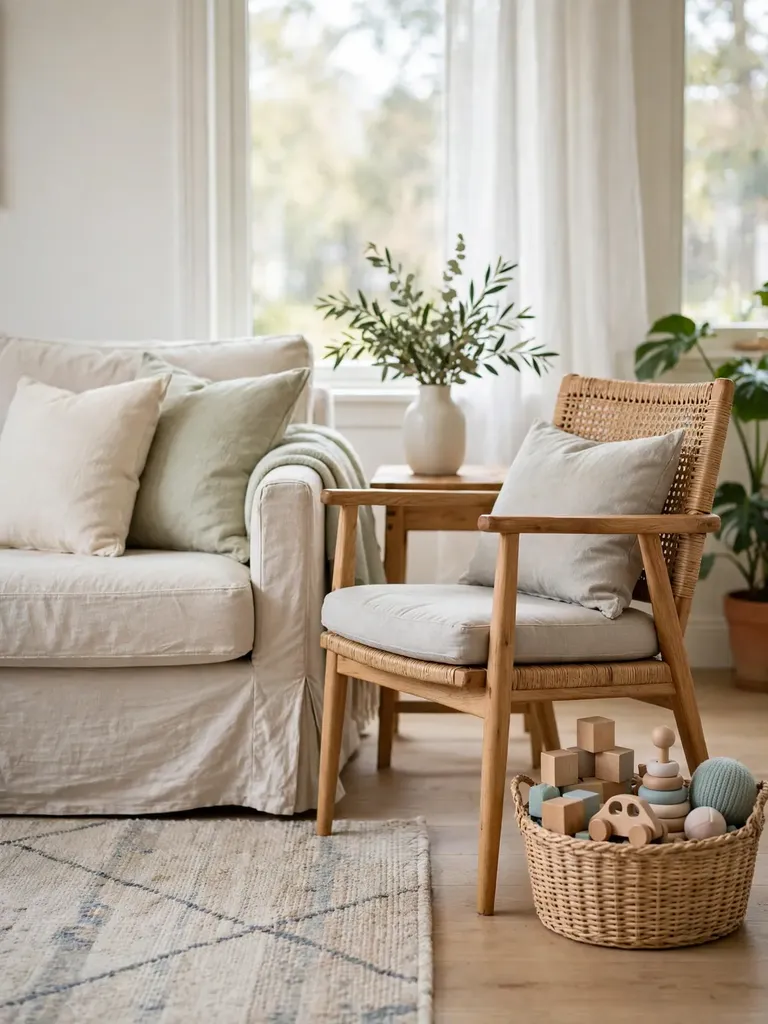
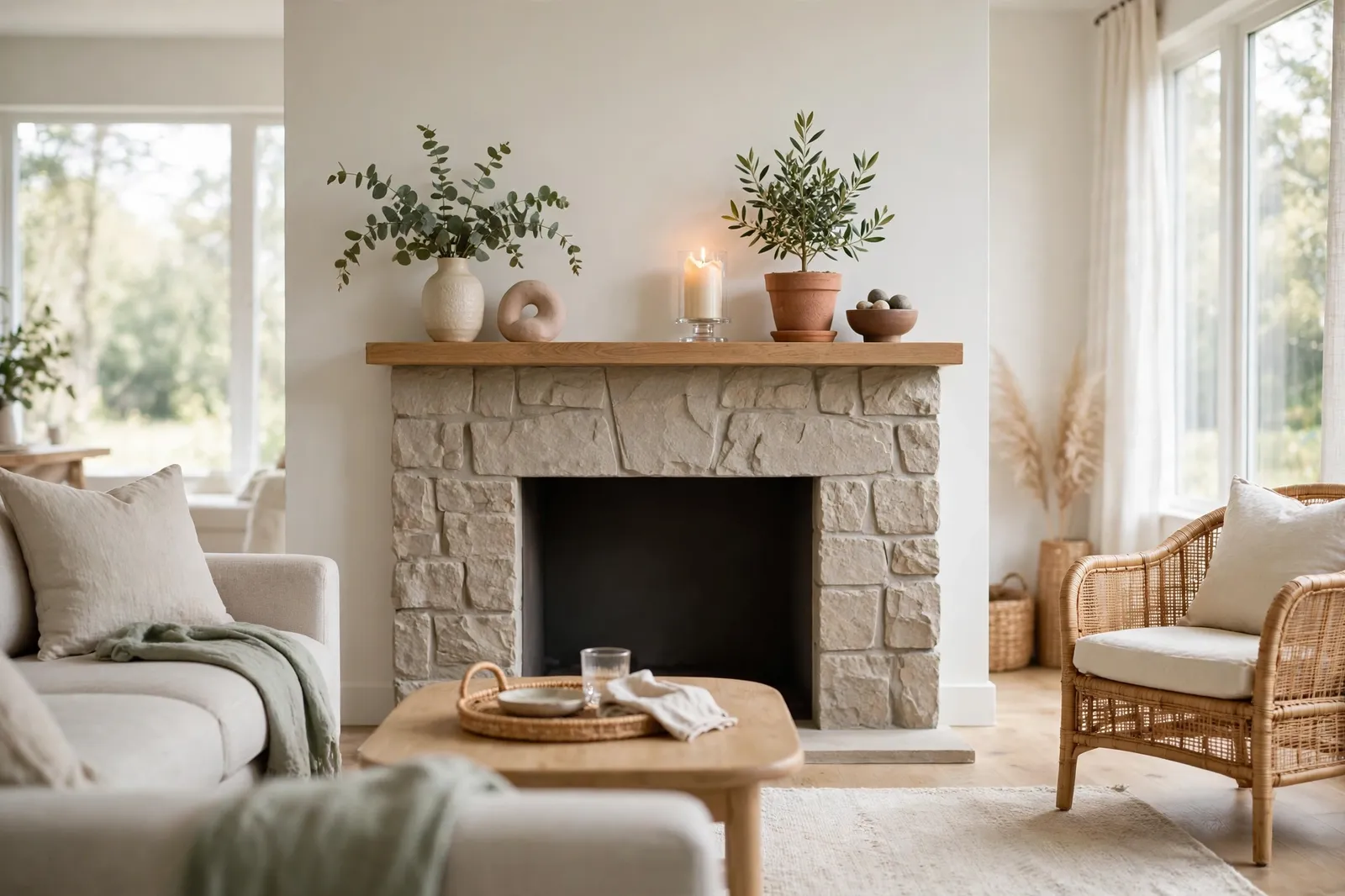
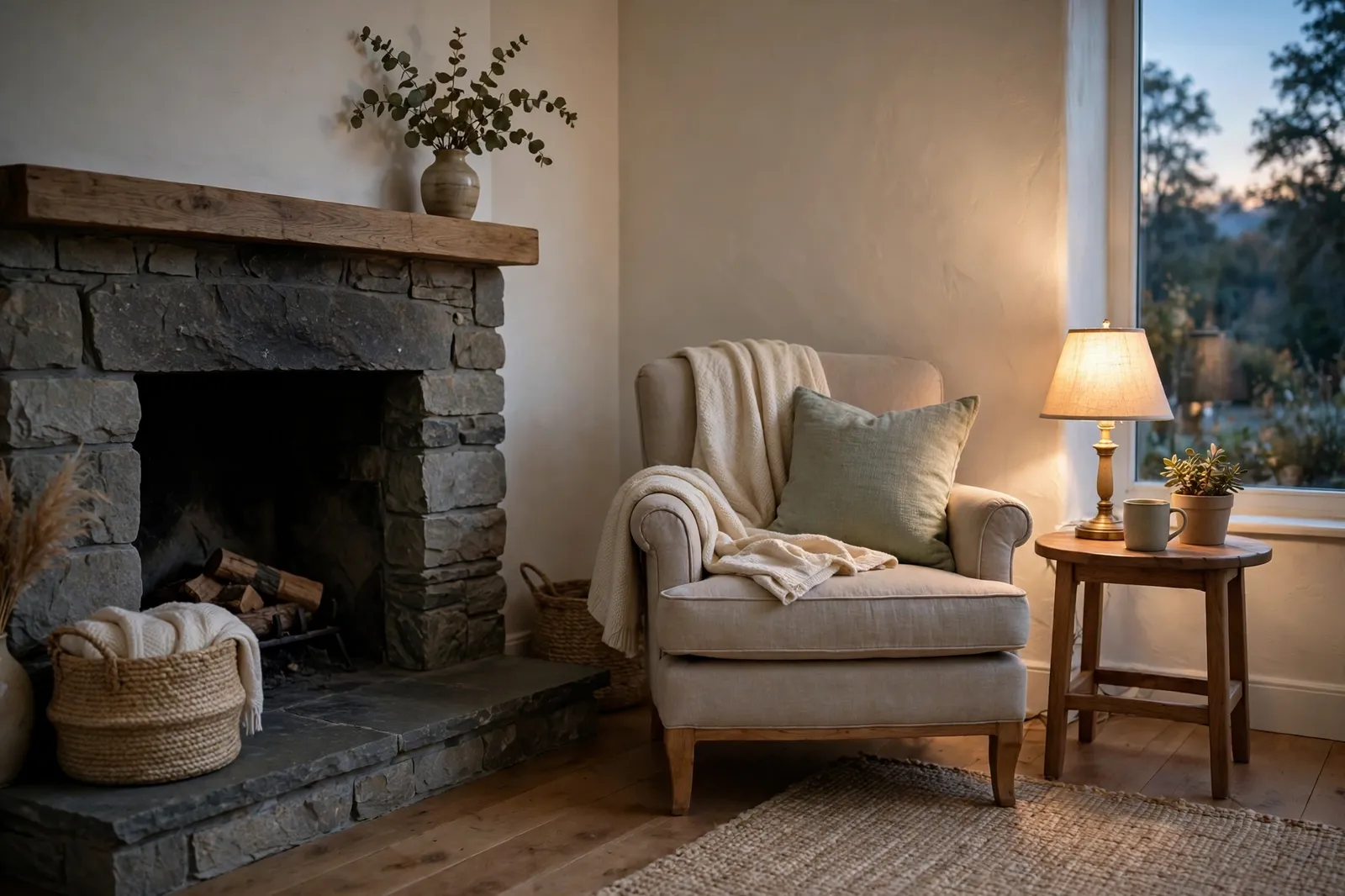
Your mantel should borrow its colors from the rest of the room, not fight with them. Look at the rug, the curtains, and the throw pillows on the sofa, and pick two or three of those colors to repeat on the mantel. A cream vase, a wood frame, and a touch of green from a plant will tie the whole room together without you having to buy anything new.
If you like to mix pillows and swap them with the seasons, use the mantel the same way — keep the big pieces neutral and let the small, cheap pieces carry the color. A set of sage green candle holders in spring can swap for warm amber ones in fall, and the mantel still matches the room because the base colors never change.
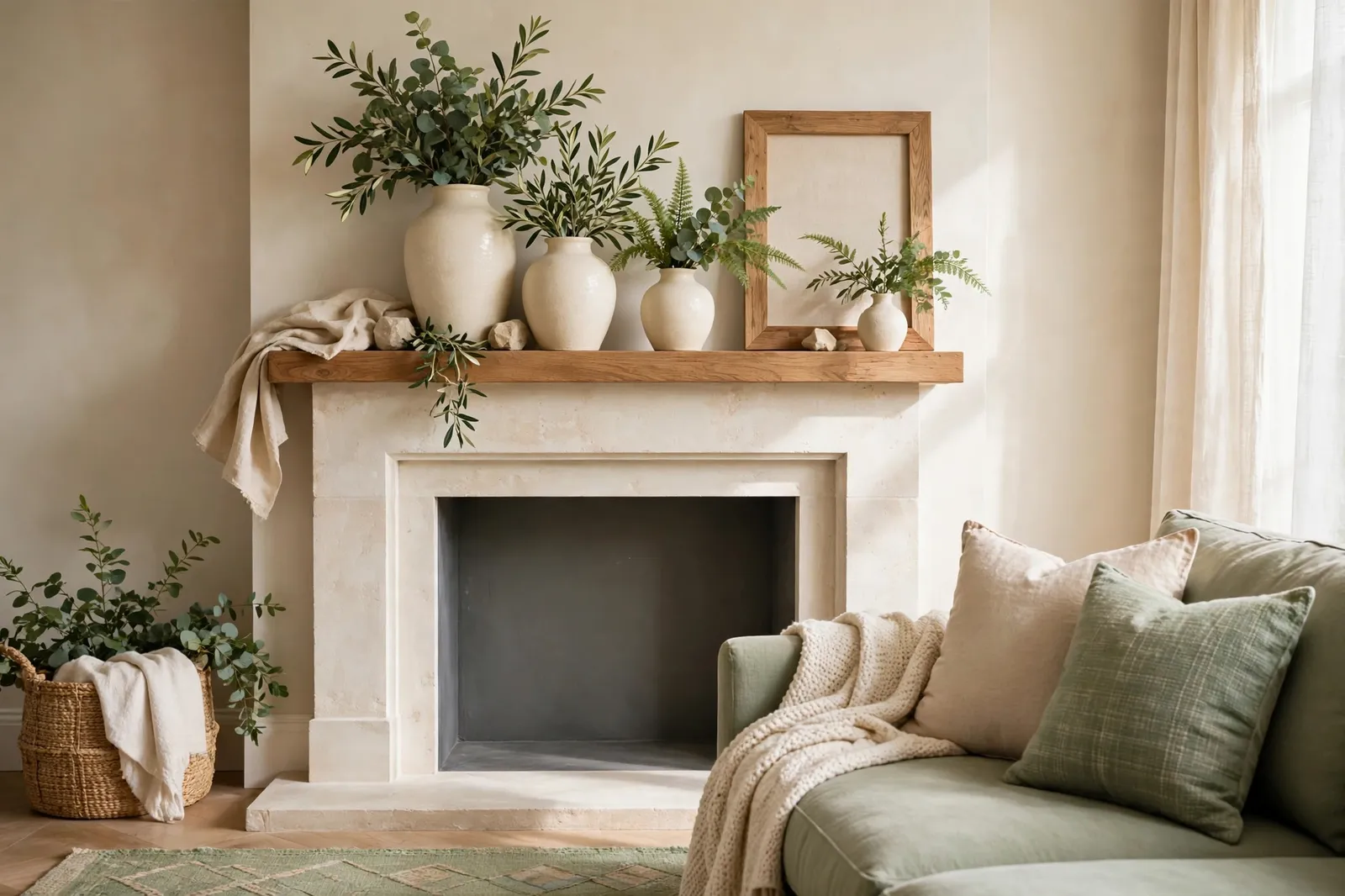
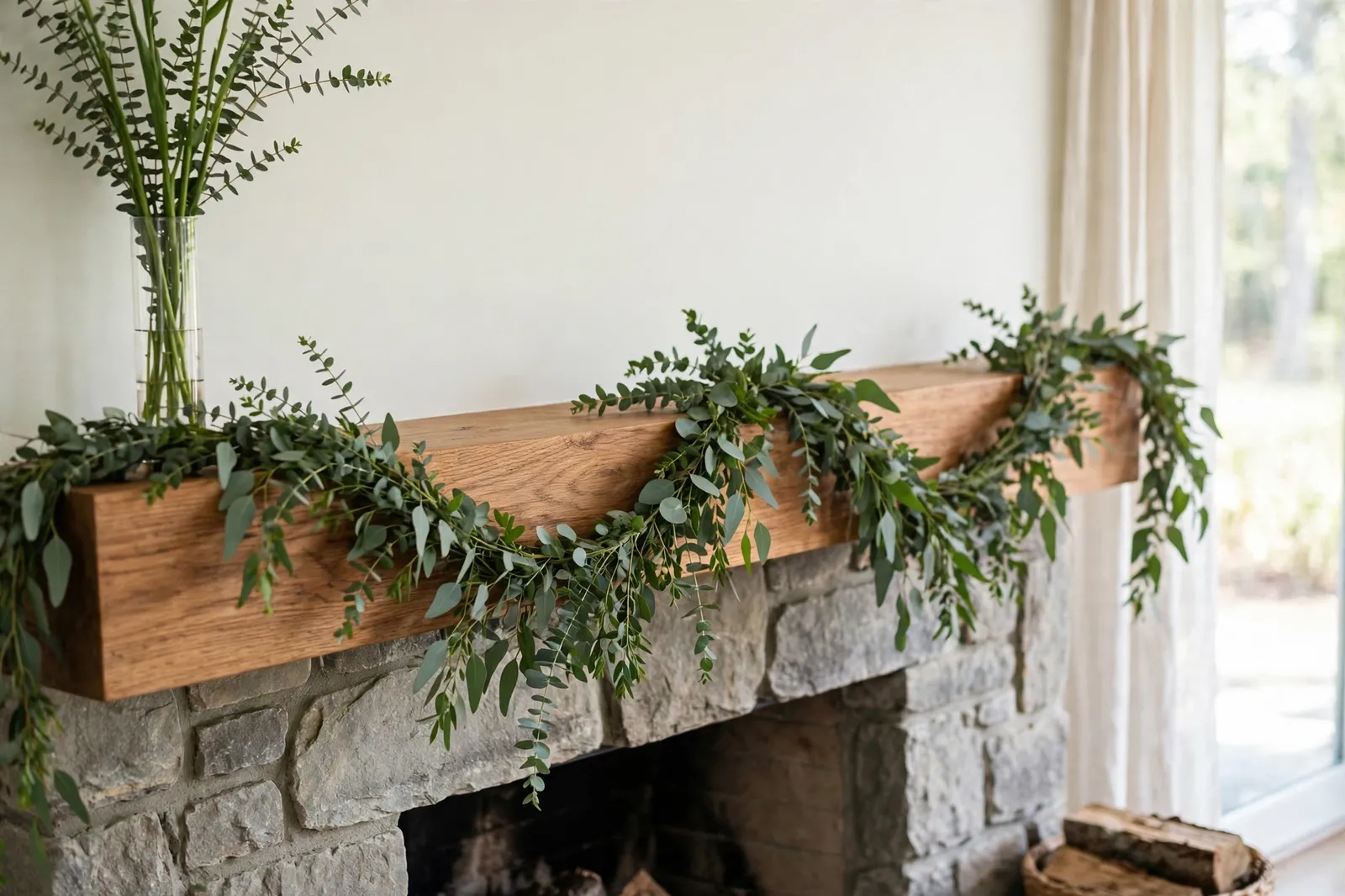
5. Add Greenery You Can Swap Out
Greenery is the easiest way to make a mantel feel alive. A simple garland draped across the mantel, a eucalyptus stem in a tall vase, or a small potted plant on one end adds color and softness that no candle or frame can. Fresh greenery is best when you have it, but good fake stems work fine too — just pick ones that look soft and natural, not shiny or plastic.
The trick is to treat greenery as the piece you change most often. Swap a spring garland for a leafy summer branch, then for dried stems in the fall, and you have a new look in five minutes. Greenery also fills the gaps between hard pieces like frames and candlesticks, so the whole display feels softer and more natural.
6. Use Candles and Soft Light
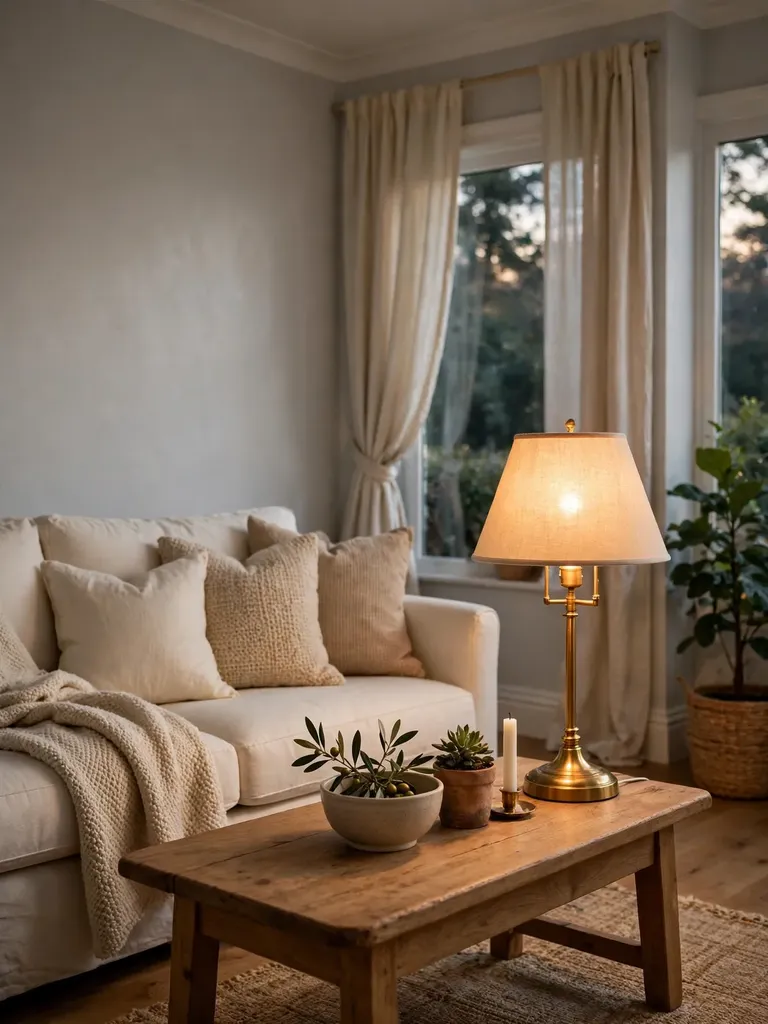
Candles do more for a mantel than almost anything else, especially in the evening. A few pillar candles in different heights, a pair of taper candles in simple holders, or a row of small votives gives the mantel a warm glow and makes the whole room feel cozy. Battery candles work just as well if you have kids or pets, and you can put them on a timer so they light up on their own each night.
Keep candles grouped, not spread out one by one across the whole mantel. A cluster of three on one side, balanced by a plant or a stack of books on the other, looks much better than a single candle in the middle of nowhere. And always leave a little space around them — candles need room to be seen, and they should never sit right against a frame or a curtain.
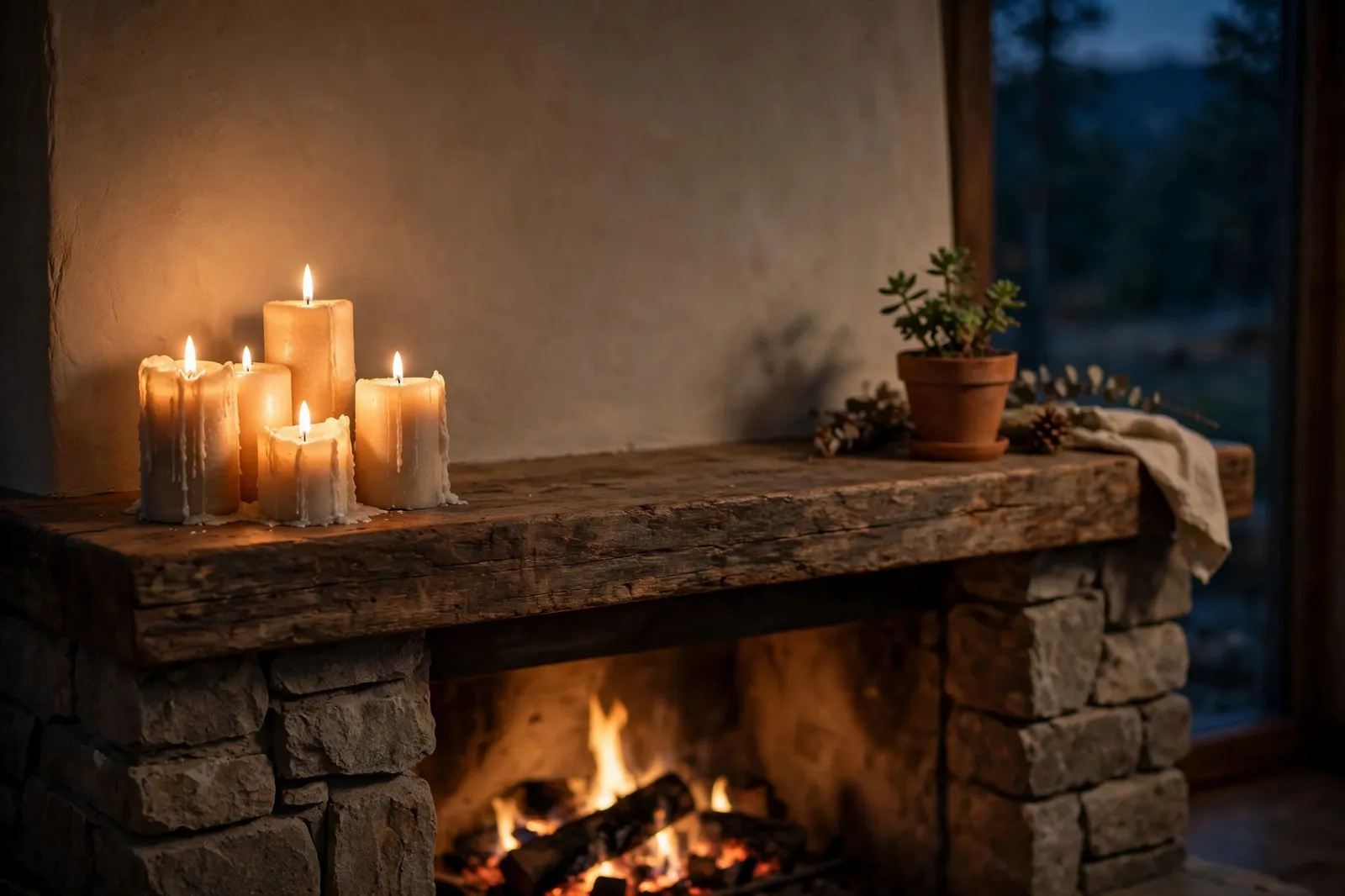
7. Change Small Pieces With the Seasons
The secret to a mantel that looks good all year is to change only the small stuff. In spring, add pale flowers, a light garland, and a soft pastel accent or two. In summer, keep it simple — a vase of fresh-cut stems, a light wood frame, and plenty of empty space so the room feels cool and open. The anchor piece and the big items stay right where they are.
Fall is the time for warm color: dried leaves, small pumpkins, amber glass, and a cozy throw draped nearby. For winter and the holidays, swap in pine garland, white candles, and a few simple ornaments or pinecones, then take the holiday pieces down in January and go back to plain greenery. Four small swaps a year is all it takes, and each one costs very little.
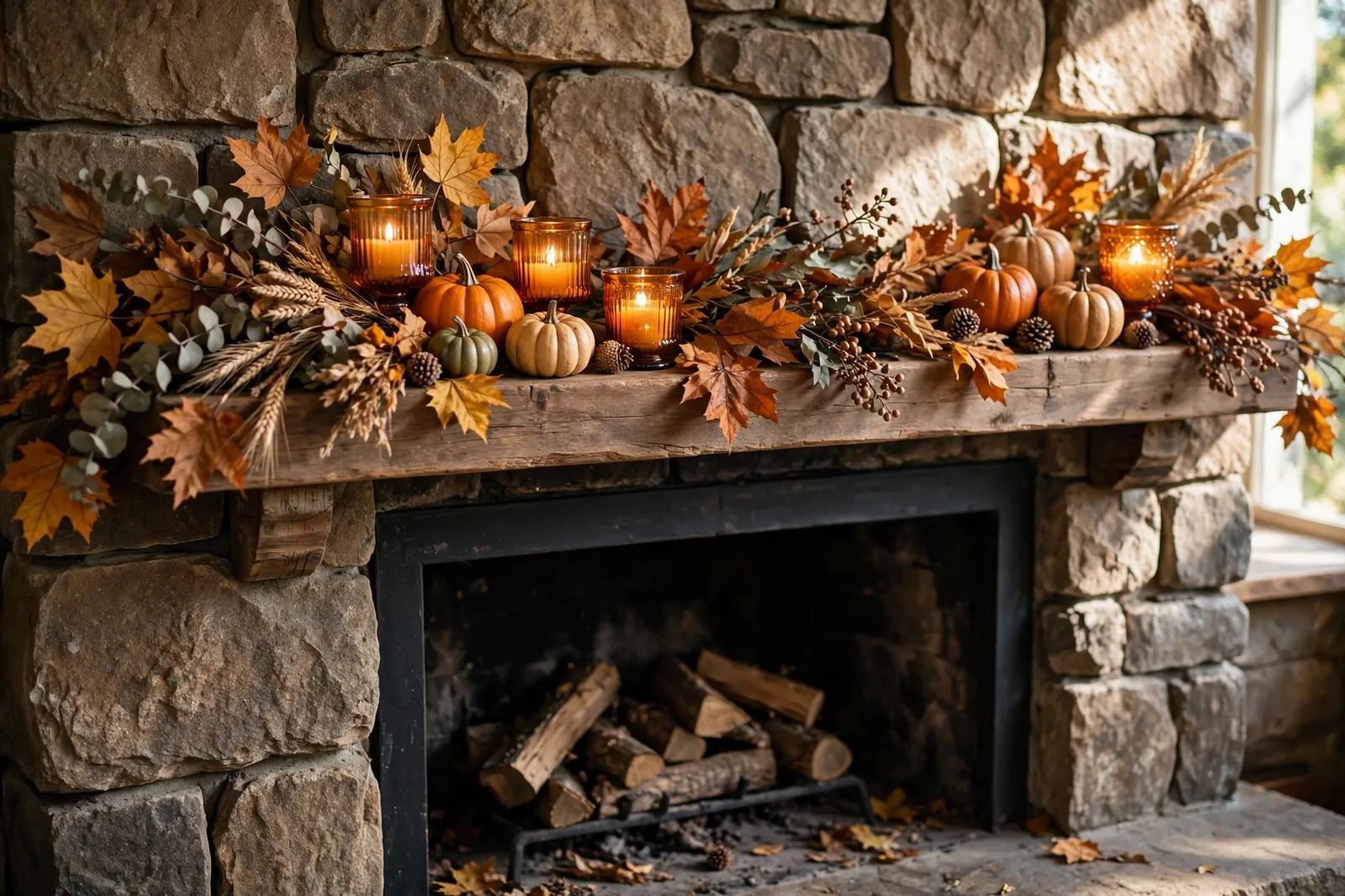
8. Style for the Size of Your Room and Wall
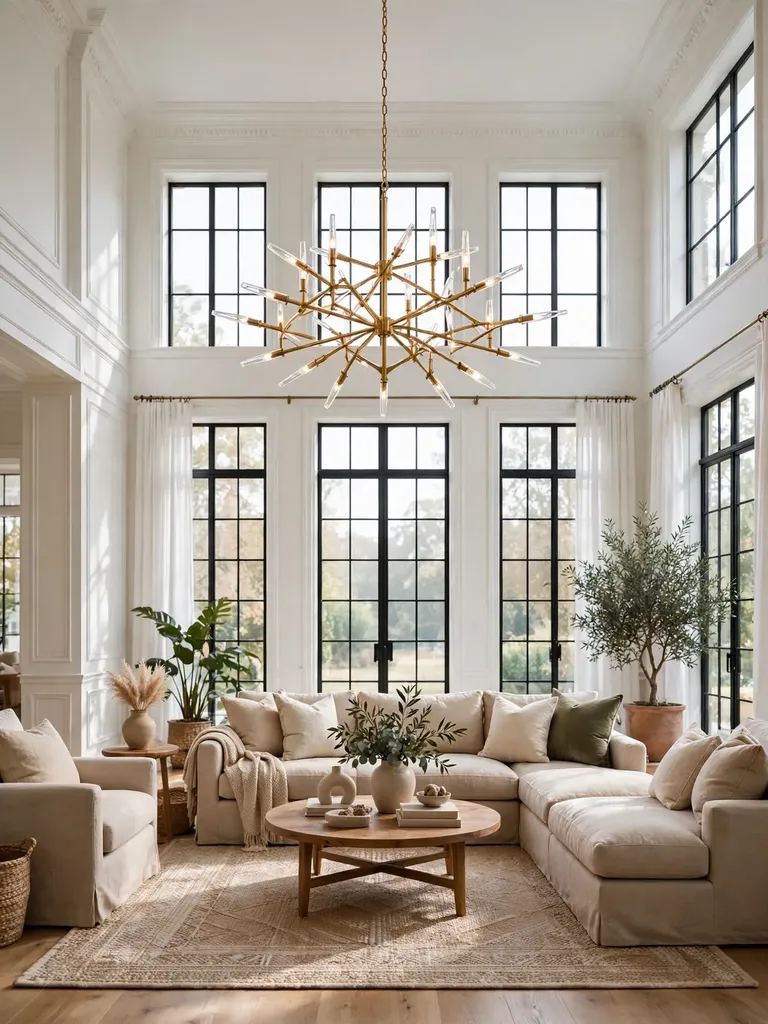
A mantel should fit the room it is in. In a room with tall walls and a high ceiling, small decor gets lost, so go bigger — a large mirror, tall candlesticks, and a full garland that fills the vertical space above the mantel. A big wall needs big pieces, or the fireplace looks tiny in the middle of all that empty wall.
In a small room, the opposite is true. A few small pieces, a lighter color palette, and some empty space keep the mantel from taking over. One of the easiest decorating mistakes to avoid here is piling on too much — a crowded mantel can make a small room look smaller and feel cramped, while three or four well-chosen pieces keep it open and calm.
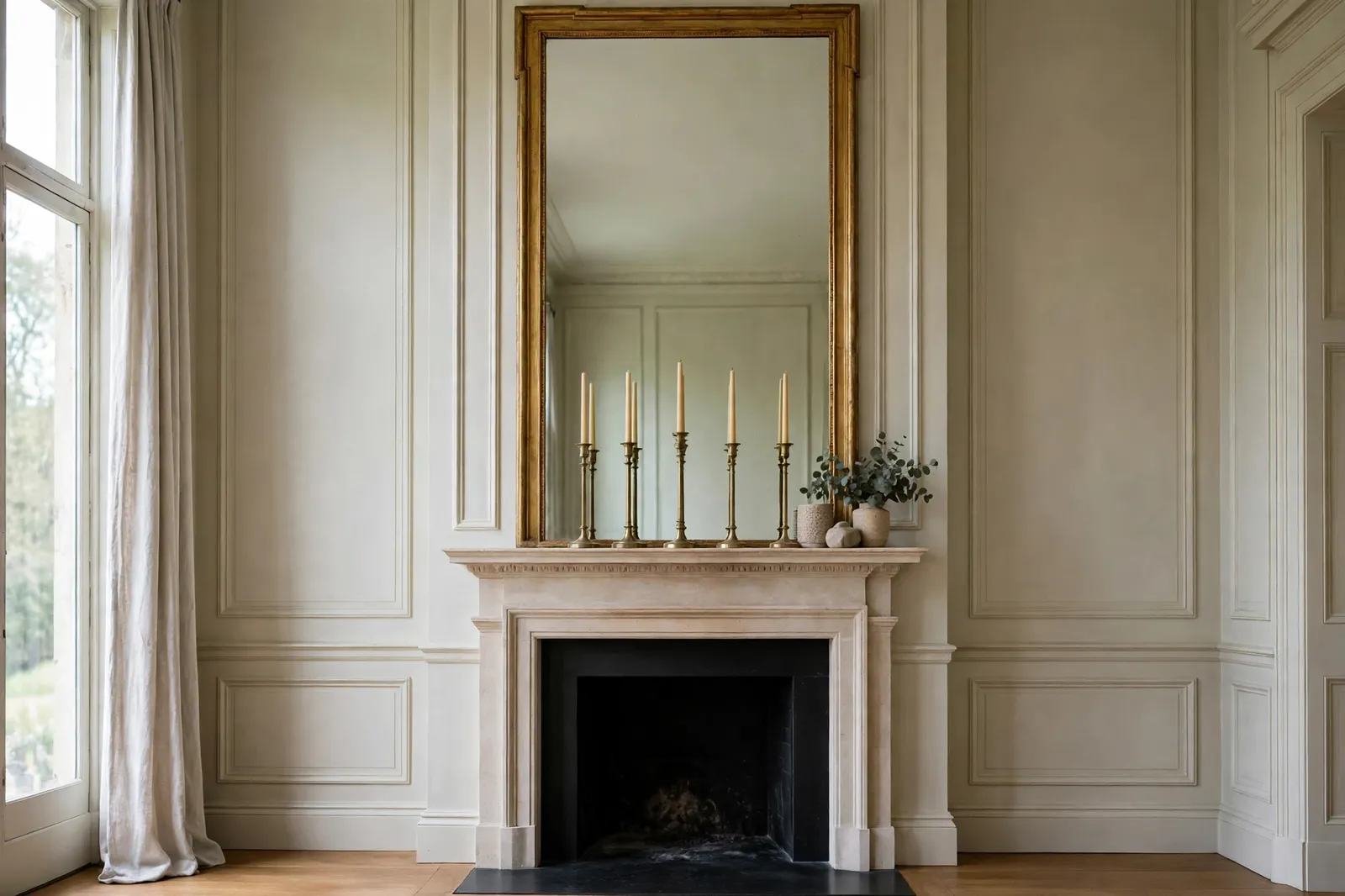
9. Refresh It in Minutes Without Starting Over
You do not need a full redo every time the mantel starts to look tired. Take everything off, wipe the surface clean, and put back only the pieces you still love — the anchor, one or two favorites, and one new thing, like a fresh plant or a candle in a new color. A quick reset like this takes ten minutes and often looks better than the display you started with.
Make it a habit to step back and look at the mantel from across the room before you call it done. If one side feels heavy, move a piece to the other side. If it feels bare, add one small thing, not five. Small tweaks like these keep your mantel looking fresh all year, and they cost nothing at all.
Frequently Asked Questions
How do I style a fireplace mantel without it looking cluttered?
Start with one anchor piece, then add only three to five more items in groups of different heights. Leave empty space between groups and step back to check the whole display — if you cannot see each piece clearly, take one thing away. Less really is more on a mantel, and a few well-chosen pieces always look better than a crowded shelf.
What should I put on my mantel for each season?
Keep the anchor piece and the big items the same all year and swap only the small accents. Use fresh flowers and light colors in spring, simple greenery in summer, dried leaves and warm tones in fall, and pine garland with white candles for winter and the holidays. Four small swaps a year keep the mantel fresh without a big budget.
How big should a mirror or art piece be above a mantel?
Pick a piece about two-thirds as wide as the mantel and tall enough to fill some of the wall above it. It should be the tallest thing on the mantel so the eye lands on it first. In a room with a high ceiling, go bigger — a small mirror over a wide fireplace will look lost on a tall wall.
Can I style a mantel if I never use the fireplace?
Yes, a mantel works just as well as a display shelf even if the fireplace never gets lit. Use battery candles instead of real ones, lean art against the wall, and fill the firebox with a basket of logs, a stack of books, or a large candle cluster. The mantel still anchors the room, and you get all the style without any of the upkeep.
Related ideas
Your mantel does not have to carry the whole room on its own. Living Room Wall Decor Ideas for Every Style will help you fill the wall around the fireplace, Coffee Table Styling Ideas That Look Designer-Approved shows you how to tie the mantel into the rest of the seating area, and Neutral Living Room Ideas That Never Go Out of Style is a good fit if you want the whole room to stay calm and classic while the mantel changes with the seasons. You might also like Living Room Throw Pillow Ideas That Actually Look Good Together and Living Room Ideas for Families With Kids and Pets.