How to Add Warmth to a Living Room With Gray Walls
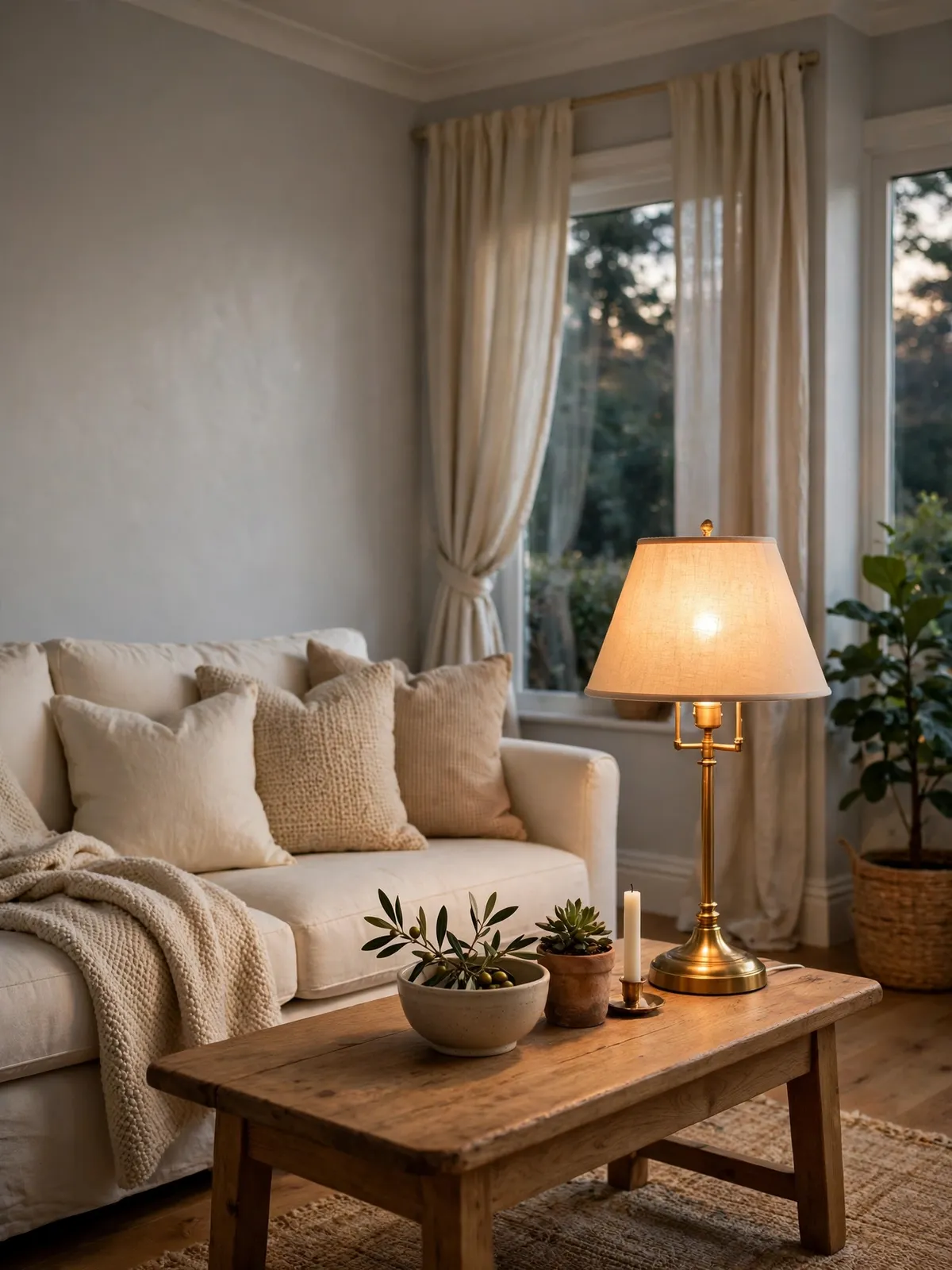
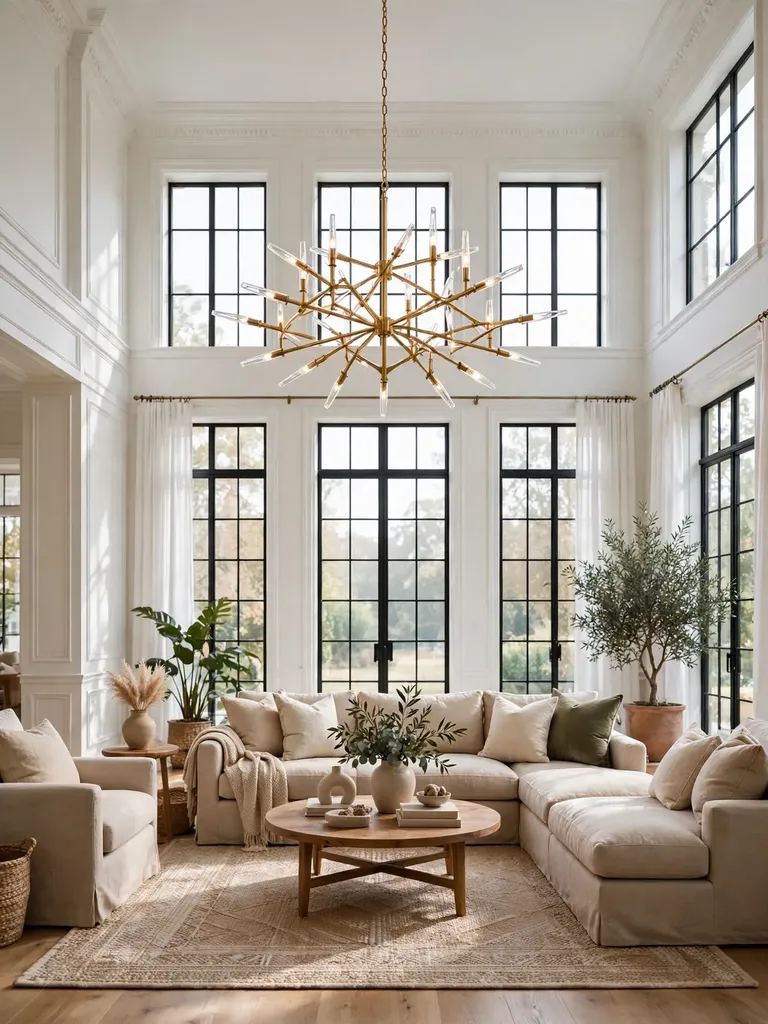
Gray walls look clean and modern, but they can also make a living room feel cold and a little bare. If your room feels more like a showroom than a place to relax, the walls are probably not the problem — it is everything around them. Gray is a great backdrop, it just needs warm things next to it to feel like home.
The fix is simpler than repainting. A wood coffee table, a soft cream throw, a brass lamp, and warm light bulbs can change the whole mood of the room in one afternoon. This guide walks you through nine easy changes, from picking the right warm tones to styling the fireplace mantel and mixing throw pillows, so your gray living room feels cozy, lived-in, and welcoming for the whole family.
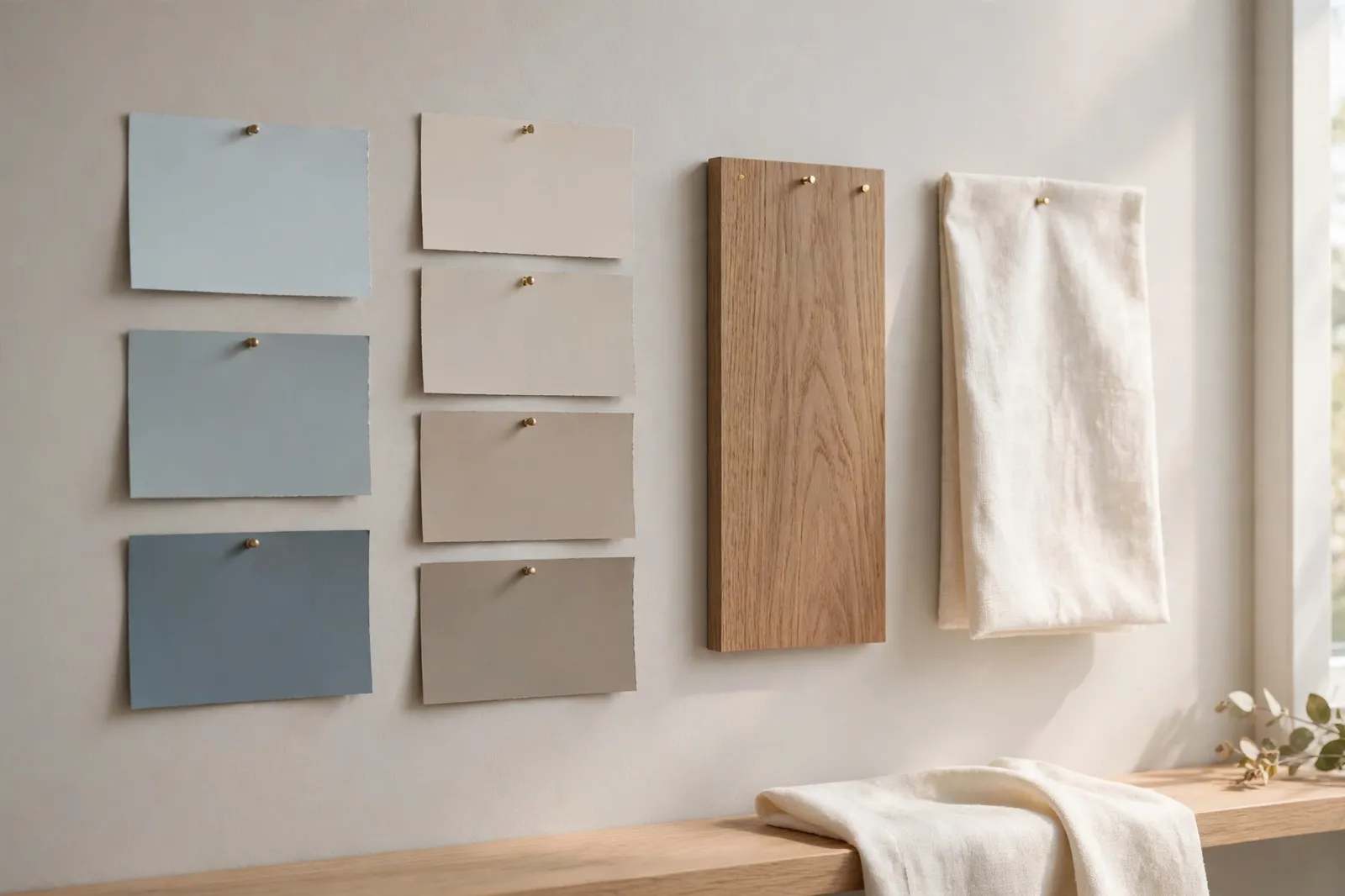
1. Figure Out If Your Gray Is Warm or Cool
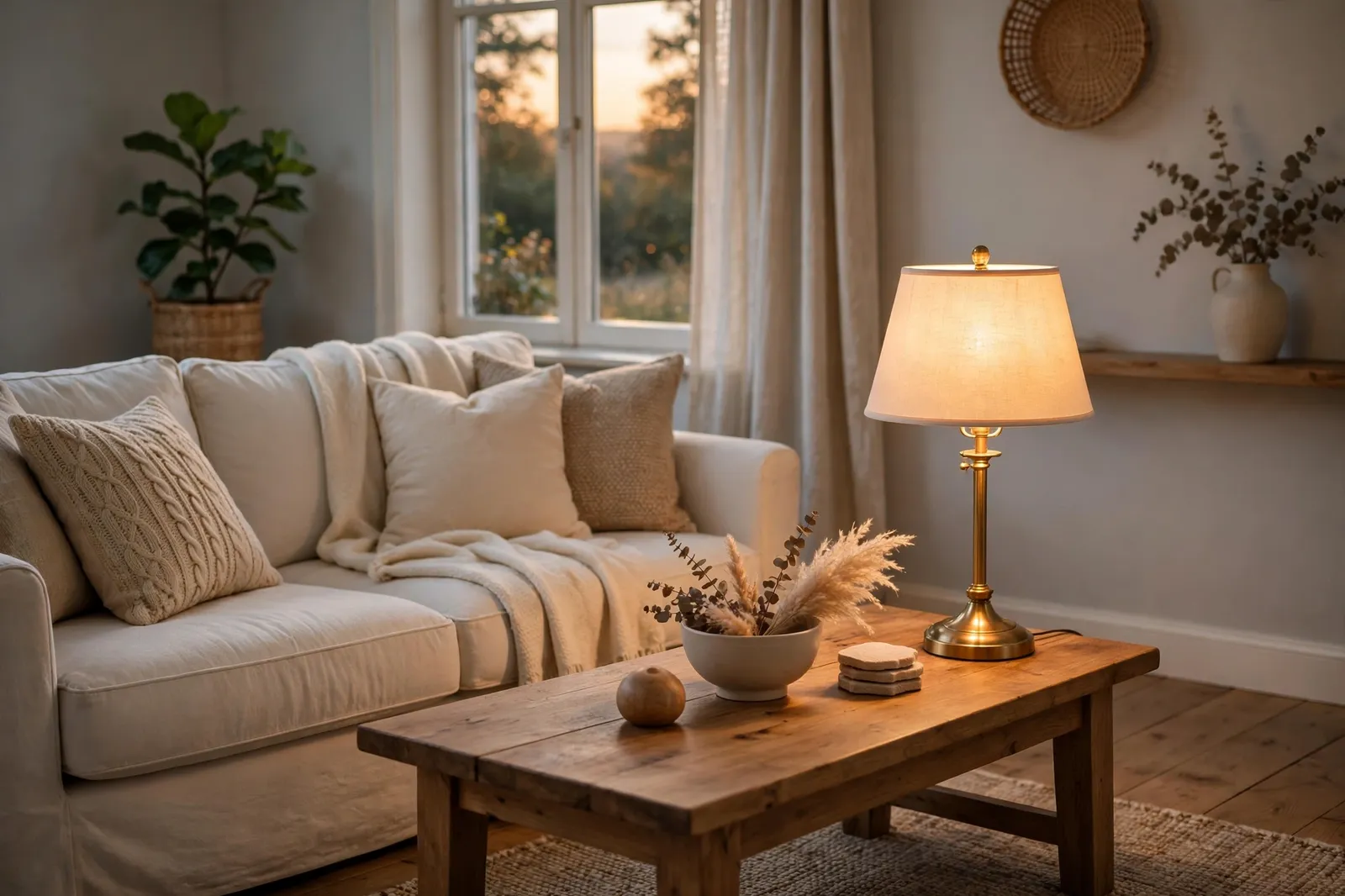
Not all grays are the same. Some lean warm, with a hint of beige or brown in them, and some lean cool, with a touch of blue or purple. Hold a white piece of paper against your wall in daylight and look closely — if the gray looks blue next to the paper, it is cool gray, and it will need more warmth from the rest of the room. If it looks beige or taupe, it is already warm, and you have less work to do.
Knowing this saves you from buying the wrong things. A cool gray room warms up best with honey-toned wood, creamy whites, and brass, while a warm gray already works with most wood tones and soft neutrals. Check your gray first, then pick your warm accents to match it, and the room will come together instead of fighting itself.
2. Add Warm Wood to Ground the Room
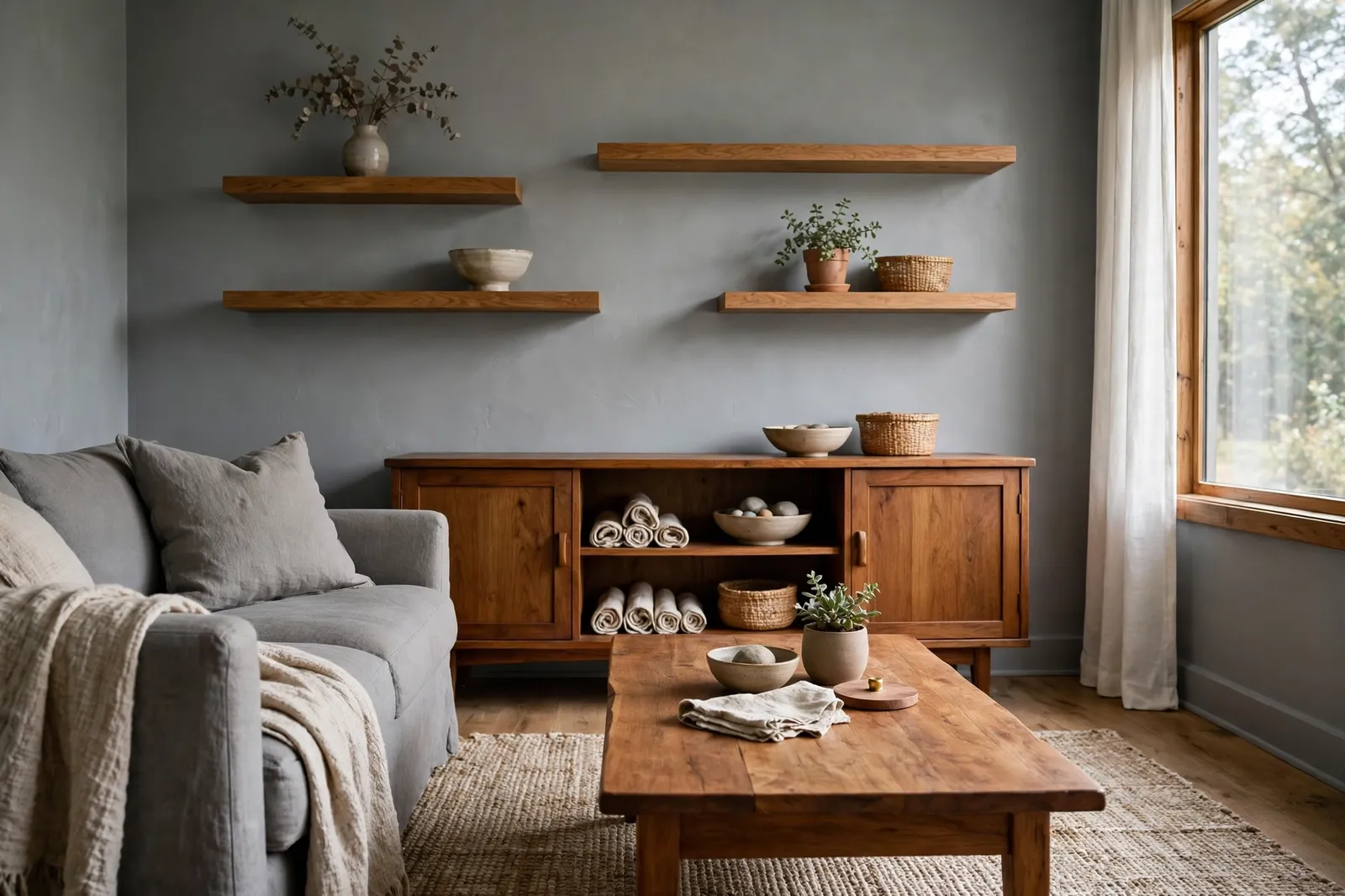
Gray walls can float a little — everything looks pale and the room has nothing to anchor it. Warm wood fixes that right away. A wood coffee table, a wooden sideboard, or even a set of oak floating shelves gives the eye something warm and solid to land on. Honey oak, walnut, and medium-toned pine all work well against gray, and they make the room feel grounded instead of washed out.
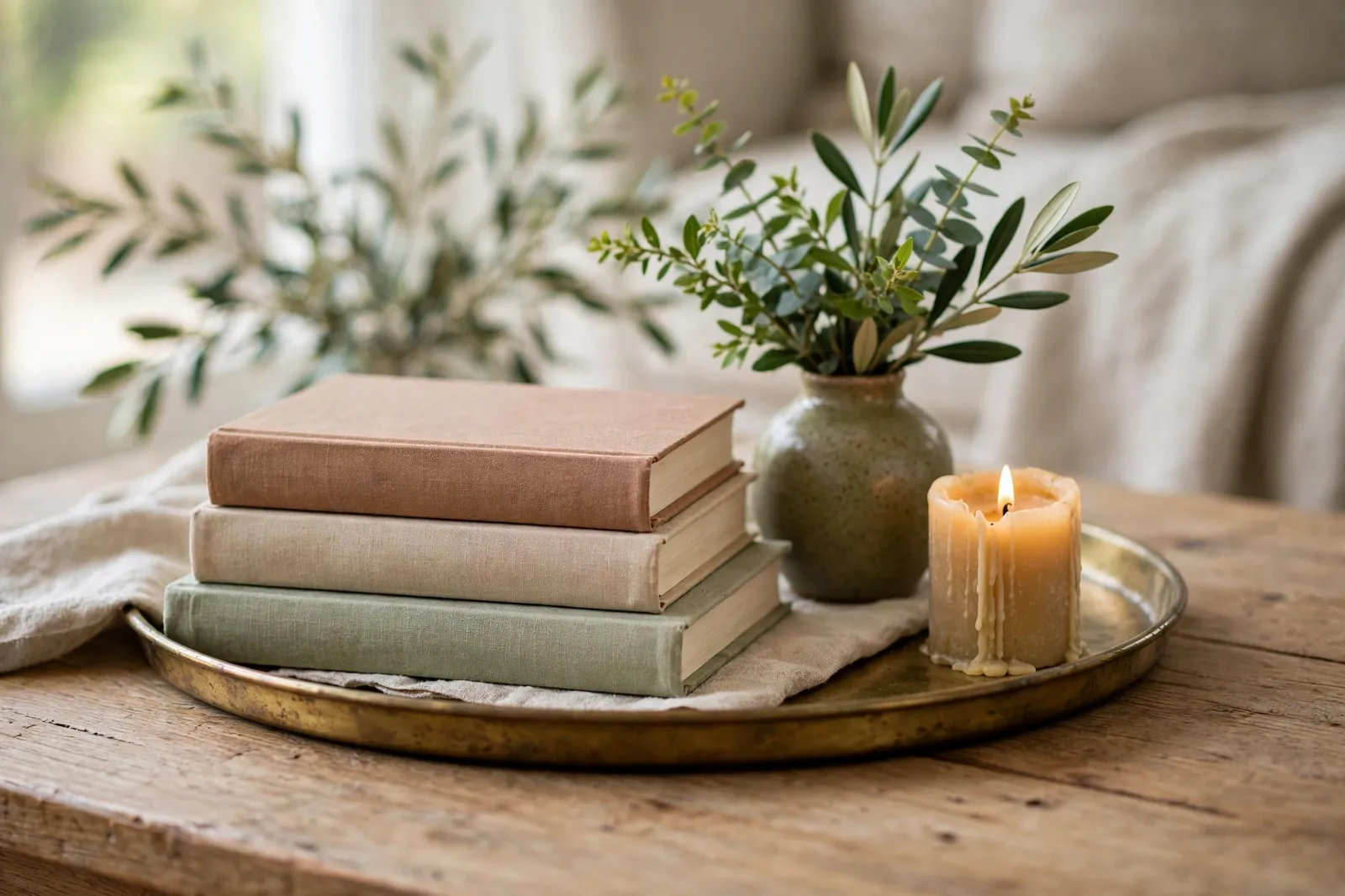
You do not need to replace your furniture to get the effect. A wood tray on the coffee table, a wooden frame on the mirror, or a simple wood bench by the window adds the same warmth for a lot less money. Try to repeat the wood tone in at least two or three spots so it feels planned, not random. One wood piece looks like an accident; three look like a style.
3. Layer in Warm Whites and Creams
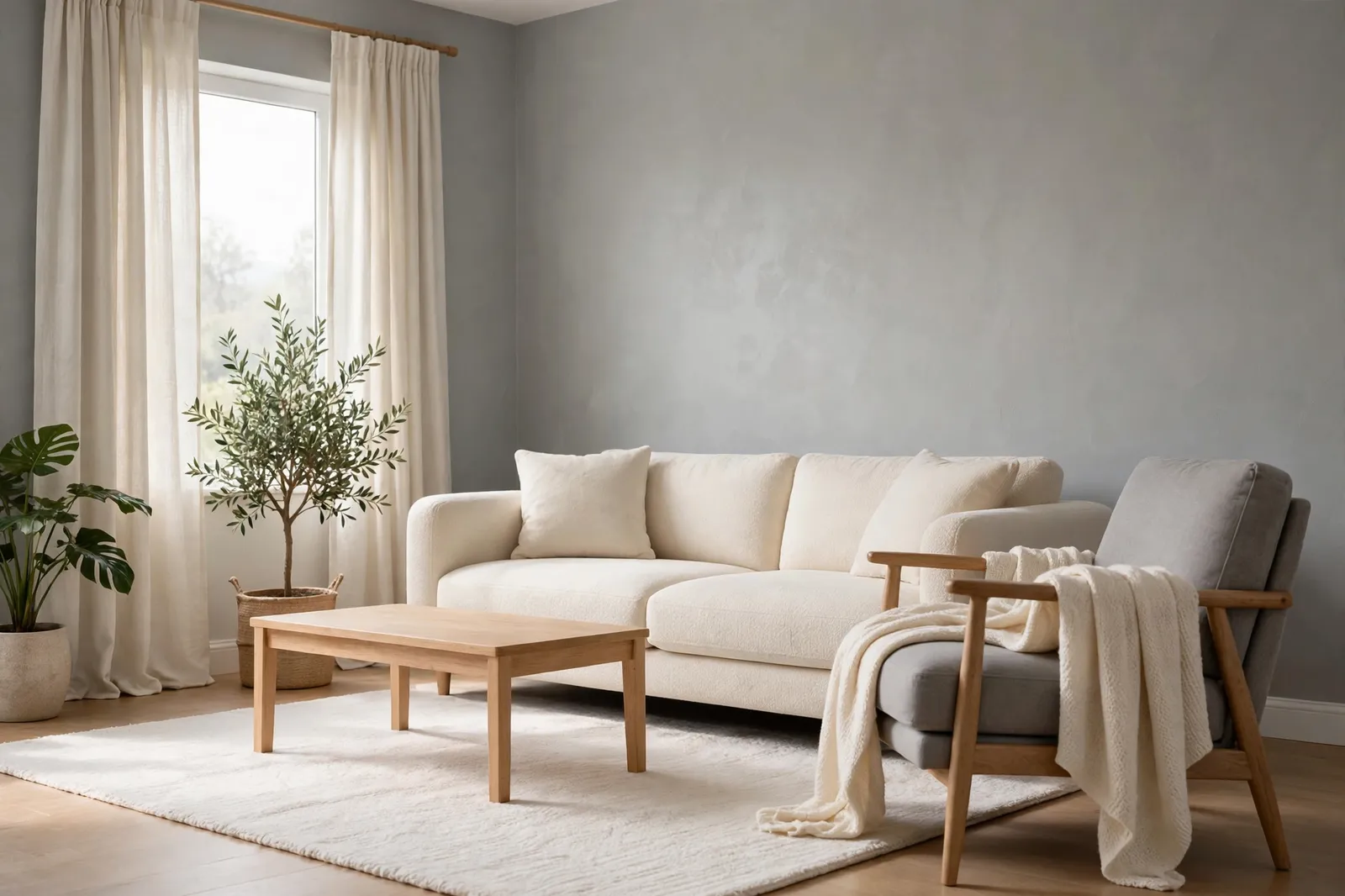
Bright white next to gray can look sharp and cold, but warm white and cream soften the whole room. Swap stark white pillow covers for cream ones, hang cream or ivory curtains instead of bright white, and pick a warm white shade for your lamps. These small swaps take the edge off the gray and make the room feel softer the minute you walk in.
Layer a few creamy tones together instead of using just one. A cream throw over the arm of the sofa, an ivory rug under the coffee table, and a soft off-white blanket folded on a chair all add up. The trick is to keep them in the same warm family — if one cream looks yellow and the next looks pink, the room starts to look messy. Stick to one warm white and repeat it.
4. Bring in Soft Textiles and Throws
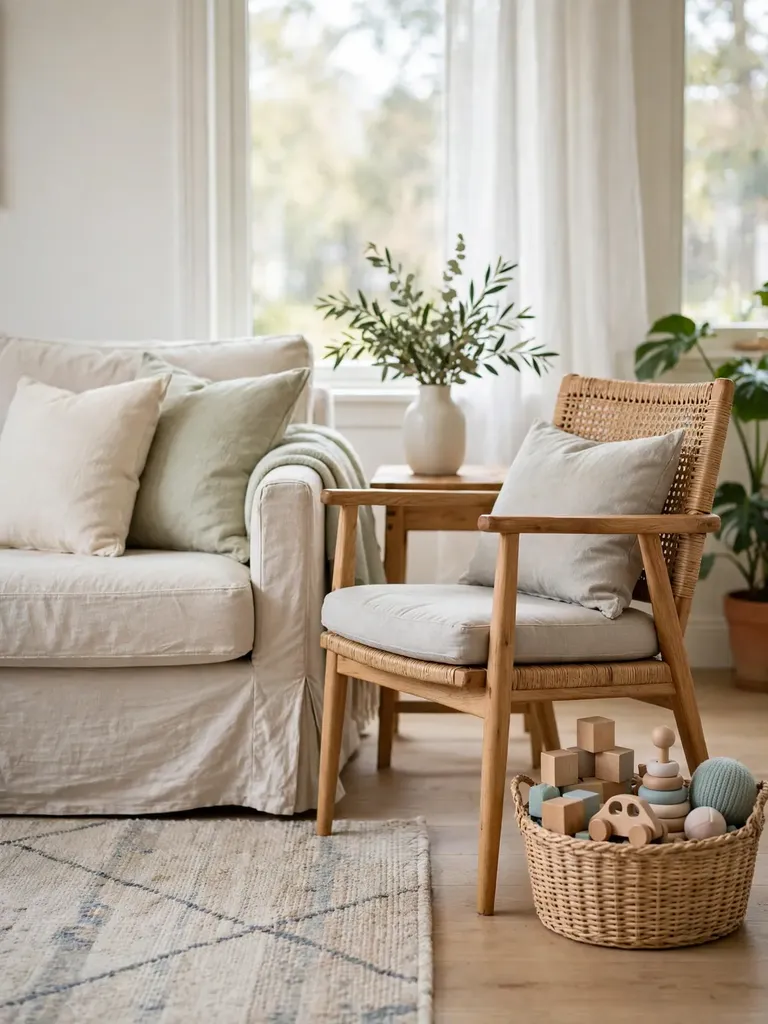
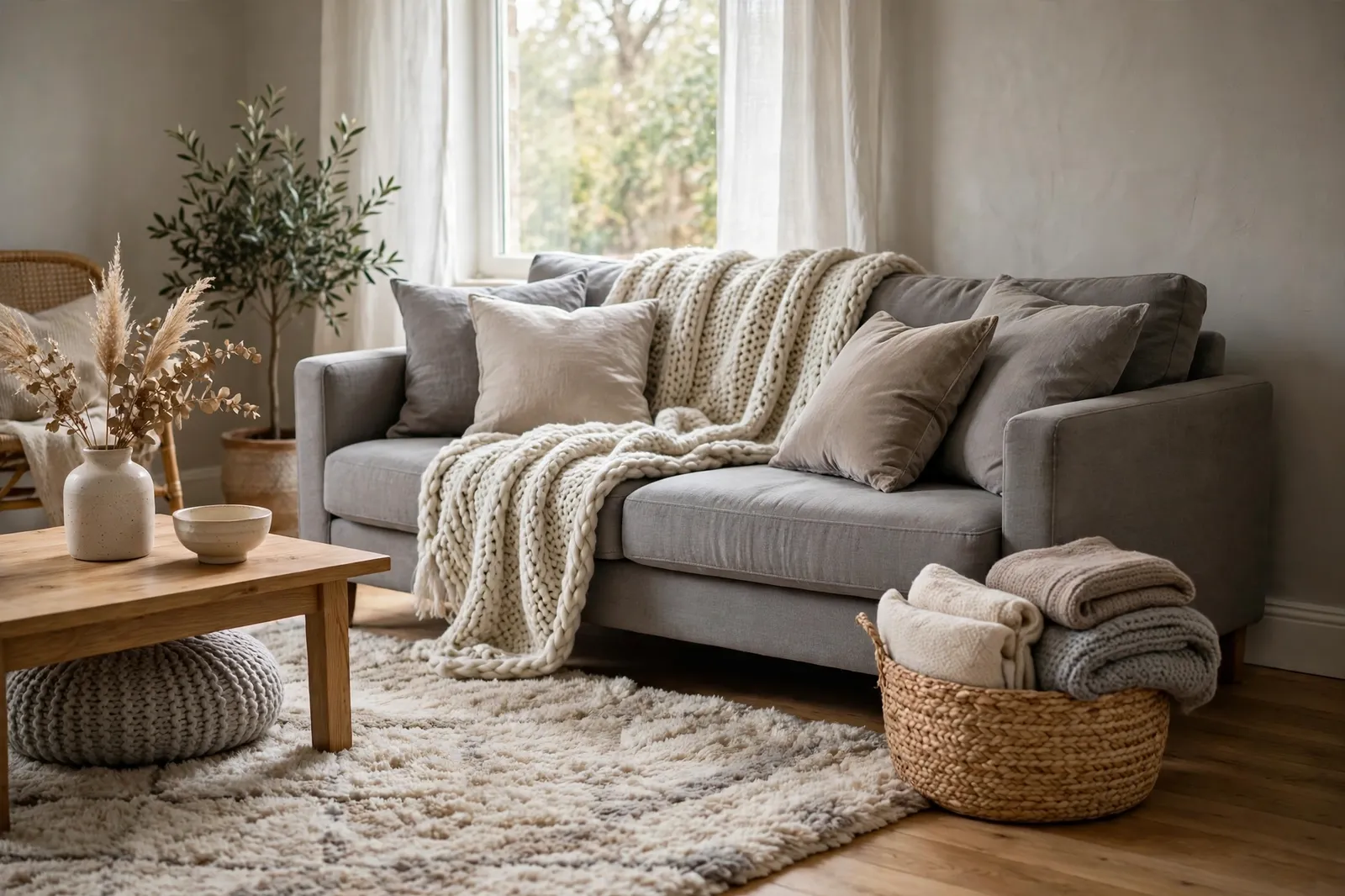
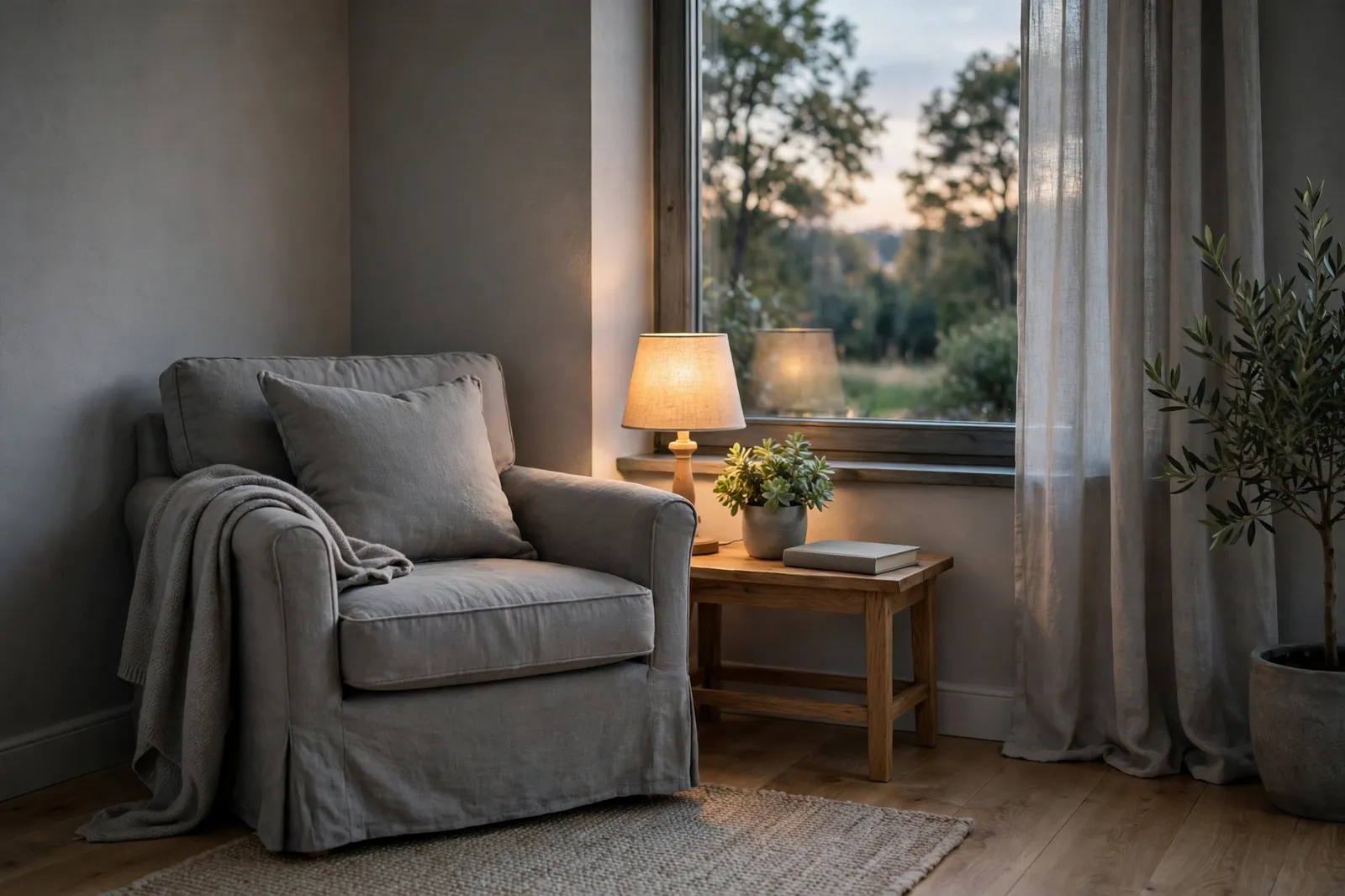
Nothing warms up a gray room faster than soft fabric. A chunky knit throw across the back of the sofa, a soft wool blanket folded on the armchair, and a plush rug underfoot all make the room feel like a place to settle in. Texture matters as much as color here — knits, woven cotton, and soft velvet all read as warm, while smooth, shiny fabrics can feel cold against gray walls.
Think about how the room is actually used, too. If it is a family living room with kids and pets, pick durable fabrics that can take a beating and still look good. Washable throw covers and a rug you can spot-clean make life much easier, and families with kids and pets will be glad they chose fabrics they do not have to worry about. Soft does not have to mean delicate — the best throws are the ones you can actually use every day.
5. Use Warm Metals Like Brass and Gold
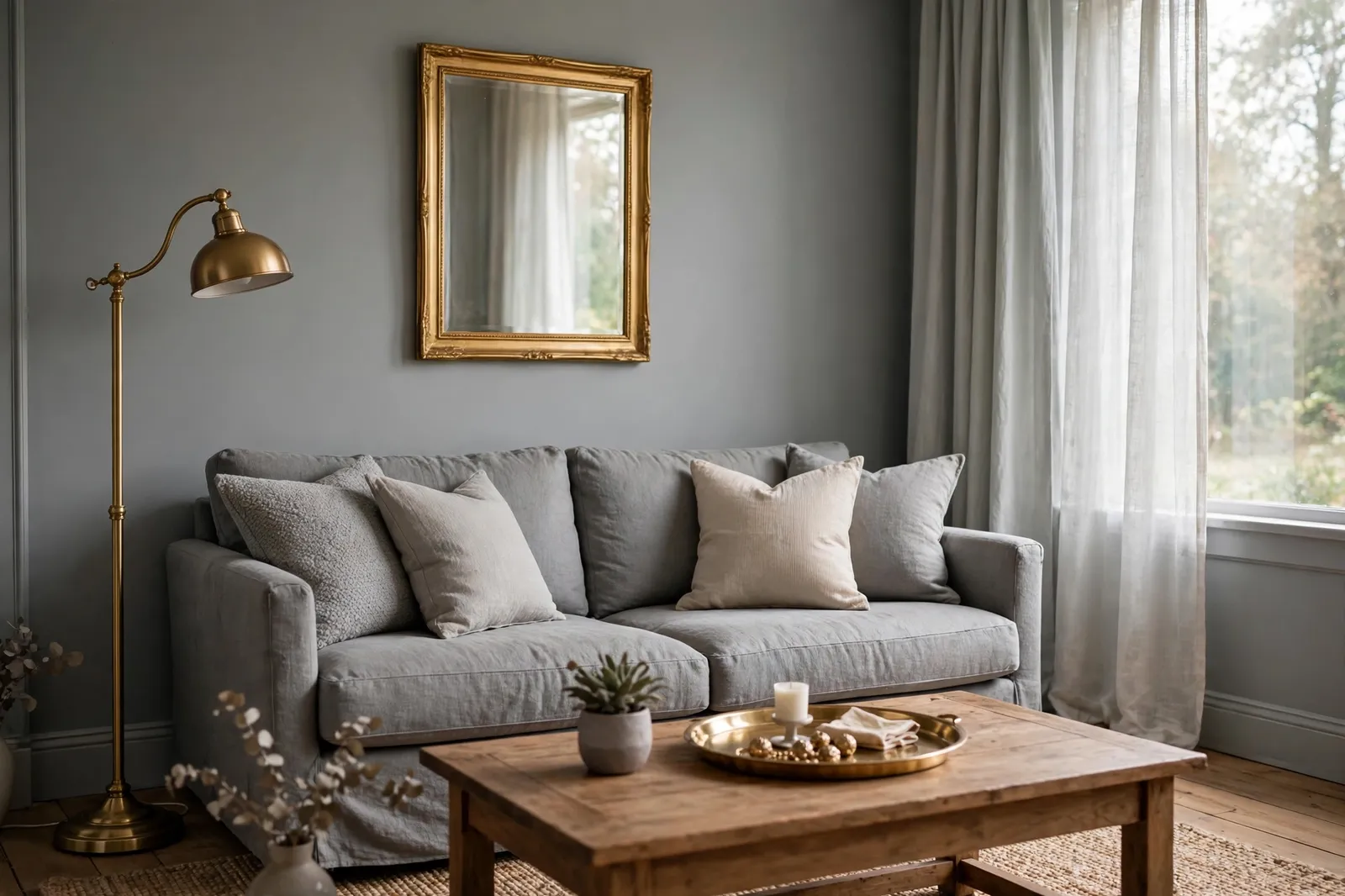
Cool metals like chrome and silver can make a gray room feel even colder. Warm metals do the opposite. A brass floor lamp, a gold-framed mirror, or brushed brass handles on the sideboard add a soft glow that gray walls really need. You do not need much — a little brass goes a long way, and too much starts to look shiny and overdone.
Start with one or two pieces and see how the room feels. A brass lamp next to the sofa, a gold picture frame on the shelf, or a brass tray on the coffee table is plenty to start. Keep the finish the same across the pieces you add, so the brass lamp and the gold frame look like they belong together. Warm metal is like jewelry for the room — a little sparkle is all it takes.
6. Warm Up the Lighting
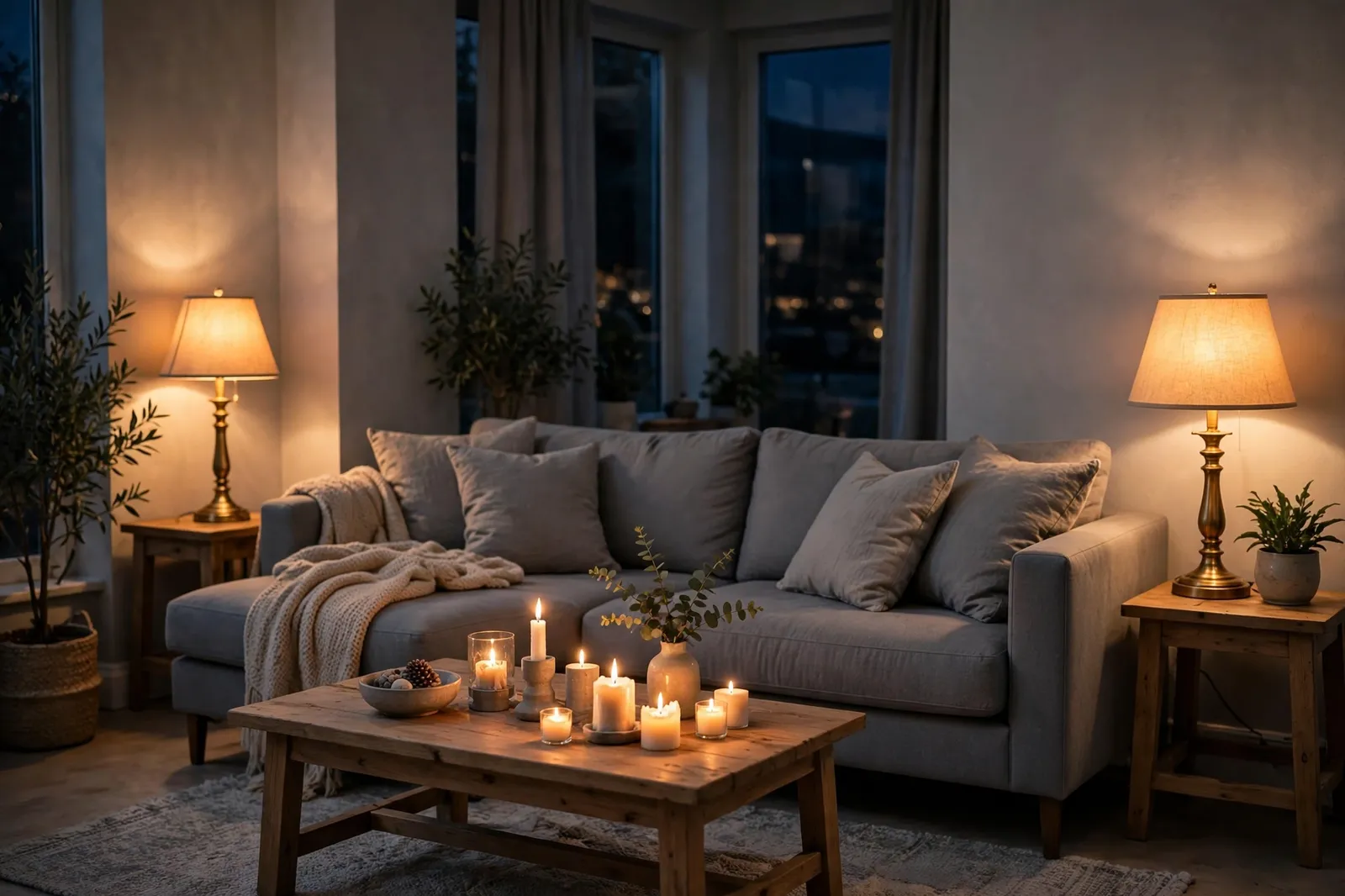
Lighting is one of the biggest reasons a gray room feels cold. Bright white bulbs make gray walls look flat and chilly, especially in the evening. Swap them for warm white bulbs, around 2700K, and the same walls suddenly look soft and inviting. It is the cheapest fix in this whole guide and it makes a difference the same night you do it.
Layer the light instead of relying on one ceiling fixture. A floor lamp by the sofa, a small table lamp on the sideboard, and a couple of candles on the coffee table give the room a warm glow from a few directions at once. Put the lamps on dimmers if you can, so you can turn the light down in the evening. Warm light in the corners is what makes a gray room feel cozy after dark.
7. Add Plants and Natural Texture
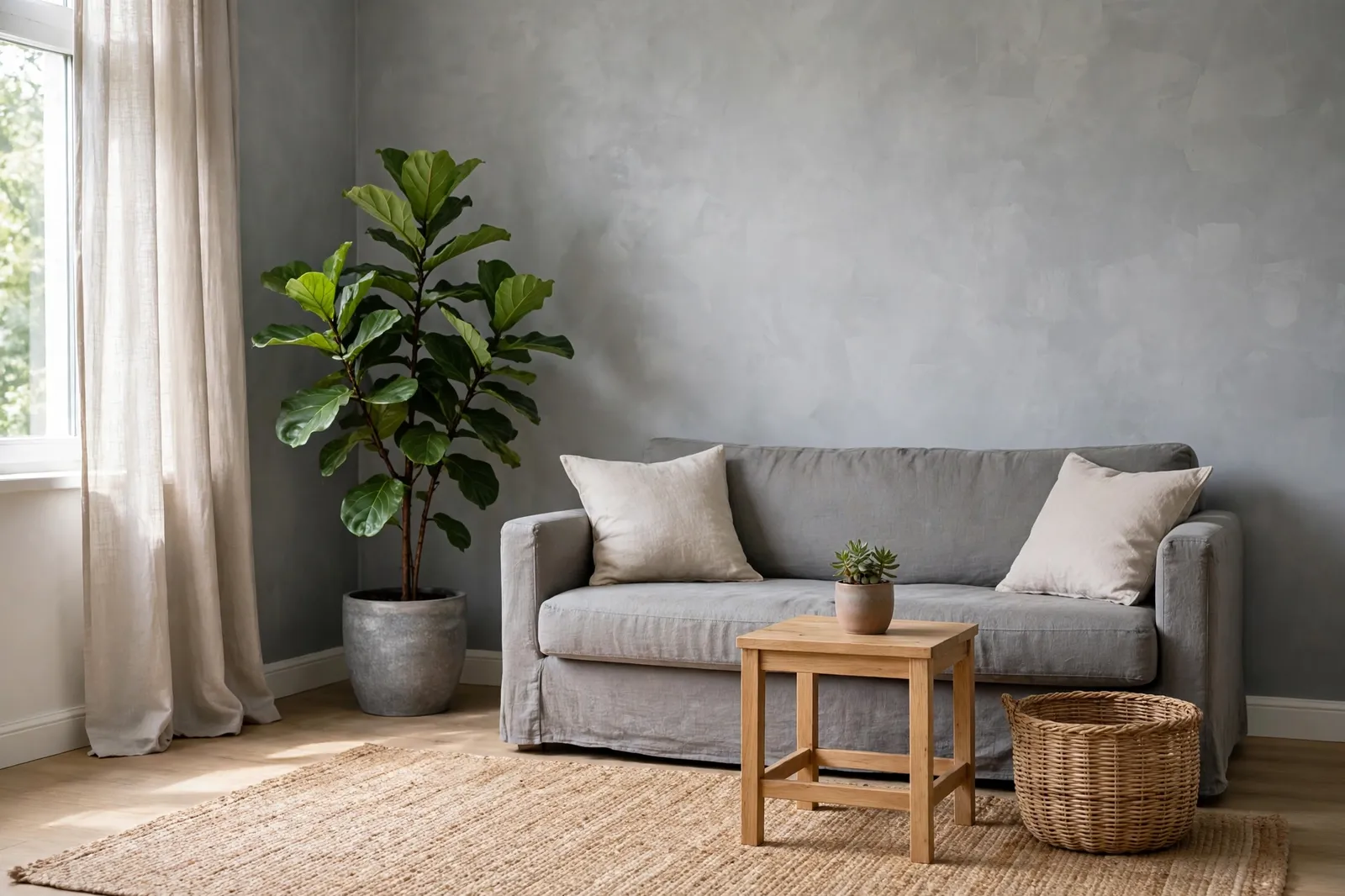
Gray walls need something alive in the room, and plants are the easiest way to get it. A large plant in the corner, a small one on the side table, and a trailing plant on a shelf add green, shape, and life to a room that can otherwise feel flat. The green against gray looks fresh and natural, and the room feels less like a box and more like a home.
If you do not trust yourself with real plants, natural texture works too. A woven basket, a jute rug, a rattan tray, or a wood bowl on the coffee table all add the same kind of warmth. Mix a plant with one or two woven pieces and the room gets an easy, relaxed feel. Just keep it simple — two or three natural pieces are enough, and the room still looks tidy.
8. Style the Fireplace Mantel
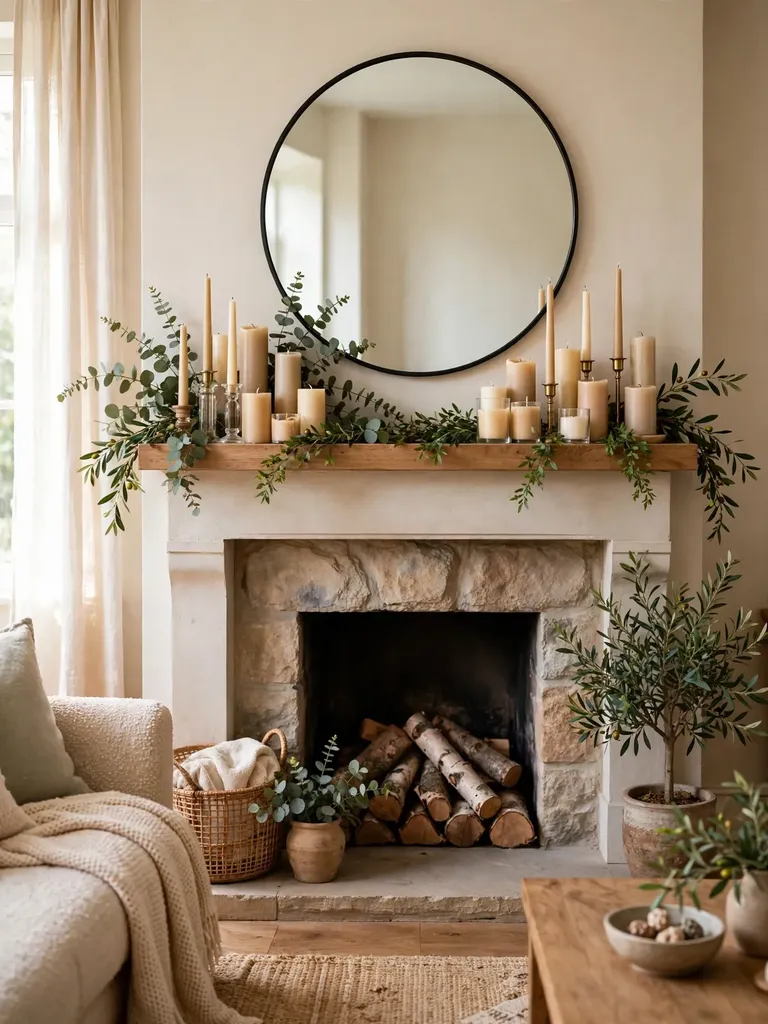
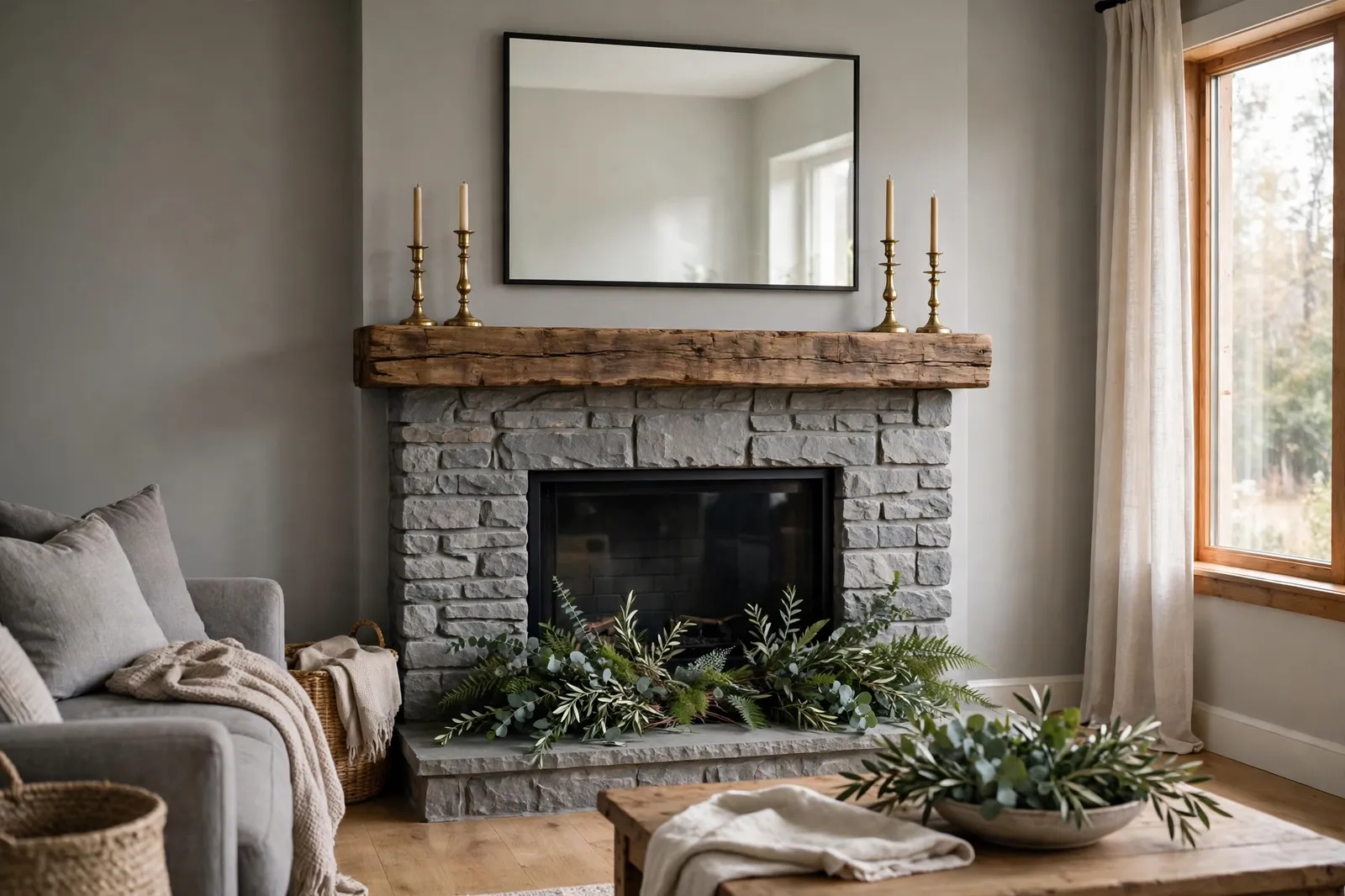
If your living room has a fireplace, the mantel is the best place to add warmth. A wood beam mantel already brings in warm tones, and what you put on it adds even more. A pair of brass candlesticks, a small stack of books, and a bit of greenery — a simple garland or a small vase with stems — make the fireplace the warm heart of the room instead of a cold, empty wall.
Keep the mantel styling simple so it does not look cluttered. One taller piece in the middle, like a mirror or a framed print, with shorter pieces on each side, is a setup that almost always works. Change the mantel with the seasons if you like — a few pinecones in winter, fresh stems in spring — but keep the warm wood and brass there all year. A well-styled fireplace mantel makes the whole room feel warmer, even when the fire is not lit.
9. Mix Throw Pillows for a Cozy Finish
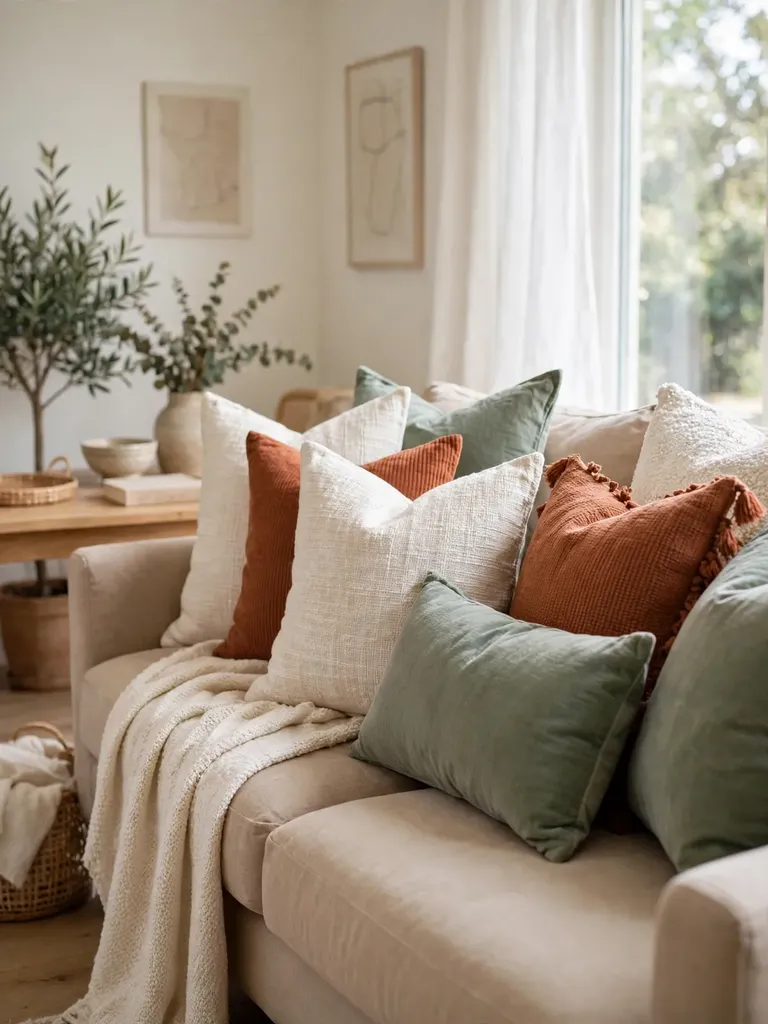
Throw pillows are the fastest way to warm up a gray sofa, and mixing them is half the fun. Start with two solid pillows in a warm cream or camel, then add one or two with a pattern — a soft stripe, a simple plaid, or a warm floral. The mix of solid and pattern keeps the sofa from looking flat, and the warm colors pull the gray walls into the background where they belong.
When you mix pillows, keep the colors in the same warm family so they look like they belong together. Try different pillow combinations on the sofa before you commit — two large pillows at the corners, one small one in the middle, or a lumbar pillow across the front all work. Cushions in velvet, linen, and knit add texture too, so the sofa looks soft and inviting instead of stiff. Pillows are cheap, easy to swap, and the easiest way to change the mood of the room with the seasons.

Frequently Asked Questions
Why do gray walls make a room feel cold?
Gray walls can feel cold because gray is a neutral color with no warmth of its own, and cool grays with blue undertones make the effect stronger. Bare gray walls with bright white light and cool metal finishes leave the room with nothing warm for the eye to rest on. Adding warm wood, soft textiles, brass, and warm lighting gives the room the warmth the walls do not have on their own.
What colors go best with gray walls to add warmth?
Warm creams, camel, honey, terracotta, sage green, and soft blush all warm up gray walls nicely. Cream and warm white are the safest starting point because they soften the gray without fighting it. Add one warm accent color, like terracotta or mustard, in the pillows and throws, and keep the rest of the room in warm neutrals so it stays calm and pulled together.
Can I warm up gray walls without repainting?
Yes, you can warm up gray walls without repainting. Warm wood furniture, cream curtains and throws, brass accents, warm light bulbs, and plants all add warmth without touching the walls. If you want a bigger change without paint, hang large warm-toned art or add a wood accent wall behind the sofa — both warm the room up without a single can of paint.
What kind of lighting makes a gray living room feel warmer?
Warm white bulbs around 2700K make a gray living room feel much warmer than bright daylight bulbs. Use lamps at different heights — a floor lamp, a table lamp, and candles — so the light comes from a few spots instead of one harsh ceiling light. Dimmers help too, since lower light in the evening makes the gray walls look soft and cozy.
Related ideas
If your gray walls are starting to feel good but the room still needs a little more, Neutral Living Room Ideas That Never Go Out of Style will help you build a calm base that works with any warm accents you add. Cozy Living Room Ideas for a Warm and Inviting Space has more soft, lived-in ideas you can layer right on top of what you did here. And before you buy anything new, read How to Choose the Right Living Room Rug Size so the rug you pick actually fits the room and ties the whole seating area together. You might also like Living Room Ideas for Families With Kids and Pets and Living Room Layout Ideas for an Open-Concept Floor Plan.