Small Living Room Decorating Ideas That Maximize Space
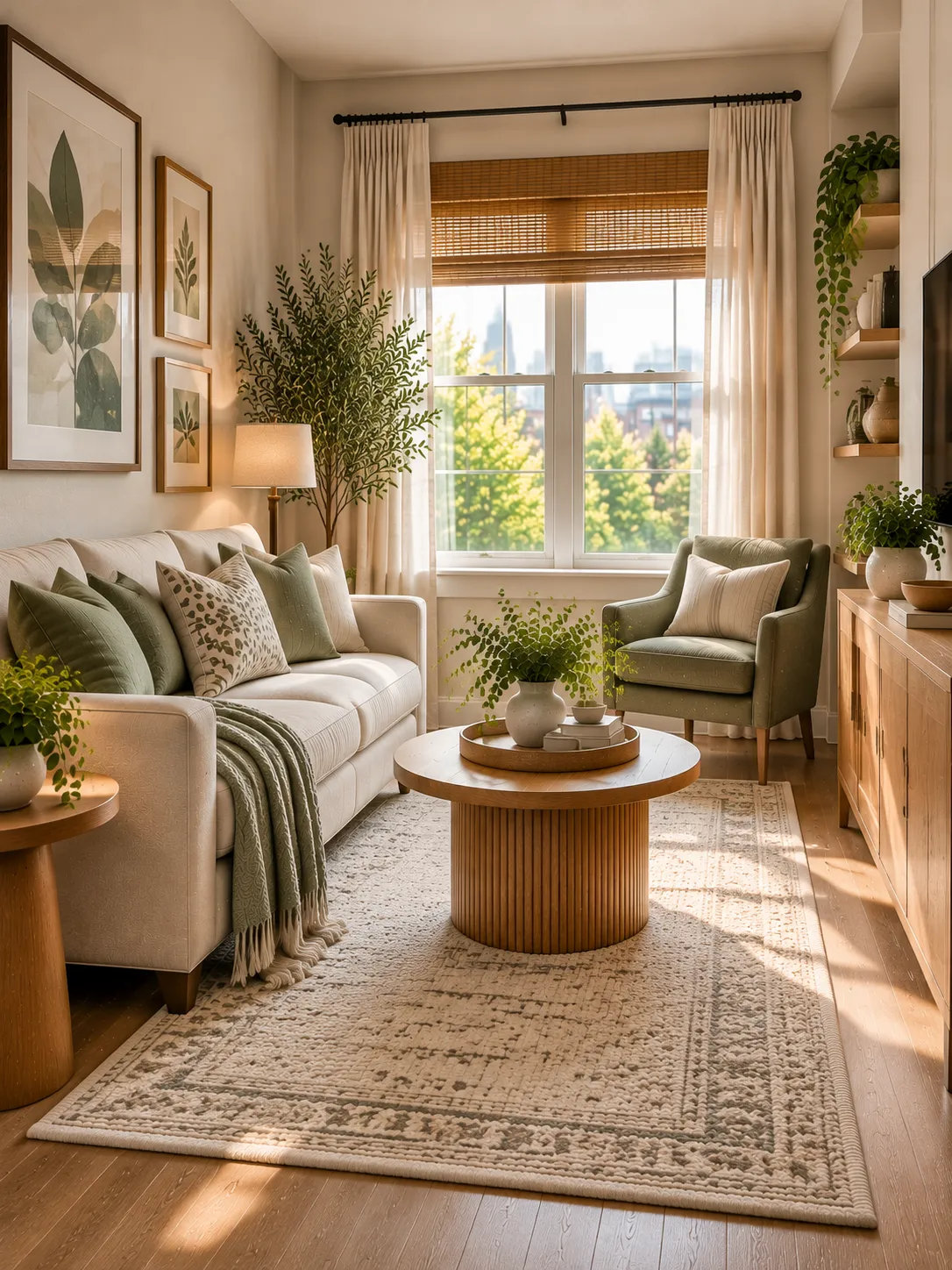
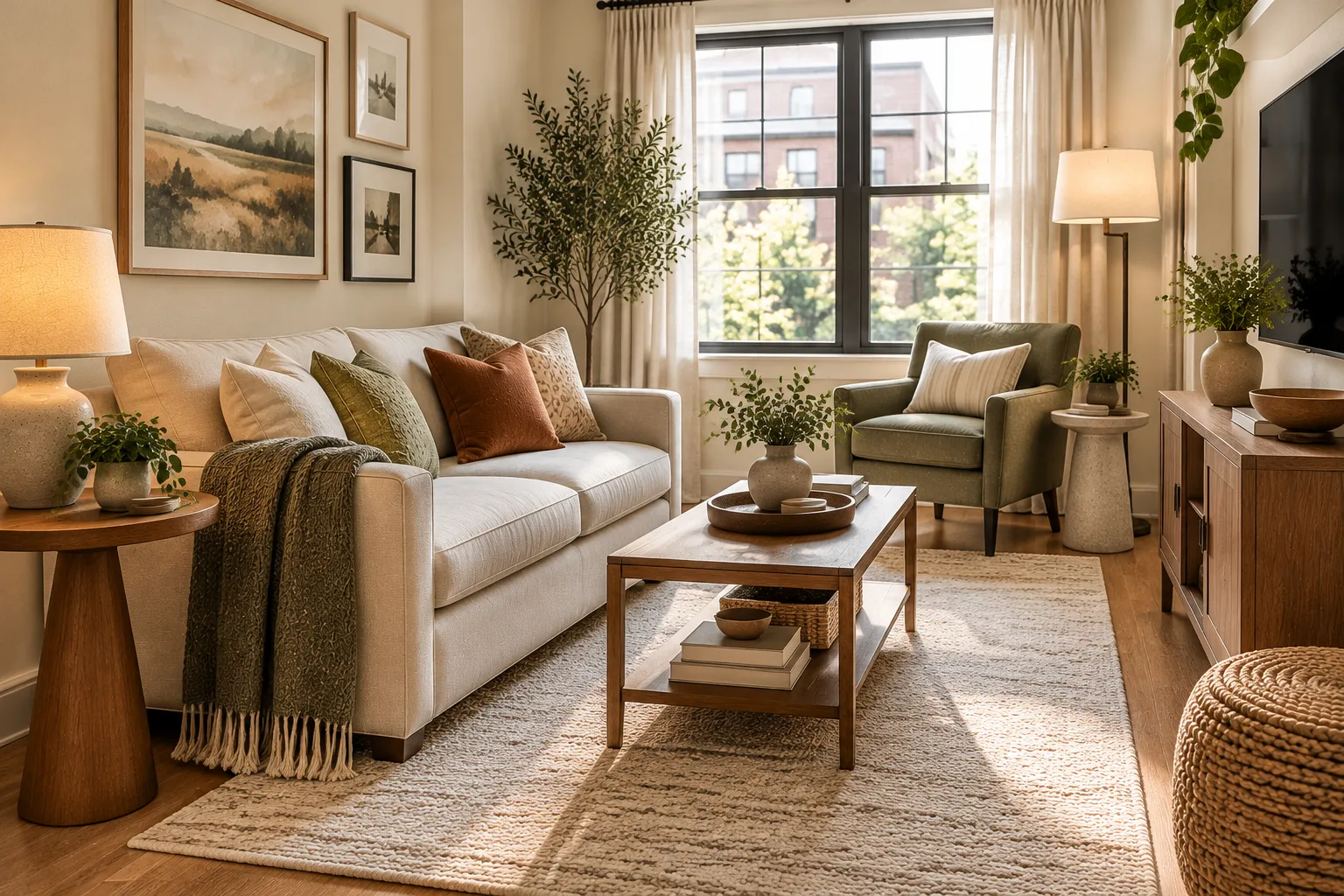
A small living room can still feel stylish, comfortable, and easy to use. The key is not to make every item tiny or to paint everything white. Instead, focus on circulation, furniture scale, visual balance, lighting, and storage. A well-planned small room can feel more welcoming than a larger space where furniture blocks movement or every surface is crowded.
Before making changes, identify what feels difficult about the room. Is there no clear walkway? Does the sofa dominate the space? Are everyday items always visible? Is the room dark, or does it serve too many purposes? Once you understand the main problem, you can choose targeted solutions. These small living room decorating ideas are designed to help you use the space you have without sacrificing comfort or personality.
Measure First and Plan the Main Walkways
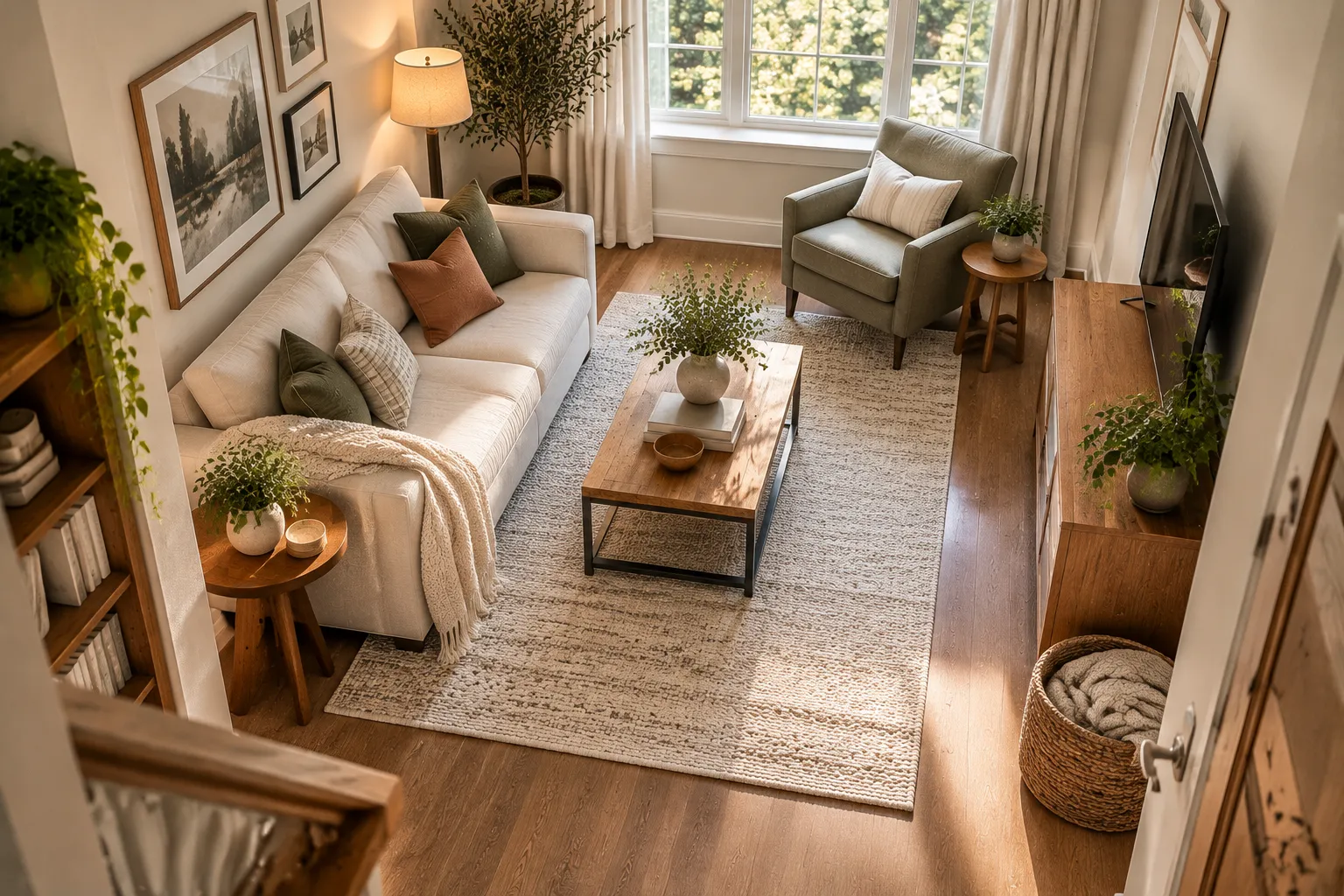
Start with a simple floor plan. Measure the room, doorways, windows, and the furniture you want to keep. Mark the routes people use to enter, sit down, reach windows, or move into adjoining rooms. Keep those paths as open as possible. Even a beautiful sofa can make a small room frustrating if it blocks a doorway or forces everyone to squeeze past a table.
Do not assume every piece needs to sit against a wall. In some layouts, a compact sofa placed slightly away from the wall can define a seating area, while in others a wall-hugging arrangement preserves the center of the room. Test the layout by moving lightweight pieces before buying anything. Leave practical space to open drawers, pull out chairs, and use windows or storage. Good circulation makes a room feel larger because it is easier to understand and move through.
Choose Furniture That Fits the Room
Scale matters more than simply choosing the smallest furniture available. A sofa with narrow arms and raised legs may look lighter than a bulky sofa of similar width. A compact loveseat, apartment-size sofa, or pair of small chairs may suit your household better than an oversized sectional. Before ordering, check the full dimensions, seat depth, arm width, and delivery route. Measure hallways and staircases as well as the room itself.
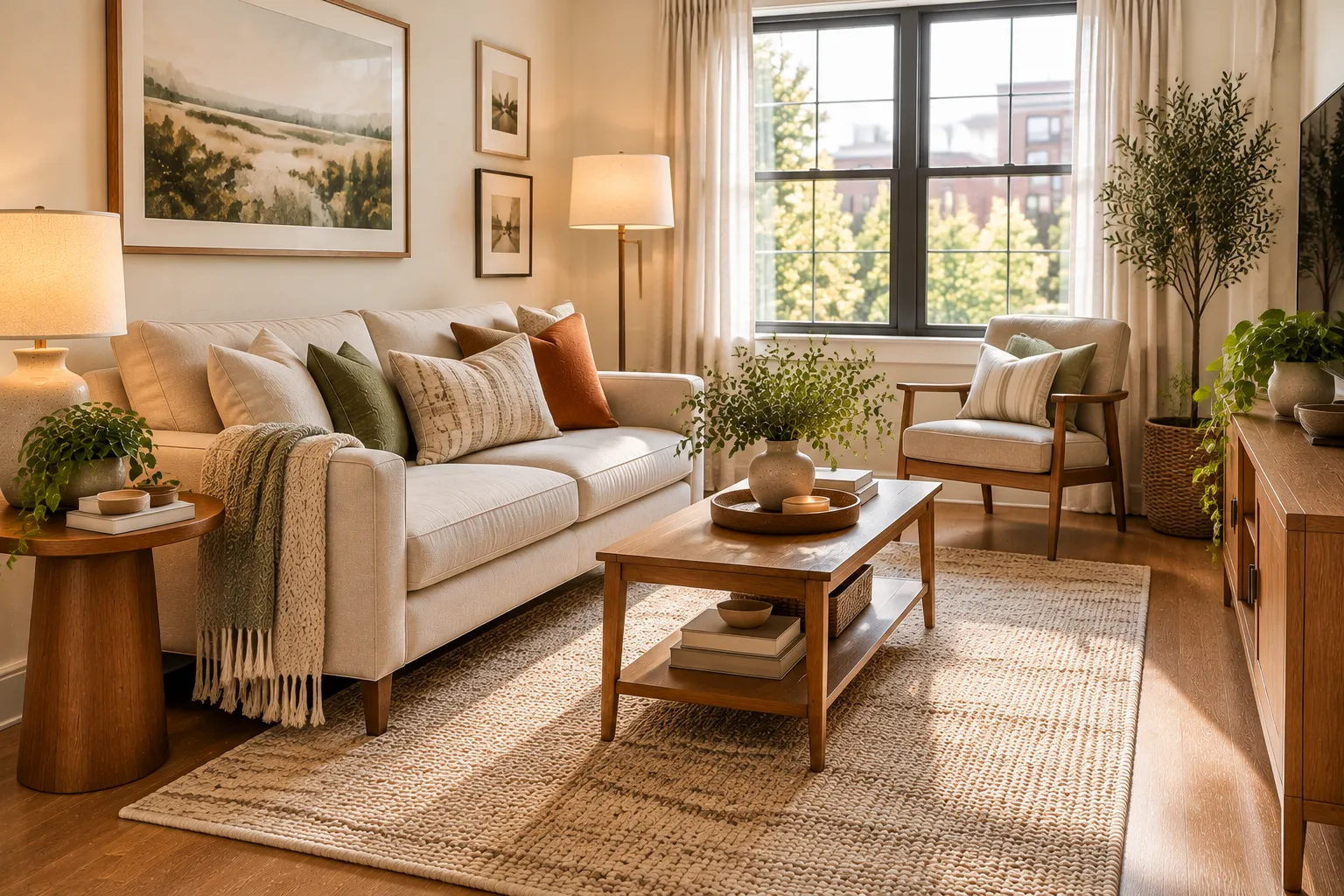
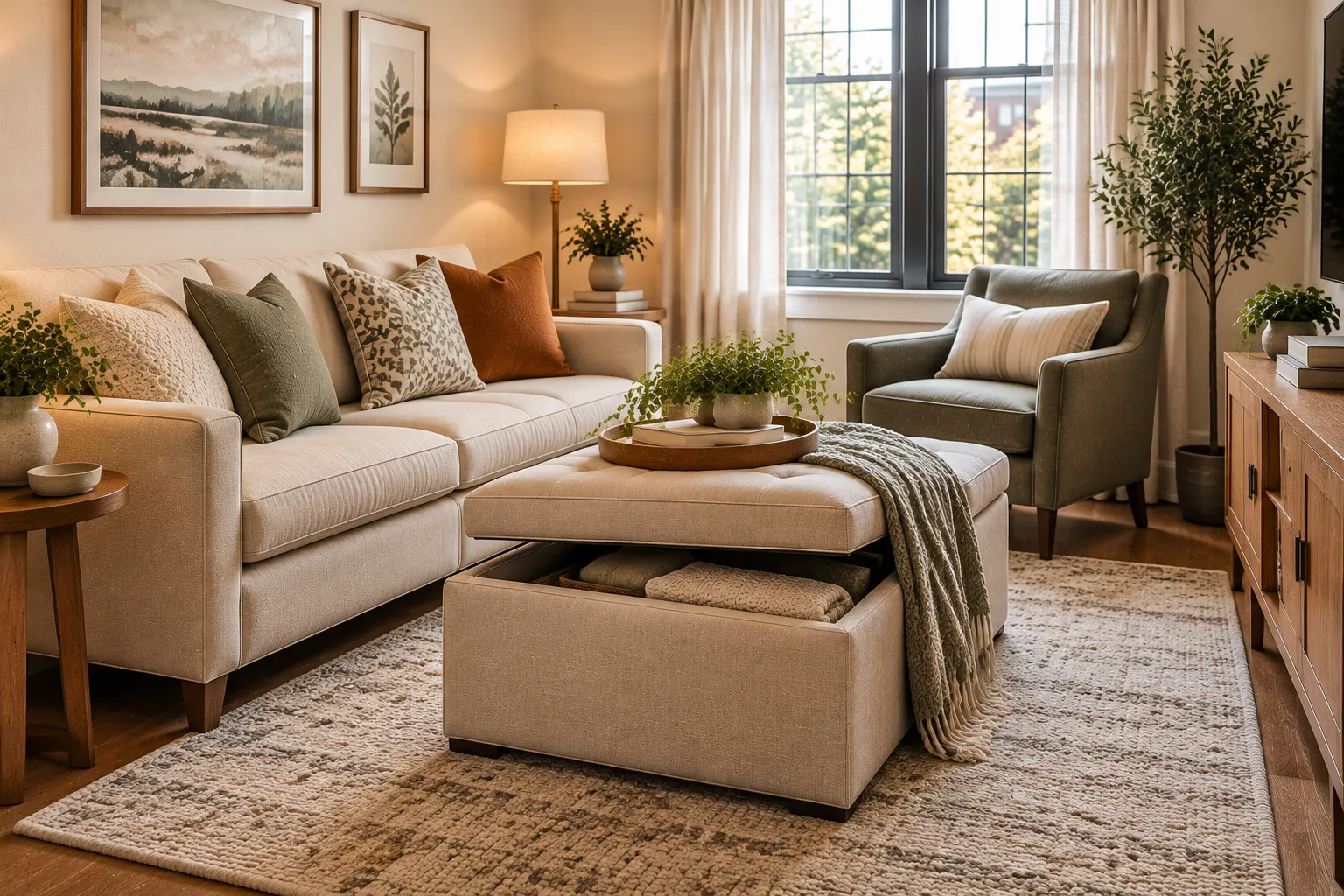
Look for pieces that serve more than one purpose. An ottoman with hidden storage can hold throws, a nesting table set can expand when guests arrive, and a bench can provide seating and a place for baskets. A slim console may function as a desk or display surface without taking up much floor space. Multifunctional furniture is useful when it solves a real need; avoid buying complicated pieces that are uncomfortable or difficult to use every day.
Use Light and Color to Create Visual Openness
Light colors can reflect more daylight, but a small room does not have to be all white. Soft ivory, warm beige, pale gray, muted green, and gentle blue can work well when balanced with natural wood and a few darker accents. Keeping the wall color and larger furniture within a related tonal range can reduce visual breaks and help the room feel cohesive. Add contrast through small items rather than introducing a different color in every corner.
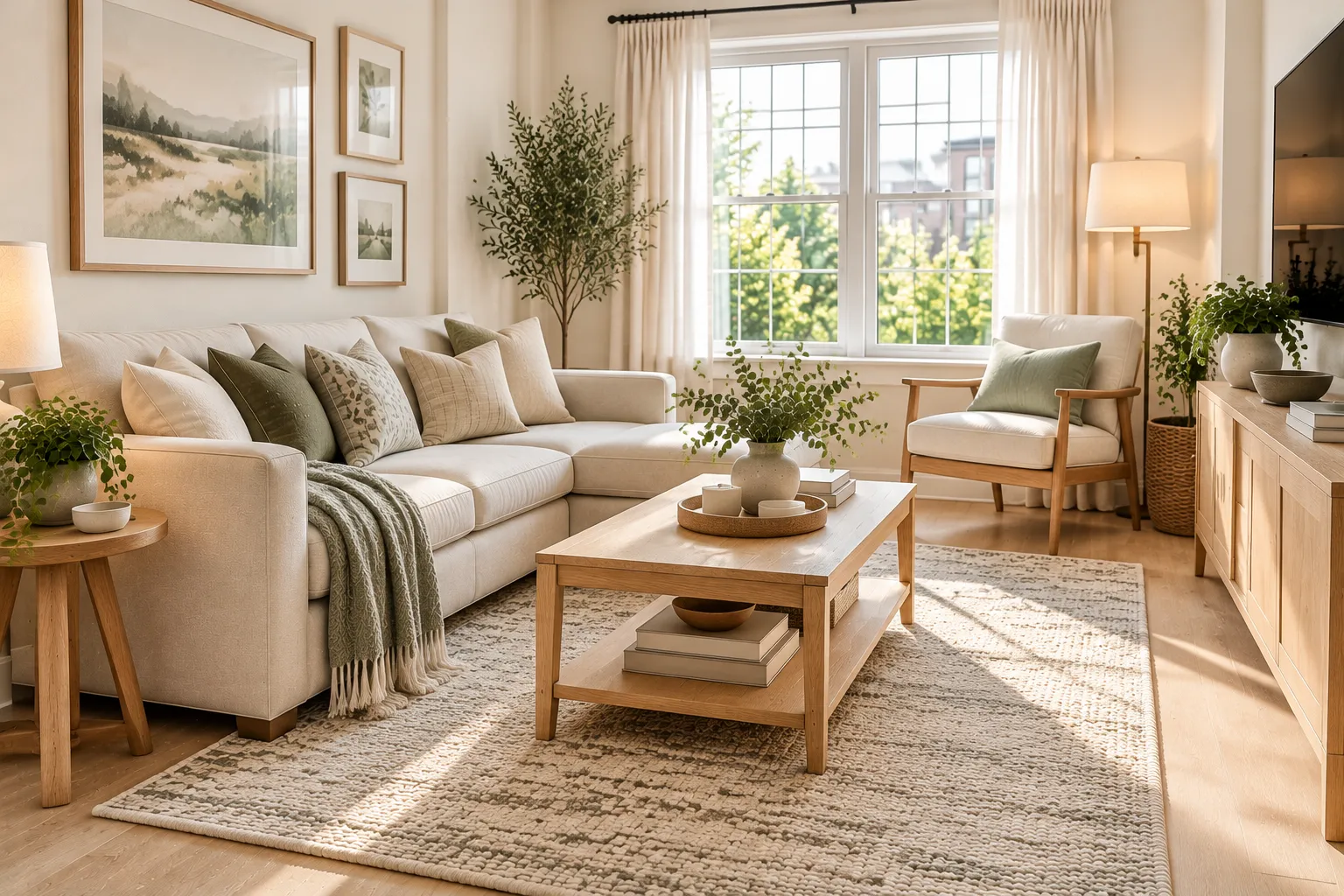
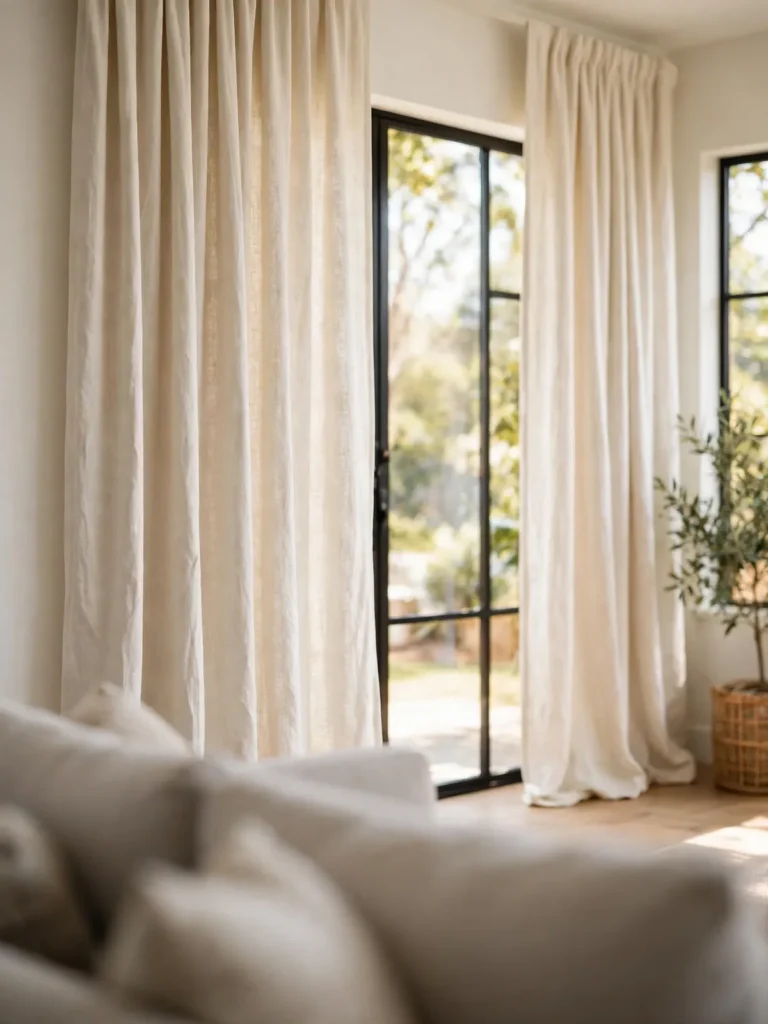
Make the most of natural light by keeping window areas relatively uncluttered. Choose curtain panels that can be drawn fully clear of the glass, and consider hanging the rod a little higher and wider than the window if the wall allows. Use mirrors to reflect daylight where they can catch a window or a bright part of the room. Mirrors do not physically increase square footage, but a thoughtfully placed mirror can add brightness and a sense of depth.
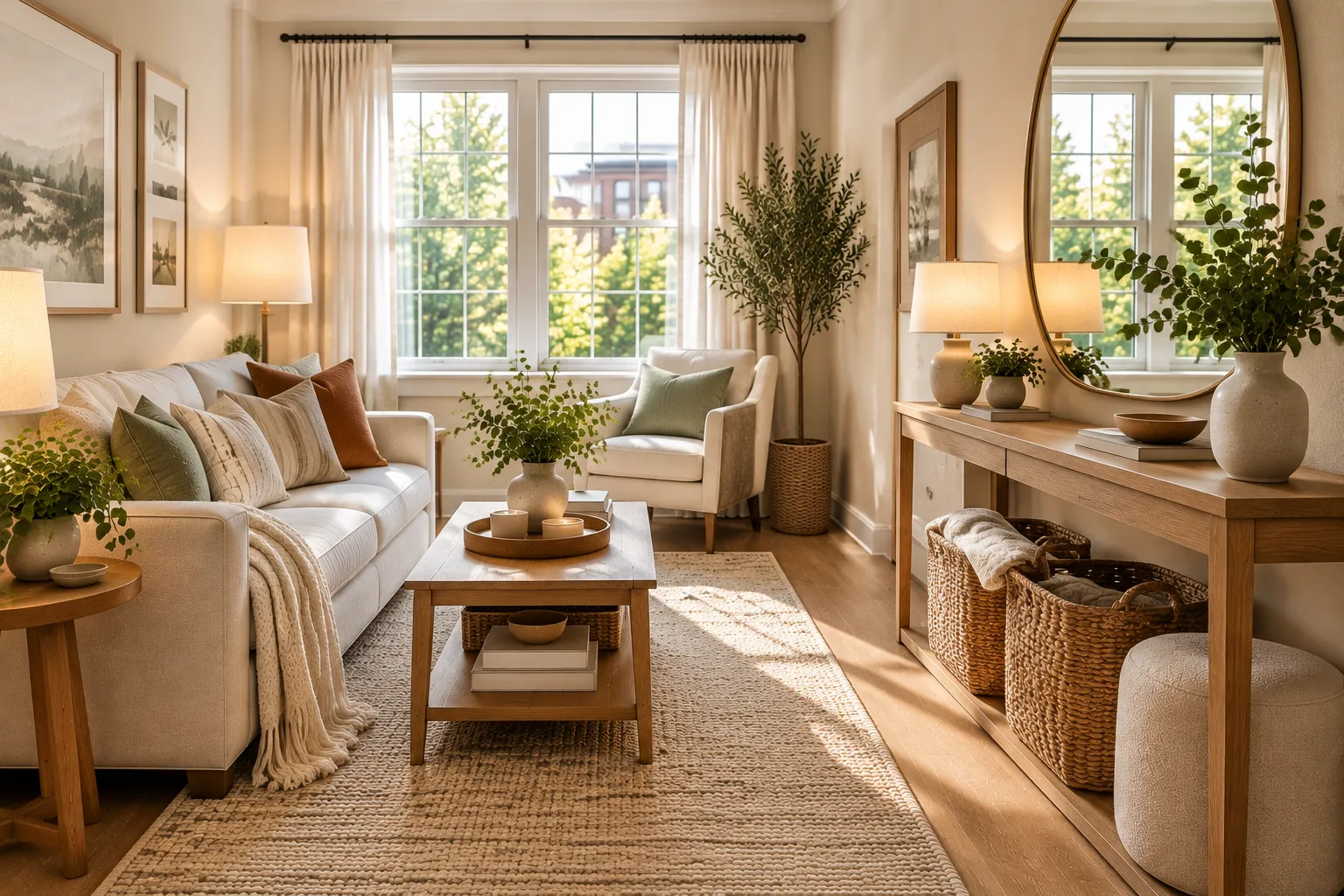
Create Storage Without Adding Visual Clutter
Visible clutter makes a compact room feel busier because there is less open space to balance it. Give remotes, chargers, games, books, blankets, and paperwork designated homes. A closed media console, lidded basket, storage ottoman, or slim cabinet can conceal everyday items while keeping them accessible. Choose storage that fits the actual objects you need to store rather than buying containers first and hoping they will work.
Use vertical space carefully. Wall-mounted shelves, tall narrow bookcases, or a few hooks can free up floor area, but avoid filling every wall with storage. Place frequently used objects within easy reach and reserve higher shelves for lighter items you do not need every day. In a small room, a few well-organized storage zones usually work better than many small organizers scattered around the space.
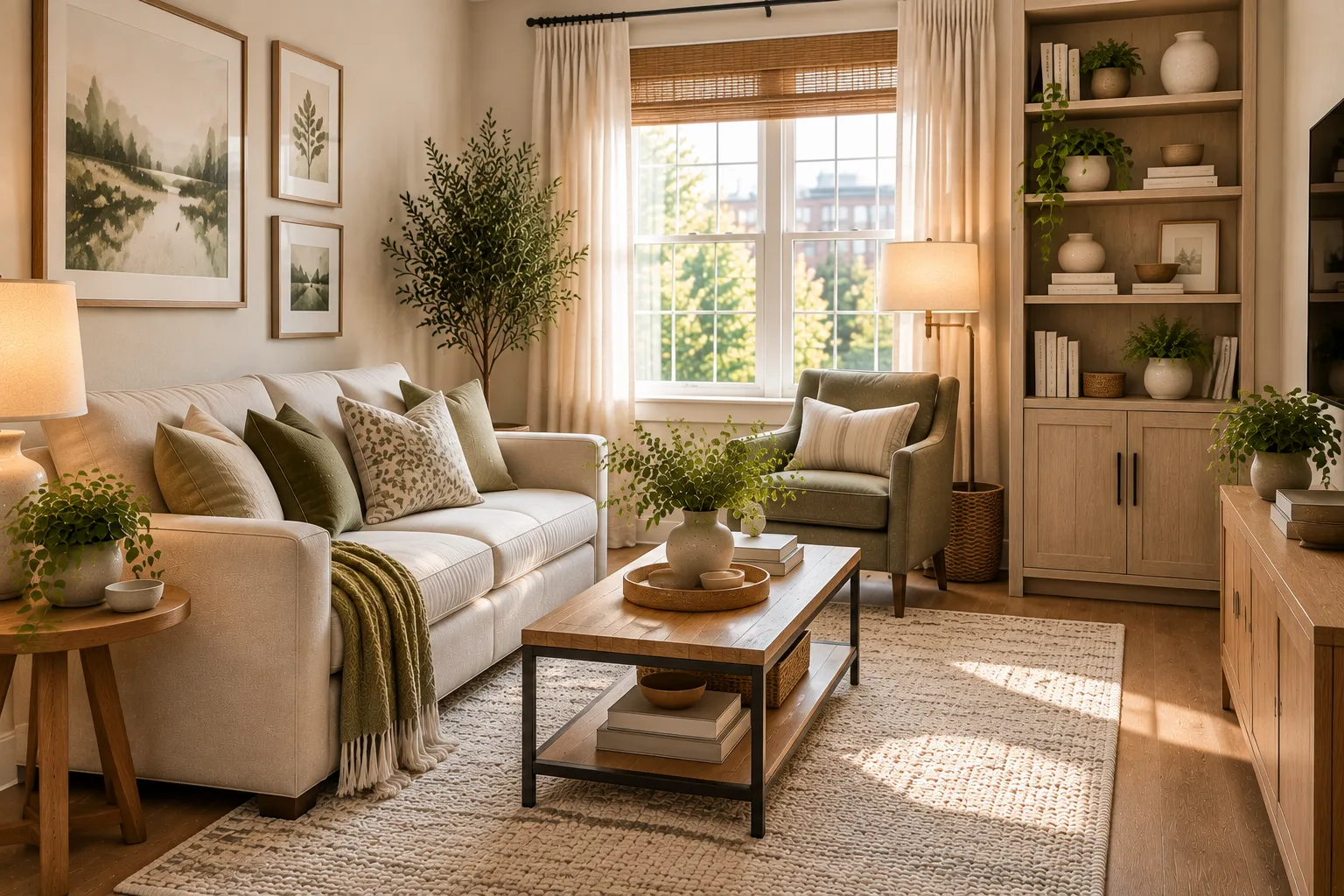
Make the Seating Area Feel Intentional
A clearly defined seating zone helps a small living room feel organized. Use a rug that is large enough to connect the main furniture pieces, even if the rug is not huge. When possible, let the front legs of the sofa and chairs rest on it. A rug that is too small can make the furniture arrangement look fragmented, while a suitable size creates one visual group.
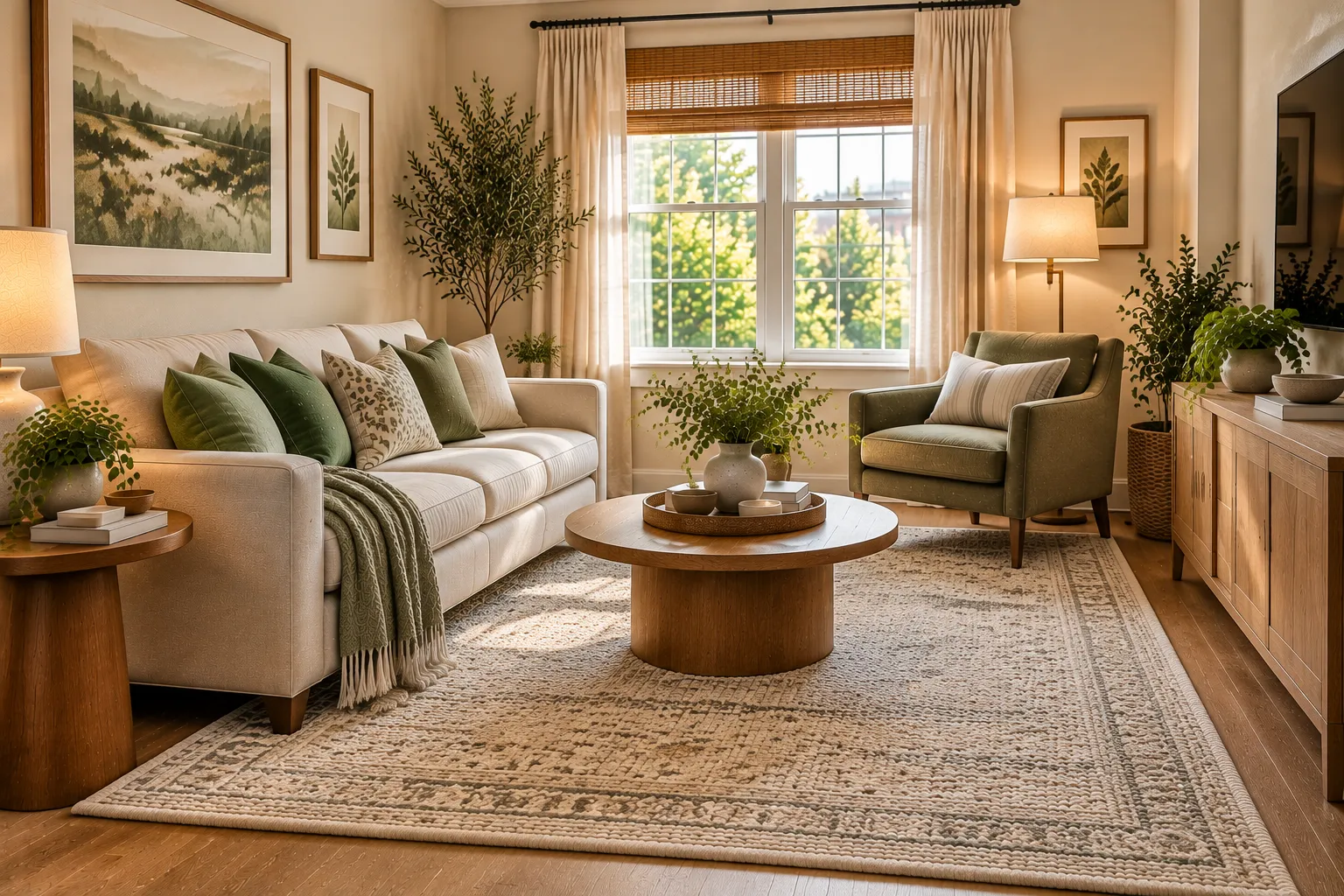
Choose a coffee table based on the available clearance. A round or oval table can make it easier to move around tight corners, while nesting tables can be separated when needed and stacked away afterward. If the center of the room is too crowded, use a small side table or a C-shaped table that slides near the sofa. Keep surfaces functional and avoid excessive tabletop decor that reduces usable space.
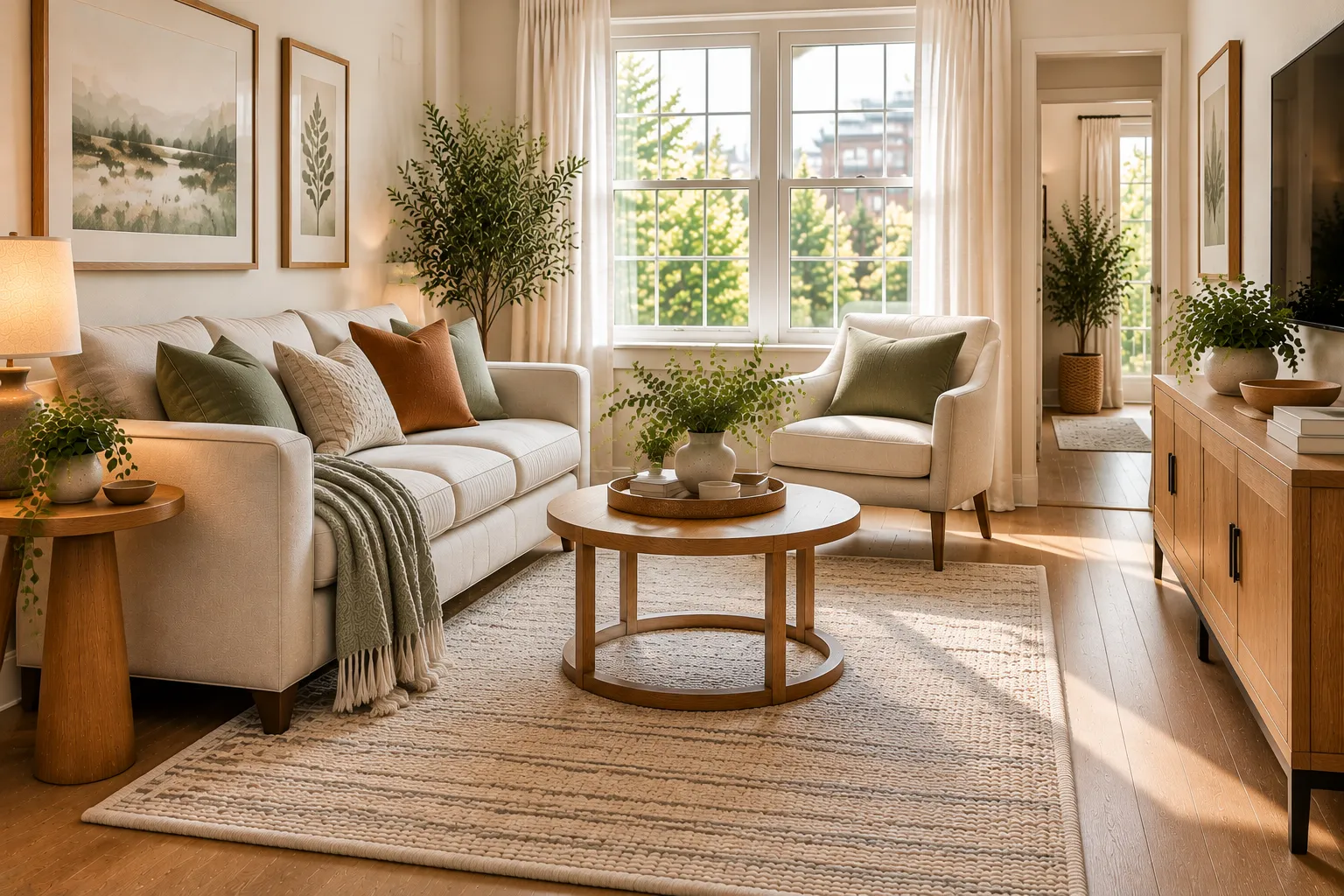
Use Vertical Design Details Wisely
Drawing the eye upward can help a room feel taller. Curtains mounted higher, a tall plant, vertical artwork, or a narrow bookcase can emphasize height without taking up much floor space. Hang art at a comfortable viewing level and choose pieces with proportions suited to the wall. One medium or large artwork may look calmer than a collection of many tiny frames in an already busy room.
Keep the visual weight balanced. A tall shelf filled with dark objects can feel heavy in a small room, so mix closed storage with open space and lighter materials. Avoid placing every tall object on one side of the room unless you are deliberately balancing it with a strong feature on the other side. Vertical styling should add rhythm and height, not make the room feel crowded from floor to ceiling.
Layer Lighting and Reduce Dark Corners
Small rooms often feel tighter when the corners are dim. Combine ceiling lighting with a floor lamp, wall light, or table lamp to spread illumination more evenly. A slim floor lamp can fit beside a sofa, while a wall-mounted light can free up a table surface where installation is suitable. Use lighting to support specific activities, such as reading, rather than relying on a single bright fixture.
Avoid blocking daylight with tall furniture directly in front of windows. If the room has only one window, place reflective surfaces where they can help distribute light and use lighter finishes on large items where practical. Warm bulbs can create a comfortable evening mood, while task lighting should remain bright enough for the activity. A flexible lighting plan makes the room useful throughout the day.
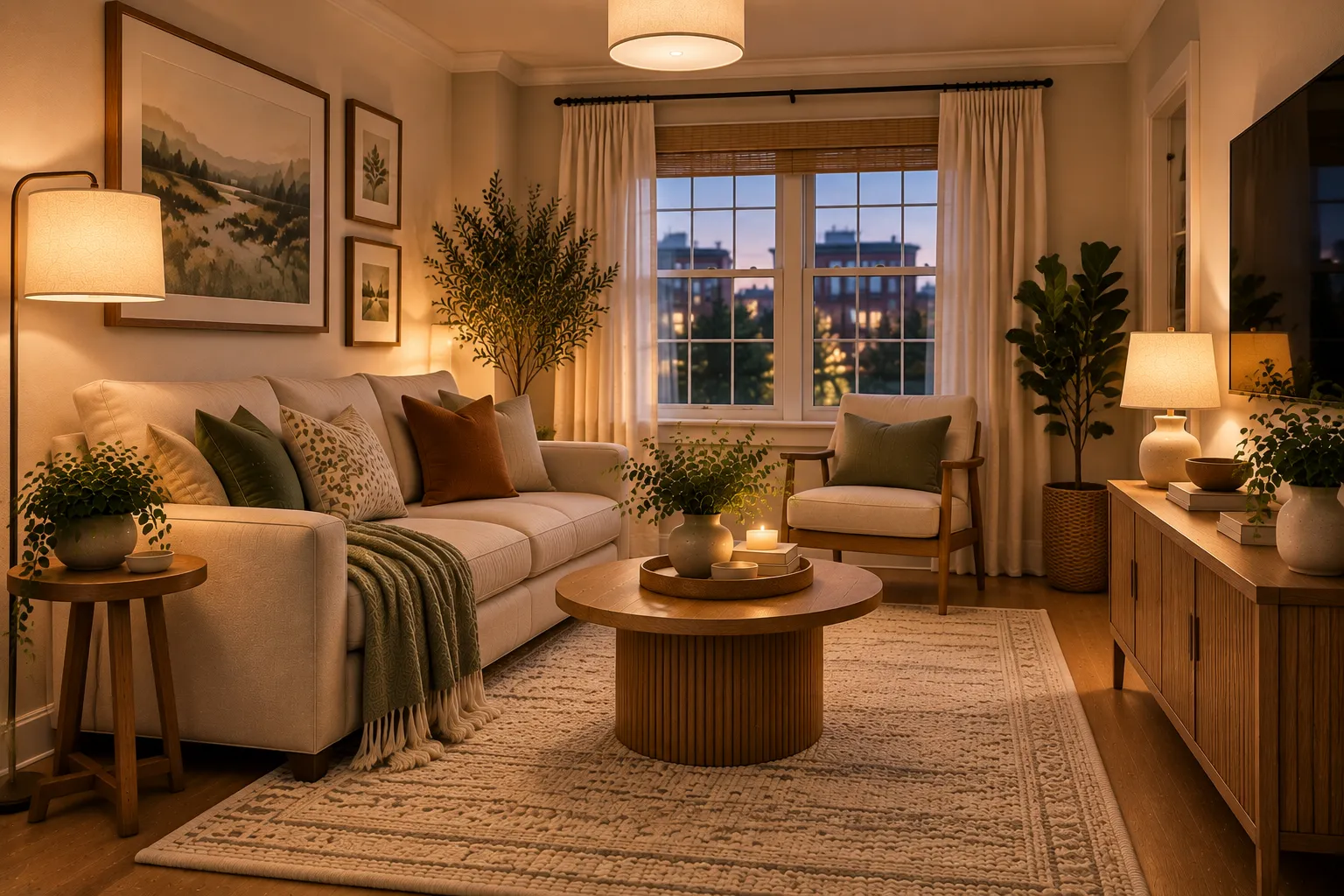
Add Personality With a Small, Edited Set of Decor
A small living room should still reflect your taste. Choose a few meaningful objects, art pieces, cushions, or plants rather than trying to display everything at once. Repeating colors or materials creates continuity, and leaving some empty space around each item gives it more impact. A single striking vase or artwork can contribute more than a dozen unrelated accessories.
Mix textures to keep a restrained palette from feeling flat. Linen, wood, ceramic, wool, glass, and woven fibers can add depth without requiring more colors. Keep delicate or valuable objects away from narrow walkways and high-traffic table edges. If you enjoy changing your decor, rotate seasonal accents in and out of storage rather than adding new items to the room permanently.
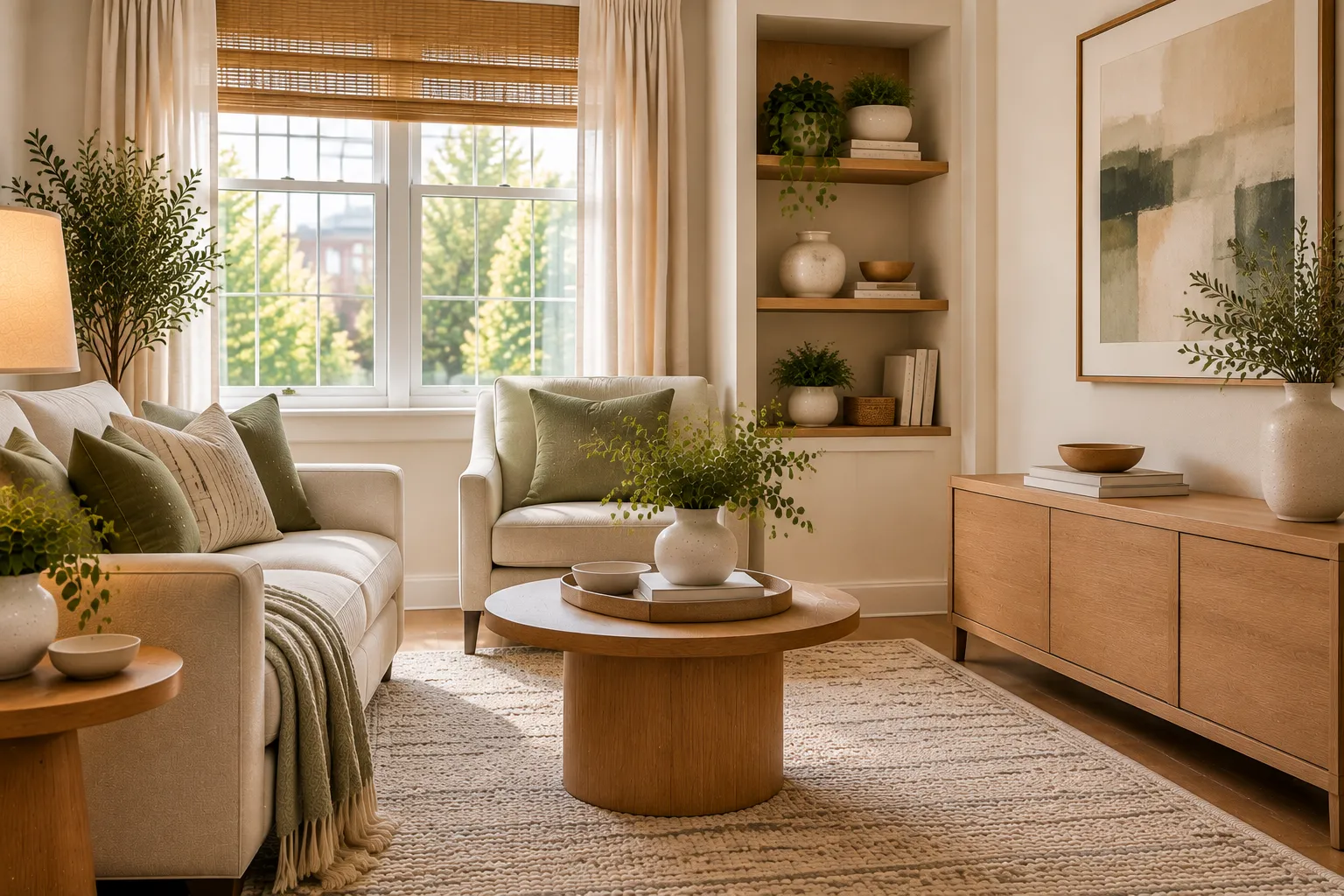
Common Small Living Room Mistakes to Avoid
One common mistake is choosing furniture before measuring. Another is buying a rug that is too small, placing all furniture tightly against the walls without considering conversation, or adding storage that blocks natural light. Too many small decorative objects can also create visual noise. Solve the room’s largest functional problem before focusing on finishing touches.
Do not remove every comfortable item in an attempt to make the room look bigger. A living room still needs places to sit, surfaces to use, and storage for everyday life. The goal is not an empty room; it is a well-edited one. Keep what supports your routine, replace what consistently gets in the way, and make changes gradually so you can evaluate how each one affects the space.
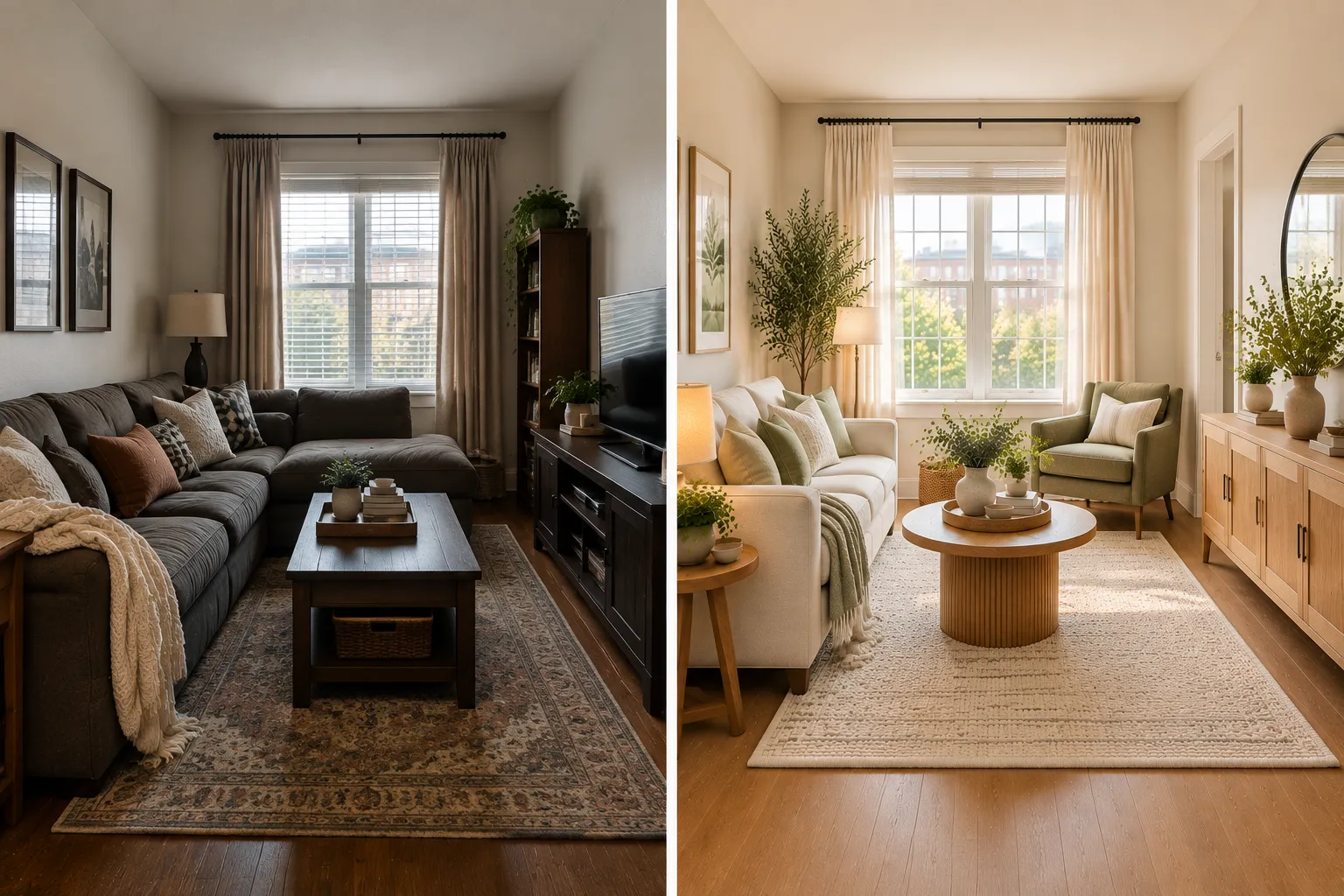
Related ideas: Living Room Decorating Ideas for Every Home and Cozy Living Room Ideas for a Warm and Inviting Space.
Frequently Asked Questions
What furniture is best for a small living room?
Choose pieces scaled to the room, with practical proportions and clear dimensions. Apartment-size sofas, narrow-arm chairs, nesting tables, storage ottomans, and slim consoles can be useful when they fit your layout.
What colors make a small living room look bigger?
Light and mid-tone colors can help a room feel open, especially when the palette is cohesive. Natural light, contrast, furniture scale, and clutter control matter too, so white walls alone are not a complete solution.
Should furniture touch the walls in a small living room?
Not always. Placing some furniture against walls may preserve floor space, but the best layout depends on the room’s shape and walkways. Test arrangements and prioritize easy movement.
Are mirrors useful in small living rooms?
Yes, when positioned to reflect daylight or an attractive view. Mirrors can increase perceived brightness and depth, though they do not change the room’s actual size.
How can I add storage without making a small room feel crowded?
Use a few well-planned storage pieces, prefer closed storage for visual clutter, use vertical space selectively, and keep frequently used items accessible.