Bedroom Ideas for Couples With Different Styles
Sharing a bedroom sounds simple until you try to decorate it together. One of you likes clean lines and plain walls, the other loves color, pattern, and a few things on every surface. One wants the room dark and quiet, the other wants it bright and full of life. It is easy to end up with a room that feels like two different bedrooms pushed together — or worse, a room neither of you really likes.
The good news is that different styles do not have to clash. A bedroom can hold both of your tastes if you find the middle ground first and let each person's style show up in smaller ways. This guide walks you through how to do that, step by step, so the room feels calm, cozy, and like it belongs to both of you.
1. Start With What You Both Agree On
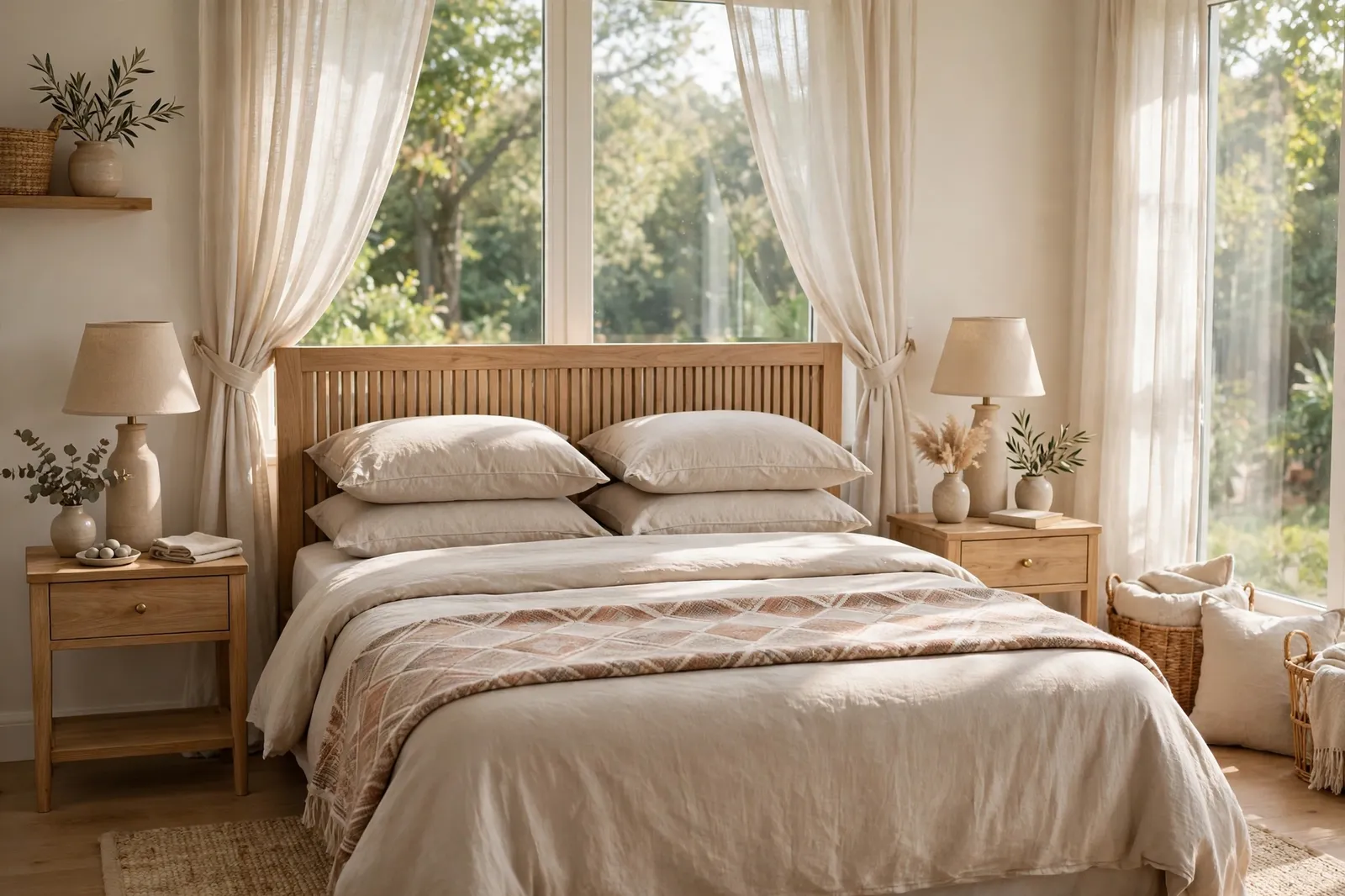
Before you argue about paint colors or bedding, sit down and find the things you already agree on. Maybe you both want the room to feel calm at night, or you both hate clutter, or you both want a bed that is actually comfortable. Those shared wishes are your starting point, and they matter more than any single piece of furniture.
Write the short list down — three or four things you both want from the room. It could be as simple as "quiet, tidy, and easy to relax in." When a decorating choice comes up later, check it against that list. If it fits what you both agreed on, it stays. If it only pleases one of you, it needs a rethink. Starting from common ground keeps the whole project friendly instead of turning every trip to the store into a debate.
2. Pick a Calm Base You Can Both Live With
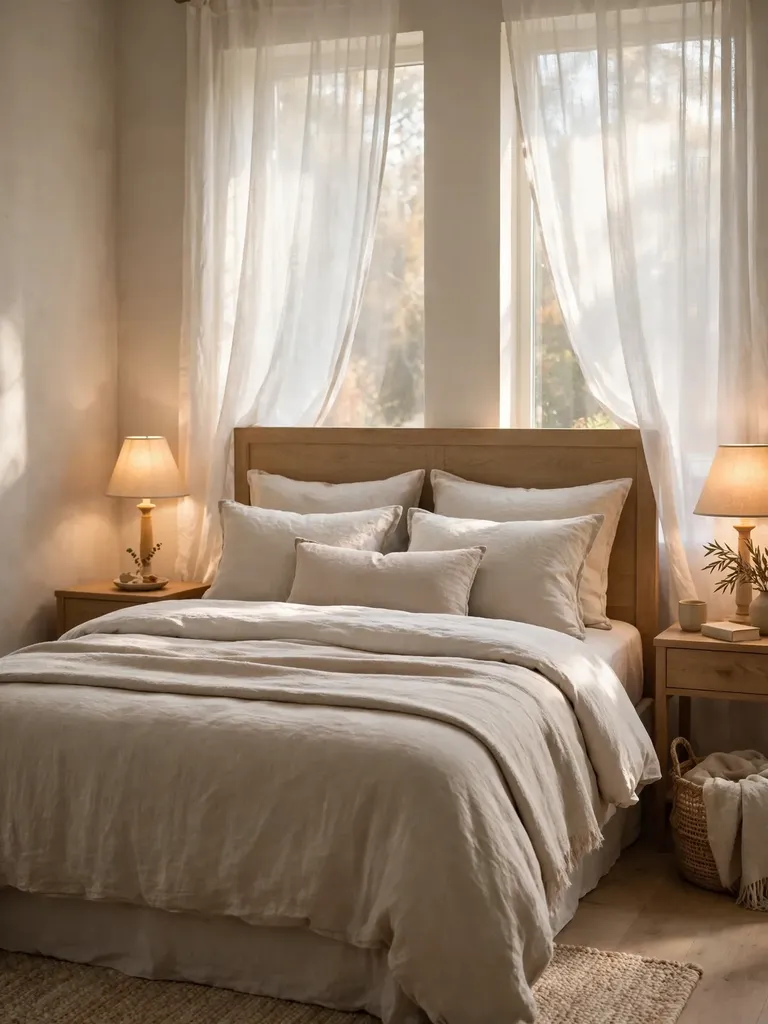
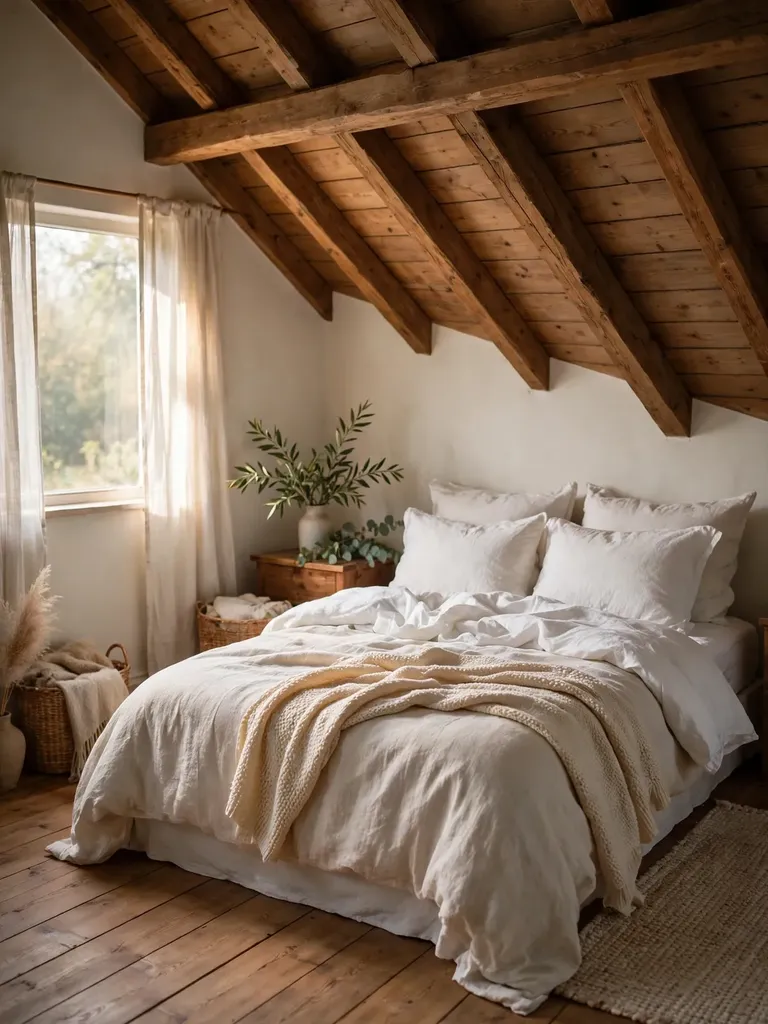
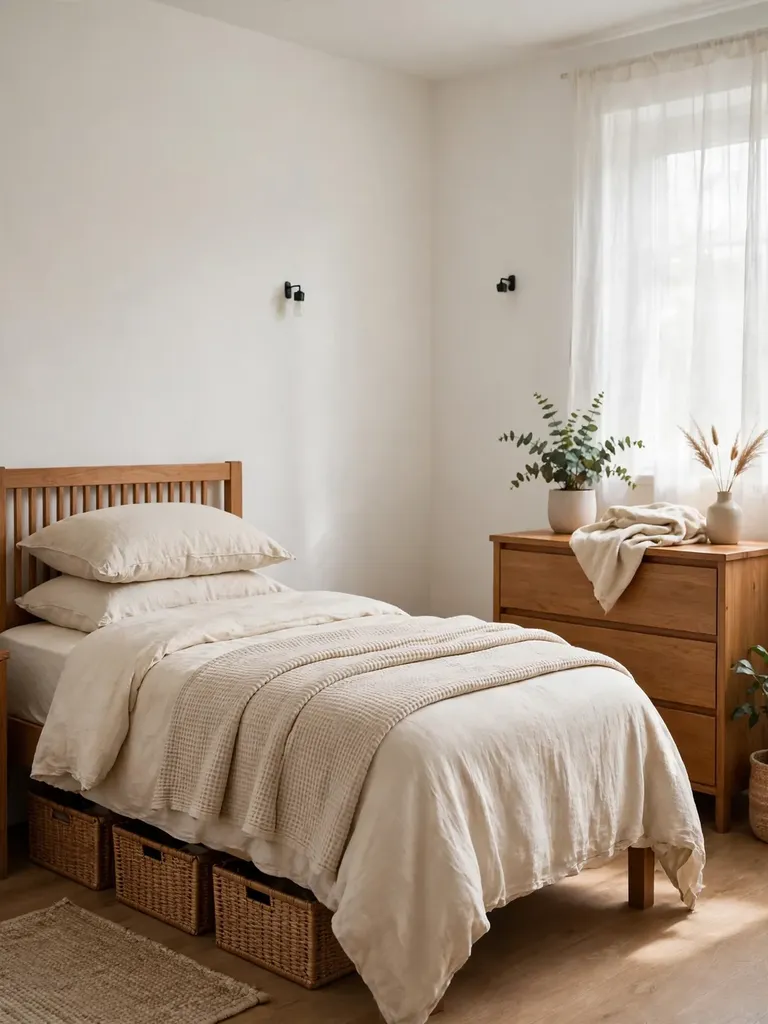
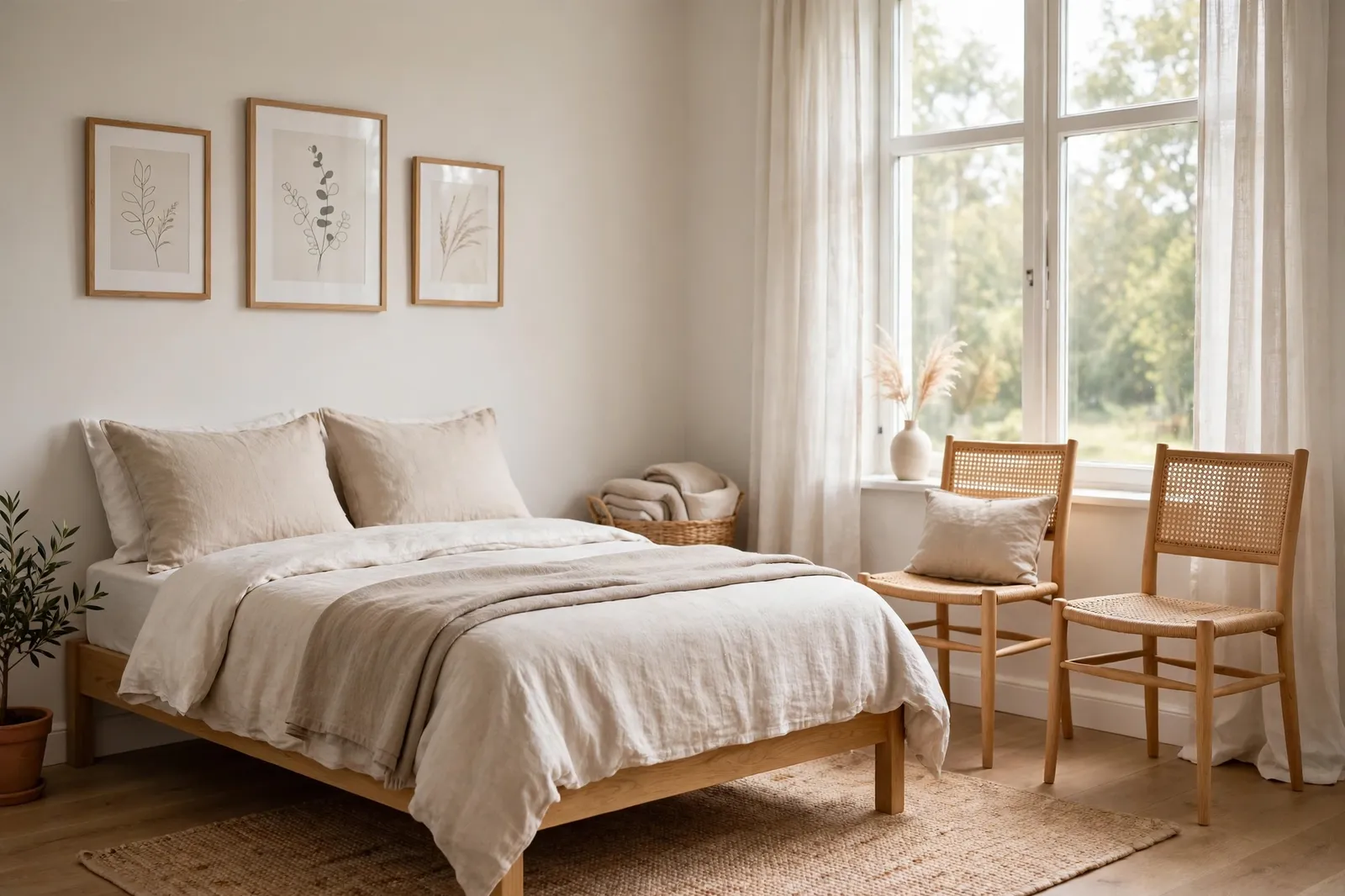
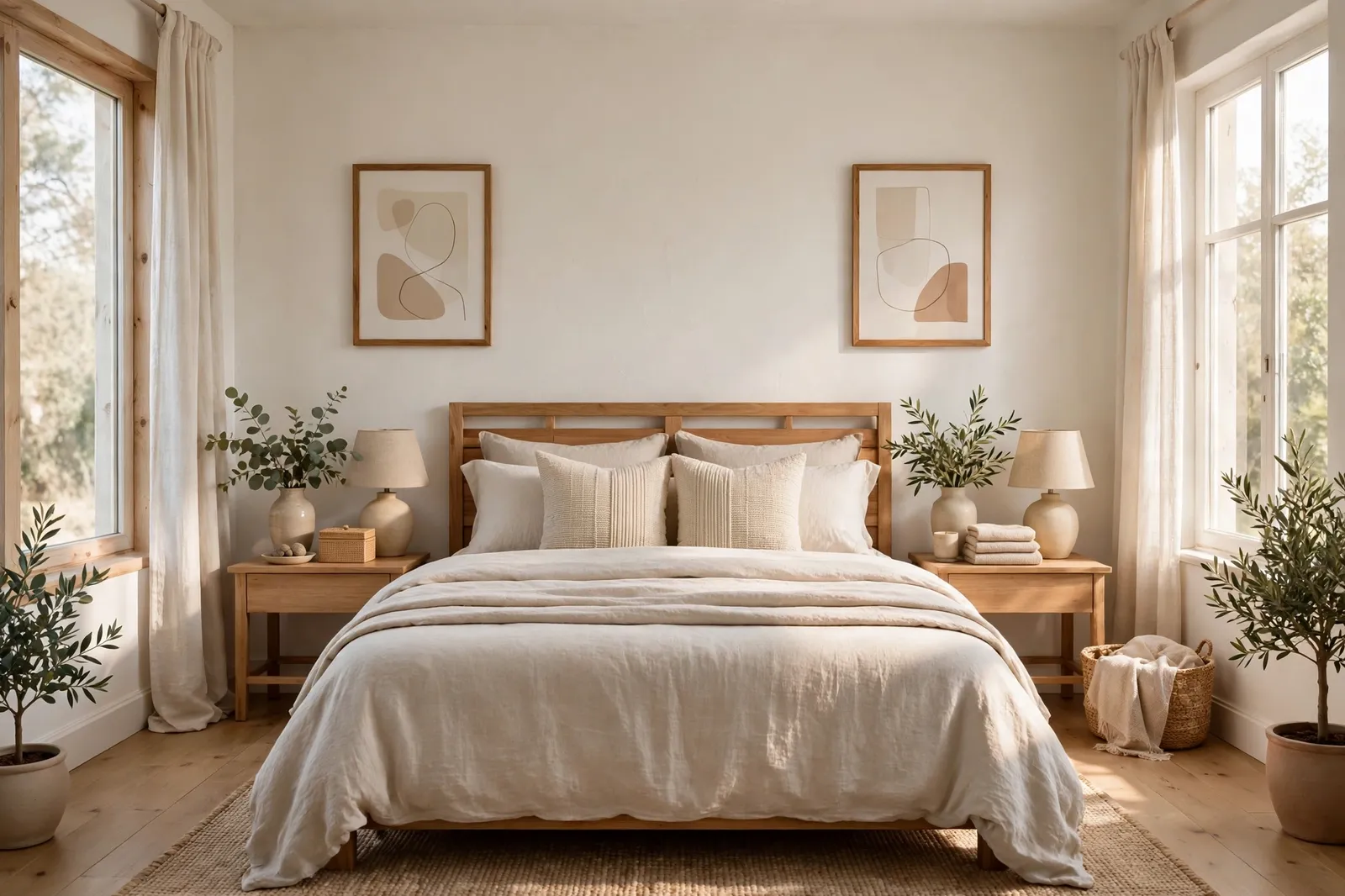
The walls, the floor, and the big furniture are the hardest things to change, so keep them neutral. Soft white, warm gray, or a pale warm beige work for almost every style, and they give both of you a quiet background to build on. Neither person has to give up their taste — the base just stays out of the way.
Think of the base as the part of the room you share, and the smaller things as the parts where your styles get to show. A neutral bed frame, plain curtains, and a simple rug cost less to live with over time, too. If one of you later wants a bolder look, it is much easier to swap a throw pillow or a lamp than to repaint the whole room or buy a new bed.
3. Give Each Person One Spot of Their Own
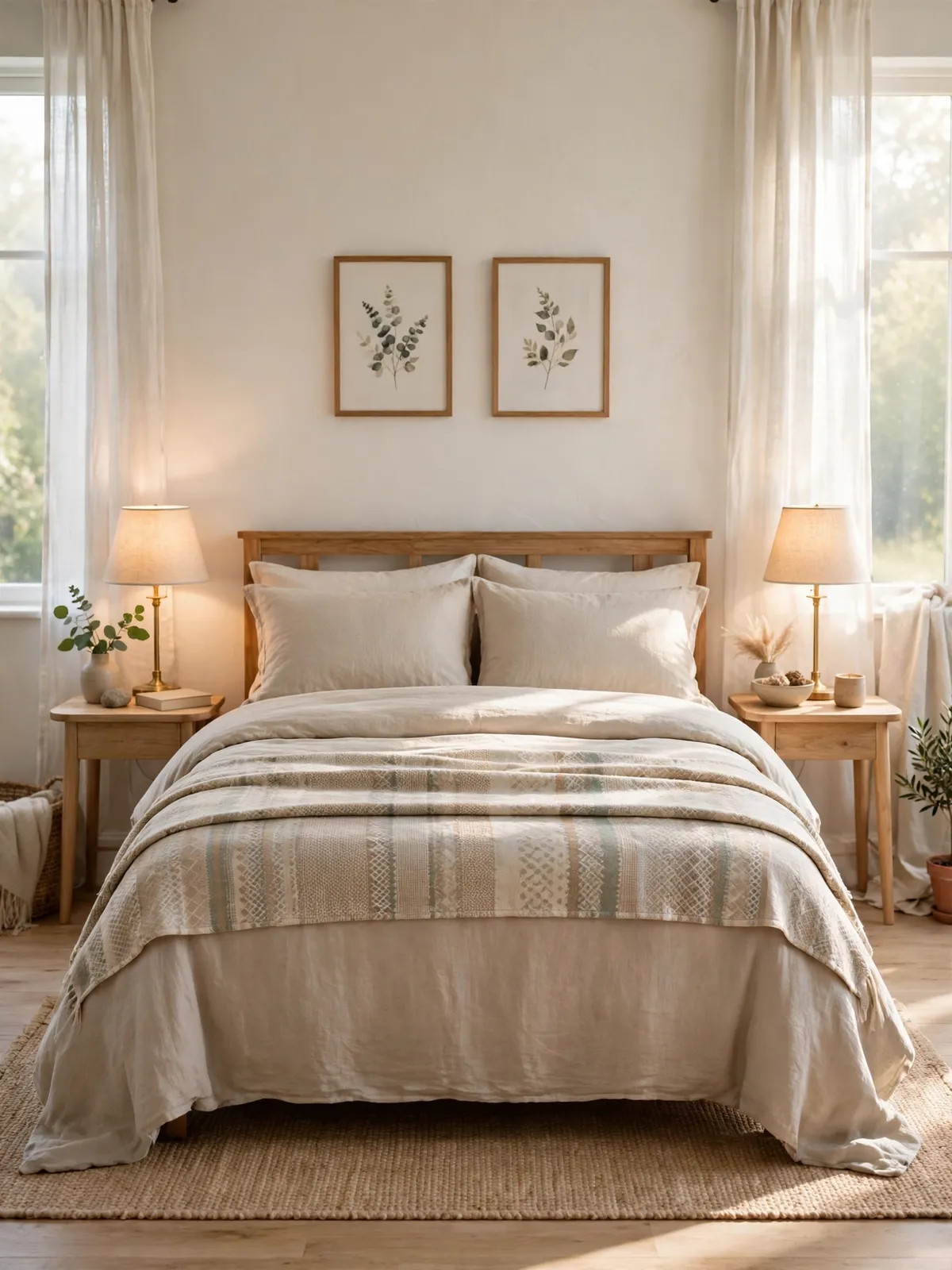
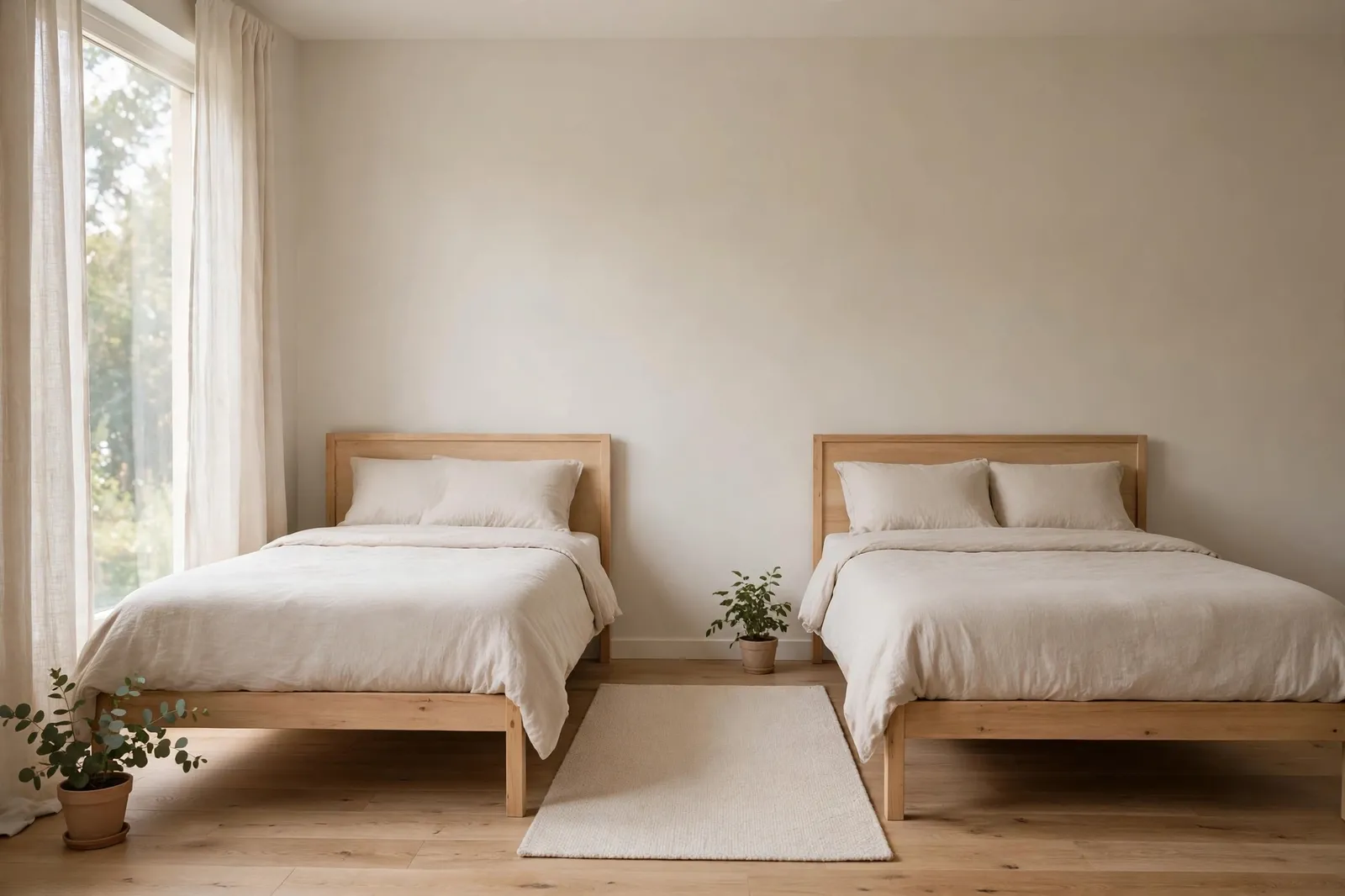
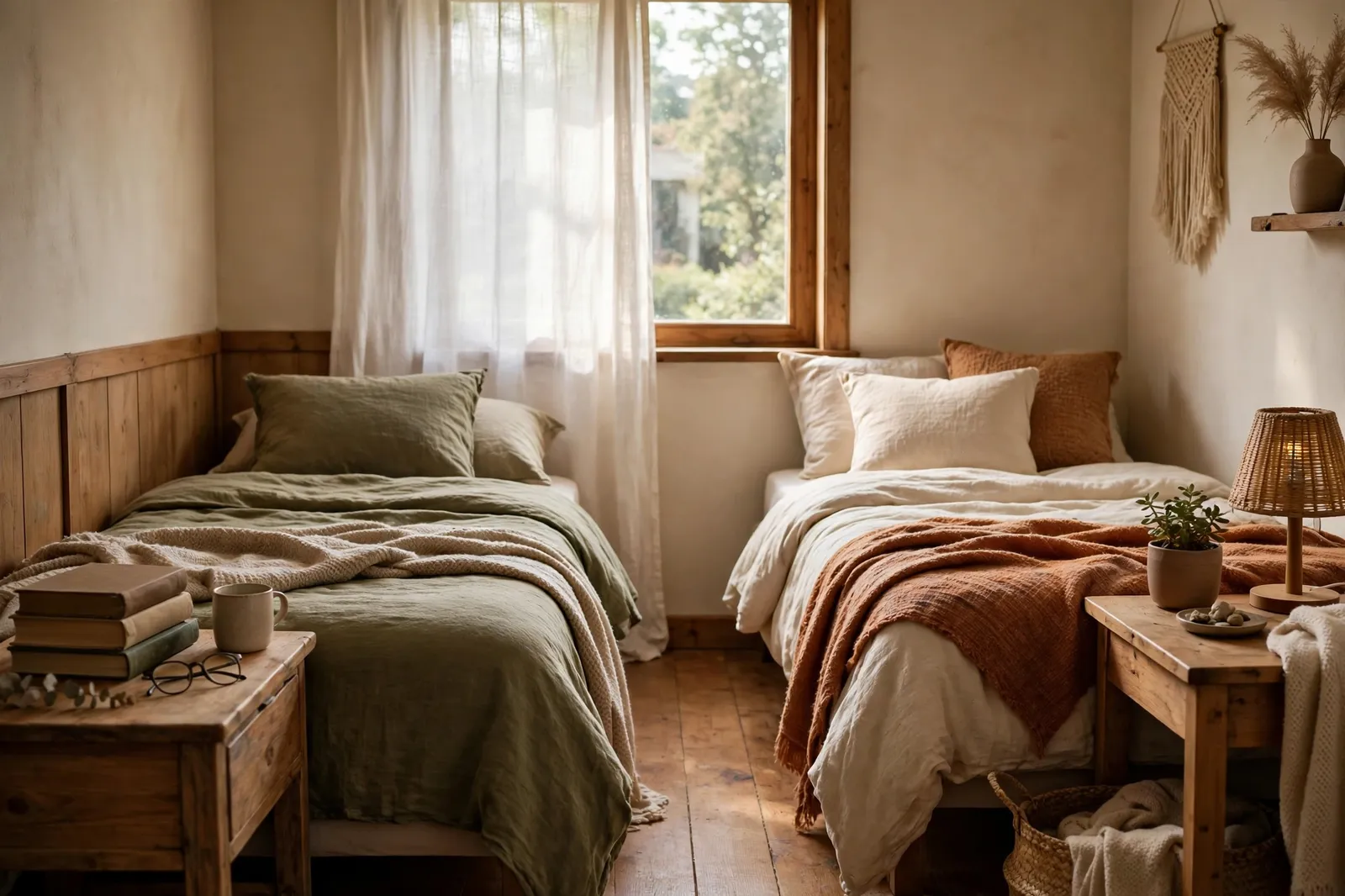
Every shared bedroom works better when each person has a little corner that is theirs. It does not have to be big — your side of the bed, your bedside table, or one shelf can be enough. That small space is where your style gets to be fully yours, without needing the other person's approval.
Keep the two spots roughly balanced so one side of the room does not look crowded while the other looks bare. If one of you likes books stacked on the nightstand and the other likes a clean surface with one lamp, that is fine — those are two small spots, not a fight over the whole room. Having your own corner makes it much easier to compromise on everything else, because nobody feels like their taste disappeared completely.
4. Mix Styles Instead of Picking One Winner
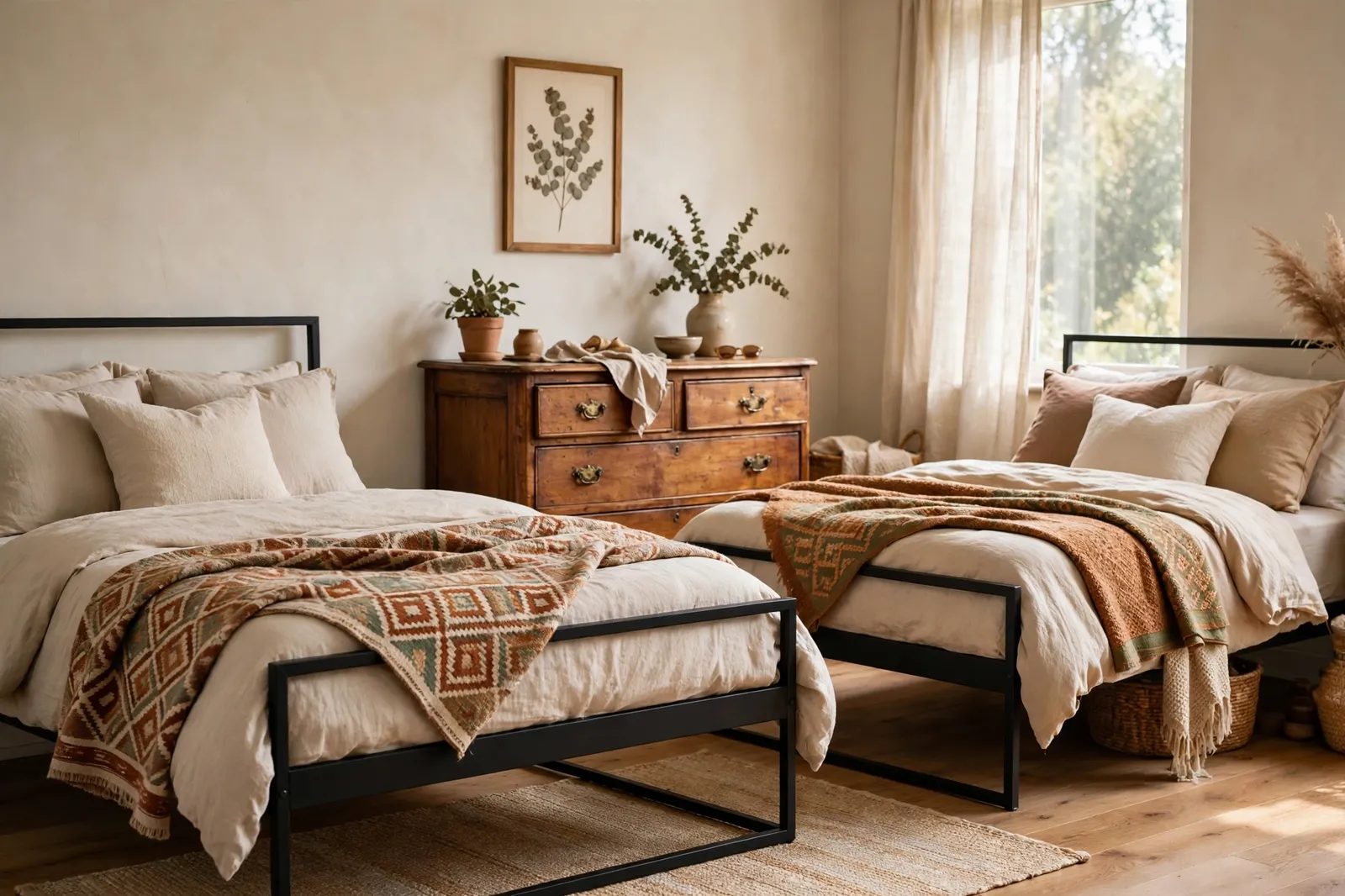
When two styles meet, the best rooms are a mix, not a win for one side. A modern bed frame can sit happily next to a vintage-style dresser, and a plain duvet can look great with a bold patterned throw. The trick is to mix in small amounts, so no single style takes over the room.
A good rule is to let one style lead and the other one accent. If the room is mostly clean and simple, add a few warm, traditional touches — a wooden bench, a textured blanket, a framed print. If the room leans traditional, add one or two clean, modern pieces to keep it from feeling heavy. Step back and look at the room as a whole. If your eye moves around easily and nothing shouts over the rest, the mix is working.
5. Find Bedding That Works for Both of You
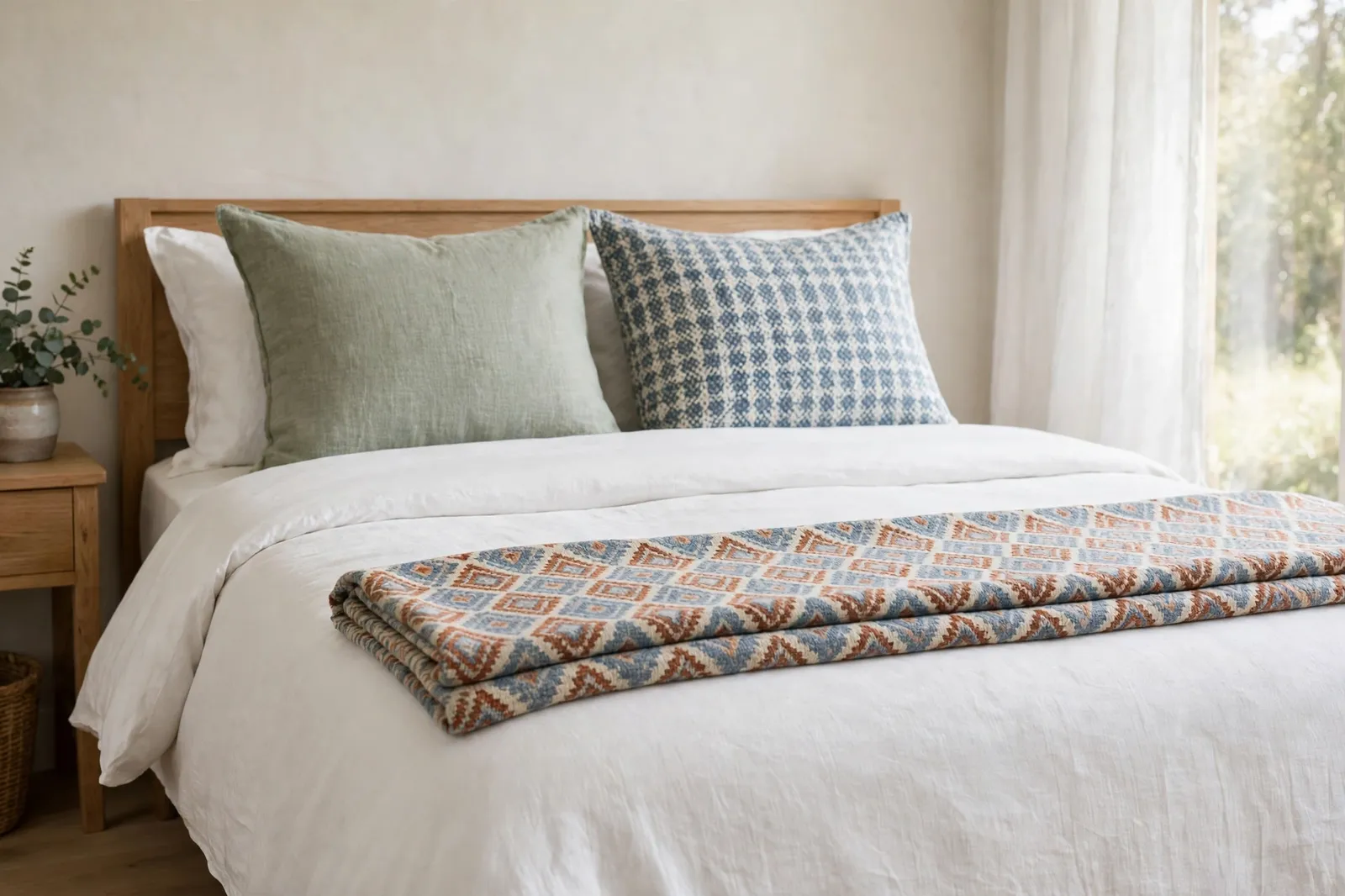
Bedding is where different tastes show up first, because the bed takes up most of the room. One of you may love crisp white sheets while the other wants color and pattern. The fix is to split the bed into layers: keep the big pieces simple and let the smaller pieces carry the personality.
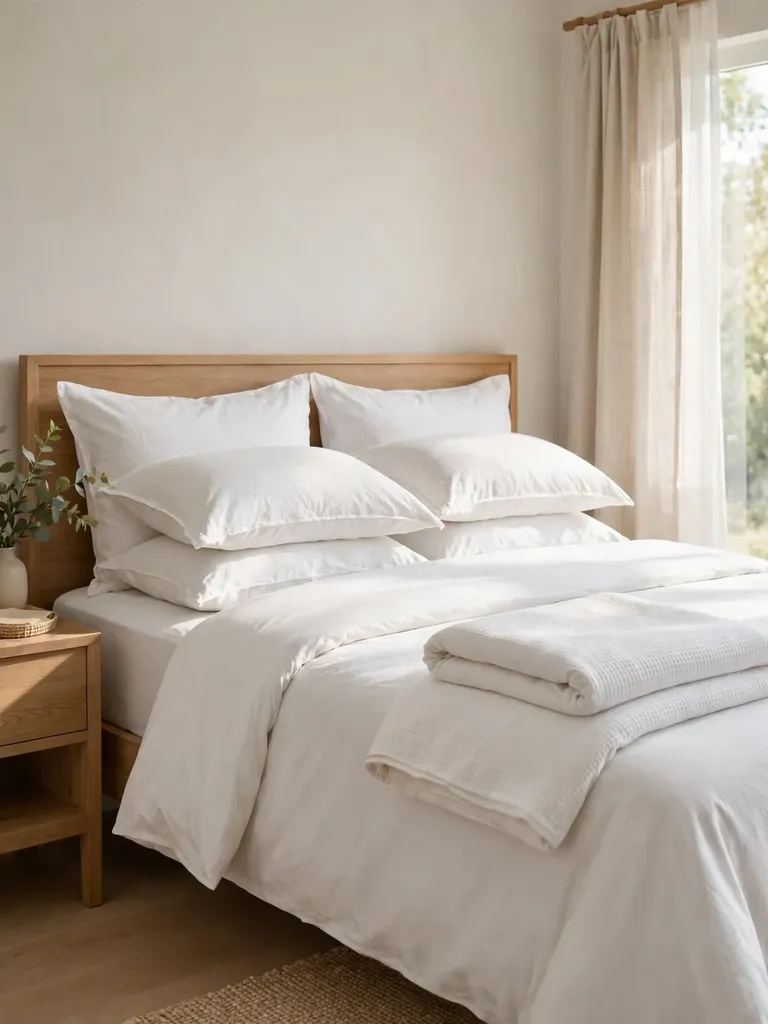
Start with plain sheets and a solid-color duvet in a shade you both like. Then add the fun on top — a patterned throw folded at the foot of the bed, or two different pillow shams, one for each side. Each person can even have their own blanket weight if one of you sleeps hot and the other sleeps cold. That way the bed looks pulled together, and nobody has to sleep under something they hate.
6. Use Color to Tie Different Pieces Together
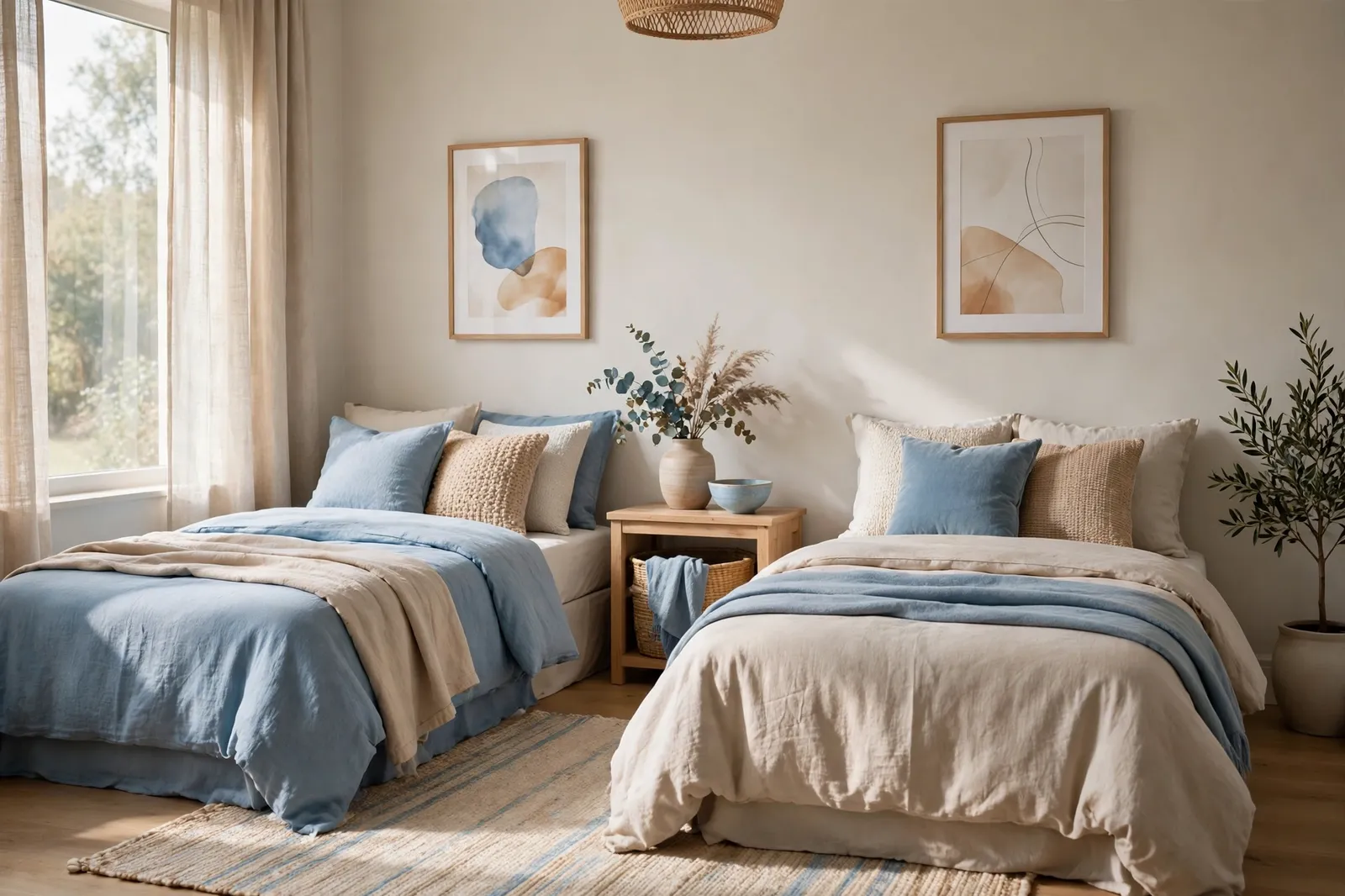
When two styles live in one room, color is the glue that holds them together. Pick two or three colors you both like and repeat them around the room — in the bedding, the art, a cushion, or a lamp. Repeating the same colors makes very different pieces feel like they belong together.
You do not need to agree on a bold color to make this work. A soft blue, a warm green, or a dusty rose can be the thread that ties a modern lamp to a traditional chair. If one of you loves bright color and the other prefers quiet tones, use the bright color in small doses — a cushion, a vase, a single print — and keep the bigger pieces calm. The room will feel connected without either person feeling like they lost.
7. Balance the Decor, Not Just the Furniture
It is not only the big furniture that needs balance — the small stuff matters too. If one person's style fills every shelf and wall while the other's taste shows up nowhere, the room will feel lopsided even if the furniture is fine. Take a slow walk around the room and count where each person's style appears.
Aim for both styles to show up in a few places each, spread across the room rather than crowded into one corner. A framed print on one wall, a favorite lamp on the other side, a plant here, a stack of books there. Keep surfaces from getting too full, because clutter makes any style clash louder. When the decor is balanced, the room feels like it belongs to a couple, not to one person with a guest.
8. Make Room for Both Routines
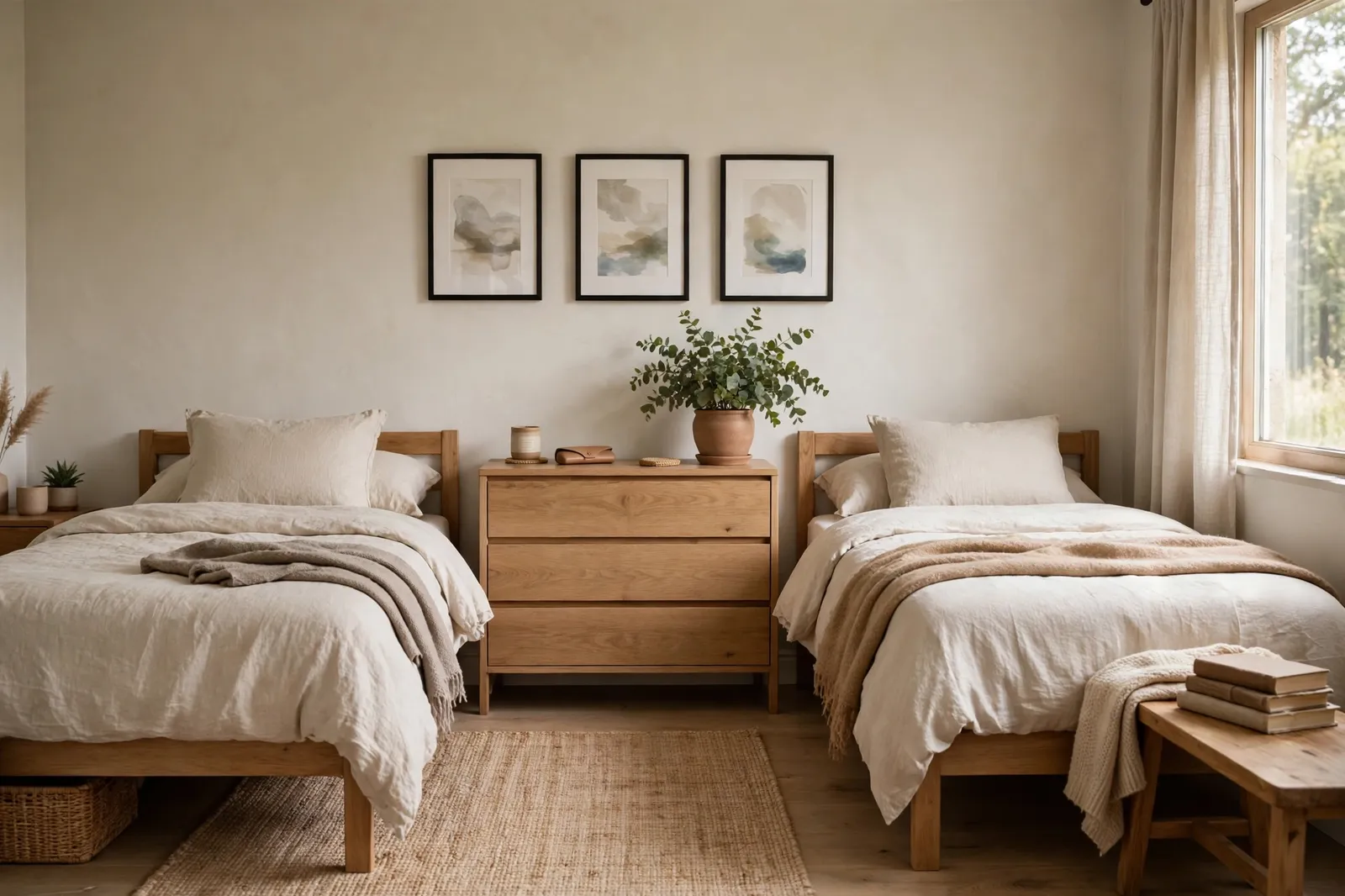
A shared bedroom has to work for two different mornings and two different nights. One of you may read in bed while the other wants the lights out, or one gets up early while the other sleeps in. Plan for both routines instead of hoping they will sort themselves out.
Small fixes go a long way here. A reading light on one side of the bed lets one person read without waking the other. A blackout curtain on one window and a sheer one on the other gives you both options. Keep a charging spot on each side of the bed, and give the early riser a quiet place to get ready without turning on the main light. When the room supports both routines, mornings get easier — and that is worth more than any decorating win.
9. Step Back and See the Room as a Whole
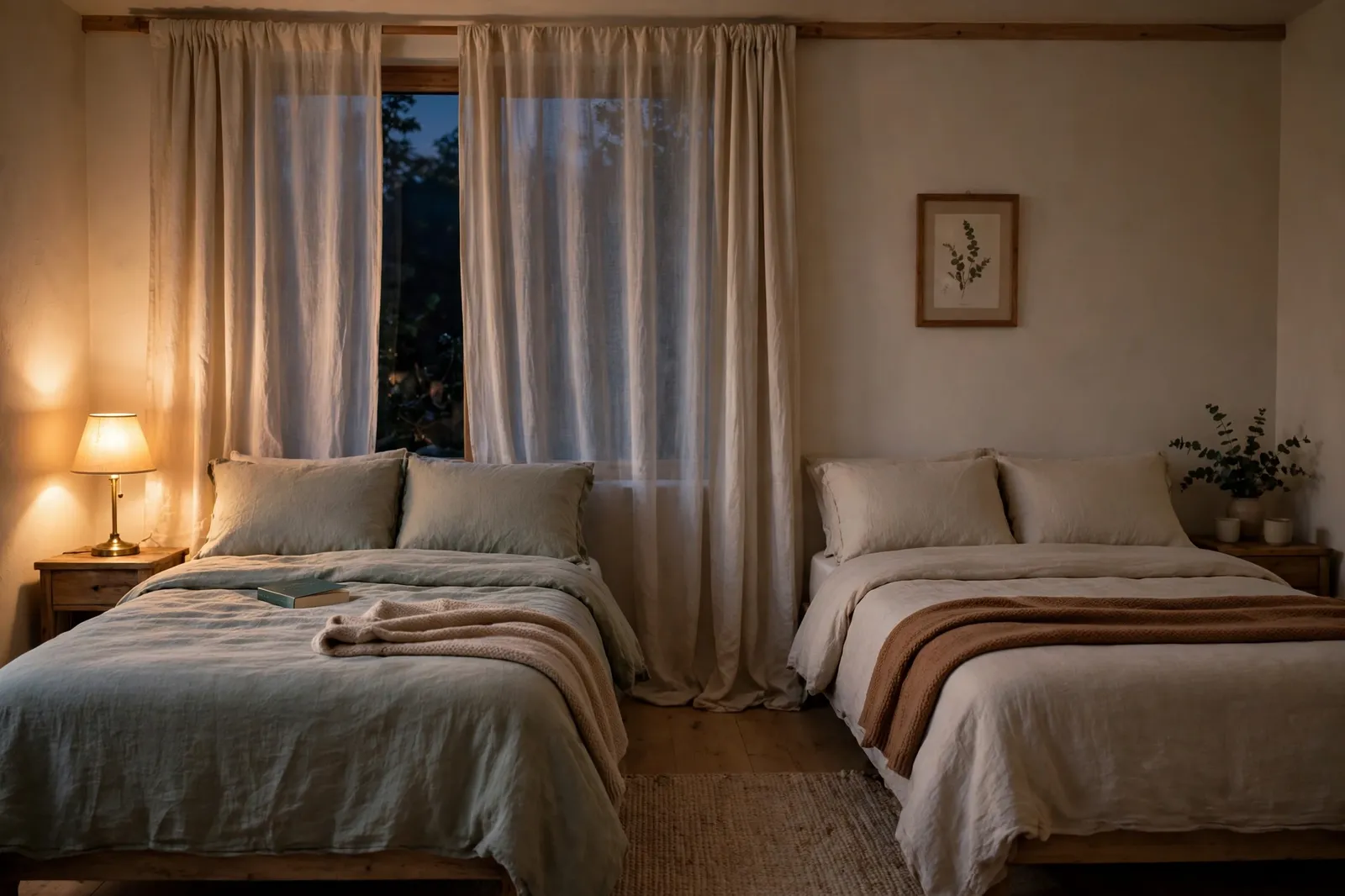
Once everything is in place, step back and look at the room the way a guest would. Stand in the doorway and take it in all at once. Does it feel calm? Does it look like one room, or like two halves pushed together? Your first honest reaction will tell you more than staring at one corner at a time.
Small tweaks are usually all it takes at this point. Move a cushion, swap two lamps, take one thing off a crowded shelf. Live with the room for a week before changing anything big — you might find the mix grows on you once you are actually sleeping in it. A shared bedroom is never really finished, and that is fine. The goal is a room that feels like home to both of you, and that is something you build together, one small choice at a time.

Frequently Asked Questions
How do you decorate a bedroom when you and your partner have different styles?
Start with what you both agree on, like wanting the room to feel calm and tidy, then keep the big pieces neutral. Let each person's style show in smaller things — bedding layers, art, cushions, and their own bedside spot — so the room holds both tastes without looking split in two.
How can couples compromise on bedroom decor?
Pick a calm base color and simple furniture you both accept, then give each person one spot of their own, like a bedside table or a shelf. Use two or three shared colors to tie different pieces together, and trade off on the small choices so neither person feels like they always lose.
What colors work best for a shared bedroom?
Soft neutrals like warm white, light gray, and pale beige make the best base because they suit almost every style. Add one or two colors you both like — a soft blue, warm green, or dusty rose — and repeat them in the bedding, cushions, and art to pull the room together.
How do you mix modern and traditional bedroom furniture?
Let one style lead and the other one accent. Pair a clean modern bed frame with a vintage-style dresser, or a traditional wooden bench with simple modern lamps. Repeat two or three shared colors across the pieces, and step back often to check that no single style takes over the room.
Related ideas
If you want more ideas for the same room, Guest Bedroom Ideas to Make Visitors Feel Welcome is a good place to start, since it covers the basics that work in any bedroom, shared or not. Headboard Ideas for Every Bedroom Style will help you pick a headboard that suits both of your tastes, and How to Choose the Right Bedroom Rug Size shows how to size the rug so the whole room feels pulled together. You might also like How to Create a Calm Bedroom That Helps You Sleep Better and How to Decorate a Bedroom With Slanted Ceilings.