Space-Saving Furniture Ideas for Compact Homes
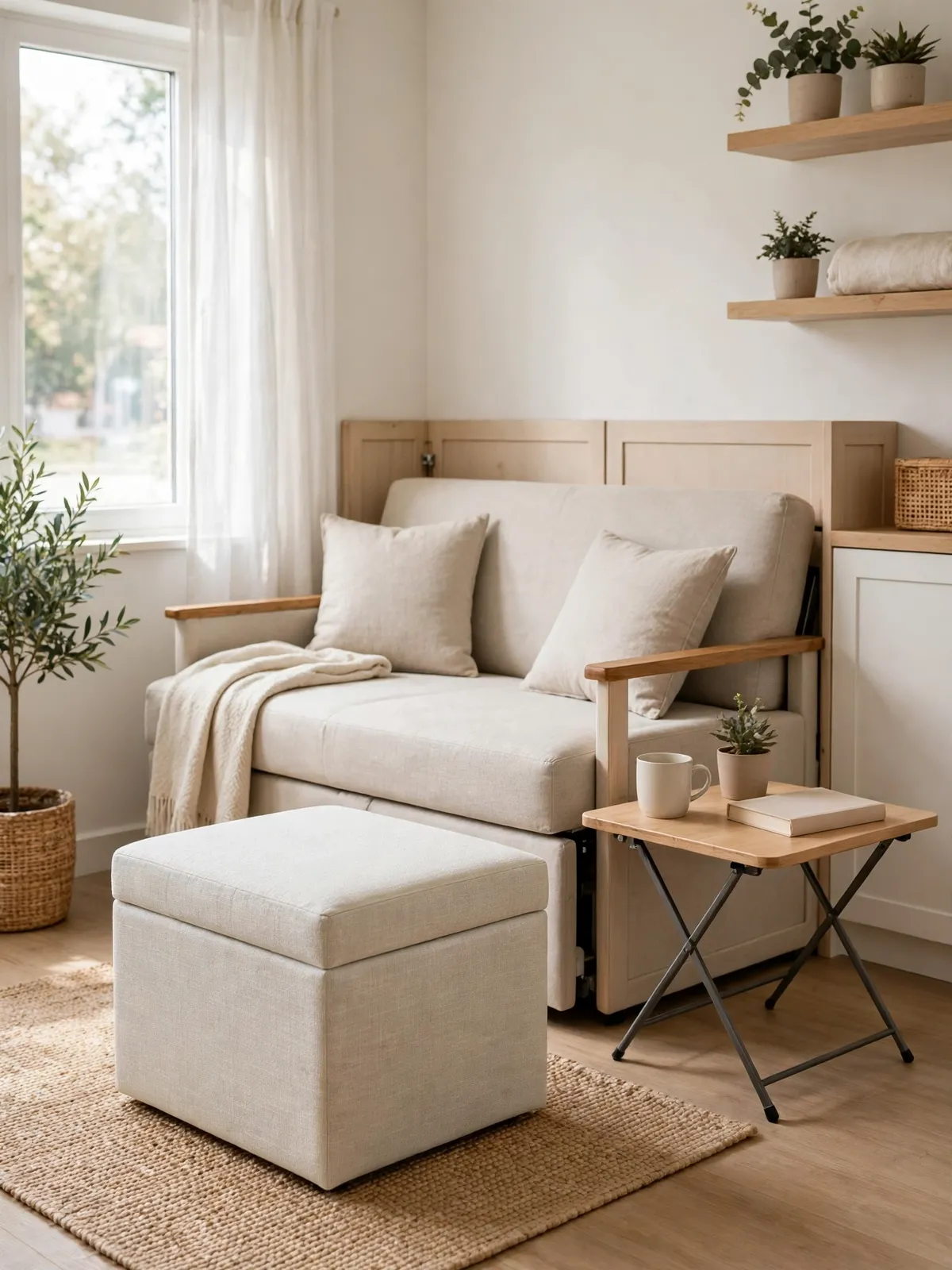
A compact home does not have to feel cramped. The right furniture can make a small room work twice as hard, and you do not need to spend a fortune to get there. The trick is to pick pieces that do more than one job and fit the space you actually have, not the space you wish you had.
Start with the pieces you use every day. A bed that hides storage, a table that folds away, and a sofa that turns into a guest bed can free up more room than you would think. Here are simple ideas you can try one at a time, starting with the room that bothers you most.
1. Start With Pieces That Fold Away
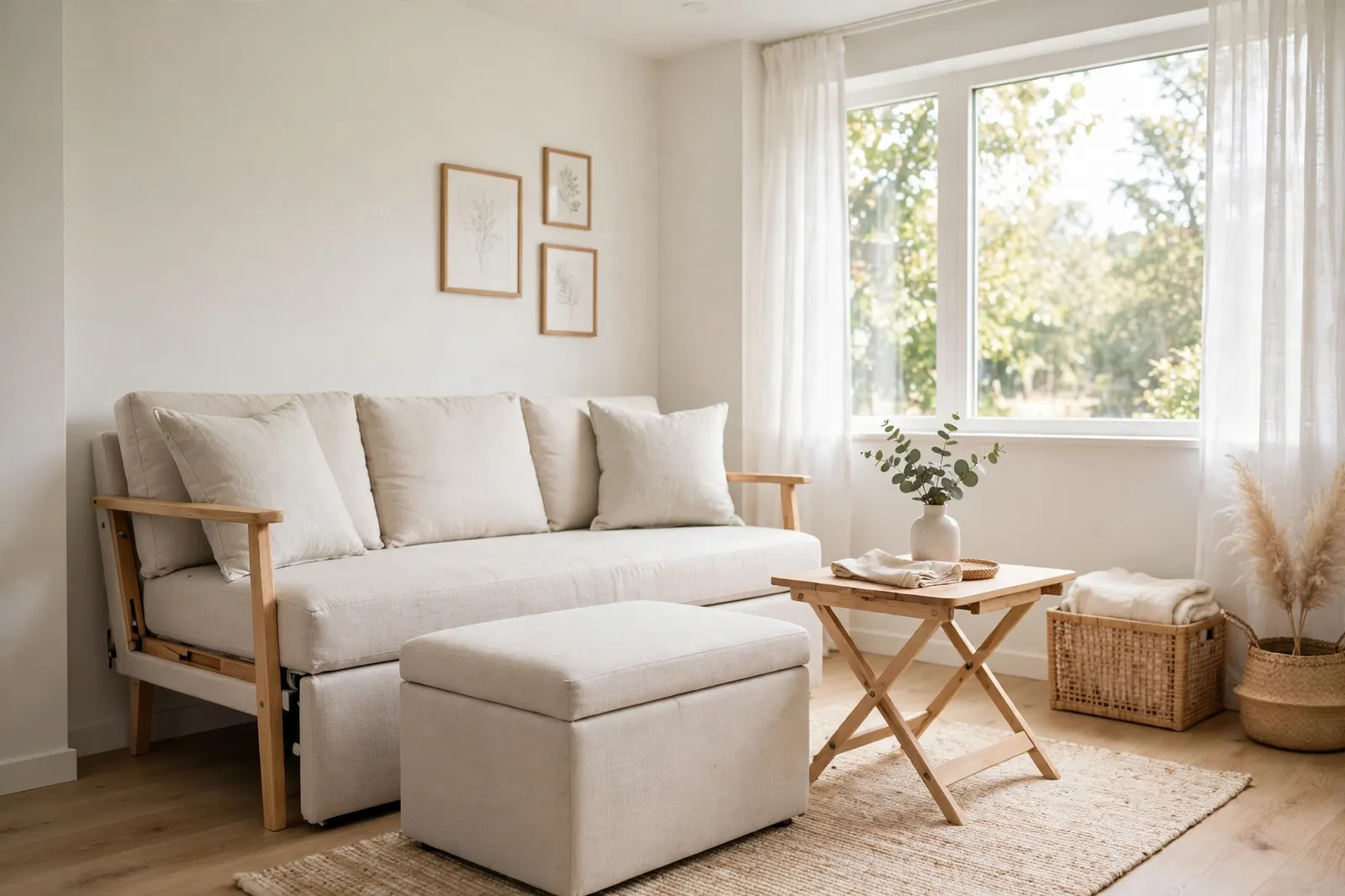
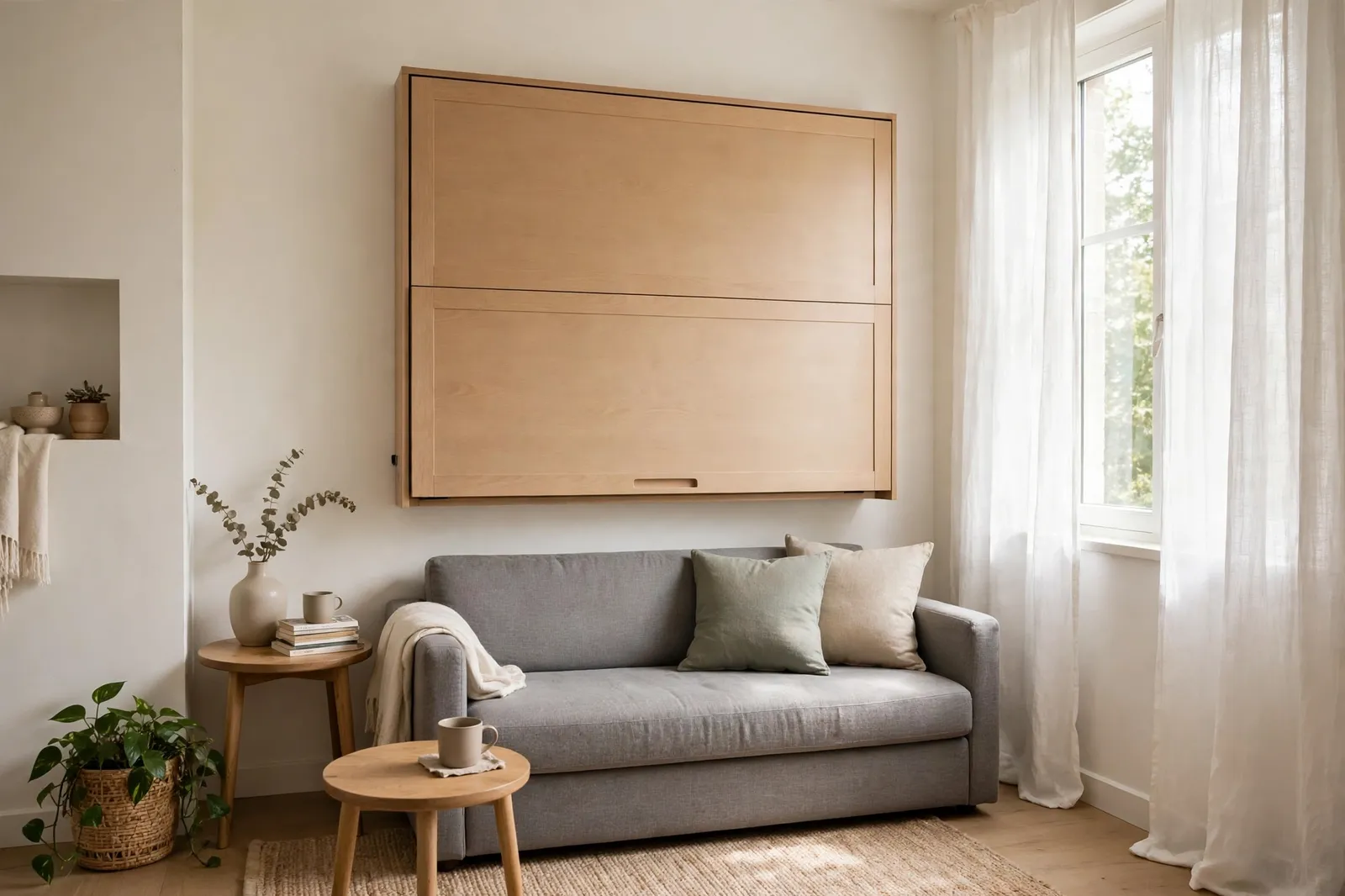
Fold-away furniture is the easiest win in a small home. A wall bed folds up in the morning and gives you back the whole room. A drop-leaf table opens up for dinner and folds flat against the wall when you are done. A folding chair tucks into a closet until guests show up.
The key is to pick pieces that are easy to open and close. If it takes two people and ten minutes, you will stop using it. Look for smooth hinges, light frames, and a design that still looks good when it is folded away. The best fold-away pieces disappear into the room instead of looking like a compromise.
2. Pick a Sofa That Does More Than Seat
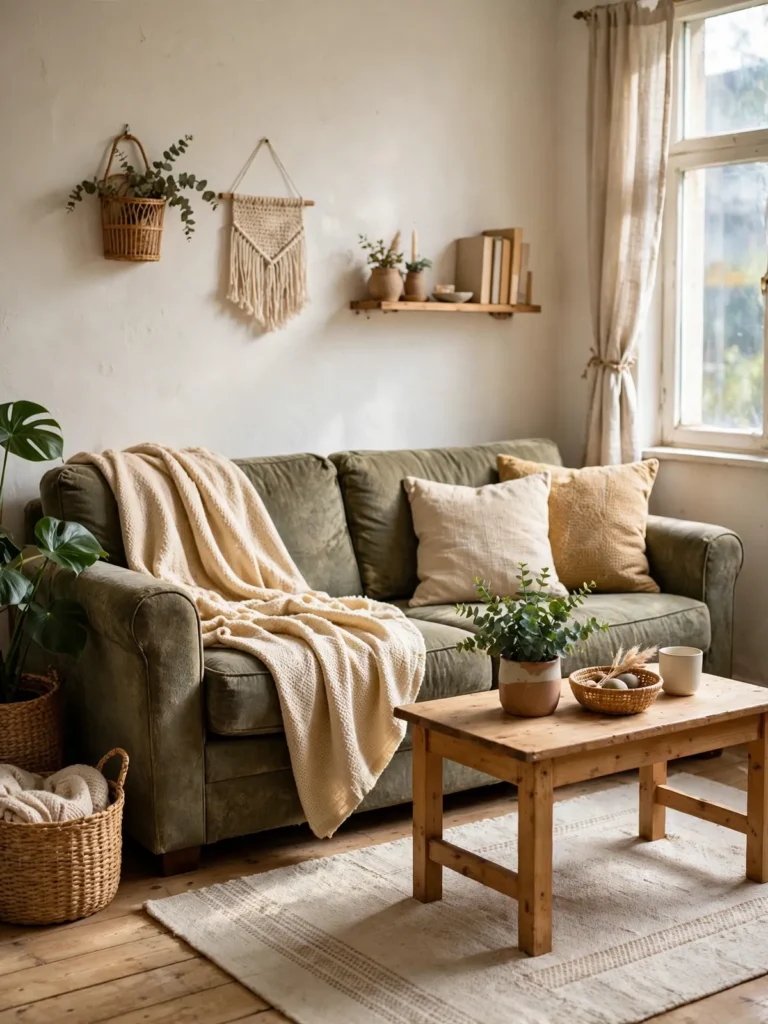
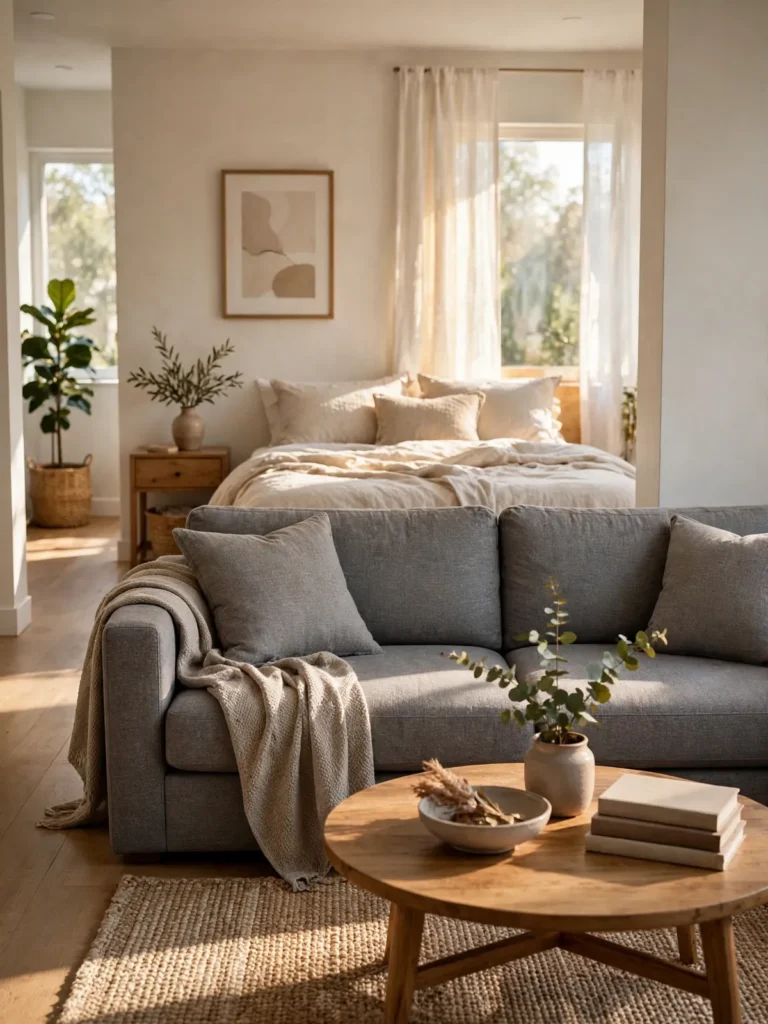
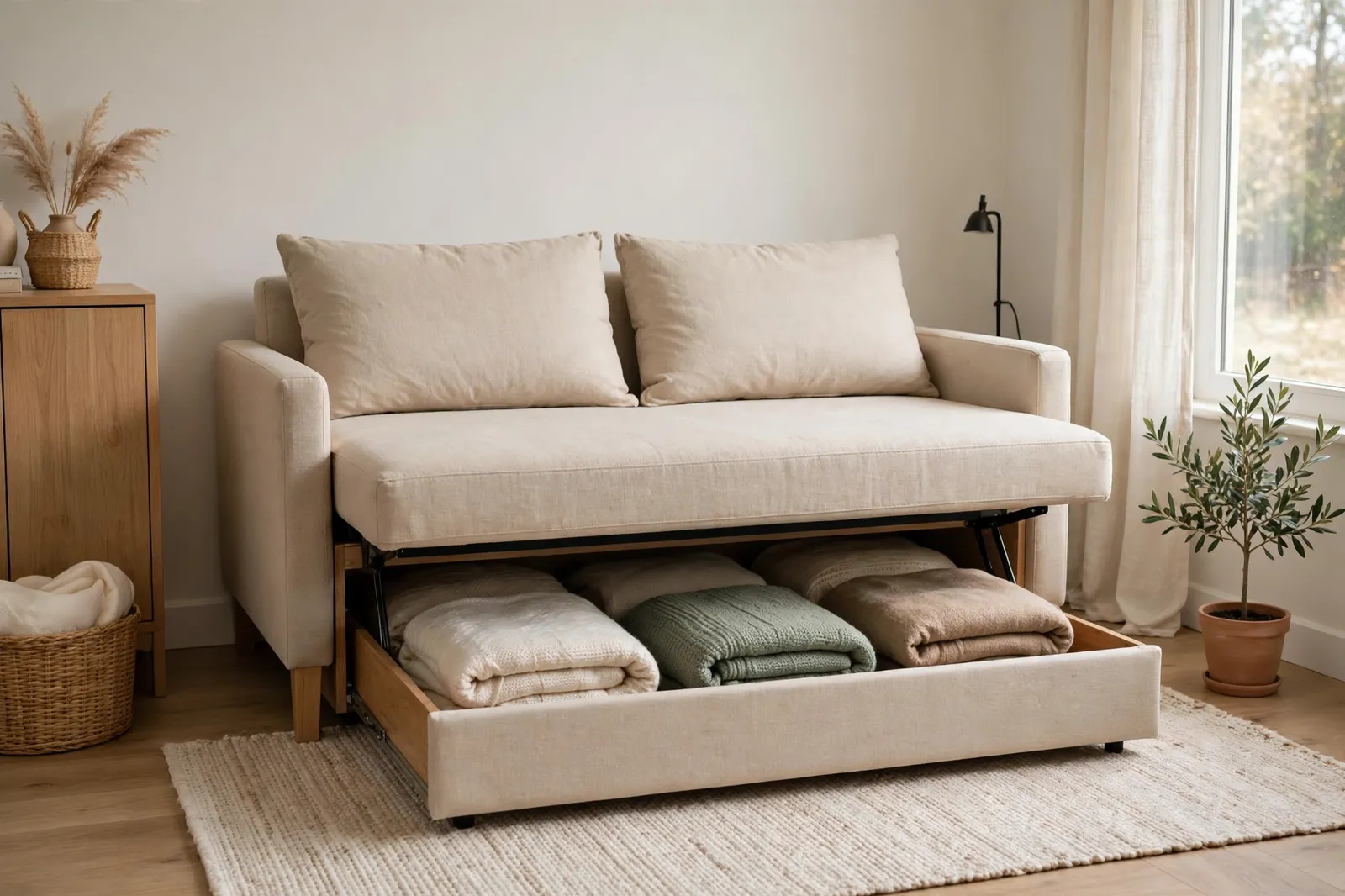
Your sofa is probably the biggest piece in the room, so it should earn its size. A sofa bed gives guests a place to sleep without you needing a spare room. A sectional with hidden storage under the seats holds blankets, board games, or out-of-season clothes.
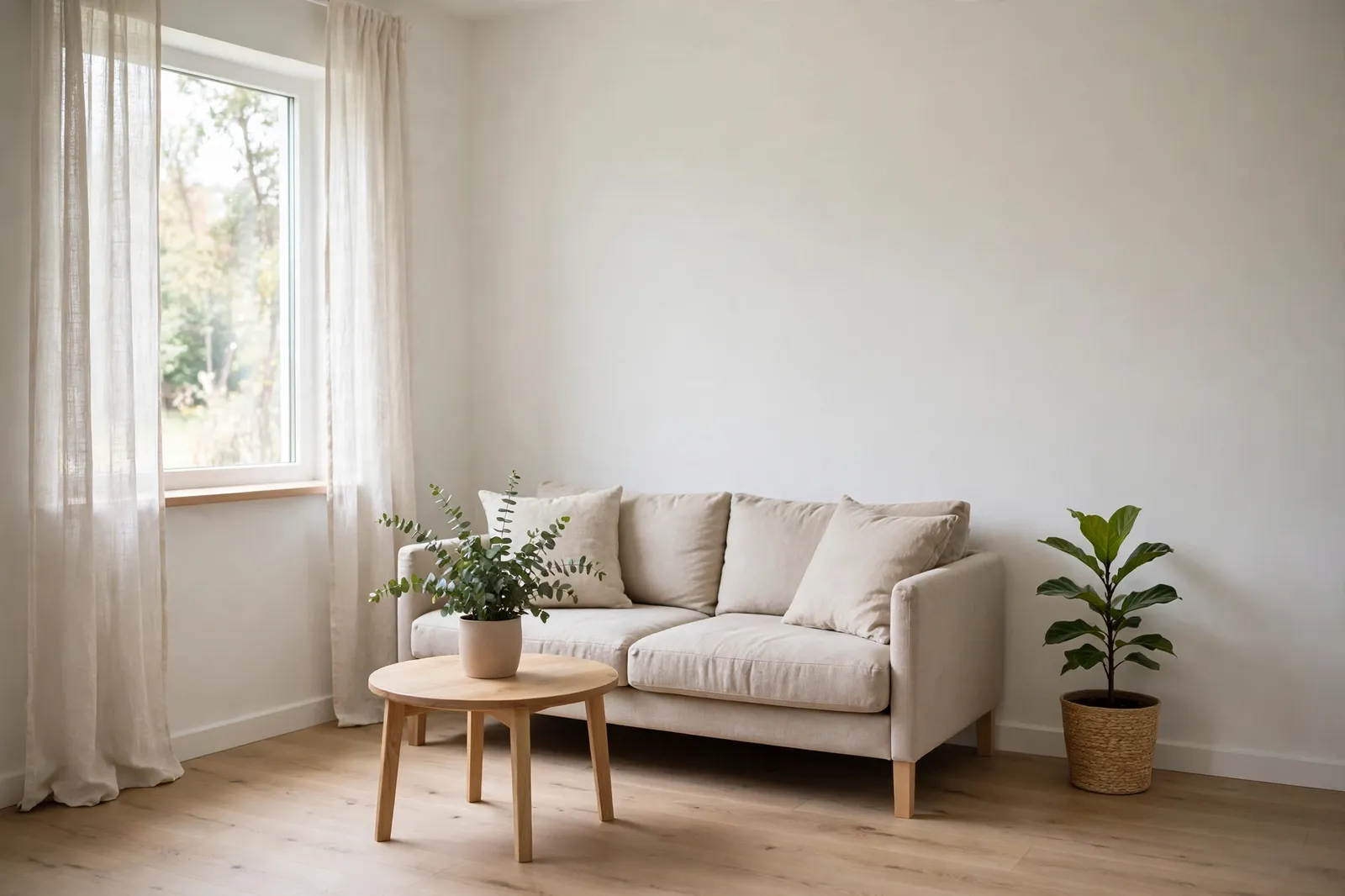
Measure before you buy. A sofa that fits the wall with a little room to spare looks calm and tidy, while one that fills the whole wall makes the room feel packed. Slim arms and raised legs help too, because you can see the floor underneath and the sofa looks lighter.
3. Use Storage Ottomans and Benches
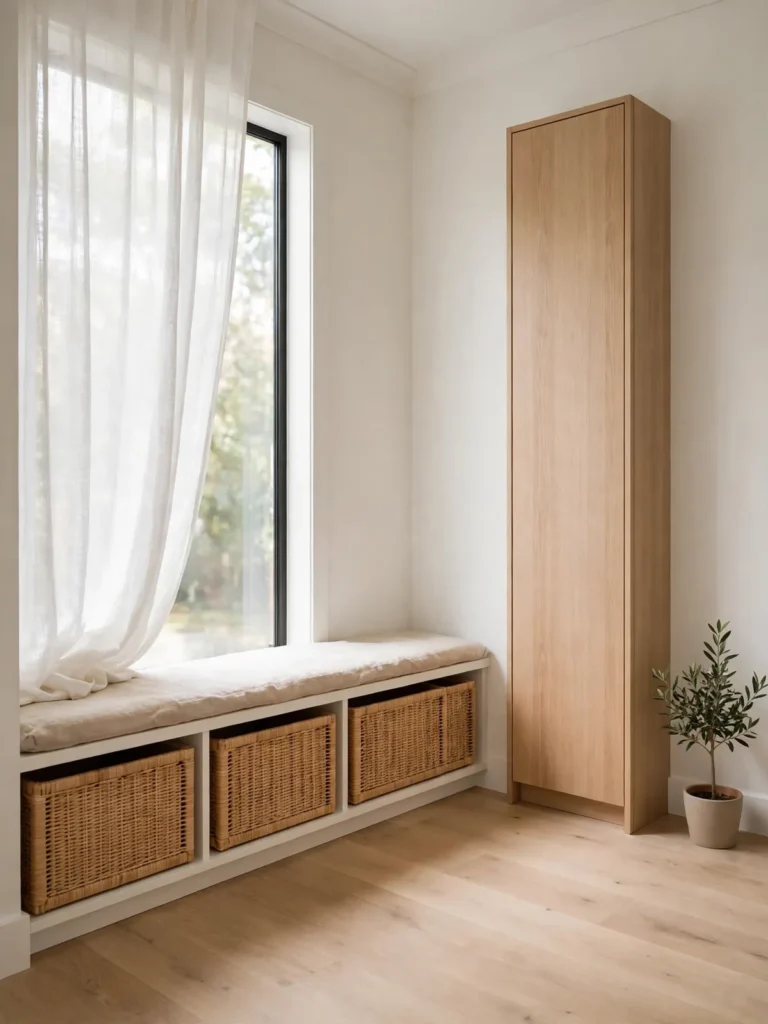
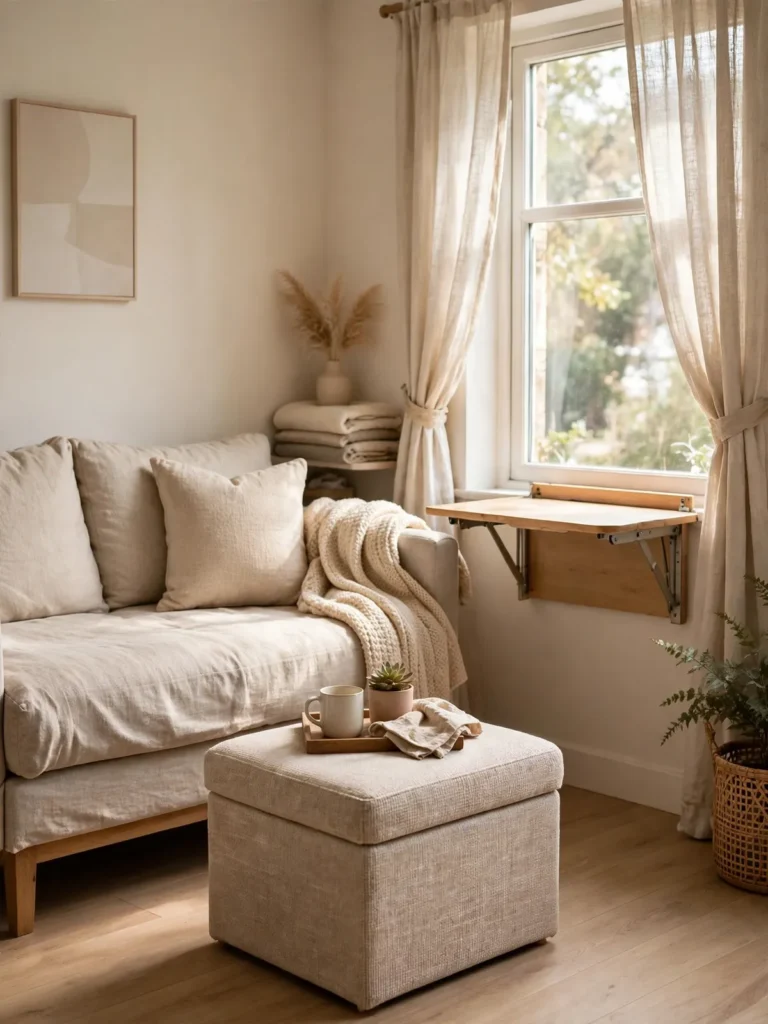
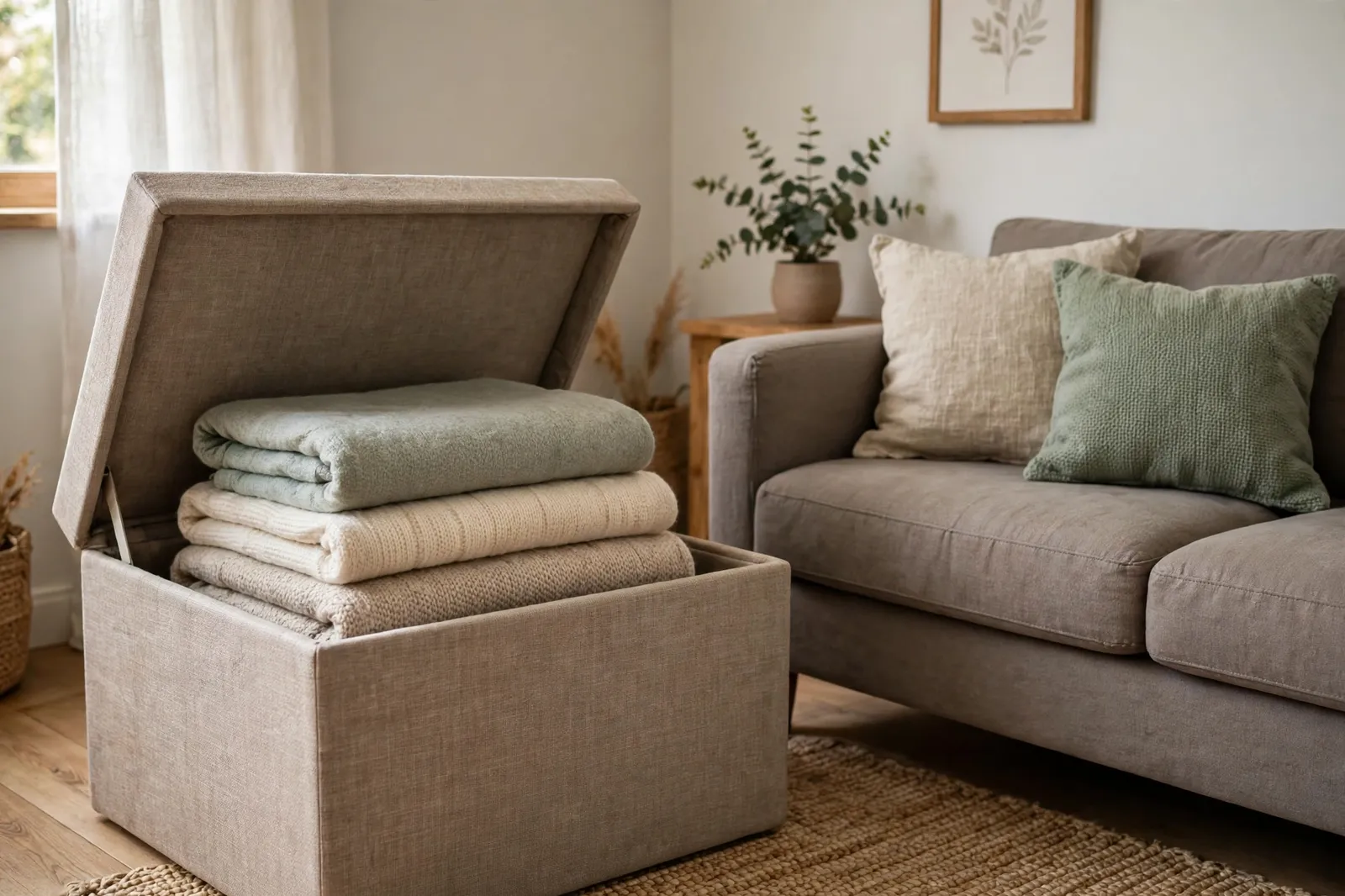
A storage ottoman is one of the hardest-working pieces you can own. It holds blankets and books, works as a coffee table, and gives you an extra seat when friends come over. A bench at the end of the bed does the same job in the bedroom, with room for shoes and spare bedding inside.
Keep the size in check. One medium ottoman looks neat and useful, but two big ones will crowd a small room. Pick a fabric that can handle daily use and a lid that stays open on its own, so you are not juggling it while you put things away.
4. Go Up the Walls for Storage
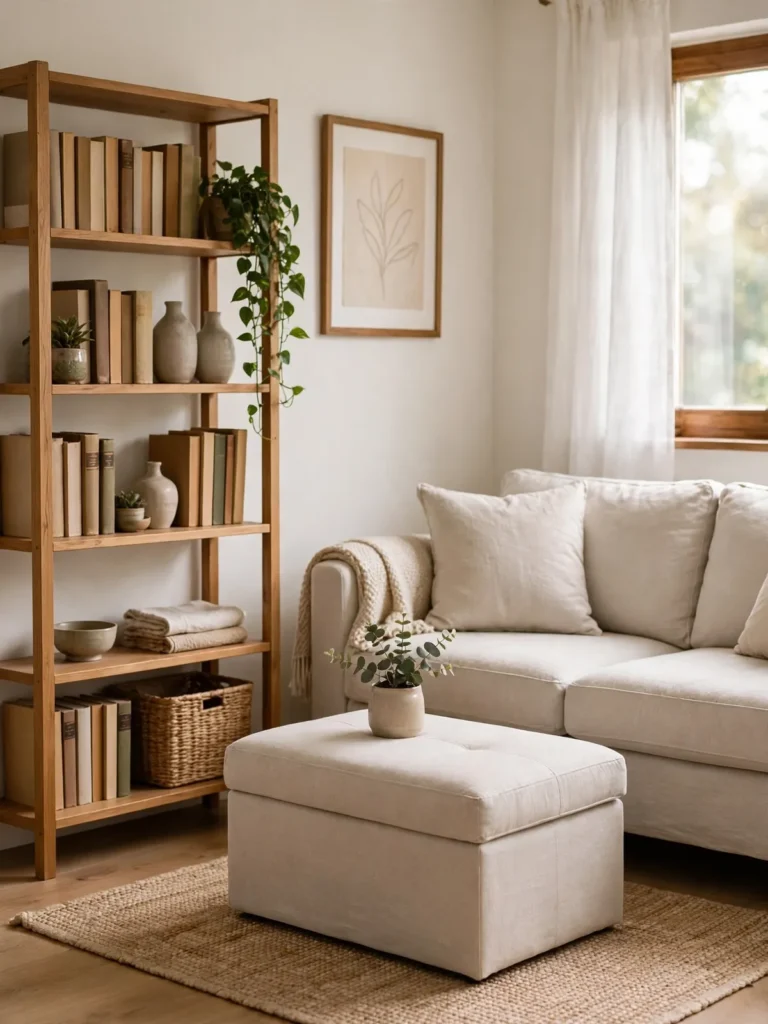
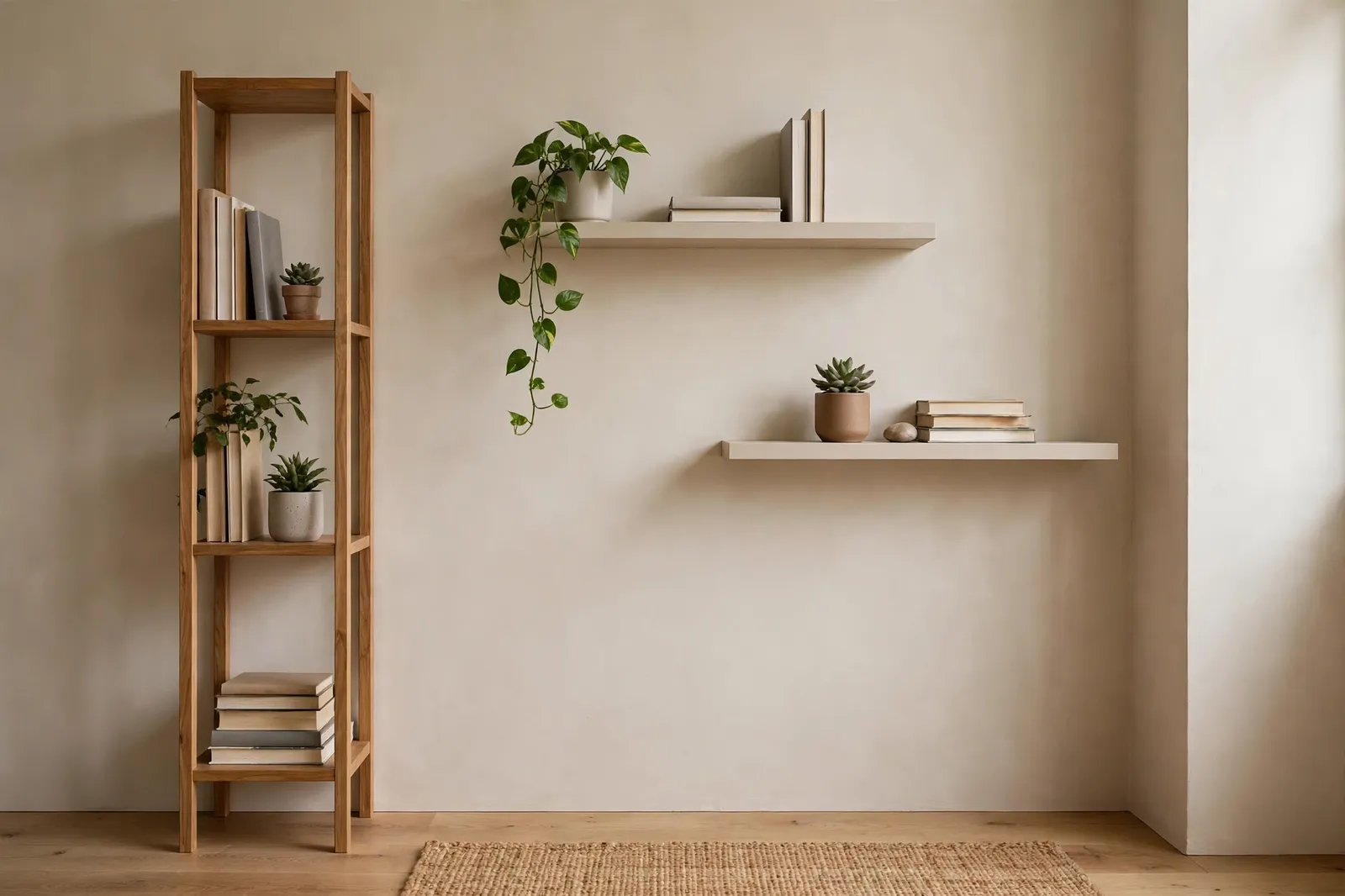
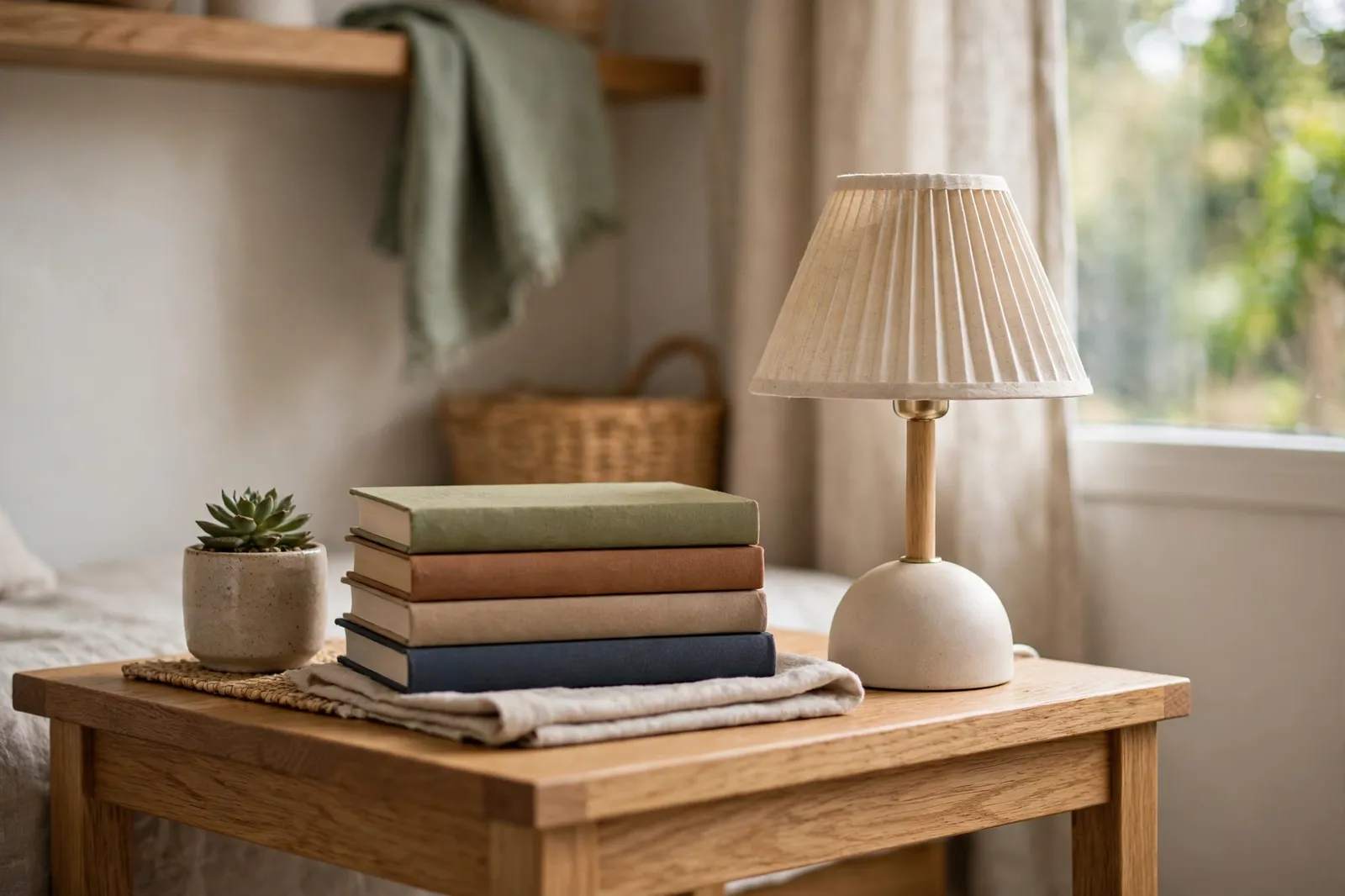
When floor space is tight, the walls are free real estate. A tall, slim bookcase holds more than a wide one and takes up far less floor. Floating shelves above a desk or beside the TV give you a place for books and plants without blocking a single walking path.
Just do not overload them. A shelf packed edge to edge looks heavy and makes the wall feel closed in. Leave some empty space between things, and mix useful items with one or two pretty ones. The shelves should look tidy, not stuffed.
5. Choose a Dining Table That Shrinks or Grows
A dining table that stays big all day wastes space most of the time. An extendable table seats two on a normal day and stretches out for six when family visits. A round table with a drop leaf tucks against the wall and opens up only when you need it.
Pick a table with slim legs and light chairs you can stack or tuck under it. Heavy chairs that stick out into the room make a small dining area feel crowded. When the table is folded down, the whole corner of the room opens up again.
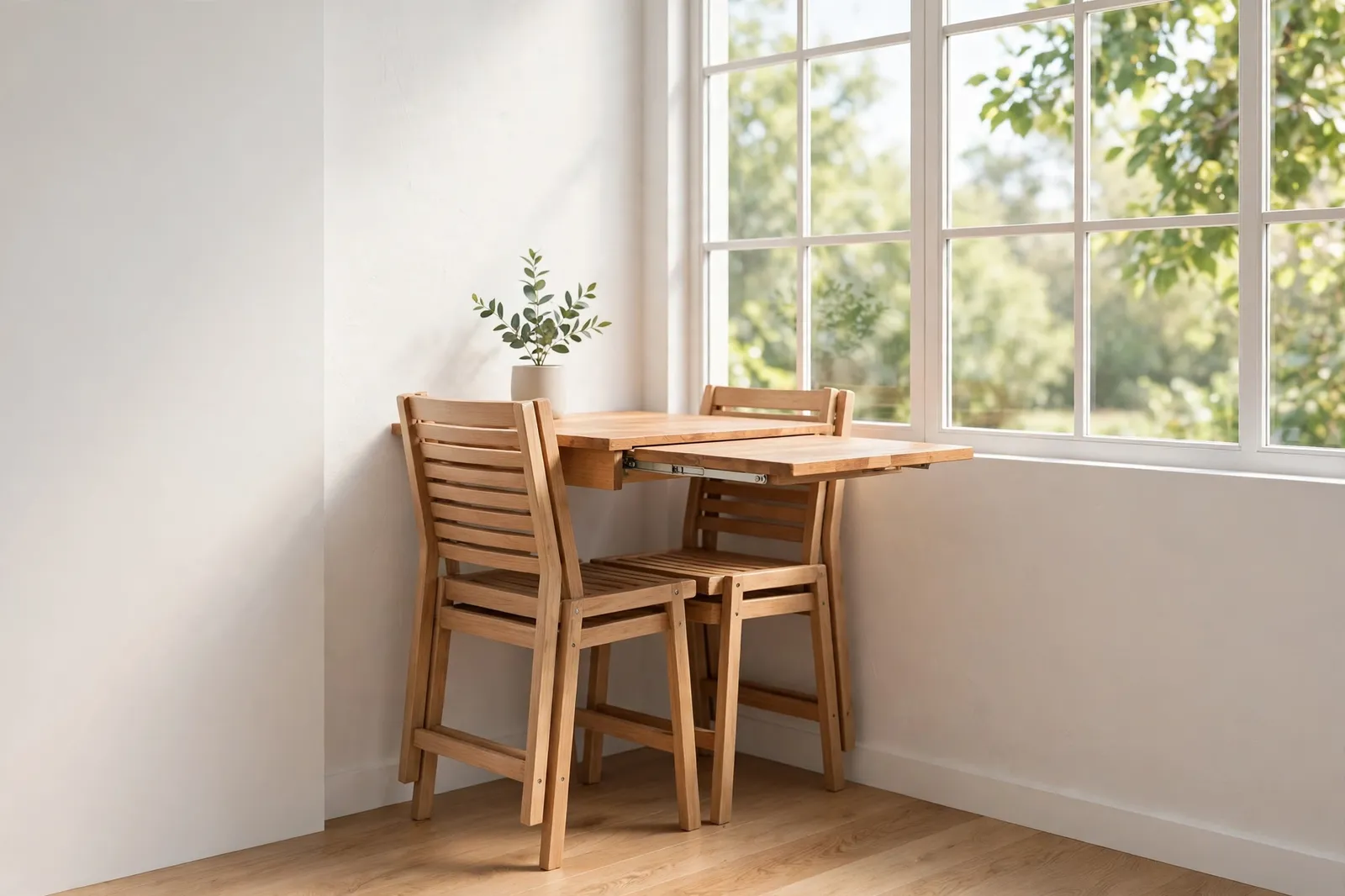
6. Make the Bed Work Harder
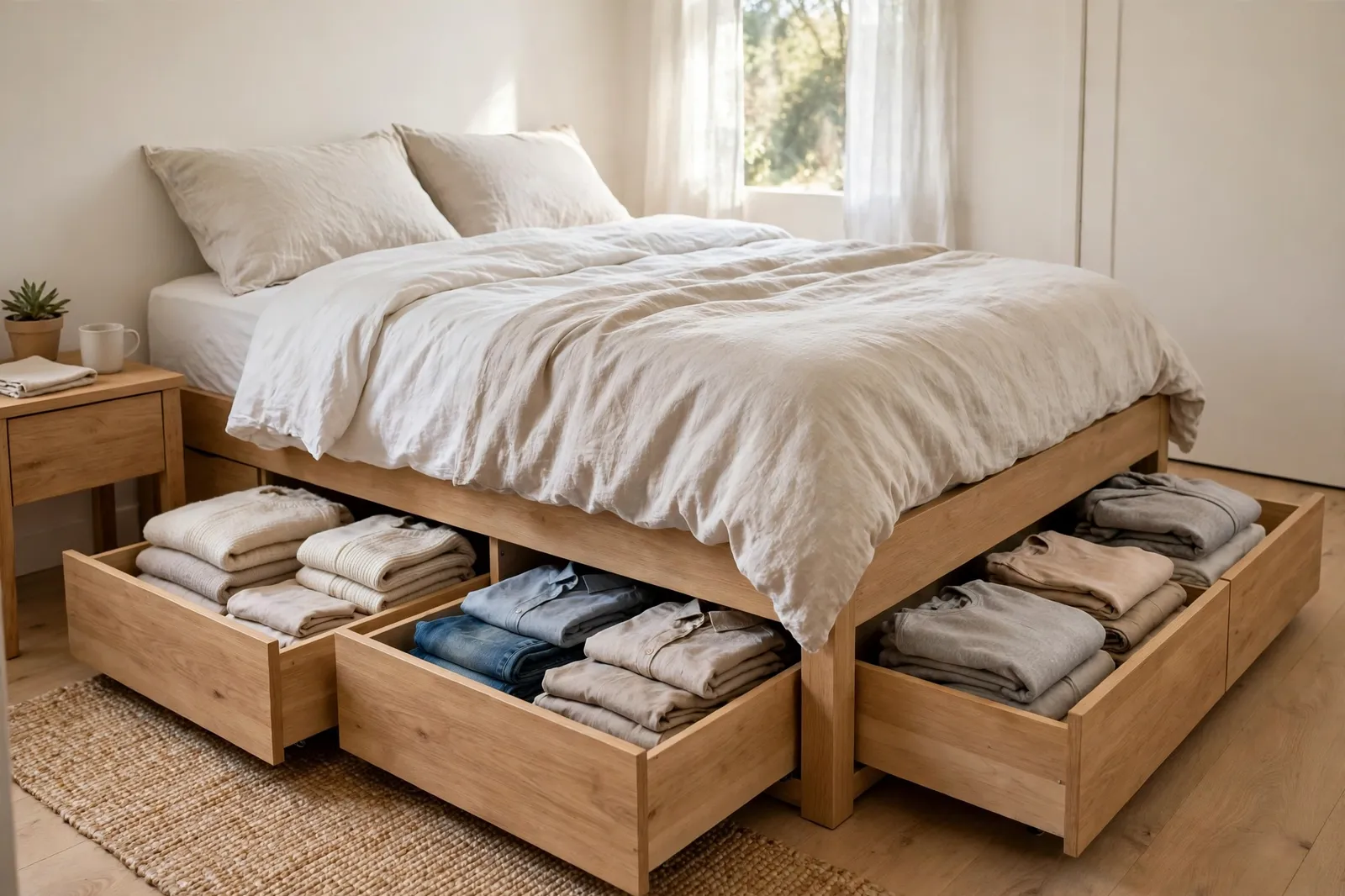
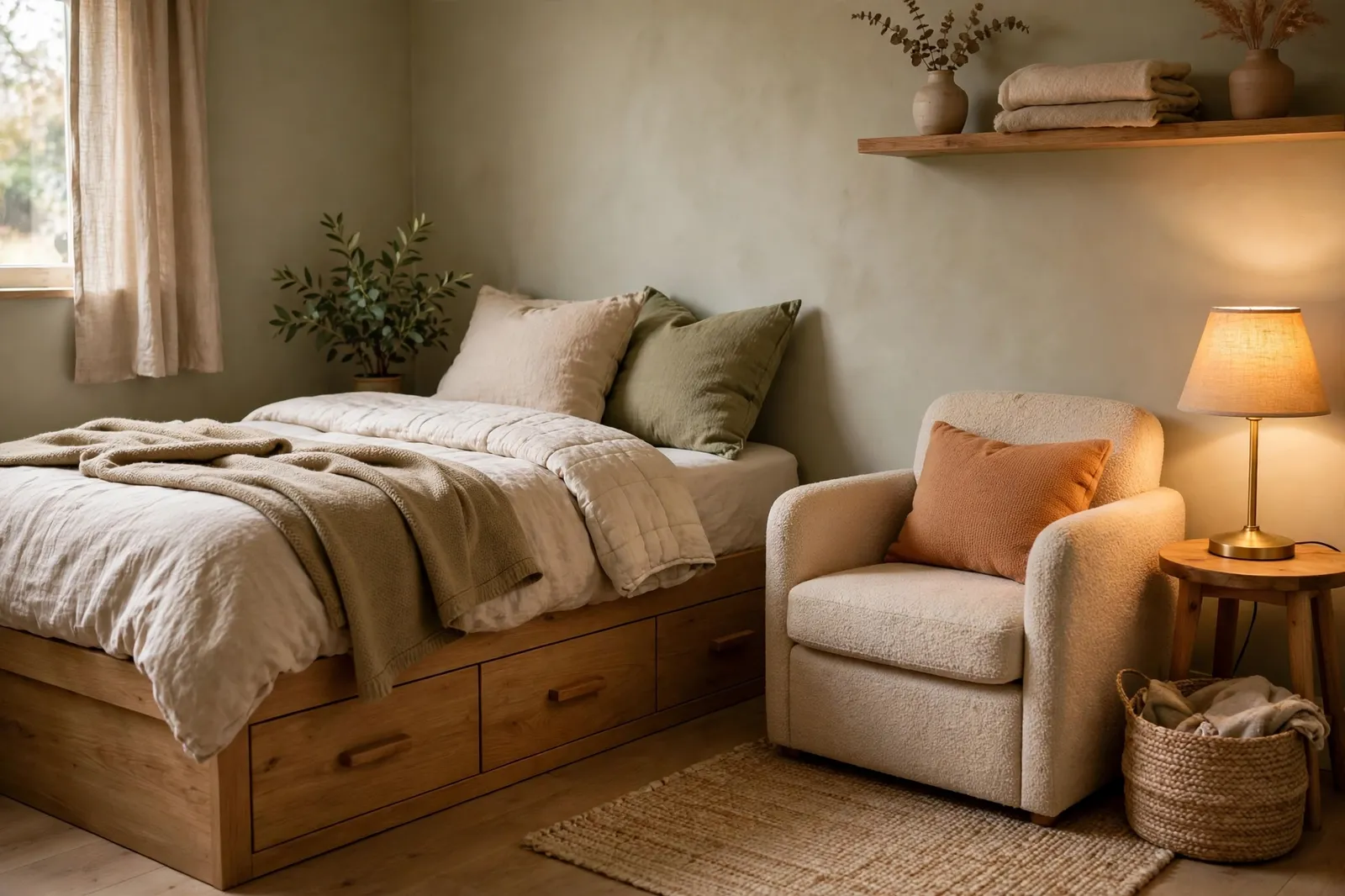
The bed takes up the most space in a bedroom, so it should give something back. A bed frame with drawers underneath holds clothes, shoes, or spare bedding without needing a big dresser. A lift-up storage bed hides even more, and you only have to lift the mattress to reach it.
If drawers feel like too much, try a headboard with shelves. It holds books, a lamp, and your phone, so you can skip the nightstand and win back that corner of the room. Keep the bedding simple and light, so the bed looks neat instead of bulky.
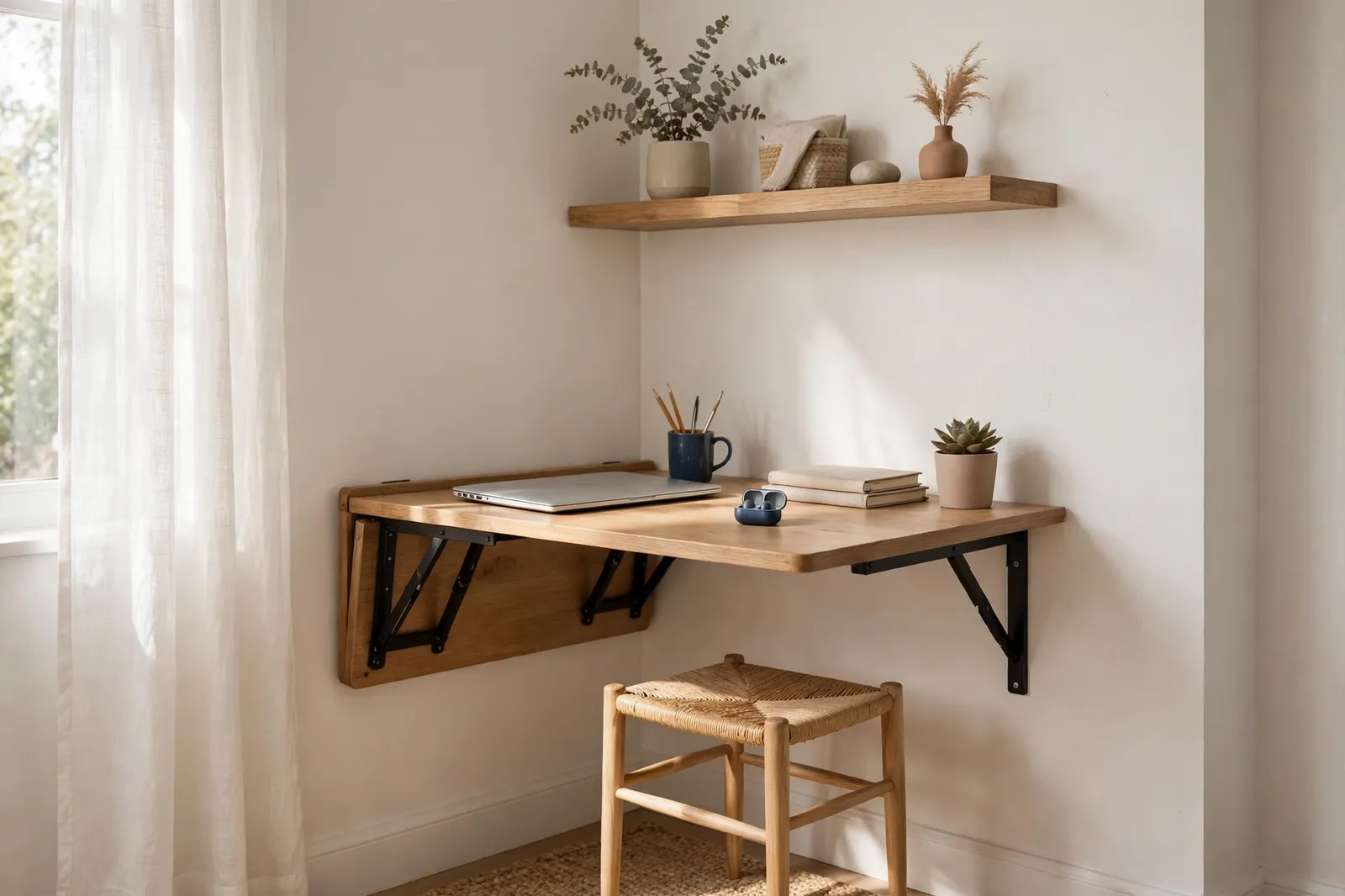
7. Use Wall-Mounted Pieces to Free the Floor
Anything you can lift off the floor makes a room feel bigger. A wall-mounted desk folds down when you work and folds up when you are done. A floating TV stand keeps cables out of sight and leaves the floor clear underneath. Even a wall-mounted lamp frees up the space a table lamp would take.
Check the wall before you mount anything heavy. A stud finder costs a few dollars and saves you from a shelf that pulls out of the wall. Once it is up, keep the surface clear and let the empty floor underneath do its work.
8. Pick Slim, Leggy Furniture That Lets You See the Floor
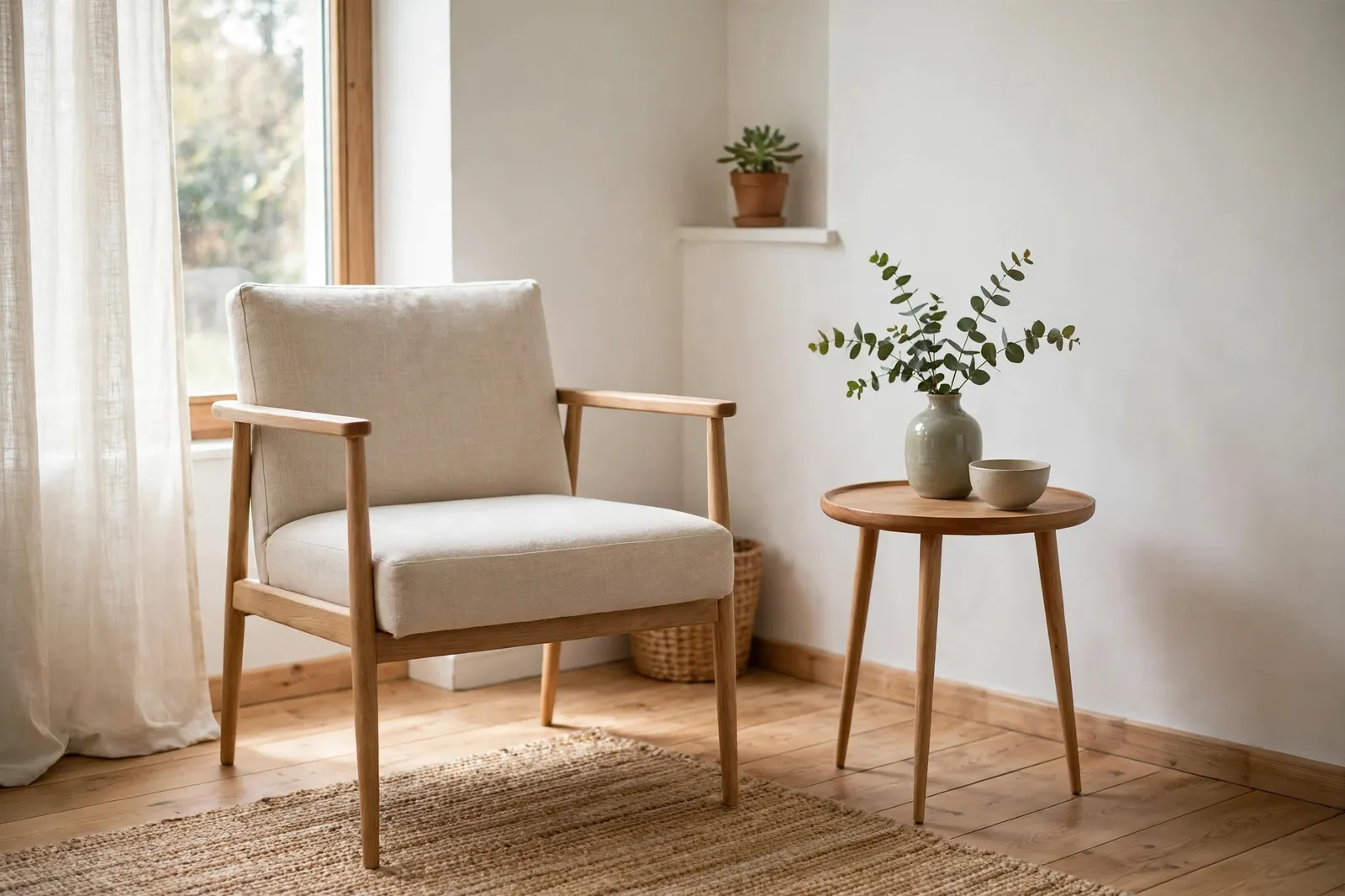
Furniture that sits flat on the floor blocks your view and makes a room feel smaller. Pieces with slim legs lift off the ground, so you can see the floor running underneath them. That little bit of open space tricks your eye into thinking the room is bigger than it is.
Look for chairs, sofas, and side tables with thin legs in wood or metal. Skip the big blocky pieces with solid bases, at least for the main furniture. A clear view of the floor also makes cleaning easier, which is a nice bonus in a small home.
9. Keep It Simple So the Room Can Breathe
The last step costs nothing. In a small home, every extra piece of furniture is one more thing crowding the room. Before you buy something new, ask if it does a job nothing else does. If the answer is no, skip it.
Leave some empty space on purpose. A clear corner, an empty stretch of wall, or a table with nothing on it gives the room room to breathe. Three or four pieces you really love will make a small home feel calm and finished, while ten pieces you only sort of like will just make it feel full.
Frequently Asked Questions
What furniture saves the most space in a small home?
A wall bed, a sofa bed, and a storage ottoman save the most space. A wall bed frees up a whole room during the day, a sofa bed turns your living room into a guest room, and a storage ottoman hides clutter while giving you an extra seat and a coffee table.
Is multifunctional furniture worth the money?
Yes, if you pick good quality and use it every day. One piece that does two or three jobs costs less than buying two or three separate pieces, and it takes up far less room. Just avoid cheap folding mechanisms that break or stick, because a piece you cannot open easily will end up unused.
How do I choose furniture for a tiny apartment?
Measure your rooms first, then look for pieces made for small spaces. Slim arms, raised legs, and light colors help furniture look smaller in the room. Pick pieces that fold away or hide storage, and buy one piece at a time so you can see how it fits before adding more.
What is the best bed for a small bedroom?
A storage bed with drawers or a lift-up base is the best choice for most small bedrooms. It holds clothes and bedding without needing a big dresser, so you win back floor space. If the room is very small, a wall bed that folds away during the day gives you the most room back.
Related ideas
Small Space Decorating Ideas That Make Every Inch Count shows how to make the most of every corner in a small home. See Studio Apartment Decorating Ideas for Separate Living Zones for smart ways to split one room into living, sleeping, and work areas. See Small Apartment Living Room Ideas for a Stylish Layout for a layout that makes a tiny living room feel bigger. See How to Make a Small Room Look Bigger and Small Dining Room Ideas for Everyday Living for more ways to make a compact home feel larger.