How to Refresh Your Home Without Buying New Furniture
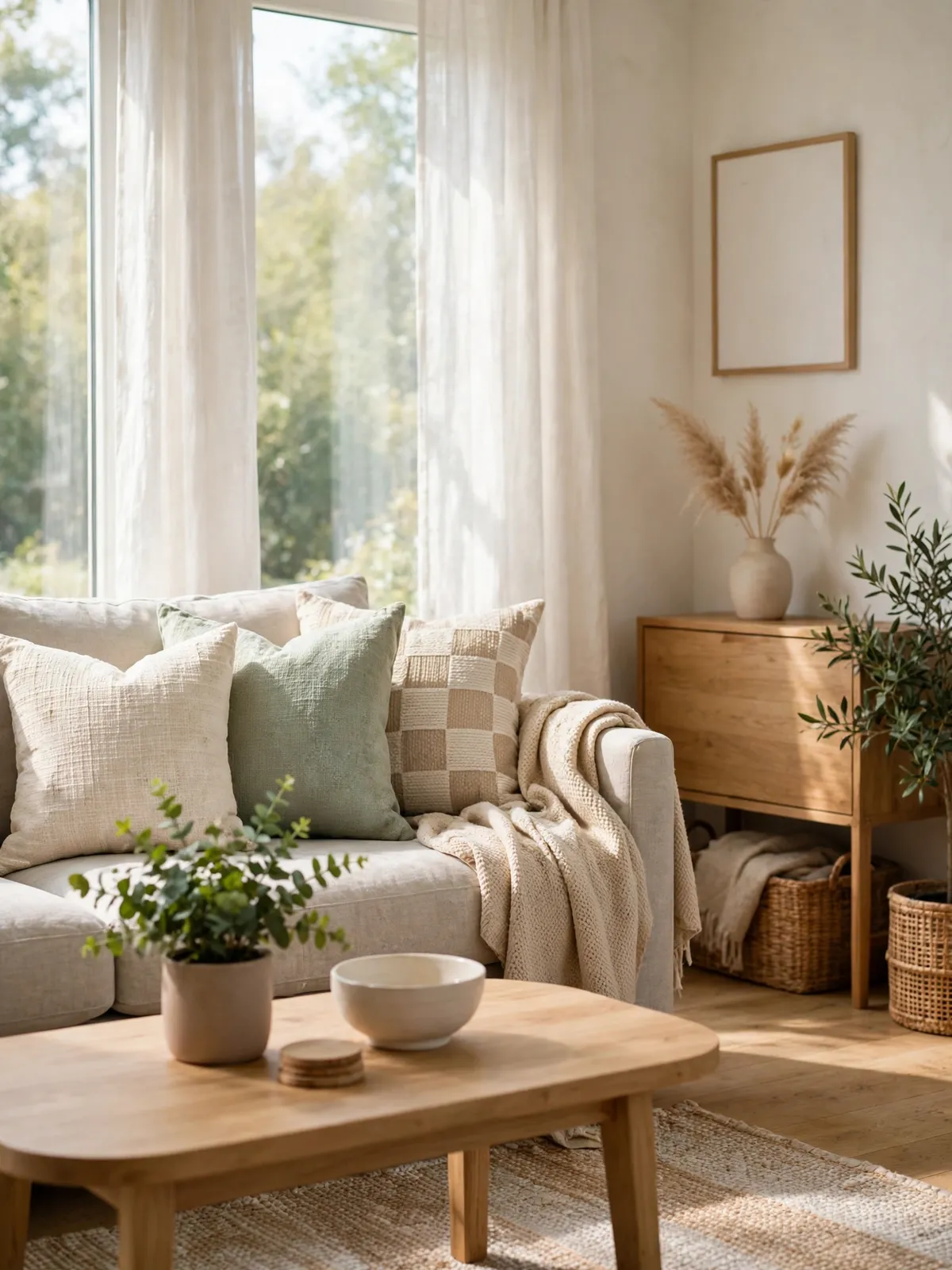
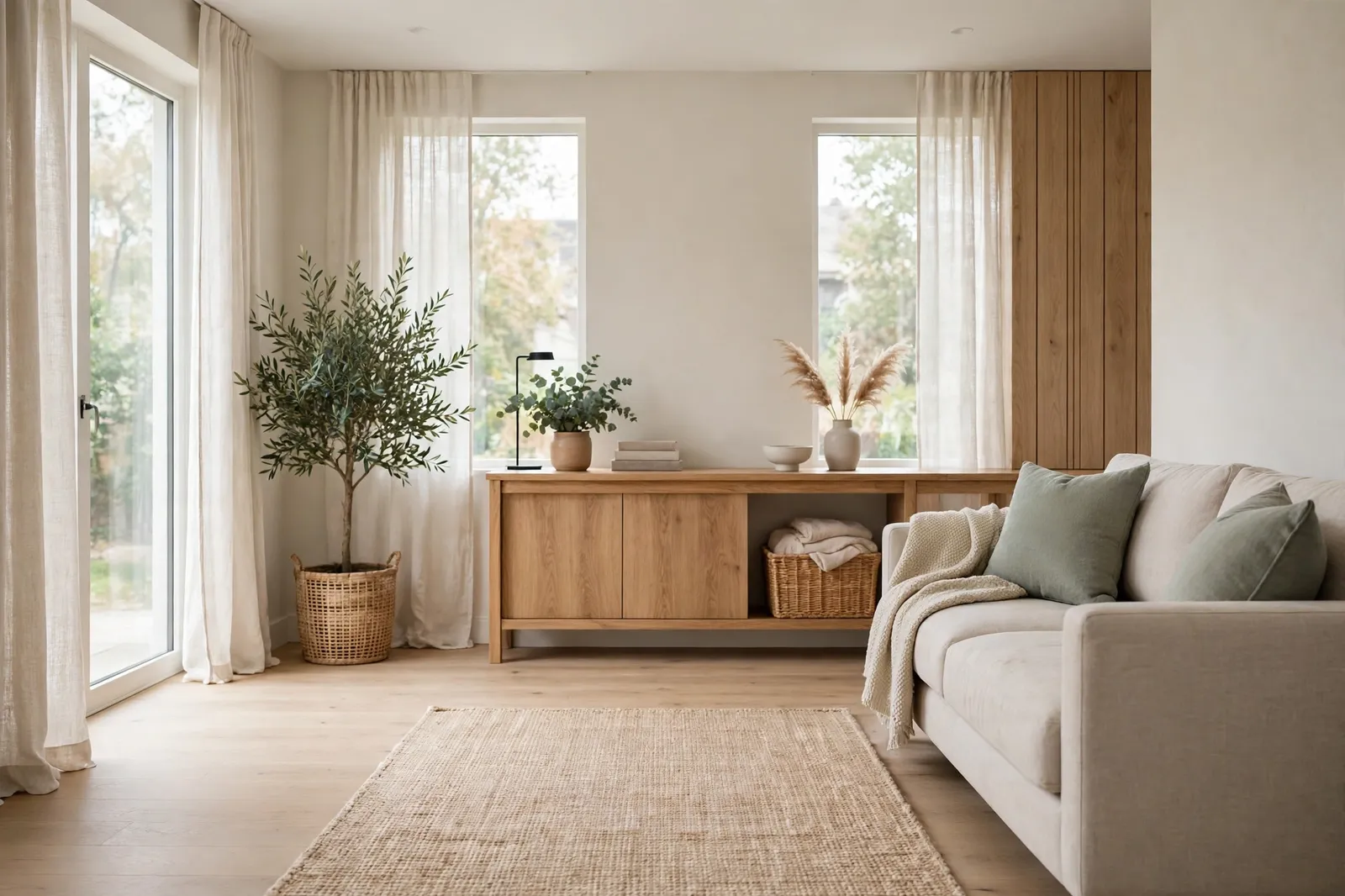
Your home does not need new furniture to feel new. Most of the time, the sofa, the tables, and the chairs are fine — they just need a fresh look around them. A coat of paint, different textiles, better light, and a little rearranging can make the same rooms feel completely different.
The best part is that none of this costs much. You can refresh your whole home in a weekend using things you already own, plus a few low-cost updates. This guide walks you through simple ideas that work with the furniture you already have, so your home feels fresh without a big bill.
1. Start With a Fresh Coat of Paint
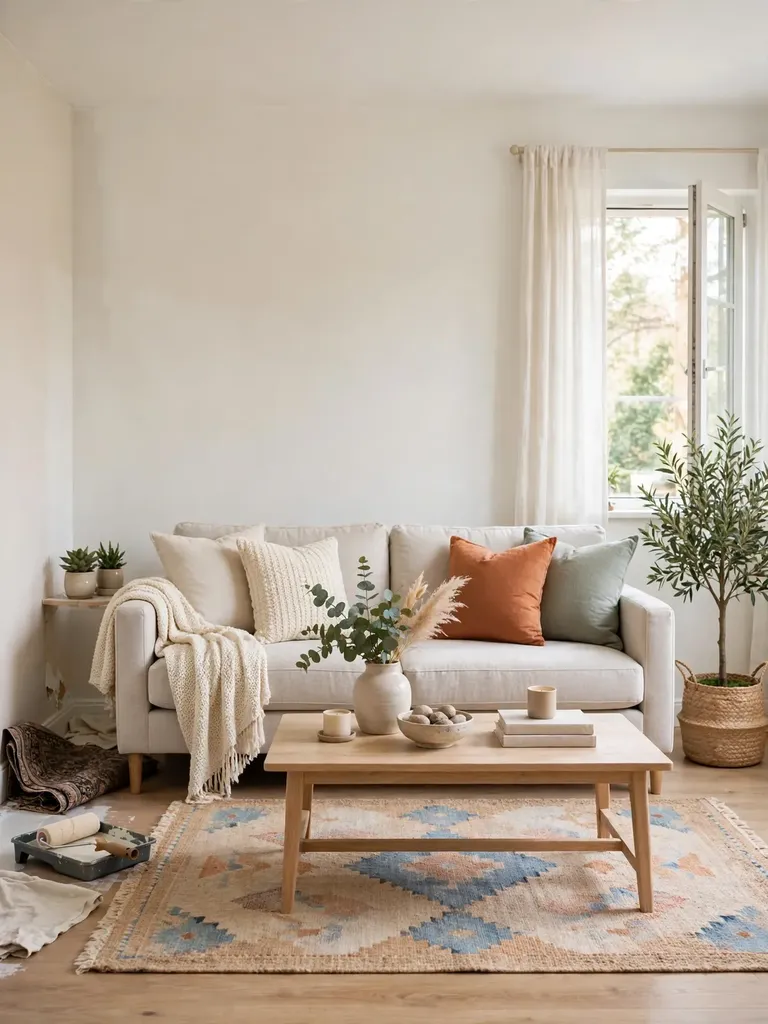
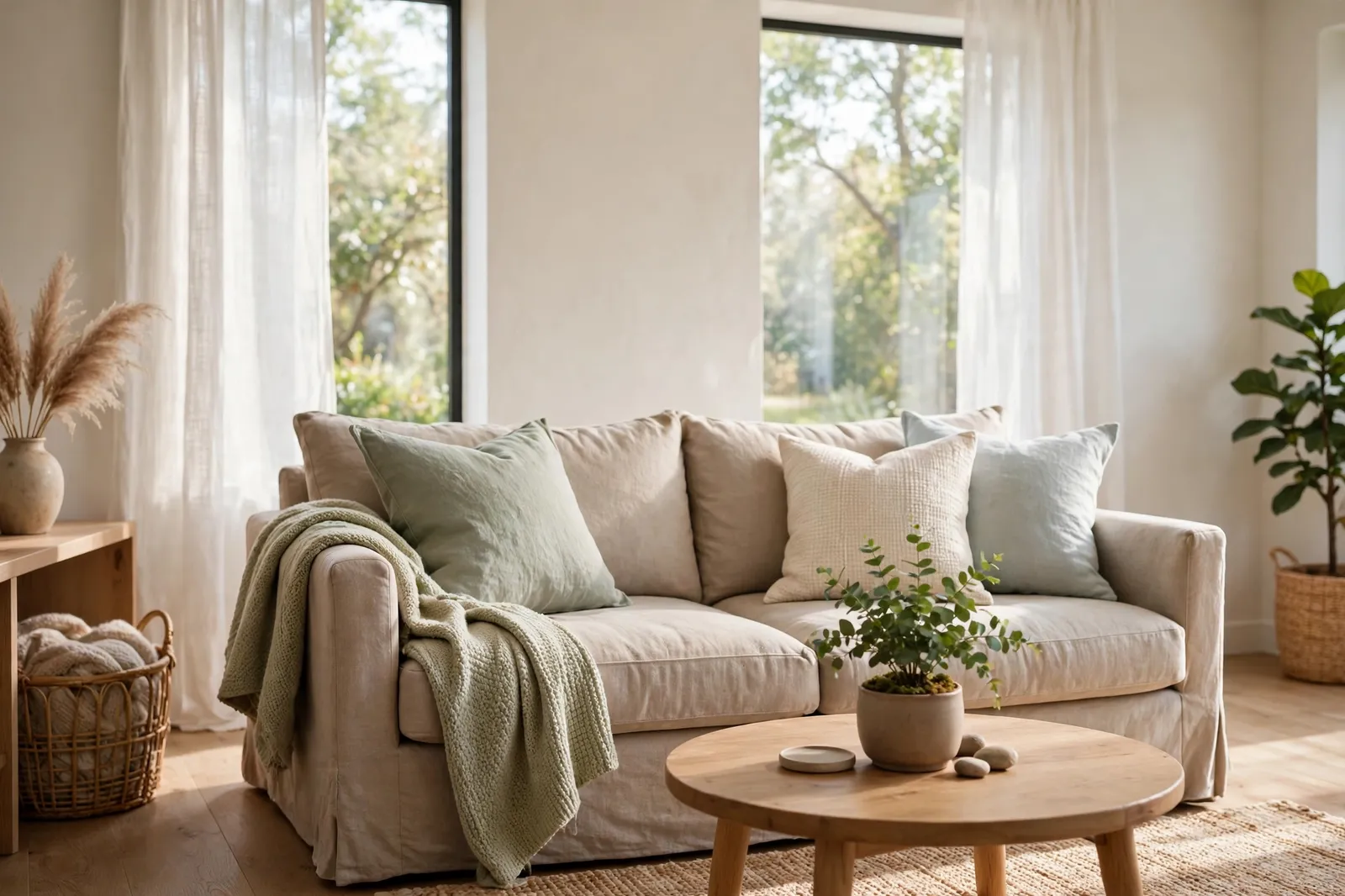
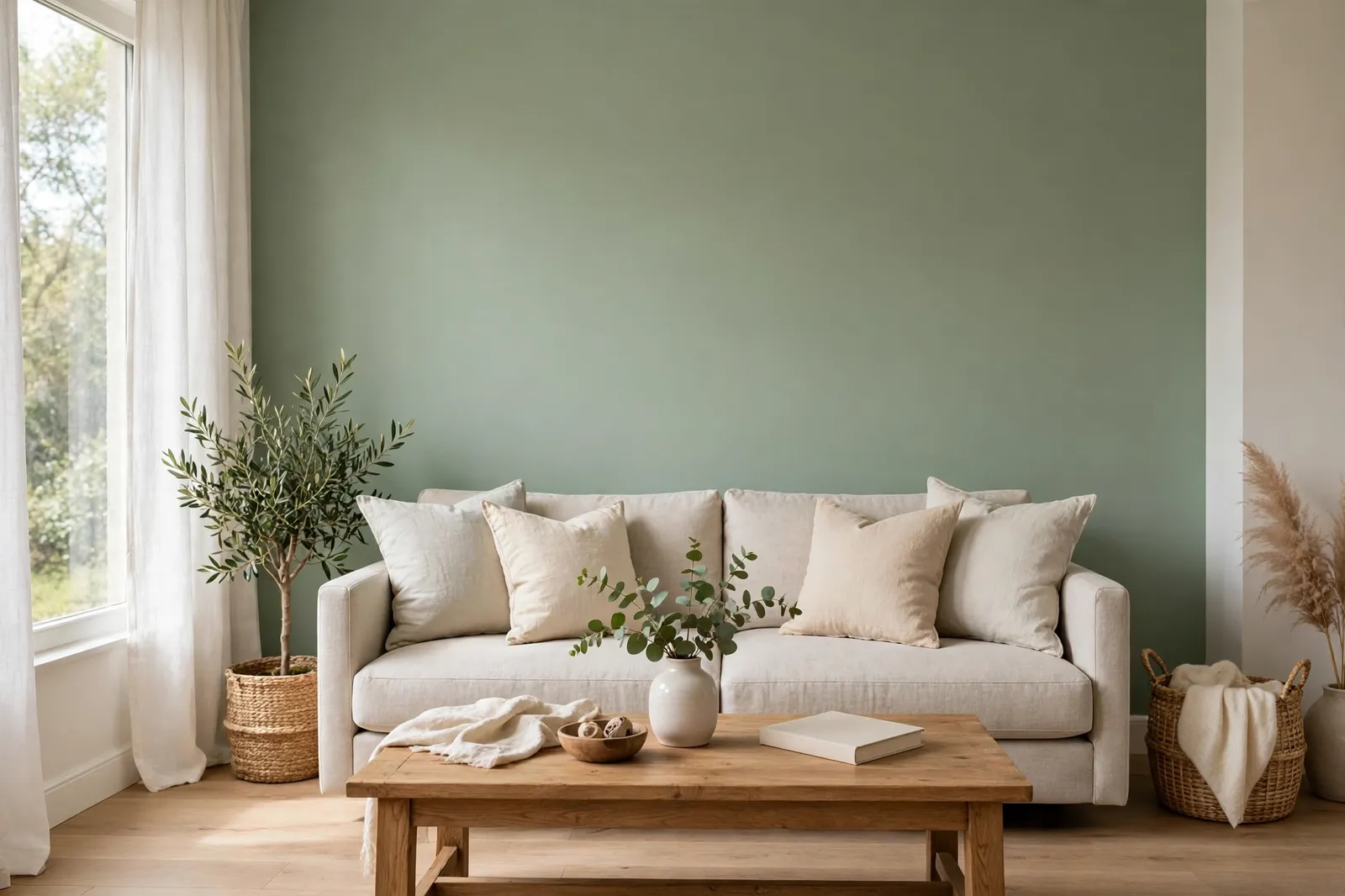
Paint is the cheapest way to change a home, and it makes the biggest difference. A fresh coat on the walls makes old furniture look new again, because everything in the room suddenly looks brighter and cleaner. Pick a calm color you love — soft white, warm beige, light gray, or a gentle sage green — and the whole home will feel like a fresh start.
If painting every room feels like too much, start with one. Paint the wall behind the sofa or the entryway, where you see it first when you walk in. One gallon of paint, a roller, and an afternoon are all it takes, and the change is hard to believe until you see it.
2. Rearrange the Furniture You Already Have
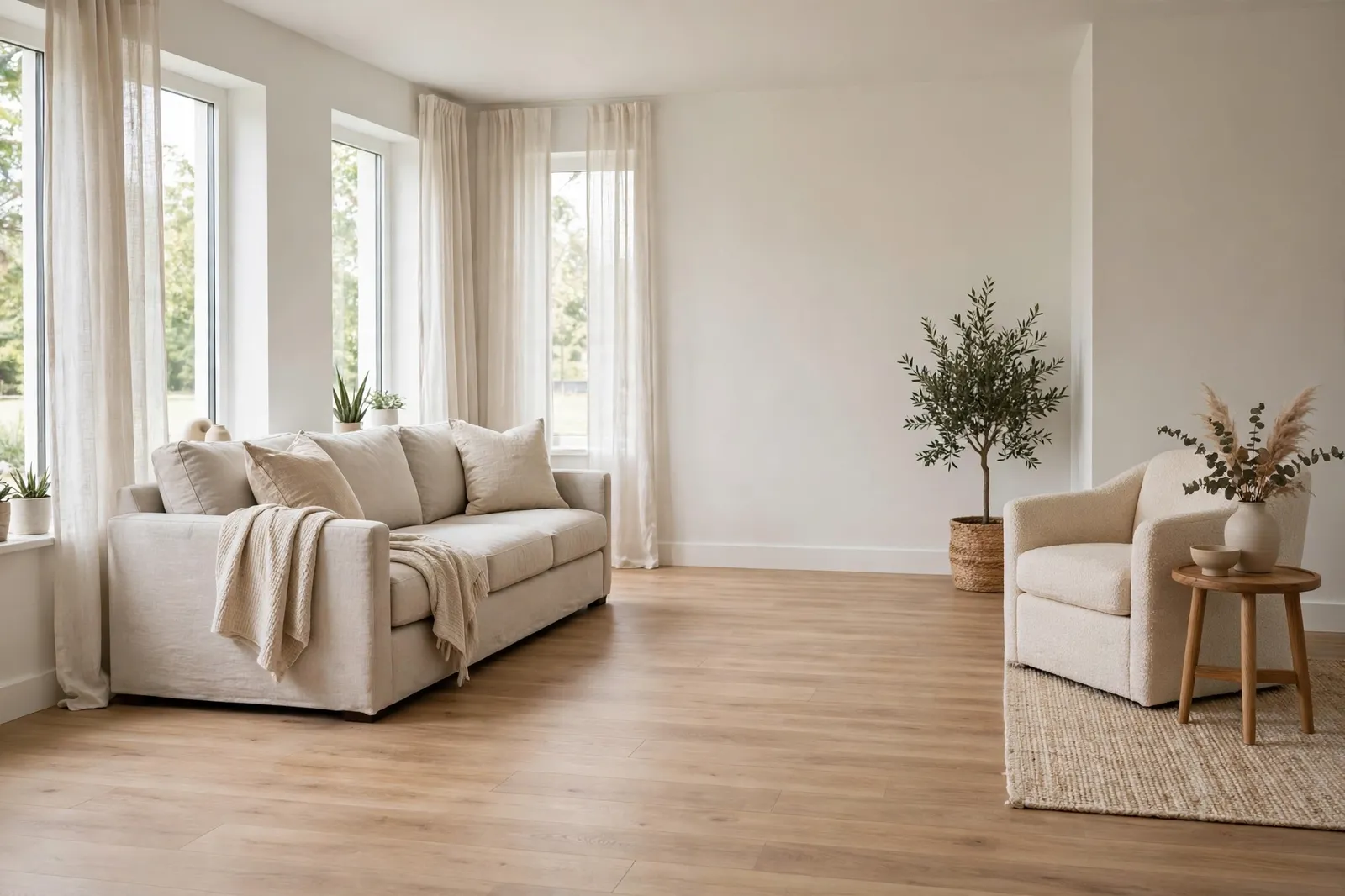
Before you buy anything, try moving what you already own. Pull the sofa to a different wall, swap the armchair and the side table, or turn the dining table so it catches the light. A new layout changes how a room feels to walk into, and it costs nothing at all. Sometimes the sofa works better on the wall you never tried.
Take a photo of each room before you start, then move one piece at a time. Leave clear paths to walk through, and keep big pieces away from doors and windows so the room feels open. A room that is easy to move through always feels bigger and calmer, no matter what furniture is in it.
3. Swap Pillows, Throws, and Curtains
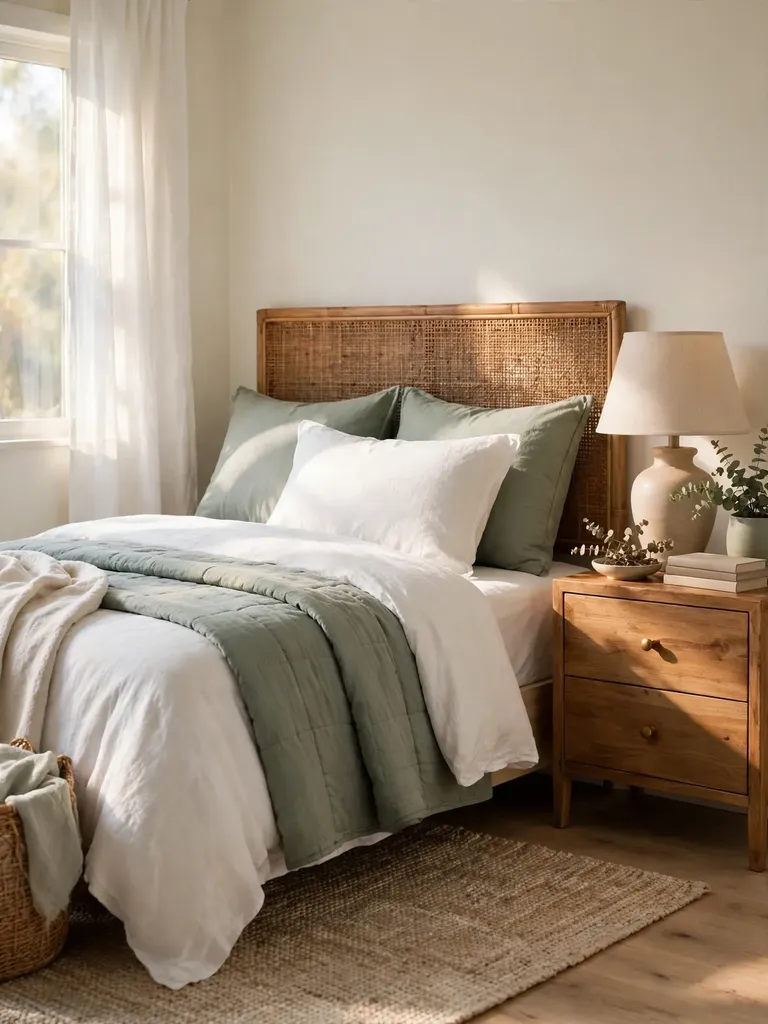
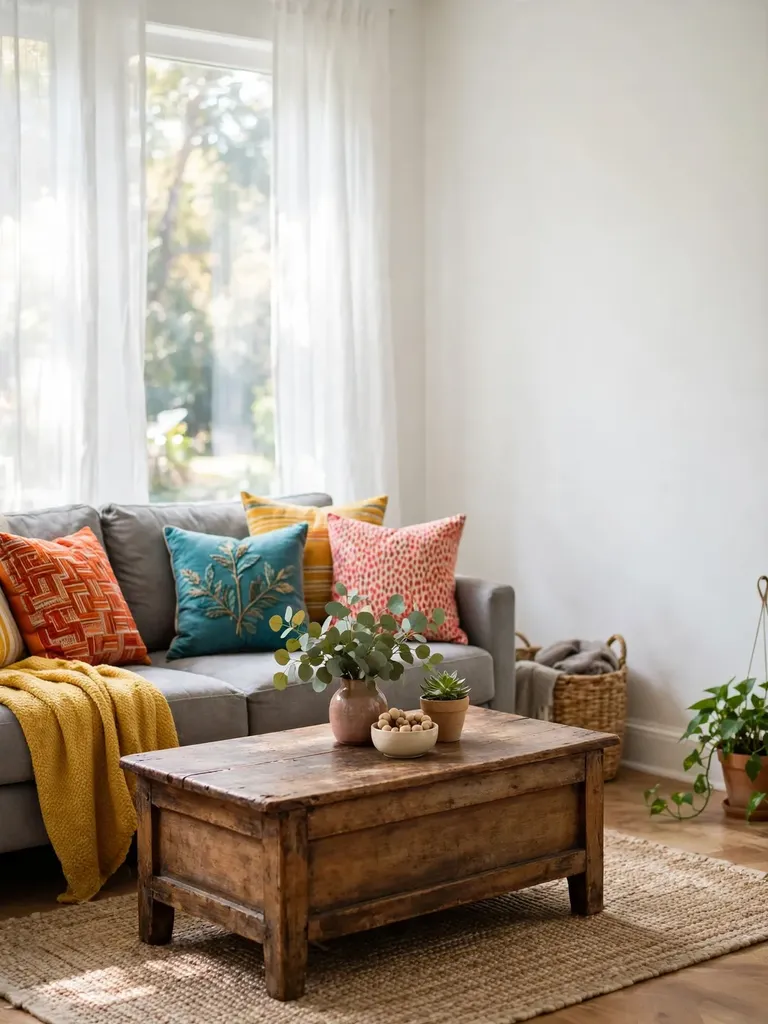
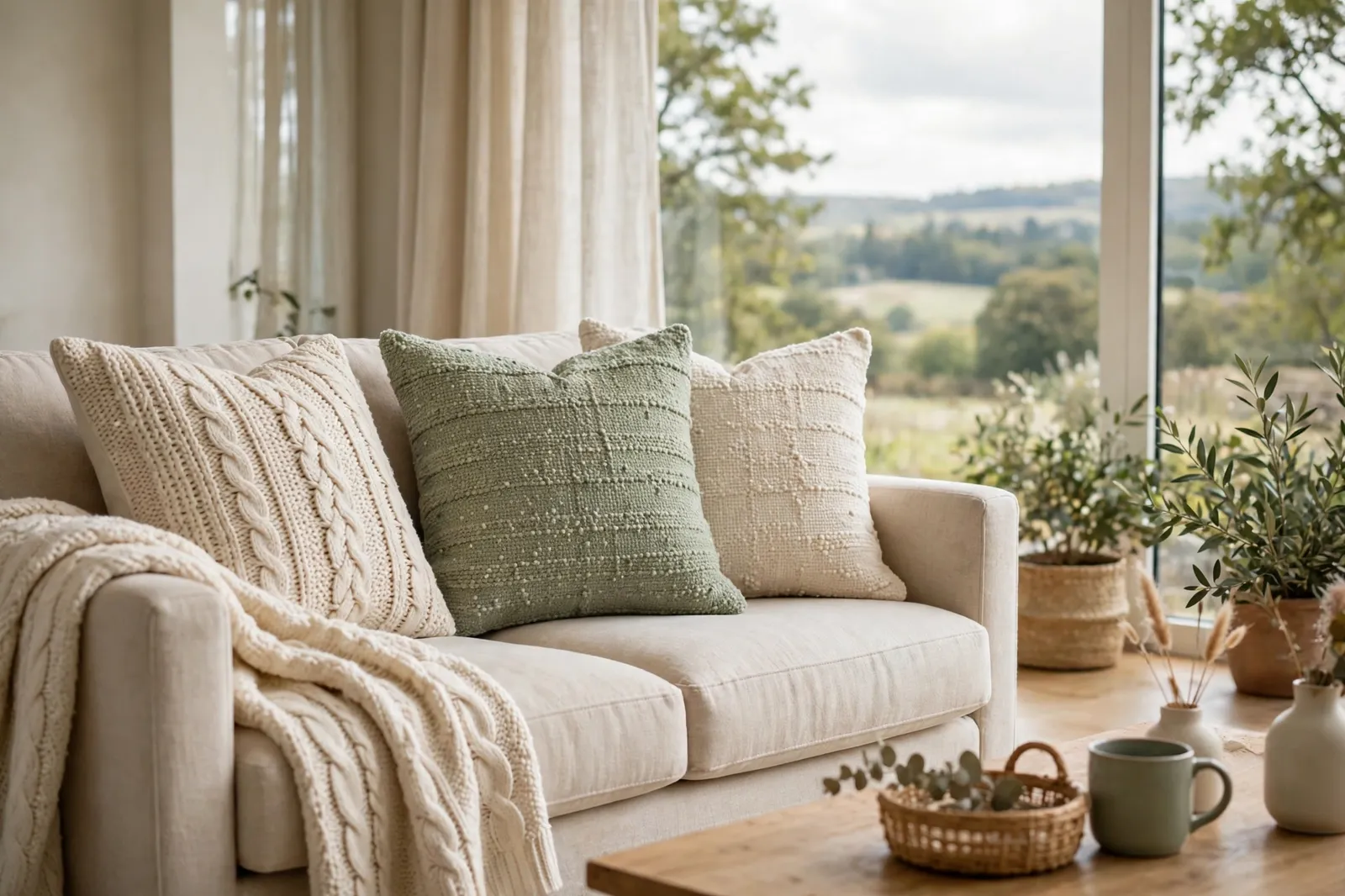
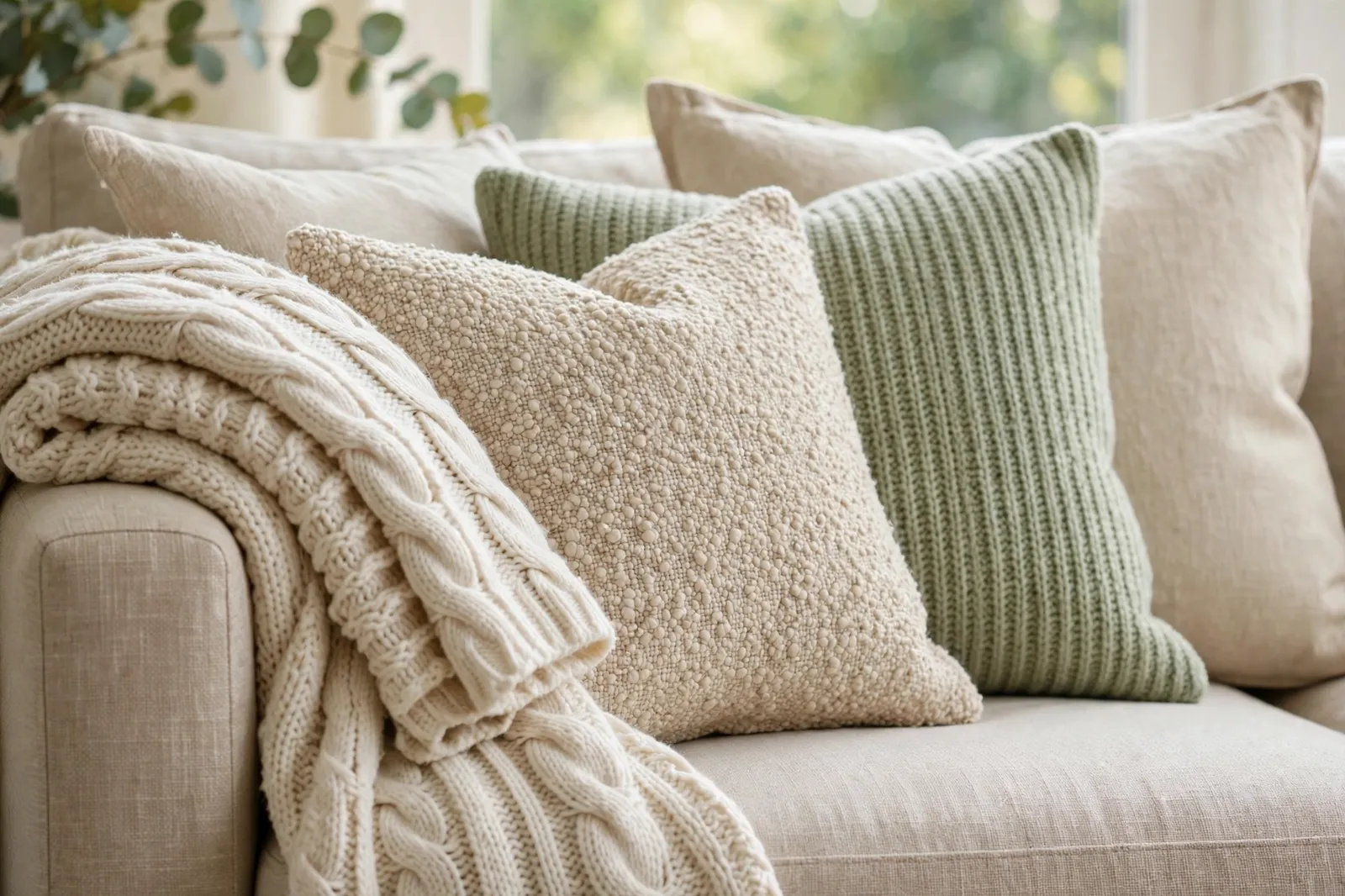
Textiles are the fastest, cheapest update in any room. New pillow covers, a fresh throw over the sofa arm, and clean curtains in a lighter color can change the whole mood of a living room in an afternoon. You do not need expensive fabric; a simple cotton or linen set in a color you love works just as well.
Keep it simple so the room still looks calm. Two or three pillows on the sofa are plenty, and one throw is enough. Pick colors that work with your walls and your rug, and repeat one of those colors somewhere else in the room, like on a chair cushion or a lampshade, so the whole space feels connected.
4. Update the Lighting
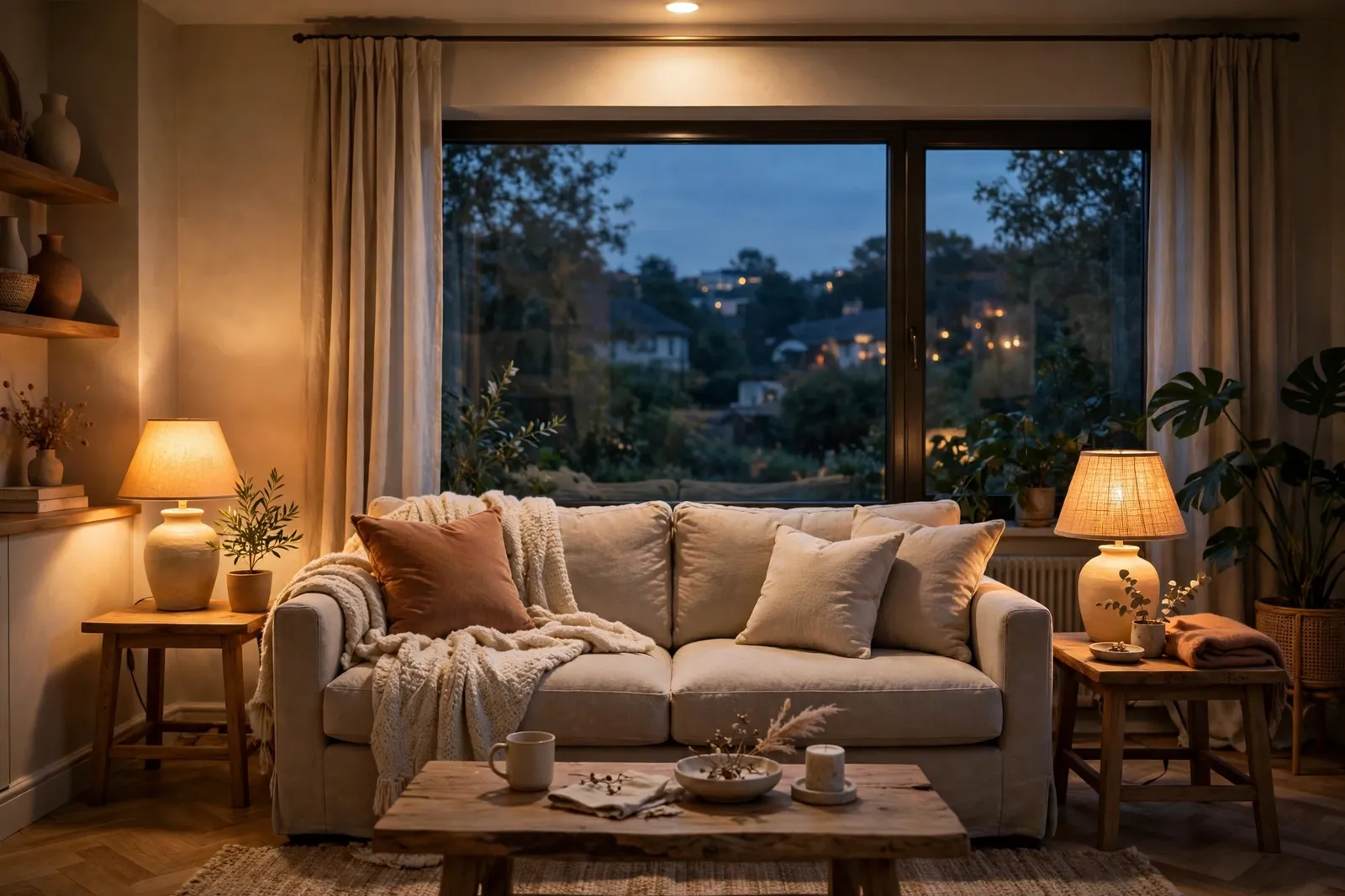
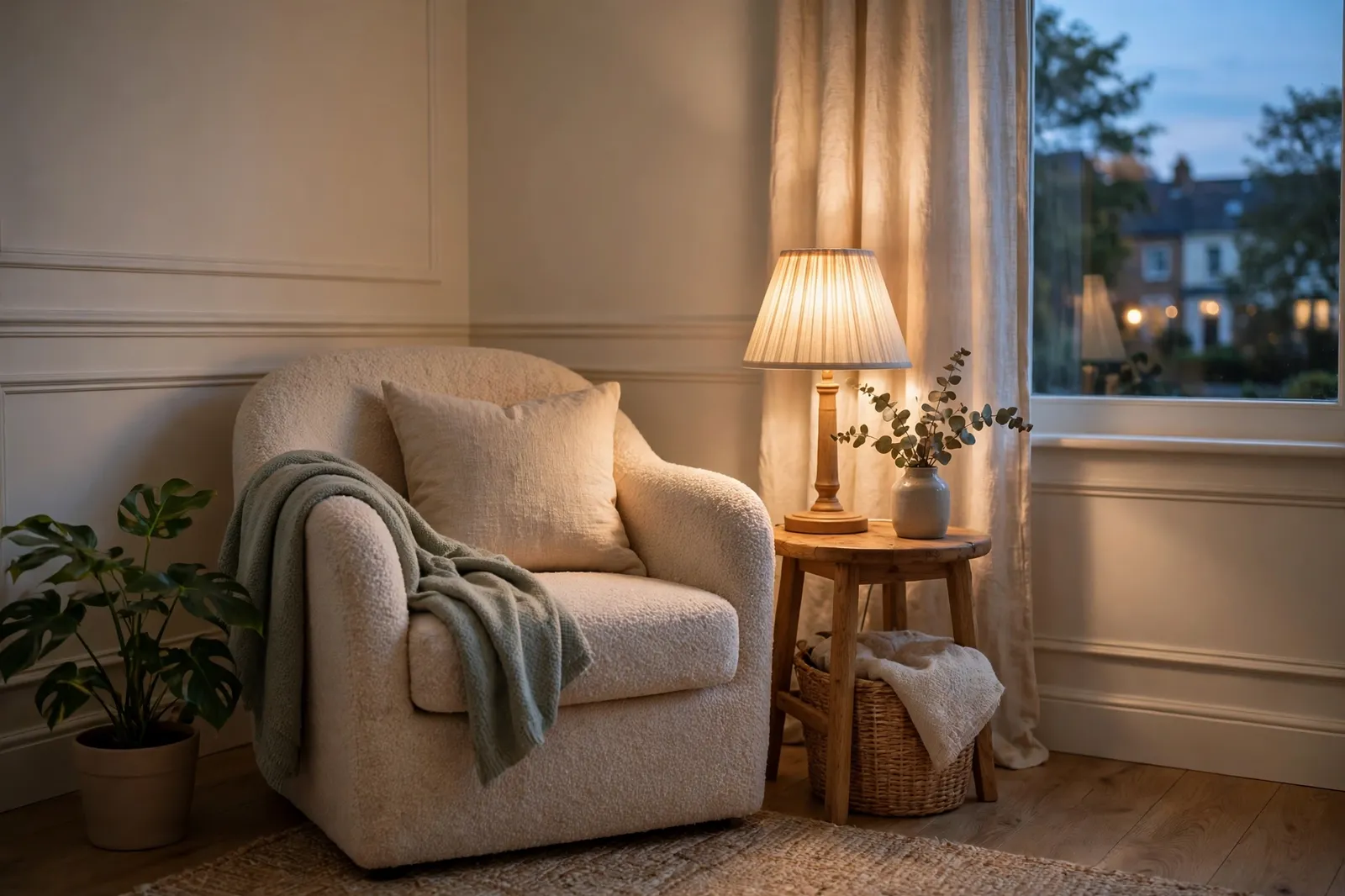
Lighting changes how a home feels more than almost anything else, and you do not need new furniture to fix it. Swap a harsh overhead bulb for a warm one, add a lamp to the side table, or put a small lamp on the console. Warm light in the evening makes a room feel calm and cozy, while bright white light makes it feel cold and flat.
If you can, add a second light source so a room is not lit from one spot only. A floor lamp in the corner, a table lamp for reading, and the overhead light on a dimmer give you choices for every time of day. Even a new lampshade in a soft color can warm up a lamp you already own.
5. Style the Surfaces You Already Own
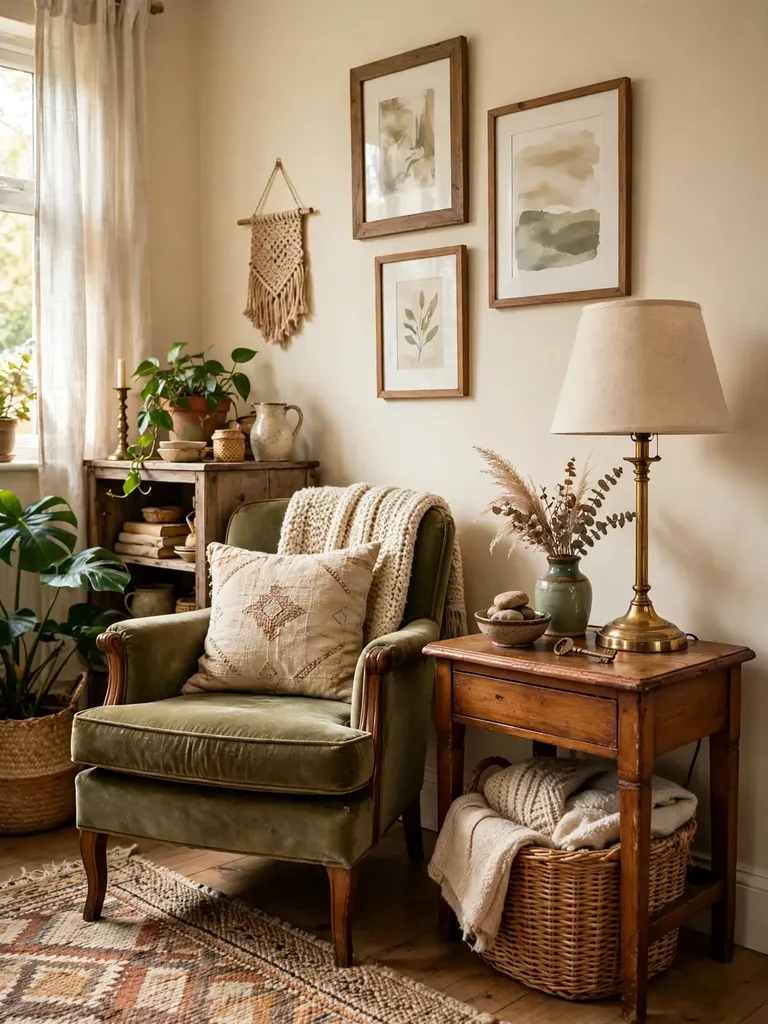
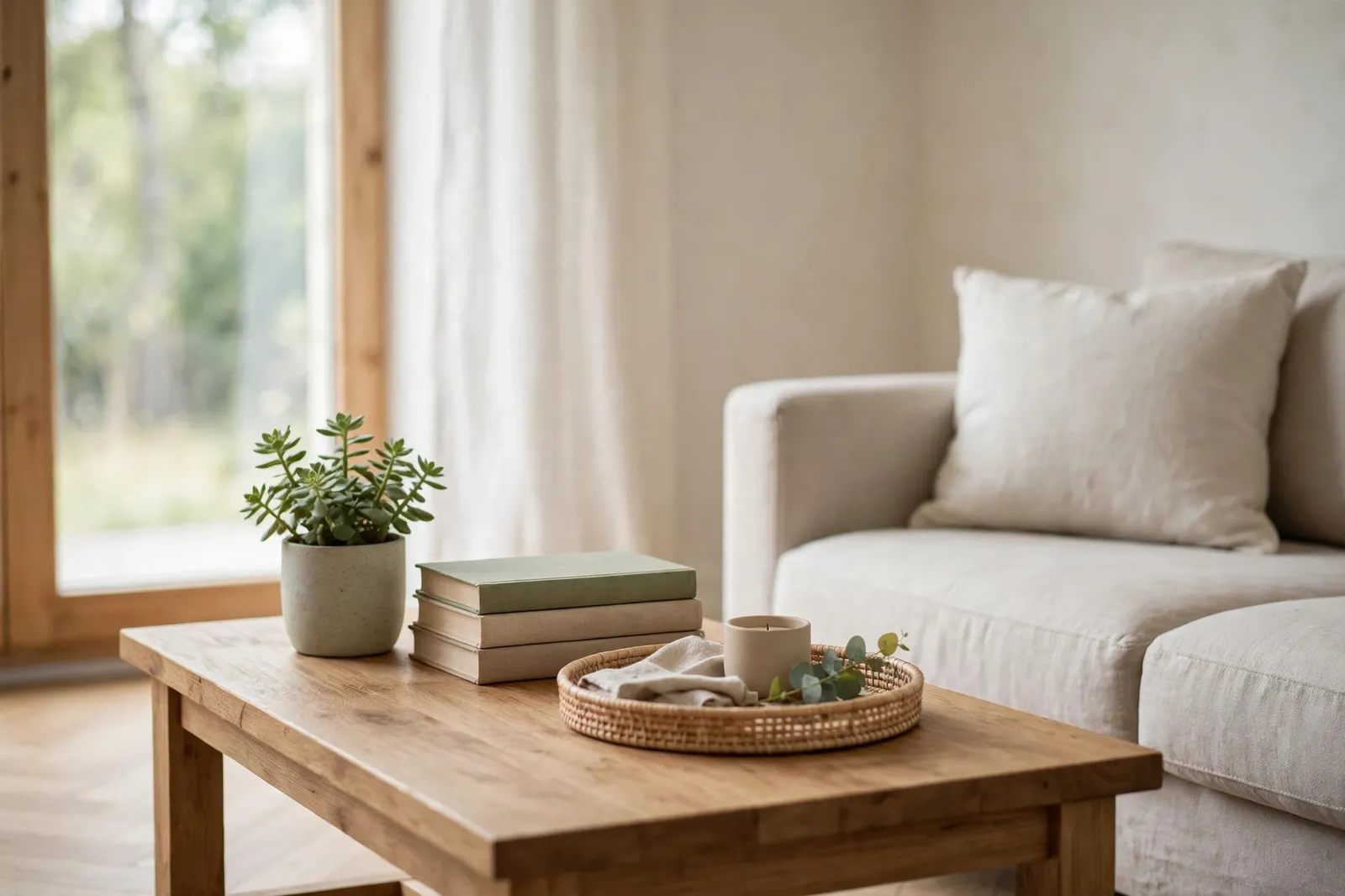
Your coffee table, console, and shelves do not need replacing — they need styling. Clear everything off, wipe them down, and put back only a few things that look good and get used: a lamp, a small plant or a vase, a stack of books, and a tray to hold small things like remotes or keys. A clear surface with a few nice pieces looks far better than a crowded one.
The same trick works on open shelves. Keep each shelf simple with a mix of books, a plant, and one decorative piece, and leave some empty space between them. When the surfaces are calm, the whole room feels calm too, and the furniture you already have suddenly looks like it belongs in a styled home.
6. Add Art and a Mirror
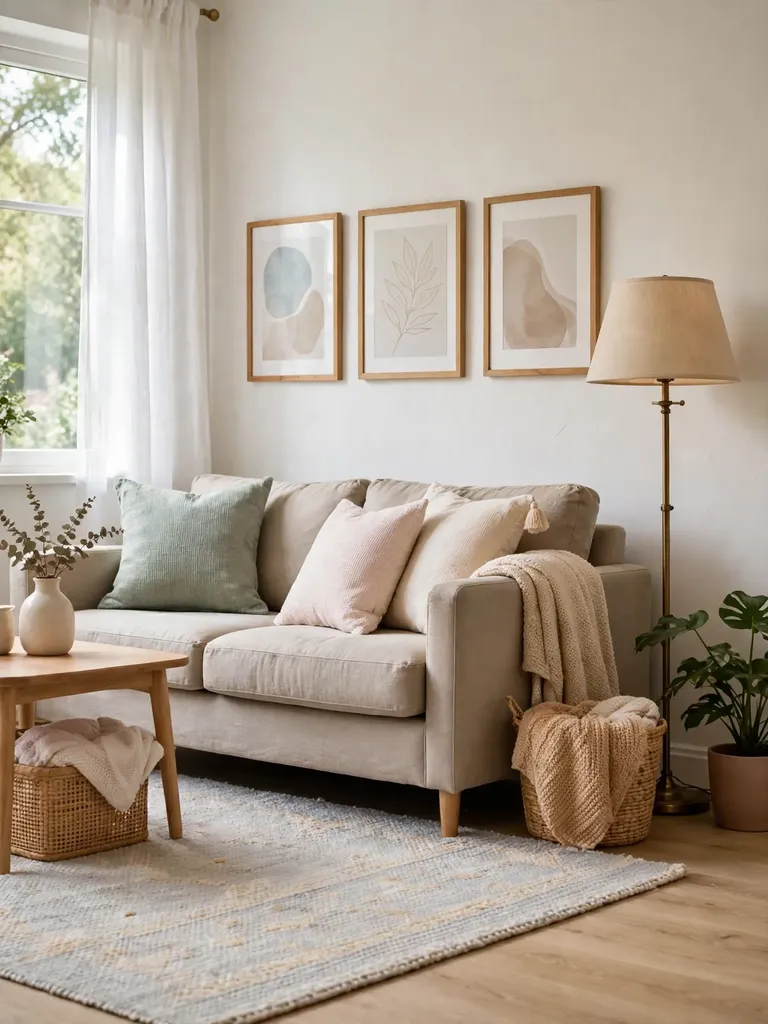
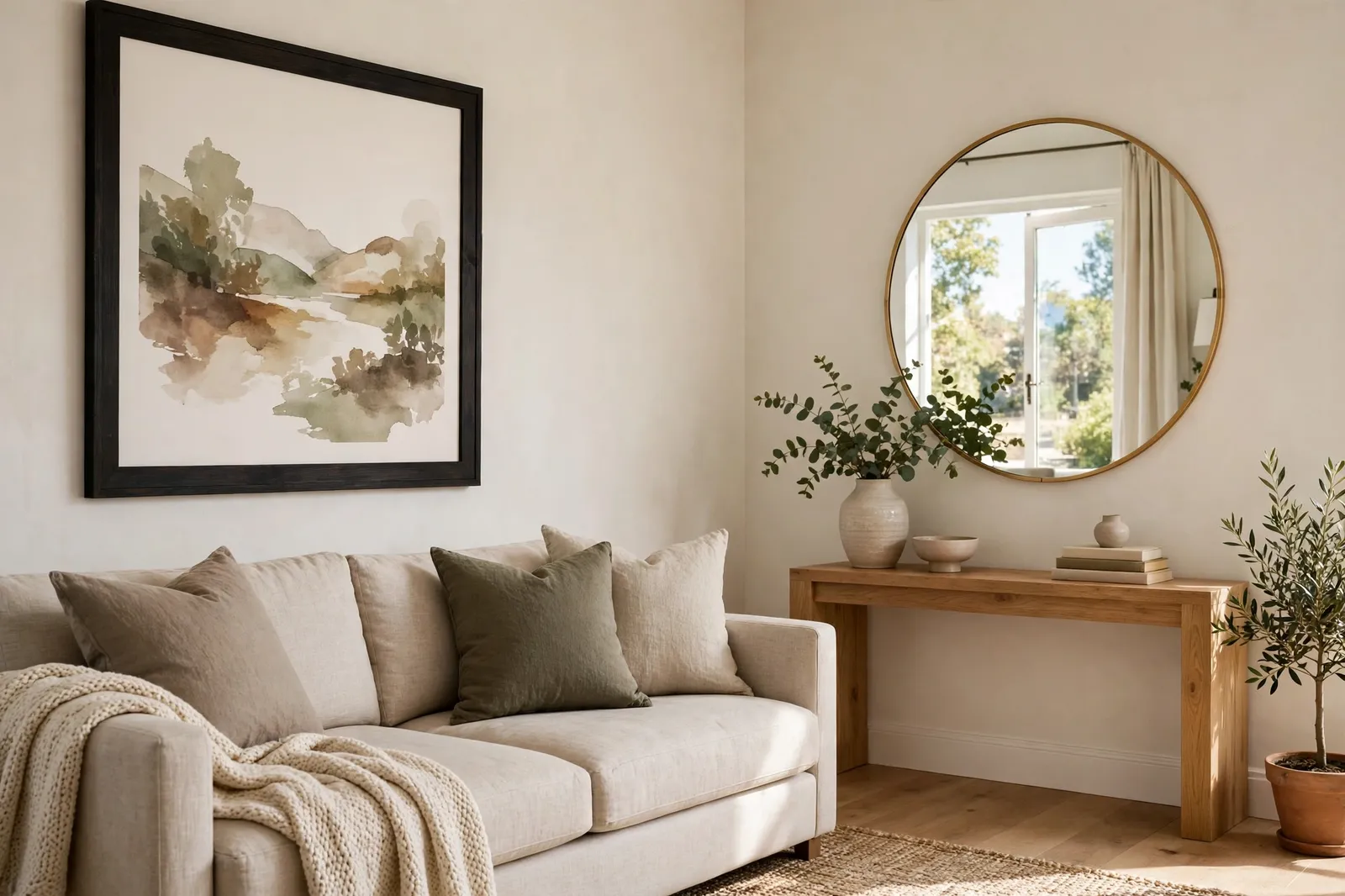
Blank walls make a home feel unfinished, and art is the easiest fix. Hang one large piece above the sofa or the console, or a pair of smaller frames side by side. You do not need expensive art — a framed print, a simple canvas, or a photo you love works. The key is to hang it at eye level and keep it in scale with the furniture below it.
A mirror does double work: it fills a wall and makes a room feel bigger and brighter by bouncing light around. Hang a mirror across from a window if you can, or lean a large one against the wall near the entryway. A room with art and a mirror looks finished, even when nothing else in it has changed.
7. Refresh the Floors With Rugs
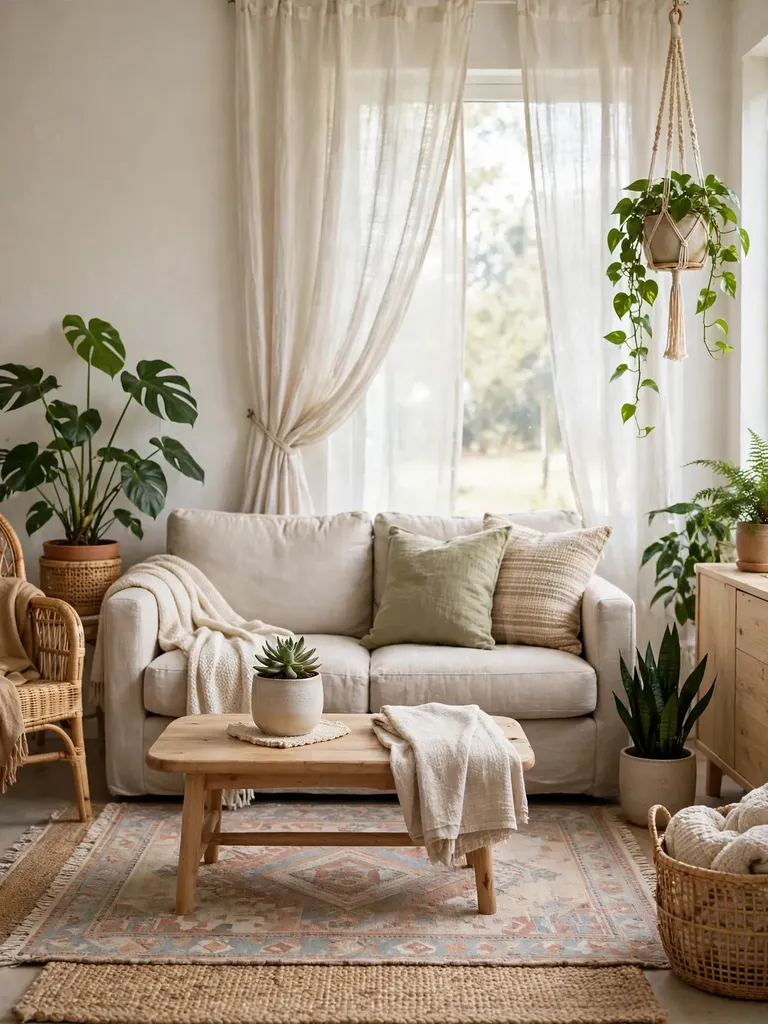
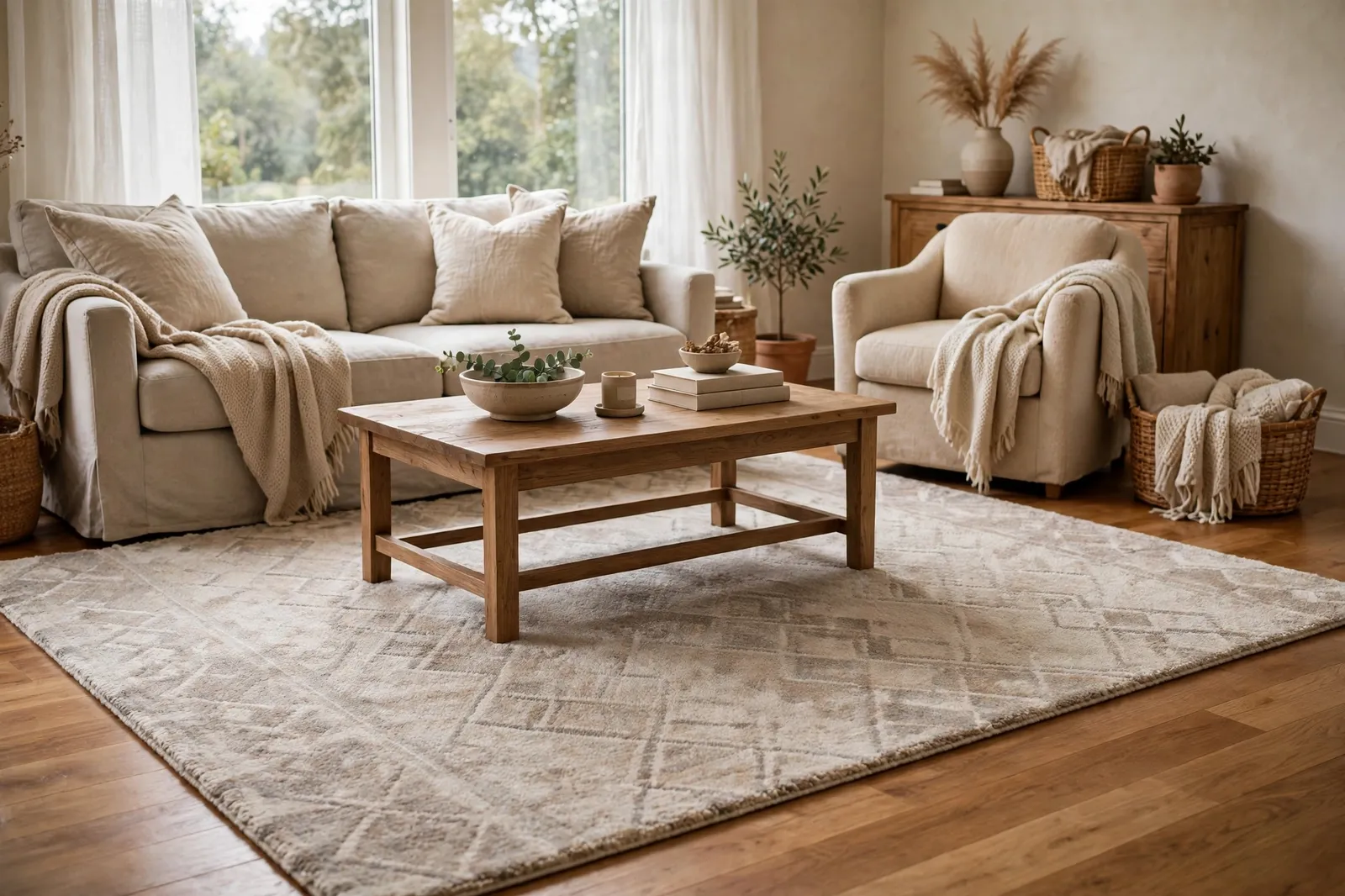
A rug can change a room the way new flooring would, for a fraction of the cost. A soft rug under the coffee table pulls the sofa, the chairs, and the side tables together into one zone. Pick a rug big enough that the front legs of the sofa sit on it, so you step onto it when you sit down.
If a big rug is out of budget, a smaller one still helps. A runner in the hallway or a round rug near the reading chair adds color and softness where you need it most. Choose a color or pattern that picks up something already in the room — the pillows, the throw, or the wall — and the whole space will feel planned.
8. Bring in Plants and Greenery
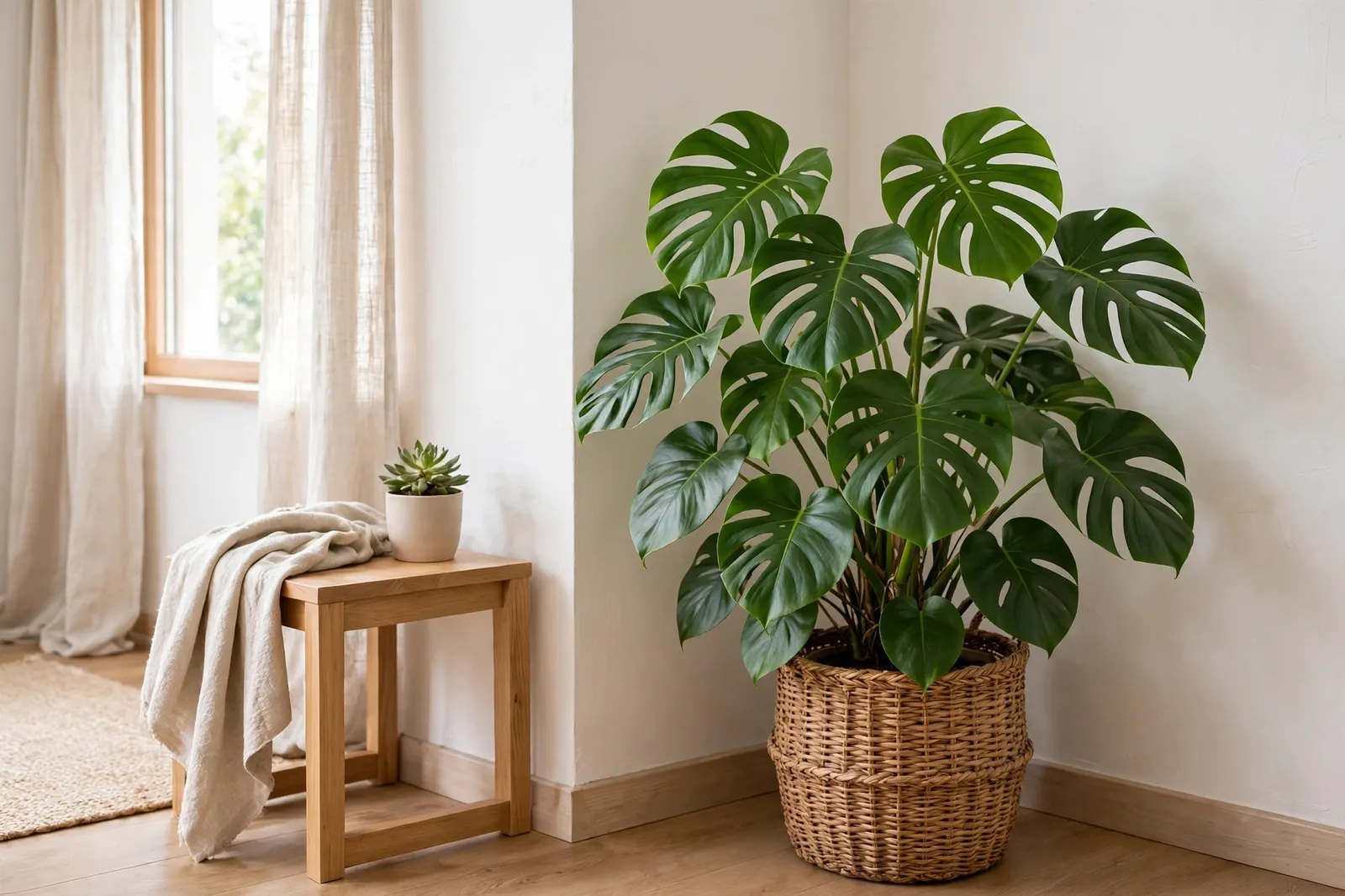
A plant can make a room feel alive in a way nothing else can. A big leafy plant in the corner, a small one on the coffee table, and a hanging plant near the window add color and life to rooms that feel flat. Real plants are best, but good fake ones work too if you do not have the light or the time.
Start with one or two easy plants and put them where you will see them every day. A plant on the dining table, one on the windowsill, and one in the corner of the living room is plenty. When the plants are healthy and the pots look good, the whole home feels cared for.
9. Clear the Clutter and Give Everything a Place
The last step costs nothing and makes the biggest difference: clear the clutter. Take everything off the surfaces, out of the corners, and off the chair that has become a second closet. A home with clear surfaces and a clear floor looks bigger, calmer, and more like a place you actually want to spend time in.
Then put back only what earns its place. A few styled surfaces — the coffee table, the console, one shelf — are enough. Give the everyday things a home of their own: a basket for blankets, a tray for keys, a hook for coats. A tidy home styled with the furniture you already have can feel just as good as a brand new one.
Frequently Asked Questions
How can I refresh my home without buying new furniture?
Start with the cheap changes that make the biggest difference: fresh paint, new textiles, and a new layout. Then add better lighting, a rug, and a few plants. Clear the clutter and style the surfaces you already have, and the same furniture will look completely different.
What is the cheapest way to make my home look new?
The cheapest refresh is free: rearrange the furniture, declutter every surface, and clean the whole home top to bottom. After that, a gallon of paint and a new set of pillow covers are the best low-cost updates, and both together usually cost less than one new piece of furniture.
Can I paint my furniture instead of replacing it?
Yes, painting furniture is a great way to update it without buying new pieces. A coffee table, a console, or a bookshelf painted in a fresh color — soft white, warm gray, or sage green — can look brand new. Clean it well, sand lightly, use primer, and finish with two coats of paint made for furniture.
How do I make a small home feel bigger without new furniture?
Keep the furniture low and the surfaces clear, and let in as much light as you can. A mirror across from the window, light-colored textiles, and a rug that is big enough to anchor the seating area all make a small home feel larger. Avoid pushing furniture against every wall — a little breathing room goes a long way.
Related ideas
If you want more budget-friendly ideas, Budget-Friendly Home Decorating Ideas That Look Expensive is a great next read, since it shows how to get a high-end look without spending much. How to Decorate Your Home on a Tight Budget will help you plan the whole refresh step by step, and Bedroom Makeover Ideas Without Replacing All Your Furniture applies the same no-new-furniture thinking to the bedroom. You might also like Thrift Store Home Decor Finds Worth Looking For and Rental-Friendly Home Upgrades That Make a Big Difference.