Budget-Friendly Home Decorating Ideas That Look Expensive
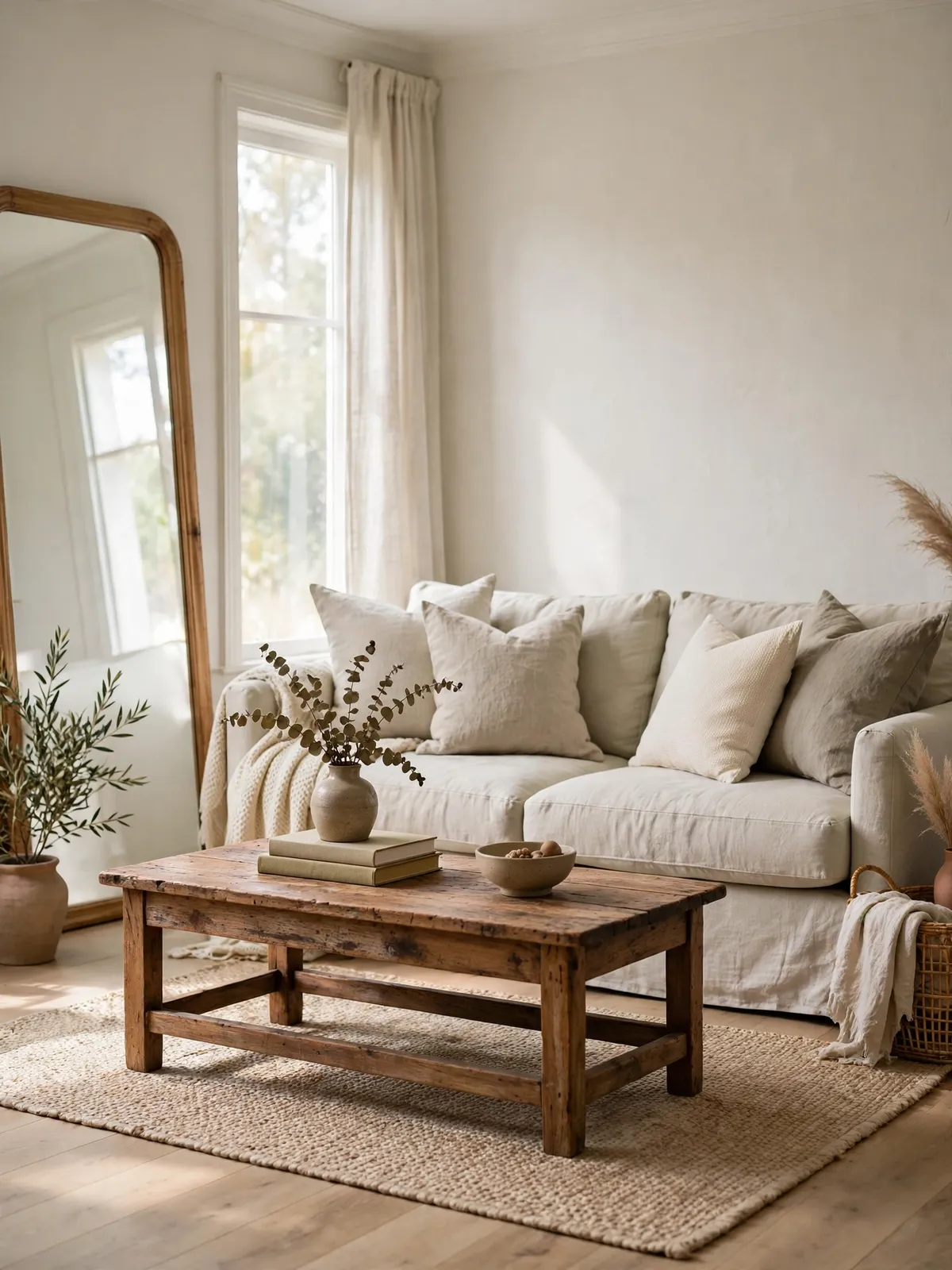
You do not need a big budget to make your home look expensive. Some of the best-looking rooms are not filled with pricey furniture — they are just put together with a bit of thought. A coat of paint, a thrifted find, a mirror in the right spot: small moves like these can make a room feel polished and high-end without spending much at all.
The trick is knowing where a little money goes a long way and where it does not. This guide walks you through budget-friendly home decorating ideas that actually work, room by room, so you can get that expensive look for a fraction of the price.
1. Start With Paint — the Cheapest Big Change
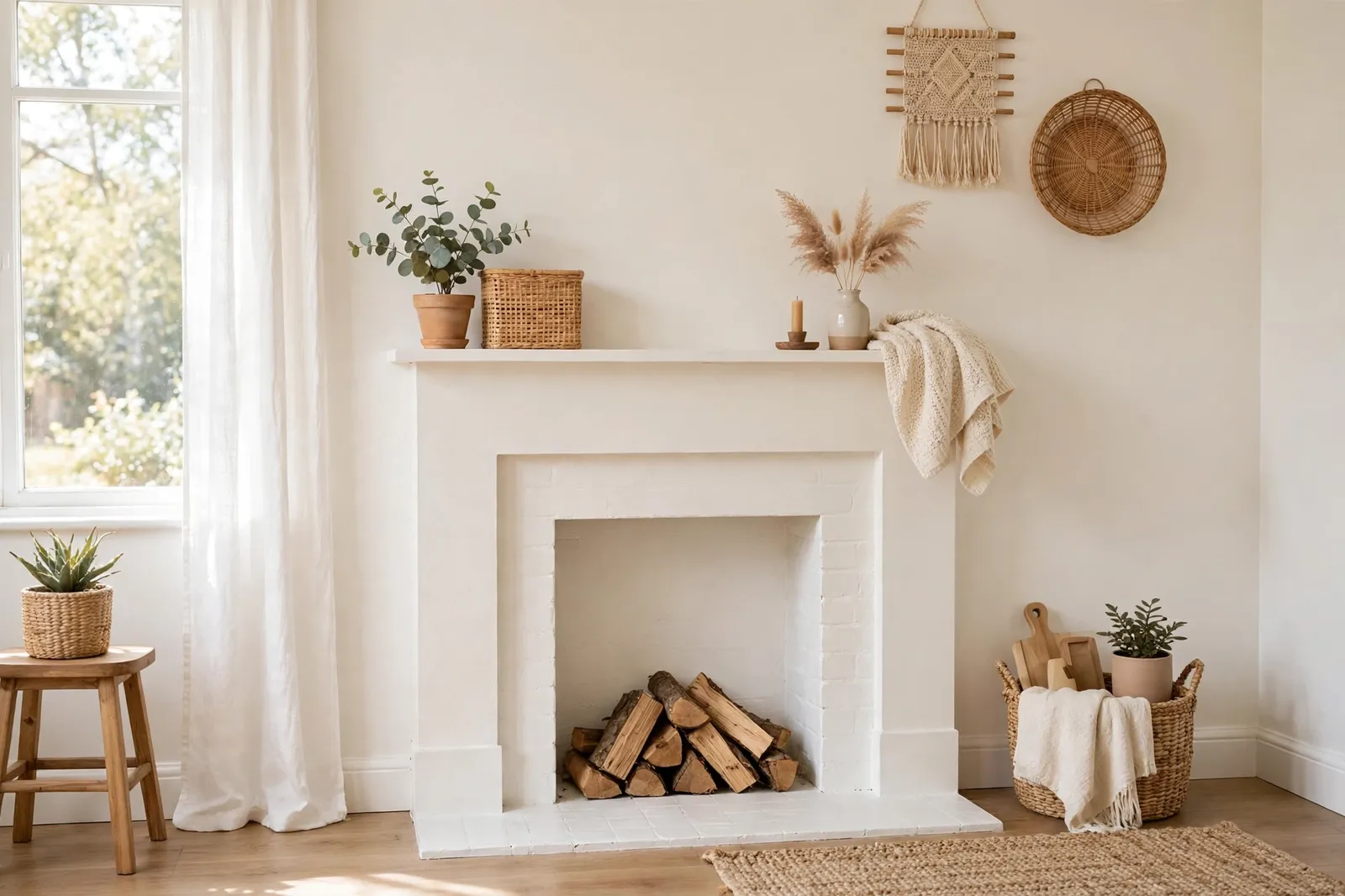
Paint is the cheapest way to change a room, and it makes the biggest difference. One gallon of paint costs less than a single new pillow, but a fresh coat on the walls — or even just on one accent wall — can make the whole room feel brand new. Warm white, soft greige, or a deep moody green on one wall can give a plain room the kind of look you usually see in expensive homes.
Do not stop at the walls if you are feeling brave. Painting an old dresser, a tired bookshelf, or a dated fireplace surround costs almost nothing and can turn a piece you were thinking of getting rid of into the best thing in the room. A can of paint and a free afternoon is often all it takes.
2. Shop Secondhand Before You Buy New
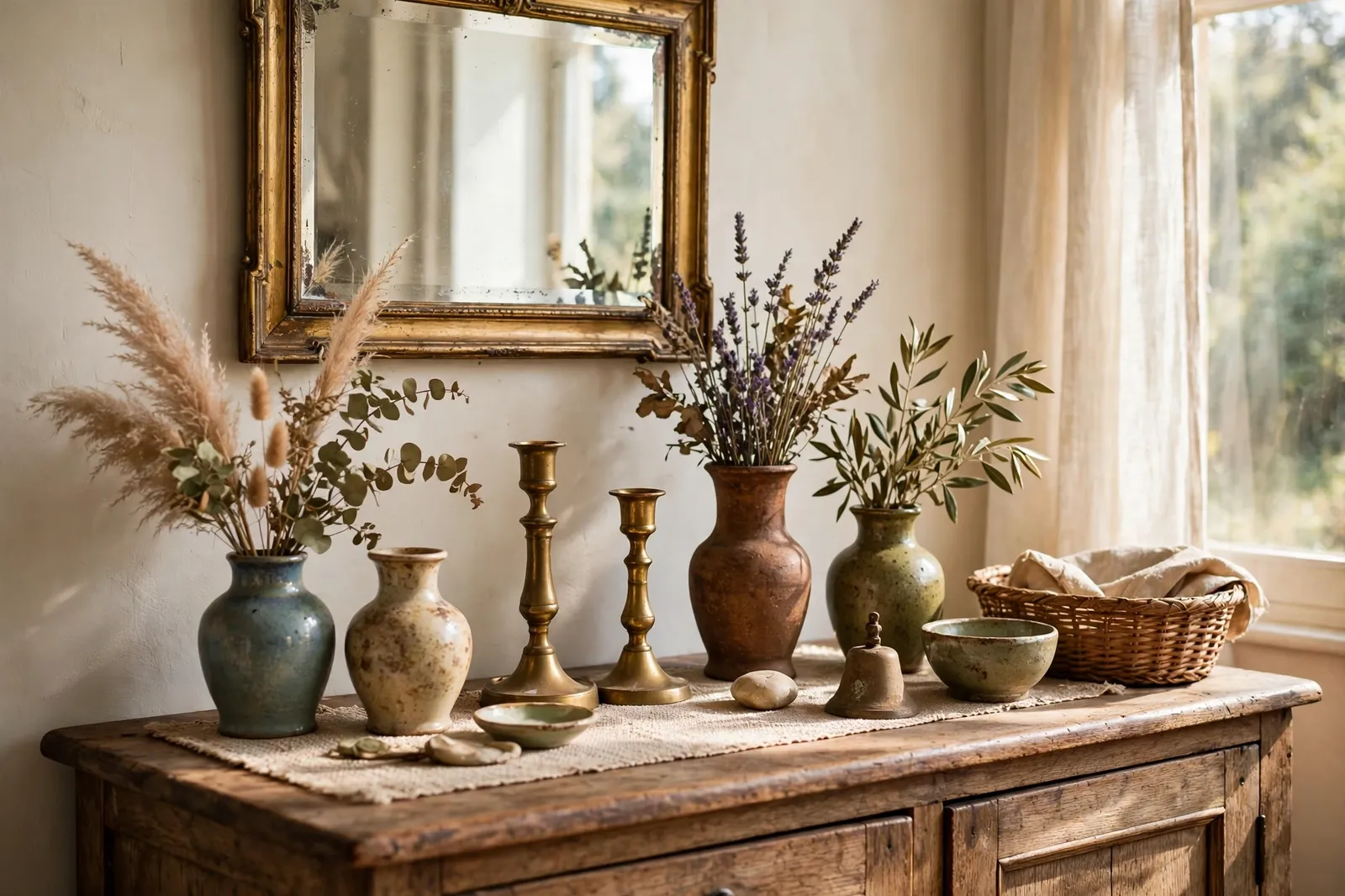
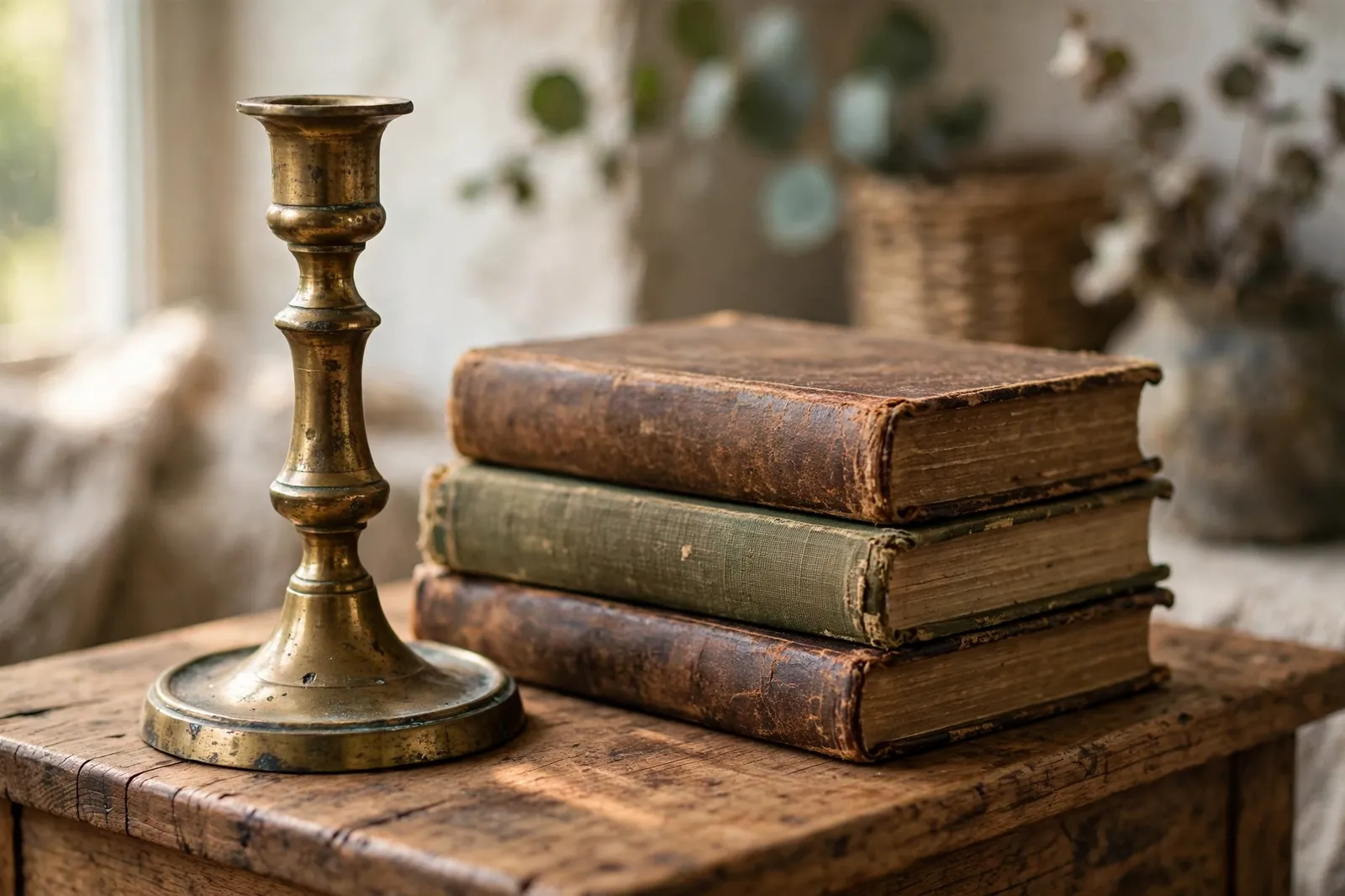
Thrift stores, flea markets, and online marketplaces are full of solid wood furniture and good decor for a fraction of retail prices. A real wood coffee table, a brass lamp, or a well-made mirror that would cost hundreds new can show up for ten or twenty dollars if you look regularly. The best pieces are usually the plain, sturdy ones — they are easy to clean up and style.
Make secondhand shopping a habit, not a one-time trip. Check your local listings once or twice a week and grab good pieces when you see them, even if you do not have a spot for them yet. A little patience saves a lot of money, and older pieces often have better quality than the cheap new stuff anyway.
3. Swap Pillows, Throws, and Curtains
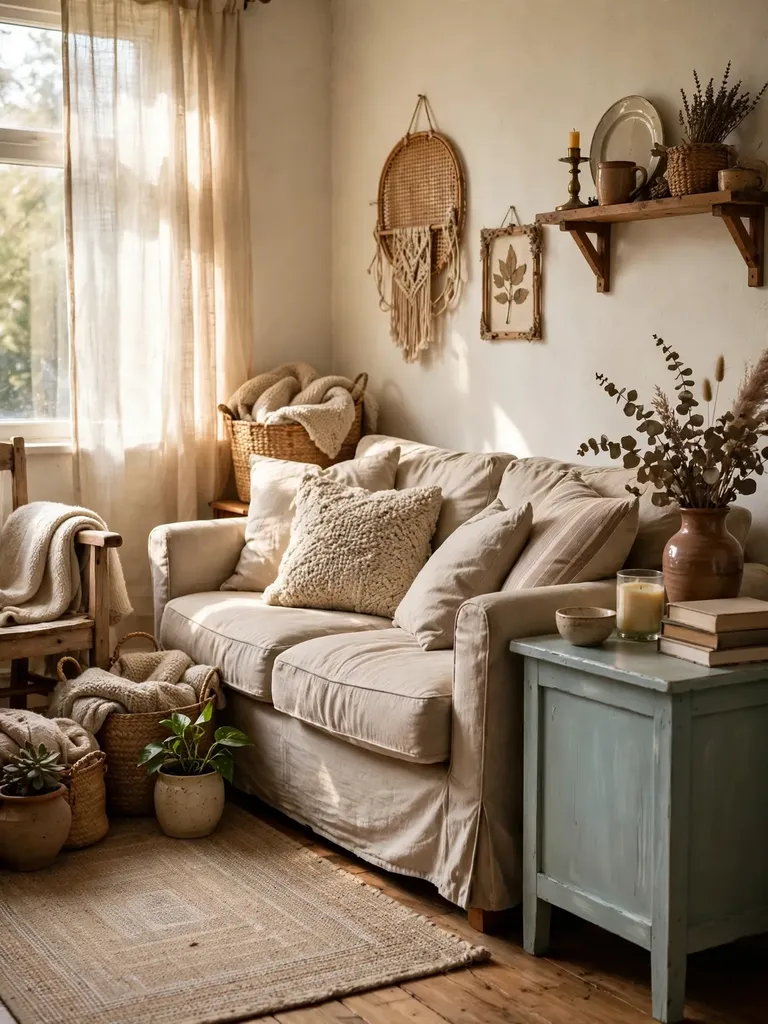
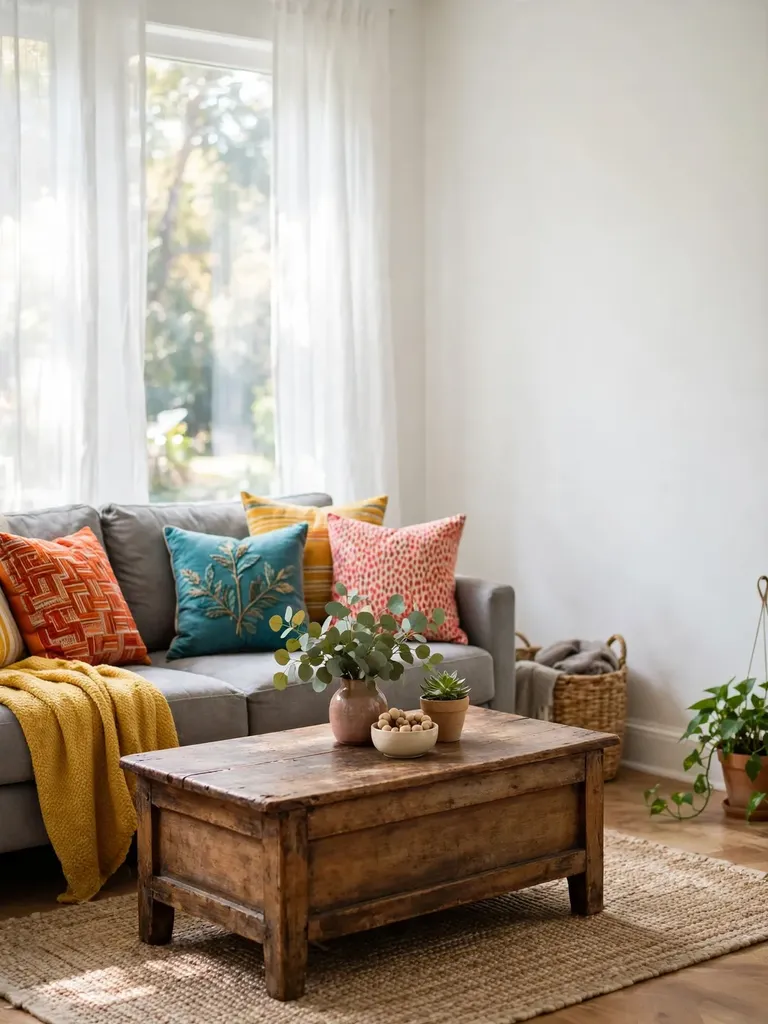
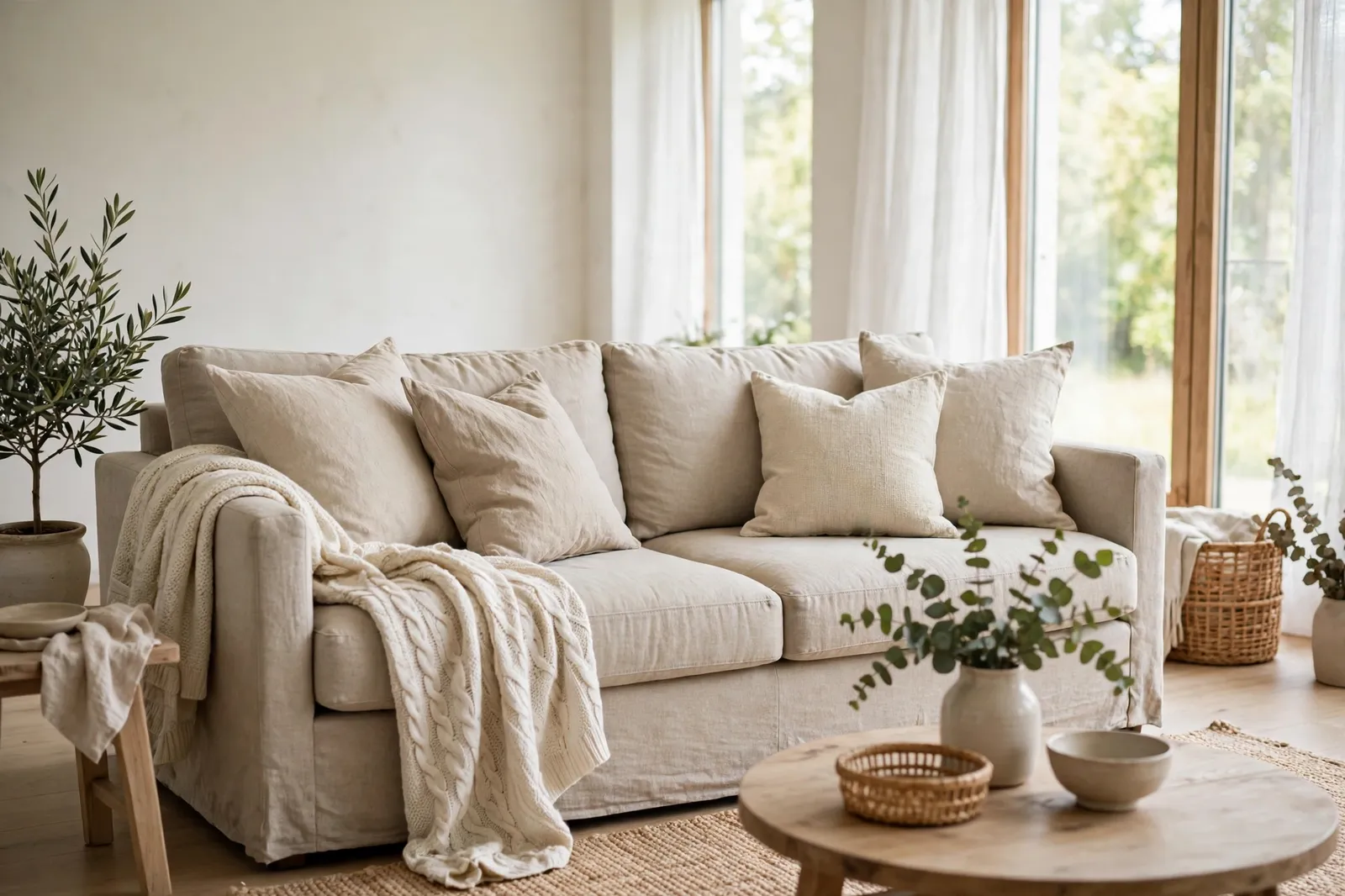
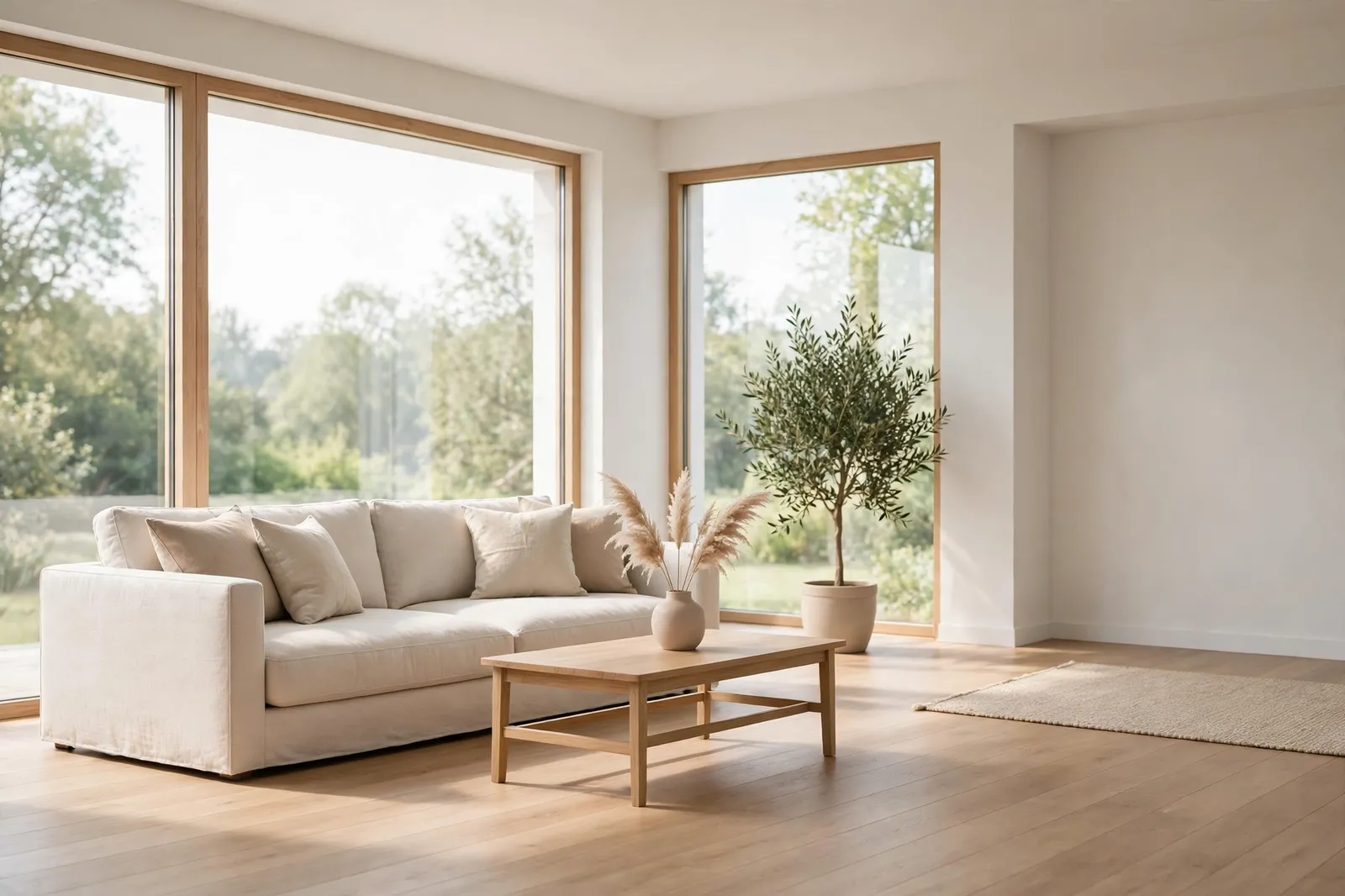
Soft furnishings are the fastest way to change how a room feels, and they cost very little. Swapping out old pillow covers for linen or velvet ones in a calm, matching color palette can make a plain sofa look like it belongs in a magazine. A soft throw draped over the arm of a chair adds warmth and makes the room feel finished.
Curtains matter more than most people think. Hang them high and wide, close to the ceiling, and let them fall to the floor — it makes the windows look bigger and the ceilings look taller. Cheap curtain panels in a solid, neutral color look far more expensive than busy patterns, and they pull the whole room together.
4. Rearrange the Furniture You Already Own
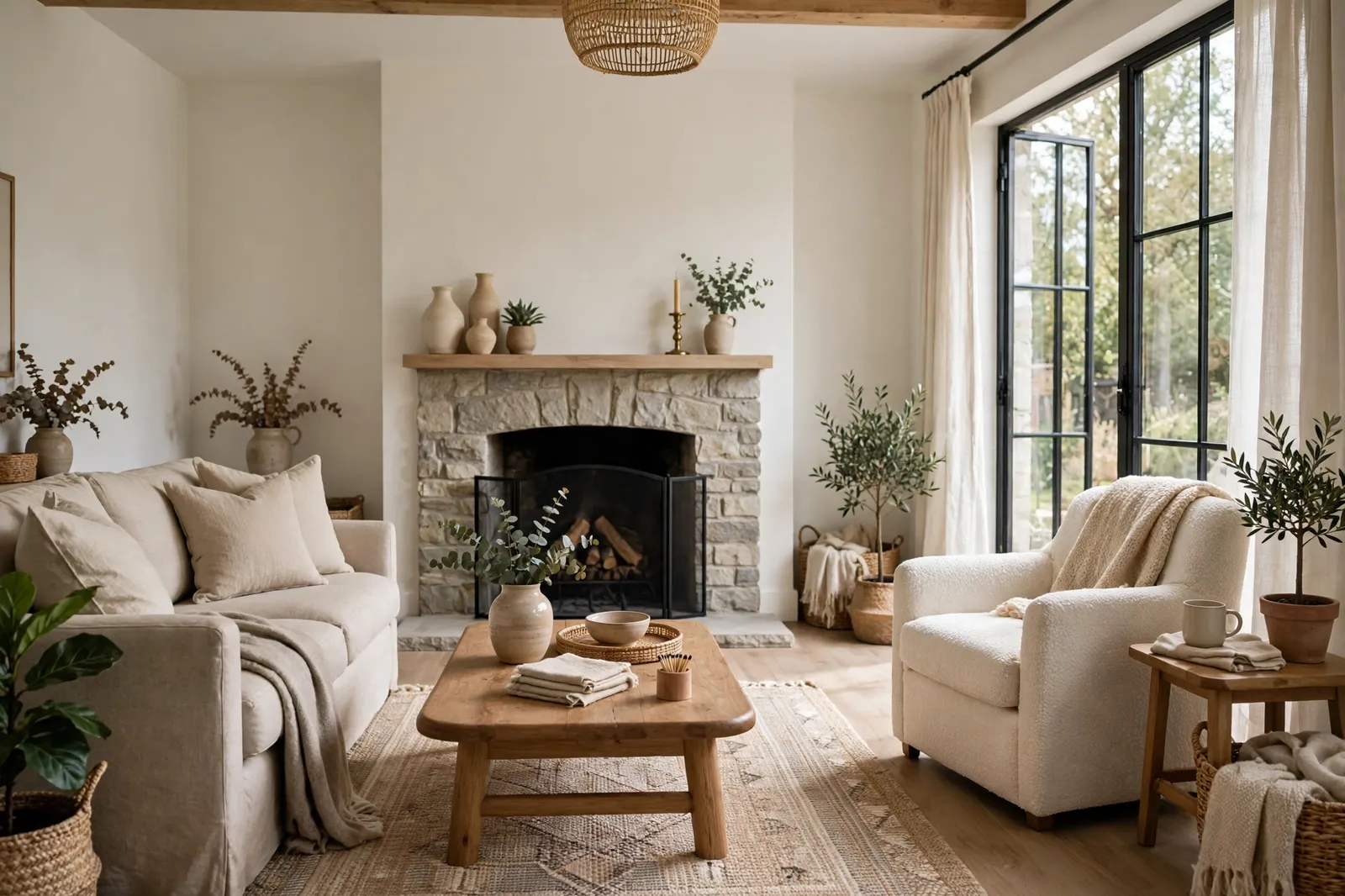
Before you buy anything new, try moving what you already have. Pull the sofa away from the wall, angle a chair toward the window, or swap furniture between rooms — a dresser from the bedroom can make a great entryway table, and a side table from the living room might be just what the bedroom needs. A fresh layout can make a room feel completely different for free.
Think about how you actually use the room. Create a clear conversation area with chairs facing each other, leave a clear path to walk through, and put the best seat near the best light. When furniture is arranged with a purpose, the room looks planned and expensive, even if nothing in it is new.
5. Add Mirrors to Open Up the Room
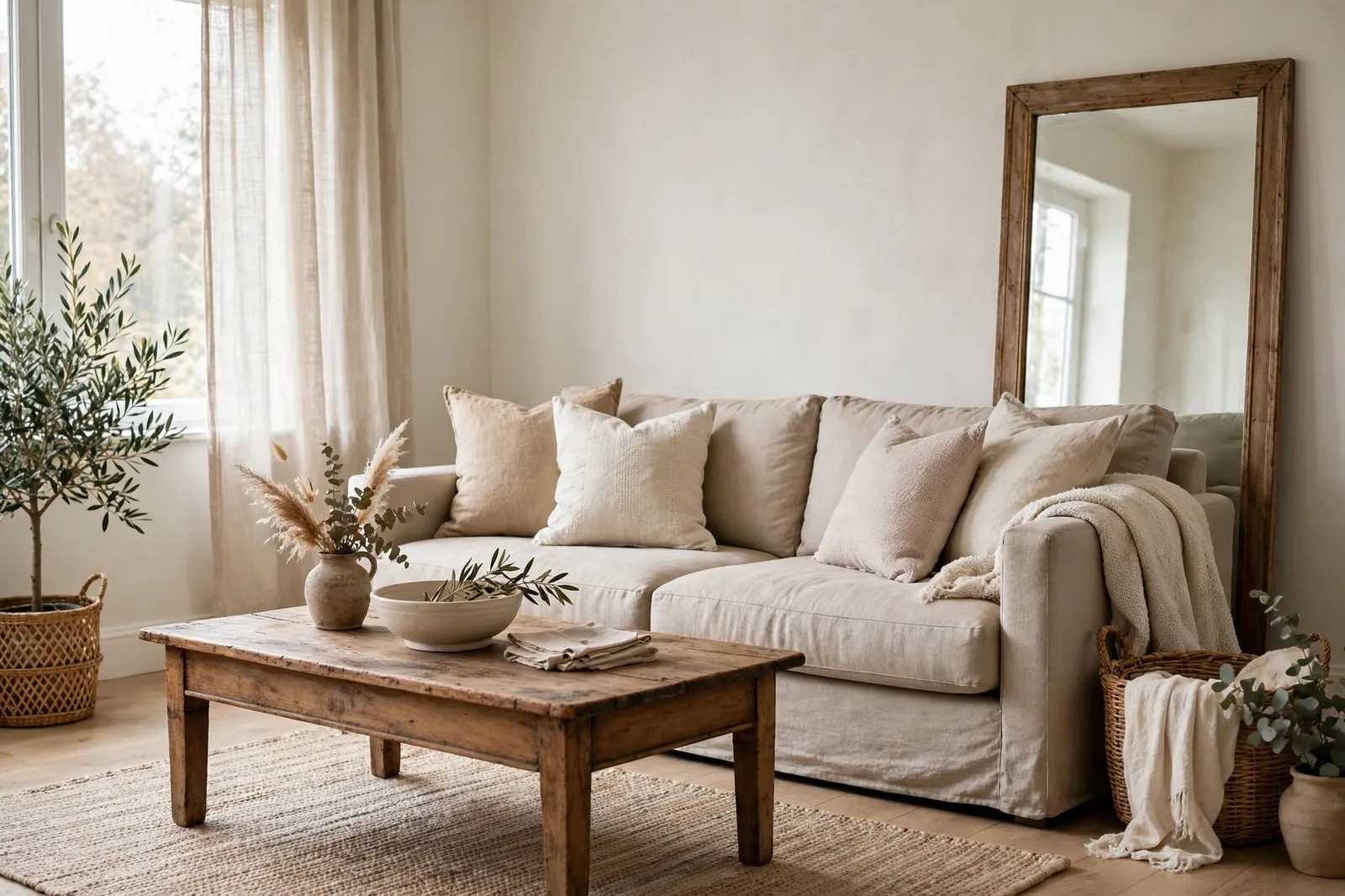
A large mirror is one of the best budget tricks there is. It bounces light around the room, makes a small space feel bigger, and looks like a high-end piece — especially in a simple wood or black frame. Hang one across from a window and the whole room gets brighter during the day.
You do not need to buy an expensive mirror. Thrift stores are full of them, and a plain mirror with a dated gold frame can be transformed with a quick coat of matte black or white paint. One big mirror beats three small ones, so go as large as your wall and your budget allow.
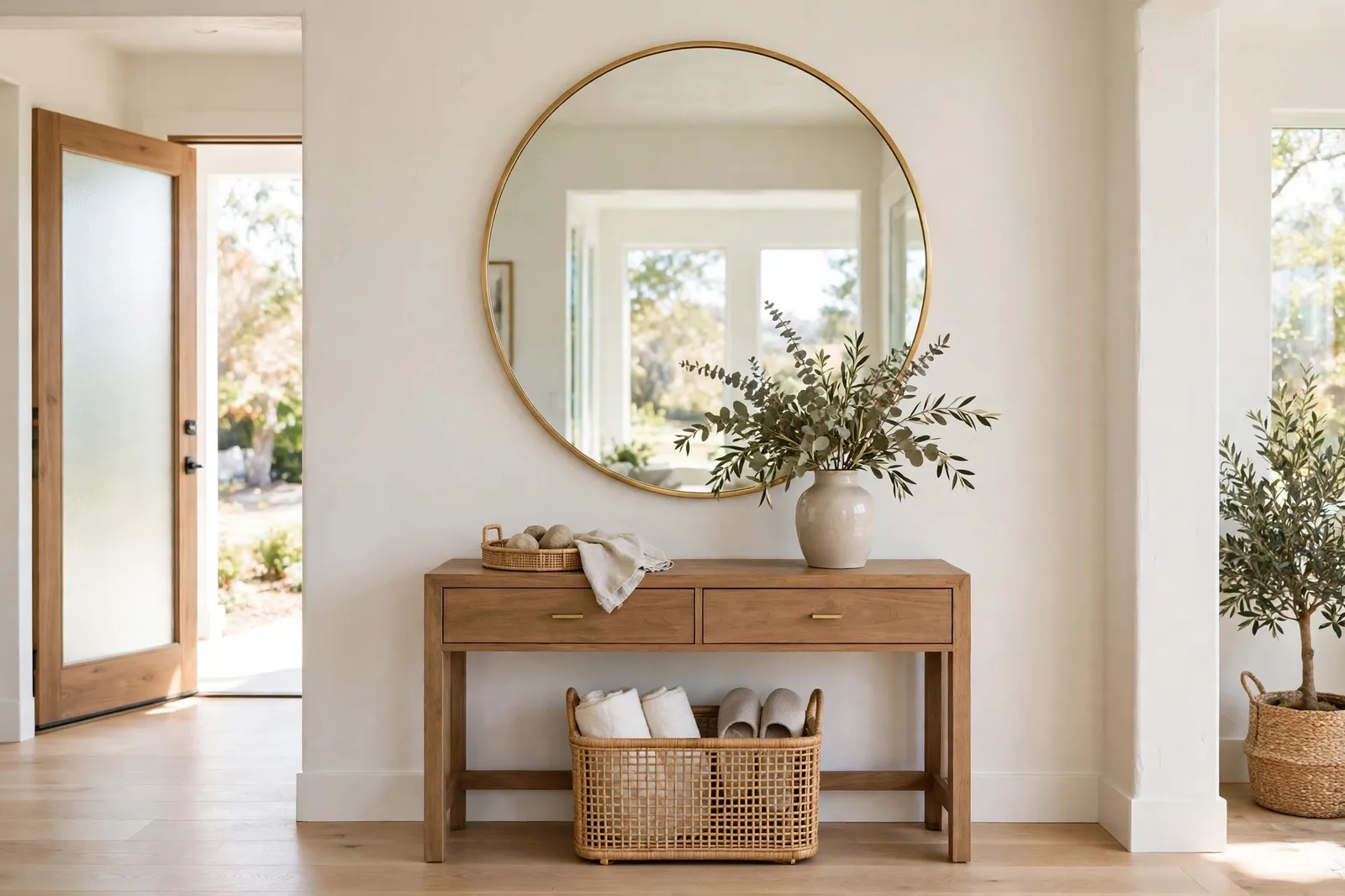
6. Spend on One Statement Piece per Room
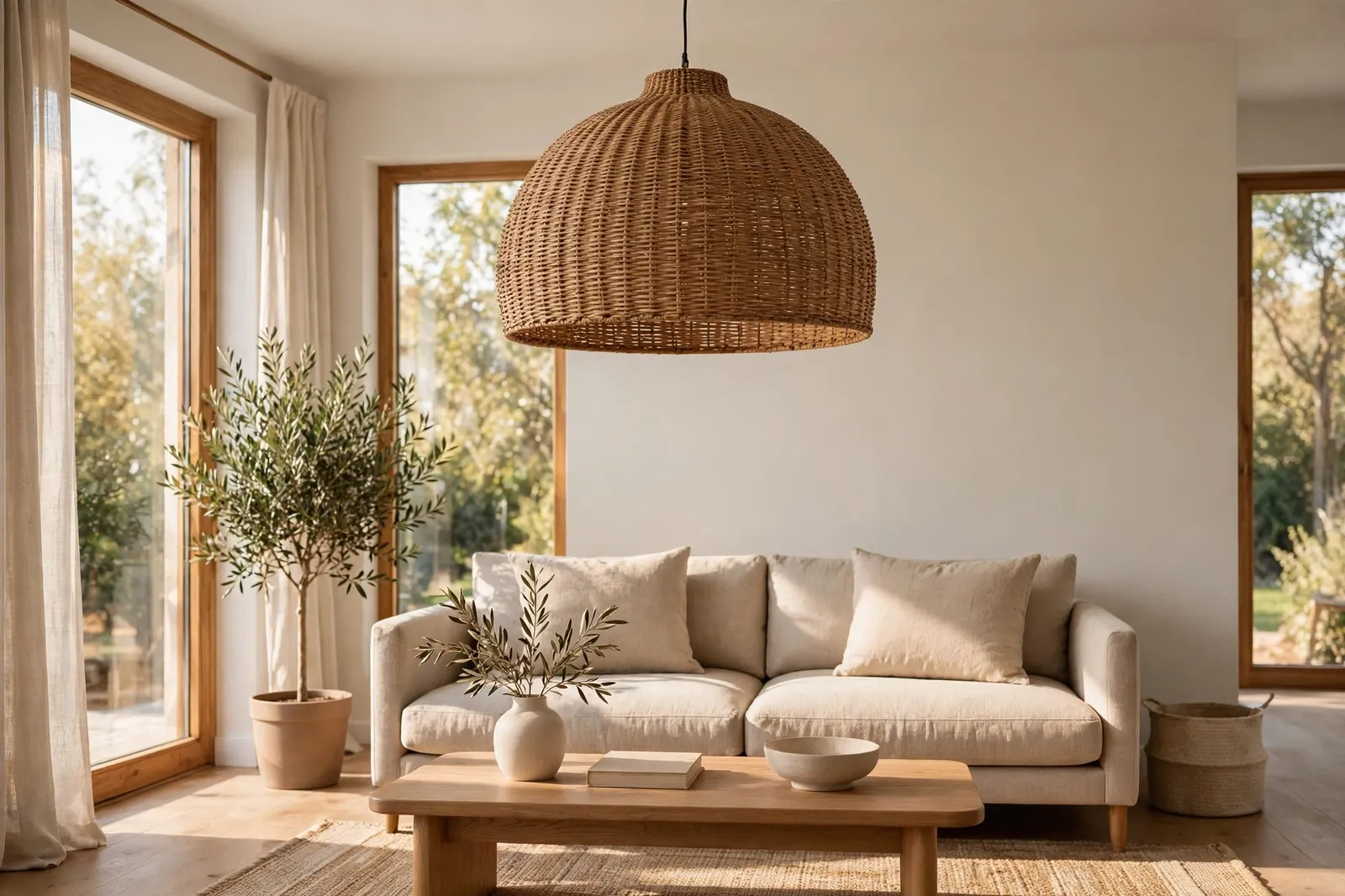
Instead of buying lots of small, cheap things, put your money into one good piece per room. A beautiful pendant light, a quality rug, or a solid wood coffee table anchors the room and makes everything around it look better. One piece that feels special lifts the whole space in a way that ten small accessories never will.
Everything else in the room can be simple and affordable. Plain walls, basic furniture, and budget accessories look intentional when they surround one strong piece. Pick the item you notice first when you walk in, spend a little more on that one thing, and let the rest stay simple.
7. Style With Things You Already Have
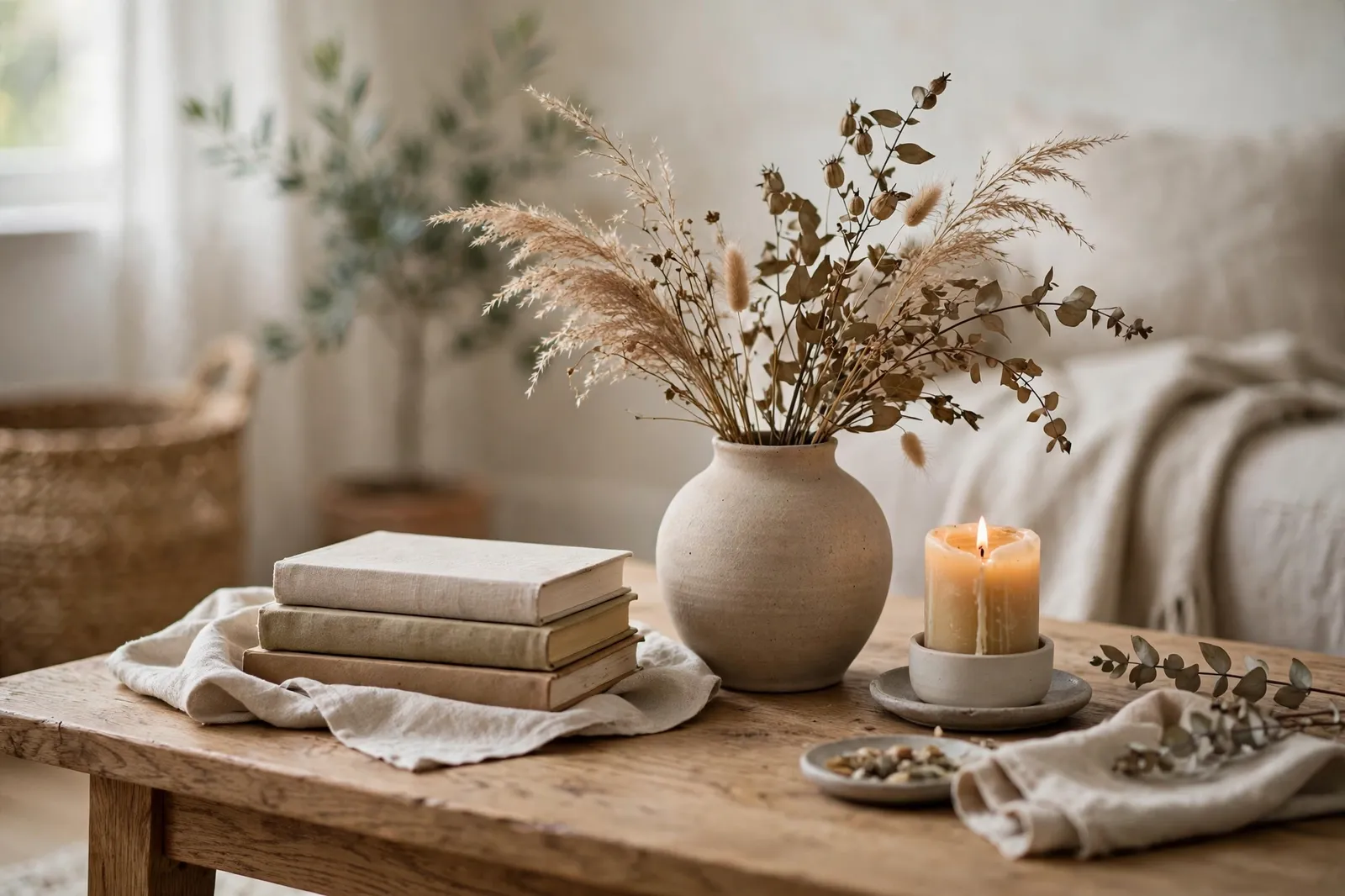
You probably already own more decor than you think. Books from the shelf, a vase from the kitchen, a bowl from the dining room — everyday objects make great decor when they are grouped with a bit of care. Stack two or three books on a coffee table, set a vase with a few stems on top, and add a candle, and you have a styled surface that costs nothing.
Shop your own home before you shop a store. Walk through every room with fresh eyes and move things around: a tray from the kitchen can organize a coffee table, a basket from the closet can hold throw blankets, a framed photo from the hallway can fill an empty shelf. Moving things you already own is free, and it often works better than buying something new.
8. Upgrade the Small Details
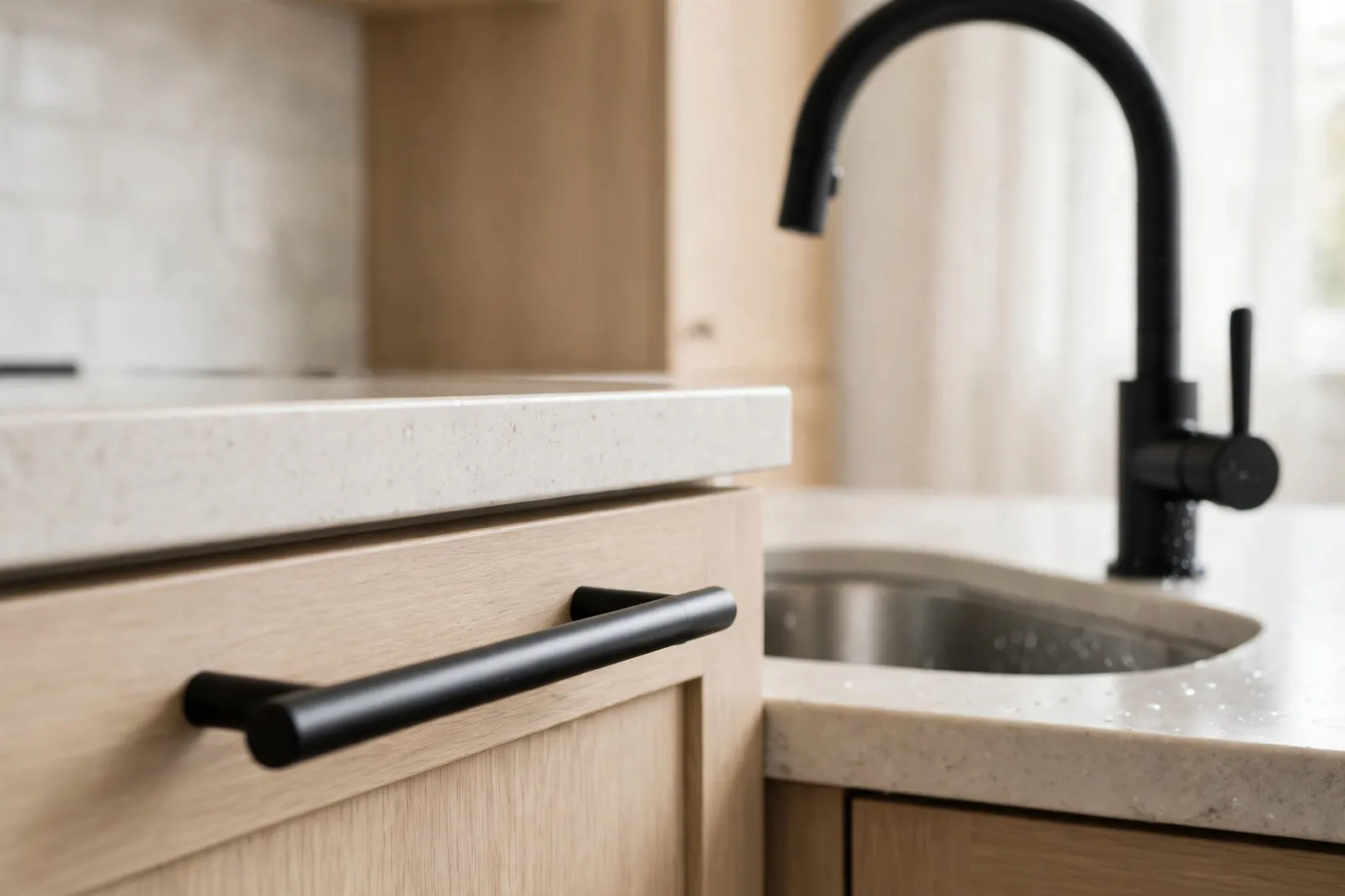
Small details make a room look expensive, and they are cheap to change. Swap out dated cabinet knobs and drawer pulls for simple matte black or brass ones, change a light switch plate, or replace a builder-grade light fixture with something you actually like. These are small jobs, but they change how a room feels every time you touch or see them.
Pay attention to the things you use every day. A nice soap dispenser in the bathroom, matching hangers in the closet, or a decent doormat by the front door all add up. None of these cost much on their own, but together they make a home feel cared for — and a cared-for home always looks more expensive.
9. Edit Ruthlessly and Leave Some Breathing Room
The most expensive-looking rooms are rarely the fullest ones. A room with a few well-chosen pieces and some empty space feels calm and high-end, while a room crammed with decor feels cluttered no matter how much it cost. Take a hard look at each surface and remove anything that does not earn its place.
Leave some breathing room on purpose. An empty stretch of wall, a clear coffee table, or a shelf with just two or three items looks deliberate, not unfinished. If you are not sure about a piece, put it away for a week and see if you miss it. You will be surprised how often the room looks better without it.
Frequently Asked Questions
How can I decorate my home on a tight budget?
Start with what you already own: rearrange the furniture, shop your own home for decor, and paint a wall or an old piece of furniture. Then add a few cheap, high-impact touches like new pillow covers, thrifted finds, and a large mirror. You can change a room for very little money if you spend it on the things that make the biggest visual difference.
What makes a home look expensive without spending a lot?
A calm, matching color palette, uncluttered surfaces, good lighting, and one quality piece per room. Expensive-looking homes feel cohesive — the colors work together, nothing is crowded, and there is a clear focal point in each room. It is the overall feeling of order and care that reads as expensive, not the price tag on any one item.
Where should I spend and where should I save when decorating on a budget?
Spend on the things you see and touch every day: a good rug, a comfortable sofa, proper lighting, and one statement piece per room. Save on trendy accessories, pillow covers, candles, and small decor, which you can find cheap or secondhand. A strong foundation makes the budget pieces around it look better.
How do I decorate on a budget without it looking cheap?
Avoid matching furniture sets and busy patterns, and keep the color palette simple — two or three colors that work together. Mix textures like linen, wood, and brass instead of lots of shiny plastic, and leave some empty space instead of filling every surface. A few good pieces with room to breathe always look better than a lot of cheap stuff crammed together.
Related ideas
If you want to stretch your budget even further, Budget-Friendly DIY Home Decor Using Thrifted Finds shows you how to turn secondhand pieces into real gems. Easy DIY Home Decor Projects for Beginners is a good next step if you are ready to try a few simple projects yourself, and How to Give Old Furniture a Fresh Makeover walks you through updating the pieces you already own instead of buying new ones. You might also like Fourth of July Decor Ideas for Indoor and Outdoor Spaces and How to Decorate Your Home on a Tight Budget.