How to Declutter Your Home Room by Room
If your whole house feels messy, the idea of decluttering it can feel too big to even start. You look around and see every room at once, and it is hard to know where to begin — so most of us just shut a door and put it off for another day.
The trick is to declutter your home room by room, one small space at a time, instead of trying to fix the whole house in a single weekend. When you finish one room, you get a little win, and those wins add up fast. This guide walks you through each room in a sensible order, with simple steps you can actually finish in an afternoon.
1. Start Small: Declutter Your Home Room by Room, One Space at a Time
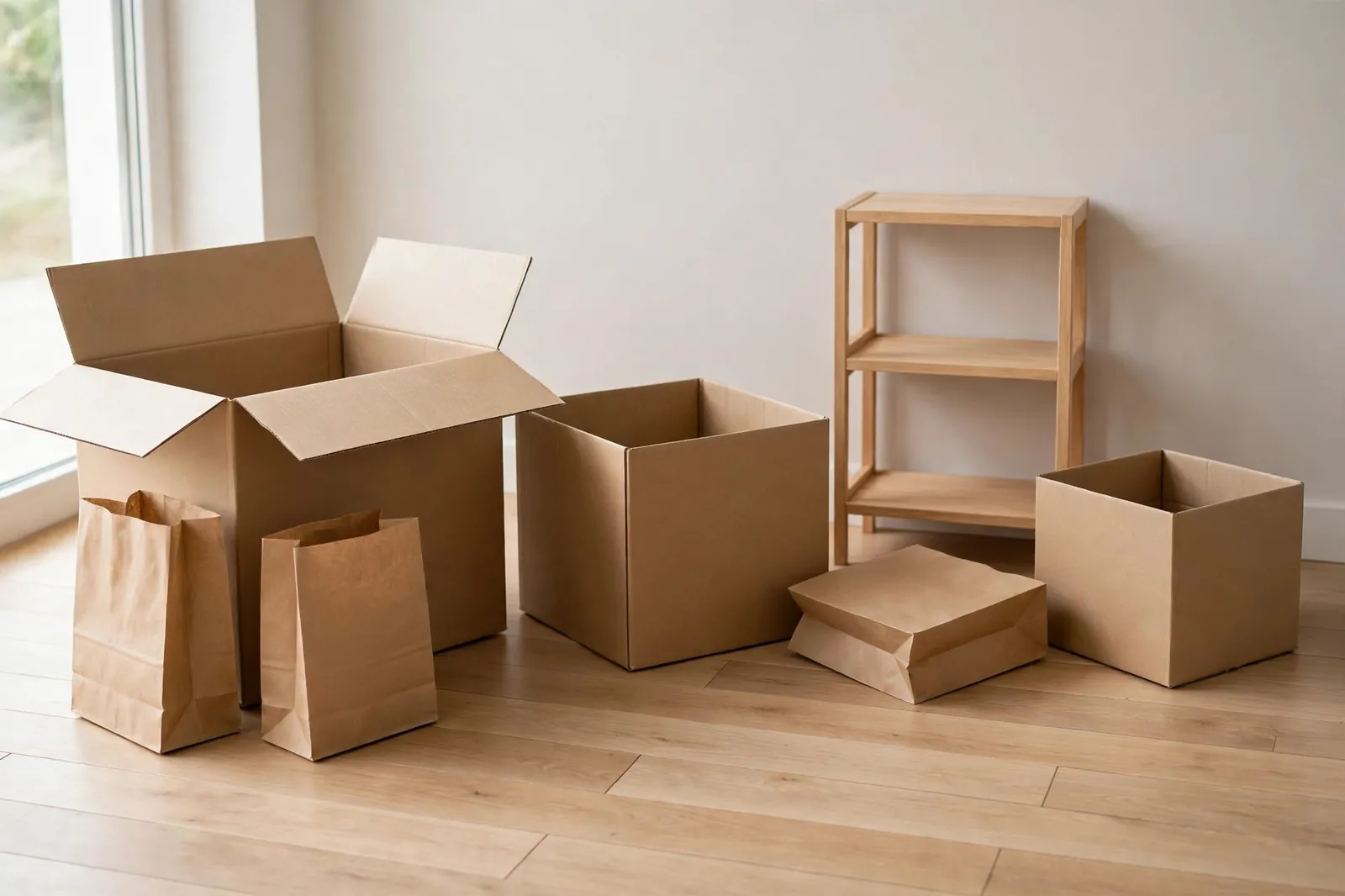
Before you touch a single drawer, pick your first room and set a timer for one hour. Grab three bags or boxes and label them in your head: keep, donate, and toss. Work in one small corner at a time — a single shelf, one drawer, one side of the room — and do not move on until that spot is done. Small, finished areas keep you going when the big picture feels like too much.
Make quick decisions and do not second-guess yourself. If you have not used something in a year and it has no real meaning to you, it can go. The donate box should leave the house the same day if you can manage it, because bags that sit around have a funny way of creeping back into closets. Once you finish that first room, you will know the system works, and the next room feels much easier.
2. The Entryway: Give Everything a Home by the Door
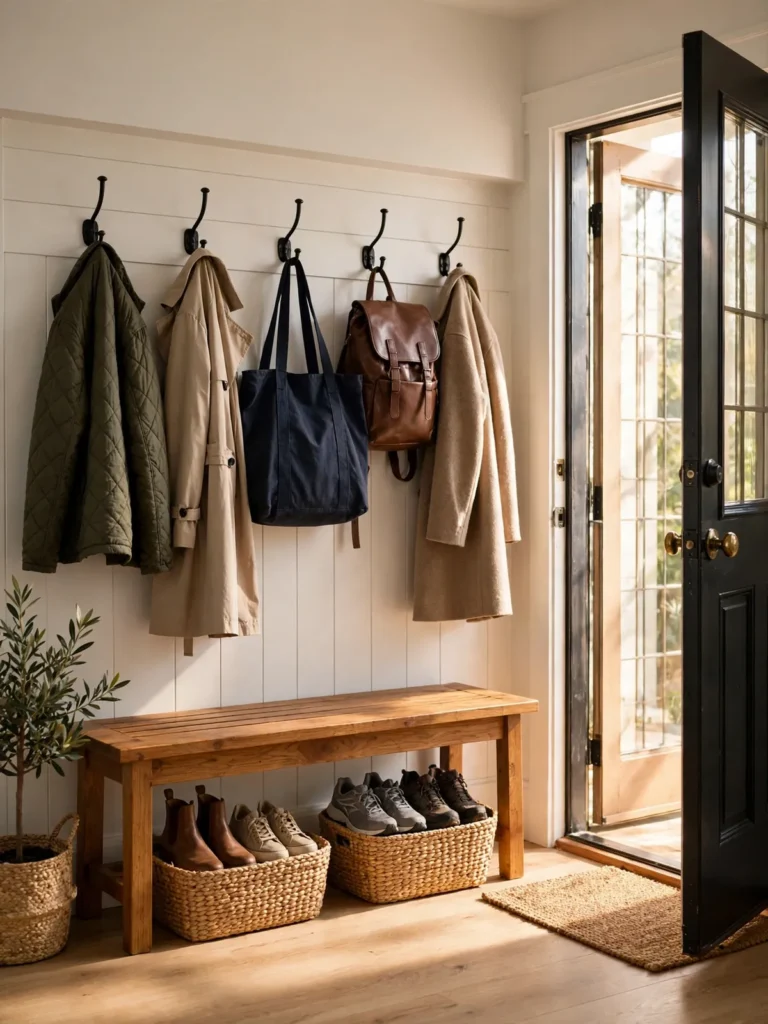
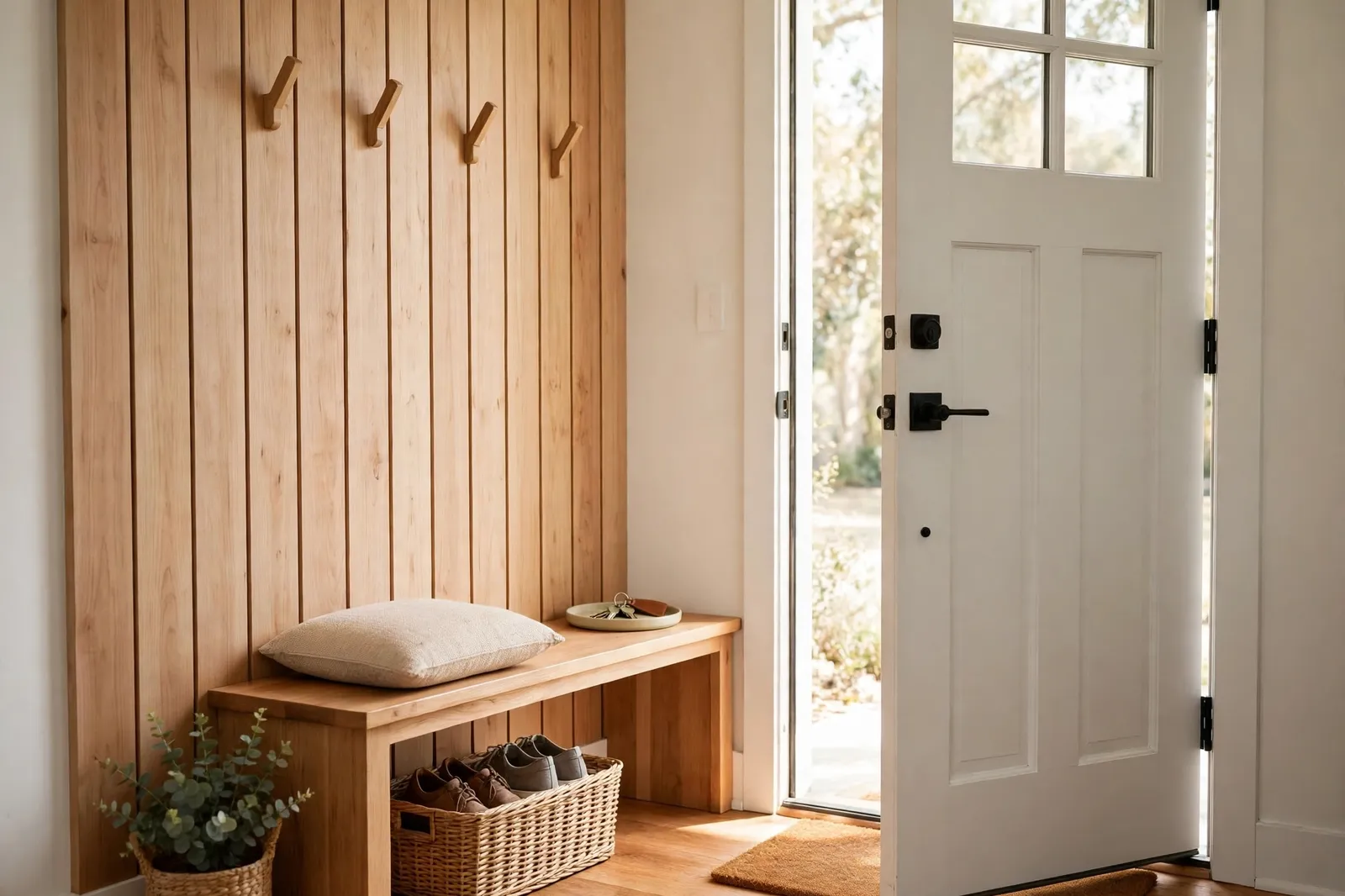
The entryway is the first thing you see when you come home, and it is also where clutter piles up fastest. Shoes, coats, keys, mail, and bags all land here, and without a plan they spread across the floor. Start by taking everything out of this small space and only putting back what you actually use every day. The rest belongs somewhere else in the house.
Then give the everyday things a proper home. A few hooks for coats, a small tray or bowl for keys, and a basket or shoe rack by the door do most of the work. Keep a small bin for outgoing mail and a bag for things that need to leave the house. When every item has a spot, the entryway stays tidy with almost no effort.
3. The Living Room: Clear the Surfaces First
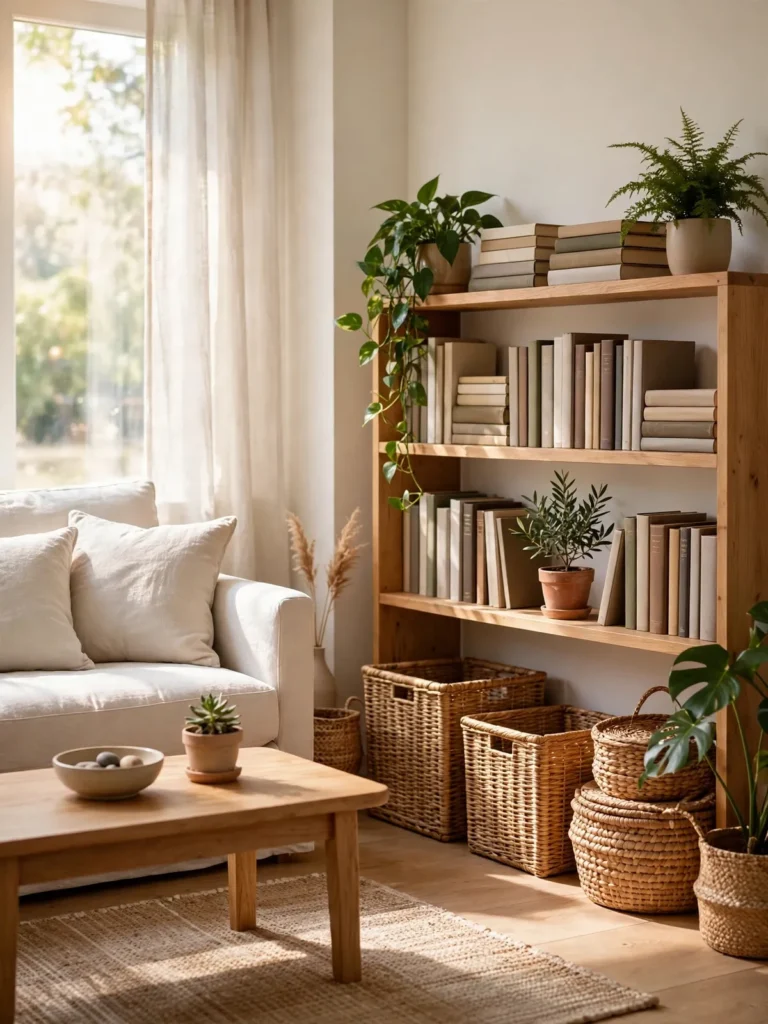
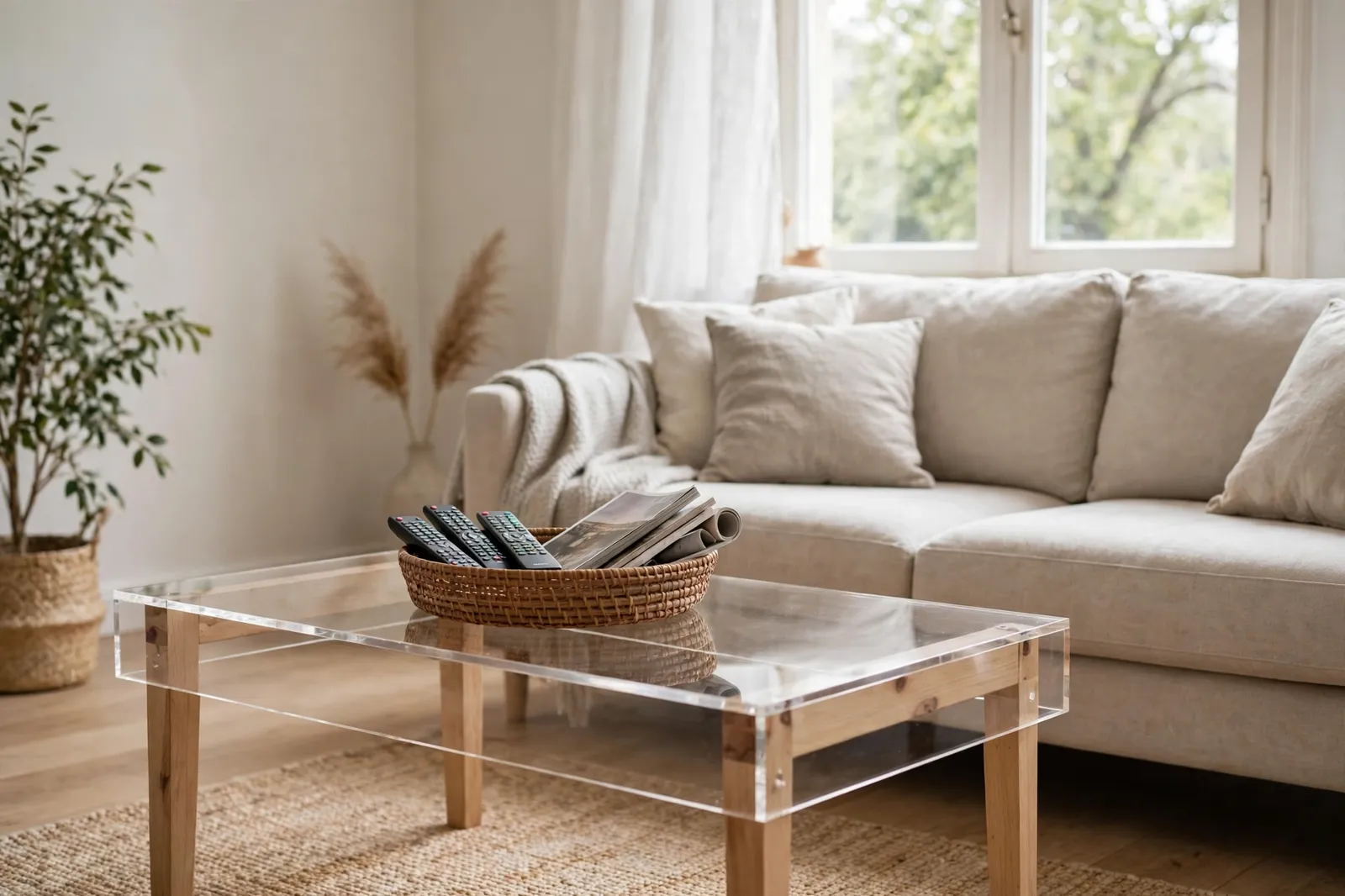
The living room is where the family relaxes, so it collects the most random stuff — remote controls, chargers, books, toys, and cups that never made it back to the kitchen. Start with the flat surfaces: the coffee table, the side tables, and the shelves. Clear them completely, wipe them down, and only put back the few things that belong there.
Next, deal with the stuff that lives in the room but does not belong there. A basket for remotes and chargers and another one for toys or magazines keeps the daily mess contained. If a piece of furniture never gets used, or a pile of magazines has been sitting there for months, it is time to let it go. A living room with clear surfaces feels bigger and calmer the same evening.
4. The Kitchen: Tame the Counters and the Drawers
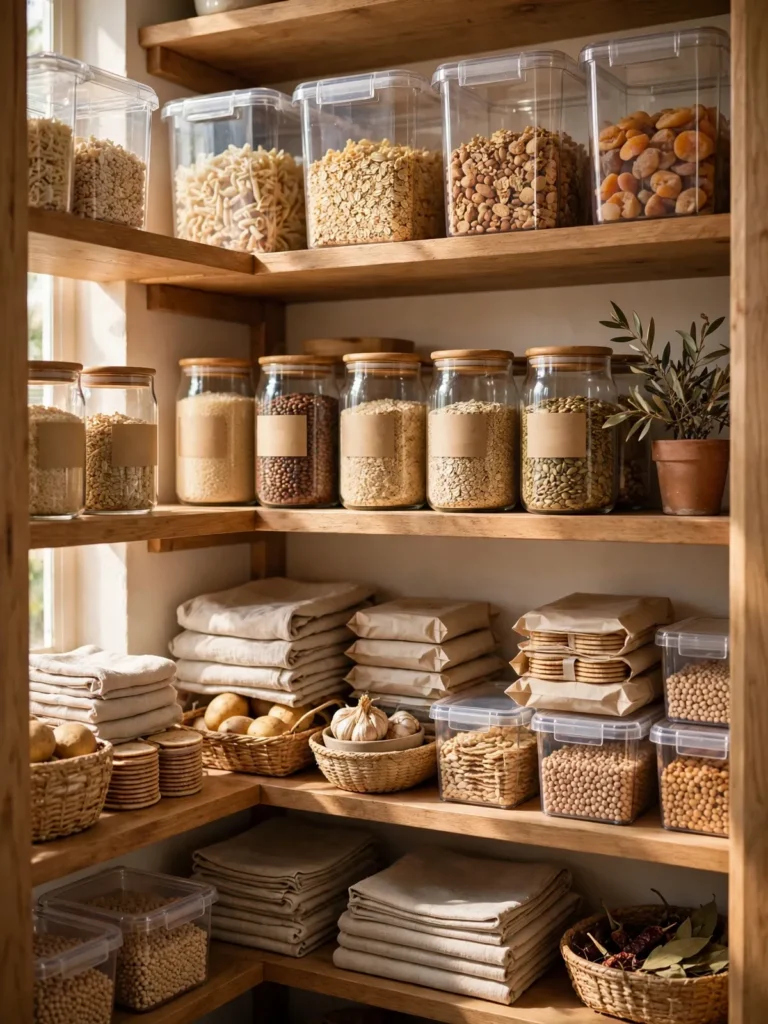
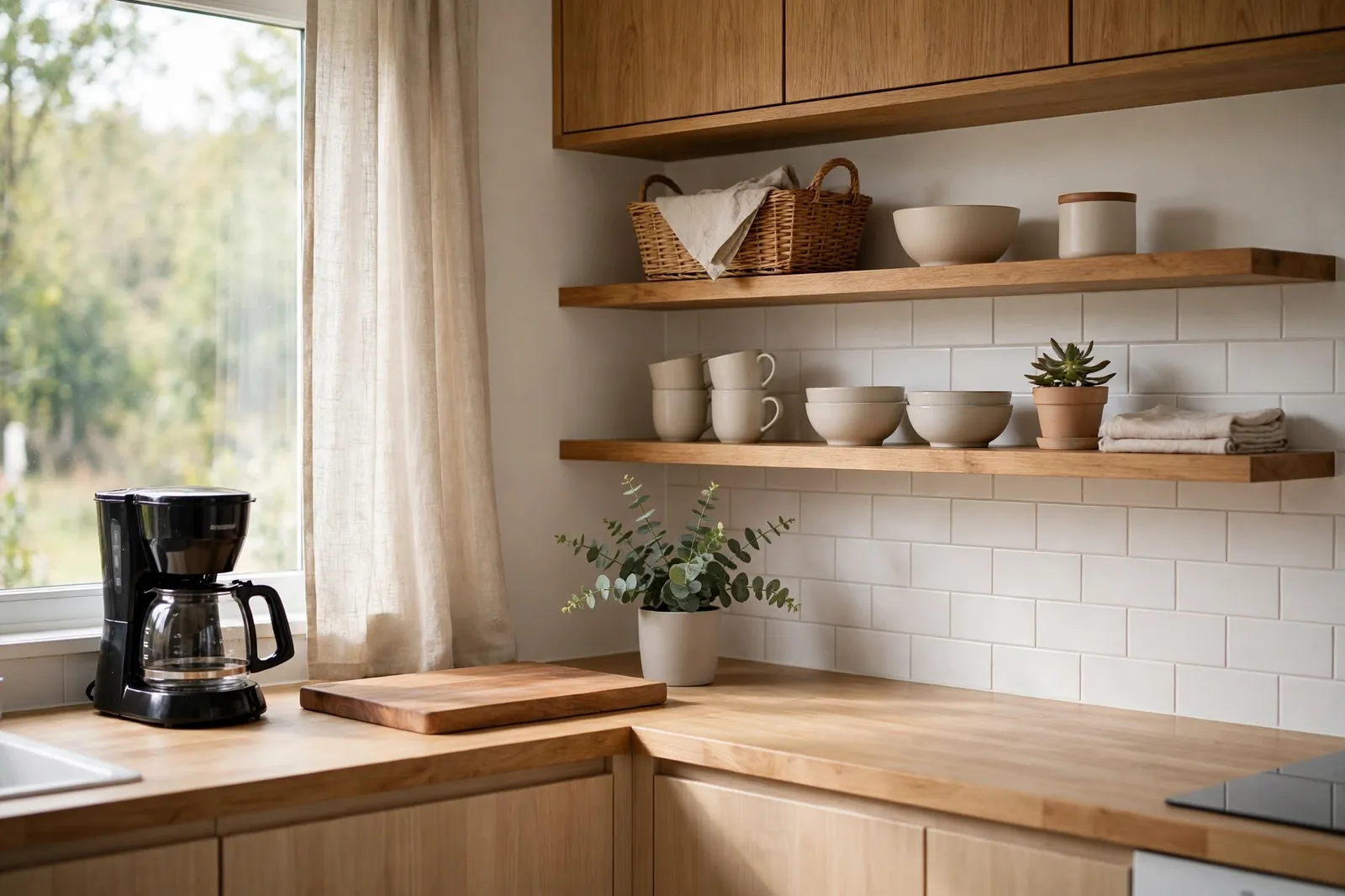
The kitchen works best when the counters are mostly clear. Start by taking everything off the counters and only putting back the things you use every single day, like the coffee maker or a cutting board. Appliances you use once a month can live in a cabinet, and anything broken or doubled up can go. A clear counter makes cooking feel easier right away.
Then work through one drawer or cabinet at a time. Toss expired food, match lids to containers, and group like things together — baking things in one spot, spices in another. A small tray inside a drawer keeps utensils from turning into a jumble. When you are done, keep one simple rule: if it does not fit in its spot, something else has to go.
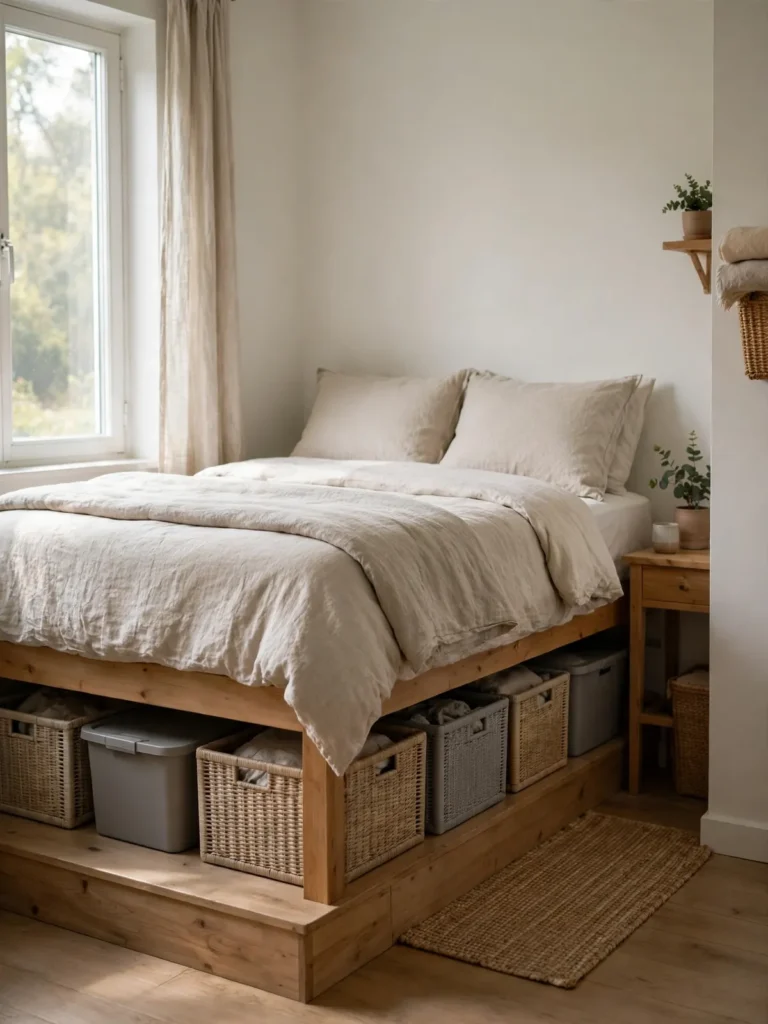
5. The Bedroom: Make It a Calm Place to Land
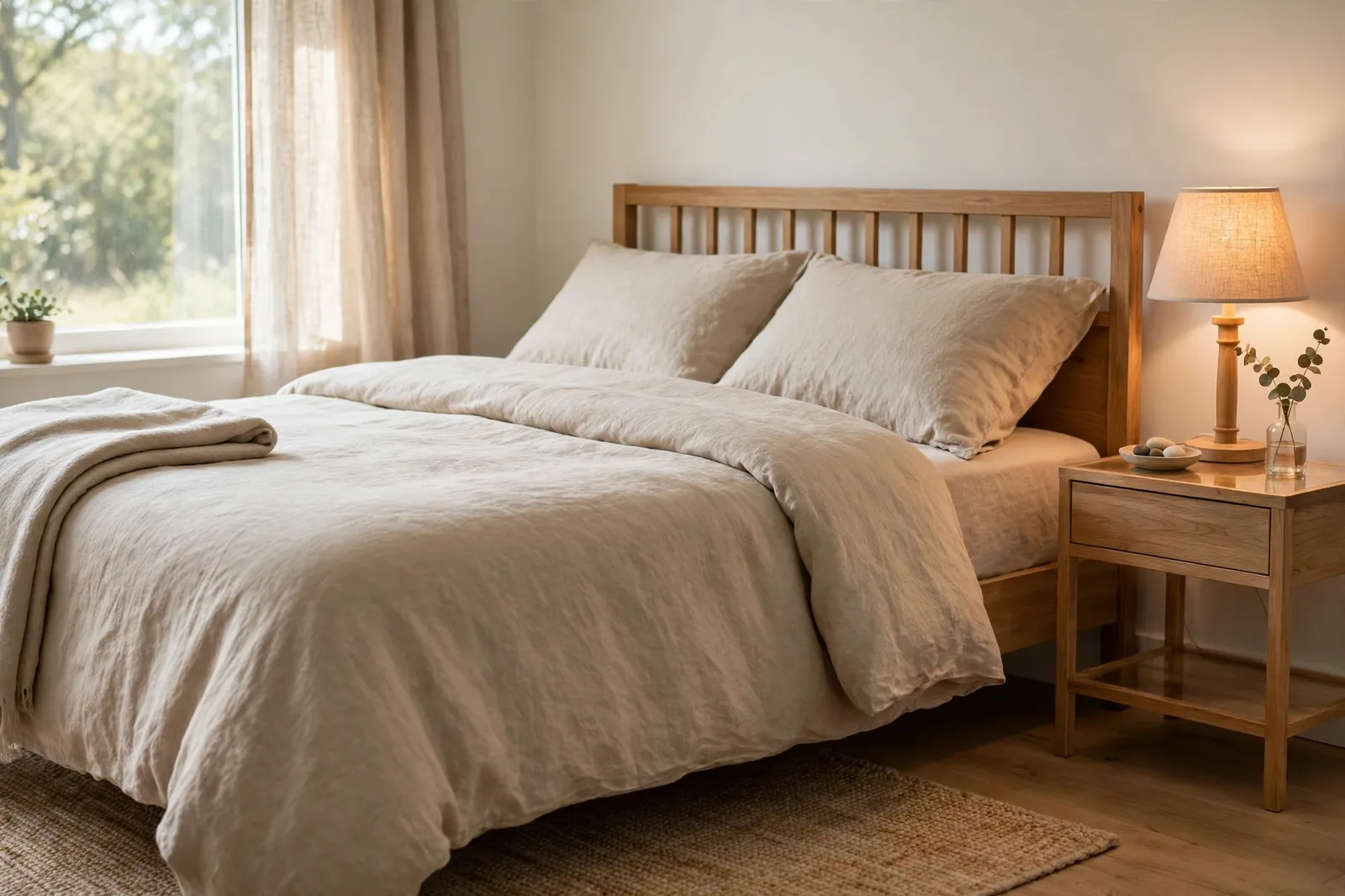
Your bedroom should help you rest, but it is hard to relax in a room full of laundry piles and cluttered nightstands. Start with the bed: make it every morning, because a made bed makes the whole room look neater in seconds. Then clear the nightstand down to a lamp, a book, and maybe a glass of water. Everything else can live somewhere else.
Next, deal with the laundry chair — every home has one. Clothes go in the closet, the hamper, or the donate bag, not on a chair. Keep a small basket in the room for the bits that wander in during the day, and empty it each evening. A calm bedroom is not about fancy furniture; it is about clear surfaces and a bed that invites you to rest.
6. The Closet: Keep Only What Fits and What You Wear
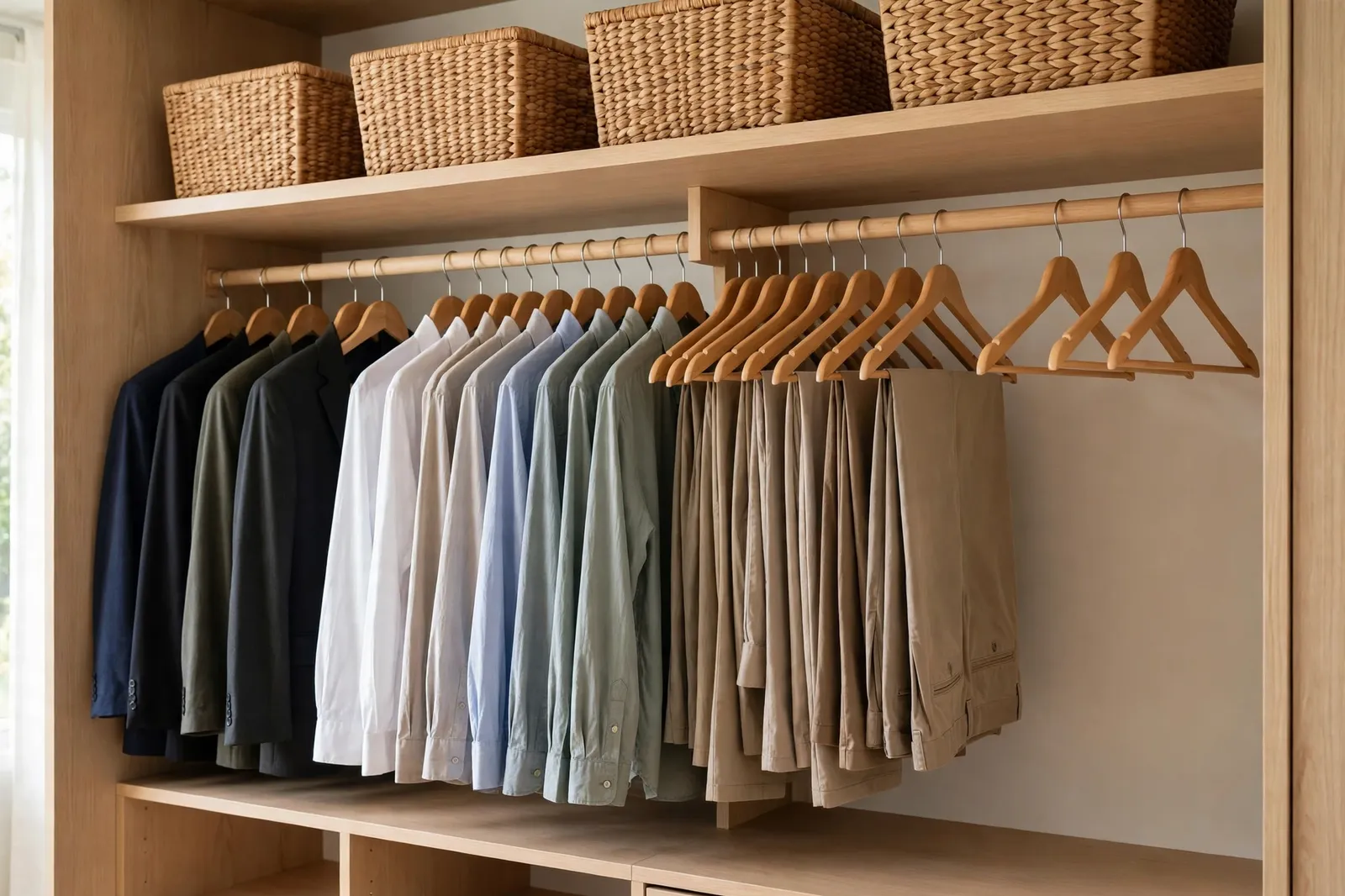
Closets are easy to ignore because you can shut the door, but a stuffed closet makes getting dressed harder every morning. Take everything out, piece by piece, and try the simple test: does it fit, do you wear it, and do you like it? If the answer to any of those is no, it goes in the donate bag. Be honest with yourself — the jeans that have not fit in three years are not coming back tomorrow.
Put back only what passes the test, grouped by type: shirts together, pants together, dresses together. Matching hangers make a surprising difference, and small bins on the shelf keep scarves, belts, and seasonal things tidy. Leave a little breathing room on the rod so you can actually see what you own. A closet with space in it is a closet you will enjoy opening.
7. The Bathroom: Clear the Counter and the Cabinet
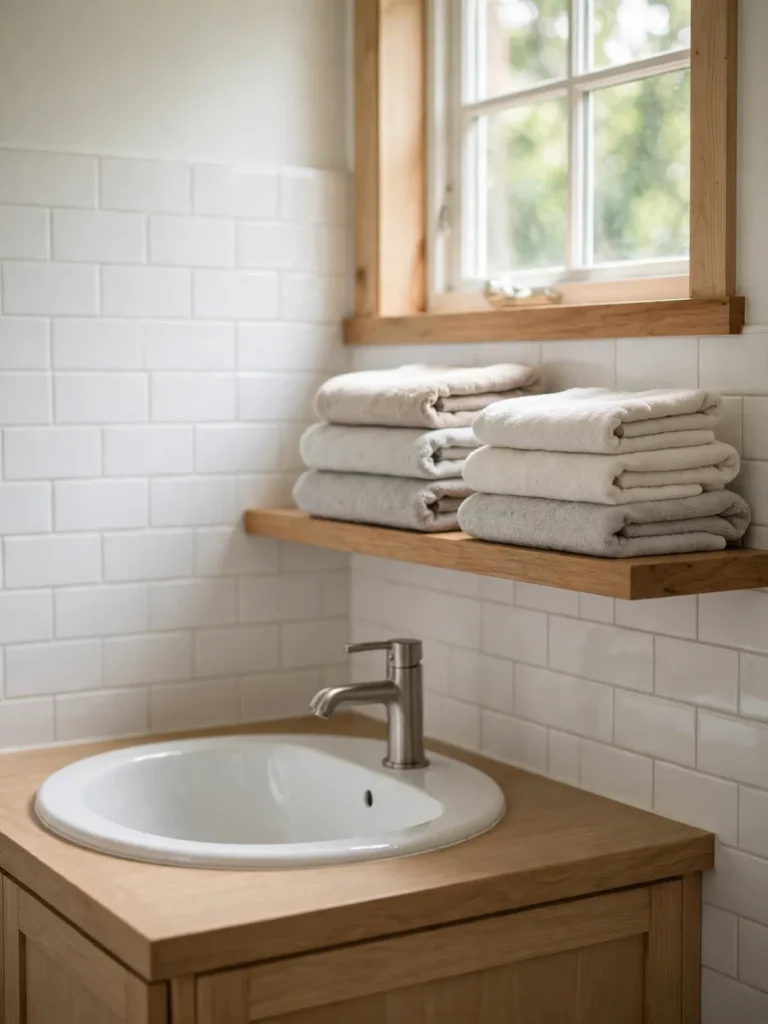
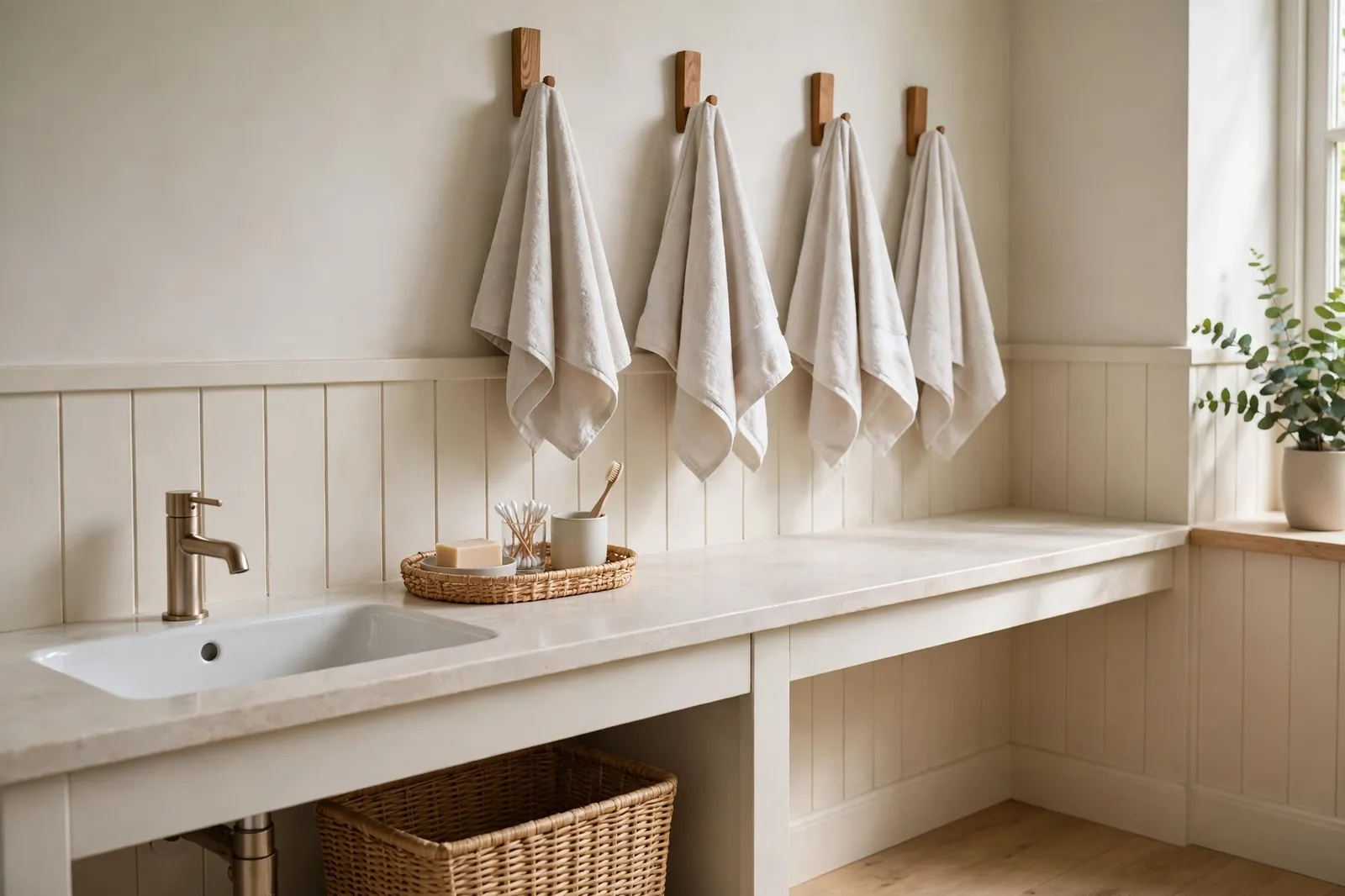
Bathroom counters fill up fast with bottles, brushes, and products you tried once and never touched again. Pull everything off the counter and out of the cabinet, and toss anything expired, empty, or unused. Keep out only what you use every day — a toothbrush, soap, and the few products you truly reach for. The rest can live in a basket inside the cabinet.
Give the things you keep a proper spot. A small tray corrals the daily items, and a basket under the sink holds the extras. Hang towels on hooks instead of piling them on the counter, and keep a small bin for the little things like hair ties and cotton pads. A bathroom with a clear counter feels cleaner, even before you wipe anything down.
8. The Home Office: A Clear Desk Makes for a Clear Head
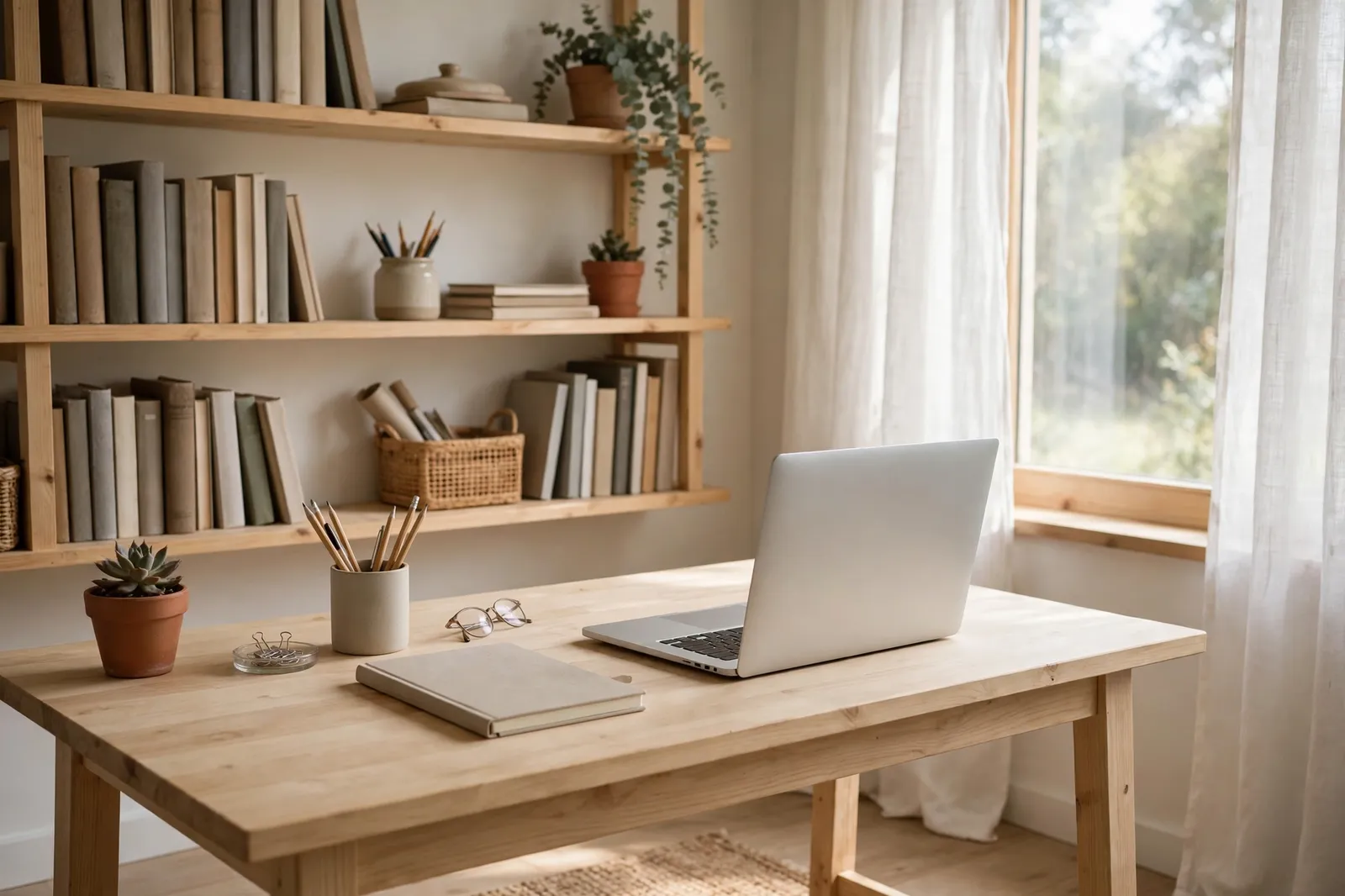
Whether you work from home or just pay bills at a small desk, clutter makes it harder to think. Start by clearing the desk completely — papers, cables, pens, and all the bits that have collected there. Only put back the few things you use daily: a laptop, a notebook, and a pen. Everything else gets a drawer, a shelf, or the bin.
Then sort the paper pile once and for all. Keep a small tray for papers that need action, file the rest, and shred or recycle what you do not need. A cable clip or a small basket tames the chargers, and a tidy shelf keeps books and supplies where you can find them. When the desk is clear at the end of the day, starting work the next morning feels much easier.
9. The Garage and Storage: Finish Strong, Then Keep It Up
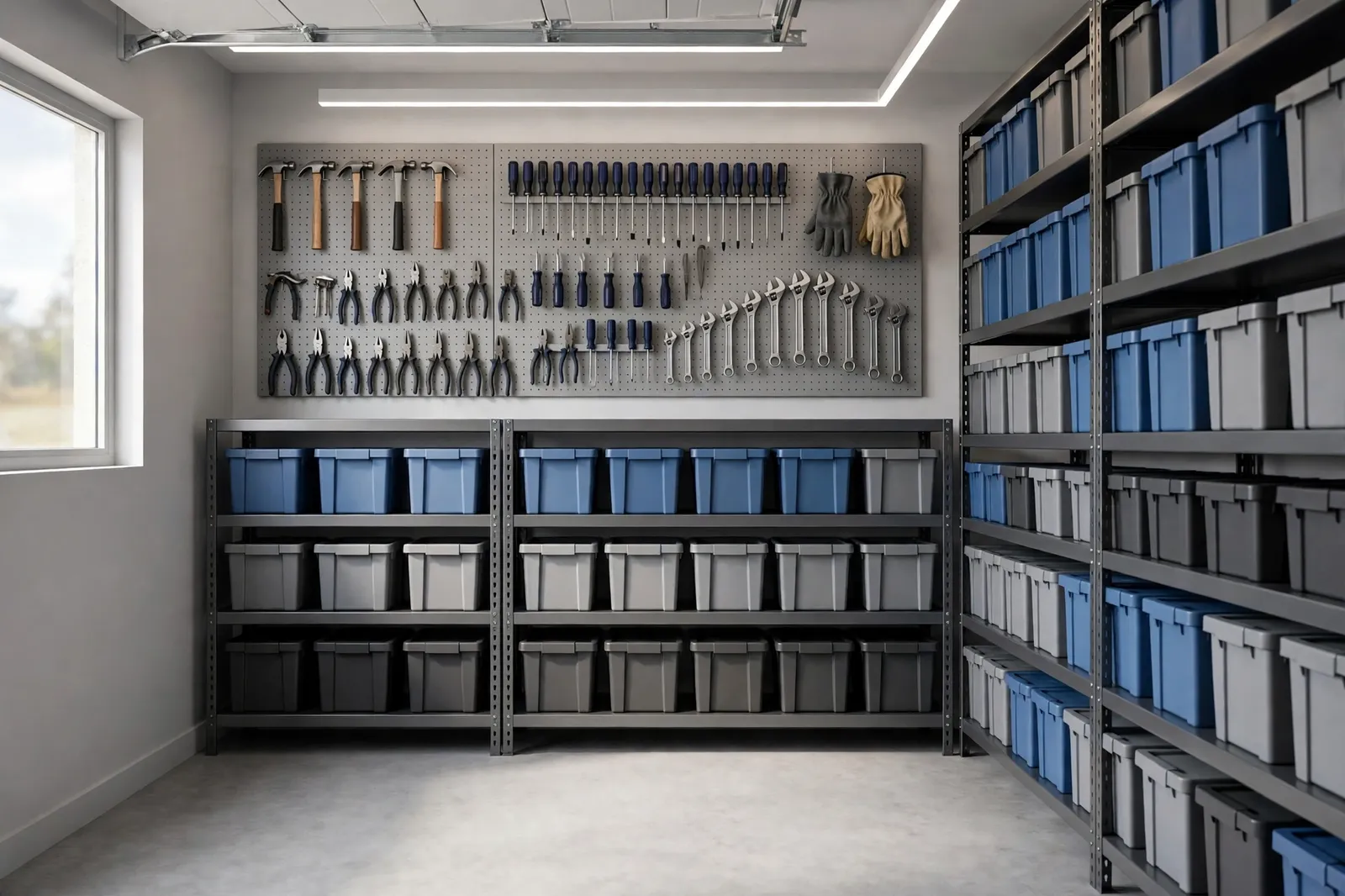
The garage is usually the last stop, and it is where the hardest decisions live — the broken tools, the boxes you never unpacked, the things you kept “just in case.” Work in one zone at a time: one shelf, one wall, one corner. Keep what you use, donate what someone else could use, and let go of the things that have been sitting untouched for years. Sturdy shelves and labeled bins make the things you keep easy to find and easy to put away.
Once every room is done, the real trick is keeping it that way. A quick ten-minute tidy each evening — putting things back where they belong — stops clutter from building up again. Do a short room-by-room pass once a week, and use a simple rule: when something new comes in, something old goes out. Your home will not stay perfect, but it will stay calm, and that is what matters.
Frequently Asked Questions
How long does it take to declutter your home room by room?
It depends on the size of your home and how much stuff has built up, but most rooms take one to two hours with the timer method. A small home can be done over a couple of weekends, while a larger home with a full garage might take three or four weekends. The key is to work one room at a time and not rush it.
What should I do with the stuff I declutter?
Donate what is still in good shape to a local charity or thrift store, and recycle or toss what is broken or worn out. If something is worth selling, set it aside in one box and give yourself a week to list it — if it is still sitting there after a week, donate it. Getting the bags out of the house quickly keeps them from creeping back in.
How do I declutter when my family keeps adding stuff?
Start with your own things, so no one feels pushed, and keep the shared spaces tidy yourself. Then agree on a few simple house rules together, like one thing in means one thing out, and a landing spot by the door for school bags and shoes. When everyone has a spot for their things, the clutter stops spreading.
How do I keep my home decluttered after I finish?
Do a quick ten-minute tidy every evening and a short room-by-room pass once a week. Keep the donate bag in a closet so you can drop things in whenever you spot them, and follow the one-in, one-out rule for new purchases. Small, regular habits beat another big cleanout every time.
Related ideas
Home Organization Ideas for a Clutter-Free Home has more simple systems for keeping every room tidy day to day, and Closet Organization Ideas for Small and Large Closets goes deeper on making the most of your closet space. For the kitchen, Pantry Organization Ideas for a Functional Kitchen shows how to keep shelves and food storage neat and easy to use. You might also like Under-Bed Storage Ideas for Small Bedrooms and Bathroom Organization Ideas for Limited Storage.