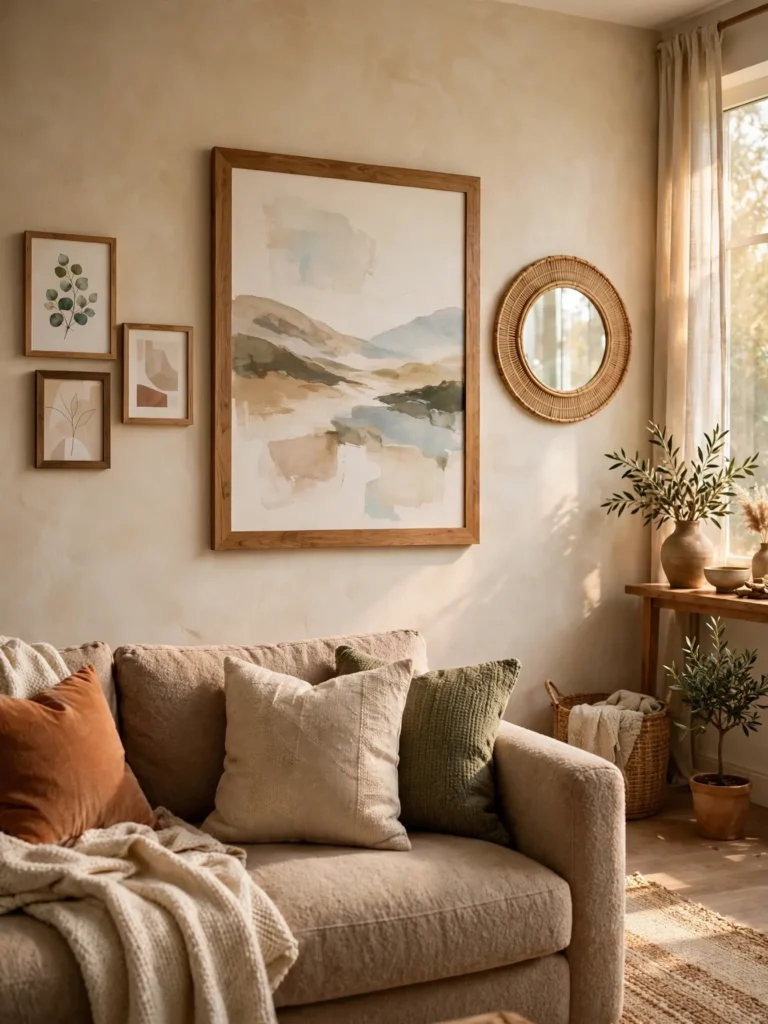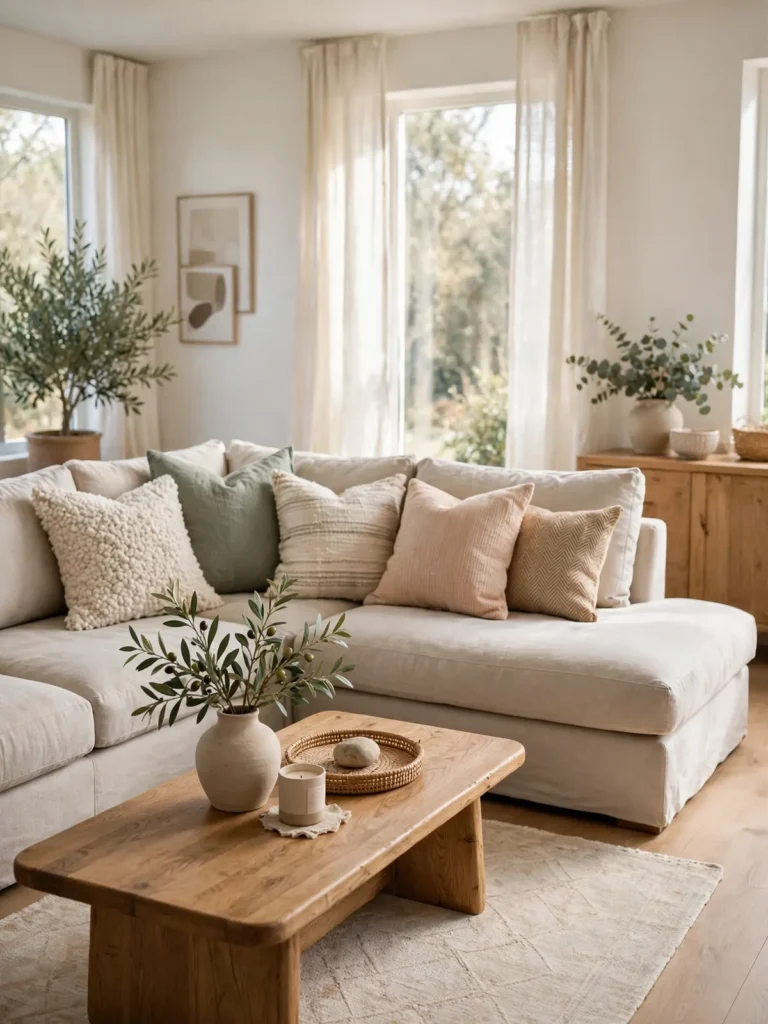
Living Room Decorating Ideas for Every Home
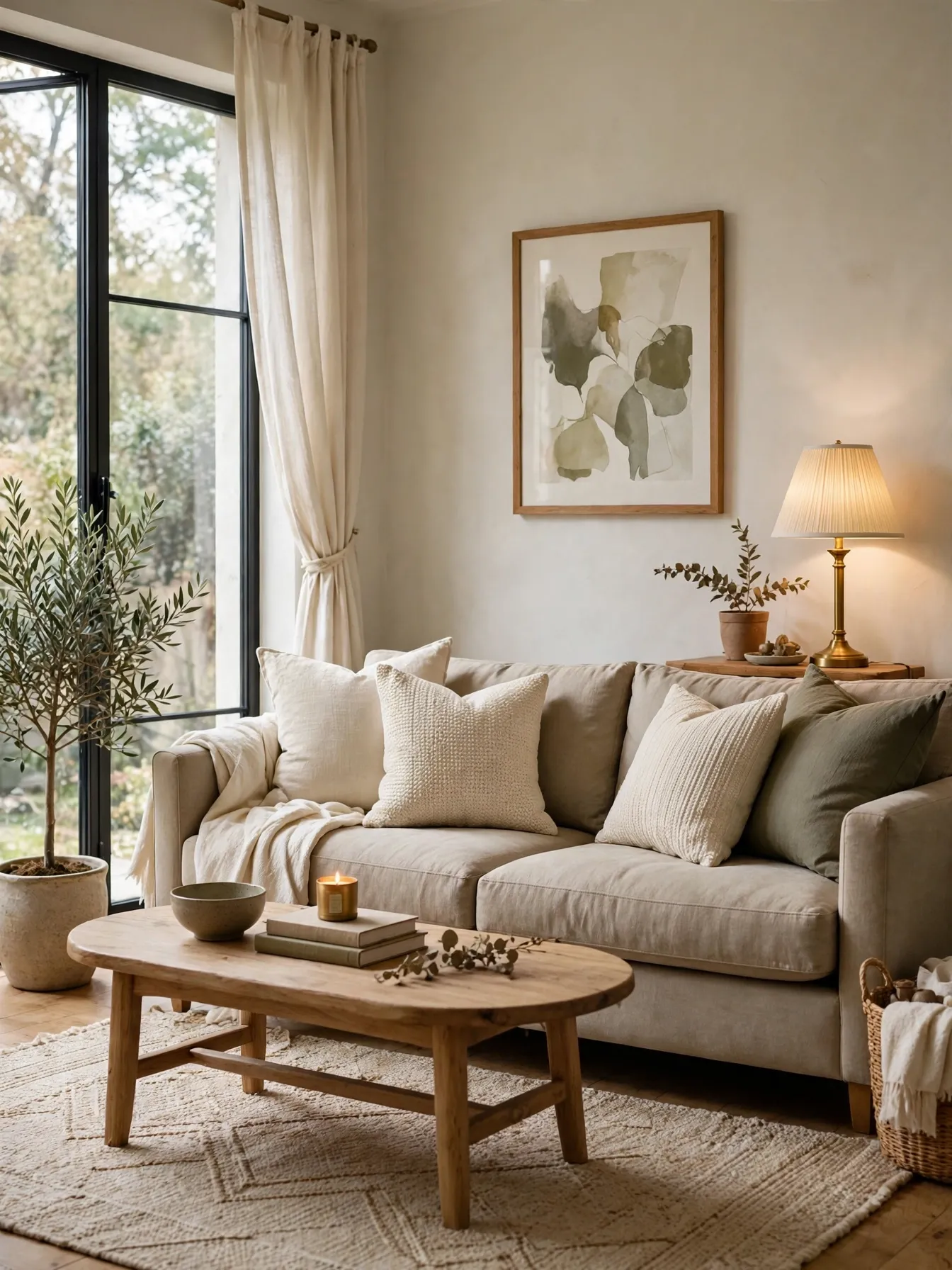
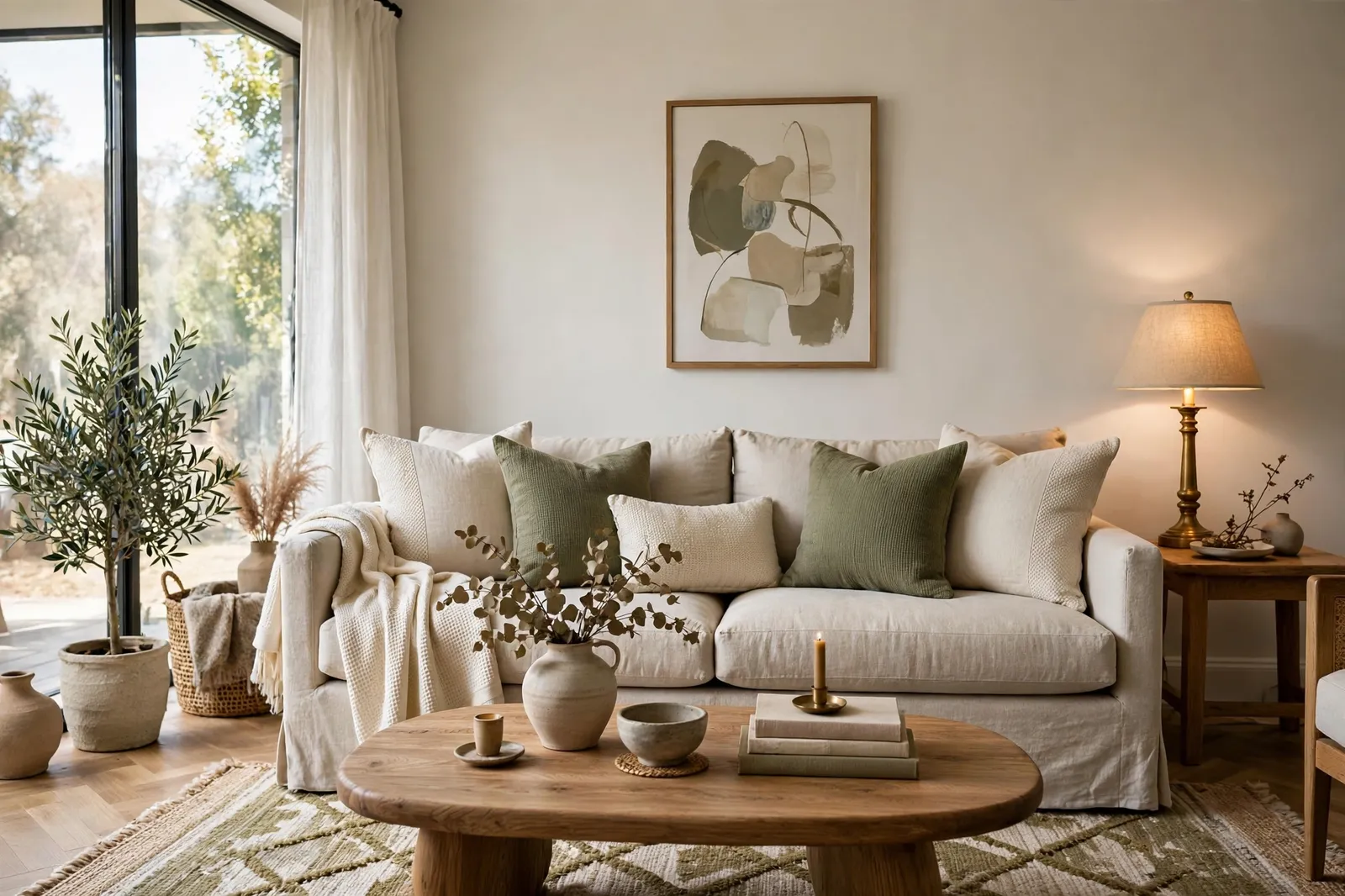
The living room often has to do several jobs at once. It may be the place where your household relaxes after work, watches movies, welcomes guests, reads, plays games, or gathers for a quiet conversation. The best living room decorating ideas balance appearance with everyday function, so the space feels inviting without becoming difficult to use. You do not need a large budget or a perfectly matched furniture set to create a room that feels considered. A clear layout, a cohesive palette, comfortable lighting, and a few personal details can make a noticeable difference.
Before buying anything, look at how you actually use the room. Notice where people naturally sit, which areas feel crowded, where daylight enters, and what currently collects clutter. Those observations help you make choices that suit your home rather than copying a look that only works in a staged photograph. Use the ideas below as a flexible starting point, then adapt the colors, furniture, and accessories to your room size, household needs, and personal style.
Start With the Way You Use the Room
Begin by identifying the living room’s main purpose. A room used mostly for conversation needs seating that faces inward and makes eye contact easy. A family television room may need a clear view of the screen, durable upholstery, and a place to store remotes and games. If the room doubles as a reading nook or work area, plan a comfortable lamp and a small surface for books or a laptop. When a space serves several purposes, define each zone with furniture placement, a rug, or lighting rather than dividing the room with bulky furniture.
Measure the room before shopping. Record the wall lengths, doorway openings, window locations, and the path people use to walk through the space. Measure existing furniture too, especially sofas and media consoles. A simple floor plan on paper can reveal whether a new chair will block a doorway or whether a coffee table will leave enough room to move comfortably. Keep walkways clear and avoid forcing every wall to hold a piece of furniture. A little open space can make a room feel calmer and more intentional.
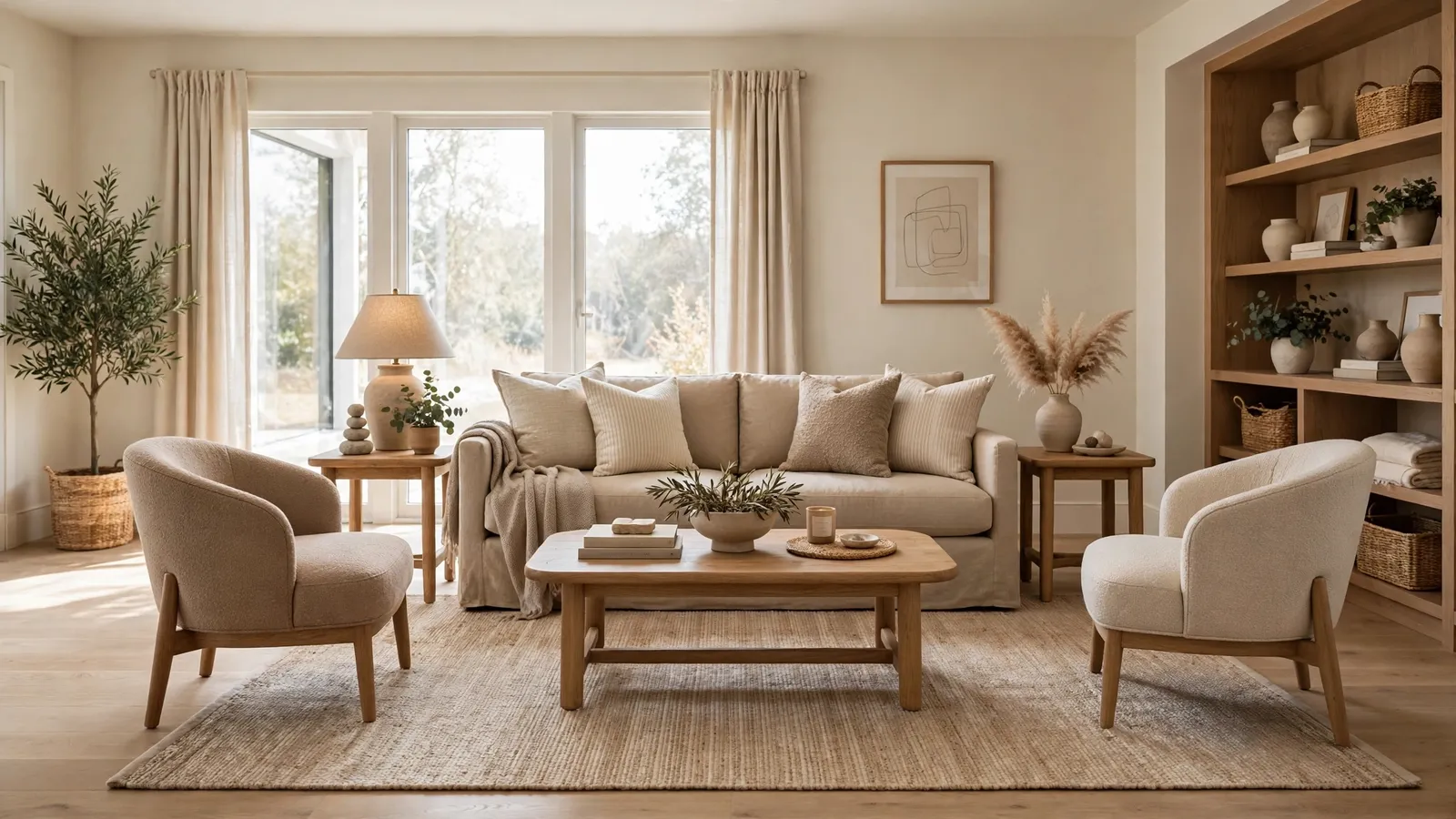
Choose a Color Palette That Works Together
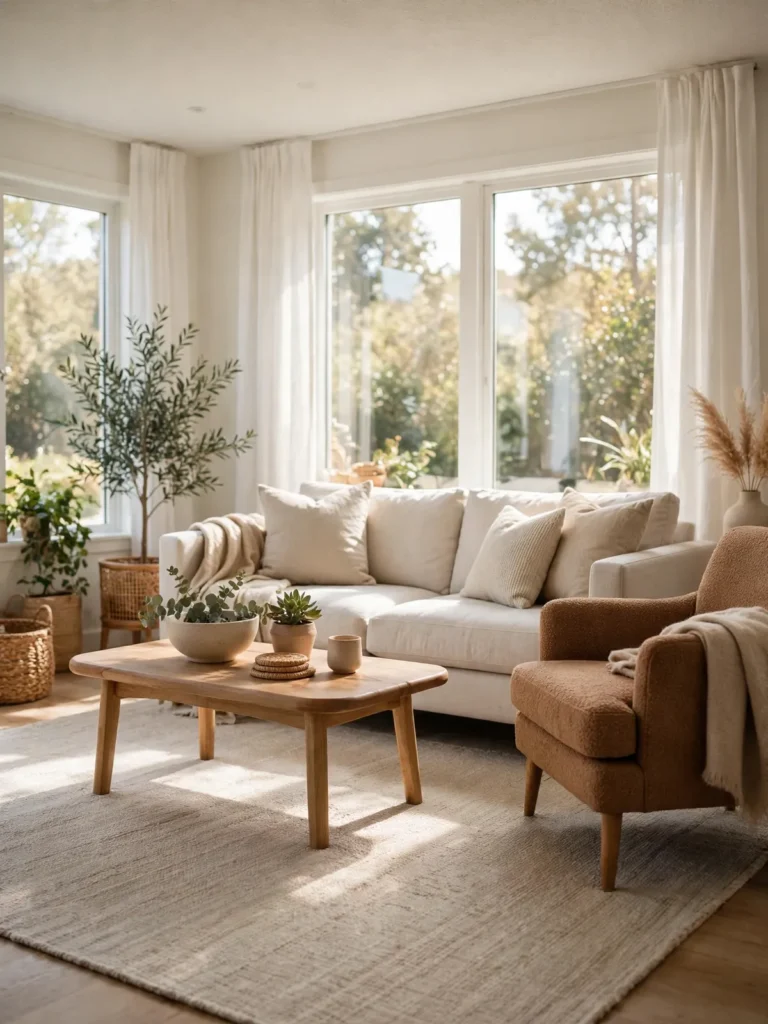
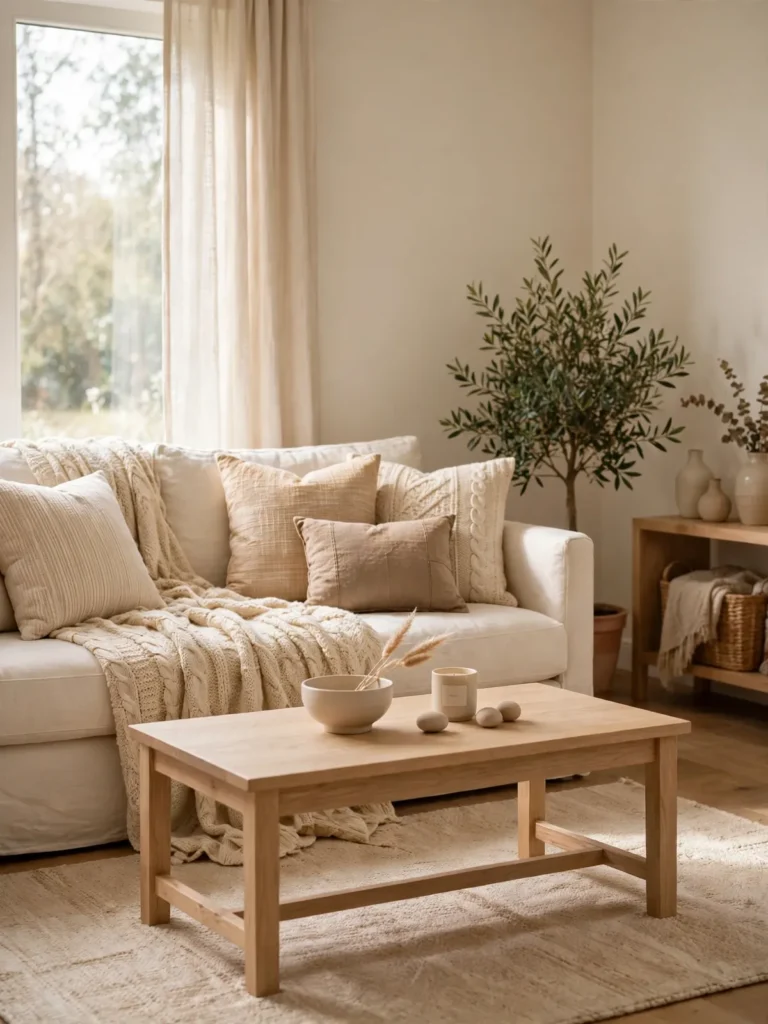
A practical palette usually includes a main color, one or two supporting colors, and a few accents. Warm white, cream, beige, taupe, and soft gray are flexible backgrounds, while muted green, navy, rust, terracotta, or dusty blue can add personality. You do not have to make everything the same color. Repeating two or three tones across cushions, art, rugs, and decorative objects is often enough to make different pieces feel connected.
Consider the room’s natural light before choosing paint or large textiles. North-facing rooms can feel cooler, so warm neutrals and layered lighting may help them feel more welcoming. Bright rooms can support deeper colors, but test paint samples on more than one wall because the shade may change throughout the day. Look at samples in morning and evening light, and compare them with the floor, sofa, and curtains. A coordinated palette should support the things you already own, not require replacing everything at once.
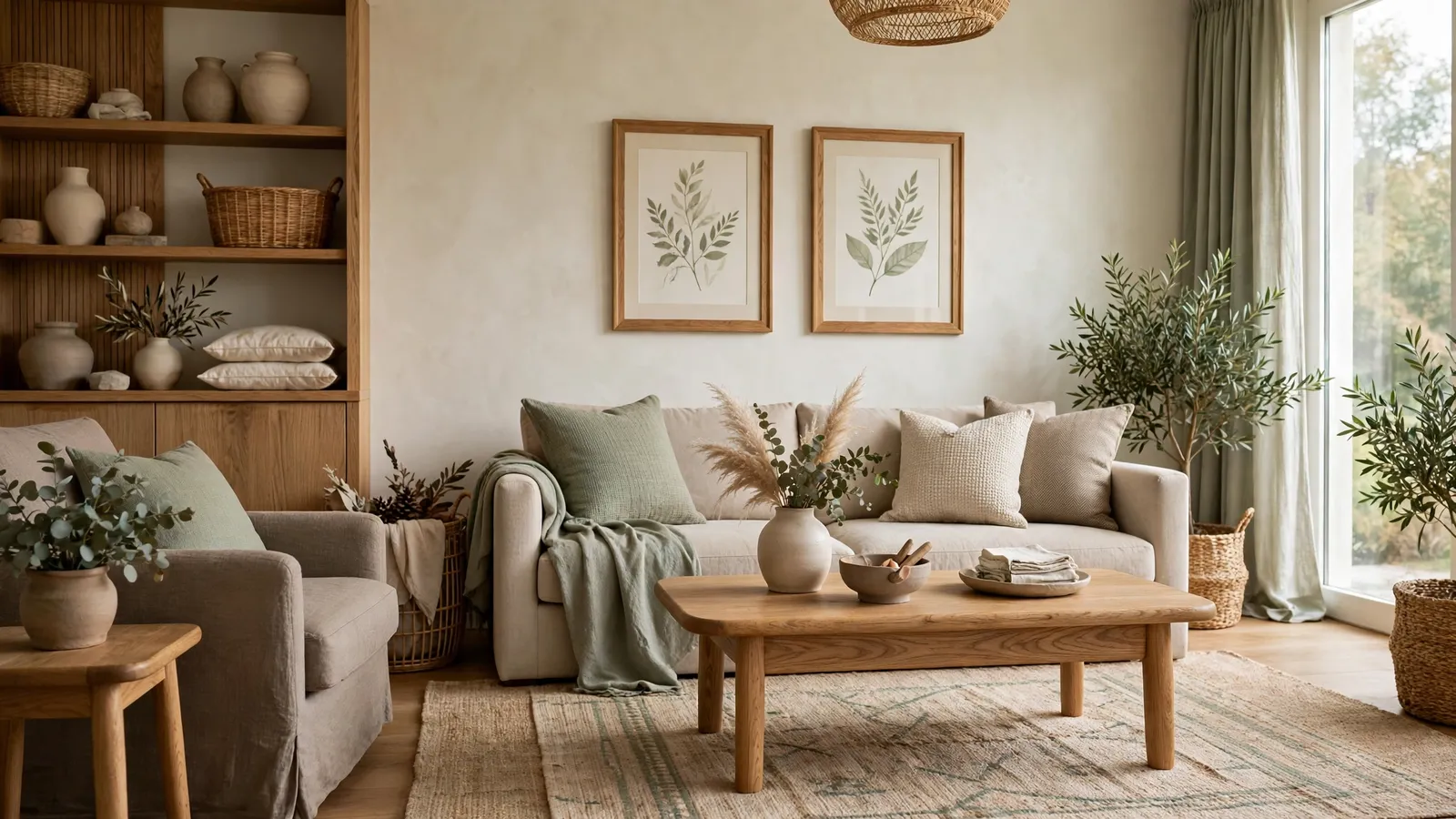
Arrange Furniture for Comfort and Conversation
The sofa is often the largest item, so use it to establish the layout. In a larger room, float the sofa away from the wall to create a defined seating area. In a small room, placing it against a wall may preserve valuable floor space. Add chairs where they support conversation without blocking windows, doors, or the main route through the room. If the room is long and narrow, consider two smaller seating zones instead of lining every piece along the same wall.
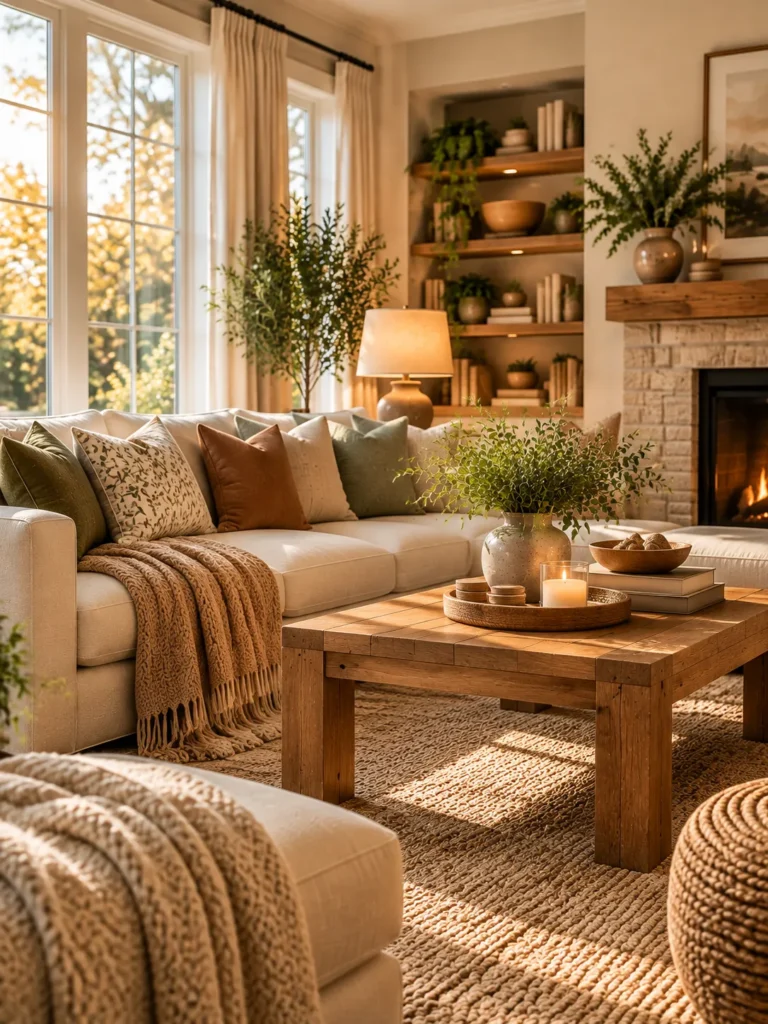
Choose a focal point that makes sense for your home. It might be a fireplace, a large window, a favorite piece of art, built-in shelving, or a television. Arrange the main seating so the focal point is easy to appreciate without making the room feel rigid. A coffee table should be reachable from the seats, while side tables offer useful places for drinks and reading lamps. If a traditional coffee table makes the layout feel crowded, try two small nesting tables or a soft ottoman with a tray.
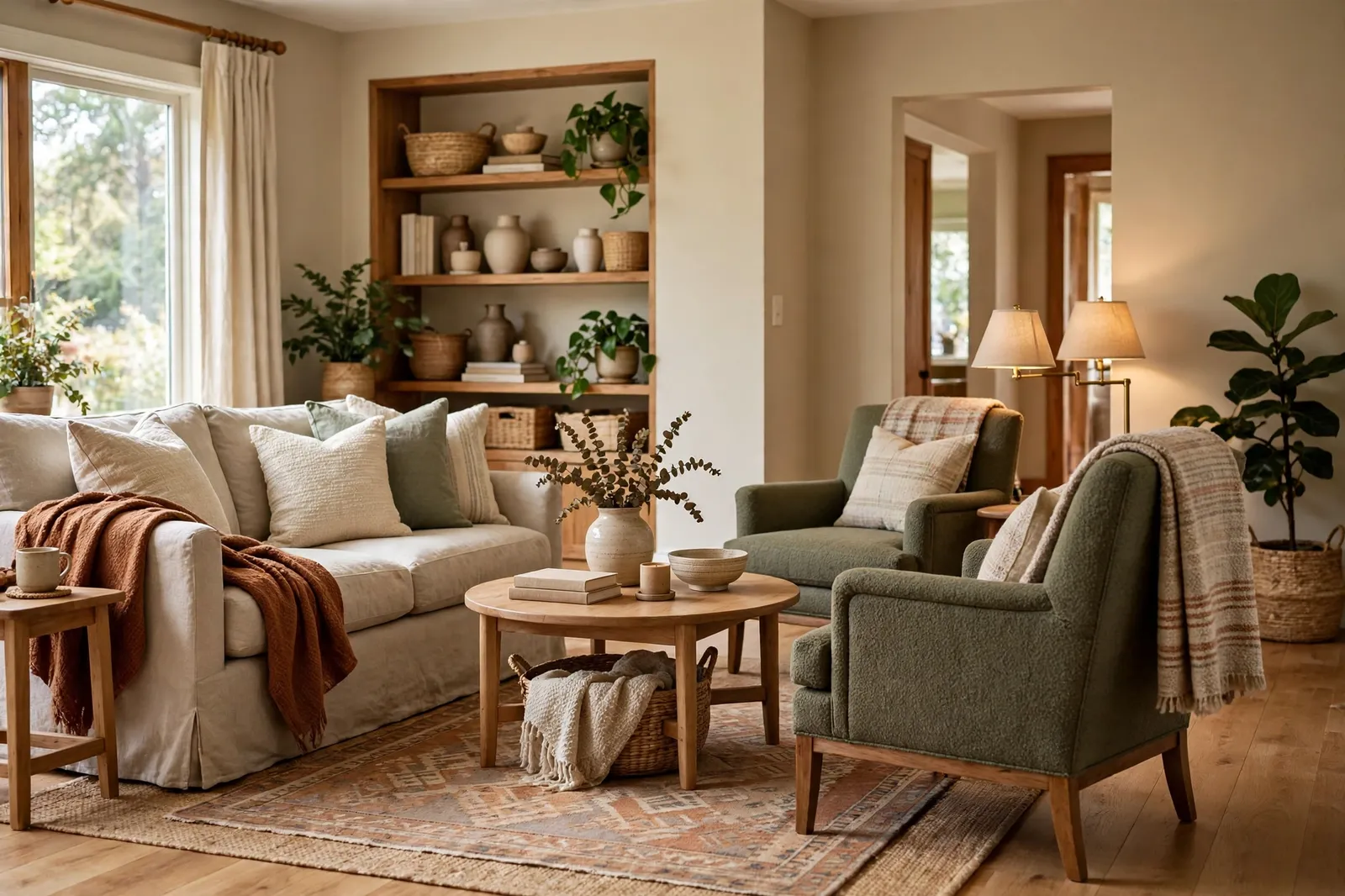
Layer Lighting Instead of Relying on One Fixture
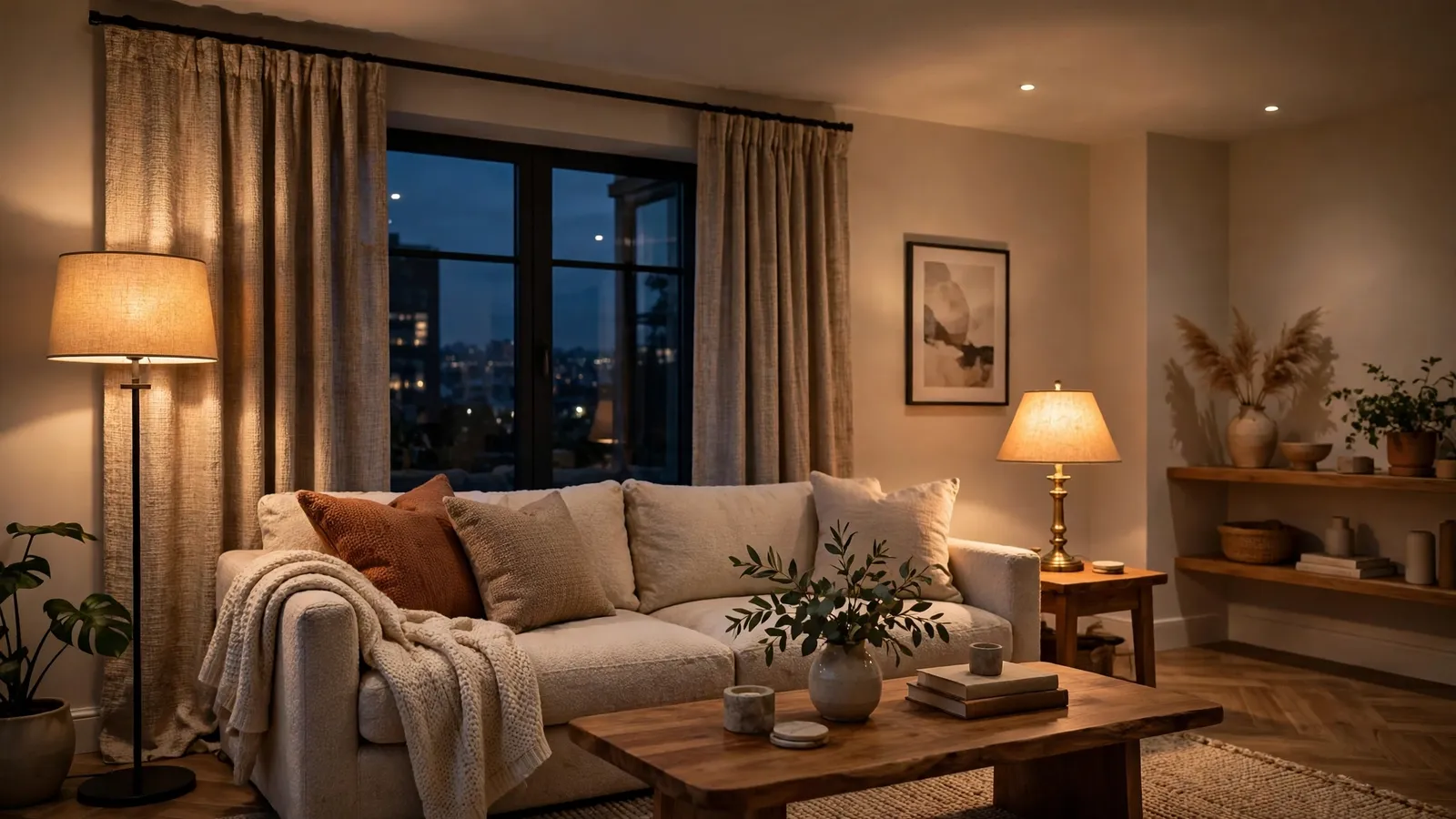
Good living room lighting combines several sources. Ambient light provides overall brightness, task lighting supports reading or hobbies, and accent lighting draws attention to artwork, shelves, or architectural details. A ceiling fixture can be useful, but it rarely creates the warmest atmosphere by itself. Add a floor lamp beside a chair, a table lamp near the sofa, or a small picture light where appropriate.
Use dimmable bulbs or separate switches when possible so the room can shift from bright daytime activity to a relaxed evening mood. Choose bulbs with a comfortable color temperature and keep the finish of fixtures consistent enough to feel intentional, while allowing different shapes and materials to add interest. Place lamps where cords can be managed safely and avoid glare on television screens. If the room has limited outlets, plan the lighting around existing power access before purchasing lamps.
Use Rugs, Curtains, and Textures to Add Warmth
A rug helps anchor a seating area and introduces color, pattern, and softness. One common mistake is choosing a rug that is too small, leaving the furniture looking disconnected. Whenever possible, place at least the front legs of the main seating pieces on the rug. Measure the seating group first, then compare rug sizes with the room dimensions. A low-pile rug may be easier to maintain in a busy household, while a softer texture can add comfort in a quieter space.
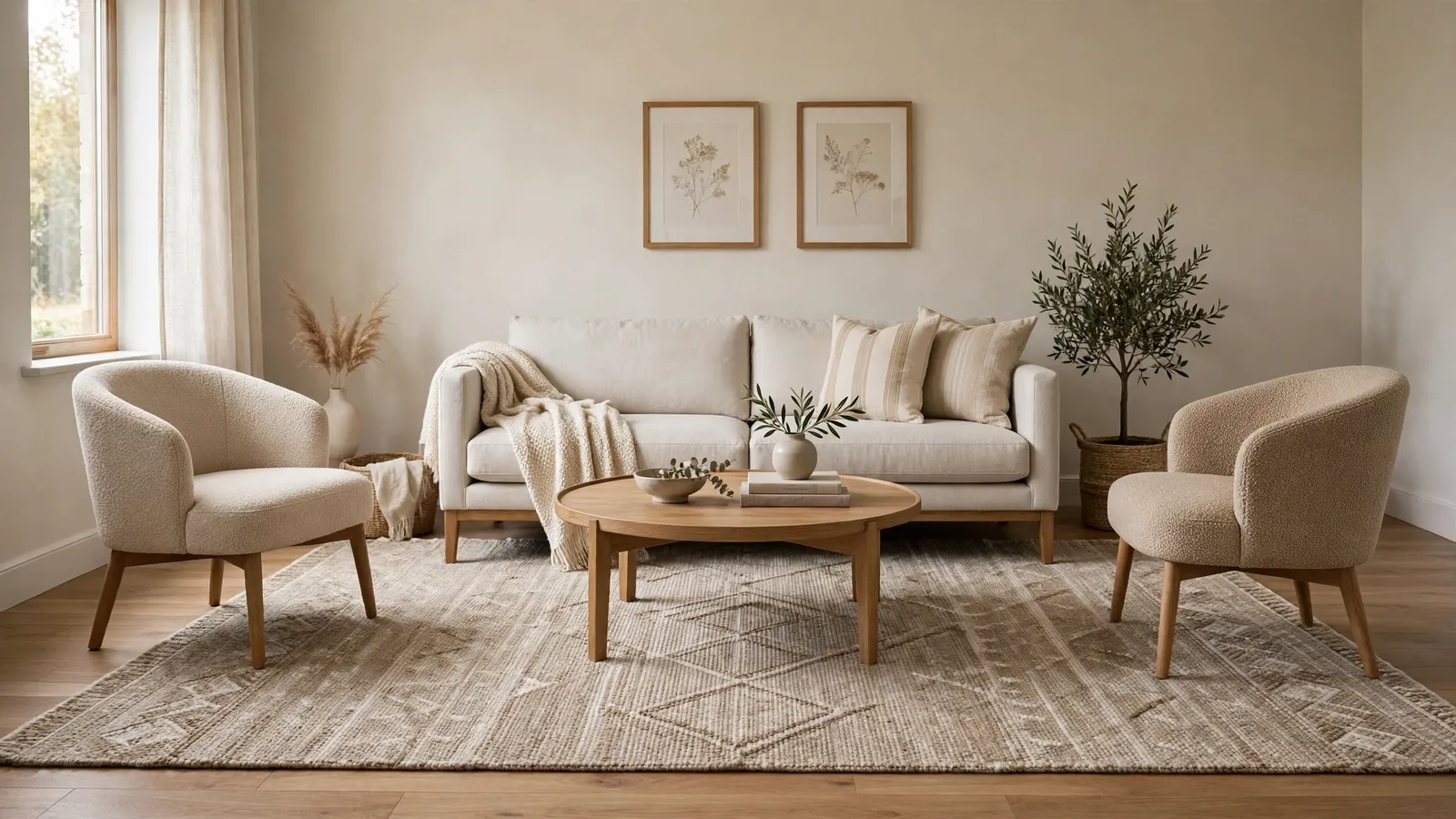
Curtains can soften hard edges and make windows feel more finished. Measure the window and decide whether the panels should sit just above the floor or meet it lightly. Hanging a curtain rod higher and wider than the window frame can create the impression of taller windows and allow more daylight in when the curtains are open. Mix materials such as linen, cotton, wood, wool, ceramic, and woven fibers to prevent a neutral room from looking flat. Texture often adds more depth than adding many extra colors.
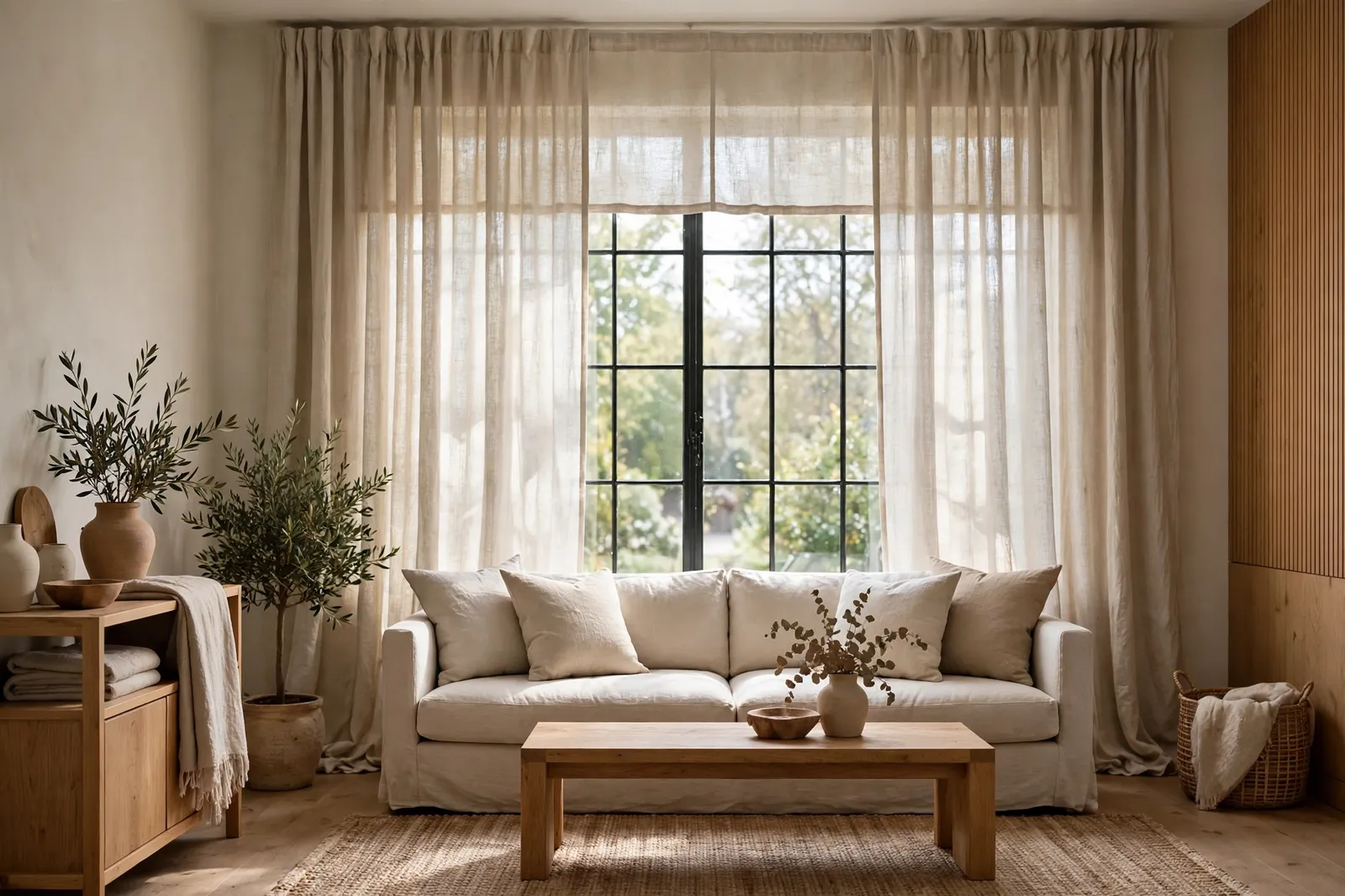
Decorate Walls, Shelves, and Tables With Intention
Wall art gives the room personality, but scale matters. A tiny picture above a large sofa can look lost, while one oversized piece or a carefully arranged gallery wall may feel more balanced. Lay out a gallery wall on the floor before hanging anything, and keep spacing reasonably consistent. Choose art that relates to the room’s palette without needing to match every cushion exactly. Personal photographs, prints, textiles, and objects collected during travels can make the space feel individual.
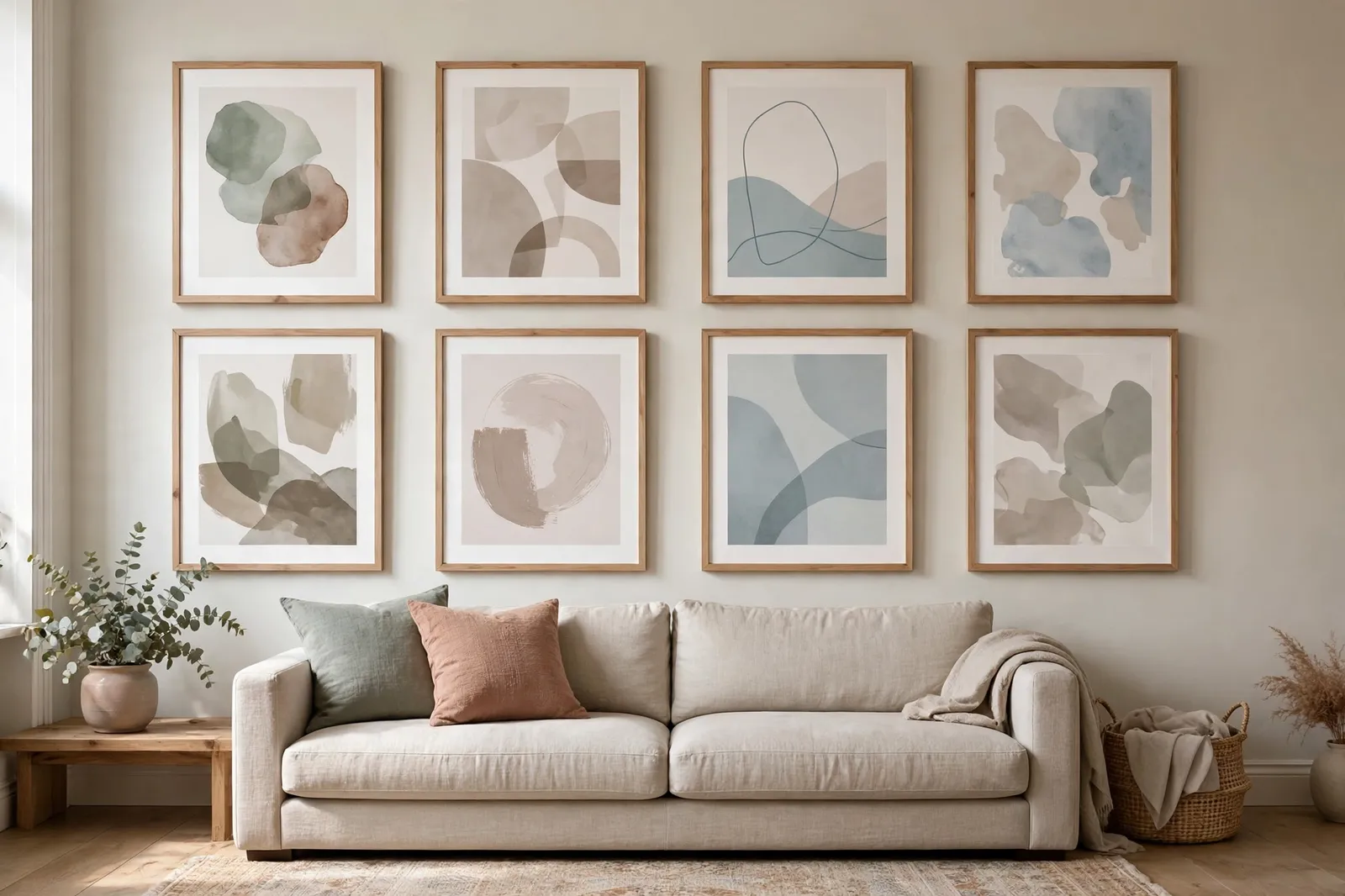
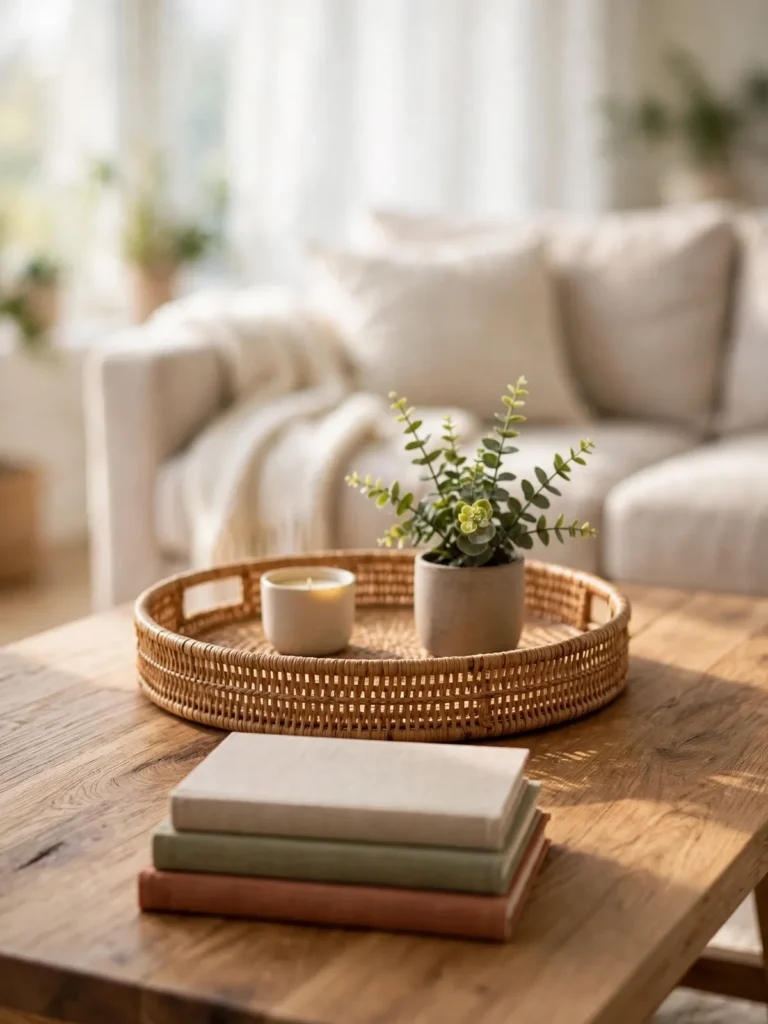
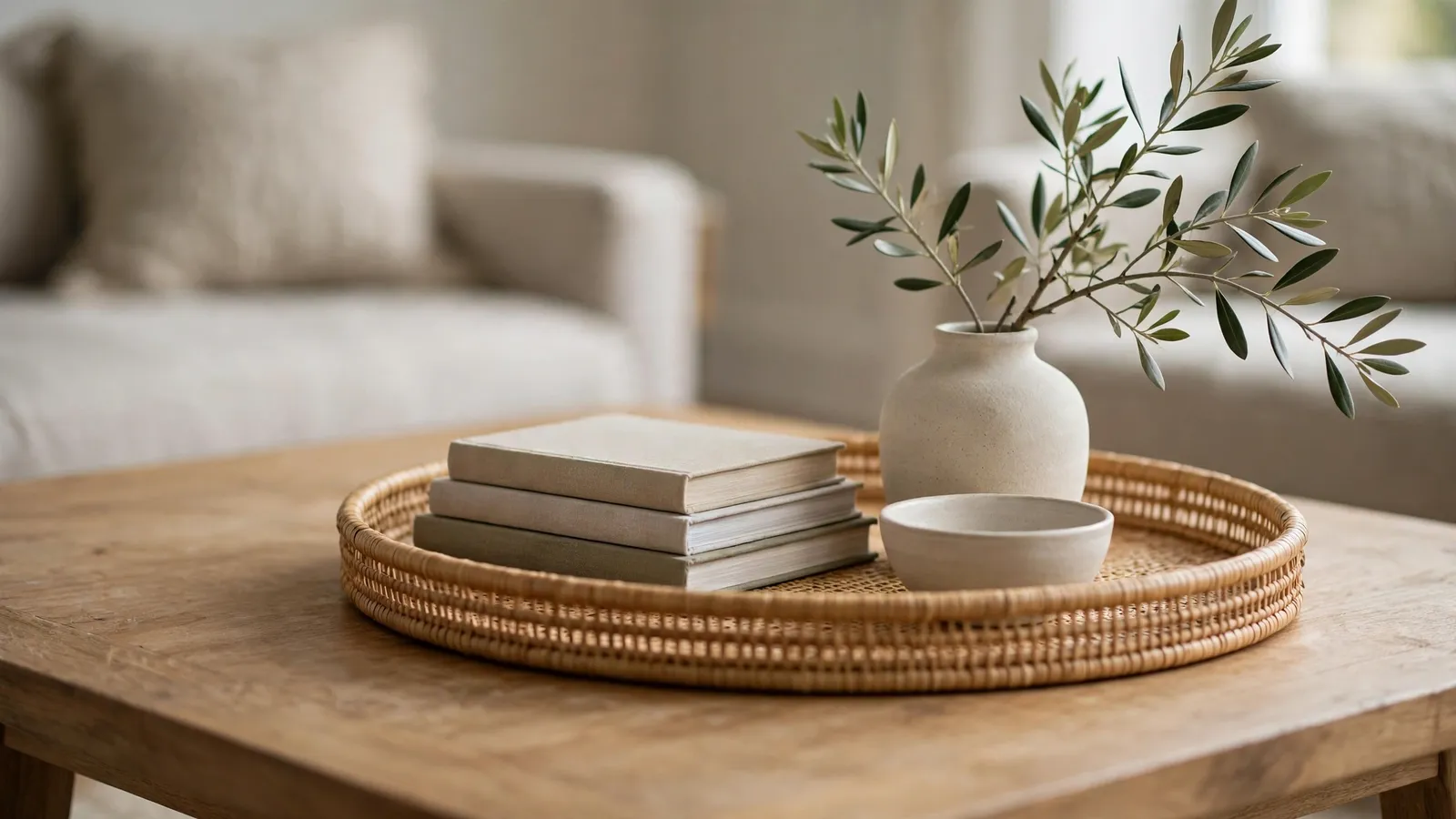
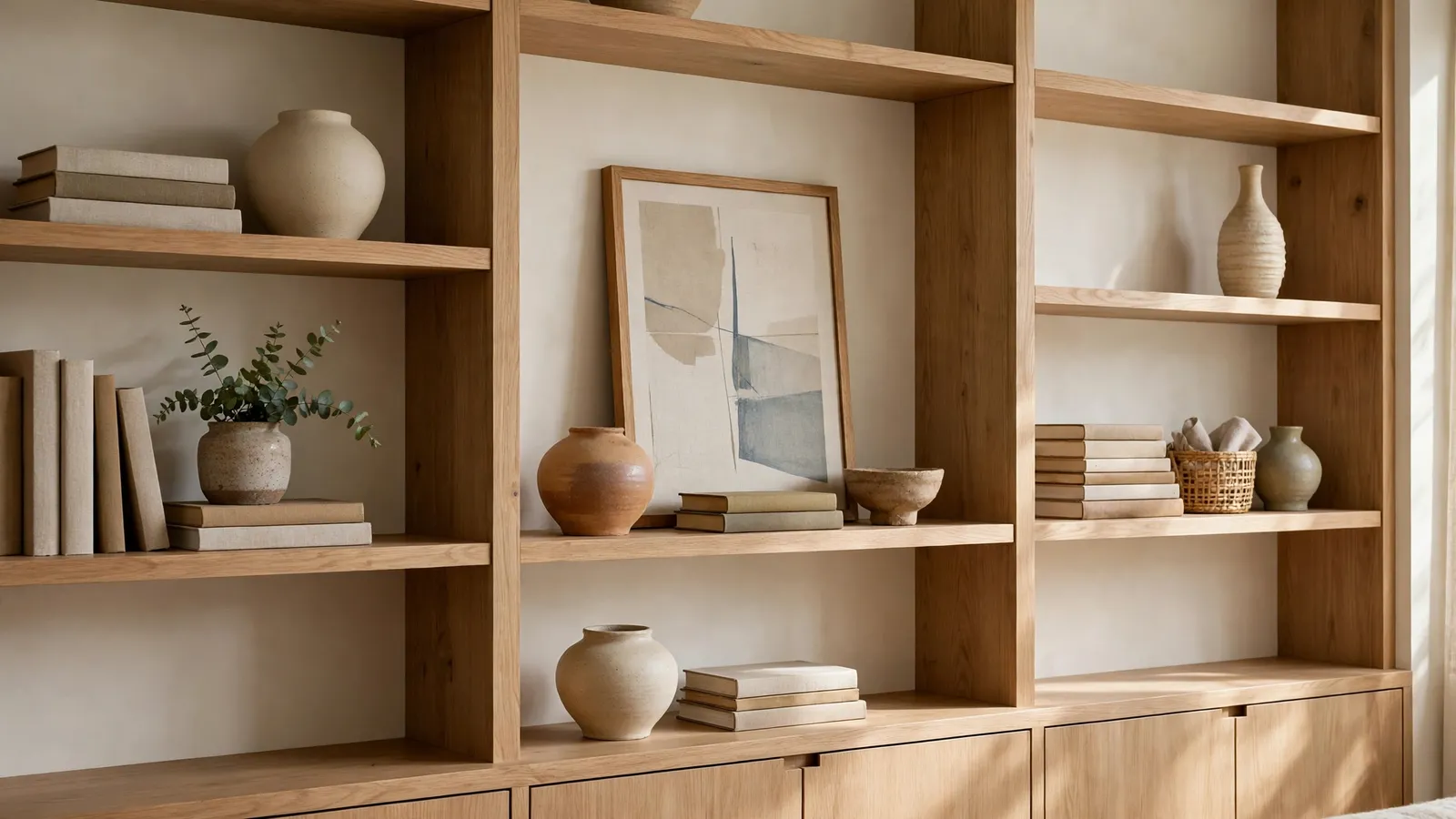
Style shelves and tabletops with a mix of heights and shapes. For example, combine a stack of books, a small bowl, a framed print, and a sculptural object, leaving some open space around them. On a coffee table, use a tray to group smaller pieces so the surface still works for daily life. Avoid filling every empty corner. Editing the display is part of decorating: remove objects that do not serve a purpose or contribute to the overall feeling of the room.
Make the Room Practical for Everyday Life
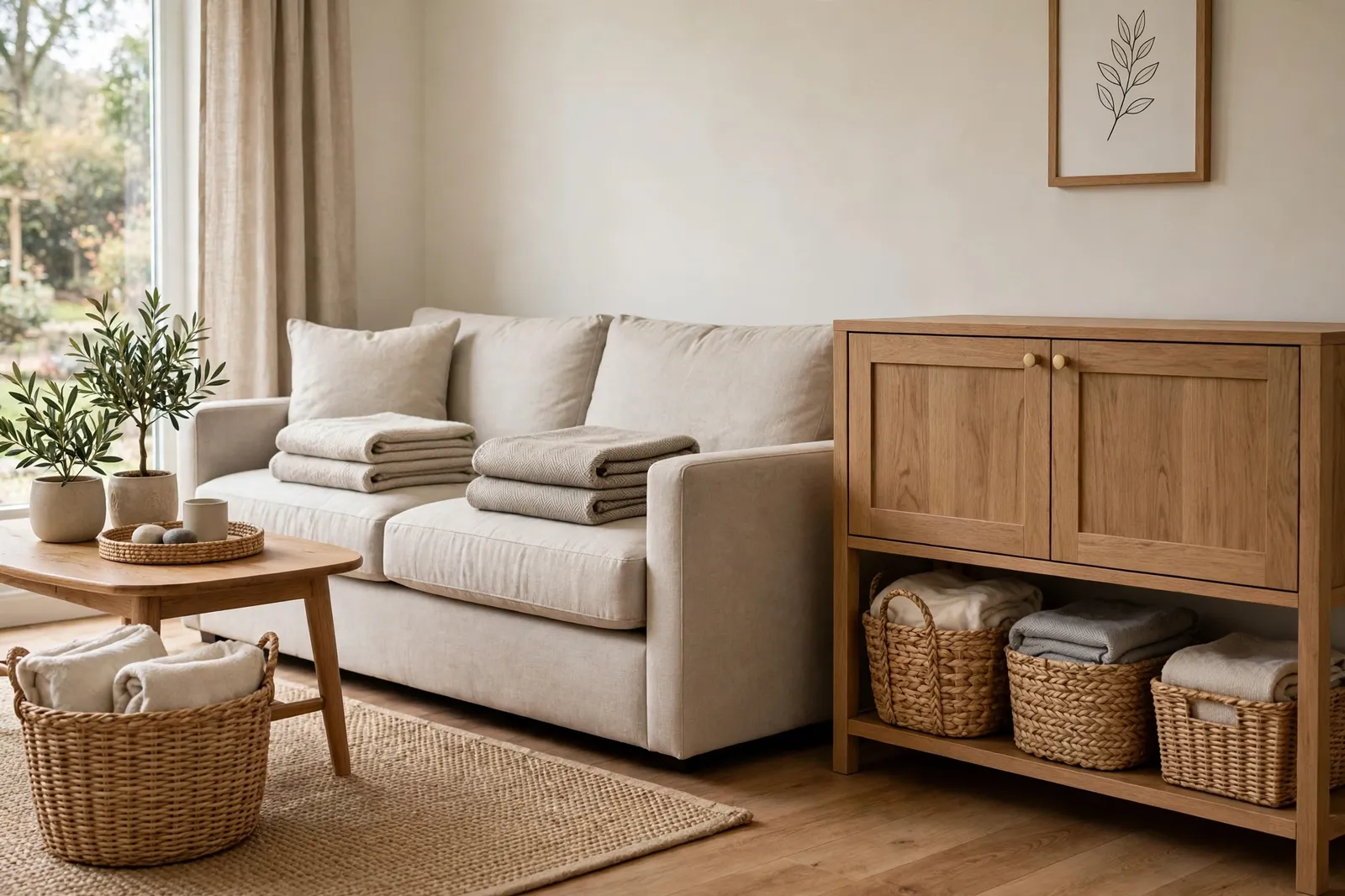
Beautiful rooms are easier to maintain when everyday items have a home. Use baskets for throws, closed storage for electronics, and a cabinet or console for games, chargers, and paperwork. If children or pets use the room, consider washable covers, sturdy tables, rounded edges where appropriate, and fabrics suited to your household. Practical choices do not have to look utilitarian; baskets, lidded boxes, and attractive storage furniture can contribute to the design.
Leave enough empty surface area for real life. A coffee table should have room for a mug, a book, or a board game, and the sofa should have space for people to sit comfortably. Before adding another decorative item, ask whether it improves the room’s function, texture, or personal meaning. If not, it may be better to leave the space open. The goal is not to create a showroom; it is to make a room that looks good and works well on an ordinary day.
Refresh Your Living Room on a Budget
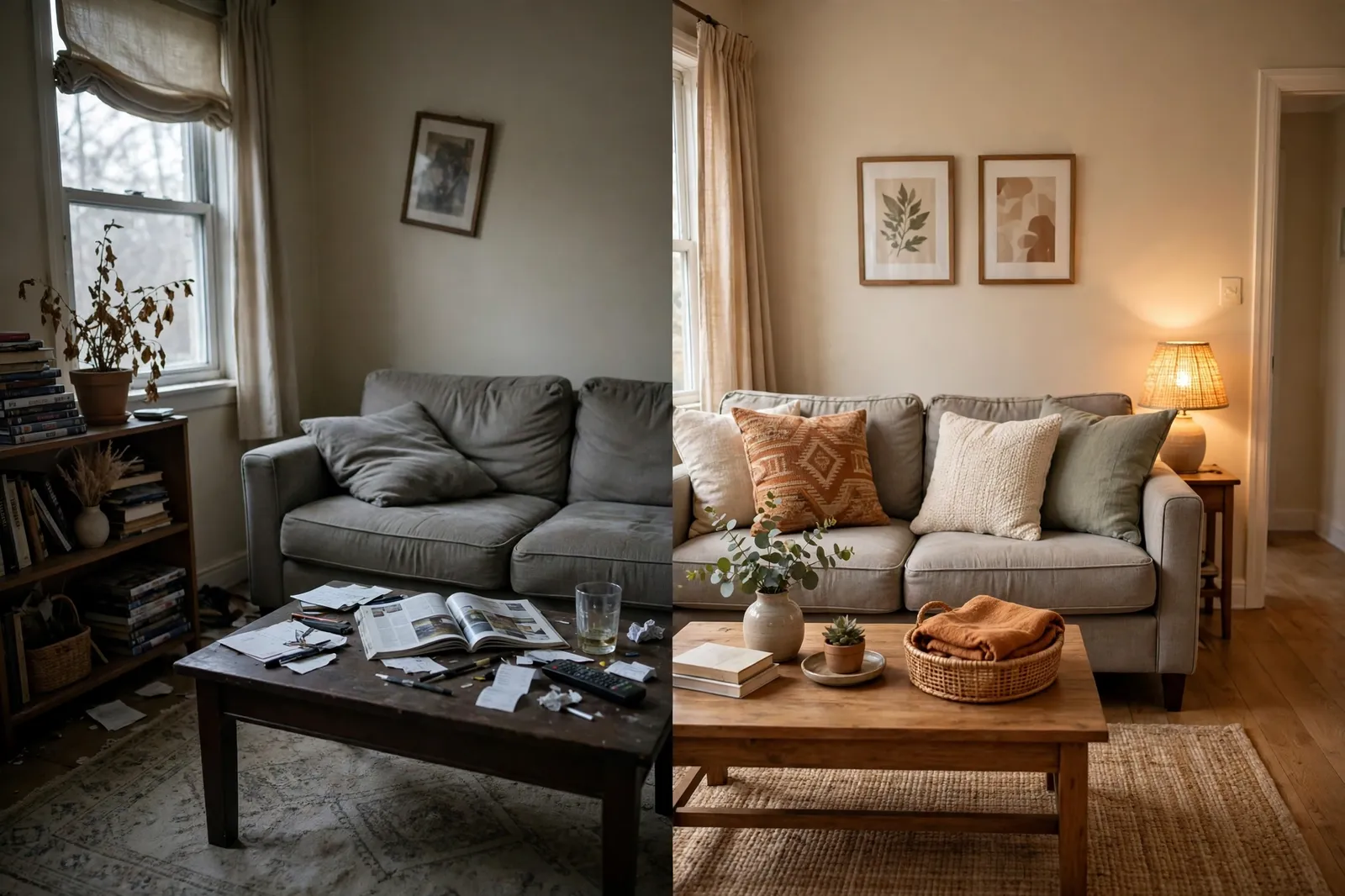
Start with changes that have a large visual impact. Rearrange furniture, remove items that create clutter, swap cushion covers, move artwork from another room, or add a warm lamp. Cleaning windows, refreshing pillow inserts, steaming curtains, and styling a bookshelf can make existing pieces look more considered. If you want to buy something new, decide on a budget and choose the item that solves the clearest problem first.
Thrift stores and secondhand marketplaces can be useful for side tables, frames, lamps, and decorative objects, but inspect condition and dimensions carefully. Paint can refresh a small piece of furniture if the material and finish are suitable for the project. Avoid buying accessories simply because they are inexpensive; several impulse purchases can cost more than one useful item. A thoughtful room develops over time as you learn what works, rather than needing to be completed in one shopping trip.
Related ideas: For more inspiration, explore Cozy Living Room Ideas for a Warm and Inviting Space and Small Living Room Decorating Ideas That Maximize Space.
Frequently Asked Questions
How can I decorate my living room without spending much?
Rearrange existing furniture, declutter surfaces, update cushion covers, use art you already own, improve lighting, and shop secondhand for carefully measured pieces. Make one change at a time so you can see what has the greatest effect.
What should I decorate first in a living room?
Start with the layout and the largest furniture pieces. Then choose a color palette, lighting, rug, window treatments, and wall decor. Accessories work best after the room’s main functions and proportions are settled.
How do I make a living room look cohesive?
Repeat a small set of colors and materials throughout the room, balance large and small objects, layer different textures, and leave some visual breathing room. Cohesion does not require every item to match.
Does all living room furniture need to match?
No. Pieces can differ in style or finish and still work together when they share a common color, scale, material, or overall mood.