How to Mix Home Decor Styles Without Making a Room Feel Busy
Mixing home decor styles sounds fun until the room starts to feel messy. You love the clean look of modern furniture, but you also love the warmth of traditional pieces, and maybe a little boho too. Put them all together without a plan, and the room can end up looking like a furniture store clearance aisle.
The good news is that mixing styles is not hard once you know a few simple rules. With one style leading, a small color palette, and a little breathing room, different pieces can sit together and actually look like they belong. Here is how to mix home decor styles without making a room feel busy.
1. Pick One Style to Lead
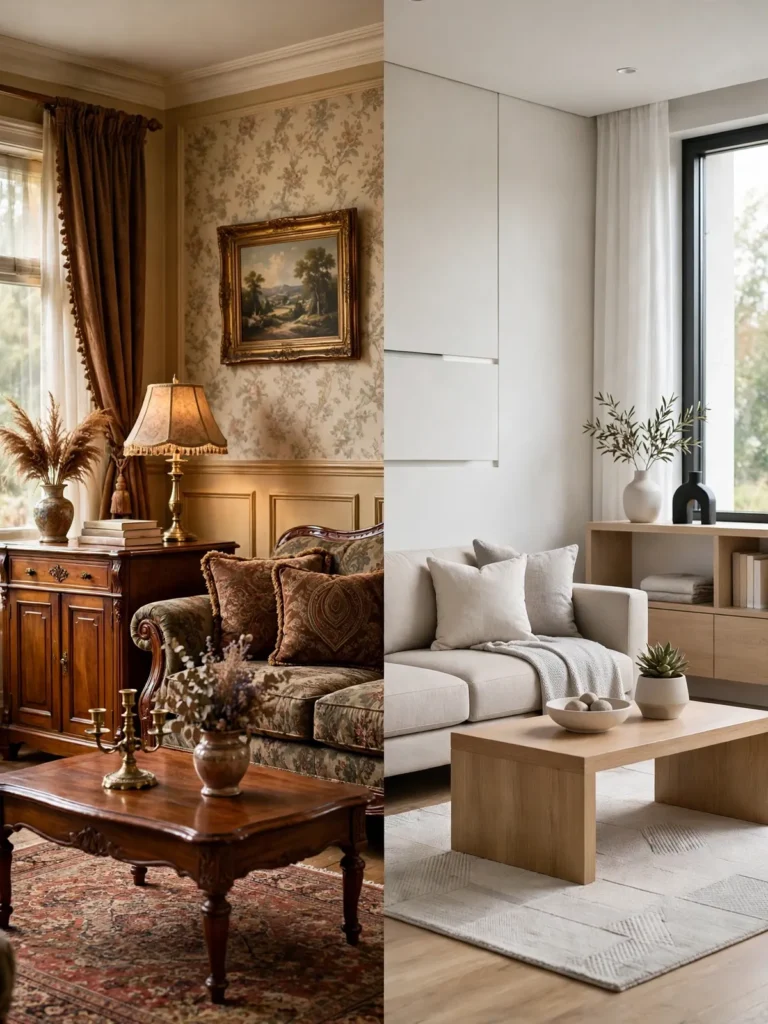
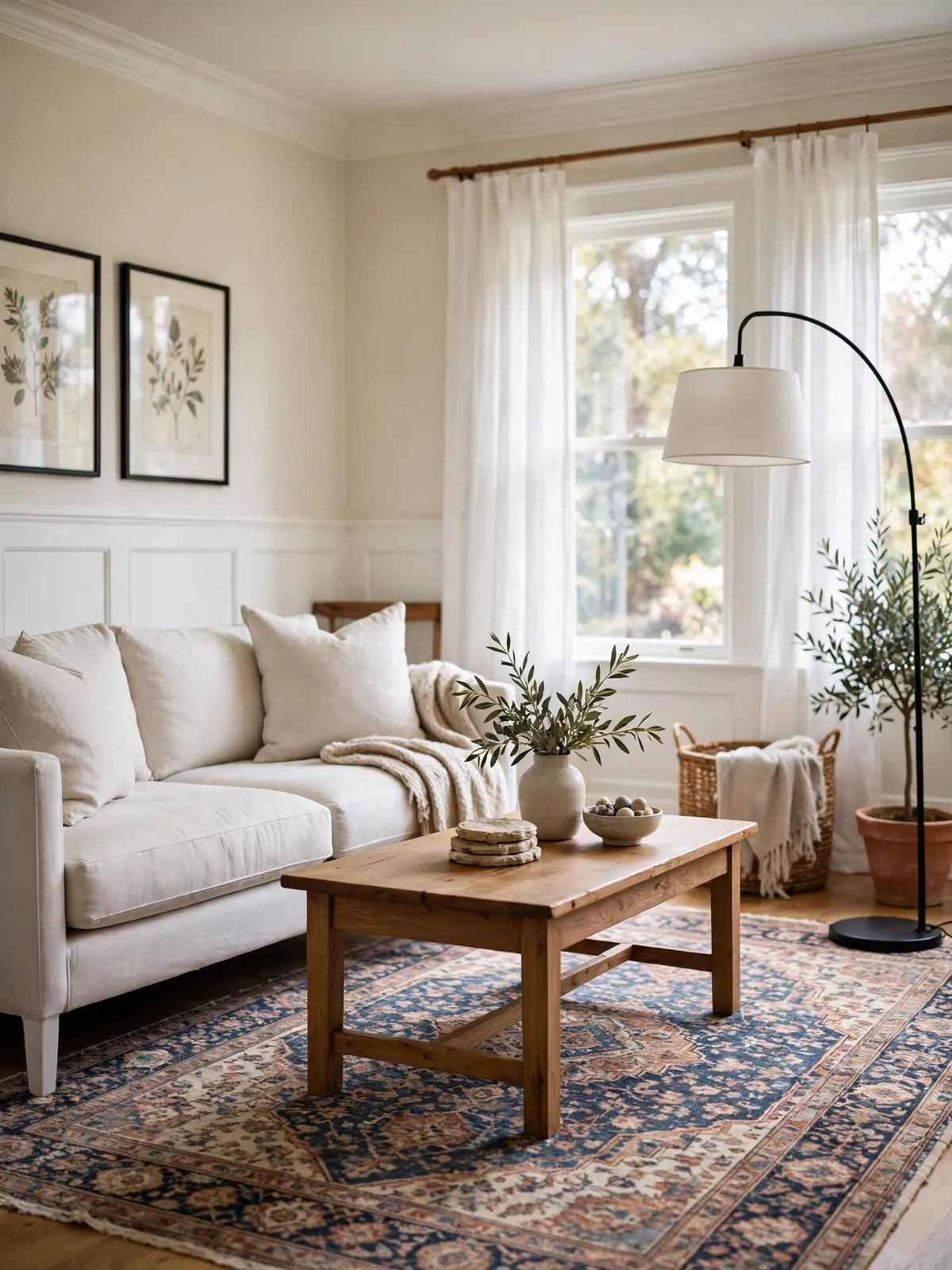
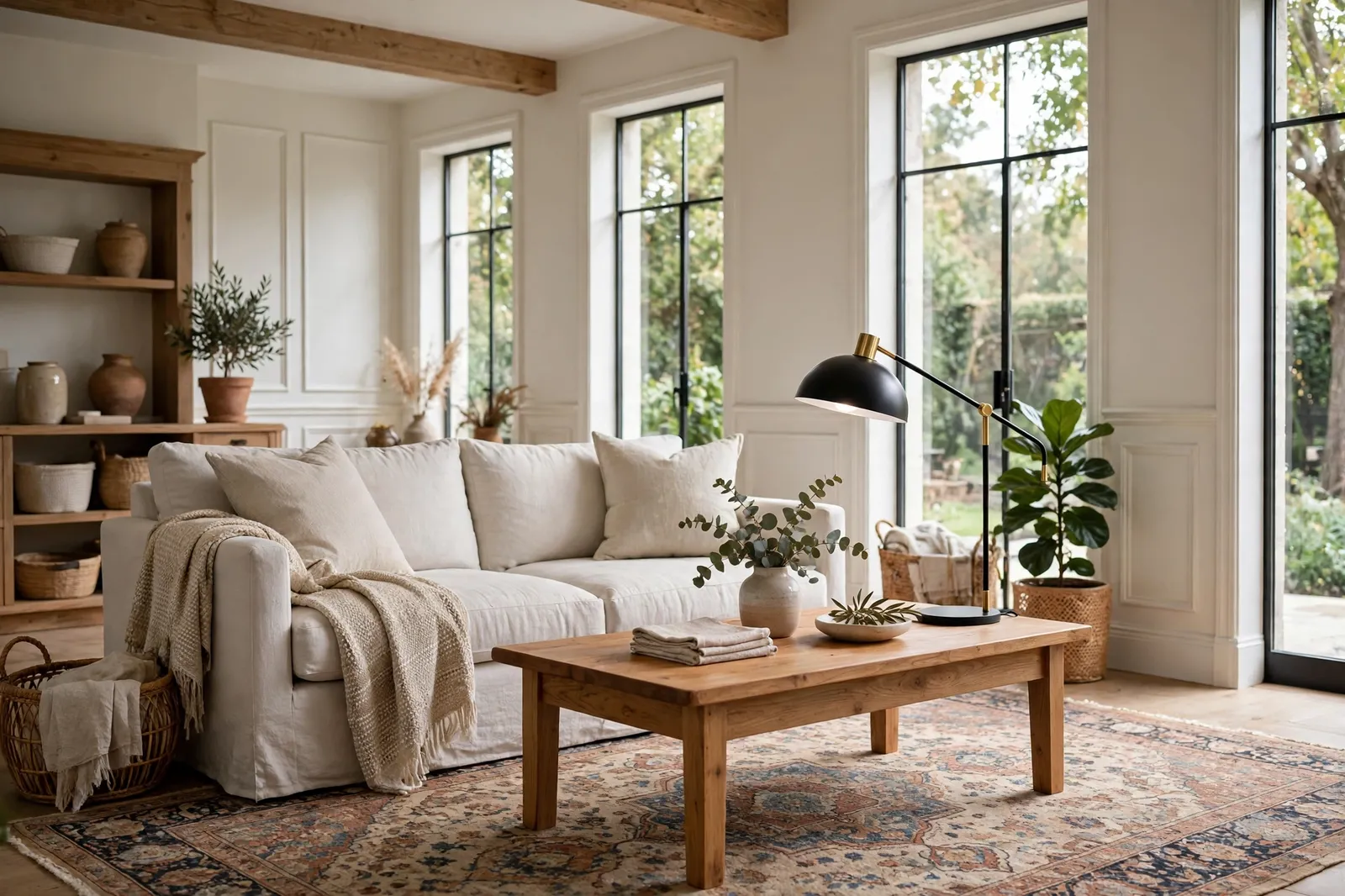
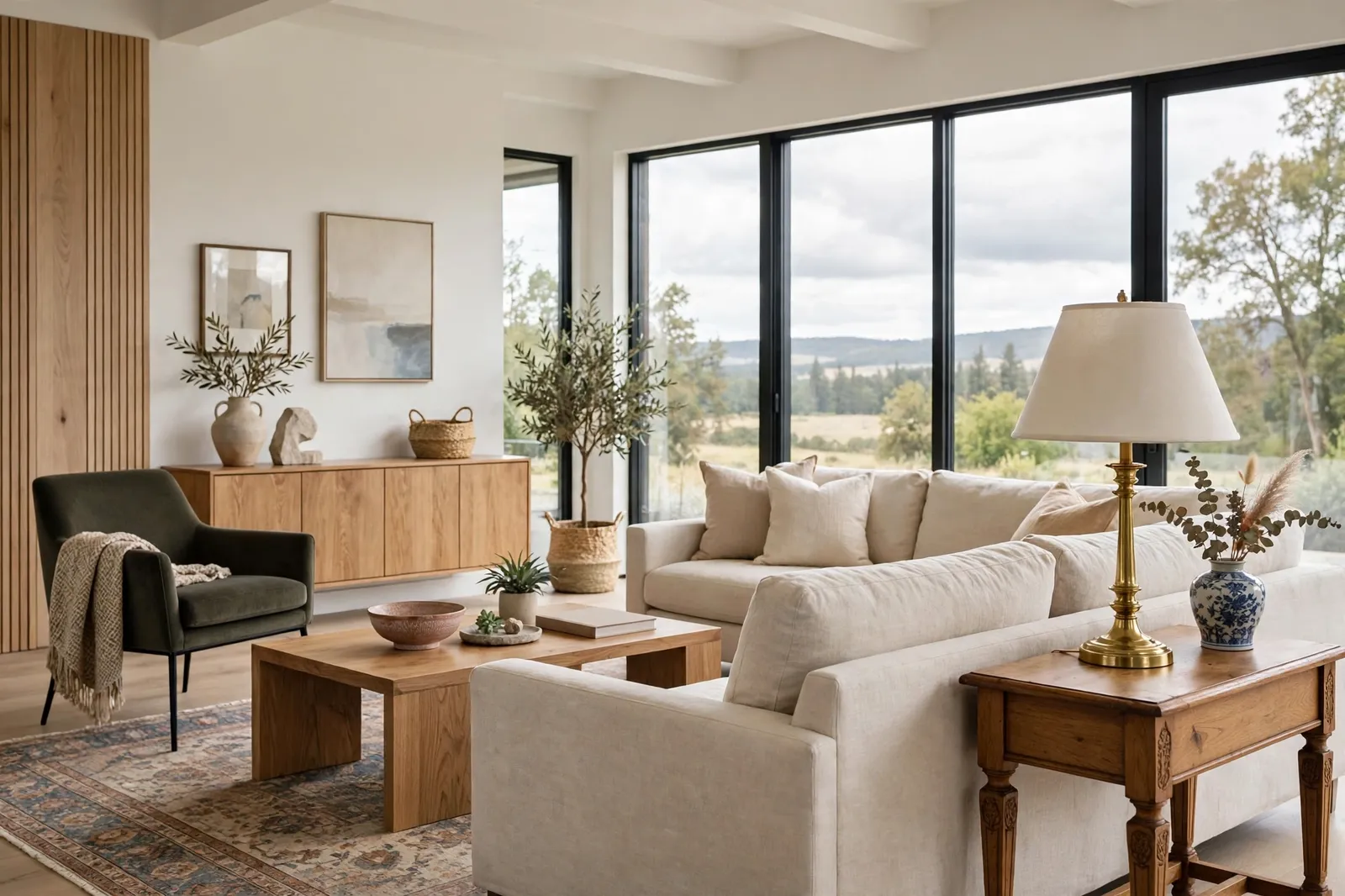
Every room needs one main style that sets the tone. If most of your furniture is modern, let modern lead, and bring in traditional or rustic pieces as accents. If your home leans traditional, do the opposite. When one style is clearly in charge, the other pieces feel like thoughtful touches instead of random clutter.
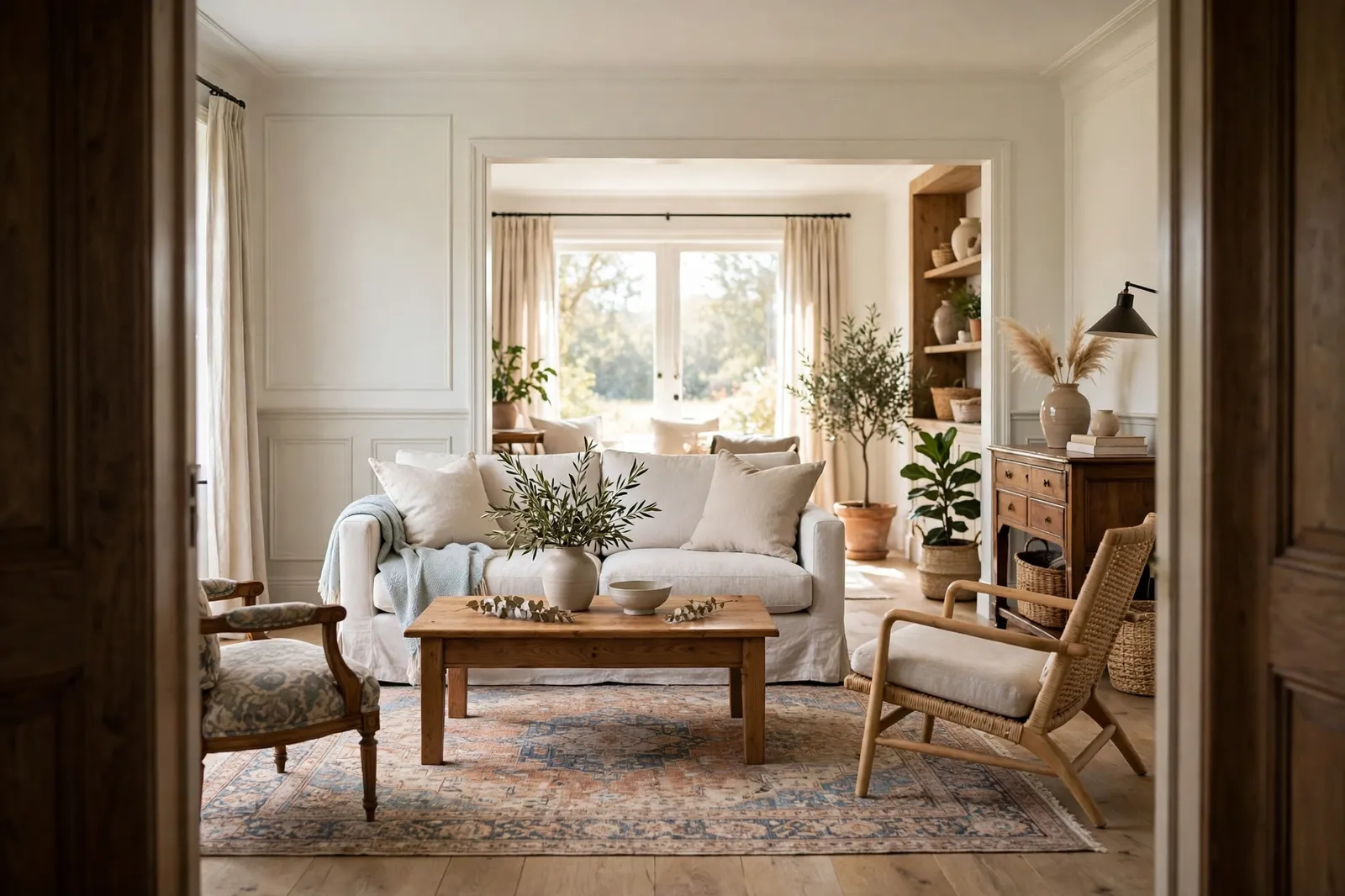
A good split to aim for is about 70 percent of the room in your main style and 30 percent in the supporting style. So if modern is leading, the sofa, the big rug, and the main lighting stay modern, while a wooden side table or a classic lamp adds warmth. The room still has variety, but it reads as one look, not three.
2. Stick to a Small Color Palette
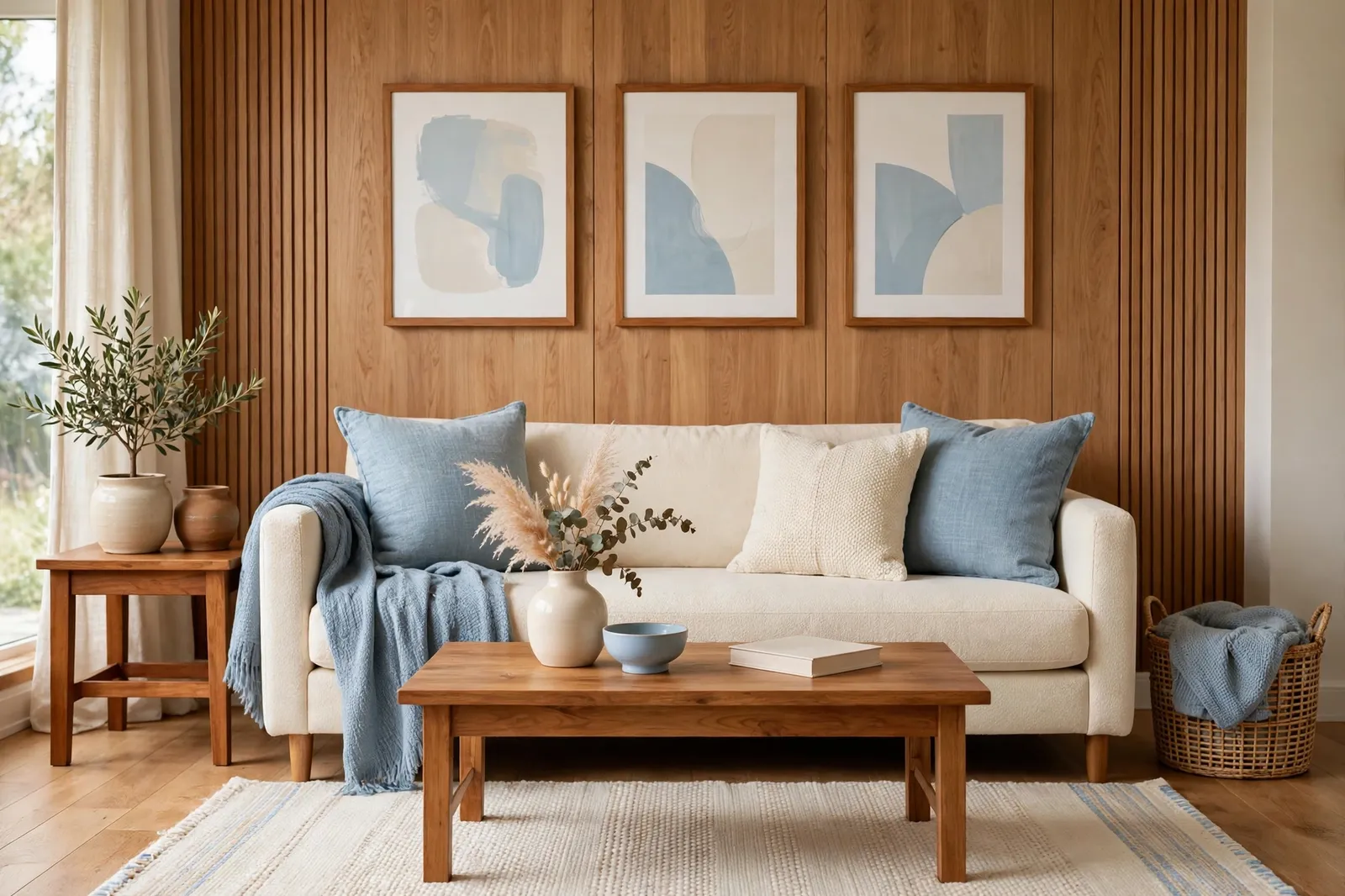
Color is what ties different styles together. Pick three or four colors and use them across the whole room — a main neutral, a wood tone, and one or two soft accent colors. When a modern chair and a traditional cabinet share the same warm wood or the same soft blue, they suddenly look like they were meant to be together.
Too many colors is the fastest way to make a mixed room feel busy. If every piece brings its own bright color, the eye has nowhere to rest. Keep the big pieces neutral, then let one accent color show up in a cushion, a throw, and a piece of art so it feels planned.
3. Repeat Colors and Materials Around the Room
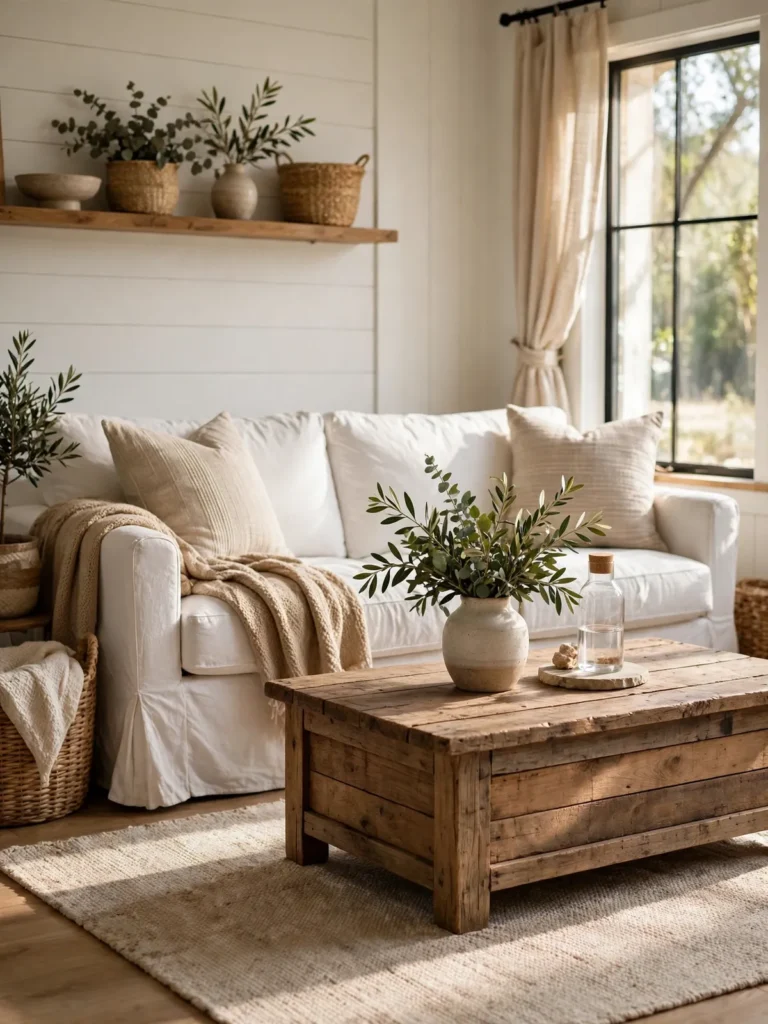
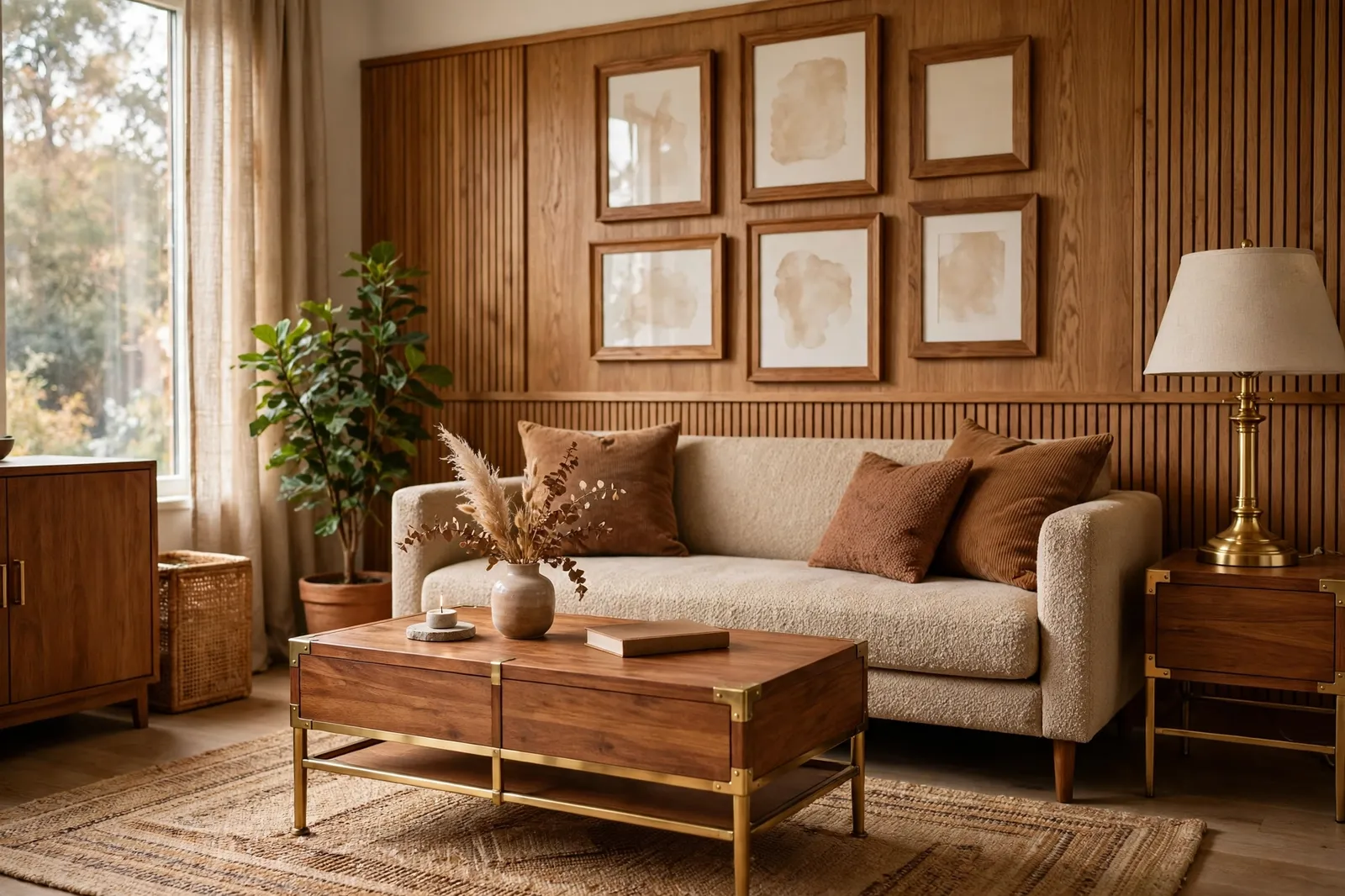
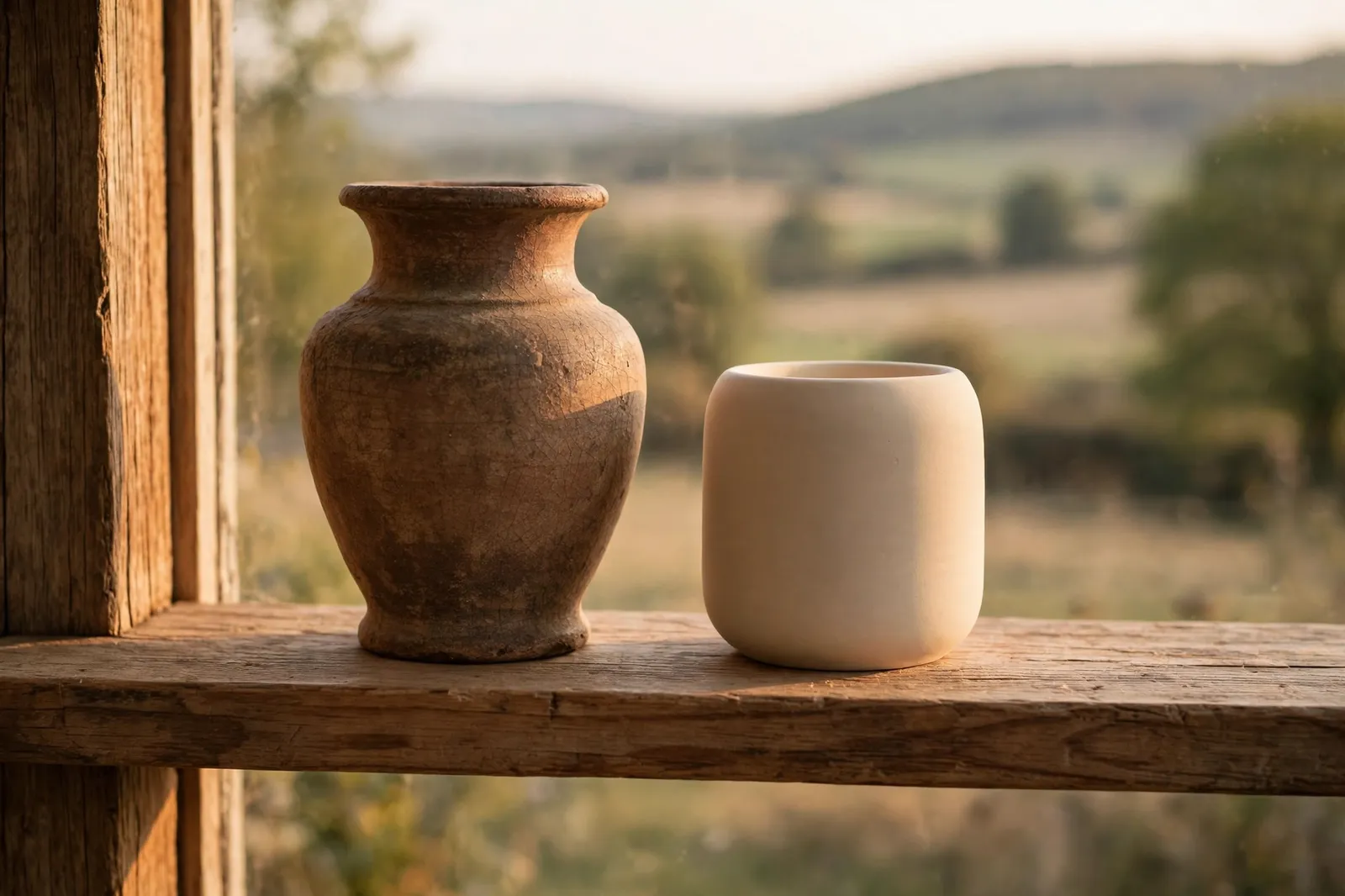
Repeating something is the simplest trick for making different styles look like they belong together. If you have a brass lamp on one side of the room, add a brass frame or a brass tray on the other side. If your coffee table is warm oak, a wooden shelf or a wooden picture frame in the same tone pulls the room together.
Repetition works for color, wood, metal, and fabric too. Two or three repeats are enough — you do not need to match everything. The point is that when the eye sees the same finish in a few spots, the room feels calm and connected instead of like a collection of unrelated pieces.
4. Keep the Scale and Shapes in Balance
Pieces from different styles can clash when their sizes are way off. A big, chunky traditional sofa next to a tiny, slim modern chair can make the room feel lopsided. Try to keep the main furniture in a similar size range so nothing looks out of place.
Shapes matter too. If most of your furniture has straight, clean lines, a round coffee table or a curved chair can soften things nicely — one curve is a nice contrast, five curves is a theme park. Step back and look at the room as a whole: if one piece jumps out because it is much bigger, smaller, or curvier than everything else, it might need a different spot.
5. Give Each Style Its Own Spot
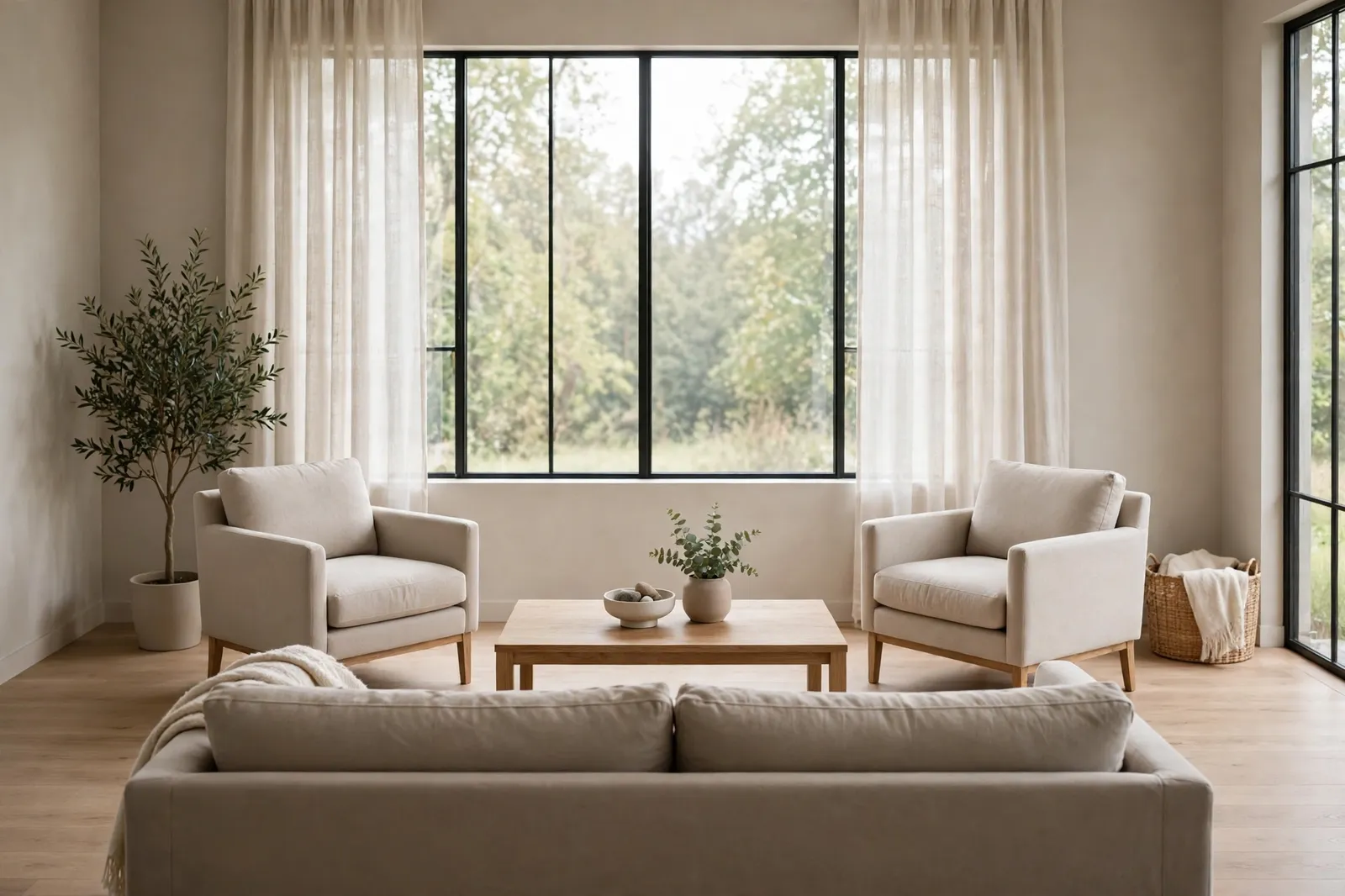
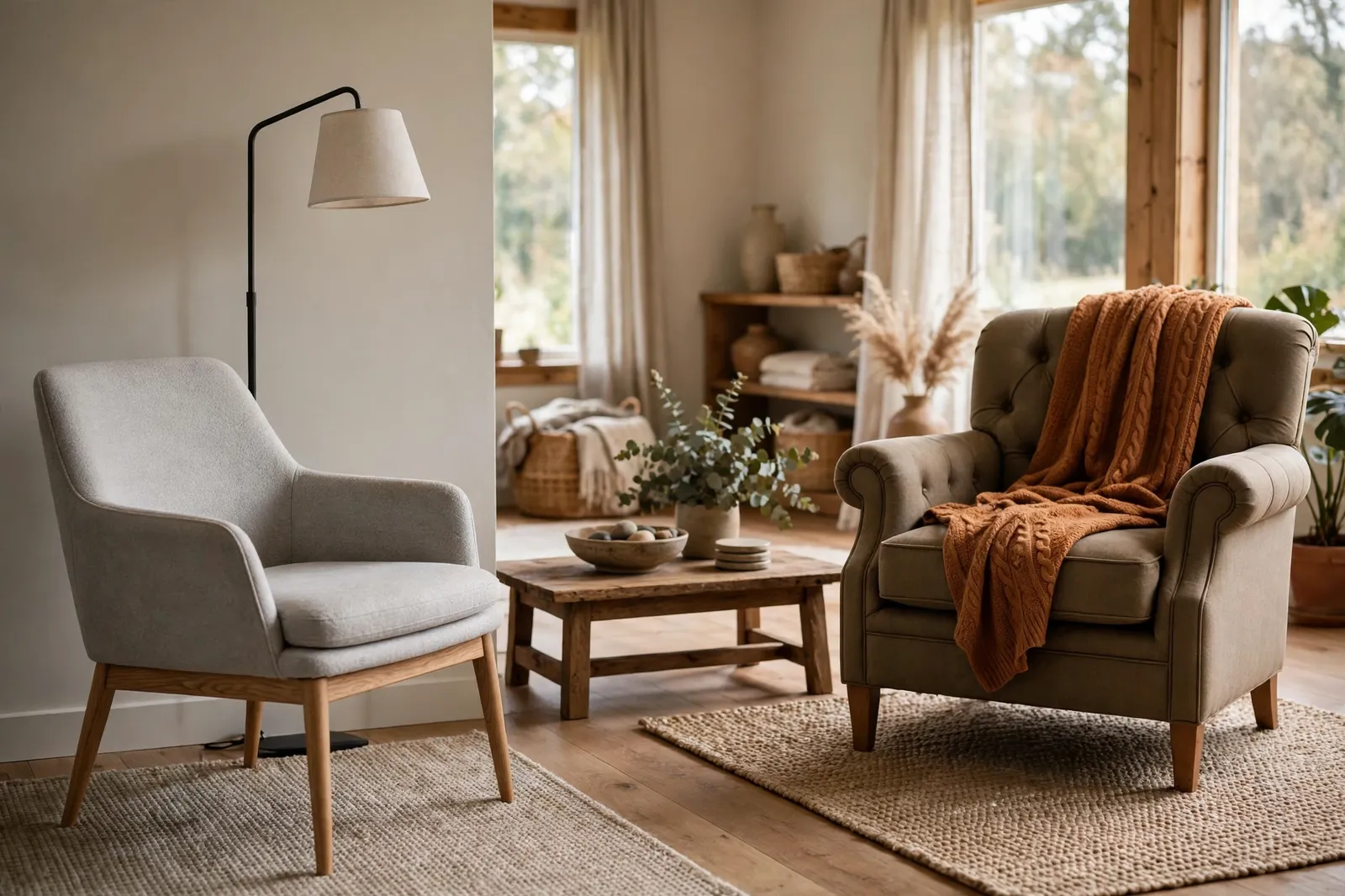
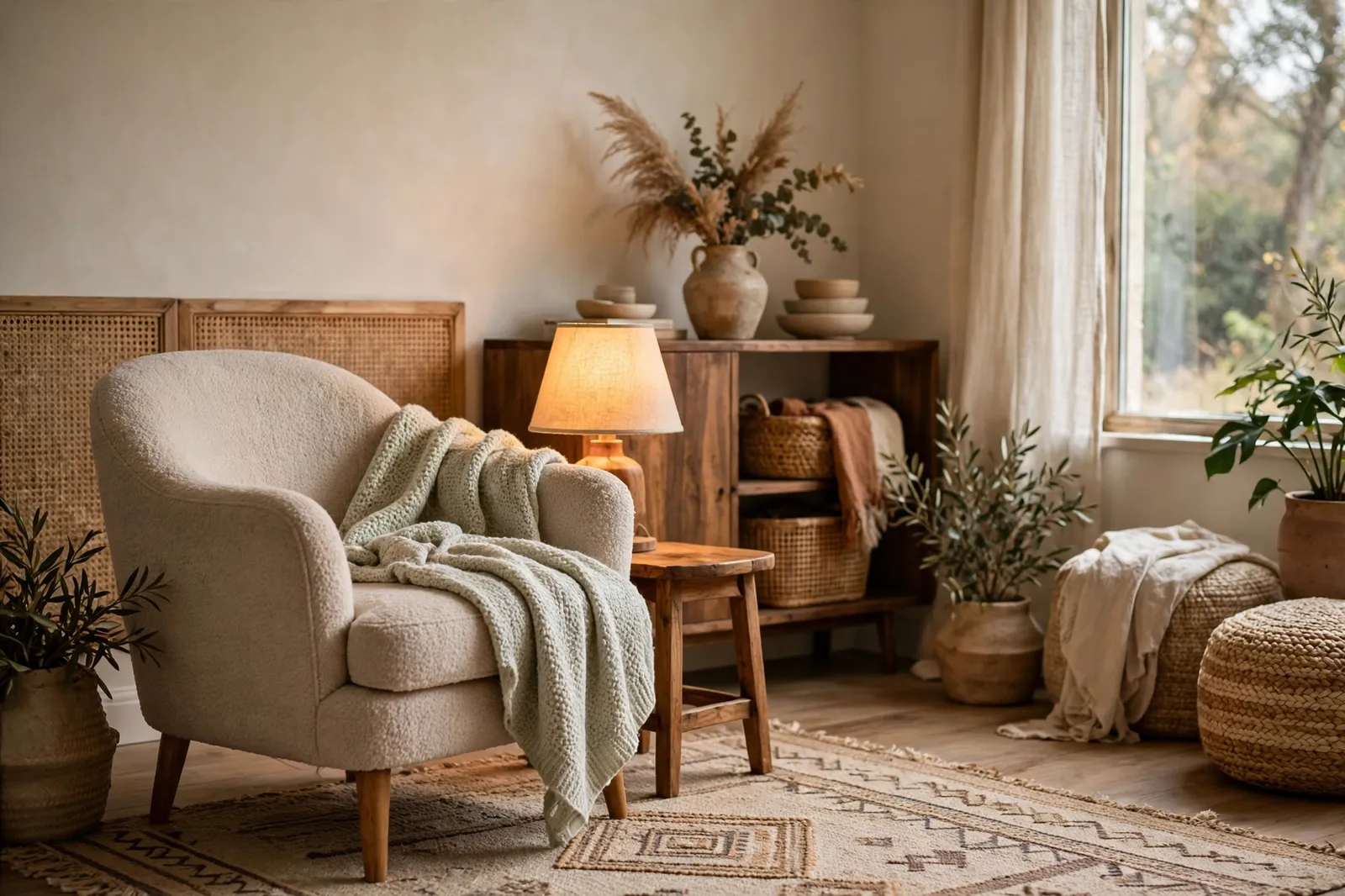
You do not have to blend every style into every corner. Sometimes the easiest fix is to let each style own a small area. A modern reading corner with a clean-lined chair and a simple floor lamp can sit happily across the room from a traditional armchair with a warm throw.
This works especially well in bigger rooms and open floor plans. One end of the room can lean modern, the other can lean traditional, and the shared color palette keeps them connected. It feels relaxed instead of forced, and guests can tell each area has a purpose.
6. Use One or Two Statement Pieces, Not Ten
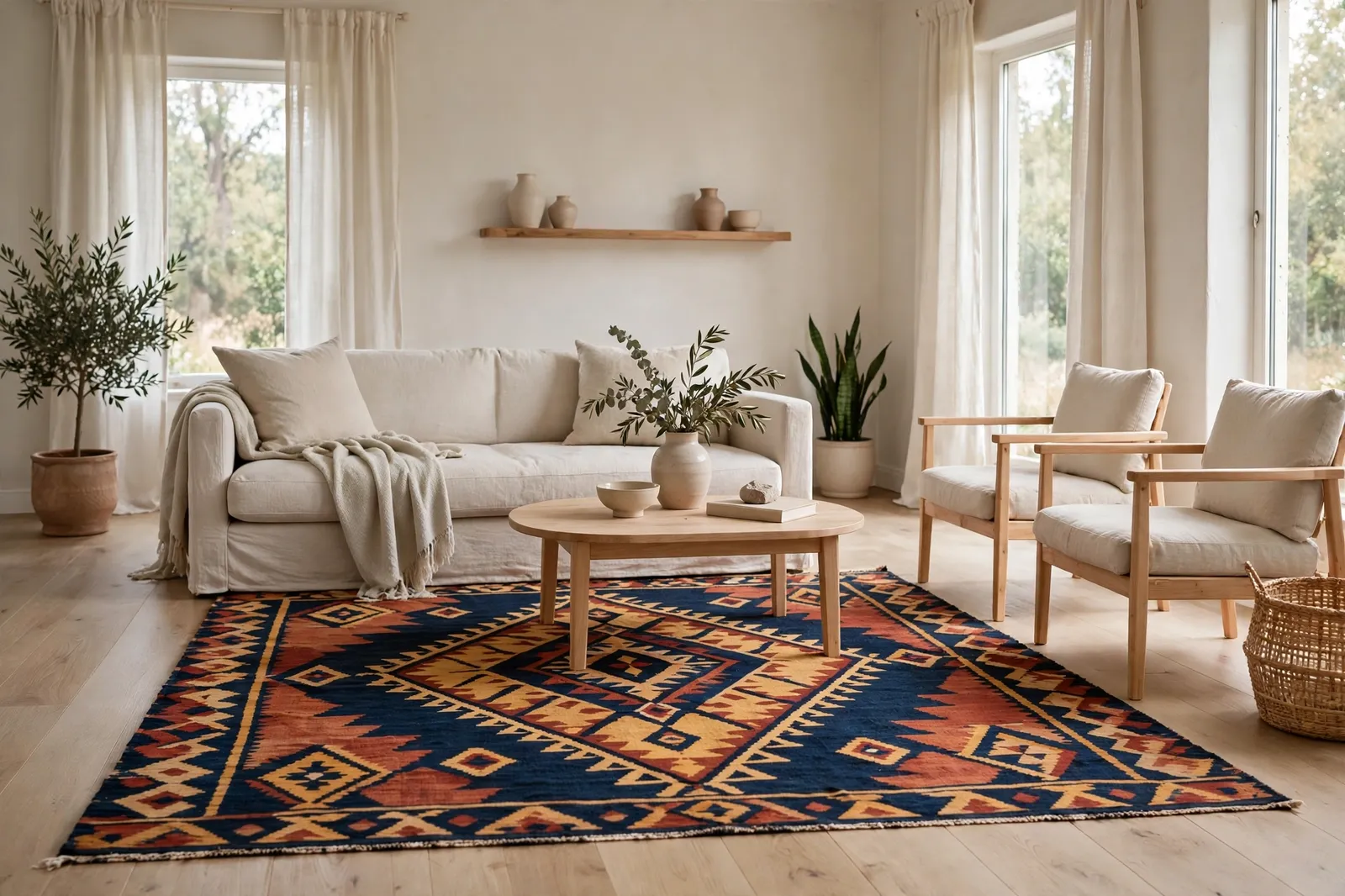
A statement piece is the one thing people notice first when they walk in — a bold patterned rug, a big piece of art, or an interesting light fixture. One or two of these give the room character. Ten of them just fight with each other, and nobody knows where to look.
Pick the piece you love most and let it be the star. Then keep everything around it a little quieter so it has room to shine. If the rug is bold, the sofa and curtains can stay simple. If the art is big and colorful, the rest of the wall can stay plain.
7. Leave Some Breathing Room
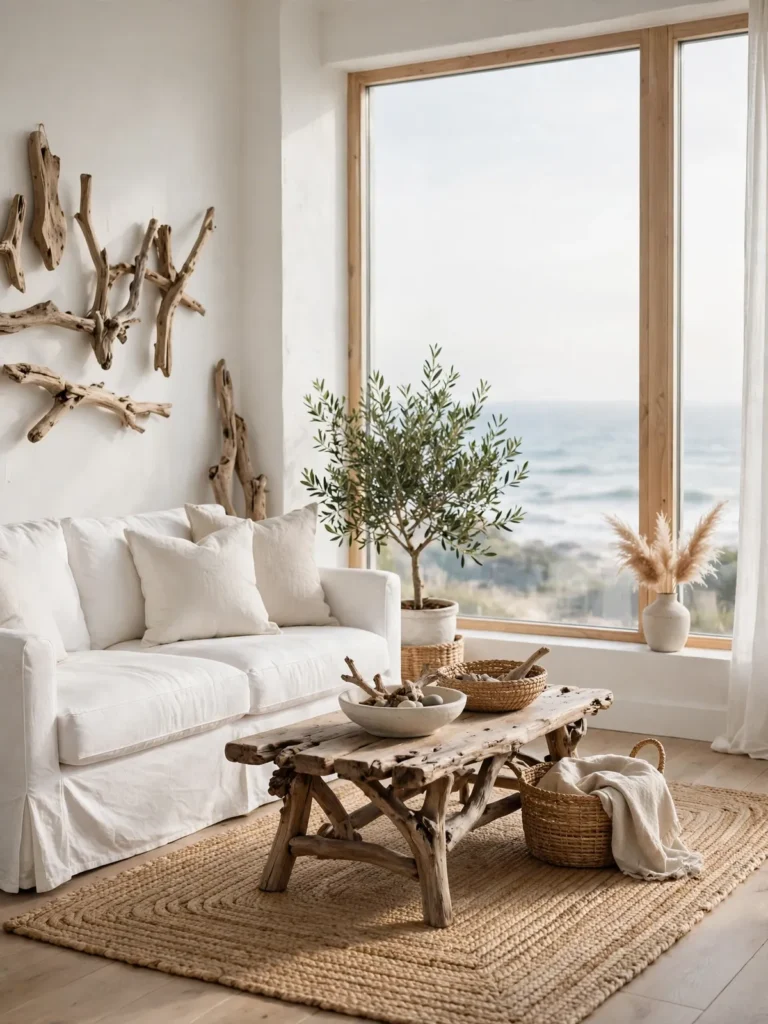
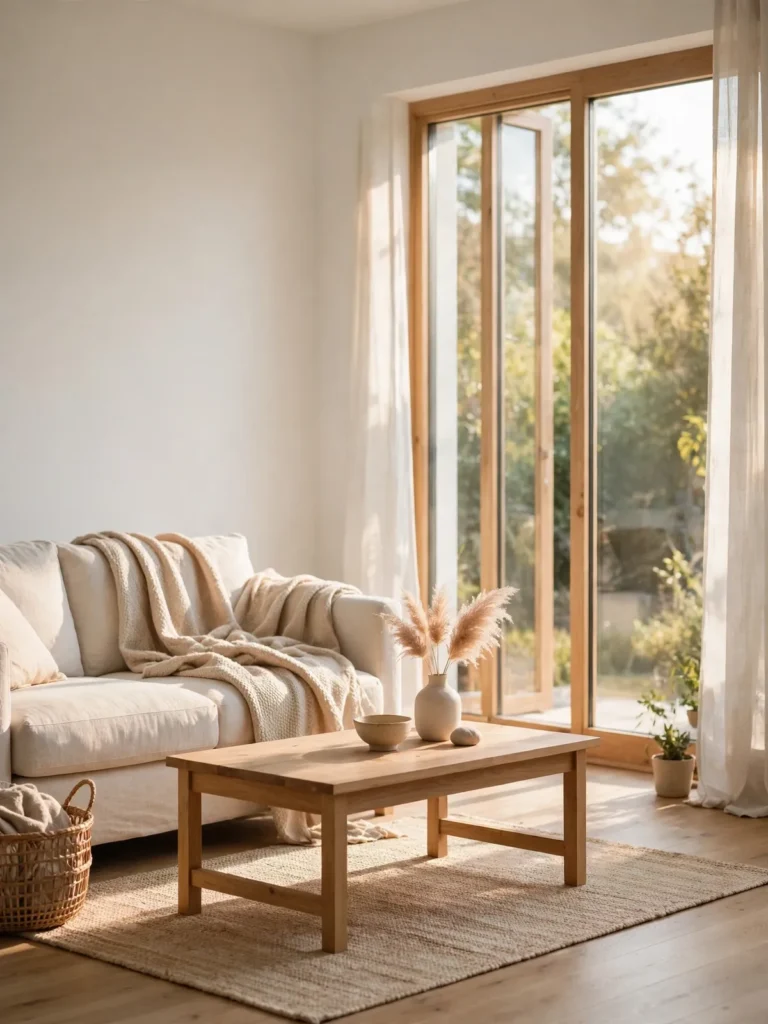
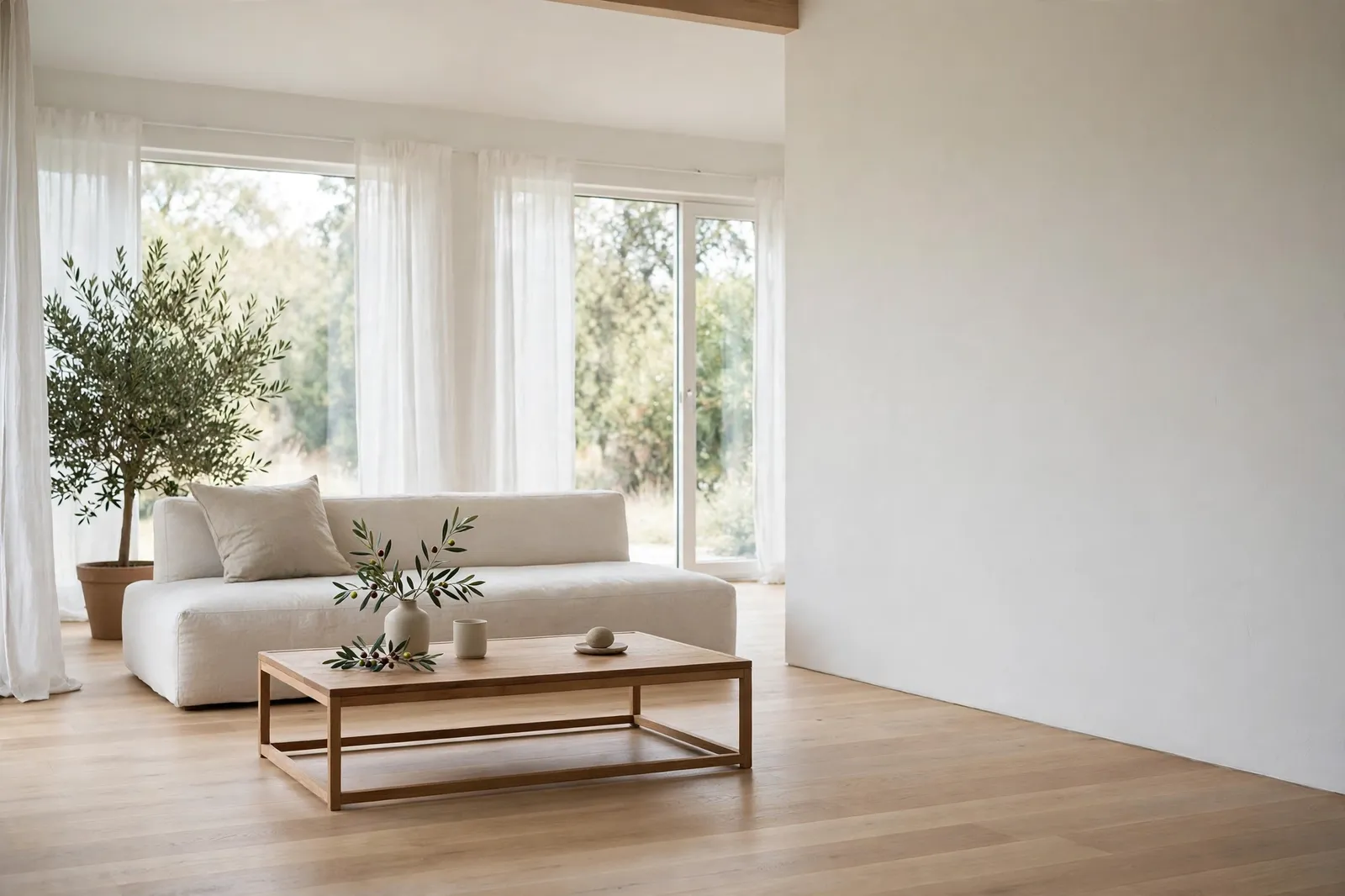
Empty space is not wasted space. A room with a little open floor, a clear stretch of wall, or a coffee table with just one or two things on it feels calm, even when the styles are mixed. When every surface is covered and every corner is filled, the room feels busy no matter how nice the pieces are.
Try taking one thing off each surface and see how the room feels. You can always put it back. Most of the time, the room looks better with less on display, and the pieces you kept suddenly stand out more. Breathing room is what turns a mixed room from crowded into collected.
8. Mix Old and New the Easy Way
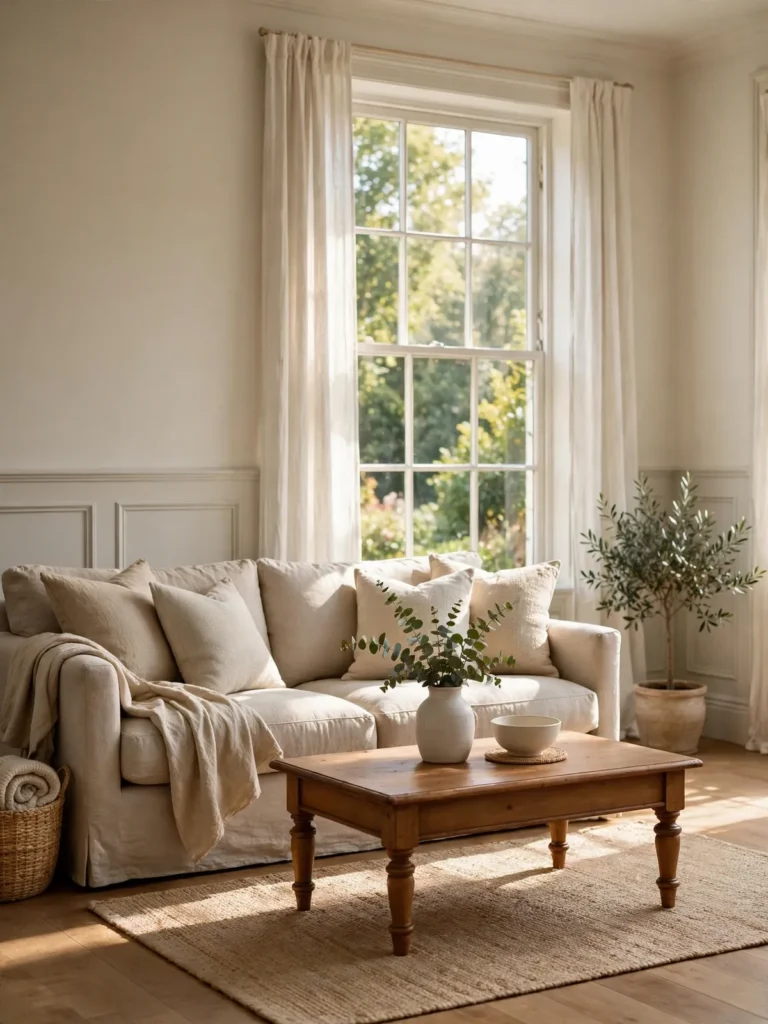
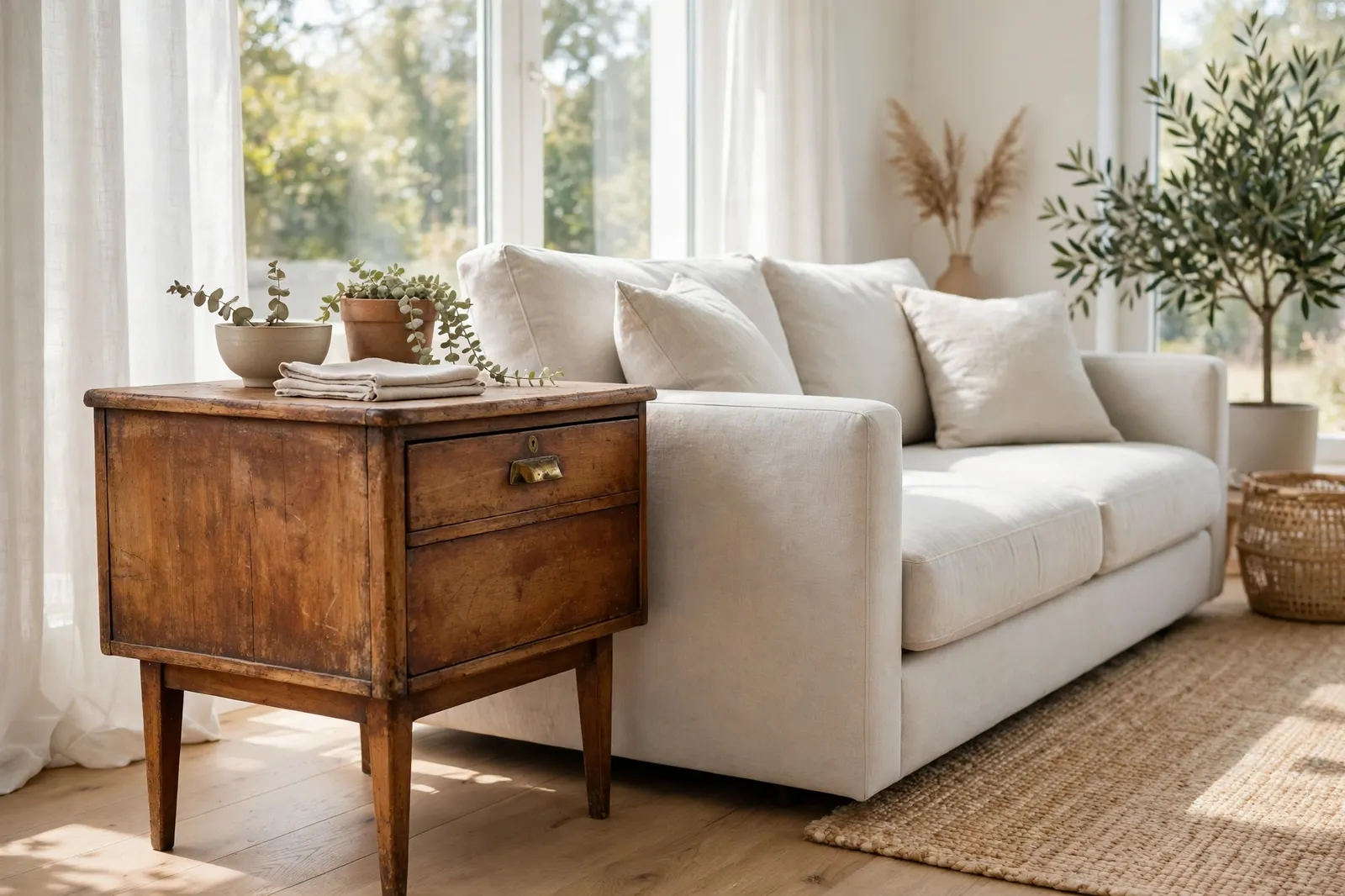
Old and new pieces mix best when they share something in common. A vintage wooden side table next to a modern sofa works because the warm wood softens the clean lines. A classic mirror above a simple console works because the shapes are both calm and plain.
Start with one old piece and one new piece and see how they look together before you add more. A good rule is to pair things that share a color, a material, or a simple shape. If they share nothing at all, they will look like strangers — but one shared detail is often all it takes to make them feel like a pair.
9. Step Back and Edit What Feels Off
Once everything is in place, step back and look at the room from the doorway. That is the view guests get, and it shows problems you miss up close. If your eye jumps to one spot and stays there, that spot is probably too busy or too bright, and something needs to move or come out.
Editing is the last step, not a failure. Take a photo of the room on your phone — photos show clutter and clashes more honestly than your eyes do. Remove one thing, move one thing, and look again. Small changes like swapping a cushion or moving a lamp can be the difference between a room that feels busy and one that feels just right.
Frequently Asked Questions
Can you mix modern and traditional decor in one room?
Yes, and it works best when one style leads and the other plays a supporting role. Keep most of the big pieces in your main style, then add a few traditional touches like a wooden side table or a classic lamp. A shared color palette ties the two styles together so the room feels planned, not random.
How many decor styles can you mix in one room?
Two styles are the easiest to mix, and three can work if you keep the colors and scale consistent. More than three usually starts to feel busy, because each style brings its own shapes, colors, and textures. If you love several styles, pick two main ones and let the third show up in small accents only.
What is the easiest way to mix decor styles without it looking messy?
Start with a small color palette and one main style, then repeat colors and materials around the room. Leave some empty space on surfaces and walls so the room can breathe. If the room still feels messy, take one or two things out — editing is usually the fix, not buying more.
How do I mix decor styles in a small room?
In a small room, keep the palette simple and the furniture light in scale. Choose one main style for the big pieces and bring the second style in through small things like cushions, a lamp, or a framed print. Leave some open floor and wall space, because in a small room, breathing room matters even more.
Related ideas
Popular Home Decor Styles and How to Choose Yours is a great place to start if you have not picked your main style yet, and Modern Home Decor Ideas for a Clean, Stylish Look shows how to keep the modern side of the mix looking fresh. For a calmer take on the whole idea, Minimalist Home Decor Ideas That Still Feel Cozy pairs beautifully with mixing styles, since both are about keeping a room simple and warm. You might also like Traditional vs. Modern Home Decor: Key Differences and Home Organization Ideas for a Clutter-Free Home.