
Cozy Bedroom Lighting Ideas for a Relaxing Retreat

A bedroom can have the comfiest bed and the prettiest bedding, but if the lighting is harsh, the room still won’t feel relaxing. One bright ceiling light in the middle of the room is the most common problem, and it makes everything feel flat and cold, like an office instead of a place to rest.
The good news is that cozy bedroom lighting is not about buying expensive fixtures. It is about using a few warm lights at different heights, and being able to turn them down when the day is done. This guide walks through the simple ideas that make the biggest difference, from bulbs and lamps to dimmers and little night glows.
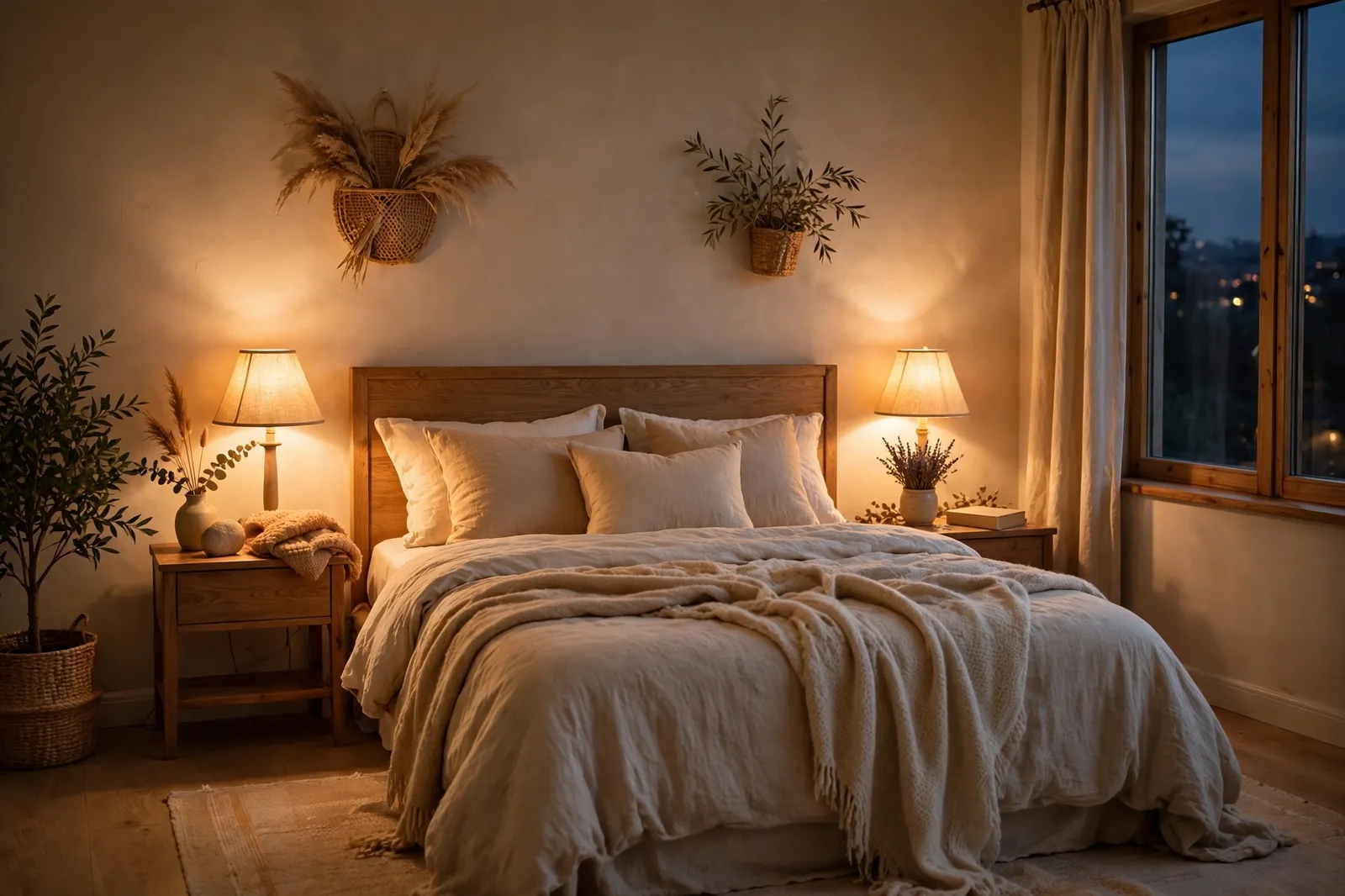
1. Why Bedroom Lighting Sets the Mood
Light changes how a room feels more than almost anything else. A bright white light wakes your brain up, which is fine for a kitchen in the morning, but not what you want in a bedroom at night. Warm, soft light tells your body it is time to slow down, and it makes the whole room feel calmer and more welcoming.

Think about the last time you stayed somewhere that felt really cozy — a hotel room, a friend’s house, maybe a cabin. Chances are the light was low and warm, coming from lamps rather than a ceiling fixture. You can get that same feeling at home just by changing where your light comes from and how strong it is.
2. Layer Your Light in Three Levels
The easiest way to get cozy lighting right is to think in three levels: overhead light, task light, and low light. Overhead light is your ceiling fixture or a pendant, task light is the lamps you use for reading or getting dressed, and low light is the soft glow near the floor or behind furniture. Together, they fill the room without any one source doing all the work.

Most bedrooms only have the first level, and that is why they feel flat. Adding a bedside lamp and one low light, like a small lamp on a dresser or a strip of warm light behind the headboard, changes the whole feel of the room. You do not need all three levels on at once — the point is having choices for different times of day.
3. Warm Bulbs Make the Difference
The bulb matters as much as the lamp. Look for warm white bulbs, around 2700K on the box, which give off a soft yellow glow like candlelight. Cool white or daylight bulbs, around 4000K and up, look blue and harsh in a bedroom, and they make it harder to wind down at night.
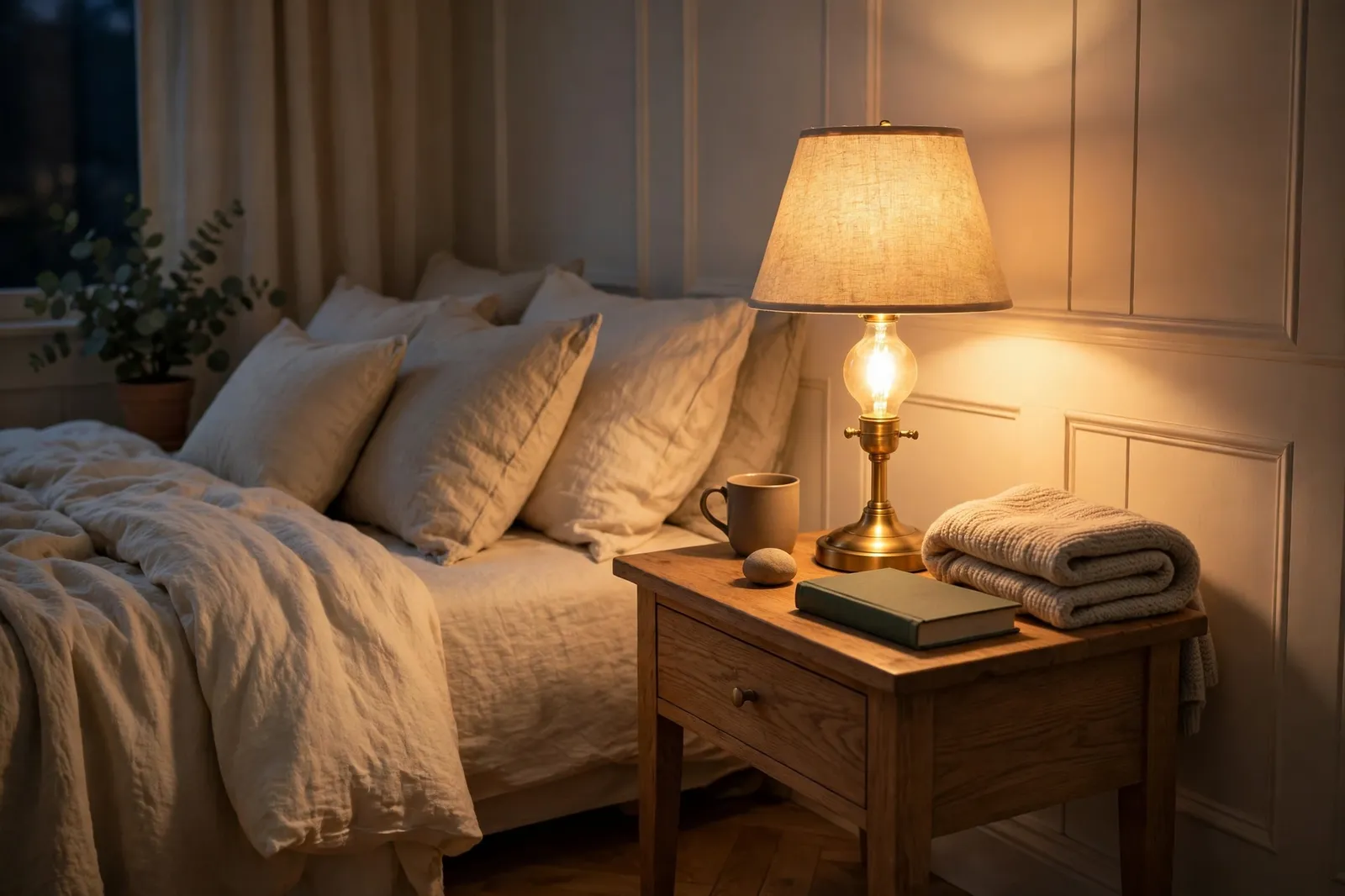
If you already own lamps you like, you do not need new fixtures — just swap the bulbs. Warm LED bulbs are cheap, last for years, and use very little power. Try one warm bulb in your bedside lamp first and see how the room feels. Most people notice the difference the first night.
4. Bedside Lamps for Reading
A good bedside lamp does two jobs: it gives you light to read by, and it sets the mood when you turn it on at night. Pick a lamp that is tall enough that the shade sits about level with your shoulder when you are sitting up in bed. That way the light falls on your book, not in your eyes.

If you share the bed, look for a lamp with a small switch you can reach easily, or one with a few brightness settings. A shaded lamp is better than a bare bulb, because the shade softens the light and spreads it out. Keep the lamp close to the bed, within arm’s reach, so you never have to get up to turn it off.
5. Dimmers for Every Mood
A dimmer switch is one of the best small upgrades for a bedroom. It lets you turn the main light down to a soft glow in the evening, instead of having only two choices — full bright or pitch dark. That alone can make the room feel twice as cozy.
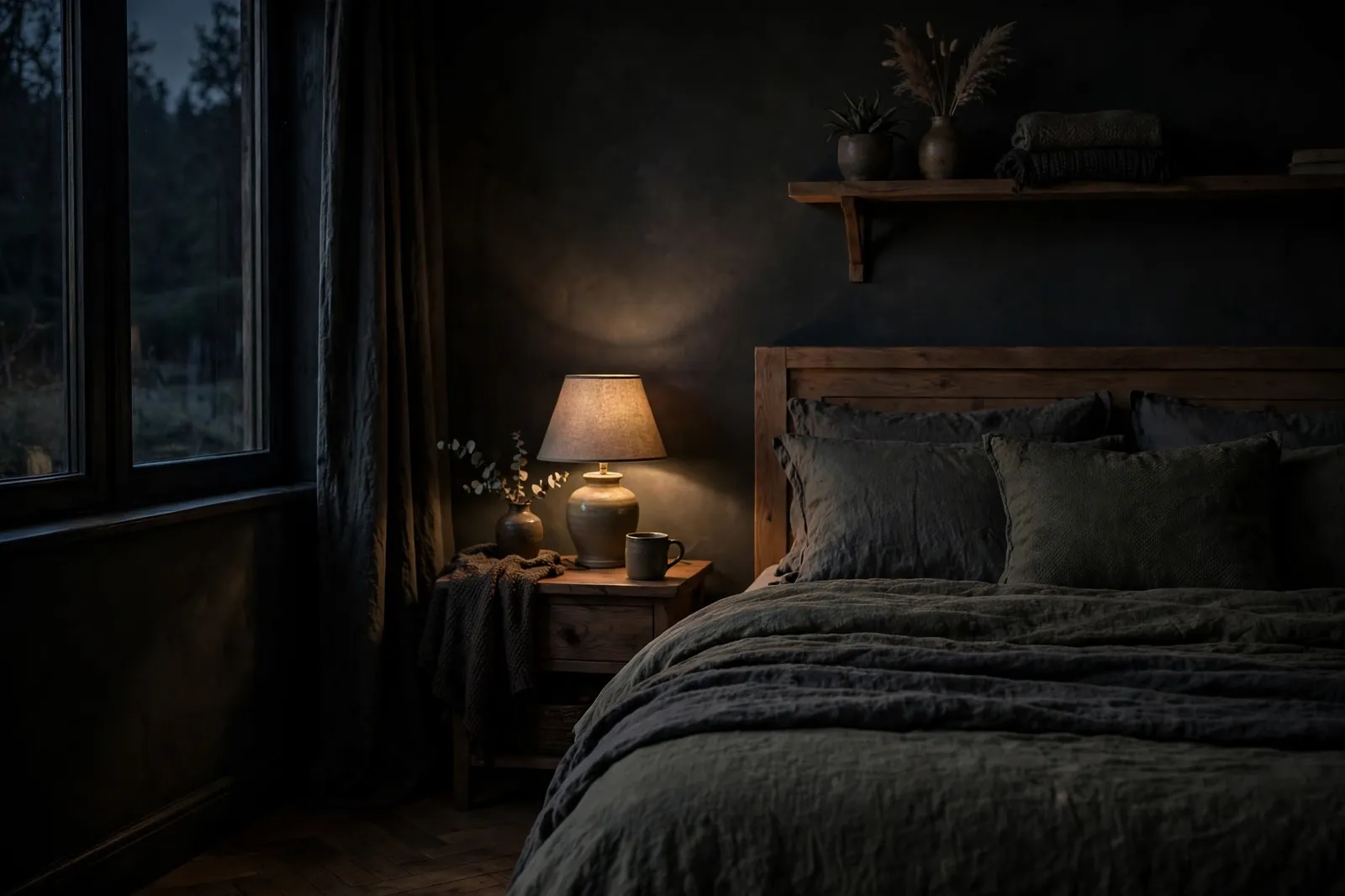
If your ceiling light is not on a dimmer, you can add a plug-in dimmer to a lamp, or use a smart bulb you control from your phone. Both are cheap and easy to set up, and you do not need an electrician for either one. Start with the lamp you use most in the evening and see how much you like having the control.
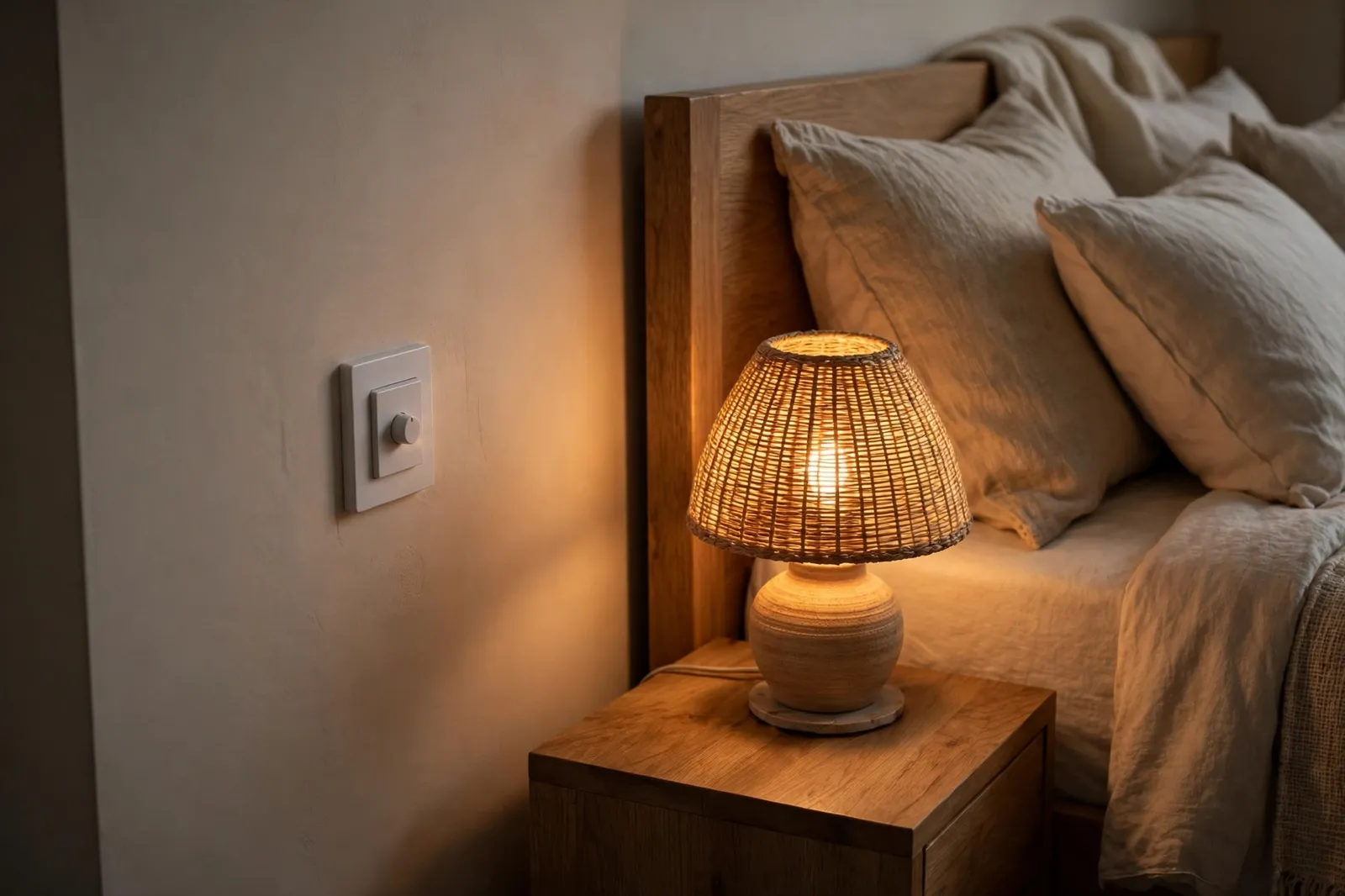
6. Soft Light Around the Room
Once you have the main lamps sorted, a little extra soft light in the corners makes the room feel finished. A small lamp on the dresser, a warm light strip behind the headboard, or a few fairy lights tucked along a shelf all add a gentle glow that fills the dark spots without adding brightness.
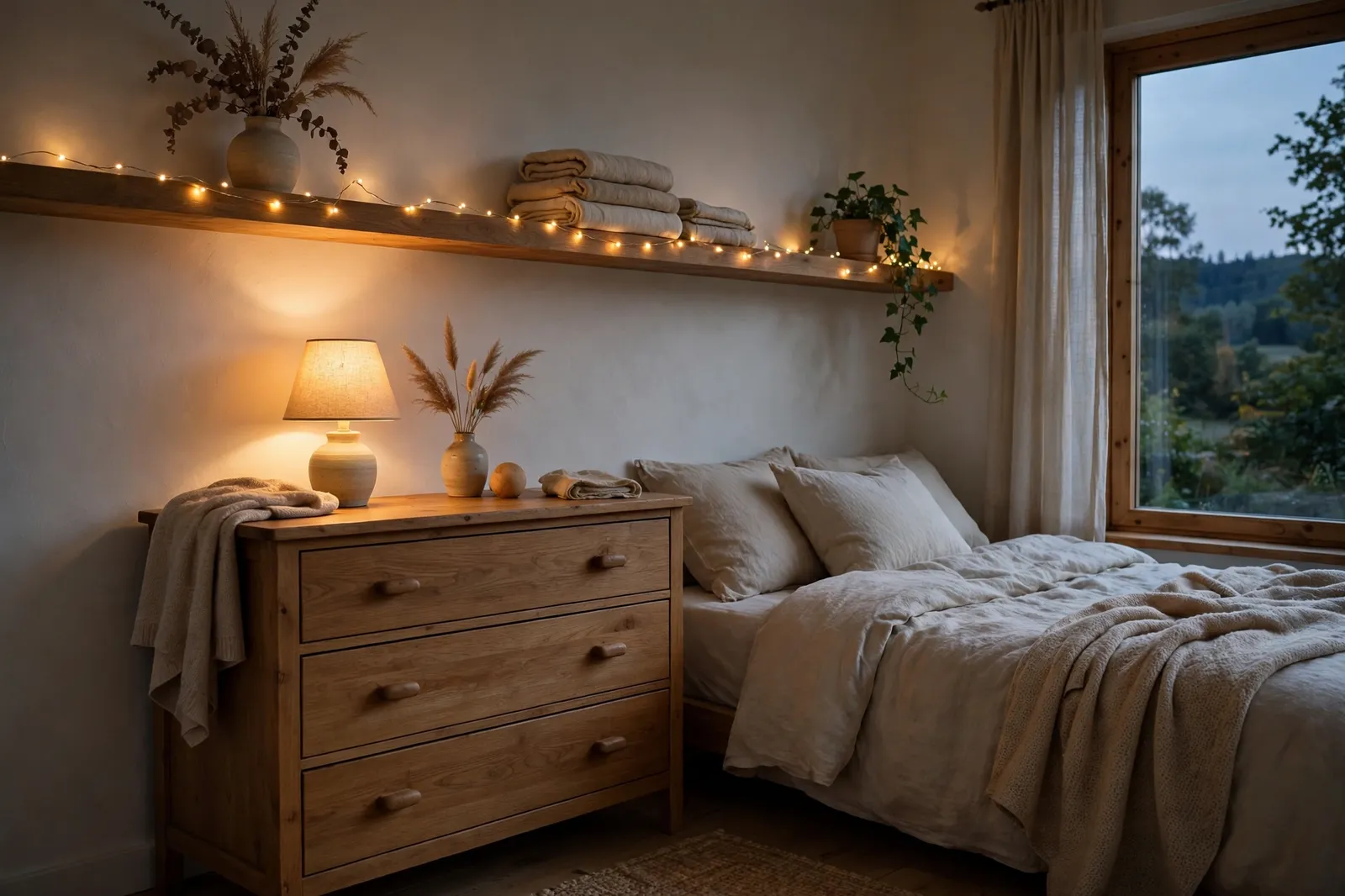
The trick is to keep these lights warm and low. A string of warm white fairy lights on a low setting looks soft and pretty; a bright white strip light looks like a store display. Keep the extra lights subtle — they should glow, not shine. If you can read by one of them, it is probably too bright for this job.
7. Natural Light During the Day
Good bedroom lighting is not only about lamps. During the day, natural light does most of the work, and the way you handle your windows matters. Sheer curtains let in soft daylight while still giving you privacy, and they make the room feel bright without the glare of bare glass.

If your bedroom gets strong afternoon sun, light-filtering blinds or a sheer curtain behind heavier drapes lets you soften it instead of blocking it out. And keep the windows clear — a dresser or a tall plant in front of the window cuts down the light you get for free. Let the daylight in during the day, then let the lamps take over in the evening.
8. Night Lights and a Low Glow
A bedroom needs a little light at night too, just enough to find your way without waking yourself up. A small warm night light in the hallway or near the door is enough — you should be able to see the floor, but the room should still feel dark and restful.
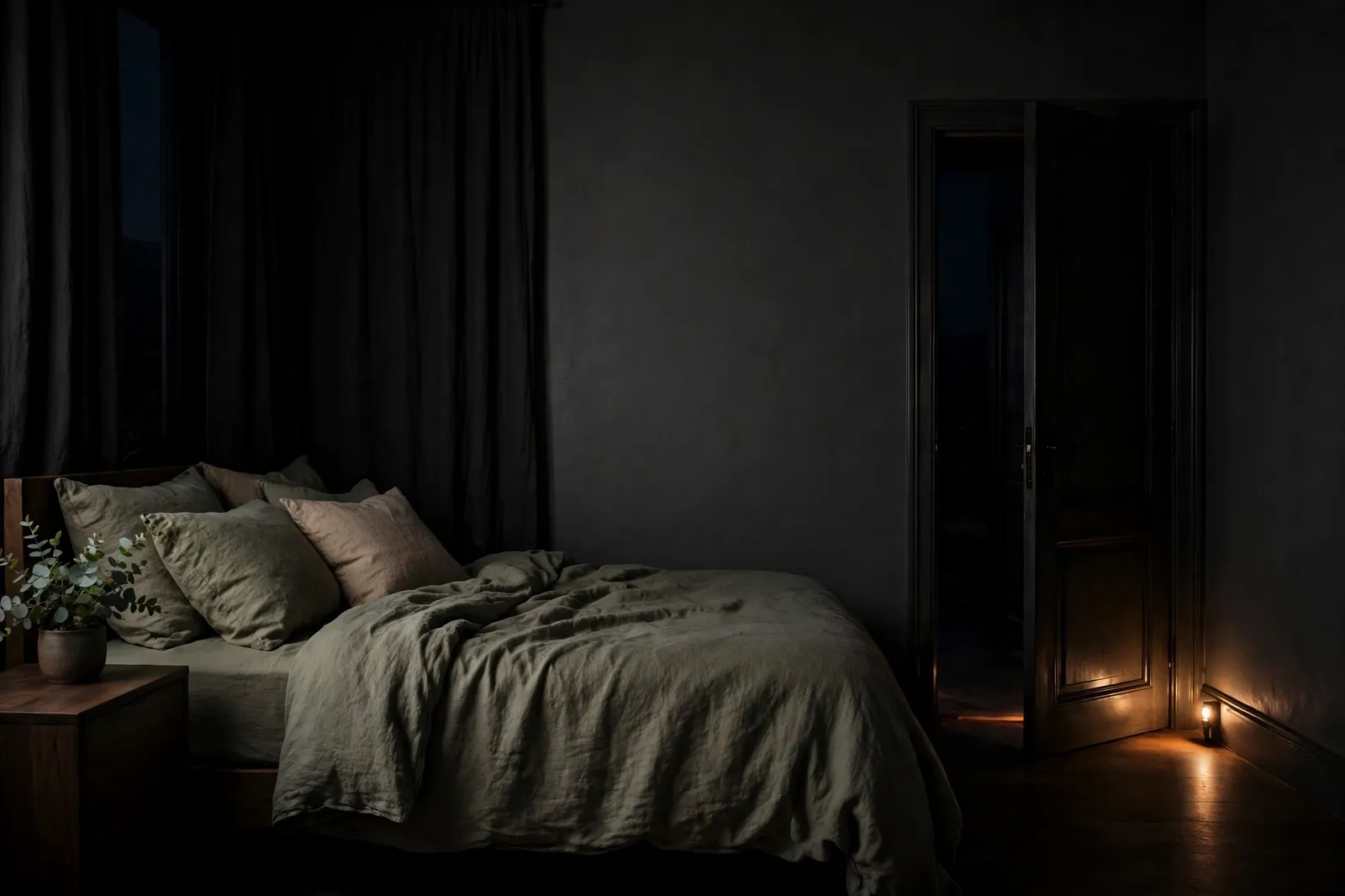
Avoid bright white night lights and anything that shines right at the bed. Warm amber or soft red night lights are the easiest on sleepy eyes, and a plug-in one with a sensor turns itself off in daylight. If you get up in the night, a low glow on the floor is all you need, and you will fall back asleep much faster than if you flip on the big light.
9. Common Lighting Mistakes to Avoid
The biggest mistake is relying on one bright ceiling light and nothing else. It casts hard shadows, washes out the room, and makes it feel like a waiting room. Add at least one lamp at bed height and one low light, and the problem is mostly solved.
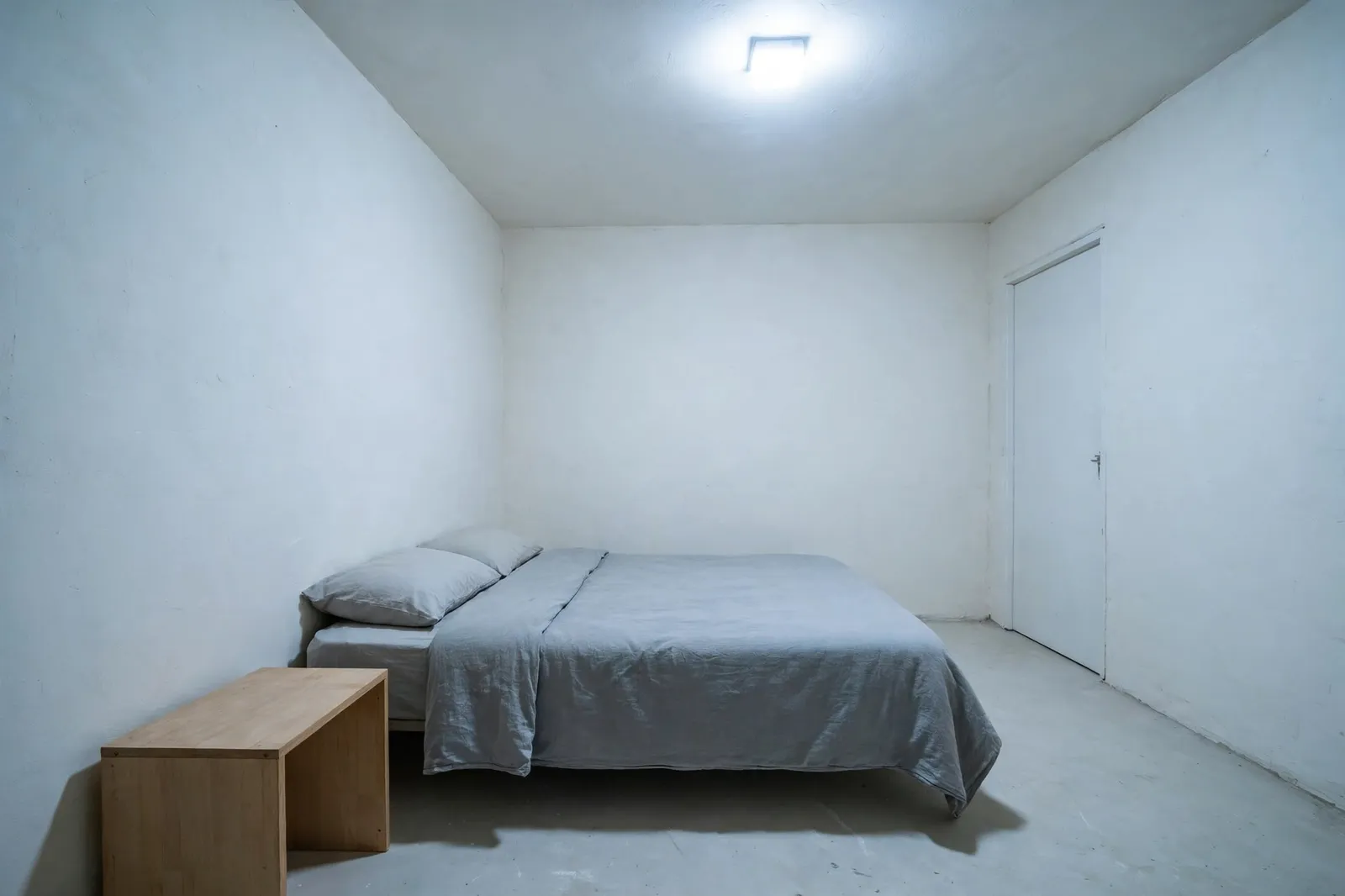
Other mistakes are easy to fix: using cool white bulbs in the bedroom, putting a bare bulb where you can see it, and placing a lamp so it shines in your eyes when you are lying down. Also, don’t put your reading lamp on the far side of the room — if you have to get up to turn it off, you won’t use it. Keep the light close, warm, and low, and the room takes care of itself.
Frequently Asked Questions
What type of lighting is best for a bedroom?
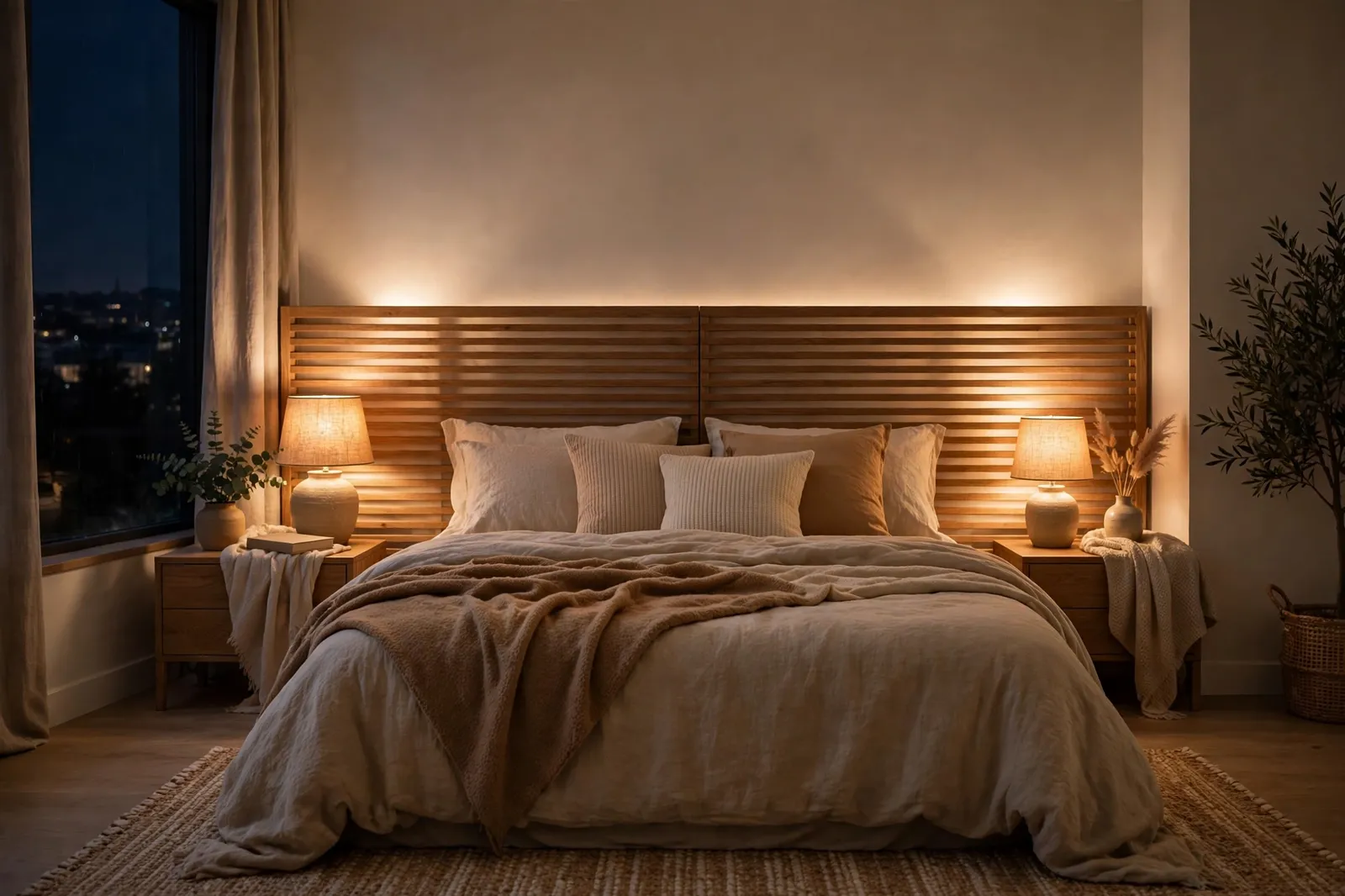
Layered lighting works best: a ceiling light for general brightness, bedside lamps for reading, and a low warm light for a soft glow. Use warm white bulbs around 2700K so the room feels calm and restful at night.
How many light sources should a bedroom have?
Most bedrooms feel right with three to five light sources. That usually means one ceiling light, one or two bedside lamps, and one or two low accent lights, like a dresser lamp or a light strip behind the headboard.
Are warm or cool bulbs better for bedrooms?
Warm bulbs are better for bedrooms. Warm white light around 2700K feels soft and relaxing, while cool white or daylight bulbs look blue and harsh and can make it harder to wind down before sleep.
How can I make my bedroom feel cozy at night?
Turn off the ceiling light and use bedside lamps on a low setting, add a dimmer if you can, and keep one small warm glow somewhere low in the room. Warm bulbs, soft shades, and low light levels are what make a bedroom feel cozy at night.
Related ideas
If you are working on the whole bedroom, these guides go well with this one. Start with these guest bedroom ideas to make visitors feel welcome for a spare room that feels just as cozy, then see these bedroom color schemes for a relaxing atmosphere for wall and bedding colors that pair well with warm light, and these bedroom decorating ideas for a cozy and stylish space to pull the whole room together. See this guide on how to choose the right bedroom rug size for the finishing touch under the bed.