Headboard Ideas for Every Bedroom Style
A headboard does more for a bedroom than most people expect. It frames the bed, gives the room a clear focal point, and makes the whole space feel finished. Without one, even a nicely made bed can look like it is floating in the middle of the wall.
The best part is that there is a headboard for every style and budget, from soft upholstered panels to simple wooden boards to a painted shape on the wall. The ideas below will help you pick one that suits your room, your bed, and the way you actually use it.
1. Why a Headboard Changes the Whole Room
A headboard anchors the bed to the wall. That one change makes the bed look intentional instead of temporary, and it gives your eyes a place to rest when you walk into the room. It also protects the wall from scuffs and marks, which is a practical bonus in a room you use every day.
A headboard is also useful. It gives you something comfortable to lean against when you read or watch something in bed, instead of a hard wall or a pile of pillows that keeps sliding. When you pick a headboard, think about both jobs: how it looks, and how it feels to lean on.
2. Upholstered Headboards for Softness
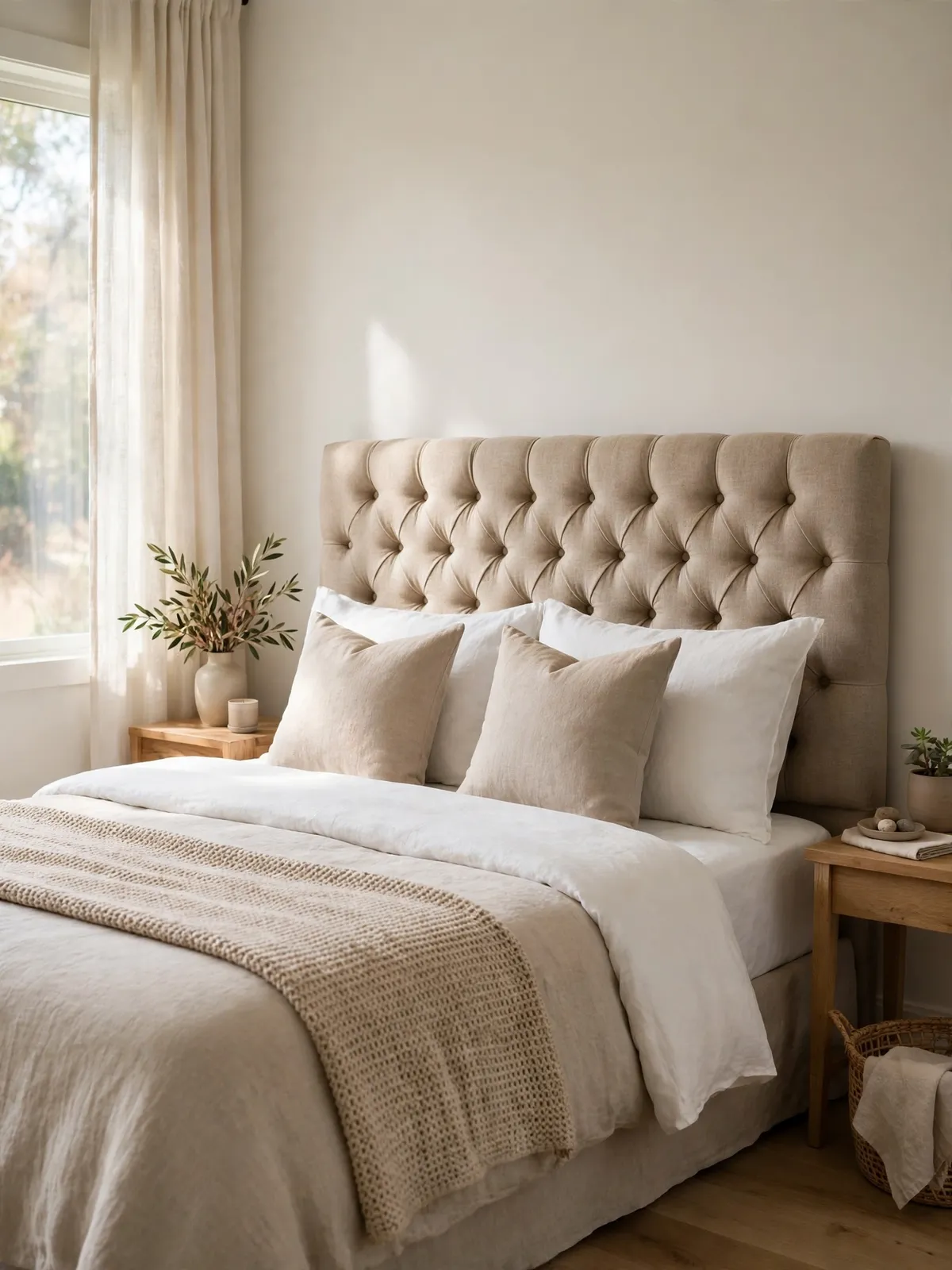
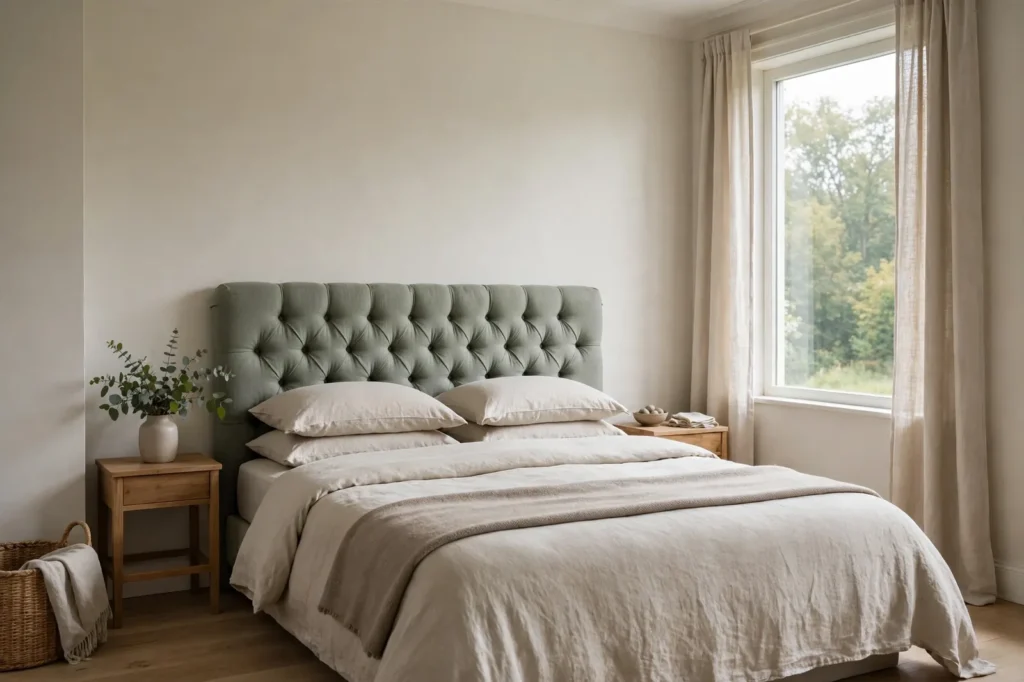
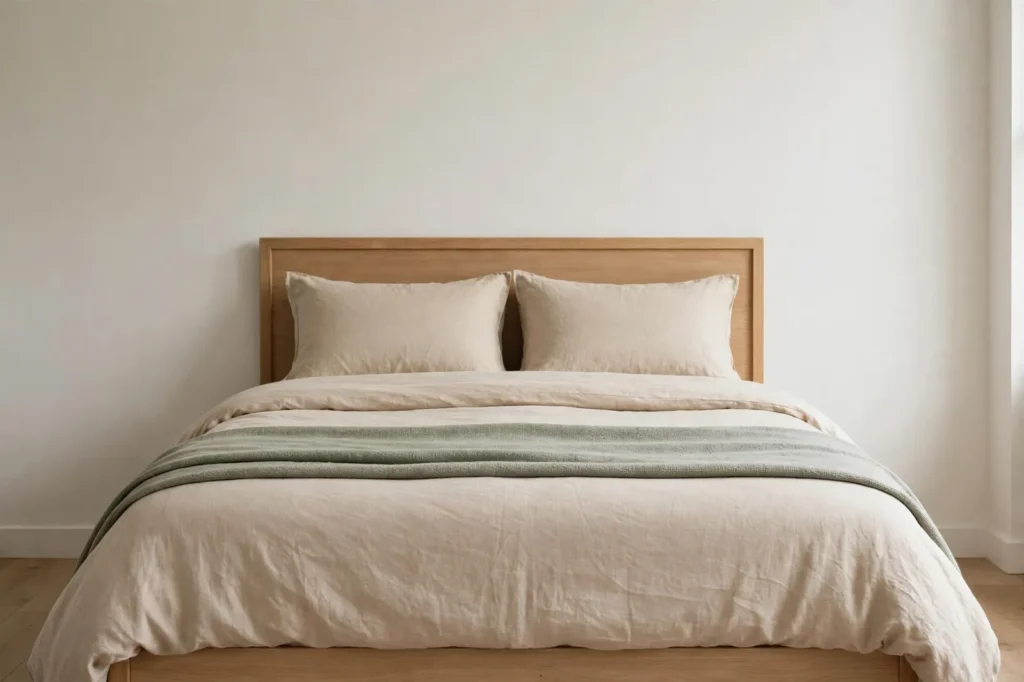
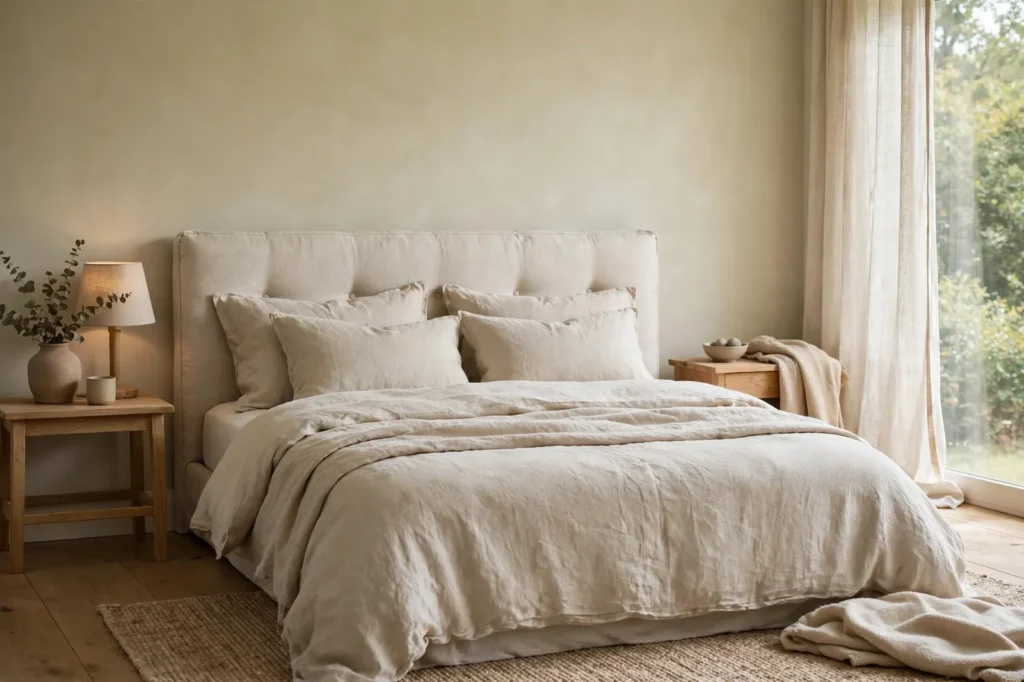
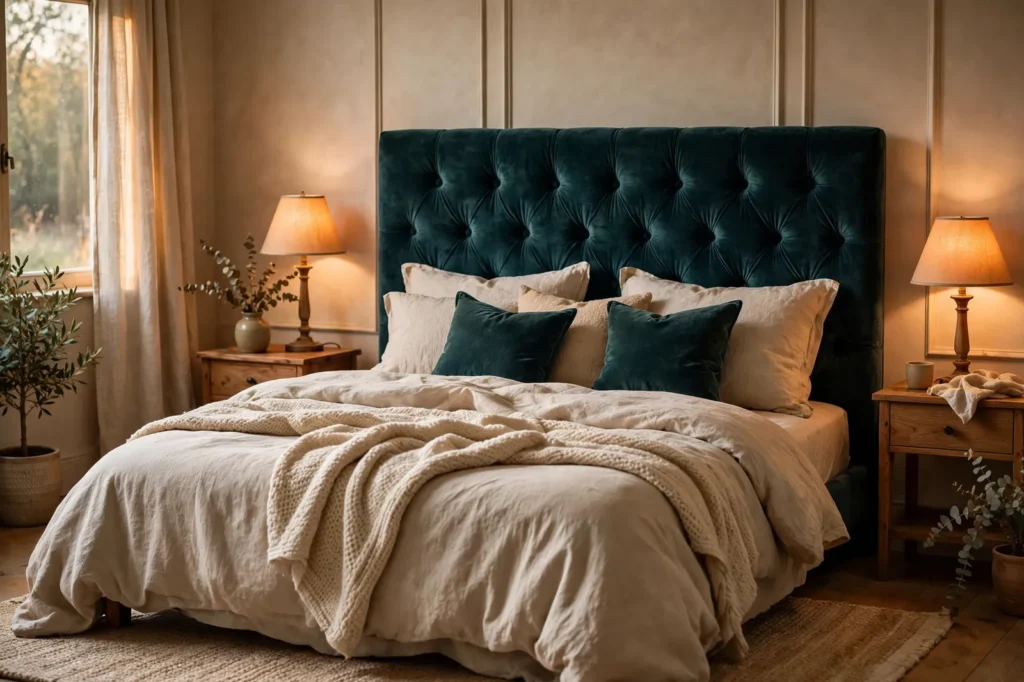
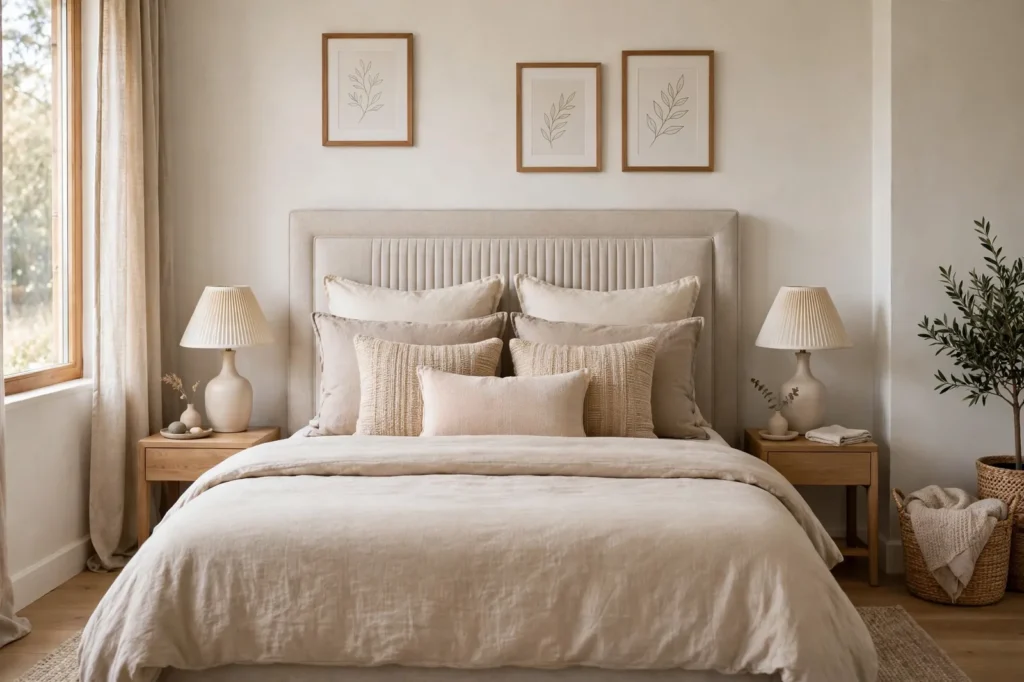
Upholstered headboards are padded and covered in fabric, which makes them the most comfortable choice for leaning back. They come in linen, velvet, cotton, and faux leather, in almost any color. A light linen headboard suits a calm, relaxed room, while a deep velvet one feels richer and more dramatic.
Upholstered headboards suit bedrooms where you read in bed a lot. Look for one with enough padding to lean on without feeling the frame behind it. If you have pets or young kids, choose a fabric that wipes clean easily, and a color that hides a little wear. A simple, straight shape is easier to keep looking neat than a very fussy one.
3. Classic Wooden Headboards
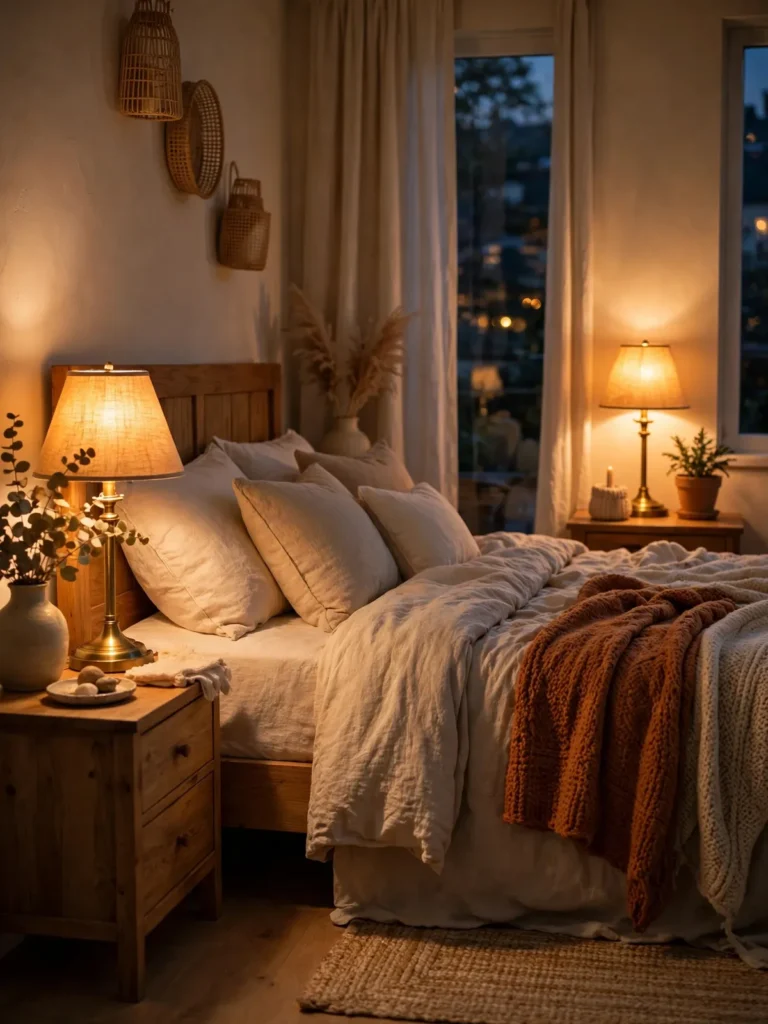
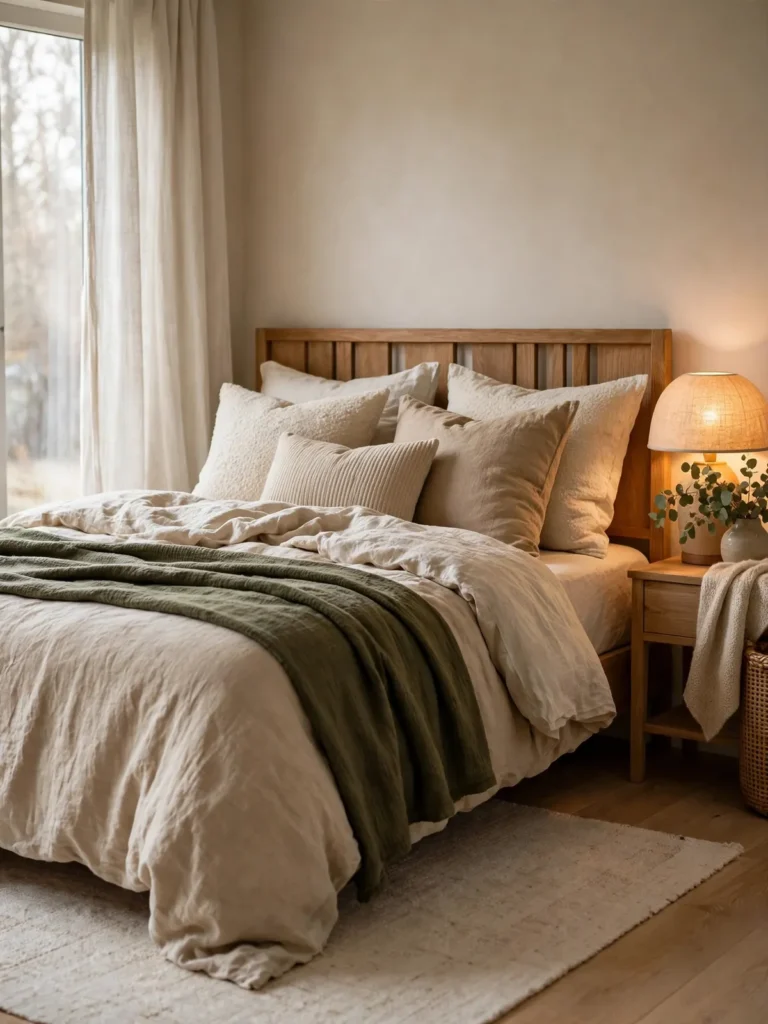
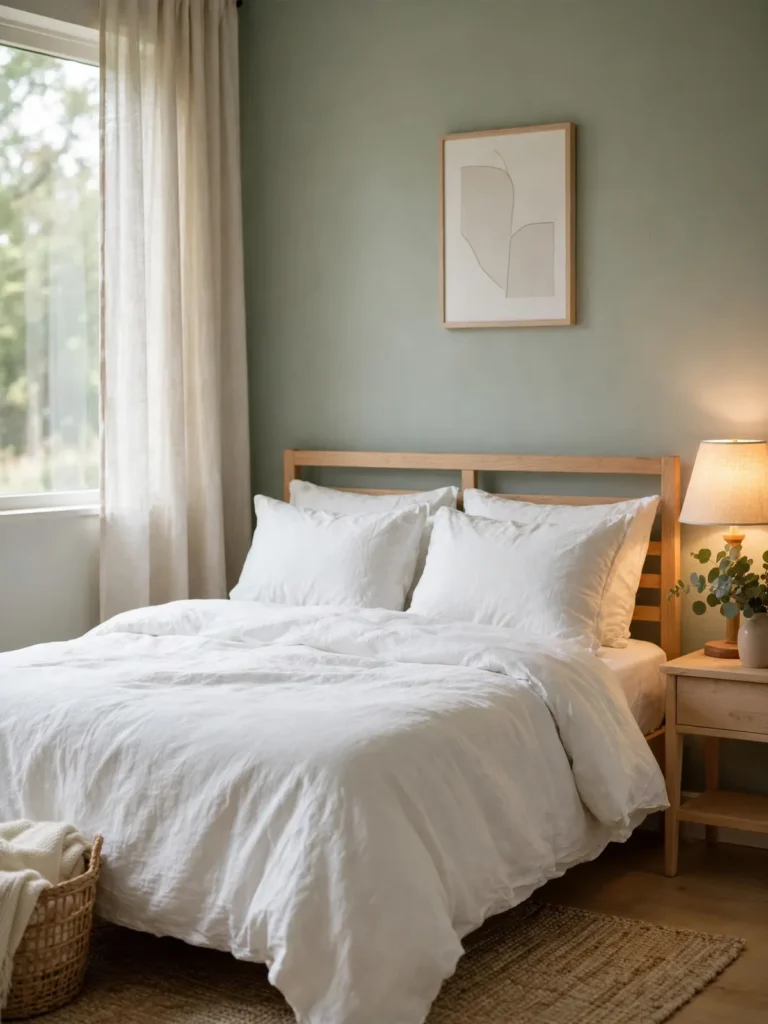
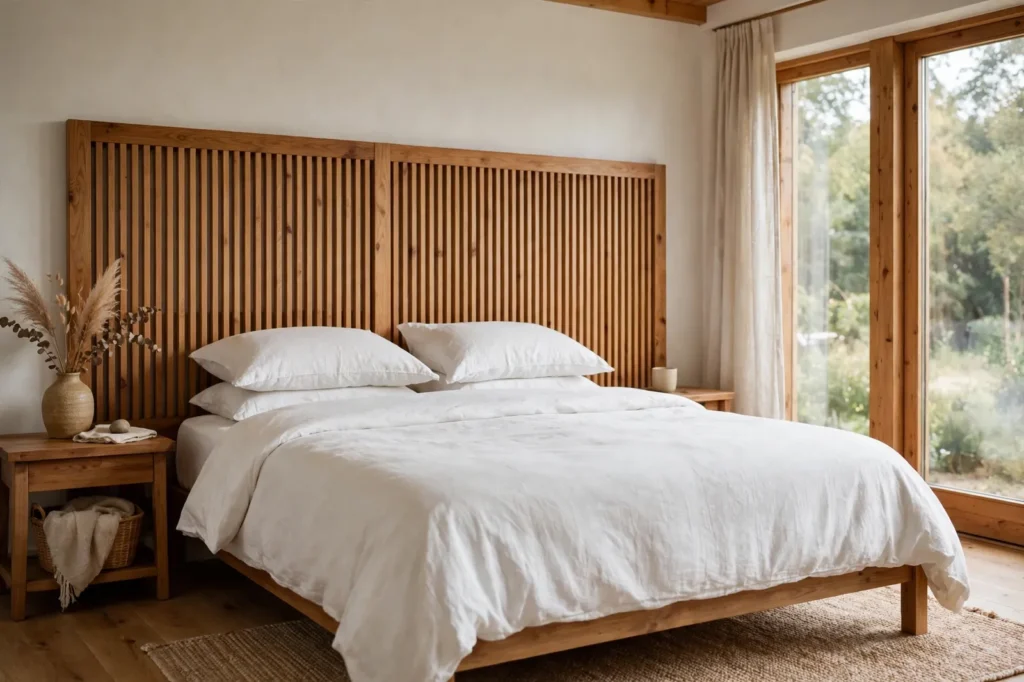
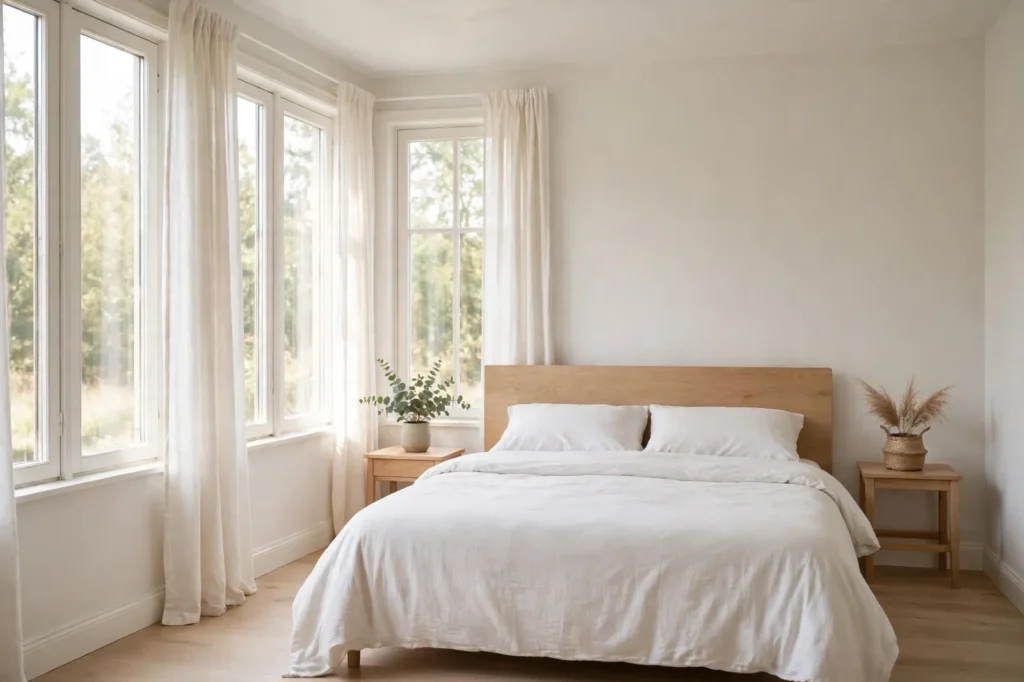
Wooden headboards are a classic for a reason: they suit almost every style, from farmhouse to modern, and they last for years. A simple slatted headboard feels light and airy, a solid panel feels warm and grounded, and a carved or reclaimed-wood headboard adds character to a plain room.
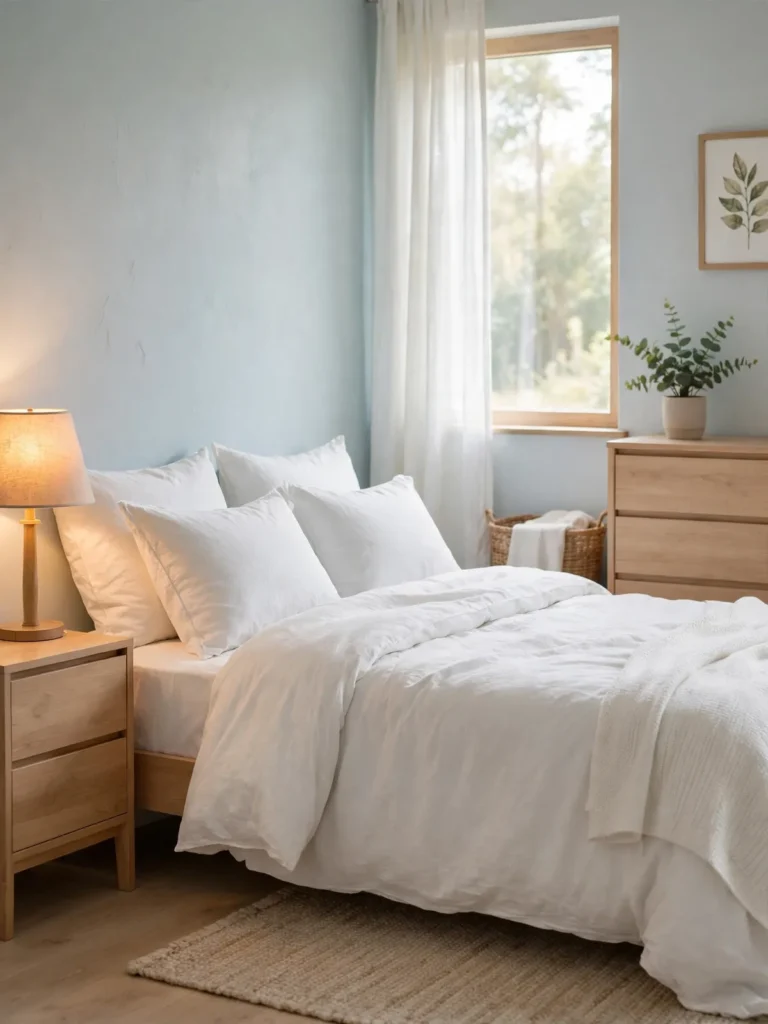
Wood is also easy to match. A light oak headboard pairs well with pale bedding and white walls, while a dark walnut headboard looks good with richer colors. If your furniture is already wooden, try to pick a headboard in a similar tone so the room feels tied together rather than mixed up.
4. Metal Headboards, Light and Airy
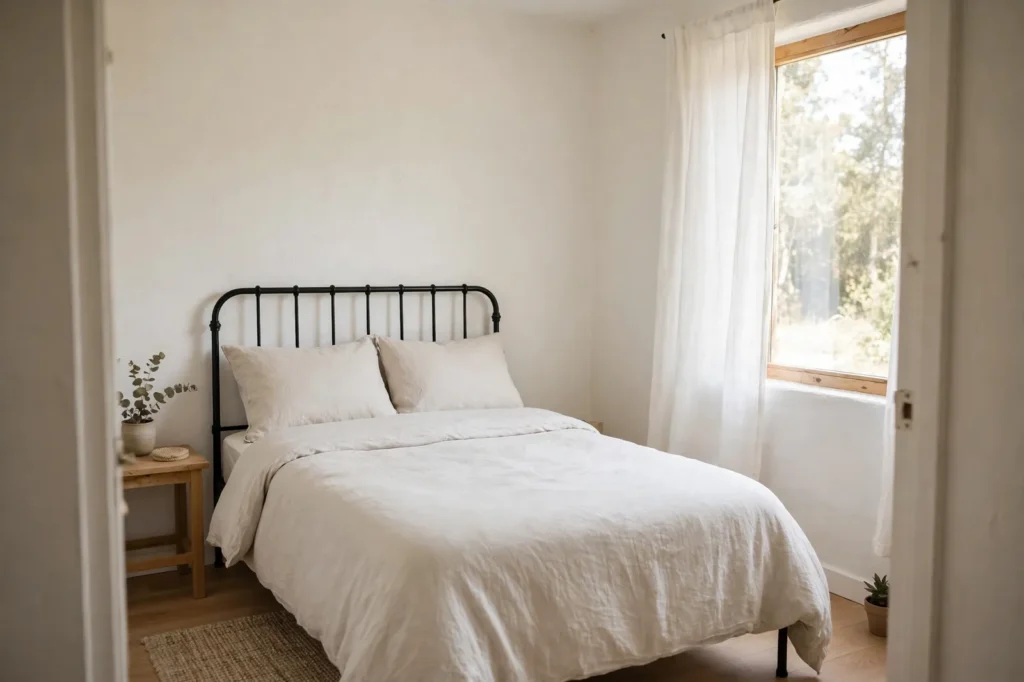
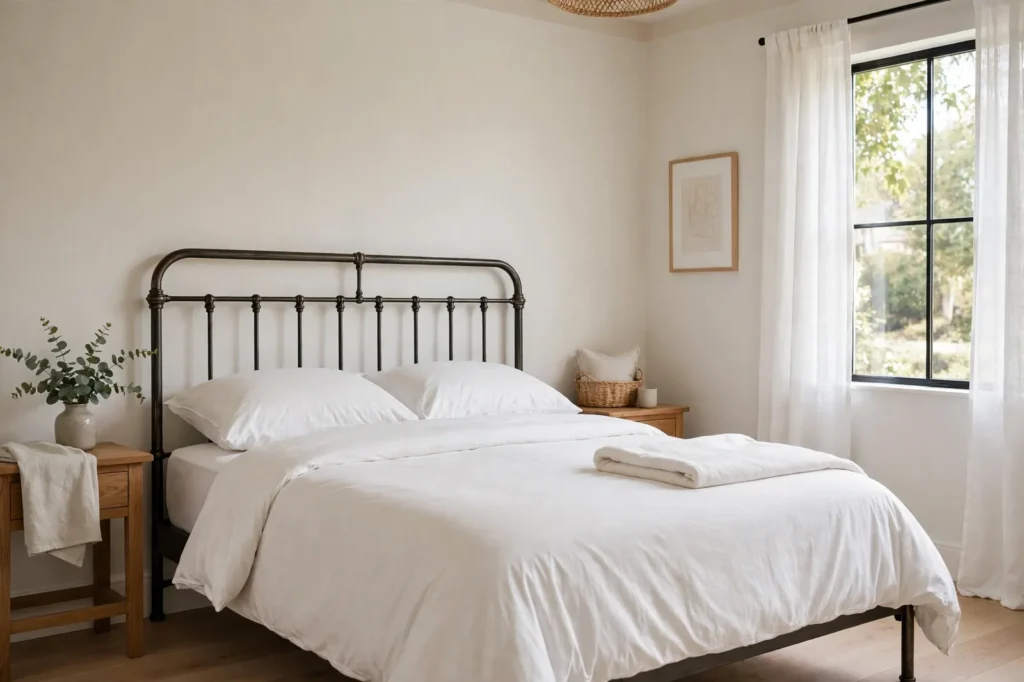
Metal headboards, in black iron, brass, or brushed gold, feel lighter than wood or fabric because you can see the wall through them. That open look suits small bedrooms, where a solid headboard might feel heavy. A simple black metal frame suits a classic or farmhouse room, while brass adds a touch of warmth to a modern space.
Metal headboards are usually easy to clean and hard to damage, which makes them a good choice for a guest room or a kids’ room. They are less comfortable to lean on than an upholstered headboard, so add a couple of firm pillows behind you if you read in bed. Keep the design simple: a busy metal pattern can fight with patterned bedding.
5. Rattan and Natural Textures
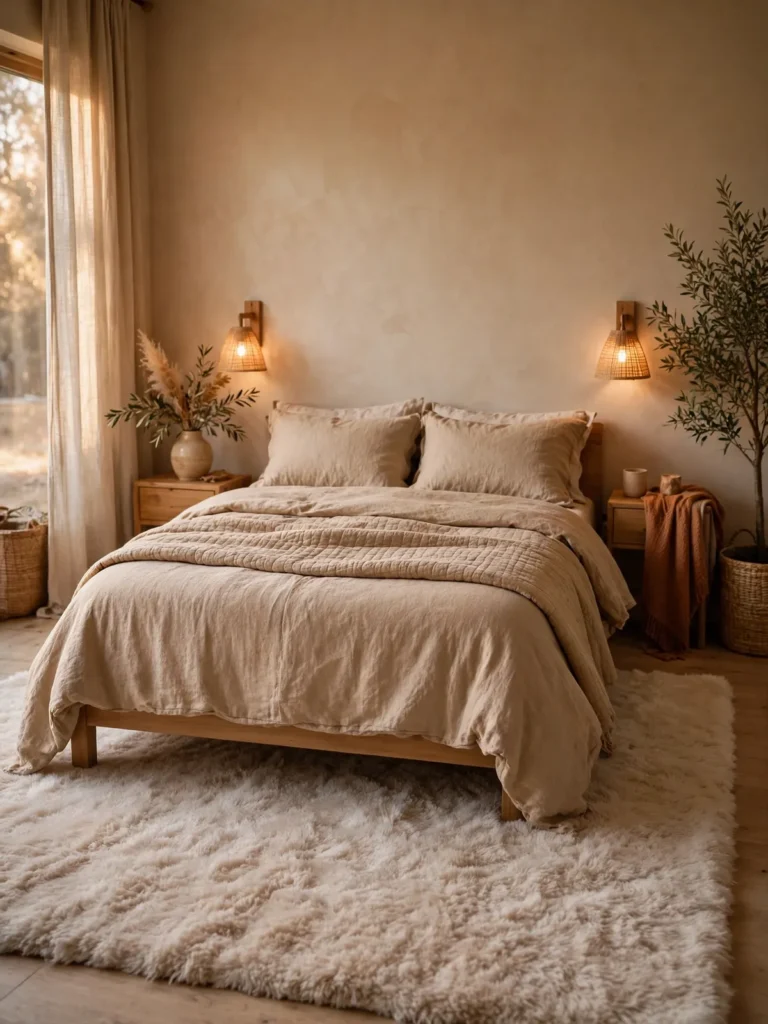
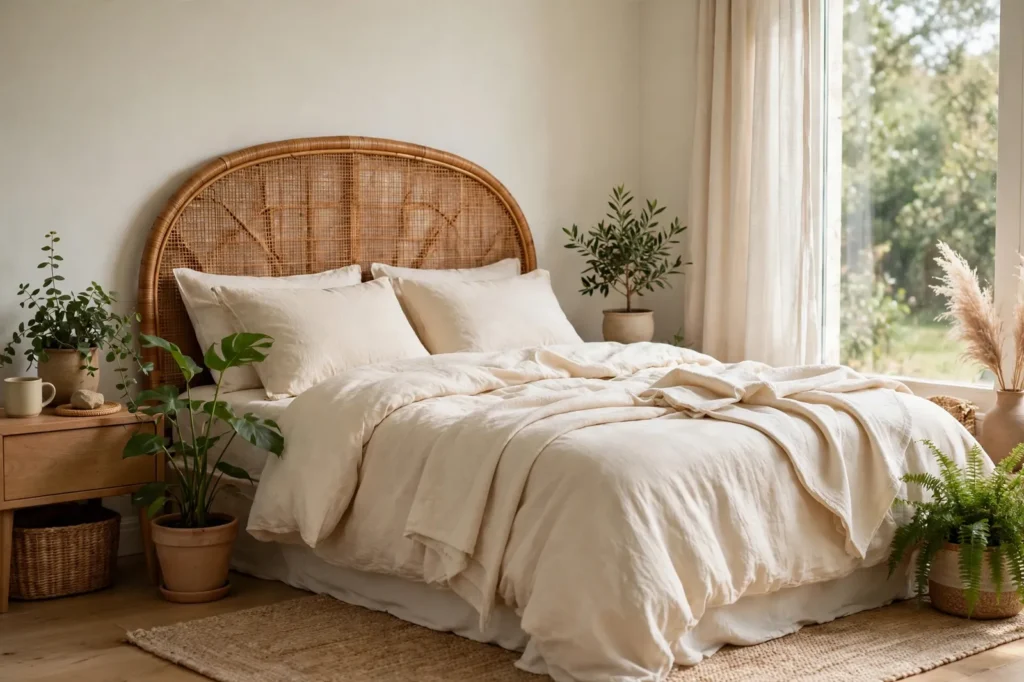
Rattan, cane, and wicker headboards bring a relaxed, natural feel to a bedroom. They suit coastal, boho, and warm modern rooms, and they pair beautifully with white or cream bedding, light wood, and plants. A curved rattan headboard can soften a very square room.
Natural headboards are usually light, which makes them easy to move and hang. They do show dust in the weave, so give them a quick wipe or a gentle vacuum now and then. If you like the look but want something sturdier, look for a wooden frame with cane panels, which gives you the texture with more structure.
6. Painted and Panelled Alternatives
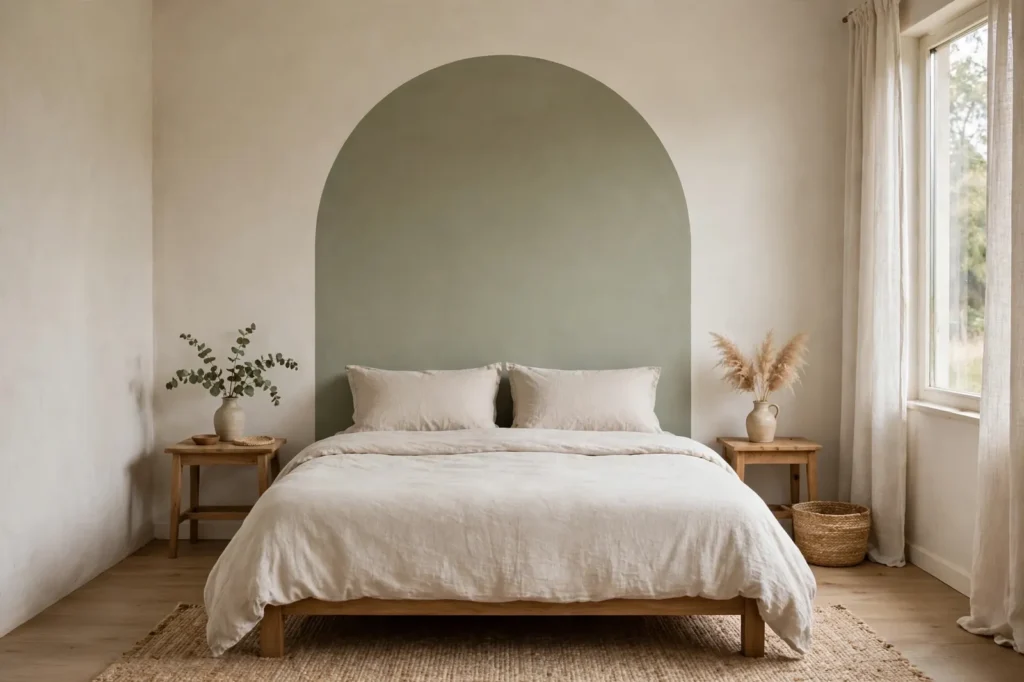
If a traditional headboard does not fit your budget or your room, a painted shape or wall panels can do the same job. Paint an arch or a rectangle behind the bed in a color that contrasts gently with the wall, or fix simple wood panels or molding to the wall in a headboard shape. Both tricks frame the bed for very little money.
This route is also easy to change. When you fancy a new look, repaint the shape or change the panel color, and the whole room feels different without buying new furniture. Keep the shape a little wider than the bed and tall enough to sit above your pillows, so it reads as a headboard rather than a random painted patch.
7. Getting the Size and Height Right
Size matters more than style when it comes to headboards. A headboard should be at least as wide as the bed, and a few inches wider looks more balanced. Too narrow, and the bed looks bigger than its frame. Too wide, and it crowds the nightstands on either side.
Height is just as important. A headboard that disappears behind your pillows is too short. As a simple guide, the top of the headboard should sit well above your pillows when the bed is made, usually at least 24 inches above the mattress. Taller headboards suit rooms with high ceilings, while a lower, wider headboard suits a room with low ceilings.
8. Styling Around Your Headboard
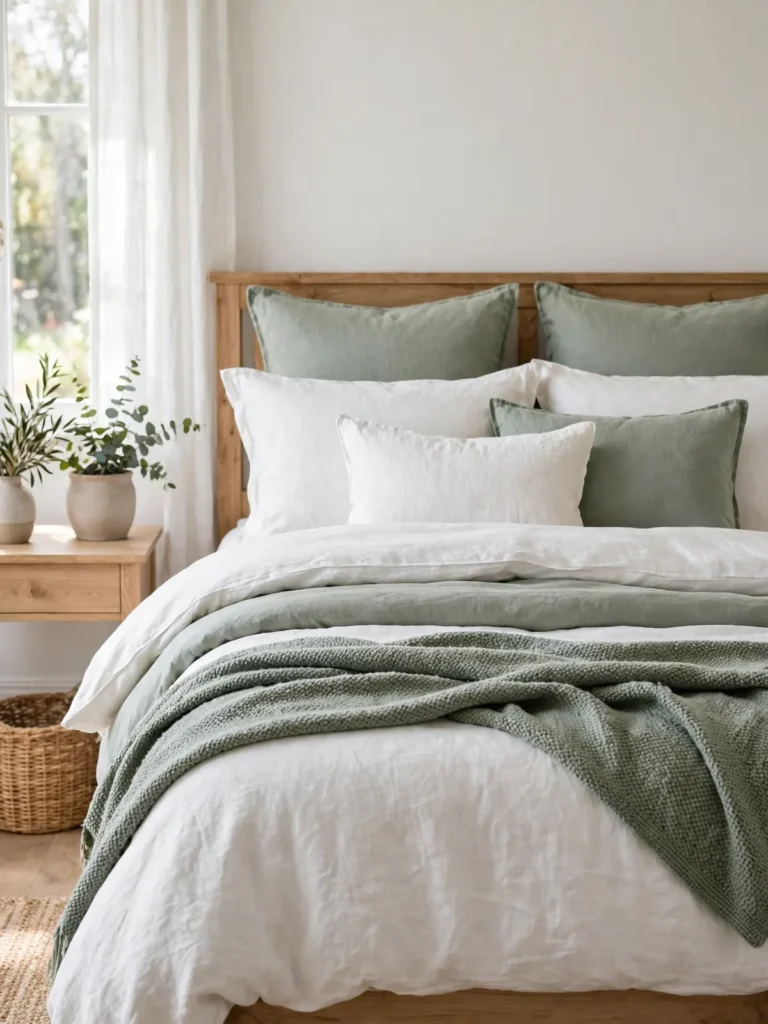
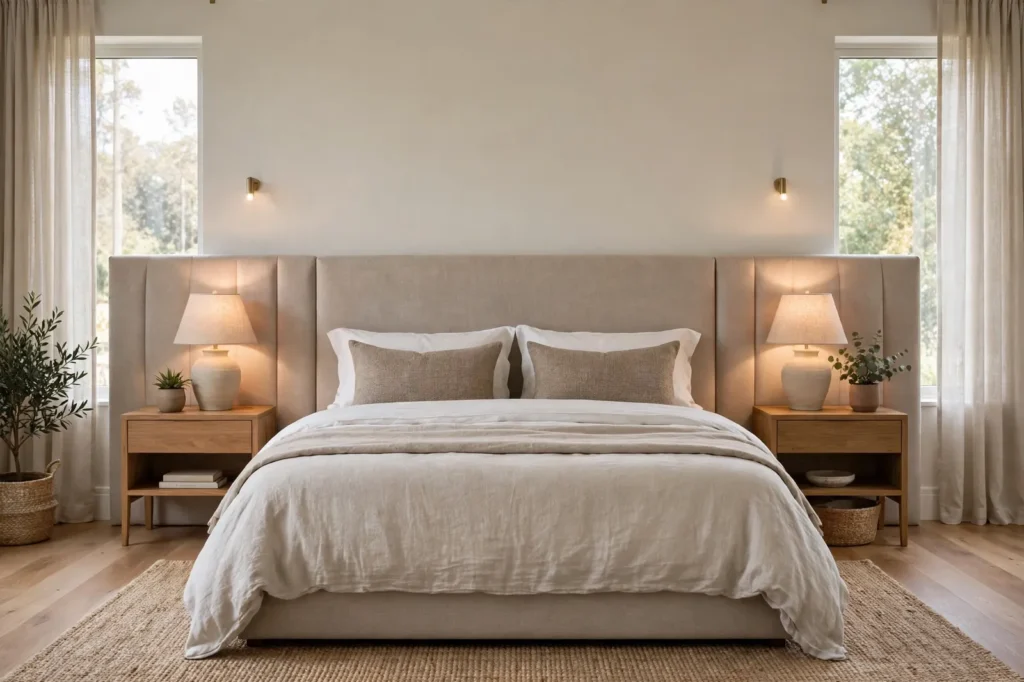
Once the headboard is in place, the styling around it should stay simple. Pillows are the main partner: two sleeping pillows flat against the headboard, then one or two decorative pillows in front, is enough for most beds. More than that, and making the bed becomes a chore.
Wall space above a tall headboard is best left empty, or given one simple piece of art that is narrower than the headboard. Bedside lamps should sit at about the same height as the top third of the headboard, so the whole bedside arrangement looks balanced. If the headboard is patterned or textured, keep the bedding fairly plain so the two do not compete.
9. Picking the Right Headboard for Your Style
The right headboard is the one that fits your room, your budget, and your habits. If you read in bed every night, comfort comes first, so lean toward upholstered. If you like a clean, airy room, metal or rattan may suit you better. If you want something that lasts and suits any bedding, wood is hard to beat.
Start with your budget and your wall space, then choose the simplest version of the style you like. You can always add color and pattern with bedding and pillows later. A headboard you love looking at every morning is worth more than a fancy one that does not fit how you live.
Frequently Asked Questions
What size headboard should I buy?
Buy a headboard at least as wide as your bed, ideally a few inches wider, and tall enough to rise well above your pillows when the bed is made. Check that it leaves room for your nightstands on both sides before you order.
Are upholstered headboards comfortable to lean on?
Yes, upholstered headboards are the most comfortable for reading in bed, because the padding supports your back. Choose one with thick padding and a fabric that is easy to clean if you have pets or kids.
Can I have a headboard in a small bedroom?
Yes. Choose a light, open design like metal or rattan, or paint a headboard shape on the wall. These options frame the bed without adding visual weight, which keeps a small room feeling open.
Do I need a headboard at all?
You do not need one, but a headboard makes the bed look finished, protects the wall, and gives you something comfortable to lean on. A painted shape or wall panels can give you the same effect on a small budget.
Related ideas
If you are styling the whole bedroom, these guides go well with this one. Start with these bedroom decorating ideas for the cozy, stylish basics, then see how to style a bed with pillows and layers for the bedding to go with your new headboard, and these nightstand styling ideas for a beautiful bedroom for the tables on either side of the bed. And see how to choose the right bedroom rug size for the floor under the bed.